


- INCI
- Ascorbyl Glucoside
- CAS
- 129499-78-1
- Function
- Aktívna látka
- Recommended dosage
- 0.1 - 2
- Solubility
- Rozpustné vo vode
- Description
- Ascorbyl Glucoside is a stable vitamin C derivative that is formed by combining ascorbic acid with glucose (2-O-alpha-D-glucopyranosyl-L-ascorbic acid). In practice, it is a raw material produced by a biotechnological/enzymatic process (glycosylation), which yields a bio-based form of vitamin C with better stability in formulations and a lower tendency towards undesirable darkening compared to pure ascorbic acid. On the skin, it behaves like a “ vitamin C pool ” – the enzyme α-glucosidase present on the membranes of skin cells gradually cleaves the bond and releases active vitamin C over time, which supports a more long-lasting effect without the strong “shock” typical of less stable forms. Key benefits Evening of skin tone and support of brightening – helps reduce melanin formation through tyrosinase inhibition . Support in lightening existing pigmentation – the released vitamin C can participate in reduction mechanisms in melanin. Antioxidant protection – helps reduce oxidative stress and supports the skin’s defenses after UV exposure. Anti-age effect – supports collagen production and improvement in the appearance of fine lines with regular use. Formulation stability – compared to pure vitamin C, it is more suitable for standard emulsions and aqueous systems where more stable performance is required. High tolerability – in formulations it is generally perceived as a mild and gentle vitamin C derivative. Suitable for products such as Serums and facial emulsions for brightening and evening skin tone. Creams for pigment spots and uneven skin tone. Anti-age products (day/nigfull description on the product page →
Available in our shop
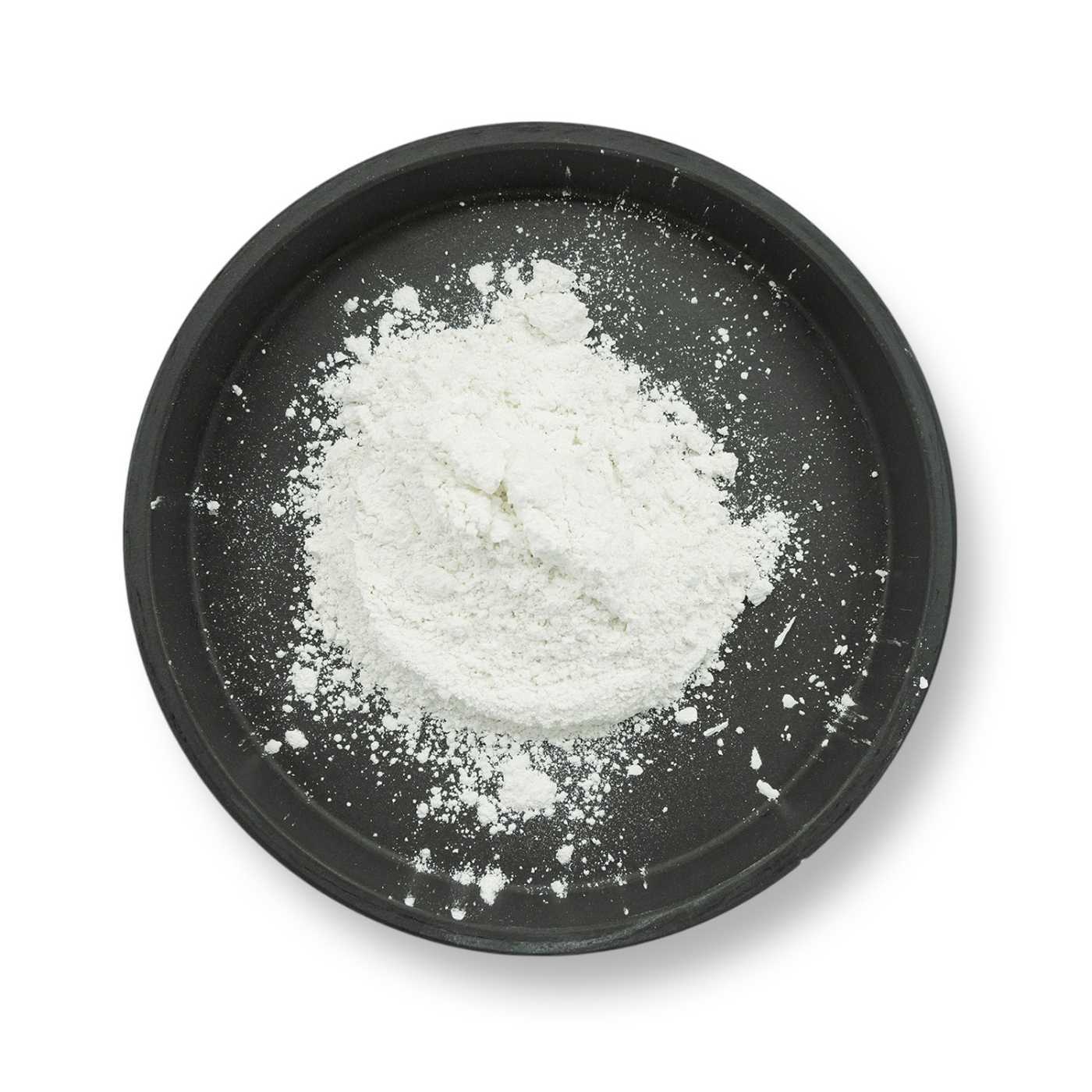
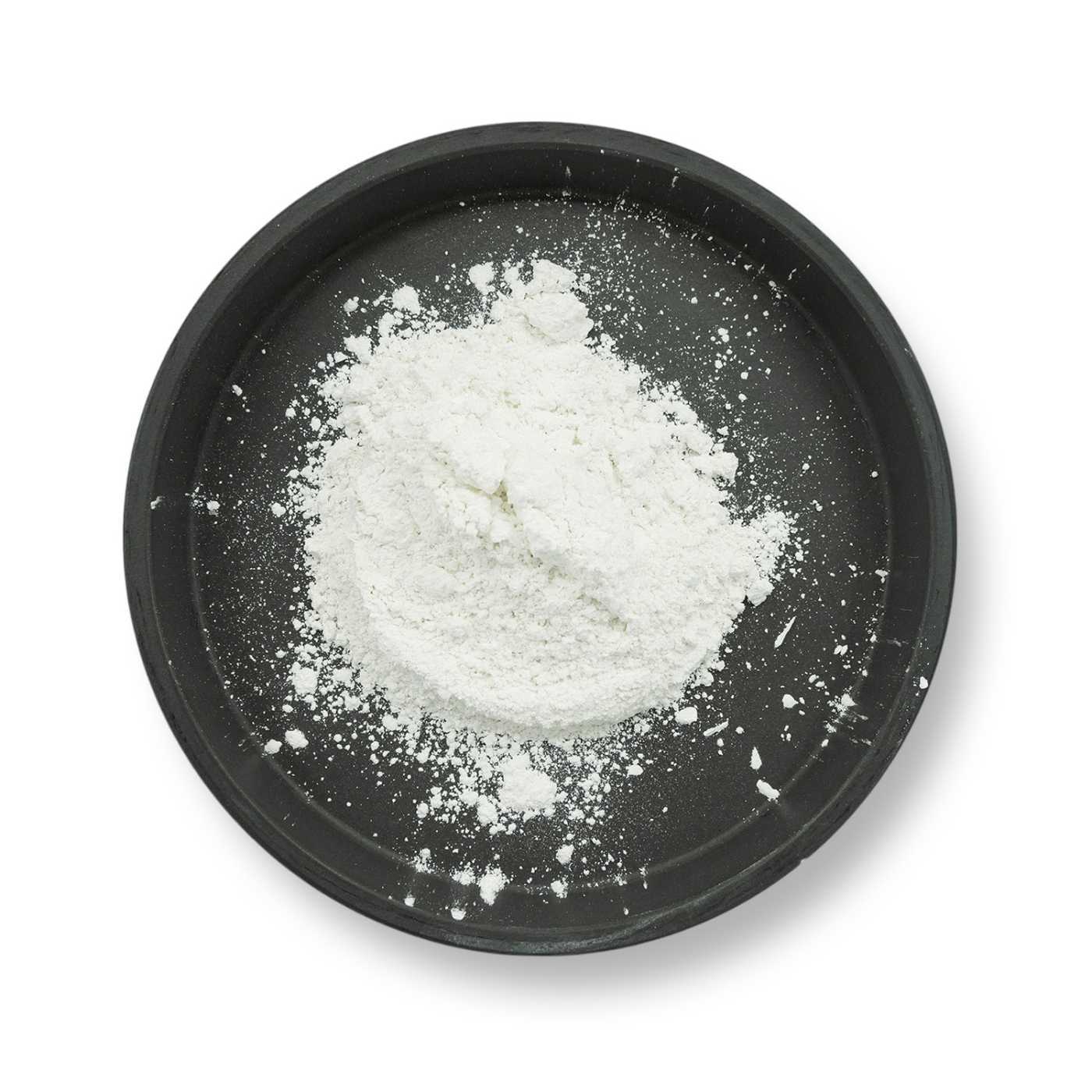
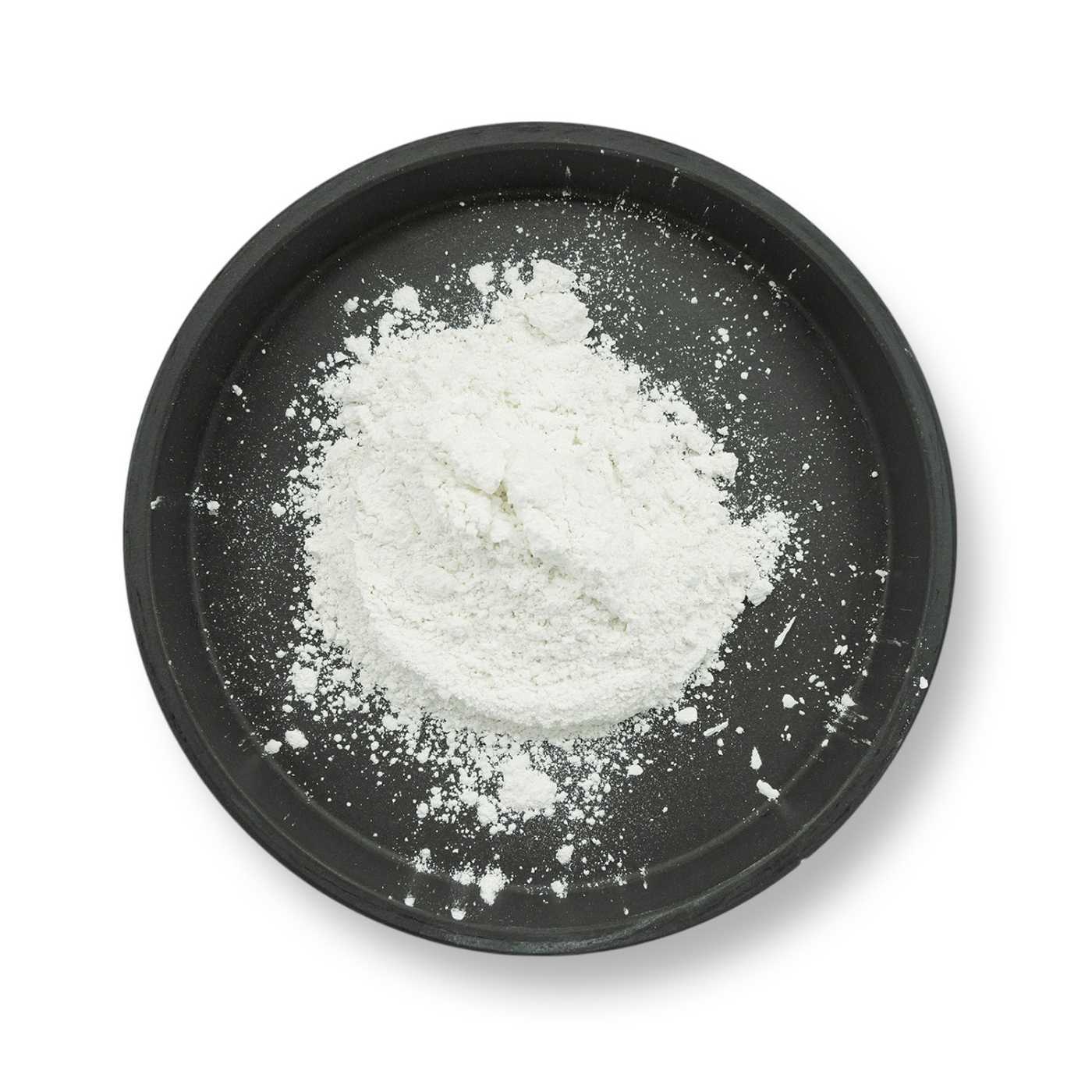
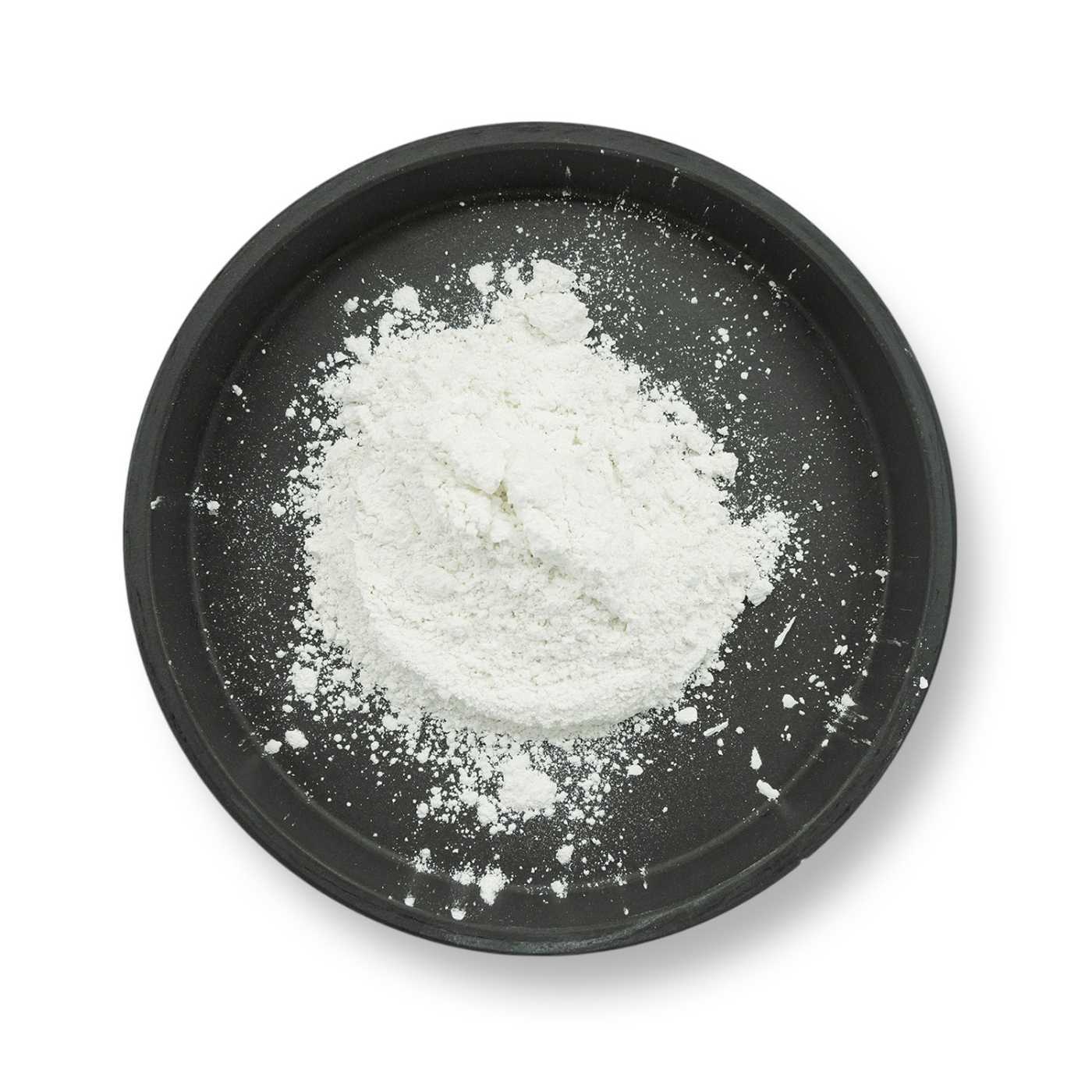
Ascorbyl Glucoside is a stable derivative of vitamin C formed by linking ascorbic acid with glucose (2-O-alpha-D-glucopyranosyl-L-ascorbic acid). In practice it is a raw material produced by a biotechnological/enzymatic process (glycosylation), which yields a bio-based form of vitamin C with better stability in formulations and less tendency to unwanted darkening than pure ascorbic acid. On the skin it behaves as a “vitamin C pool” – the enzyme α-glucosidase present on the membranes of skin cells gradually cleaves the bond and releases active vitamin C over time, which supports a longer-lasting effect without the abrupt “shock” typical of less stable forms.