


BOTTLES ONLY
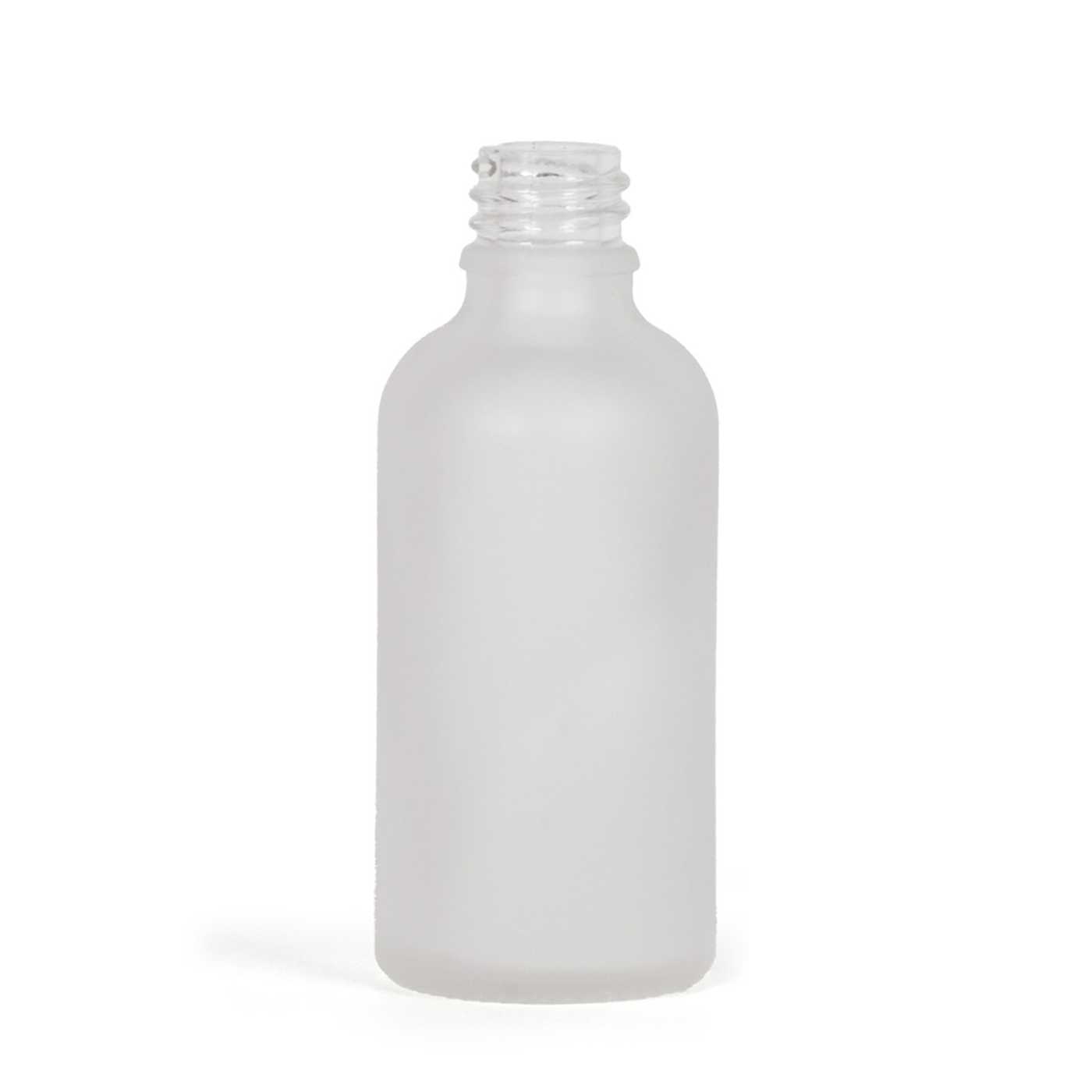
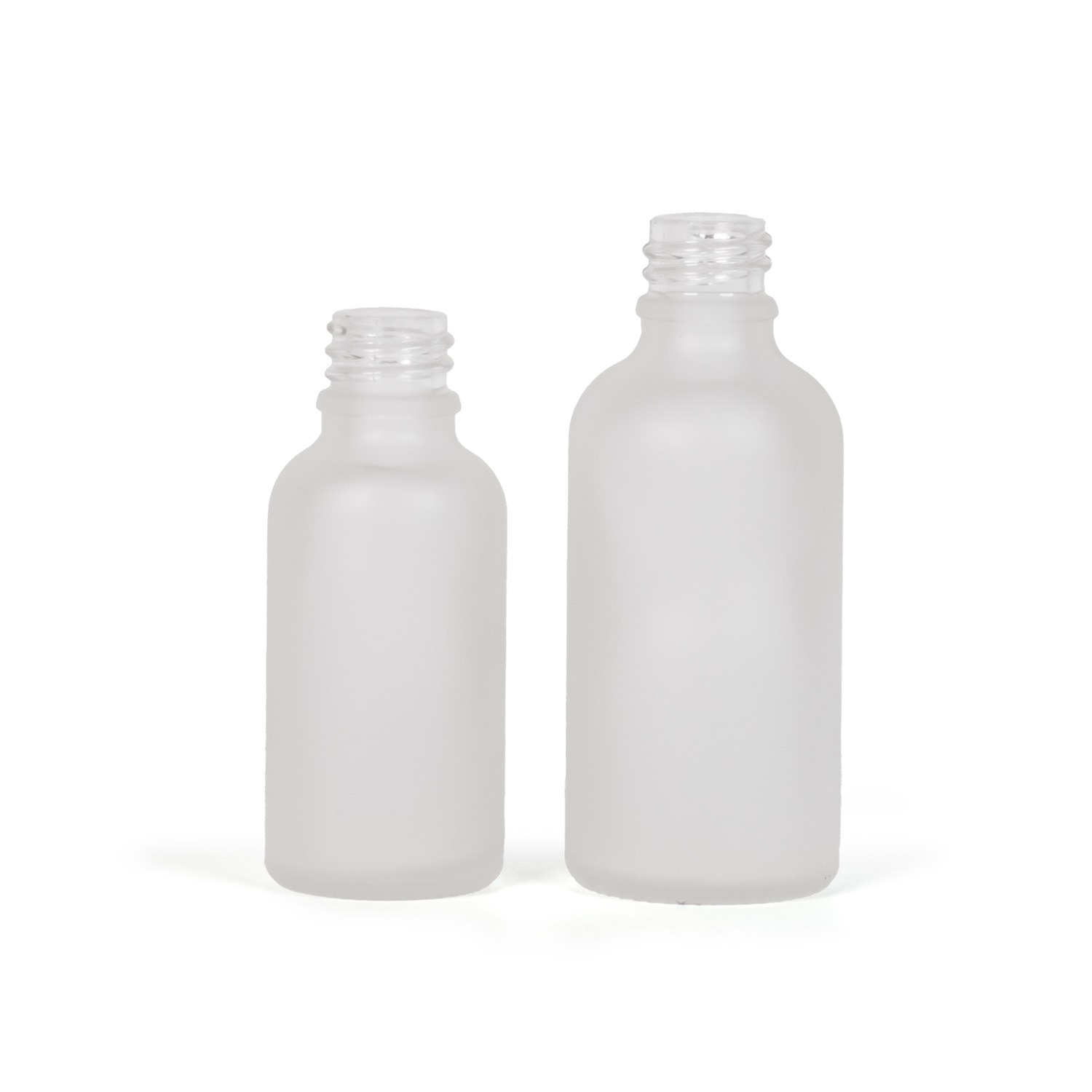
Glass bottle, frosted, 18 mm, 50 ml
Glass bottle 50 ml with a narrow neck 18 mm is packaging for liquid cosmetics dispensed drop by drop or in small amounts: facial serums, oil blends for face and hair, tinctures or nail treatments. full description
Lowest price in the last 30 days: €0.59
Total for 1 pcs: €0.59
Product description
Glass bottle 50 ml with a narrow neck 18 mm is packaging for liquid cosmetics dispensed drop by drop or in small amounts: facial serums, oil blends for face and hair, tinctures or nail treatments. The frosted surface gives the bottle a muted appearance and reduces direct light exposure to the contents, while the glass remains transparent so you can see the fill level and colour of the product.
Based on the technical documentation, the bottle is suitable for use with cosmetic products and meets the relevant legislative requirements. Details are provided in the product parameters.
Why choose frosted glass
- Glass does not react with the contents – suitable for aqueous, alcohol-based and oil-based formulations, including blends with a higher proportion of essential oils, which can degrade some plastics over time.
- Diffused light, visible contents – the frosted surface scatters light but allows the colour and fill level of the product to show through. This is not the same level of protection as amber or blue glass.
- Narrow neck – enables precise dispensing with a dropper, pump or spray, and limits contact between the contents and air each time the bottle is opened.
- 50 ml volume – corresponds to the standard size of a serum or facial oil that is used up within a reasonable time, and is also suitable for test batches.
- Reusable – after thorough cleaning and disinfection the bottle can be refilled, which is useful for small-batch in-house production.
Nominal volume and total volume – what is the difference
Nominal volume is the volume the packaging is designed for during standard filling and which is stated on the label. Total volume to the brim is the physical volume of the bottle up to the neck. The difference between them is the allowance for the cap, the dropper or pump tube, and slight expansion of the contents with temperature changes. The bottle should therefore be filled to the nominal volume, not to the brim. The exact values of both volumes can be found in the product parameters.
When filling, leave allowance for the volume of the dropper's glass tube as well. A bottle filled to the brim will force the contents out when the cap is attached, soiling the neck and causing a poor seal.
What products is it suitable for
- Facial and hair serums – aqueous and oil-based, dispensed with a dropper or pump.
- Oil blends – facial massage oils, beard oils, nail and cuticle treatments; glass does not absorb fragrance or react with oils.
- Essential oil blends in a carrier oil – for spot application or massage; we recommend storing pure essential oils in dark glass.
- Tinctures and alcohol extracts – ethanol does not damage glass; the only requirement is a tight-fitting cap to prevent the alcohol from evaporating.
- Toners and facial waters in smaller packaging – with a spray or standard cap.
Choosing a cap
Caps with the same neck type as stated in the product parameters fit this bottle. Ready-made bottle and cap combinations are available in the Handymade range. When combining components yourself, we recommend verifying seal integrity and dispensing performance with your specific formulation, especially for alcohol-based and very thin contents that are more prone to leaking around the thread.
What is good to know when working with the bottle
Preparation before first use. The bottles are not sterile. Before filling, wash them with warm water and detergent, rinse, disinfect with isopropyl alcohol or ethanol, and leave to dry completely upside down. Residual water in an oil-based formulation promotes microbial growth.
Glass and temperature. Glass withstands hot water during washing, but not sudden temperature changes. Do not pour a hot product into a cold bottle, and do not fill a refrigerated bottle with hot contents. Allow both to come close to room temperature first.
Frosted surface and labels. Degrease the surface before applying a label. The label area dimensions can be derived from the product parameters; for a cylindrical shape, bear in mind that the label should not extend into the curved areas at the base or shoulder of the bottle.
Recycling. The bottle is made of standard glass and, once emptied and rinsed, belongs in glass recycling collection.
Glass is fragile. When filling larger batches, do not place bottles close together on a hard surface, and when shipping to customers, pack them so they do not touch each other.
Frequently asked questions
Parameters
Product documentation
- PDSProduct Data Sheet
- PDF ↓
Verified by customers.
No reviews yet.
Only customers with a delivered order can write reviews.