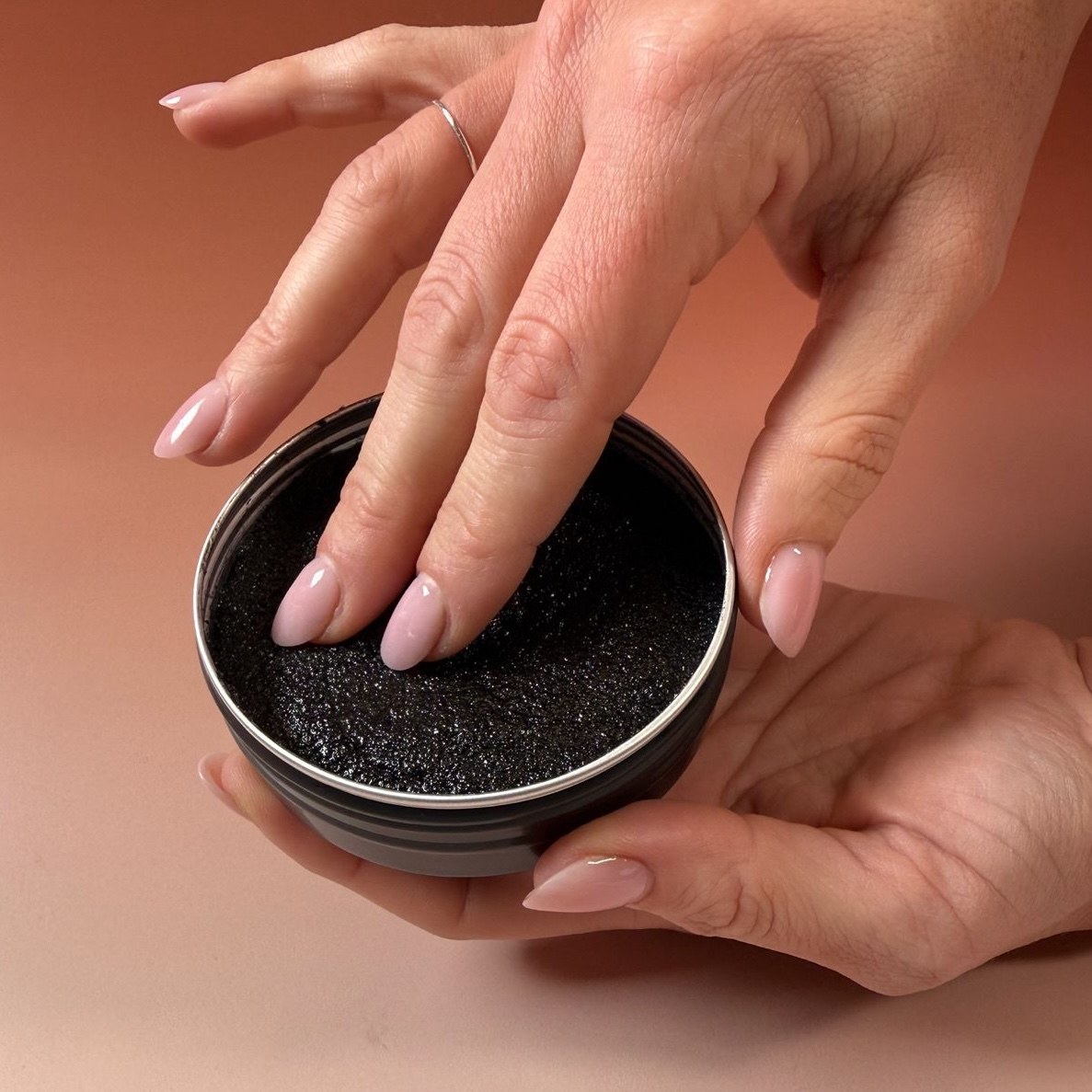
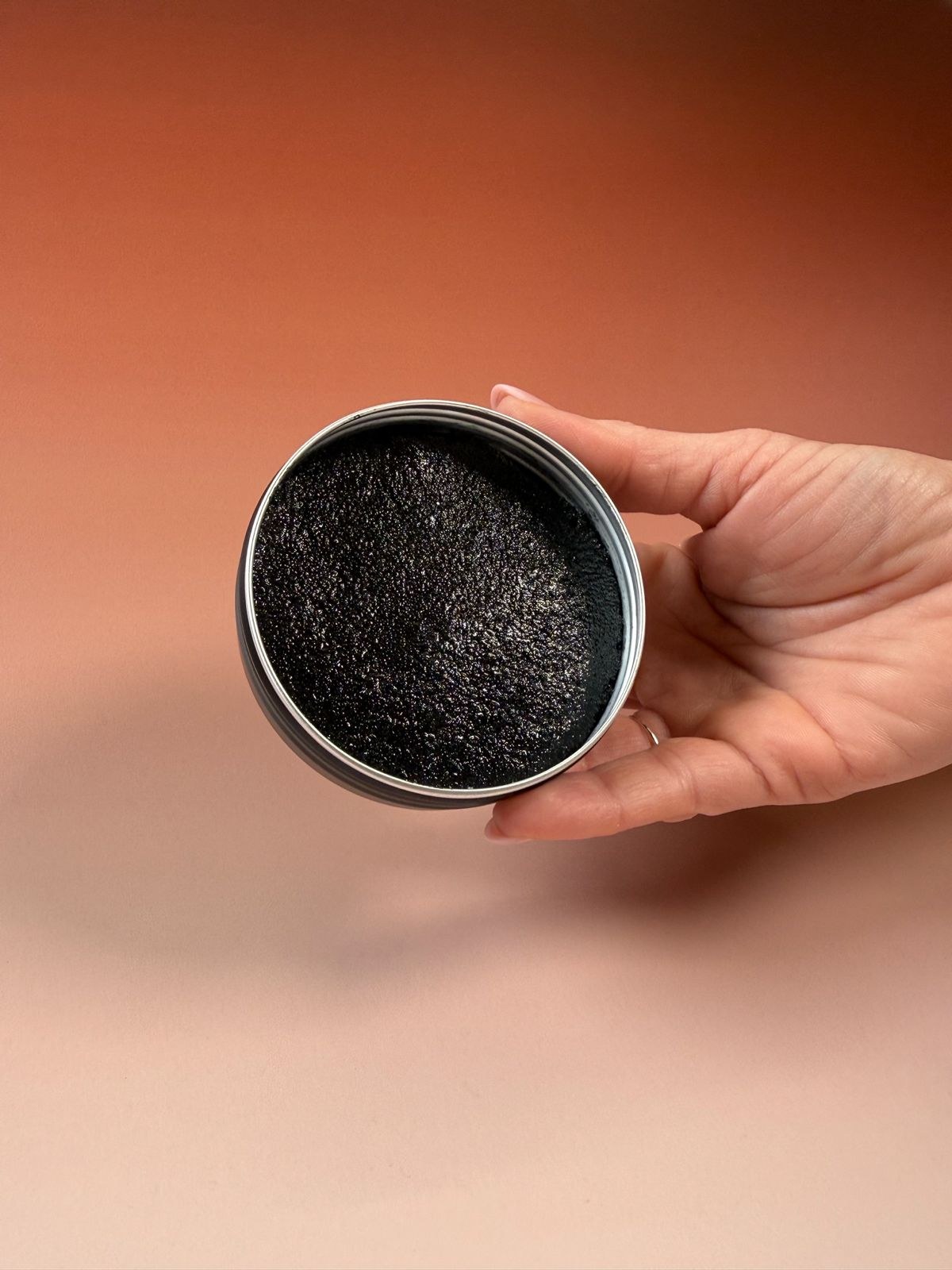
A foaming sugar scrub with activated charcoal combines mechanical exfoliation with sugar, the gentle foaming of a surfactant, the detoxifying effect of activated charcoal and nourishment from oils and butters. The result is a sensual shower product that cleanses and smooths the skin, while at the same time leaving it pleasantly supple and fragranced.
About this recipe
This type of scrub is ideal for regular use in the shower, especially for skin that looks tired, greyish or tends to have clogged pores. Thanks to the combination of a surface-active substance, humectants and lipids, it leaves the skin clean but not dried out, and it is also suitable for those who want to avoid aggressive sulphate surfactants.
The formula is given in percentages by weight for a 100 g batch and consists of four phases — the sugar base (A), the oil phase (B), the surfactant phase (C) and the actives with fragrance (D).
Key benefits
- Gentle mechanical exfoliation
The sugar crystals help to loosen dead cells, smooth flakes and refine the surface of the skin. Compared to a salt scrub, a sugar scrub is gentler and more suitable even for more sensitive body areas.
- Sulphate-free foam
Decyl Glucoside is a non-ionic surfactant based on sugar — mild, with good foaming and high tolerability even for sensitive skin.
- Detoxifying activated charcoal
It absorbs sebum, impurities and residues of skin oil from the surface of the skin. Ideal for oily and problem skin in rinse-off formulations.
- Nourishment instead of dryness
The oils and cupuacu butter provide slip and comfort after rinsing — the skin is soft and supple, not tight.
- A scent that lasts
Fragrance oil Desire is stable and compatible with both oil and surfactant bases, thanks to which the fragrance remains pronounced even after rinsing.
Product properties
Key ingredients in the recipe
Below we go through the role of each ingredient in the recipe. You will also learn more about possible substitutes, so that you can tailor the scrub to your needs.
Sugar
Sugar makes up the main part of the formula and is responsible for an effective yet still relatively gentle mechanical exfoliation. The crystals help to loosen dead cells, smooth flakes and refine the skin surface. Compared to a salt scrub, a sugar scrub is gentler and more suitable even for more sensitive body areas. You can replace sugar with very finely ground sea salt or pumice powder if you want a more intense exfoliating effect.
Decyl Glucoside
Decyl Glucoside is a non-ionic surfactant based on sugar, which excels in mildness, good foaming and high tolerability even for sensitive skin. In the scrub it ensures foaming upon contact with water, facilitates rinsing of the oil phase and leaves a feeling of cleanliness without aggressive degreasing.
Activated charcoal
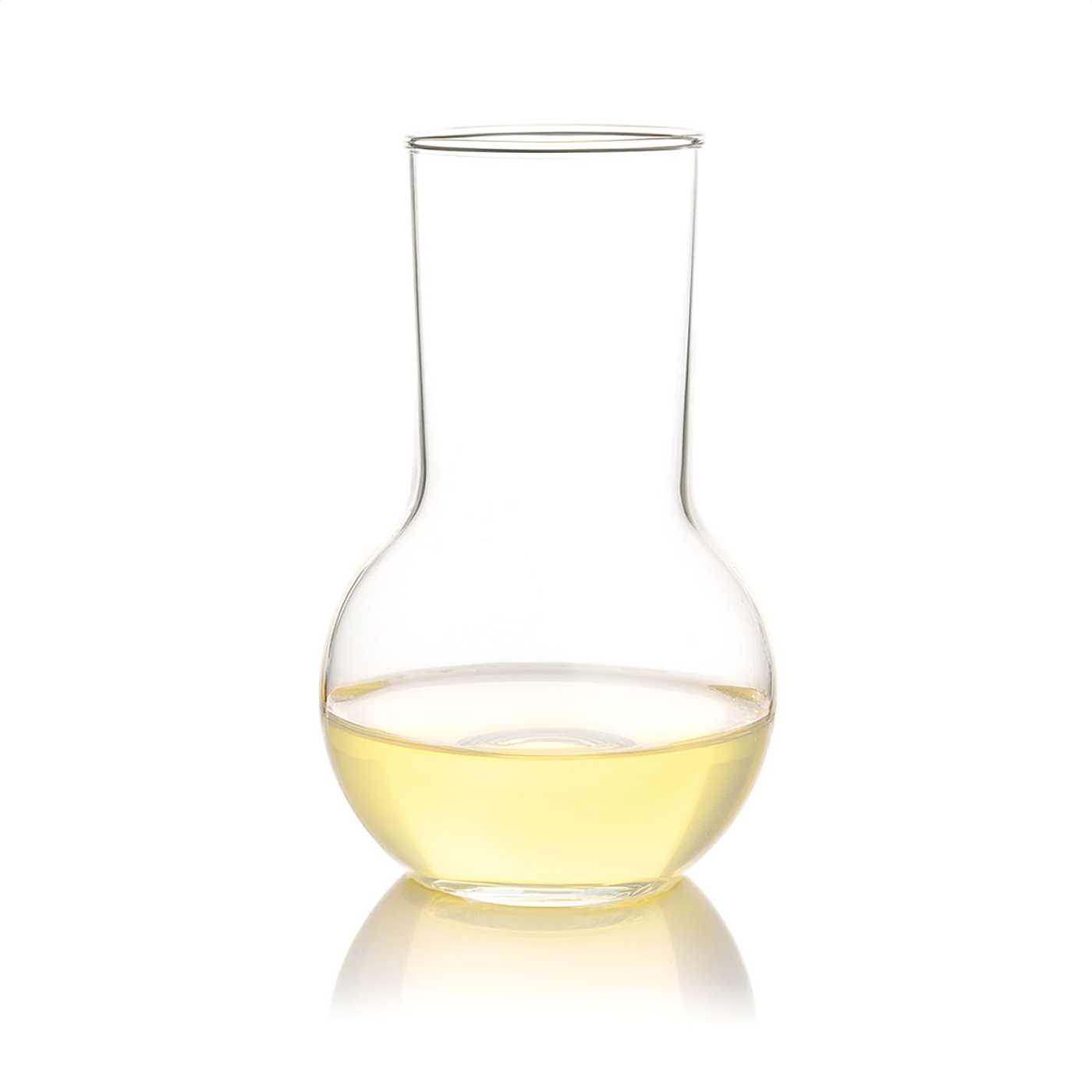
Activated charcoal is a fine, highly porous powder with excellent absorption capacity. It absorbs sebum, impurities and residues of skin oil from the surface of the skin and gives the product its characteristic dark colour. It is ideal for oily and problem skin in rinse-off formulations. Part of the amount can be replaced with a fine clay (e.g. white kaolin) if you want to make the scrub gentler.
Glyceryl Caprylate/Caprate
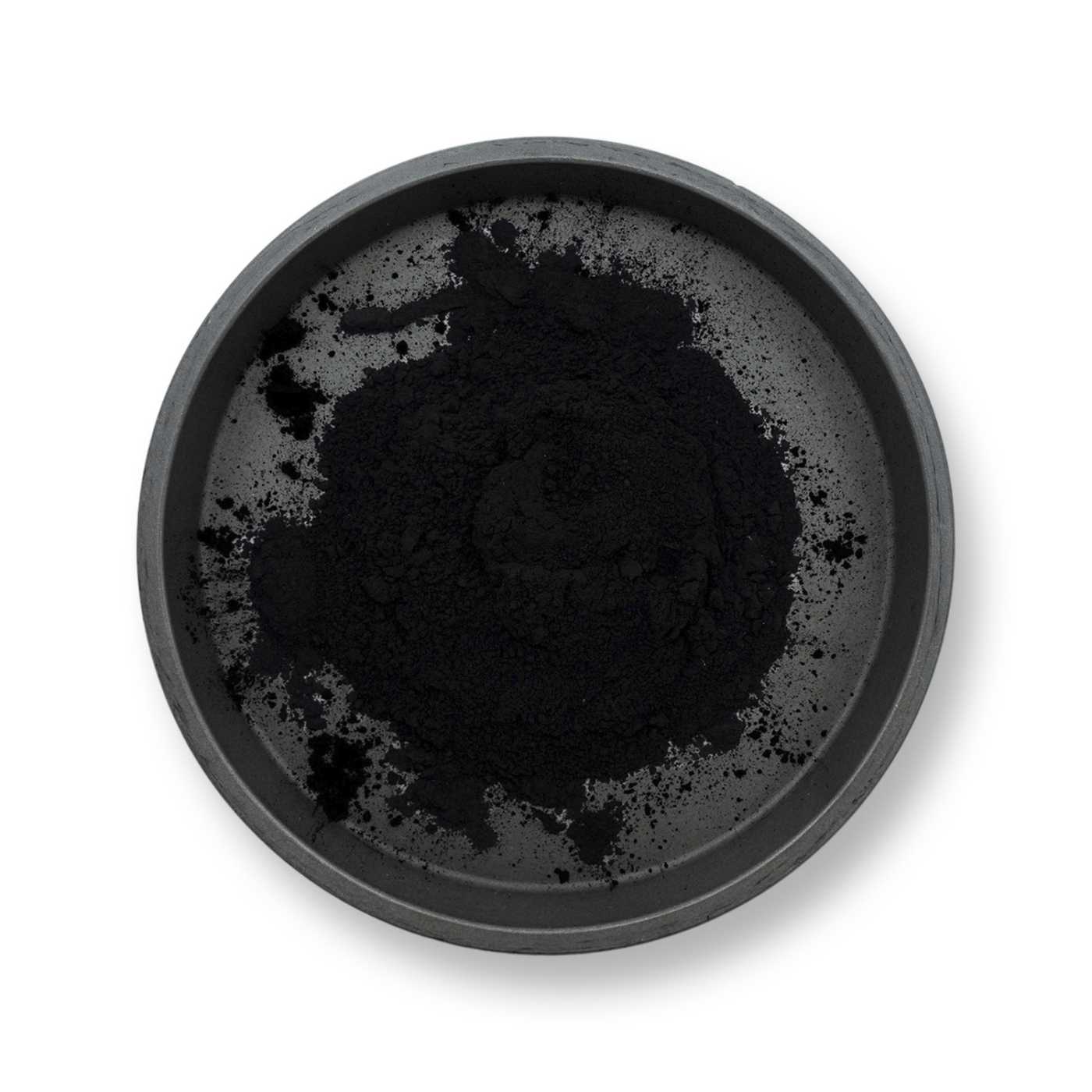
Glyceryl Caprylate/Caprate is a multifunctional emollient based on glycerin and fatty acids from vegetable oils; it acts as a softener, improves the spreadability of the scrub and provides a pleasant, non-greasy feel on the skin. At the same time, it has surface-active and mildly antimicrobial properties that support the stability of the formula and comfort during use. As a substitute, you can use another light ester emollient (MCT oil, isopropyl myristate), although you will lose part of the antimicrobial effect.
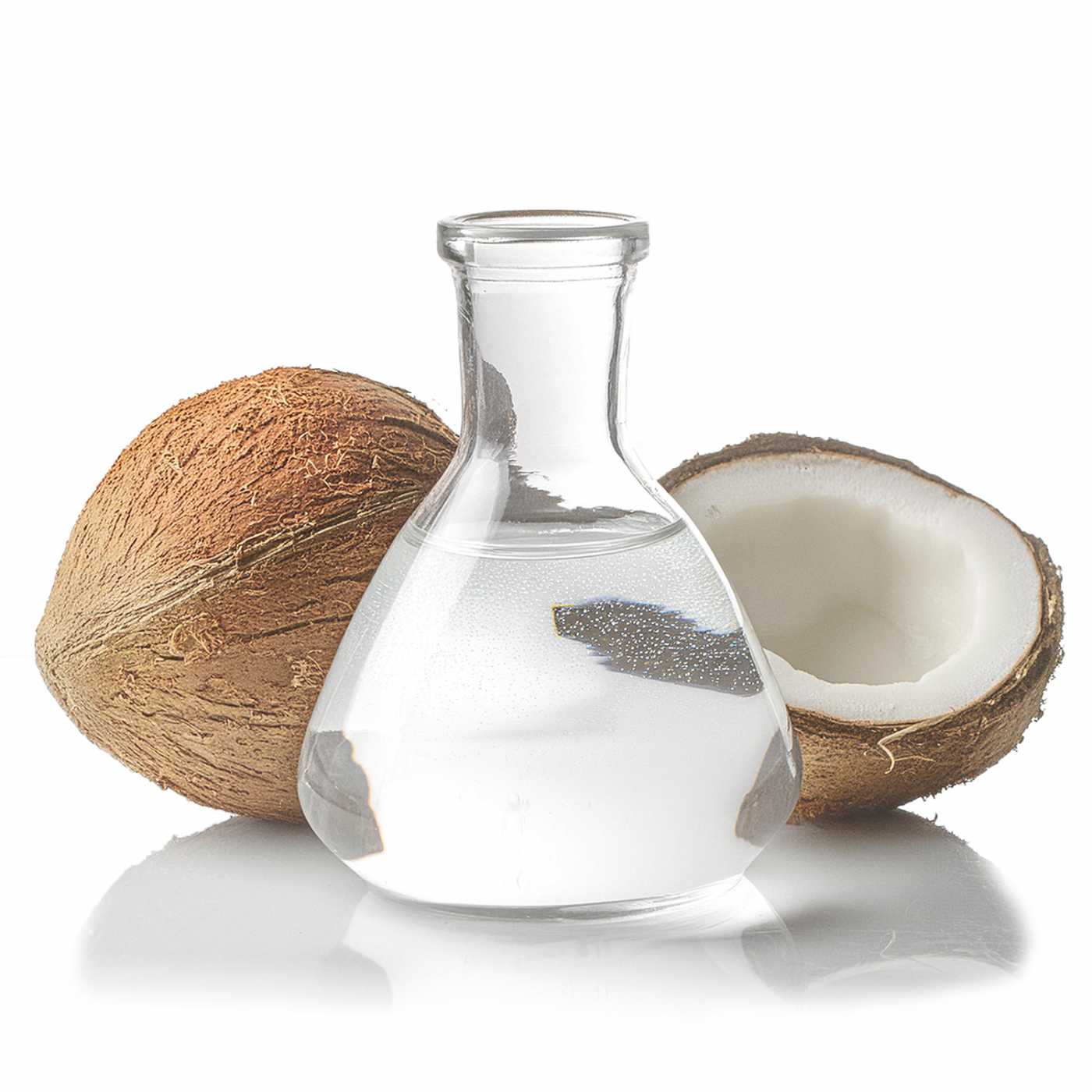
Coconut oil, fractionated
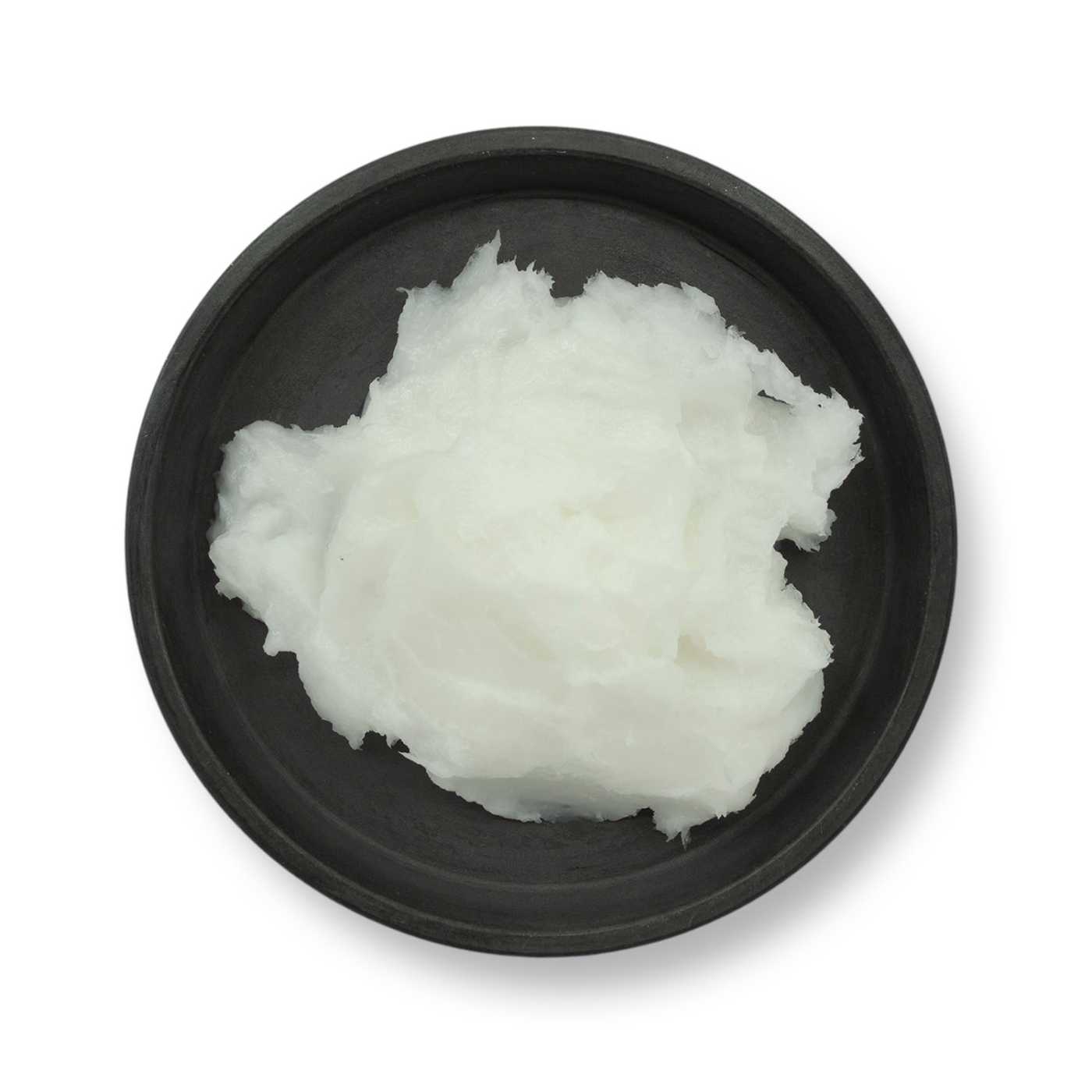
Coconut oil, fractionated is a light, liquid oil without the typical coconut scent, which is quickly absorbed and does not leave a heavy greasy film. In the scrub it provides slip, protects the skin from excessive drying and helps to bind the fragrance component. You can replace it with another dry oil (for example apricot or almond oil), but the feel of the texture will change – it may become denser or greasier.
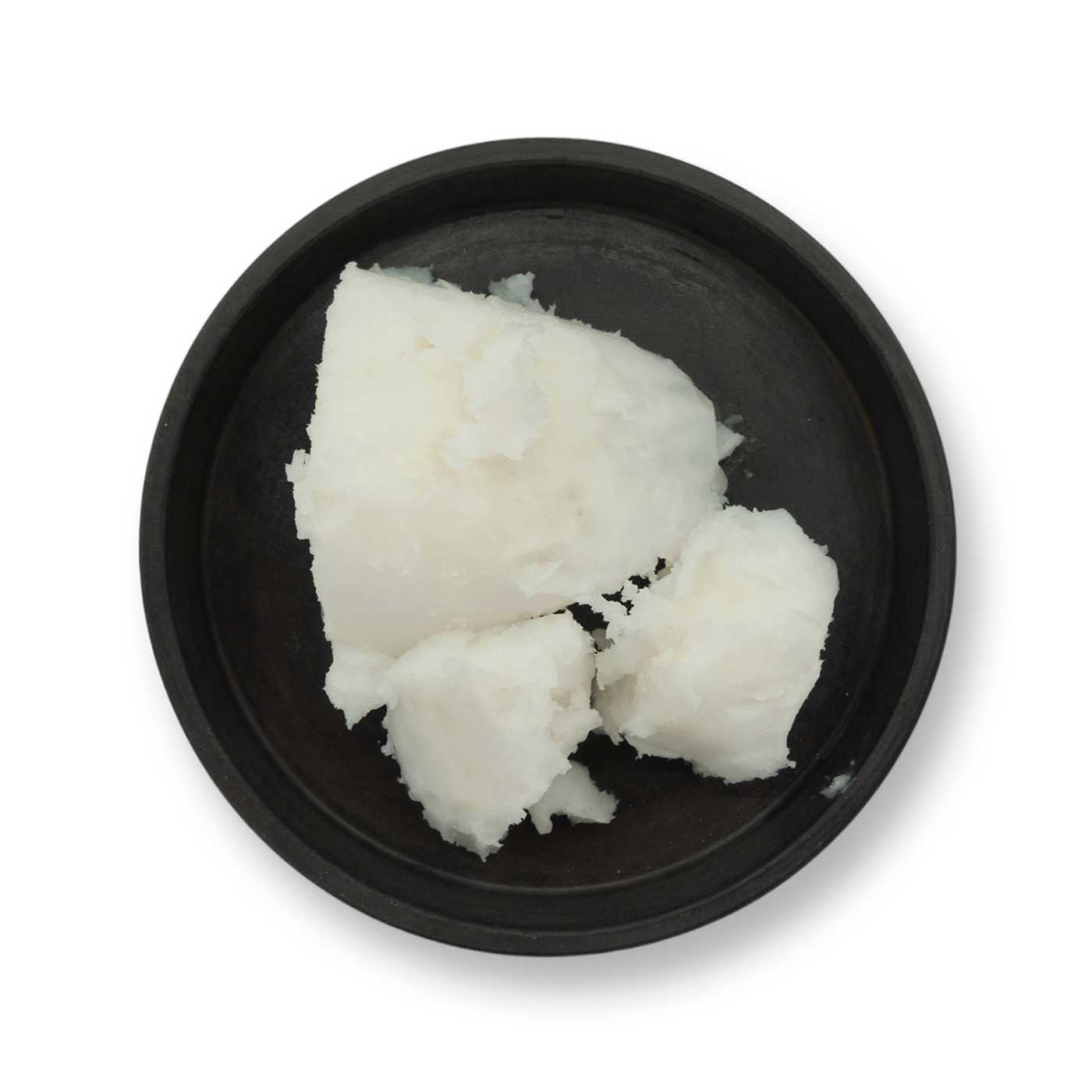
Cupuacu butter, cold-pressed
Cupuacu butter, cold-pressed is an exotic butter with excellent water-binding capacity and the ability to improve skin elasticity. It gives the scrub a creamy texture, helps maintain a compact mass and increases comfort after rinsing – the skin is soft and supple, not tight. You can replace it with shea butter or mango butter, with slightly different hardness and melting point.
Other ingredients
Glycerin acts as a humectant – it binds water and helps to maintain skin hydration. In the formula it improves texture and viscosity, partially stabilises the foam and increases comfort during massage. Part of the glycerin can be replaced with another humectant (e.g. Sodium PCA or 1,3-propanediol) if you want to adjust the tackiness of the product.
Alpha-bisabolol, natural is a highly concentrated soothing ingredient with anti-inflammatory and regenerating effects. It helps to reduce irritation and redness and increases the tolerance of the product even with more frequent use.
Vitamin E, Tocopherol is a lipid antioxidant that protects oil components from yellowing and rancidity and supports the protection of the skin against oxidative stress. It acts mainly as a stabiliser of the oil phase.
Fragrance oil Desire gives the scrub a luxurious, sensual scent with a combination of fresh and warm notes. It is characterised by good stability and compatibility with both oil and surfactant bases, thanks to which the fragrance remains pronounced even after rinsing.
Formula (100 g)
The ingredient amounts are given in percentages by weight, so they correspond to a batch of 100 g of finished scrub. The formula consists of four phases — the sugar base (A), the oil phase (B), the surfactant phase (C) and the actives with fragrance (D).
Shop the ingredients for this recipe
Untick what you already have- Glyceryl Caprylate/Caprate, 100 guses 5.5 gin stock€9.99
- Fractionated Coconut Oil, 100 mlrecipe uses 4,50 gin stock€4.29
- Cupuacu Butter, Cold Pressed, 50 guses 0.5 gin stock€5.99
- Decyl Glucoside, 100 mlrecipe uses 7,50 gin stock€2.29
 Vegetable Glycerol 99,5% USP/BP, 100 mlrecipe uses 2,00 gin stock€2.69
- Activated Charcoal, 50 guses 1 gin stock€2.99
 Bisabolol Alfa Natural 95%, 10 mlrecipe uses 0,20 gin stock€5.99
 Vitamin E, DL-Alpha Tocopherol, Liquid 96%, 10 mlrecipe uses 0,10 gin stock€3.14
 Desire Fragrance Oil, 10 mlrecipe uses 0,40 gin stock€2.29
| Phase / ingredient | Amount |
|---|---|
| Phase A | |
| Sugar | 78.30 % |
| Phase B | |
| Glyceryl Caprylate/Caprate | 5.50 % |
| Coconut oil, fractionated | 4.50 % |
| Cupuacu butter, cold-pressed | 0.50 % |
| Phase C | |
| Decyl Glucoside | 7.50 % |
| Glycerin | 2.00 % |
| Phase D | |
| Activated charcoal | 1.00 % |
| Alpha-bisabolol, natural | 0.20 % |
| Vitamin E, Tocopherol | 0.10 % |
| Fragrance oil Desire | 0.40 % |
Procedure
- Preparing the workspace
Prepare your working environment – disinfect all containers, tools and packaging (for example with ethanol) and let them dry. Although the scrub is a rinse-off product, the high proportion of sugar and oils requires clean conditions to minimise microbial growth.
- Oil phase Phase Bapproximately 70 °C
Weigh the raw materials of phase B – Glyceryl Caprylate/Caprate, fractionated coconut oil and cupuacu butter – into a heat-resistant container. Place the container in a water bath and stir with gentle heating until the butter is completely melted (keep at approximately 70 °C).
- Surfactant phase Phase C
In a separate container, mix Decyl Glucoside and glycerin. Stir slowly so that you do not introduce too much foam into the mixture.
- Combining the phases and active ingredients Phase A + B + C + D
Pour the sugar into a bowl, add the slightly cooled liquid oil phase B and then mix in the surfactant phase C. Then add the activated charcoal, alpha-bisabolol, vitamin E and the fragrance oil (phase D) and mix everything thoroughly so that no lumps form.
- Filling
Fill the finished scrub into clean, dry jars.
Use and result
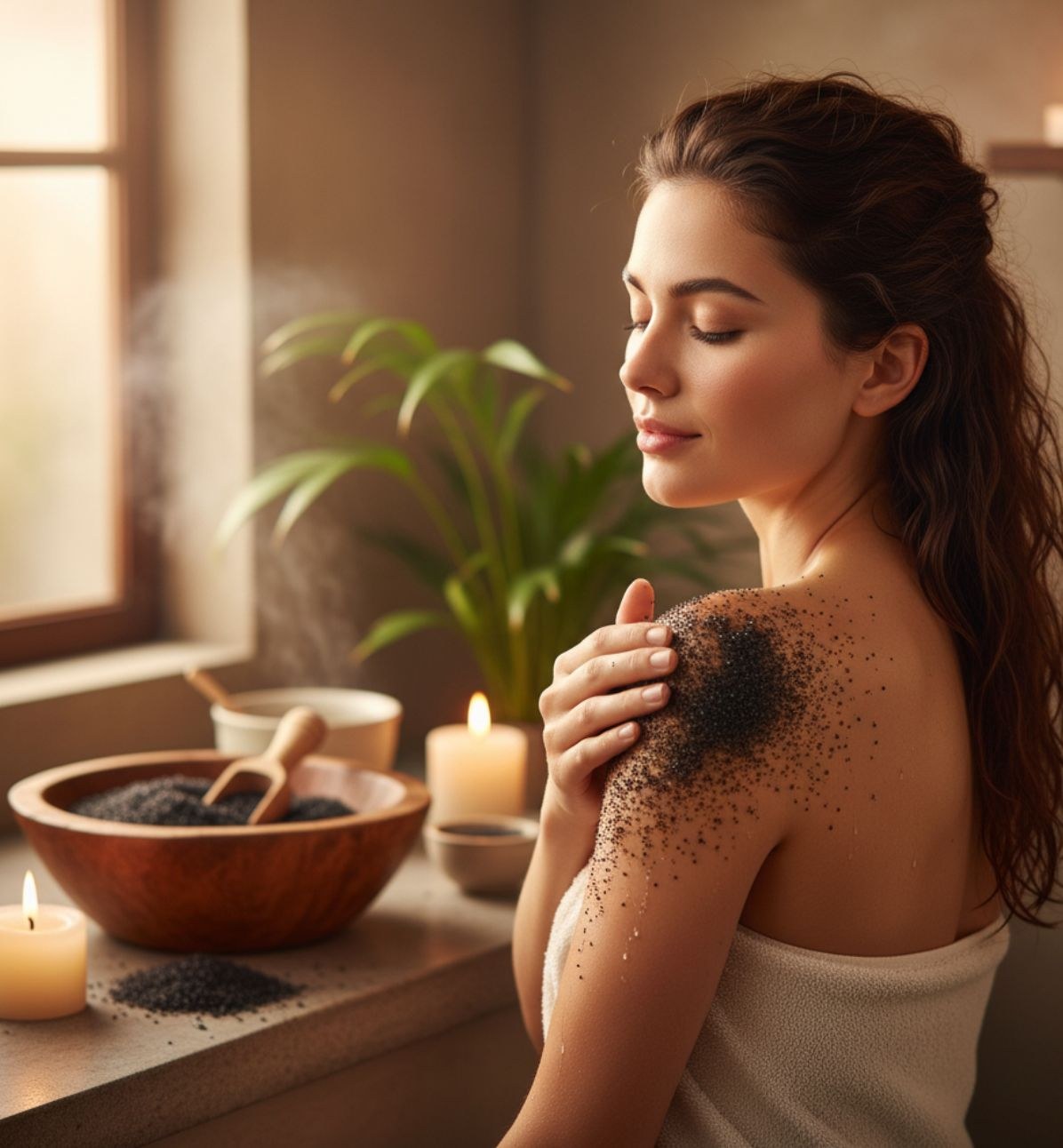
When using, apply a small amount to damp skin, massage gently and after a short massage rinse thoroughly with warm water. It is recommended to scoop the product with a spatula and store it in a dry, cooler place.
You will obtain a thick, foaming sugar scrub with activated charcoal that thoroughly smooths the skin, removes dead cells and impurities, yet leaves it supple, soft and pleasantly fragranced. It is ideal for the body, décolleté and areas prone to clogged pores, as a small at-home spa ritual in the shower.
Frequently asked questions about the recipe
Practical questions about the foaming sugar scrub — use on the face, how often to exfoliate, substitutes for activated charcoal, preservation and shelf life.
Can I use this foaming sugar scrub on my face as well?
The scrub is primarily designed for the body, especially for areas with thicker or oilier skin. You can use it on the face only occasionally, in a small amount and without pressure, avoiding the eye area and very sensitive spots. For very sensitive or dry skin, a gentler scrub with a lower sugar content and without activated charcoal is more suitable.
How often is it appropriate to use the foaming sugar scrub?
For normal to oily skin, it is recommended to use the scrub approximately 1 – 2 times per week. For dry or more sensitive skin, it is advisable to extend the interval to 10 – 14 days and monitor the skin’s reaction during use. Too frequent exfoliation can disrupt the barrier function of the skin and lead to irritation.
What can I use instead of activated charcoal if I do not want a dark scrub?
If you do not want a strongly dark product, you can replace part or all of the amount of activated charcoal with a fine clay, for example white kaolin or pink clay. In this way you will still obtain a cleansing but visually gentler scrub. When substituting, it is advisable to make a small test batch, because clays have a different density and will affect the final consistency.
Is it necessary to add a preservative to this scrub?
The formula has a high sugar content and does not contain a free water phase, which naturally limits the growth of micro-organisms. Nevertheless, the product is exposed to humidity in the bathroom and repeated contact with water when it is being scooped out. Therefore, it is important to work cleanly, use disinfected tools, scoop the product with a spatula and store it in a dry environment. If you enrich the scrub with a water phase (e.g. hydrosol), it is necessary to use a suitable preservation system and test stability.
How long will the foaming sugar scrub maintain its optimal quality?
When properly stored in a clean, well-closed container, away from direct sunlight and excessive heat, the scrub should remain of stable quality for several months. Monitor the scent, colour and consistency – if you notice a change, do not continue using the product. Always also follow the minimum shelf life dates of the raw materials used, especially the oils and vitamin E.
You will find the activated charcoal, decyl glucoside, cupuacu butter and fragrance oils from this recipe in the Handymade ingredient range.