A peptide serum is a simple way to make skincare for hydrating and rejuvenating your skin at home. With the ever-growing popularity of facial skincare products, making your own cosmetics is becoming an attractive alternative. In this guide we will look at the basic ingredients, the individual manufacturing steps and alternative raw materials — so you gain full control over the composition and quality of the cosmetic product you use.
About this recipe
Recently, peptides have become a major trend in cosmetics. Peptides have the ability to stimulate the production of collagen and elastin, thereby improving the texture of the skin and at the same time acting against wrinkles and ageing. We have prepared for you a guide to a facial serum containing Amino-Peptid SpecPed®, which helps reduce the manifestations of signs of skin ageing.
This is a water-based gel serum — it is made cold in three phases, thickened with high molecular weight hyaluronic acid and, at the end, adjusted to a pH close to the physiological pH of the skin.
Main benefits
- A peptide against wrinkles
Amino-Peptid SpecPed® (Acetyl Hexapeptide-8 0.05%) reduces the appearance of fine wrinkles on the face and neck and supports the natural formation of type 1 collagen.
- Intense hydration
Hyaluronic acid, fucogel, fucocert and glycerine bind water and help keep the skin hydrated.
- Gel-like consistency
Hyaluronic acid HMW, when combined with water, effectively thickens the product and gives it a gel-like consistency.
- Antioxidants from fruit
Fruit extracts from grapefruit and blueberry are rich in antioxidants and vitamins that fight free radicals.
- Control over the composition
You make the serum yourself, so you have full control over the composition and quality of the product you use.
Product properties
Key raw materials in the recipe
Below we will introduce the raw materials which the peptide serum consists of. Read on if you want to know how to use each raw material correctly, what their benefits are for the skin, or what they can be replaced with.
In general, active raw materials such as the extracts, the peptide or fucogel and fucocert can be omitted from the product without significantly affecting the texture and consistency; however, you will thereby lose the positive effects on the skin that these raw materials bring into the product.
Amino-Peptid SpecPed®
Amino-Peptid SpecPed® (Acetyl Hexapeptide-8 0.05%) is a natural substance developed with the aim of reducing the appearance of fine wrinkles on the face and neck. Its mechanism of action consists in the temporary limitation of the production of neurotransmitters that are responsible for muscle contractions, which leads to relaxation of the muscles and smoothing of the skin. Amino-Peptid SpecPed® also supports the natural formation of type 1 collagen, making it a gentle alternative to botox. Its benefits thus include increased skin elasticity, smoothing of fine wrinkles and improvement of texture. Alternatives may be other peptides or collagen.
Hyaluronic acid HMW
Hyaluronic acid HMW has a higher molecular weight and thus, when combined with water, effectively thickens products and gives them a gel-like consistency. At the same time, it hydrates the skin by binding a large amount of water. It leaves the skin smooth and hydrated with reduced wrinkles and fine lines. An alternative may be low molecular weight hyaluronic acid (the serum will, however, be more liquid) or other hydrating components.
Fucocert
Fucocert is a natural polysaccharide obtained by fermentation of plant-based components. Its main advantages are its ability to improve skin hydration, reduce redness and support its regeneration. An alternative may be another moisturising natural extract, such as aloe vera.
Fucogel
Fucogel is another natural polysaccharide obtained by fermentation. Its main advantage is its ability to form a protective film on the skin which prevents moisture loss and at the same time hydrates it. An alternative to fucogel may be hyaluronic acid or glycerine.
Euxyl PE 9010 — preservative
Euxyl PE 9010 is a broad-spectrum preservative that protects the cosmetic product from microbial growth and spoilage. Its use ensures the safety and longer shelf life of the product, and it is effective over a wide pH range. An alternative may be another preservative with similar efficacy, such as Cosgard or others. However, always check in which pH range the preservative is effective, and adjust the pH of the product before adding the preservative if the initial pH of the serum does not fall within the effectiveness range of the preservative.
Other raw materials
Demineralised water is deprived of minerals and impurities, which makes it an ideal base for cosmetic products. It is the most commonly used raw material in the creation of cosmetics, because it is a solvent for many substances and provides optimal hydration to the skin without the risk of clogging pores or irritation. An alternative may be hydrolats (floral waters) of various herbs.
Fruit extract, grapefruit is rich in antioxidants and vitamin C, which makes it a great raw material for cosmetics. Its main benefits include brightening the skin, fighting free radicals and supporting collagen production. An alternative may be an extract from another fruit, such as blueberry.
Fruit extract, blueberry is full of antioxidants and vitamins that help fight damage caused by free radicals and improve the overall condition of the skin. Its use in cosmetics contributes to hydration, soothing and smoothing of the skin. An alternative may be an extract from other fruits, such as grapefruit.
Pentylene glycol is a humectant and solvent that helps maintain skin moisture and improves the absorption of other active ingredients. It also has antimicrobial effects, thereby increasing the efficacy of preservatives. An alternative may be glycerine, which shows similar properties.
Glycerine is a moisturising agent that attracts moisture into the skin and helps keep it hydrated. In addition, it improves the texture of the skin, reduces its dryness and speeds up the hydration and dispersion of hyaluronic acid in water. An alternative may be pentylene glycol.
Lactic acid is a gentle exfoliant that helps remove dead cells and stimulates skin renewal. In our case, however, it was chosen for its ability to lower the pH of products to the value of the physiological pH of the skin. An alternative is a 50% solution of citric acid (water and acid in a 1 : 1 ratio), but the consumption of the citric acid solution for pH adjustment will be different compared to lactic acid.
Recipe (100 g)
The content of the raw materials is given in percentages by weight, so it corresponds to a batch of 100 g of finished serum. The raw materials are divided into three phases: phase A is the water part with the active substances, phase B contains the hyaluronic acid, preservatives and glycerine, and phase C serves to adjust the pH.
Shop the ingredients for this recipe
Untick what you already have Demineralised Water, 1 lrecipe uses 83,02 gin stock€2.79
- Fucocert, Biosachcaride Gum-1, 30 mlrecipe uses 2,00 gsold outWatch availability€3.66
- Fucogel plus, Biosaccharide Gum-1, 100 mlrecipe uses 2,00 gsold outWatch availability€9.96
- Amino-Peptid SpecPed® SC-AH8 0.05%, 5 mlrecipe uses 1,00 gin stock€3.66
- Hyaluronic Acid, Vegetable, HMW, 1.5-2 MDa, 1 guses 1 gin stock€3.19
- Euxyl PE 9010, Preservative 10 mlrecipe uses 0,80 gin stock€2.49
 Pentylene glycol ECO, natural preservative, 100 mlrecipe uses 3,00 gin stock€11.99
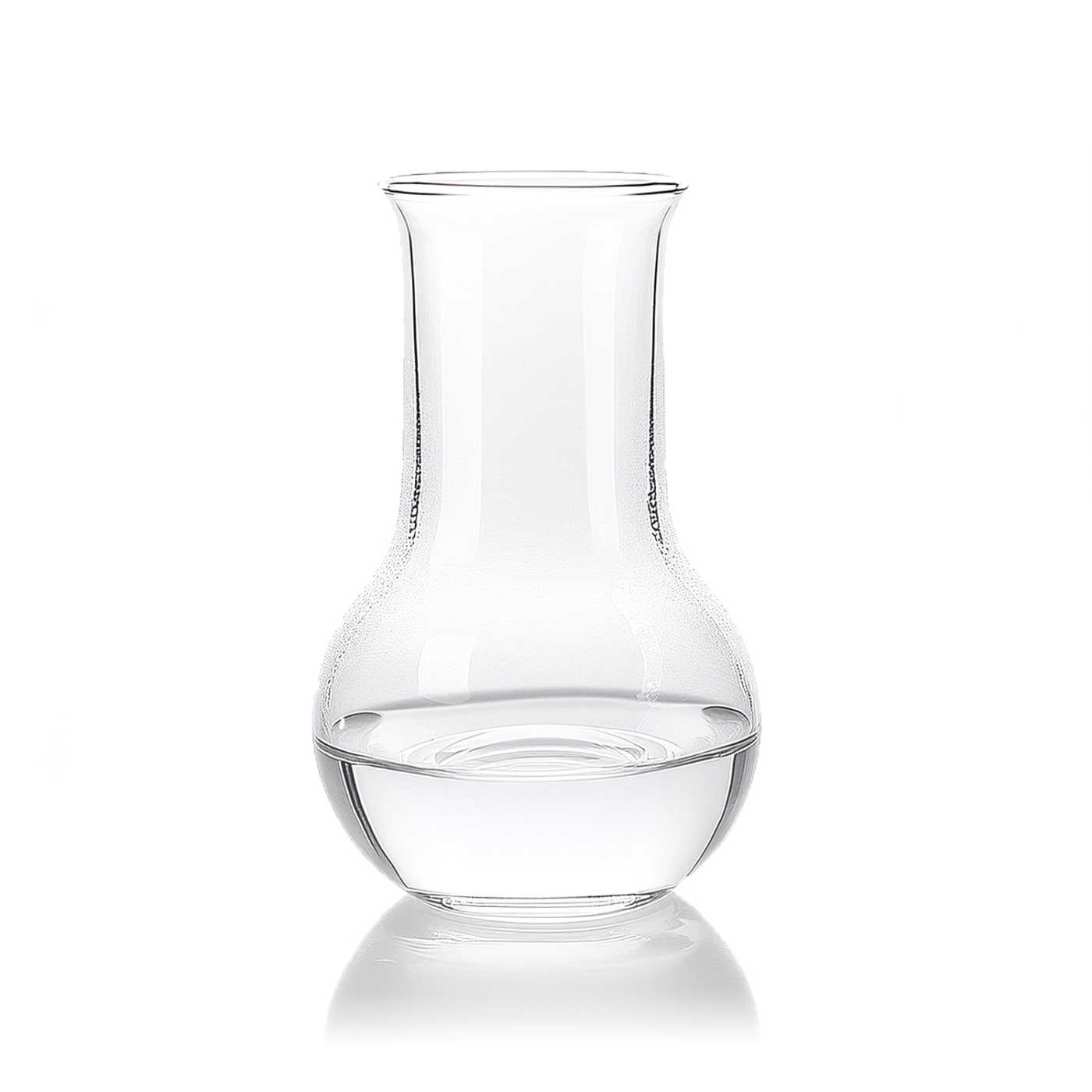 Vegetable Glycerol 99,5% USP/BP, 100 mlrecipe uses 5,00 gin stock€2.69
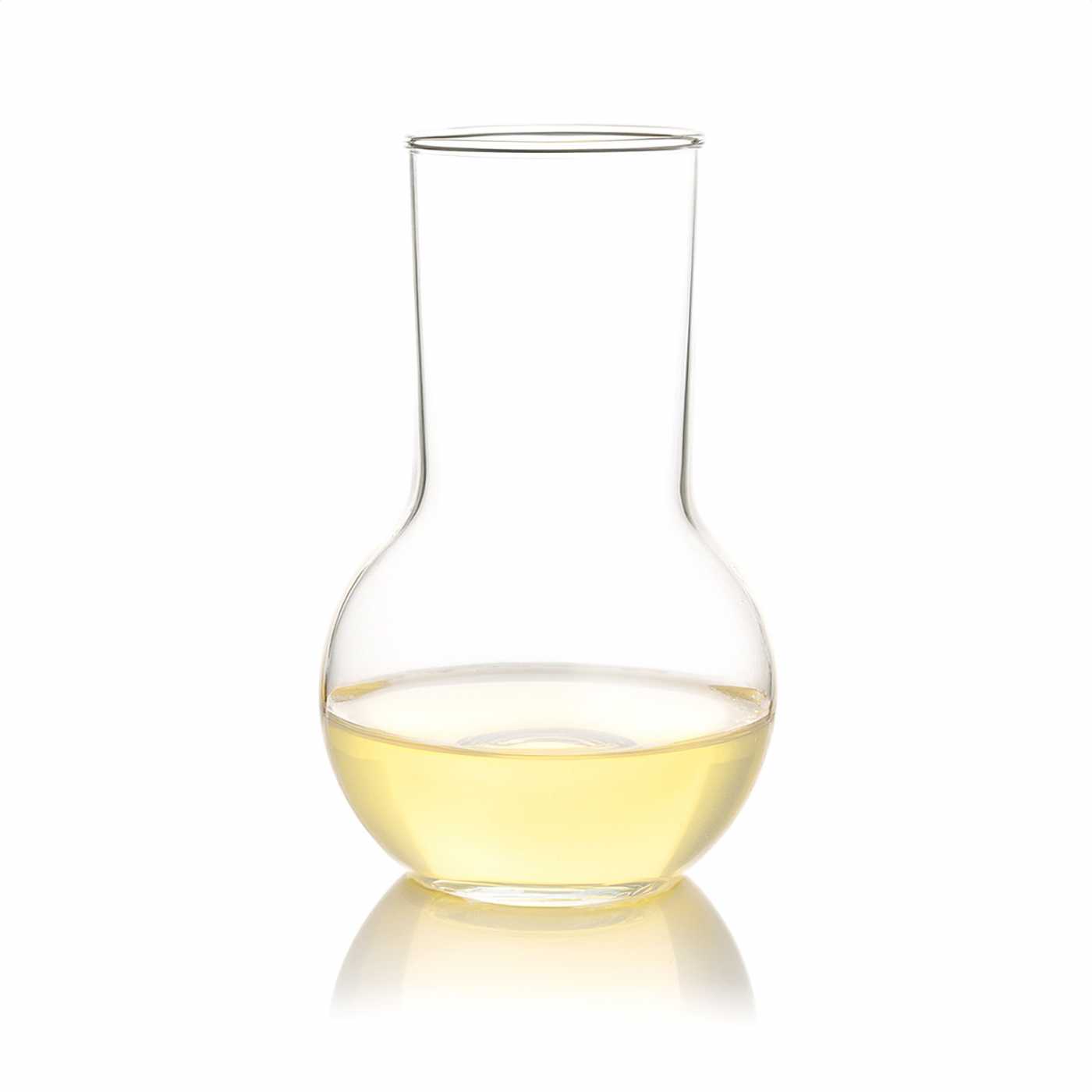 Vegetable Lactic Acid 80%, 100 mlrecipe uses 0,18 gin stock€2.69
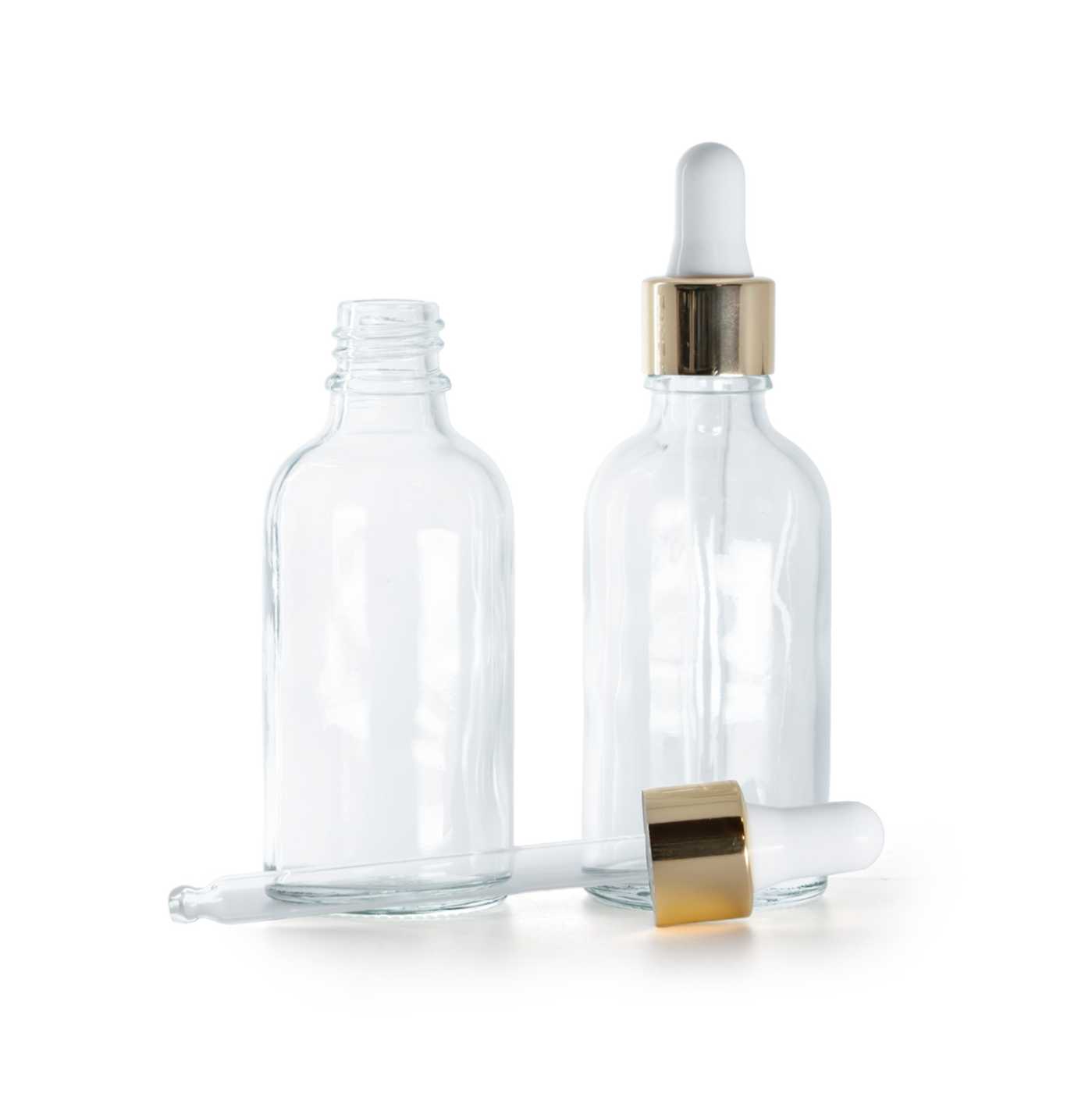 Clear Glass Bottle, Gold White Dropper, 30 mlin stock€1.02
| Phase / raw material | Content in % |
|---|---|
| Phase A | |
| Demineralised water | 83.02 % |
| Fucocert | 2.00 % |
| Fucogel | 2.00 % |
| Fruit extract, grapefruit | 1.00 % |
| Fruit extract, blueberry | 1.00 % |
| Amino-Peptid SpecPed® | 1.00 % |
| Phase B | |
| Hyaluronic acid HMW | 1.00 % |
| Euxyl PE 9010 — preservative | 0.80 % |
| Pentylene glycol | 3.00 % |
| Glycerine | 5.00 % |
| Phase C | |
| Lactic acid | 0.18 % |
| Packaging | |
| Glass bottle with dropper, transparent | 1 pc |
Manufacturing procedure
- Disinfection
Do not forget to disinfect all tools and packaging before starting work — you can use ethanol (ideally 96%) in a spray bottle.
- Mixing phase A Phase A
Mix the raw materials of phase A together.
- Mixing phase B Phase B
In a separate container, mix the raw materials of phase B until a thick paste without lumps of hyaluronic acid is formed.
- Combining the phases Phase A + B
Pour the raw materials of phase A into the raw materials of phase B, stir thoroughly; the mixture will start to thicken into a gel. If you still see lumps of non-hydrated hyaluronic acid in the mixture, this is normal — cover the container with cling film and leave it to stand overnight.
- Adjusting the pH Phase CpH 4.5 – 5.5
Finally, check the pH, for example with litmus paper. Adjust it with lactic acid to a value of 4.5 – 5.5. Add the acid dropwise (the indicated amount is only approximate) and after each addition stir the mixture thoroughly and check the pH.
Experiment with sense — warning
Before using any raw materials for the production of a cosmetic product, thoroughly familiarise yourself with their properties, recommended dosage, storage conditions and safe handling. Each raw material may cause an allergic reaction in sensitive individuals, therefore we recommend that, before using the product, you check whether you suffer from an allergy to any component from the raw materials or to the overall product, for example by a skin test.
In the case of very sensitive or acne-prone skin, or if you have other skin and health problems, we recommend consulting a medical professional before applying a new product to the skin, whether it is a homemade cosmetic product, a pure raw material or a commercially available product.
As stated, when experimenting with homemade recipes it is necessary to keep in mind that the final result can be affected by many factors, such as humidity, temperature, quality of raw materials and their storage.
Frequently asked questions about the recipe
Practical questions about the peptide serum — adjusting the pH, hydration of the hyaluronic acid and possible substitutions of raw materials.
What pH should the finished peptide serum have?
The target value is 4.5 – 5.5, that is, close to the physiological pH of the skin. Check the pH, for example with litmus paper, and adjust it with lactic acid — add it dropwise (the stated amount of 0.18 % is only approximate) and after each addition stir the mixture thoroughly and check the pH again.
What should I do if lumps of hyaluronic acid remain in the mixture?
This is normal. After combining phase A with phase B, cover the container with cling film and leave the mixture to stand overnight — the hyaluronic acid will finish hydrating and the mixture will thicken into a gel.
Can the peptide or the fruit extracts be omitted from the recipe?
Yes. Active raw materials such as the extracts, the peptide or fucogel and fucocert can be omitted from the product without significantly affecting the texture and consistency; you will, however, lose the positive effects on the skin that these raw materials bring into the product.
What can the preservative Euxyl PE 9010 be replaced with?
With another preservative of similar efficacy, for example Cosgard. However, always check in which pH range the preservative is effective, and if the initial pH of the serum does not fall within that range, adjust the pH of the product before adding the preservative.
What can lactic acid be replaced with when adjusting the pH?
An alternative is a 50% solution of citric acid (water and acid in a 1 : 1 ratio). The consumption of this solution for pH adjustment will, however, be different compared to lactic acid, so add it dropwise and keep checking the pH as you go.
You will find the peptide, hyaluronic acid, fucogel and fucocert from this recipe in the Handymade range of active ingredients.