
CLEANSING PRODUCTS
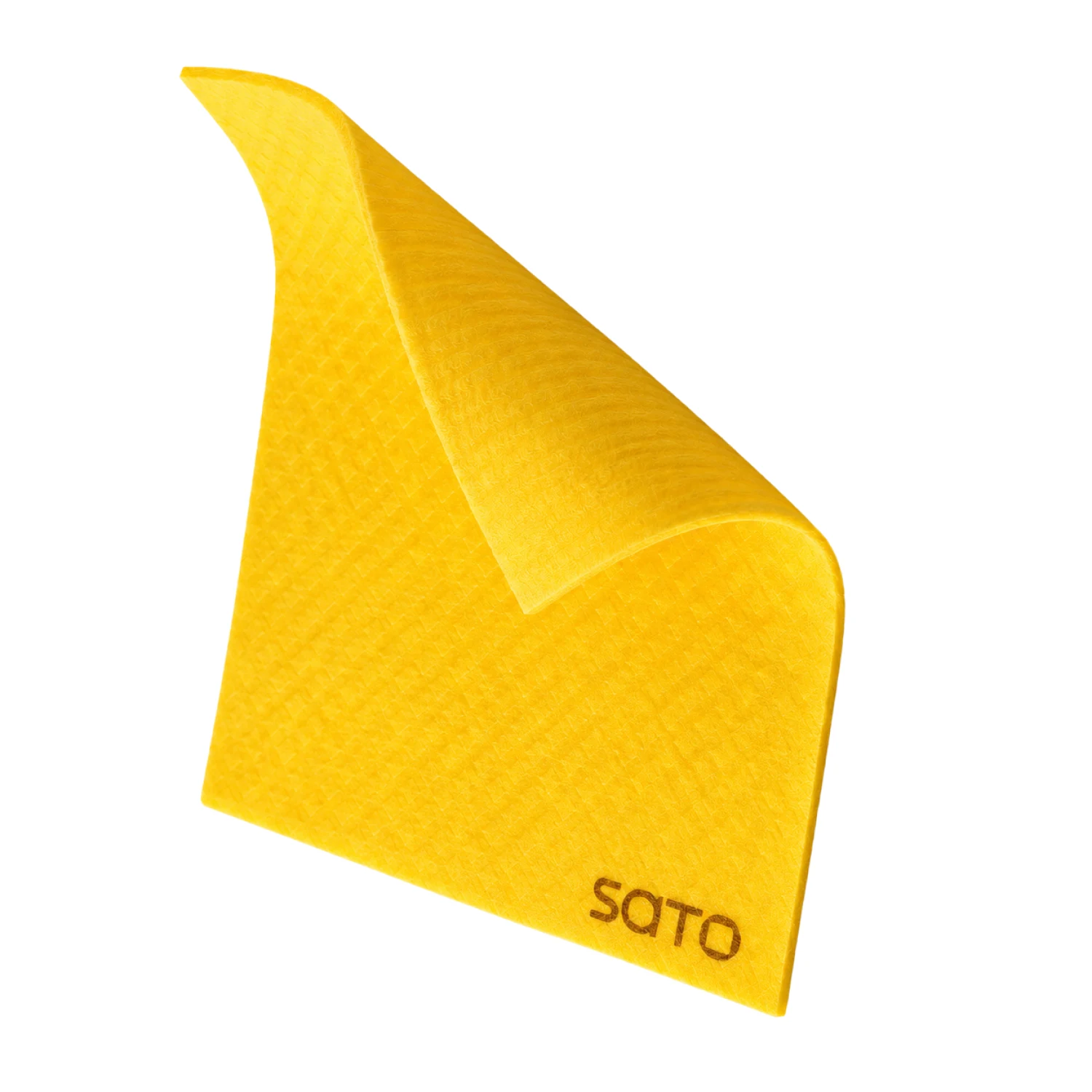
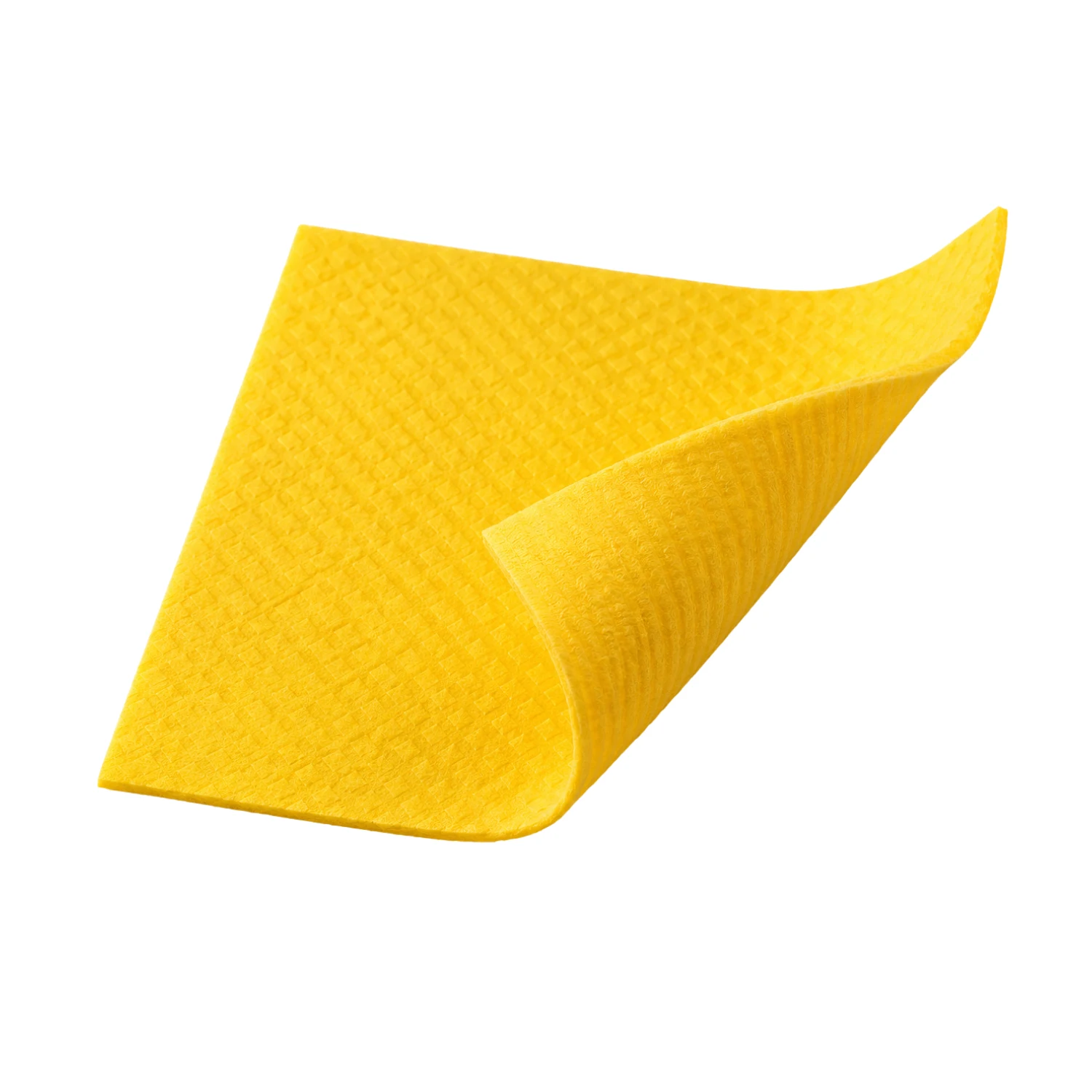
Cellulose sponge cloth, yellow, 200 × 180 mm
ManufacturerSATO
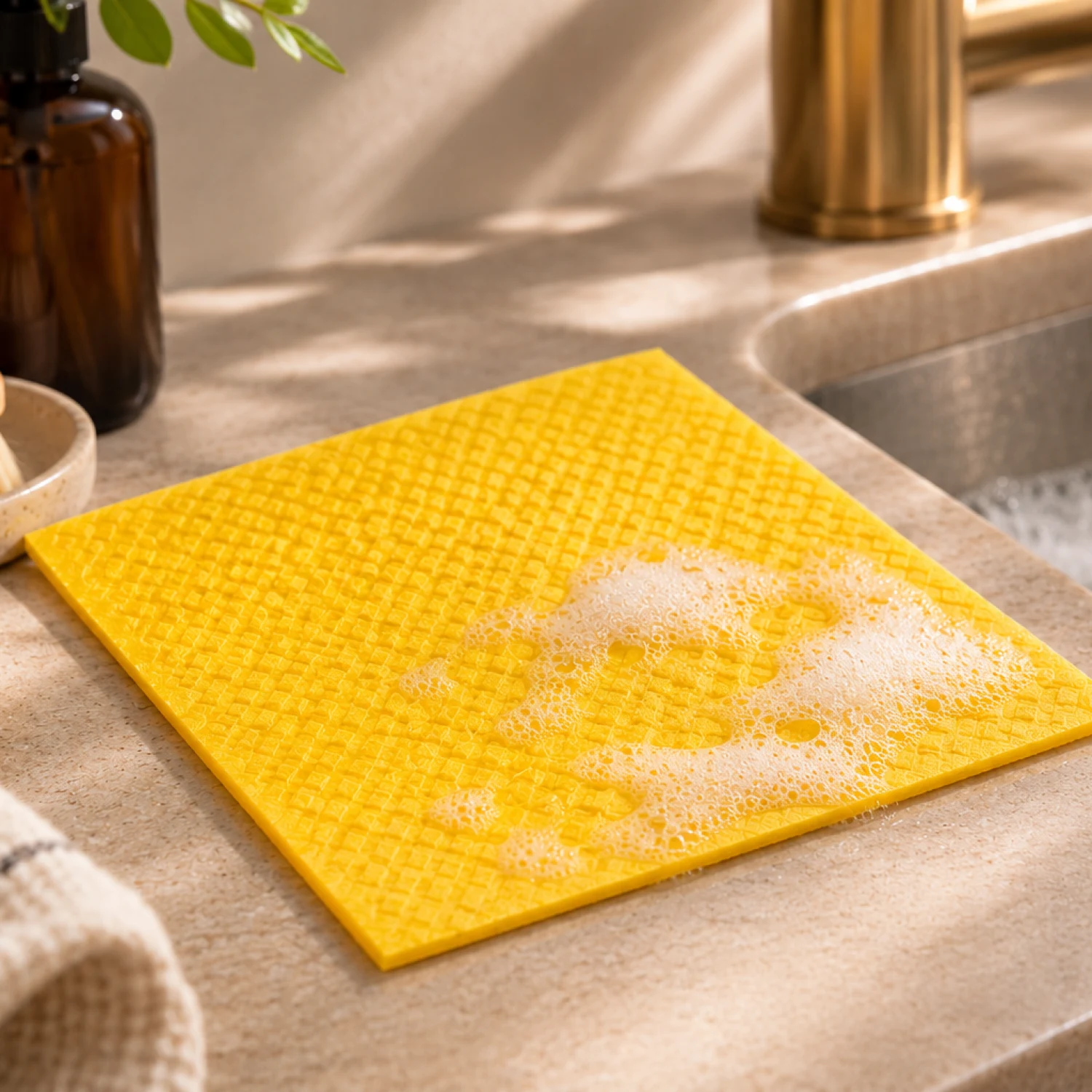
The cellulose sponge cloth is governed by water: dry, it is stiff and flat; once wet, it softens and draws spilled liquid into its pores. It adapts to your hand and to the surface you are wiping. full description
Lowest price in the 30 days before the discount: €1.49
Promotion Handymade Days until 24 NovAll promotion items
Product description
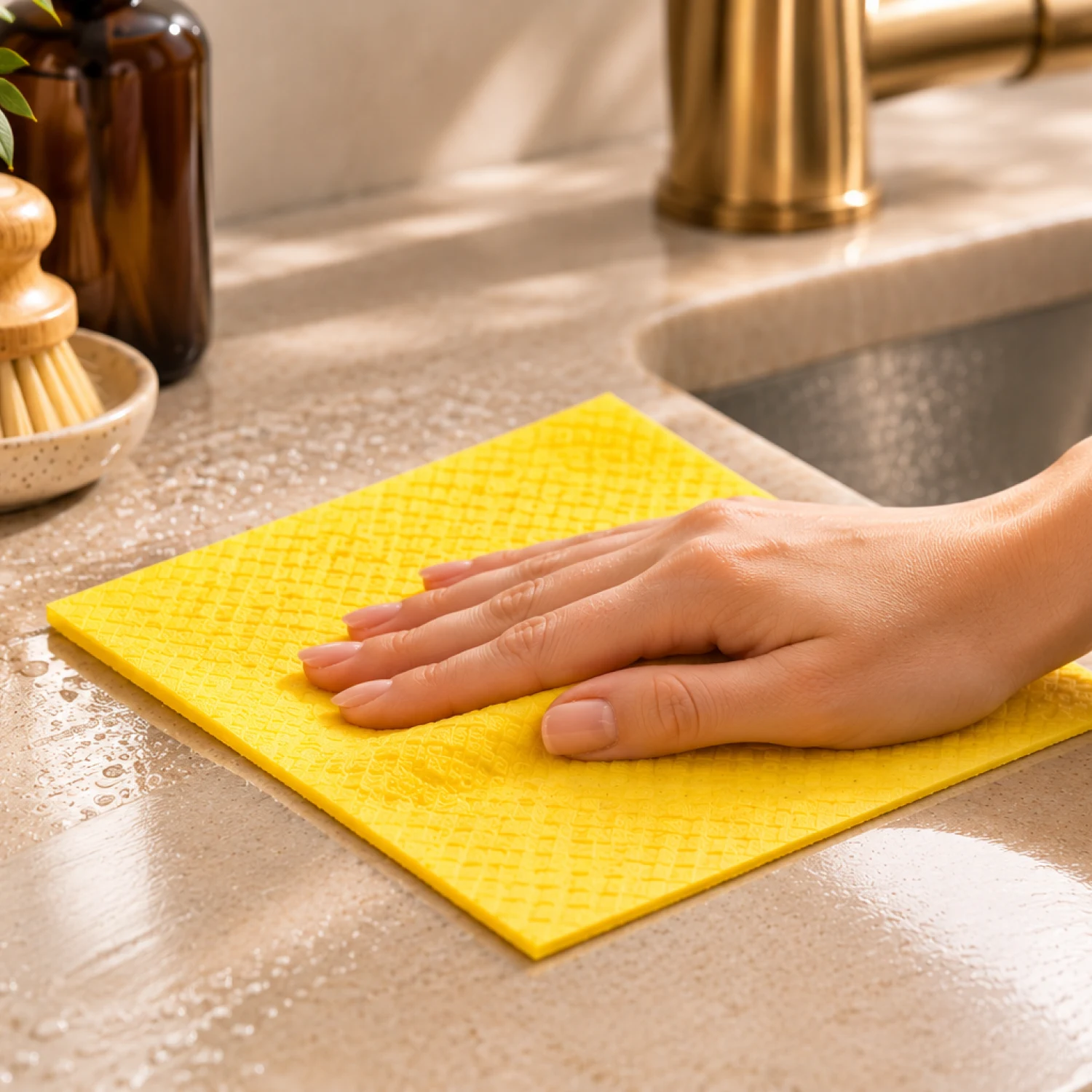
The cellulose sponge cloth is governed by water: dry, it is stiff and flat; once wet, it softens and draws spilled liquid into its pores. It adapts to your hand and to the surface you are wiping.
In your hand you hold a yellow rectangle 4 mm thick with a clean surface, without any printing. While it is wet, it stays pliable.
Why cellulose
Cellulose is the substance plants use to build their cell walls, and cotton is largely made of it too. The cloth is a blend of the two, and the cellulose in it takes the form of a sponge: the material is full of tiny pores that draw water in and hold it until you wring the cloth out. Water spilled on the worktop therefore ends up in the cloth and from there in the sink.
At the same time, water changes the behaviour of the material itself. Dry cellulose fibres hold tightly together, which is why the cloth is rigid. When they absorb water, they loosen and the cloth softens. The switch is built into the material itself and is operated with the tap.
Why dry
Many sponge cloths are sold damp and soft. They therefore have to travel in airtight film, soaked in a solution that keeps them moist. To protect against mould, which thrives in such packaging, they are often also treated with a biocide. Our cloth is dry, so it needs neither film nor solution and is free of biocides.
Four millimetres
The cloth is thick enough to have room to absorb water, and thin enough to be folded in your palm when wet and to reach into corners and around the tap. When dry, it lies flat.
A compressed cellulose sponge from the same SATO range goes well with the cloth.
At a glance
How to use
- Soak the cloth under running water and wait until it softens.
- Wring out the excess water.
- Wipe the surface with the damp cloth or soak up spilled liquid.
Frequently asked questions
Verified by customers.
No reviews yet.
Only customers with a delivered order can write reviews.