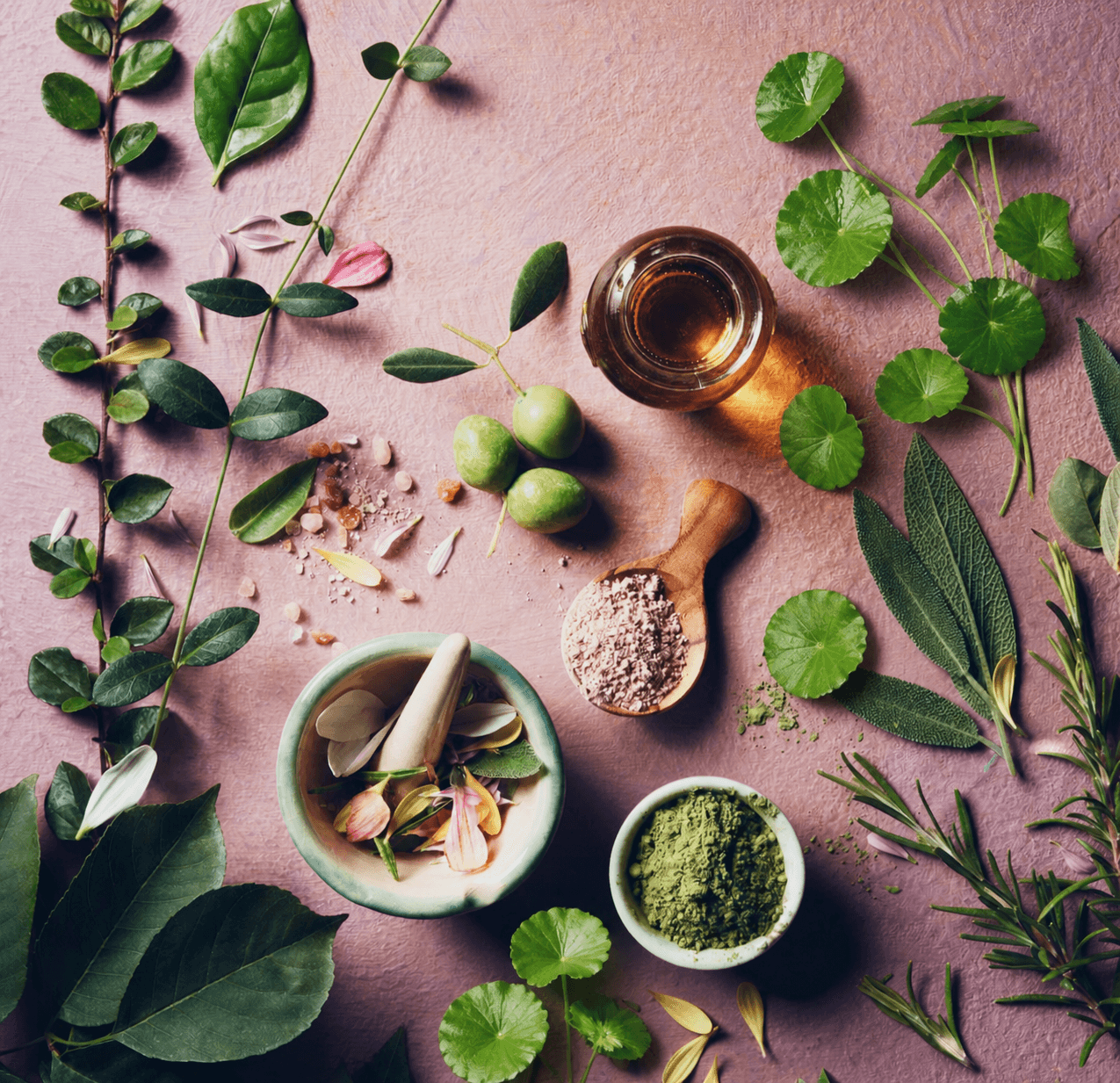
Homemade herbal extracts are well worth using when you make natural cosmetics. Not sure what they are? Let’s clarify it together. They are one of the options for enriching cosmetics with active substances found precisely in these plants. Extracts based on glycerin or ethanol (alcohol) are commonly used, and each of these types of extracts has its pros and cons.
About this article
Below we will introduce the methods of producing homemade herbal extracts, their dosage and use. We will go through hot and cold extraction with glycerin, cold extraction with ethanol and, finally, how to incorporate the prepared extracts into your own cosmetics.
Main benefits
- Active substances from plants
Homemade herbal extracts are one of the options for enriching cosmetics with active substances found precisely in these plants.
- You can make them at home
Preparing homemade herbal extracts is not very complicated and can also be done at home.
- Glycerin without ethanol
Extracts based on glycerin are gaining in popularity mainly because they do not contain ethanol, which can be irritating to the skin.
- Ethanol extracts more strongly
Alcohol-based extracts are easy to prepare by a cold process and, thanks to the good extraction performance of ethanol, they will be rich in active substances.
- Glycerin also preserves
Finished extracts should, thanks to their high glycerin content, keep even without the use of a preservative.
Properties of the extracts
Homemade herbal extracts — what are they?
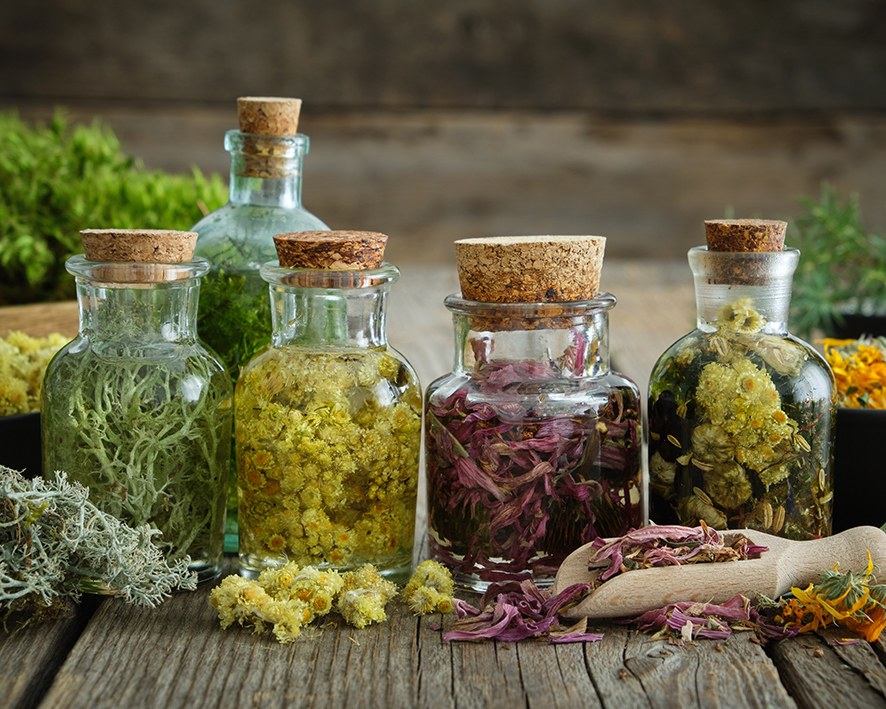
Homemade herbal extracts are concentrated plant extracts. As the name implies, they are obtained by extraction from dried or fresh herbs using various extraction agents. These are often ethanol or glycerin, which have the ability to extract certain active substances from plants.
Preparing homemade herbal extracts is not very complicated and can also be done at home. On the other hand, homemade herbal extracts differ from shop-bought ones from batch to batch, and you do not have information available on dosage, stability, pH or optimal dosing temperature and similar parameters, which under normal circumstances are provided by the manufacturer.
For this reason it is necessary to use homemade herbal extracts in smaller doses, or to prepare several samples of a product with different concentrations of homemade herbal extracts and monitor the stability of the final product and its tolerance by the skin. Since homemade herbal extracts contain plant extracts, they have an allergenic potential in sensitive people, so it is always good to carry out a patch test to detect a potential allergy to the given plant.
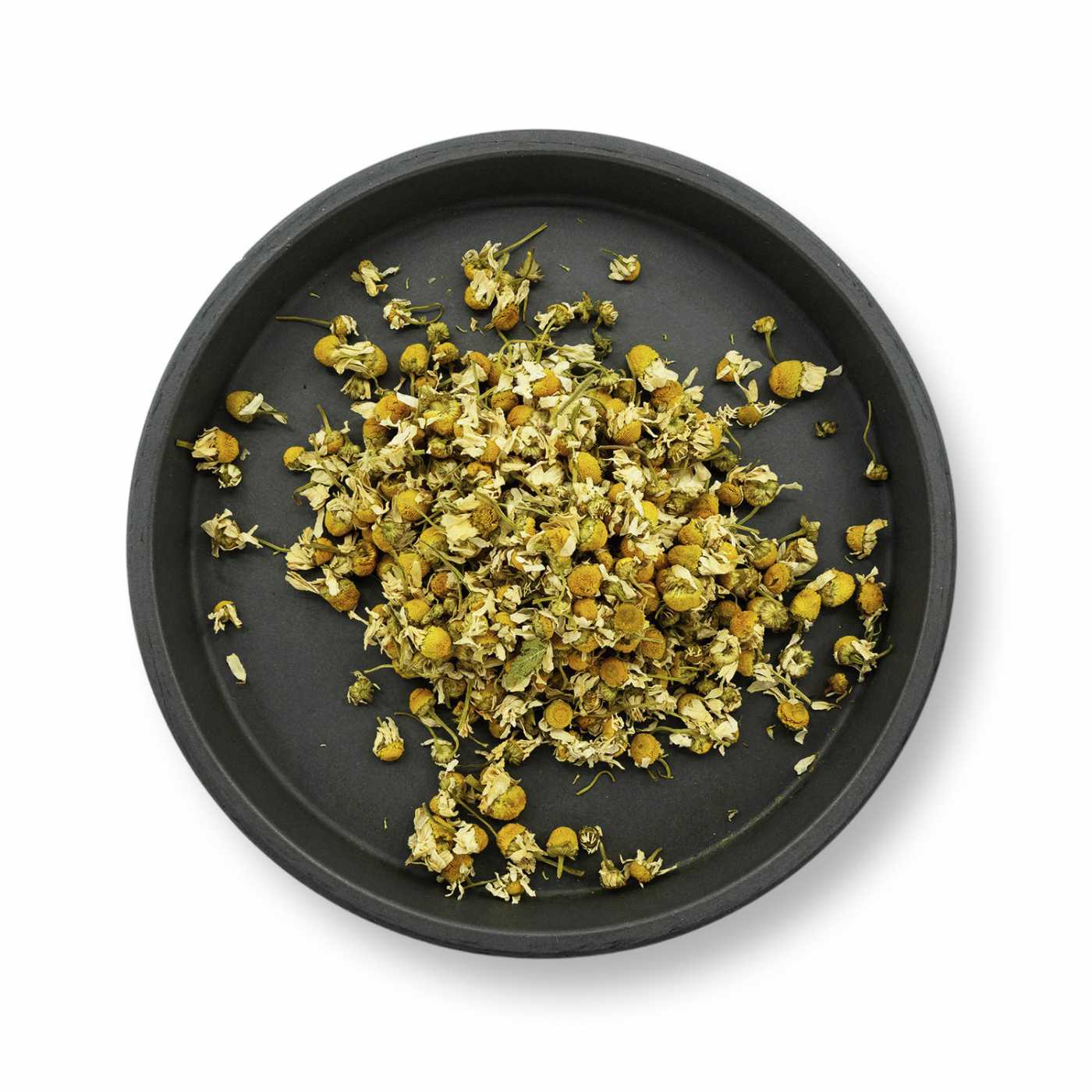
Extracts based on glycerin
Homemade herbal extracts based on glycerin are gaining in popularity mainly because they do not contain ethanol, which can be irritating to the skin. On the other hand, glycerin is a slightly weaker extraction agent than ethanol, which is why, when using glycerin, a hot extraction process is also chosen, which increases the proportion of extracted substances. On the other hand, some heat-sensitive substances in herbs can be damaged or destroyed by heat.
Hot process
- Disinfection
All containers and tools that will come into contact with the extract and the raw materials must be disinfected — for example with ethanol spray.
- Water and herb mixture 2:1
Prepare a mixture of demineralised water and dried herbs — use demineralised water in a ratio of 2:1 (water:herbs). Chop or finely blend the dried plants for the homemade herbal extracts before extraction to speed up the extraction process.
- Gentle boil 30 minutesmax. 2 hours
In a covered container, keep at a gentle boil for 30 minutes, but for no longer than 2 hours if it seems to you that the given plant requires a longer extraction time. You can top up the water as it evaporates so that the mixture does not boil dry.
- Straining
Strain the mixture through a sieve or gauze and record the weight of the resulting concentrated extract.
- Dilution with glycerin 1:41:10
In a separate container, prepare a mixture of demineralised water and glycerin 1:4. Use this mixture to dilute the concentrated herbal extract in a ratio of 1:10 (extract:glycerin solution).
Finished homemade herbal extracts should, thanks to their high glycerin content, keep even without the use of a preservative. However, if microbial contamination does occur, also use a preservative.
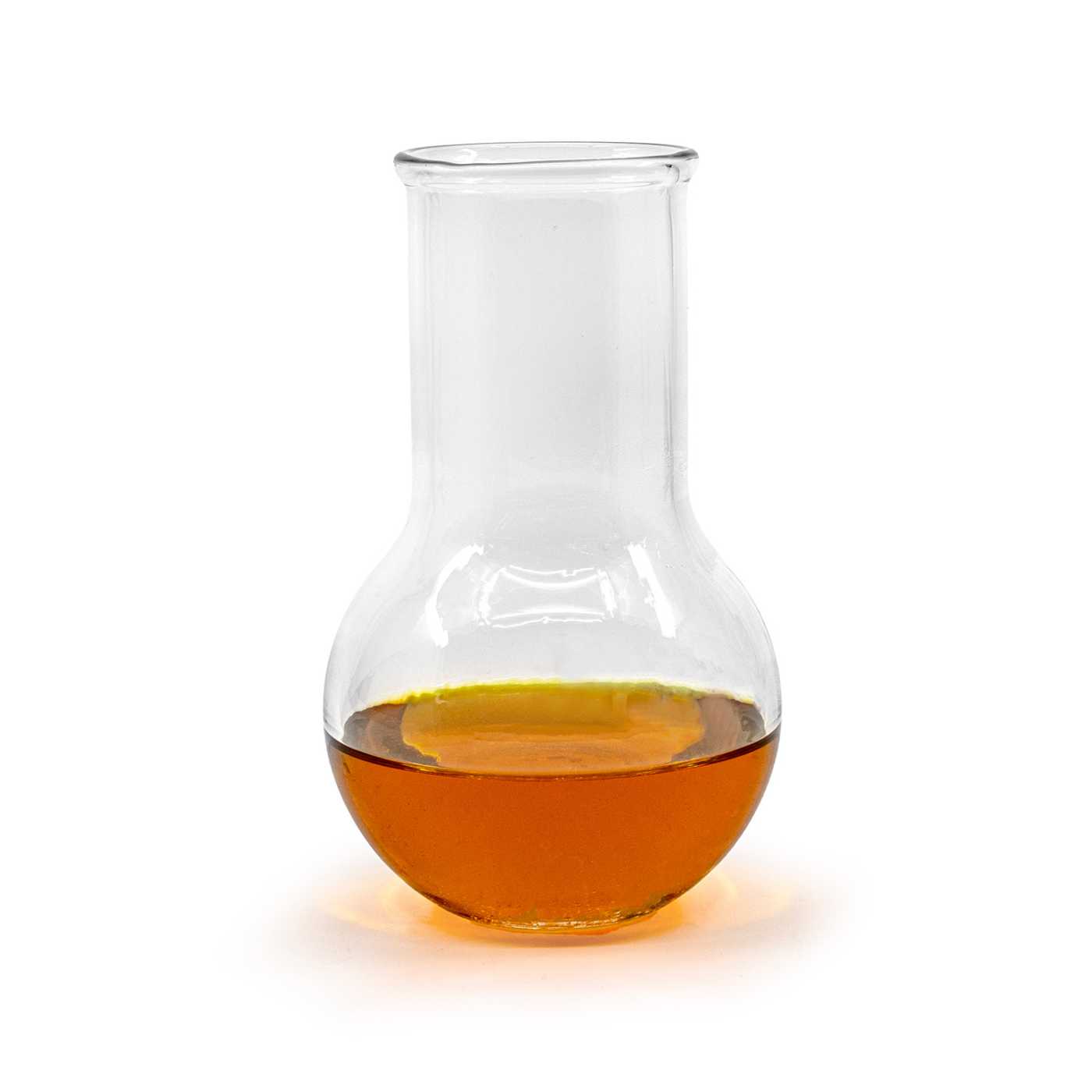
Cold process
The second option for extracting with glycerin is to use a cold process. In this case there is no thermal damage to certain sensitive substances in the herbs. Homemade herbal extracts based on glycerin made by a cold process, on the other hand, have a slightly lower content of extracted substances, because, as mentioned, glycerin is a weaker extraction agent at room temperature than alcohol.
- Disinfection
All containers and tools that will come into contact with the extract and the raw materials must be disinfected.
- Filling the jar
Put 2/3 fresh herbs or ½ of the volume of finely chopped dried herbs into a canning jar.
- Pouring over with glycerin
Pour pure glycerin over the herbs so that they are completely submerged and there are no bubbles in the mixture. Close the container.
- Extraction 4 – 6 weeks
Let the herbs extract for 4-6 weeks, shaking occasionally. Then strain the mixture and you will obtain homemade herbal extracts based on glycerin.
In cold extraction with glycerin, the resulting extract is usually not diluted, precisely because boiling — which would otherwise concentrate the extract — has been omitted.
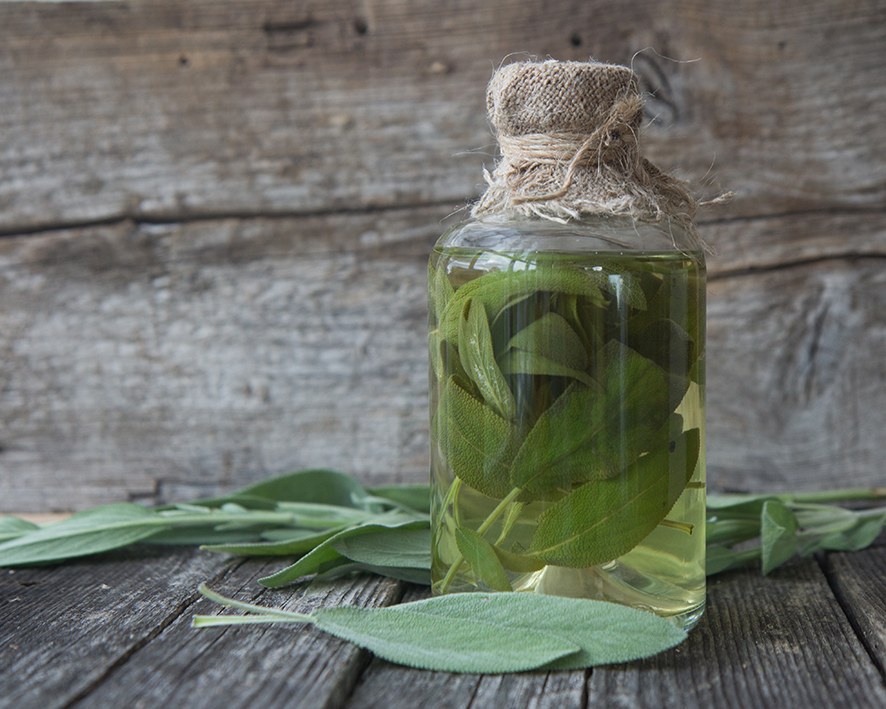
Extracts based on ethanol (alcohol)
Homemade herbal extracts based on alcohol have the advantage that you can prepare them easily by a cold process, and thanks to the good extraction performance of ethanol they will be rich in active substances. On the other hand, for extraction always use pure ethanol of at least 95 %, which is also undenatured. Undenatured ethanol is more difficult to obtain, but some denaturing agents can be toxic and unsuitable for application to the skin, so it is good to avoid them.
Cold process
- Disinfection
All containers and tools that will come into contact with the extract and the raw materials must be disinfected.
- Ethanol and herb mixture 2:11 week
In a container, mix ethanol and finely chopped dried herbs in a ratio of 2:1. Seal the container airtight, for example with cellophane secured with adhesive tape (if the container has no lid), and let it extract for 1 week.
- Straining
After a week, strain the mixture through a sieve or gauze to obtain a concentrated extract. Weigh the extract.
- Dilution with ethanol 2:31:10
In another container, prepare a mixture of demineralised water and ethanol 2:3. Pour the prepared ethanol solution over the concentrated extract in a ratio of 1:10 (extract:ethanol solution). In this way you will obtain homemade herbal extracts based on alcohol.
Using glycerin extracts in cosmetics
Once you have prepared your homemade herbal extracts, it is time to use them in cosmetics. The use of individual extracts in specific products depends on several factors. It is primarily about the compatibility with other raw materials, optimal pH and temperature, and maximum concentration.
Since you prepare the herbal extracts at home, you do not have information from the manufacturer on the parameters and properties of the extract mentioned above. In general, therefore, homemade herbal glycerin extracts are added at temperatures below 40 °C, so that valuable plant substances are not damaged.
Since glycerin is a substance that is well soluble in water, homemade herbal extracts based on glycerin belong in water-based products or products containing a water phase. It is most suitable to add them to products that do not have extreme pH values; most extracts tolerate well a pH range of 4-7.
The concentration used of a given extract depends not only on how much your skin is able to tolerate; the concentration also affects the stability of the product, especially of emulsions and gels. It is recommended not to exceed an extract concentration of 5 %; it is best to start with 1 % extract and, if the product is stable, prepare the next batch with a higher proportion of extract.
Using ethanol extracts in cosmetics
Homemade herbal extracts based on alcohol can also be used in cosmetics. However, compared to glycerin, ethanol is a more irritating raw material for the skin, which is why the current trend is to minimise the proportion of ethanol extracts in cosmetics.
At the same time, working with ethanol extracts is more demanding because the other raw materials in the product, e.g. active substances, surfactants, thickeners, etc., may not tolerate the presence of ethanol well, and precipitation of substances or breakdown of the emulsion and similar issues can occur. Therefore always check whether the other raw materials in the product can be combined with ethanol. Alcohol dissolves well in water, so add the extracts to the water phase or to water-based products.
Again, it is advisable to add homemade herbal extracts at a temperature below 40 °C, so that the ethanol does not evaporate and the active substances in the extract are not thermally damaged. Start, as with glycerin extracts, with a concentration of 1 % and, if the product is stable and the skin tolerates it well, increase the concentration, but do not exceed 5 %. Usually, however, homemade herbal extracts based on ethanol are used in lower concentrations than the glycerin ones.
Since this is homemade production, you do not have data from the manufacturer on optimal pH, temperature, usability, etc. It is therefore good to prepare several batches of the product with different extract concentrations and monitor their stability and tolerance by the skin.
Frequently asked questions about homemade herbal extracts
Practical questions about homemade herbal extracts — choosing the extraction agent, extraction time, preservation and dosage in cosmetics.
Glycerin or ethanol — which should you choose?
Extracts based on glycerin do not contain ethanol, which can be irritating to the skin, but glycerin is a slightly weaker extraction agent than ethanol. Ethanol extracts are rich in active substances thanks to the good extraction performance, but compared to glycerin ethanol is a more irritating raw material for the skin, which is why the trend is to minimise its proportion in cosmetics.
How long does extraction take?
With the hot glycerin method, keep the mixture at a gentle boil for 30 minutes, but for no longer than 2 hours if the given plant requires a longer time. Cold extraction with glycerin takes 4-6 weeks, cold extraction with ethanol 1 week.
Do homemade extracts need to be preserved?
Finished extracts should, thanks to their high glycerin content, keep even without the use of a preservative. However, if microbial contamination does occur, also use a preservative.
At what concentration should the extract be dosed into a product?
It is recommended not to exceed a concentration of 5 % extract; it is best to start with 1 % extract, and if the product is stable, prepare the next batch with a higher proportion of extract. Ethanol extracts are usually used in lower concentrations than glycerin ones.
At what temperature should the extract be added, and what pH do extracts tolerate?
Add the extracts at temperatures below 40 °C, so that valuable plant substances are not damaged (and, with ethanol extracts, so that the ethanol does not evaporate). Most extracts tolerate well a pH range of 4-7, so add them to products without extreme pH values.
Which ethanol should you use for extraction?
Always use pure ethanol of at least 95 %, which is also undenatured. Undenatured ethanol is more difficult to obtain, but some denaturing agents can be toxic and unsuitable for application to the skin.
Conclusion
So, friends, have you already tried making such a homemade herbal extract?
If so, be sure to write to us about how you got on, what you worked with and how you go on to use these extracts. We look forward to your insights.
Until saponification, friends.
You will find dried herbs, vegetable glycerin and demineralised water for extraction in the Handymade range of raw materials.