


The handymade learning centre
Homemade cosmetics academy
Recipes, ingredient profiles and regulations in one place. Learn step by step — and add the ingredients of any recipe to your cart in one click.
Learning paths
Getting started with homemade cosmetics
First steps in making your own cosmetics: measuring pH, preservation, working with actives and essential oils. The parts build on each other, but each one also stands alone.
Level II · 5 partsMineral make-up from A to Z
A complete series on home-made mineral make-up: powder foundation, a cream version in five shades and liquid make-up, including how to mix your own shade.
Level III · 6 partsCosmetics legislation for makers
INCI names, correct product labelling, IFRA standards and cosmetic certificates — a learning path for everyone who wants to make cosmetics properly and legally.
Exfoliation in cosmetics: mechanical and chemical, how they differ and what to watch out for
Mechanical vs chemical exfoliation: how they work, how they differ and what to watch for. A practical guide for home formulators and choosing an exfoliant.
Oily skin, blemishes and shaving: how niacinamide can help men’s skin
Niacinamide regulates sebum, soothes skin after shaving and helps with breakouts. Find out why it suits men’s skin and how to add it to your own cream.

Plant PDRN from chlorella: next-generation biotechnological anti-aging
Plant-based PDRN Phycopeptide from the microalga Chlorella vulgaris – a vegan anti-ageing raw material for firmer, smoother skin. Suitable for serums, creams and gels.
Carrot CO₂ extract: Golden treasure of summer cosmetics
Carrot CO₂ extract is rich in carotenoids and antioxidants. Erika Samolejová explains how to use it in lip balms and summer body oils, with recipes.
Hydrosol vs distilled water: Why the aqueous phase matters in cosmetics
Fermentation in cosmetics: What fermented extract means and why it increases the efficacy of active ingredients
Chelating agents in natural cosmetics: How to choose the right chelant for formulation stability, clarity and quality
Find out what chelating agents are in natural cosmetics, how they work and which ones are best suited to formulation stability. A comparison of sodium phytate, sodium gluconate, citrate and more modern chelators.
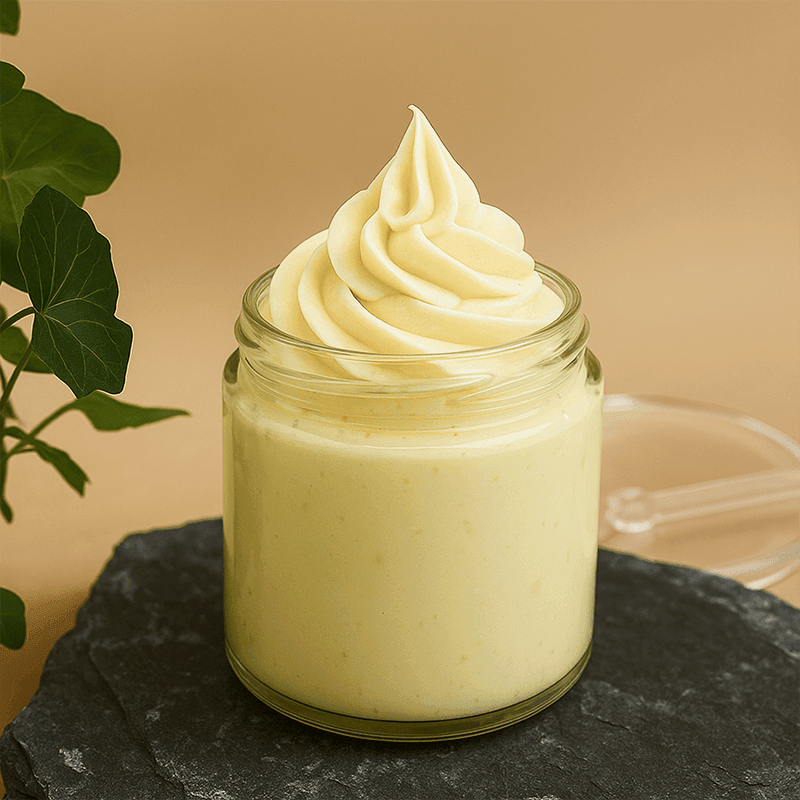
How to make fluffy whipped body butter?
Discover the recipe for a fluffy Christmas whipped body butter scented with orange, clove and rosemary. A rich blend of shea, mango and coconut butter for soft, moisturised skin. Ideal as winter care or as a handmade gift.

Why is the 1388 Eco Plus preservative an ideal preservative for natural cosmetics?
Find out why choosing a natural preservative is crucial for the safety of your cosmetics. Preservative 1388 eco plus offers a 100 % natural solution.
Safety of essential oils: why we do not recommend internal use
Essential oils are highly concentrated substances. In this article we explain why internal use is risky, what the possible side effects are and what the Tisserand Institute recommends.
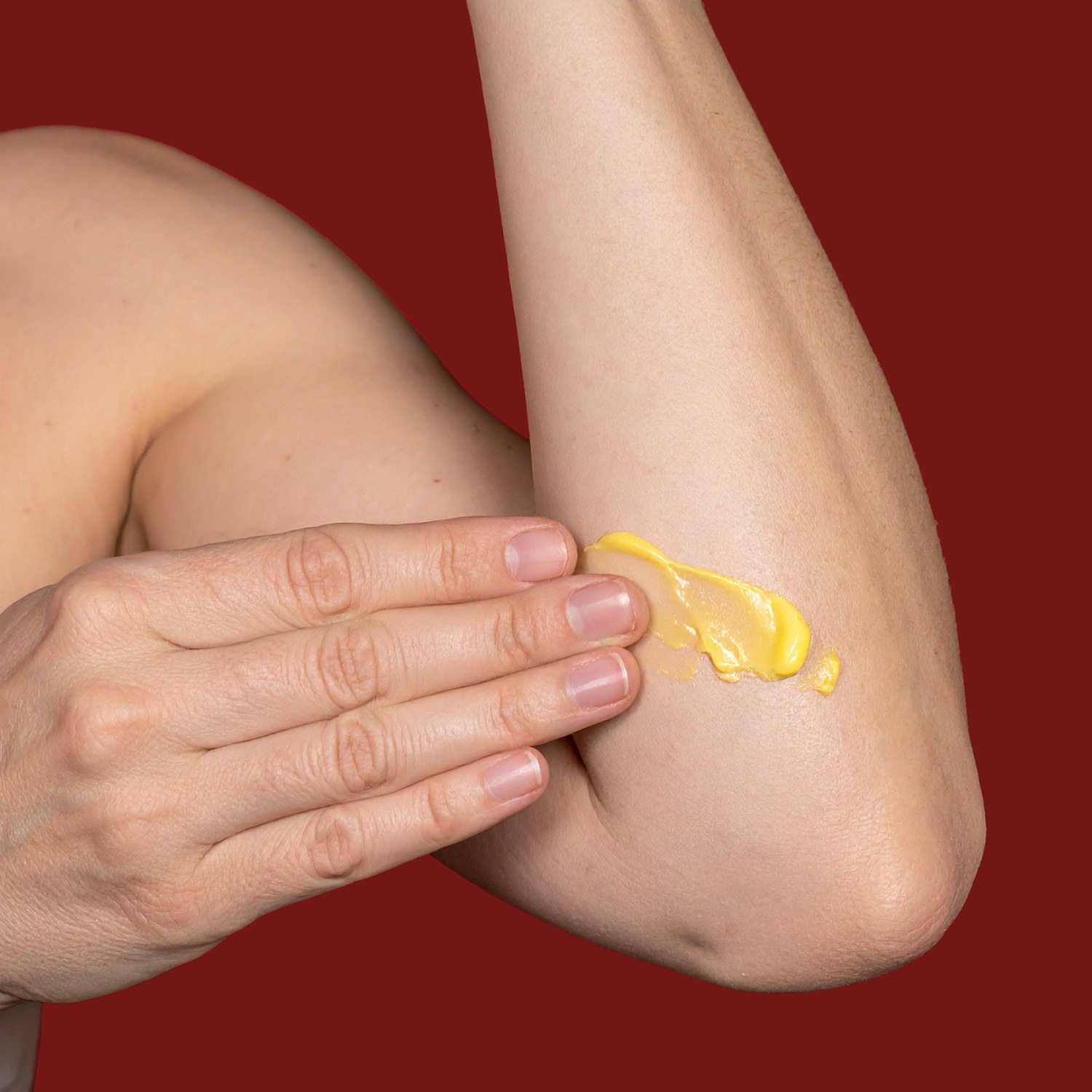
Benefits of anhydrous natural cosmetics with instructions for whipped regenerating body butter
Discover the benefits of anhydrous natural cosmetics and make a regenerating whipped body butter together with us.

Essential oils, fragrance oils, CO2 extracts and absolutes
Read about essential oils, fragrance oils, CO2 extracts and absolutes on our blog.
Showing 12 of 40 articles