Carrot is one of those raw materials that most of us associate more with nutrition than with cosmetics. In the form of a CO₂ extract, however, it is a highly concentrated ingredient rich in carotenoids and antioxidants, which find wide application in skin care. Thanks to its intense colour, its protective properties and its ability to support a naturally radiant look, it is particularly well suited to summer formulations, lip balms and nourishing body oils. In this article, Erika Samolová shows how carrot CO₂ extract can be used in practice and brings two simple recipes that highlight its strengths.
What carrot CO₂ extract is
Carrot CO₂ extract is one of those raw materials that look inconspicuous, yet are very interesting from a formulator’s point of view. Unlike classic macerates or water extracts, it is a highly concentrated extract obtained by supercritical extraction with carbon dioxide. This method makes it possible to obtain bioactive substances without using classic organic solvents and, at the same time, to preserve the more sensitive components that are easily degraded at higher temperatures or by oxidation.
In short: Supercritical CO₂ extraction works gently — without solvent residues and without thermal damage. The result is a pure, concentrated extract that retains the natural profile of the active substances from carrot.
What carrot extract is rich in
Carrot CO₂ extract is naturally rich mainly in three groups of substances, which together determine its cosmetic character:
- Carotenoids
Including beta-carotene. They give the extract its distinctive orange-golden colour and carry its protective and tone-enhancing potential.
- Antioxidants
They support the protection of the skin against oxidative stress — interesting for the care of dry and tired skin.
- Lipophilic phytonutrients
They are soluble in oils and butters, so the extract integrates naturally into anhydrous and oil-based formulations.
In cosmetics it is interesting mainly because it supports the protection of the skin against oxidative stress, nourishes it and improves the appearance of dry and tired skin. It is a raw material that is very well suited to protective, regenerative and nourishing products based on oils and butters.
Colour and formulating character
From a formulating point of view, the extract is interesting thanks to its distinctive colour, which is a consequence of its high carotenoid content. It has an intense orange-golden colouring that adds an interesting visual character to products. At higher concentrations it can gently tint the skin, which works very well when you want to achieve an effect of natural “radiance”. That is precisely why it is ideal in lip balms, for example, where it gives a soft warm tone and at the same time protects and nourishes the thin, sensitive skin of the lips.
At higher concentrations the extract gently tints the skin — instead of an artificial shine it brings a warm, naturally radiant look.
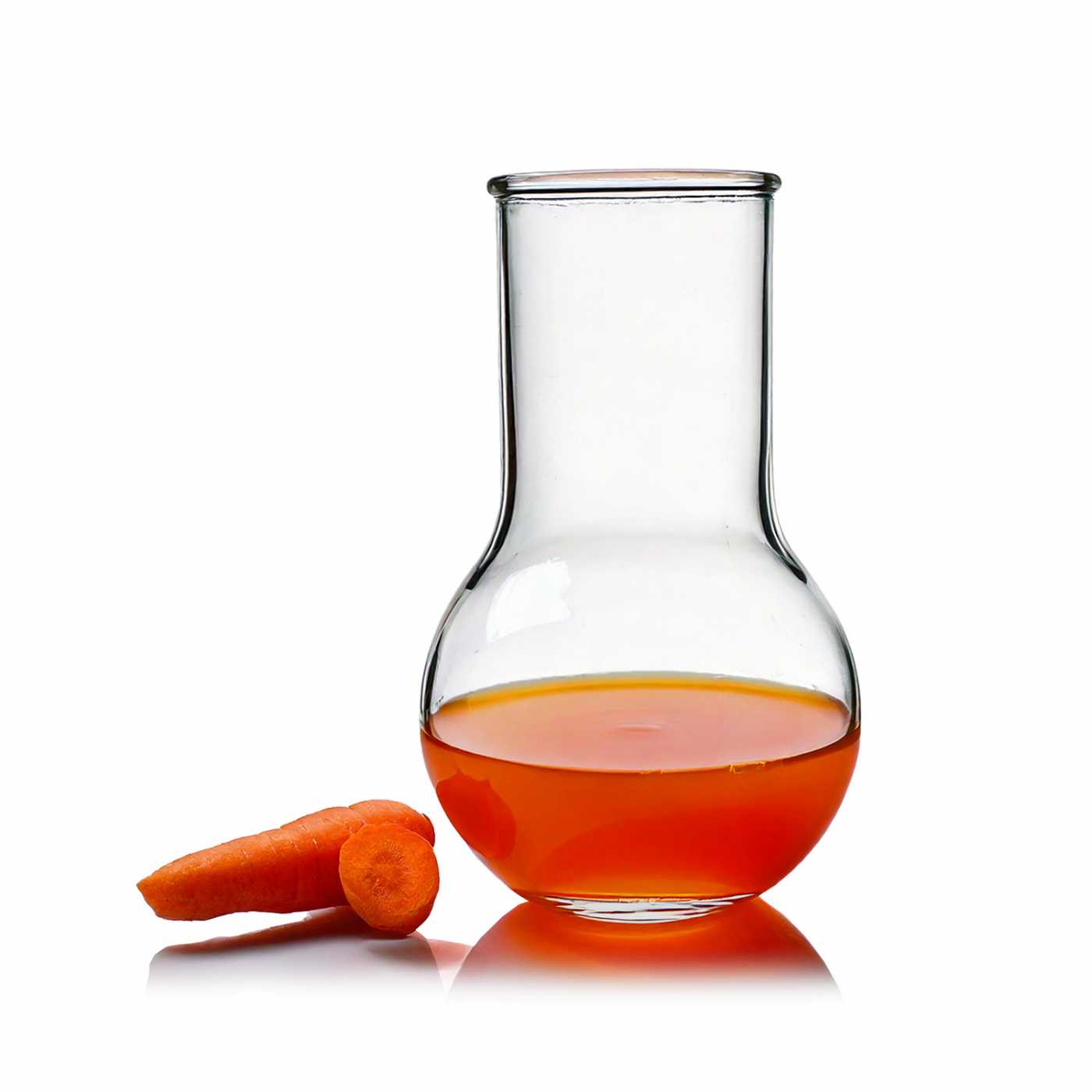
Carrot in jojoba oil, CO₂ extract, BIO
The carrot extract from handymade.sk is dissolved in jojoba oil. Thanks to this it combines very well with other oils and butters and is easily incorporated into anhydrous formulations. It combines the protective and antioxidant potential of carotenoids with a warm orange-golden tone.
Typical use: lip balms, body oils, anhydrous balms, masks, face creams.
Recipe: nourishing lip balm
The first recipe shows the extract in its most natural environment — in an anhydrous balm, where it gives a warm tone and protects the delicate skin of the lips. The basic recipe totals 100 %.
| Proportion | Ingredient |
|---|---|
| 25 % | Castor oil |
| 19.5 % | Jojoba oil |
| 16 % | Shea butter |
| 27 % | Beeswax |
| 10 % | CO₂ extract carrot in jojoba oil |
| 2 % | Vitamin E |
| up to 0.5 % | powder mica, e.g. gold (optional) |
Mix the oils, shea butter and beeswax and heat them in a water bath until the wax is completely melted.
When the oil mixture reaches a temperature below 40 °C, add the carrot extract and vitamin E. If you decide to add mica, do so at this step and then fill the balm into lip balm containers. The balm sets quickly enough that the mica should not settle at the bottom of the container.
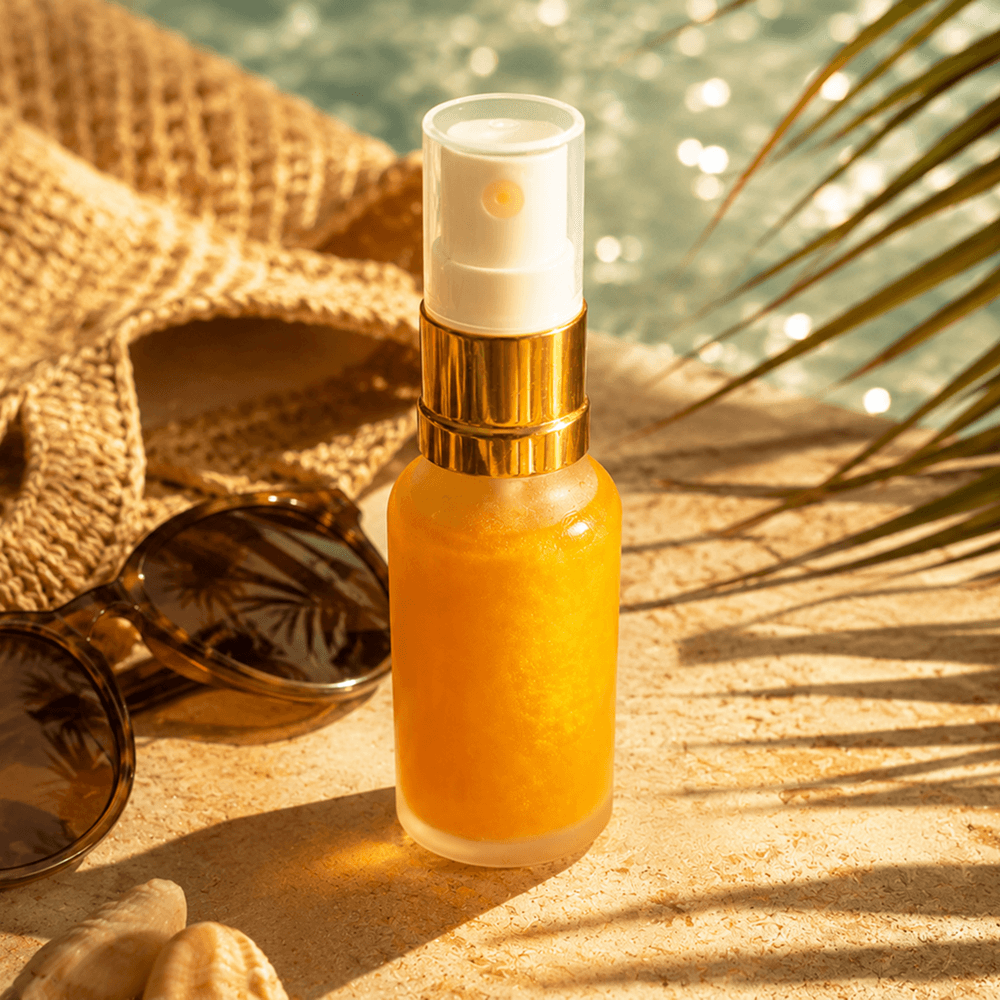
The carrot extract from handymade.sk is dissolved in jojoba oil, so it combines very well with other oils and butters. A tip for using it in body care for the summer is a body oil with a shimmering effect, which is excellently suited as a supplement to after-sun skin care.
Recipe: shimmering body oil
| Proportion | Ingredient |
|---|---|
| 32 % | LexFeel Natural |
| 32 % | Jojoba oil |
| 17 % | Aloe vera butter |
| 8.5 % | Cane squalane |
| 4.8 % | CO₂ extract carrot in jojoba oil |
| 3 % | liquid coenzyme Q10 |
| 1.7 % | Vitamin E |
| 0.5 % | alpha bisabolol |
| 0.5 % | powder mica, e.g. gold (optional) |
Mix the jojoba oil, LexFeel, squalane and aloe vera butter and heat them in a water bath until the butter is completely melted.
When the mixture reaches a temperature below 40 °C, add the carrot extract, vitamin E, bisabolol, coenzyme Q10 and mica. Mix thoroughly and fill into containers with a suitable applicator, ideally with a spray pump. Shake gently before use so that the mica is evenly dispersed.
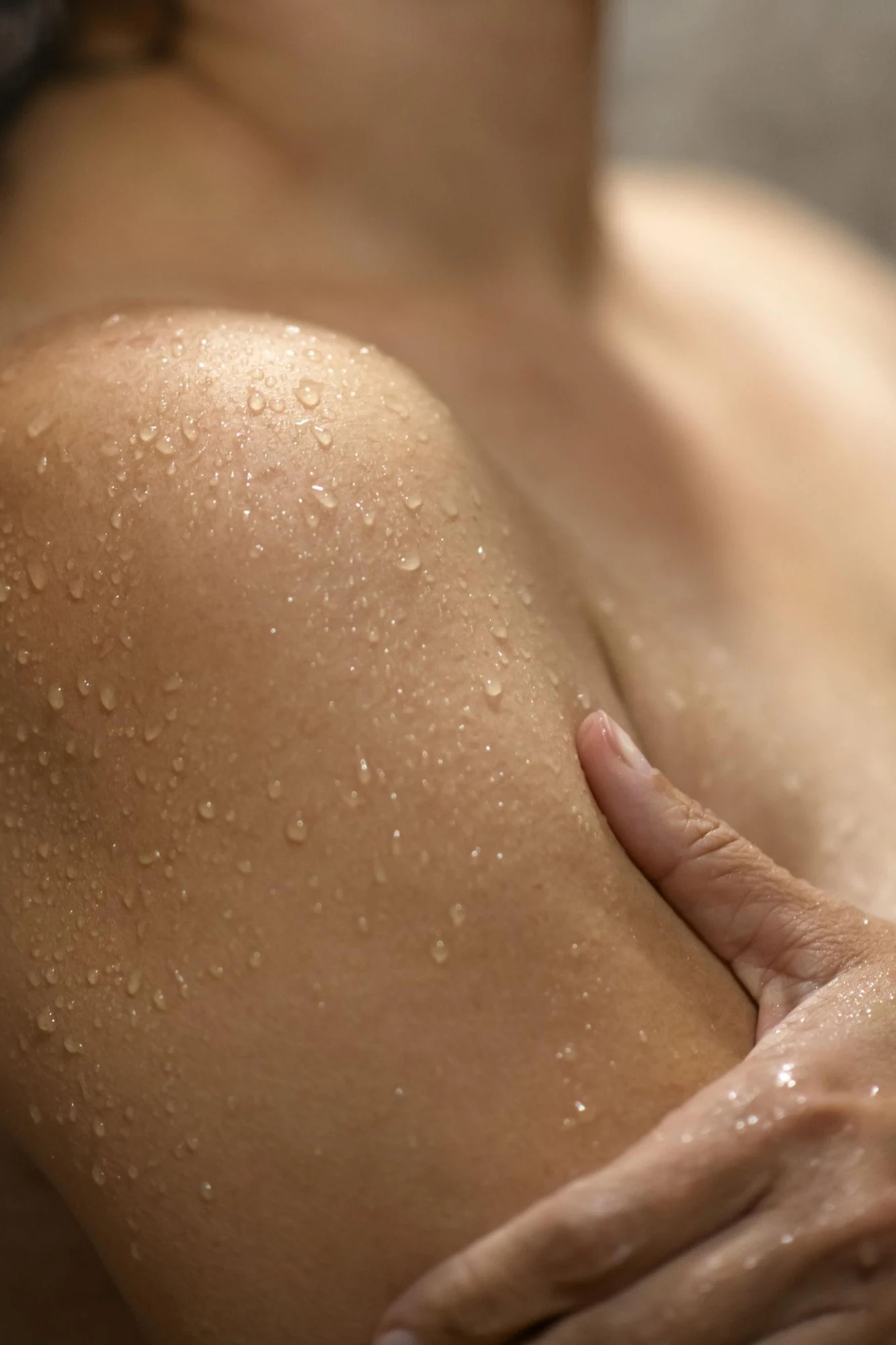
This formulation gives a lighter, drier body oil that absorbs quickly, does not dry the skin out but gently hydrates it, brightens it and enhances a tan. You can apply it to the shoulders, décolleté, legs or collarbones, for example. The composition is built on a balanced combination of light oils, nourishing lipids and active substances that together create a caring product rather than just a cosmetic shine. LexFeel and squalane ensure a quick, drier glide without a greasy feel, while jojoba oil and aloe vera butter provide the nourishment and softness that behave naturally and comfortably on the skin. Carrot CO₂ extract complements coenzyme Q10, bisabolol and vitamin E beautifully here, and the gold mica adds a visual effect that naturally highlights a tan and gives the skin a healthy, radiant look.
Beware of the colour: Carotenoids give the extract a rich orange-golden tone. At higher doses it can stain light textiles as well as the skin — so test the dosage on a small amount first and apply the finished product in a thin layer.
Where carrot extract is suitable
Carrot CO₂ extract has a strong position in summer cosmetics, especially in products where you want to support a warm tone, the natural appearance of the skin and its regeneration. That makes it suitable for summer formulations that look for a balance between a caring effect and gentle visual enhancement of the skin. In addition to body oils, it has its place in anhydrous balms, masks and face creams aimed at the regeneration and protection of the skin.
Frequently asked questions about carrot CO₂ extract
Practical questions from formulation practice — concentration, colour, production phase, preservation and storage of the finished product.
In what concentration is carrot CO₂ extract used?
In the formulations in this article it ranges from just under 5 % in the body oil to 10 % in the lip balm. Always adapt the specific dose to the colour and tone you want, and follow the supplier’s recommendation in the technical documentation.
Will carrot extract stain the skin or clothing?
At higher concentrations yes — the extract has a rich orange-golden colour from the carotenoids. That is precisely what enables the natural radiance effect, but it can stain light textiles. Test the dosage on a small amount and apply the product in a thin layer.
At which production phase do I add carrot CO₂ extract?
In the cooling phase, when the mixture drops below 40 °C — together with vitamin E and the other actives. That way you do not expose the sensitive bioactive components to unnecessarily high temperatures and their profile is preserved.
Do anhydrous balms and oils with carrot extract need to be preserved?
Both recipes are anhydrous — they contain no water phase, so they do not need a classic preservative. What matters is protecting them from moisture: on contact with water there is a microbiological risk. Vitamin E helps to slow down oxidation of the oils.
Does carrot extract have a sun protection factor (SPF)?
No. It is suitable for after-sun care and for supporting the appearance of tanned skin, but it does not provide a protection factor and does not replace a sunscreen. For protection against the sun, always use a dedicated product with a declared SPF.
How should products with carrot CO₂ extract be stored?
In a cool, dark place away from direct sunlight, well closed. Both the carotenoids and the oils are sensitive to light and oxidation — proper storage will prolong the stability of the colour as well as of the cosmetic effect.
Summary
Carrot CO₂ extract combines protection, nourishment and a gentle visual effect in a single raw material. Thanks to carotenoids, antioxidants and lipophilic phytonutrients it integrates naturally into anhydrous and oil-based formulations — from lip balms through shimmering body oils to regenerative face creams. It is a raw material that gives summer cosmetics a warm tone as well as a real caring effect.
When formulating lip balms, nourishing body oils or regenerative creams, carrot CO₂ extract can be exactly the detail that gives the formulation a warm tone and a protective effect.