


PLASTIC JARS
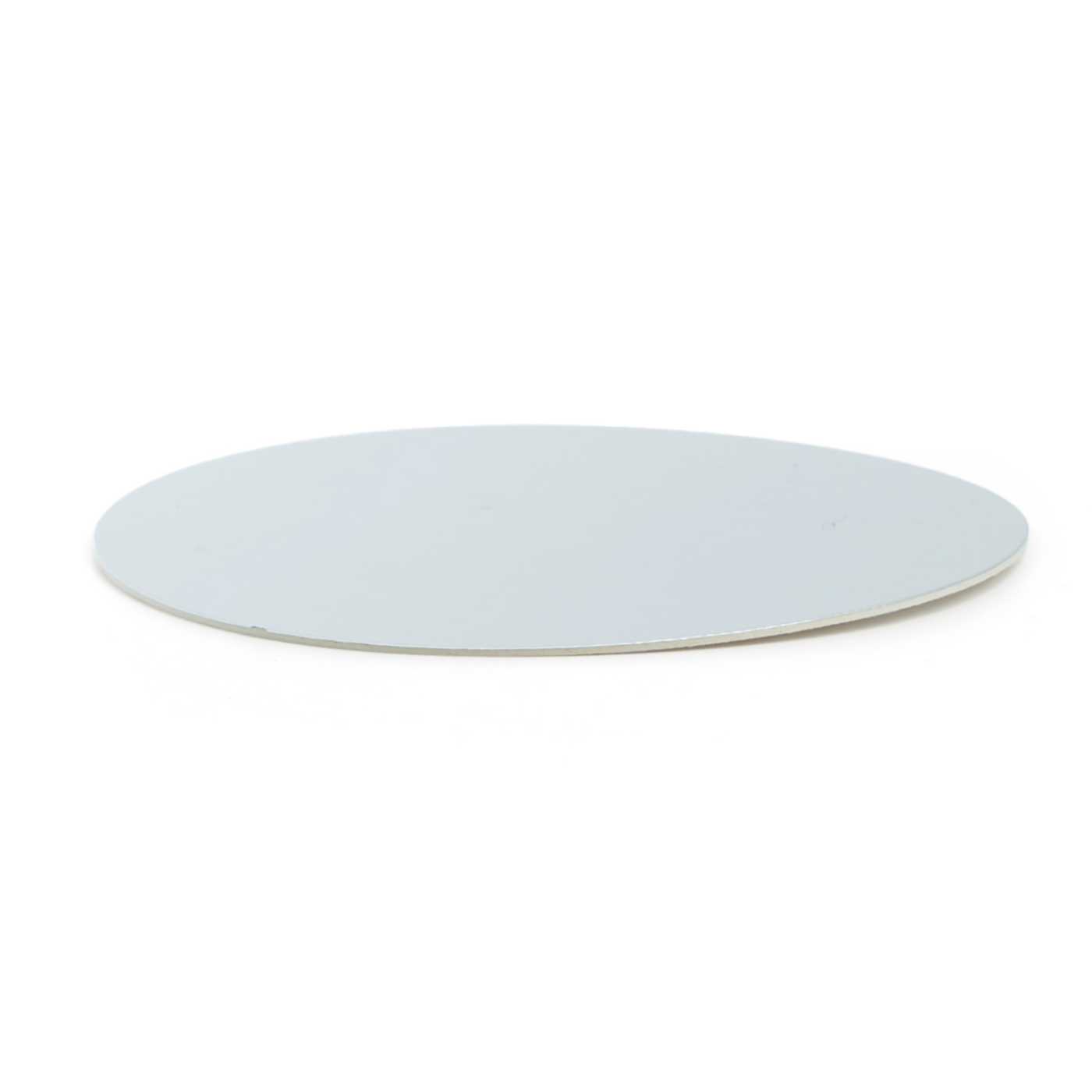
Induction aluminum liner for 100 mm jar lids
An induction aluminum liner seals a jar or container with a 100 mm cap using a heat-sealed membrane that keeps the contents inside and reveals any opening. full description
Lowest price in the last 30 days: €0.29
Total for 1 pcs: €0.29
Product description
An induction aluminum liner seals a jar or container with a 100 mm cap using a heat-sealed membrane that keeps the contents inside and reveals any opening. The liner, made of aluminum and paper, is inserted into the cap and, after passing through an induction sealer, creates an intact membrane on the neck. It is particularly suitable for creams, butters, scrubs, bath salts, powders, masks, and other products filled into wide-mouth containers where airtightness during transport and a tamper-evident first opening matter.
The liner is suitable for contact with cosmetic products and is also approved for direct contact with food. It can therefore also be used for homemade syrups, honeys, dried mixtures, or herbal preparations filled into jars and containers with a 100 mm neck.
Why induction sealing
- Protection against leakage – the sealed membrane keeps the contents inside the container even when turned upside down or shaken during transport. For creams and more liquid textures, it solves the common problem of leaking under the cap.
- Visible integrity – removing the membrane is irreversible, so the customer is assured that no one has opened the container. When selling cosmetics and food products, it is a simple and clear signal.
- Barrier against air and moisture – the aluminum layer restricts access of air and moisture to the contents until the first opening. This helps with products sensitive to oxidation and with loose mixtures that would clump from moisture.
- No change to the packaging – the liner is inserted into the existing cap, so there is no need to change the jar or closure you are already using.
How to work with the liner
Insert the liner into the cap with a 100 mm diameter with the aluminum side facing the neck of the container. Close the filled jar or container with the cap and pass it through the induction sealer. The device creates an electromagnetic field that heats the aluminum foil, and its sealing side bonds to the rim of the neck. After cooling, a membrane remains on the neck, which the customer removes before first use.
Without an induction sealer, the liner only functions as a regular cap liner and does not create a membrane. For smaller batches, a hand sealer is sufficient; for larger volumes, benchtop or inline devices are used.
Before the first production batch, run a test on a few pieces. The power setting and sealing time depend on the material and thickness of the neck, the type of sealer, and how tightly the cap is tightened. A correctly sealed membrane can be peeled off in one piece, and no torn foil fragments remain on the neck.
What's good to know
- Neck material – the sealing side bonds to the rim of the neck, so adhesion varies with different plastics and with glass. Verify the seal on the specific container before using the liner in a production run.
- Clean and dry neck rim – residues of cream, oil, or powder on the neck prevent the foil from bonding to the container. Wipe the neck before sealing; for greasy products, it helps to fill leaving a small gap below the rim.
- Cap tightening – the cap must press the liner evenly against the neck around the entire circumference. A loose cap will cause the membrane to seal only on part of the circumference.
- Heat from other sources – the liner responds to the induction field, not to ordinary heat, so a product filled hot will not seal the membrane. When filling hot contents, however, let the container cool before sealing so that steam does not condense inside.
The liner has a diameter of 100 mm and is intended exclusively for caps with this diameter. It cannot be trimmed or cut down for a smaller cap; on a larger cap, it will not cover the entire rim of the neck and the membrane will not be airtight.
Caps with a 100 mm diameter as well as jars and containers with the same type of neck are available in the Handymade range, so you can put together a complete combination of container, cap, and liner.
Frequently asked questions
Parameters
- Country of origin
- European Union
- Diameter
- 100 mm
- Height
- 1 mm
Product documentation
Verified by customers.
No reviews yet.
Only customers with a delivered order can write reviews.