
Squalane is a raw material whose excellent biocompatibility with the skin ranks it among the most valuable raw materials used in the production of hair and facial cosmetics. We distinguish two groups of squalanes — animal-derived (squalenes) and plant-derived (squalanes) — and it is precisely the plant ones, olive and cane squalane, that are the better choice today. We will show you how they differ and how to use them not only in formulations, but also in your everyday beauty routine.
About this article
This article was written for you by Martina Oboňová. To begin with, we will go through a little theory — where squalene was originally obtained from and how its plant-derived alternatives came into play. Then we will introduce olive and cane squalane, their origin and their benefits for the skin and hair. The end belongs to practical tips on how to use squalane on its own and together with make-up — just as celebrity make-up artists worldwide do.
Main benefits
The excellent biocompatibility of squalane with the skin ranks it among the most valuable raw materials used in the production of hair and facial cosmetics. See for yourself:
- Hydration of the skin and hair
Squalane hydrates the skin as well as the hair fibre and at the same time prevents moisture loss.
- Cell regeneration
It supports cell regeneration.
- Skin integrity
It improves the integrity of the skin.
- Fewer wrinkles
It reduces wrinkle formation.
- Hair elasticity and shine
It increases elasticity and shine and prevents hair splitting; it also provides thermal protection of the hair fibre (blow-drying, straightening and the like).
Properties of the raw material
Squalene and squalane — how do they differ?
To begin with, a little theory. We distinguish two groups of squalanes, namely animal-derived (squalenes) and plant-derived (squalanes).
Originally, squalene was discovered and obtained from sharks. Only later, in the 1930s, did scientists find out that squalane is also contained in plants. Fortunately — because the demand for squalene caused intensive hunting and a marked decline in shark populations.
Olive squalane
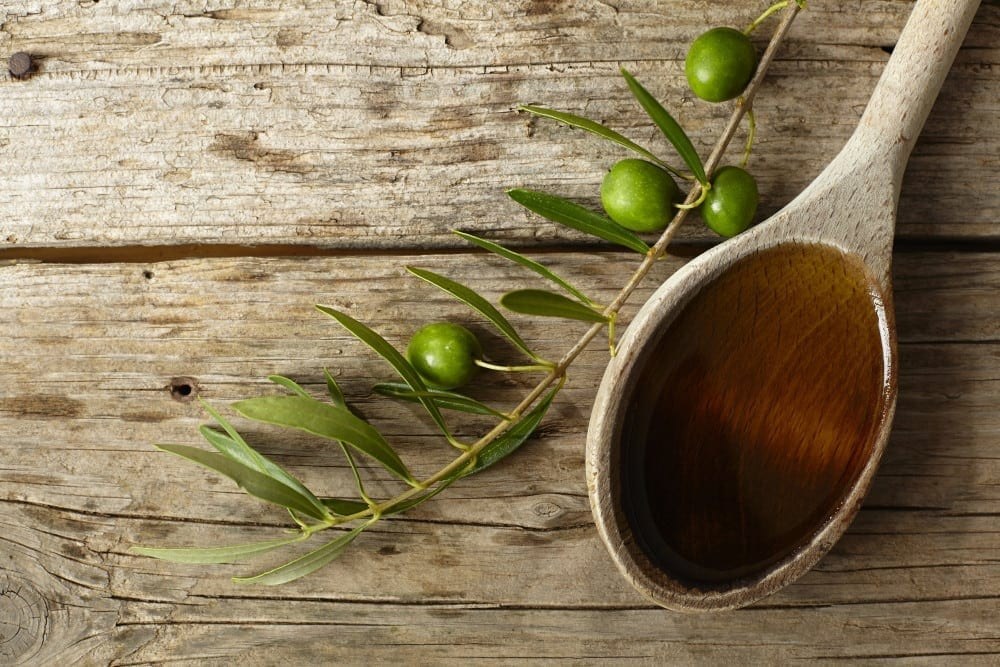
The best-known plant squalane is olive squalane. This one is precious, because its content is only 0.8 %.
Cane squalane
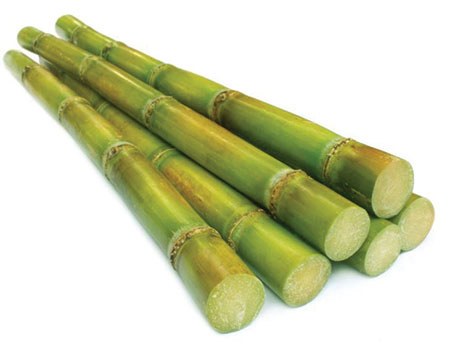
A wonderful discovery therefore was cane squalane. On the one hand, it is obtained from the mass that is the result of the fermentation of residues after cane sugar production, and the second great piece of information is that the squalane content is just as high as the content of animal squalene from sharks. At the same time, cane squalane is a product from renewable sources.
Squalane in formulations
Recently, we published several formulations on our blog for making an anti-wrinkle serum, where olive squalane was one of the suitable ingredients. In these recipes you can substitute and also try cane squalane. In the same way, you can also use it in your beauty routine.
However, squalane can also be used on its own, as a 100 % natural product. Since it is a component of many cosmetic products, where it replaces synthetic silicones, you can use it directly with make-up.
So how to use squalane?
If you belong to those women who cannot imagine leaving the house without make-up, these tips are made just for you. Regardless of how high-quality your make-up is, the basis of the final perfect look is still smooth and silky skin, onto which make-up can be applied excellently. And it is precisely the application of squalane that prepares your skin for make-up. This procedure is even used and recommended by celebrity make-up artists worldwide.
- Primer component
The basis is to cleanse the skin thoroughly, apply your favourite cream and then use pure squalane. And only then apply a layer of make-up. Here squalane acts as a replacement for a primer under make-up and since it is a natural replacement for silicones and hydrates excellently, it ensures flawless, smooth and even application of make-up.
- Foundation
Mix squalane with a sponge into the liquid foundation of your make-up and apply it to the skin. Squalane is a common component of liquid make-ups, so by adding it your make-up will be much more hydrating.
- Eyebrows
Just like hair, eyebrows also need care and hydration. Squalane is an excellent choice — make-up artists use it as a kind of gel and conditioner in one; it keeps the eyebrows nice, groomed and nourished.
- Cheekbones
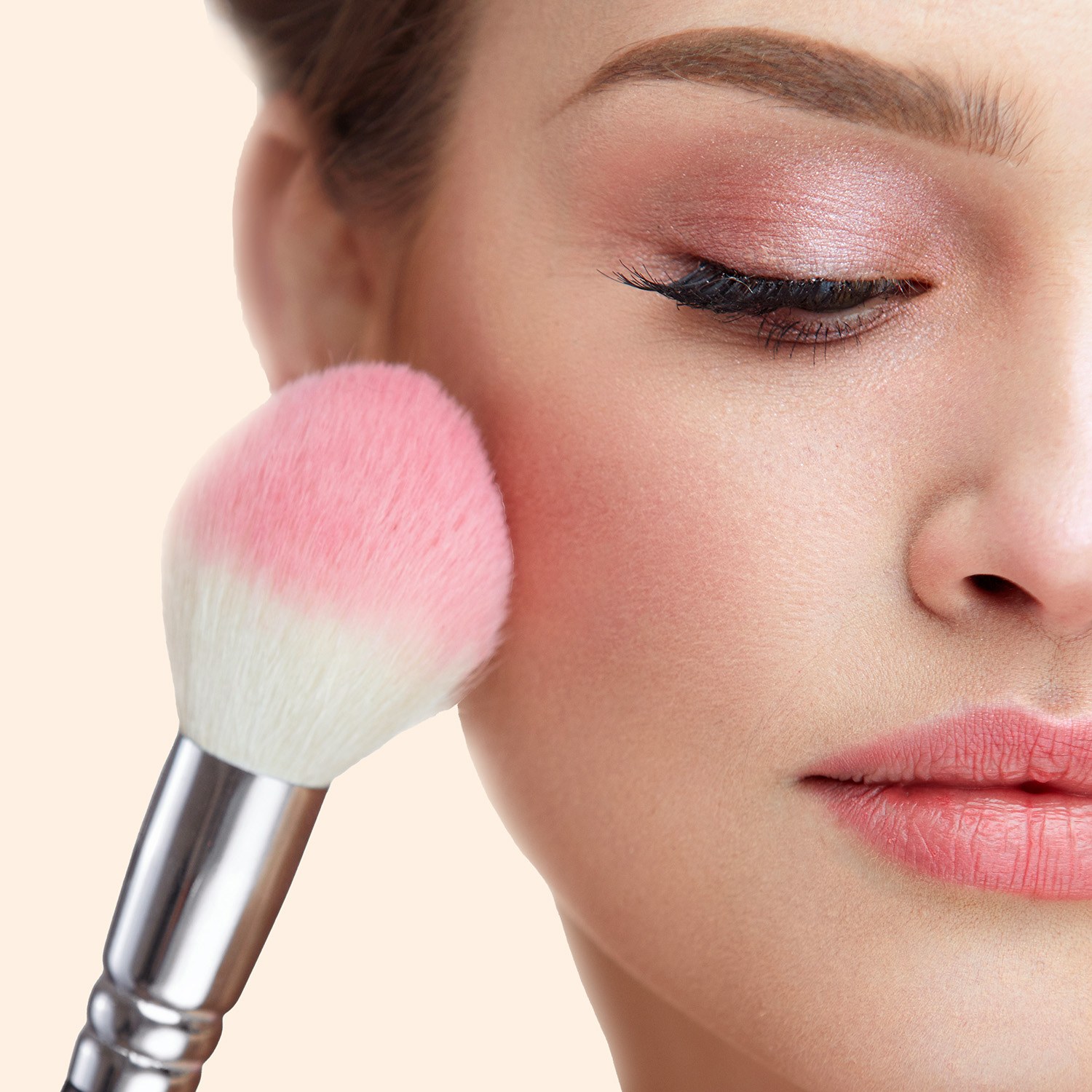
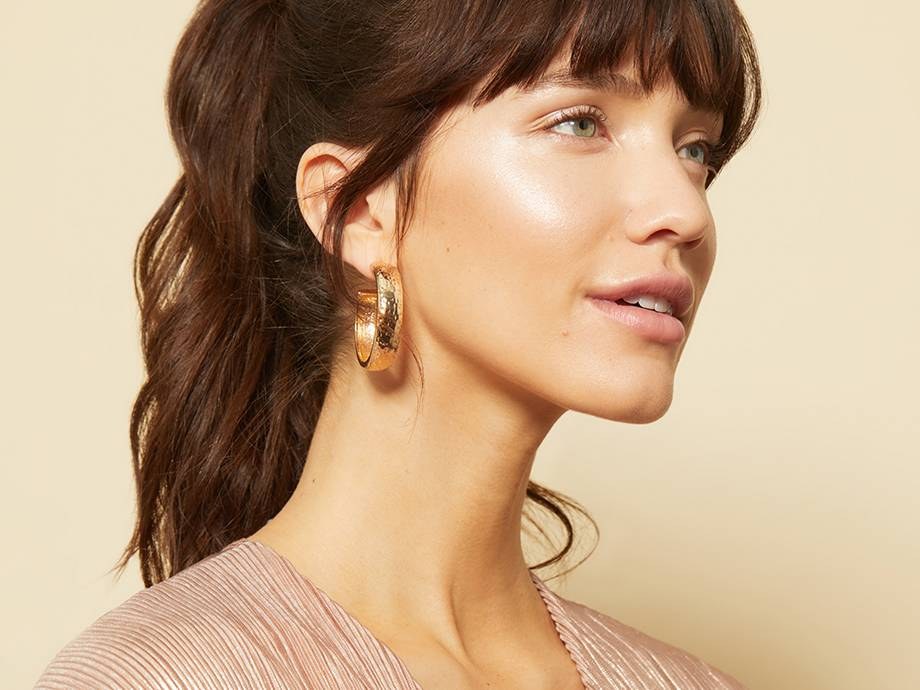
And finally, a perfect trick that probably would not have occurred to you. It goes somewhat against the rules of perfect make-up — it is precisely here that you can see that exceptions prove the rule. After completing your full make-up, apply a small amount of squalane with a gentle touch on your cheekbones. You will be surprised what a soft radiant tone it gives to your perfect appearance.
Tip: Does it seem to you that you have chosen an unsuitable (‘dry’) make-up for your skin? Do not throw it away — try mixing in squalane during application and you may thus achieve the right consistency exactly for your skin.
Frequently asked questions about squalane
Practical questions about this raw material — the difference between squalene and squalane, the origin of both plant variants, substitution in recipes and use on its own.
What is the difference between squalene and squalane?
We distinguish two groups — animal squalenes and plant squalanes. Originally, squalene was discovered and obtained from sharks; only later, in the 1930s, did scientists find out that squalane is also contained in plants.
Why is olive squalane so precious?
Olive squalane is the best-known plant squalane and it is precious, because its content is only 0.8 %.
What makes cane squalane exceptional?
It is obtained from the mass that is the result of the fermentation of residues after cane sugar production, and the squalane content is just as high as the content of animal squalene from sharks. On top of that, it is a product from renewable sources.
Can I substitute cane squalane for olive squalane in a recipe?
Yes. In the formulations for making an anti-wrinkle serum, olive squalane was one of the suitable ingredients — in these recipes you can substitute and also try cane squalane.
Can squalane be used on its own?
Yes, squalane can also be used on its own, as a 100 % natural product. Since it is a component of many cosmetic products, where it replaces synthetic silicones, you can use it directly with make-up.
How does squalane help with make-up?
It serves as a primer component under make-up instead of a silicone primer, it can be mixed into the liquid foundation for a more hydrating make-up, it is used on the eyebrows as a gel and conditioner in one, and after completing your full make-up you can use it with a gentle touch to add a soft glow to your cheekbones.
Conclusion
This article was written for you by Martina Oboňová.

You will find olive and cane squalane in various pack sizes among the active ingredients in the Handymade raw materials range.