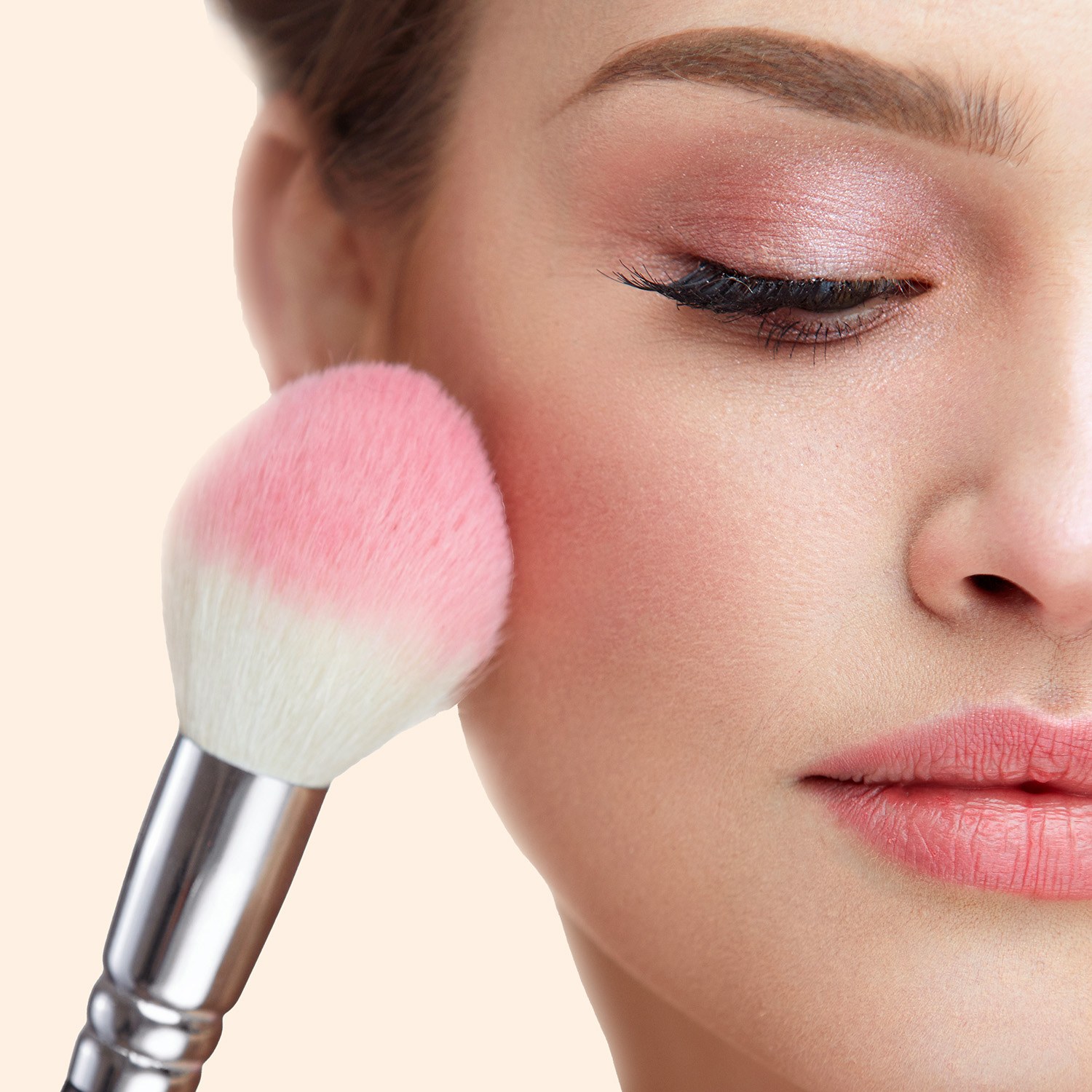
Natural blush for all ladies who love to dress up — make it with us. Do you want to make your own blush by hand? You may already have experimented with making blush, but if you want to create a product with a beautiful pink colour, yet without the unnecessary sheen and sparkle that mica powders would otherwise bring, you are in the right place. We bring you instructions for making a blush containing pink ultramarine.
About this recipe
To make a homemade blush you will need a blend of oils and waxes and, of course, a pigment. Shiny mica powders have in this case been replaced with pink ultramarine to achieve the most natural possible appearance of the final product on the skin.
Try making it yourself, it really is simple, as the product contains only an oil phase!
Main benefits
- A natural look without sparkle
A beautiful pink colour without the unnecessary sheen and sparkle that mica powders would otherwise bring.
- Simple to make
The product contains only an oil phase, so making it really is simple.
- Better make-up longevity
Rice starch improves the adhesion of the product to the skin and slightly thickens the consistency of the mixture.
- A shade made to measure
Play with the proportion of pigment or combine several pigments to achieve the colour shade you desire.
- Lasts a long time
Even a small amount of blush will last you for quite a long time.
Product properties
Key raw materials in the recipe
Below we will introduce the individual raw materials and their role in the instructions for making homemade blush. You will also find out more about possible substitutions or variations, thanks to which you can tailor the product to your needs.
Castor oil
Carrier oil · High viscosity · Neutral colour
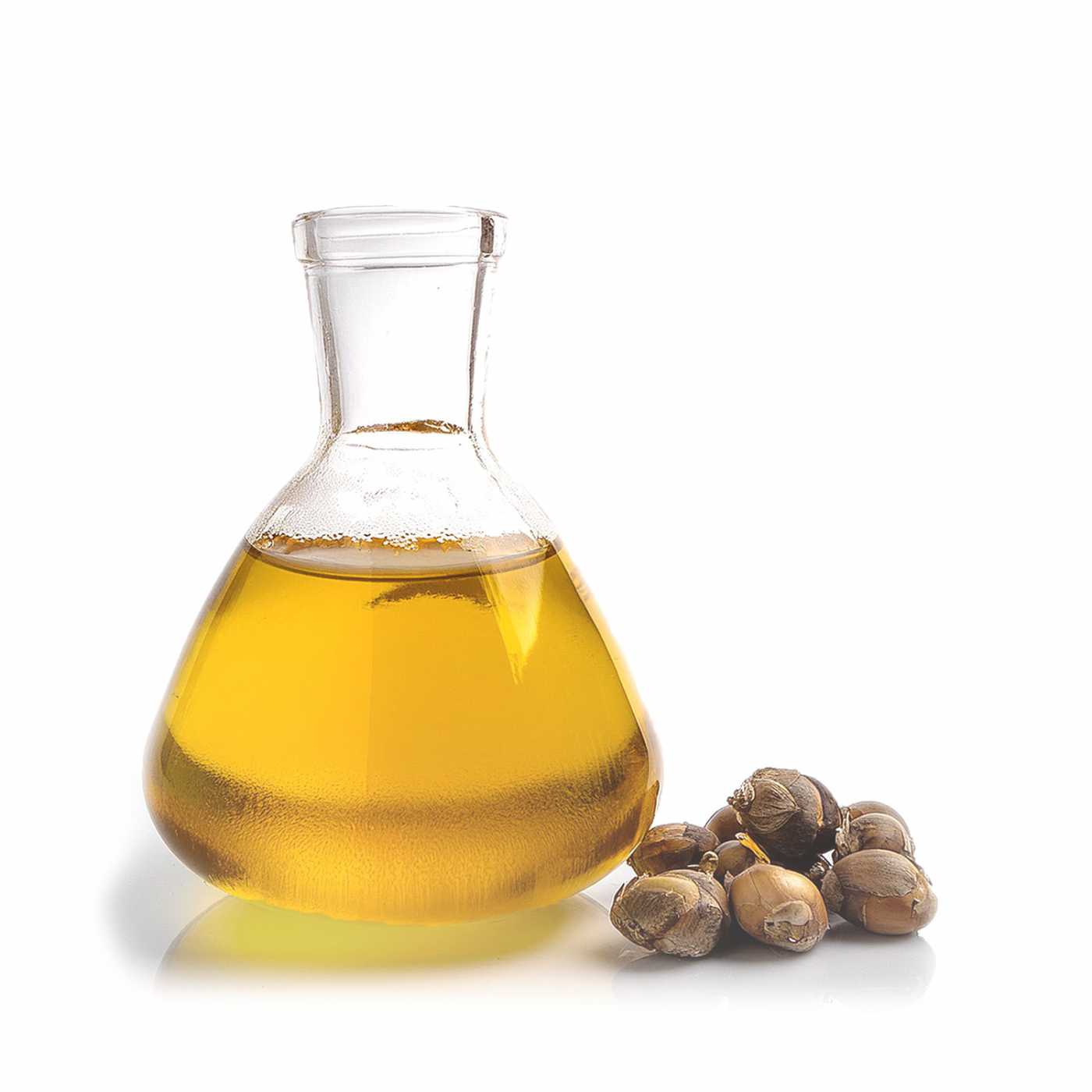
A favourite oil for making homemade decorative cosmetics is castor oil. This oil has a relatively high viscosity and a neutral colour, therefore it is not only easy to apply, but also does not disturb the colour effect of products. For these reasons, too, it is hard to replace it with another vegetable oil. If you must do so, reach rather for colourless oils such as fractionated coconut oil or MCT caprylis. However, these oils are less viscous, and that will affect the final consistency of the product.
Coconut oil
Melts on contact with the skin · Easy to apply
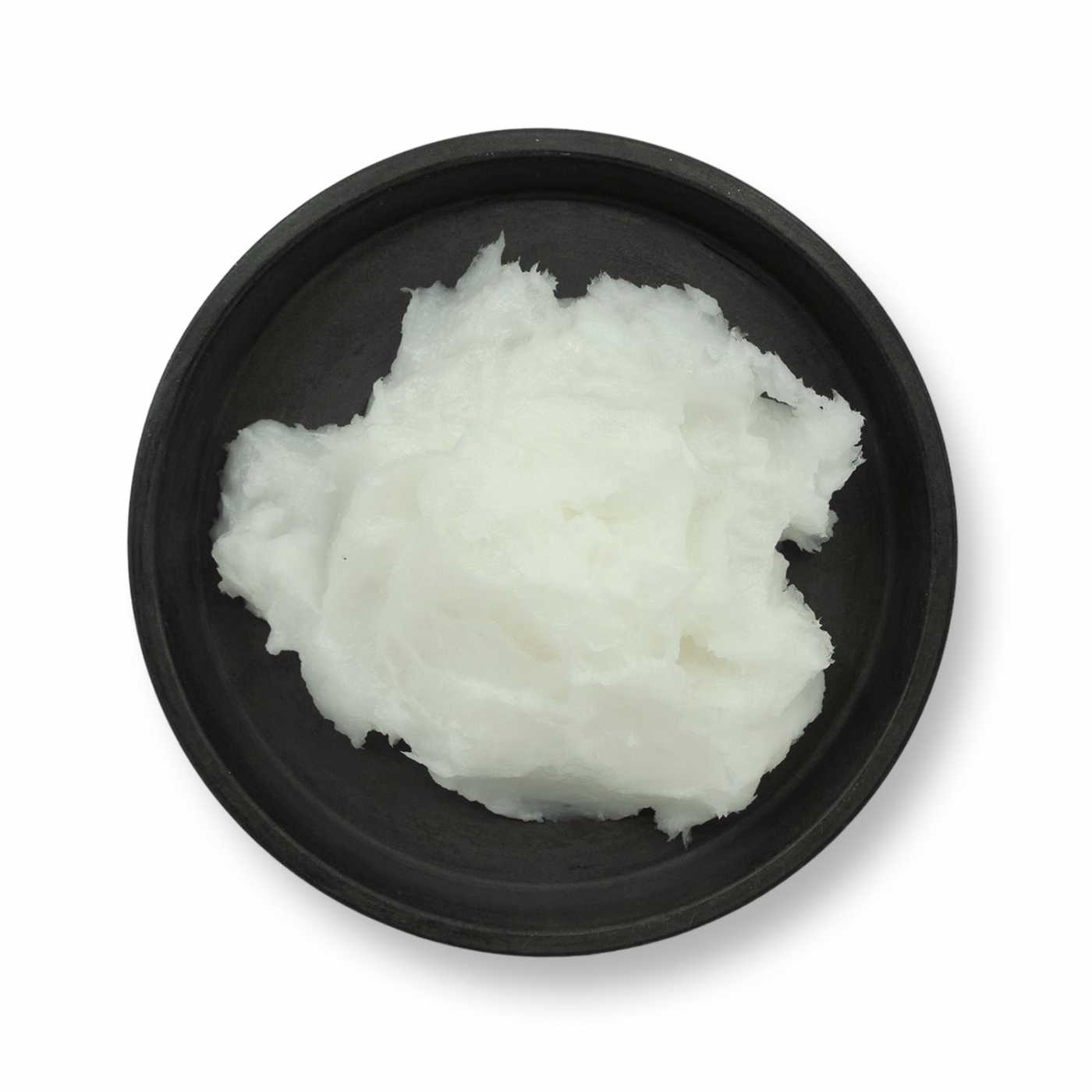
Coconut oil is another popular raw material in homemade cosmetics, since it melts upon contact with the skin and thus facilitates the application of many products. You can choose either the refined or the unrefined version of this oil.
Because coconut oil melts already on contact with the skin, it is quite difficult to replace it with another oil while maintaining the same consistency of the product. If you replace coconut oil with another vegetable oil, it will probably be necessary to slightly increase the wax content in order to achieve the same consistency.
Beeswax
Wax · Firmness and consistency
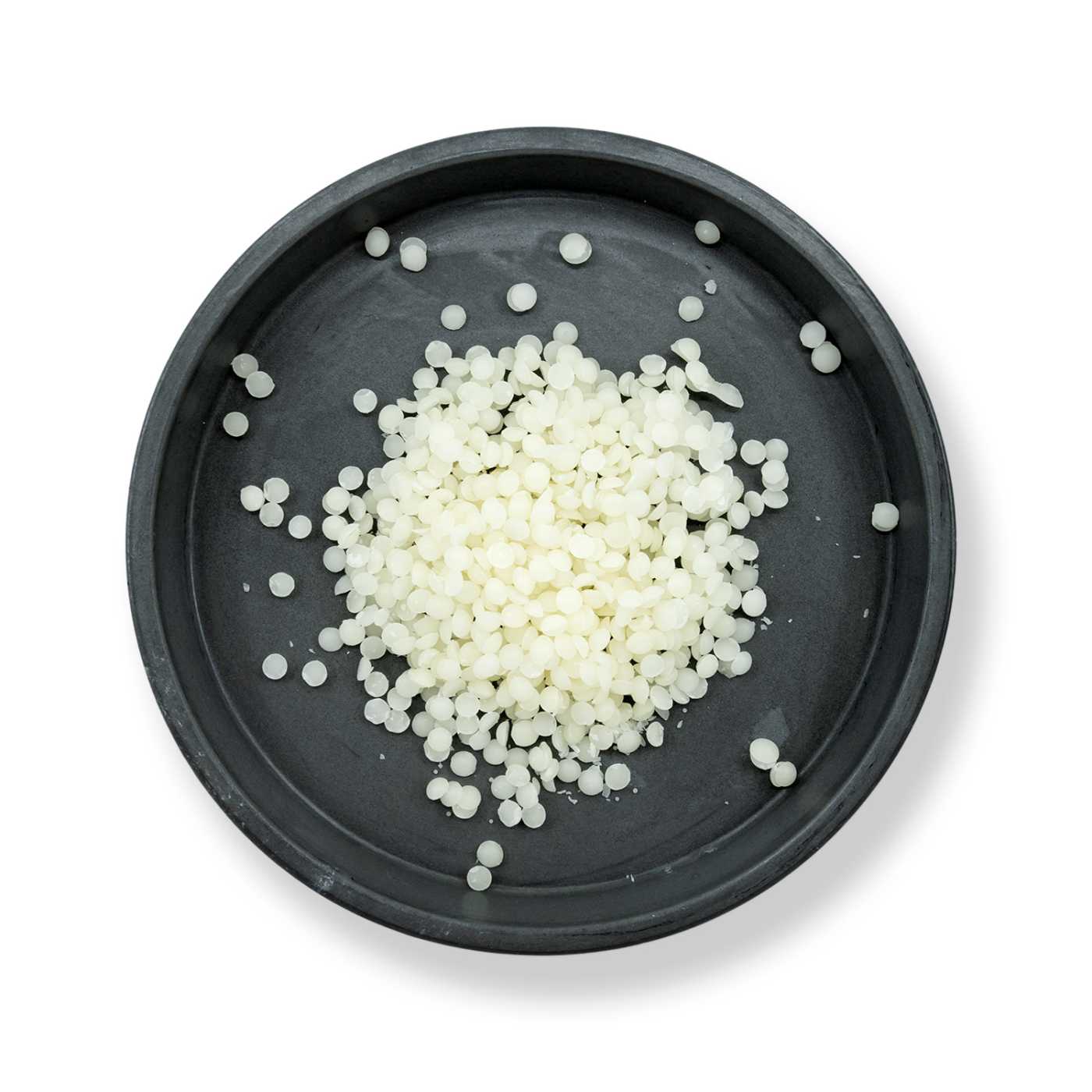
To thicken and provide firmness to the product, beeswax was chosen. Without wax, the product would be too fluid for easy application and would adhere less well to the skin. That is why beeswax is an important raw material in the product. By increasing its content you will achieve a firmer blush and, conversely, by reducing the wax content in the recipe you will obtain a softer product with a creamier texture and consistency.
White beeswax is deodorised, and thus does not disrupt the product with its scent. At the same time it is colourless, and therefore will not affect the pigments in the recipe. On the other hand, it can be replaced by its unrefined natural version. A vegan alternative is almond wax, but here there is a risk of a slight change in consistency.
Modified rice starch
Matte base · Adhesion · Thickening
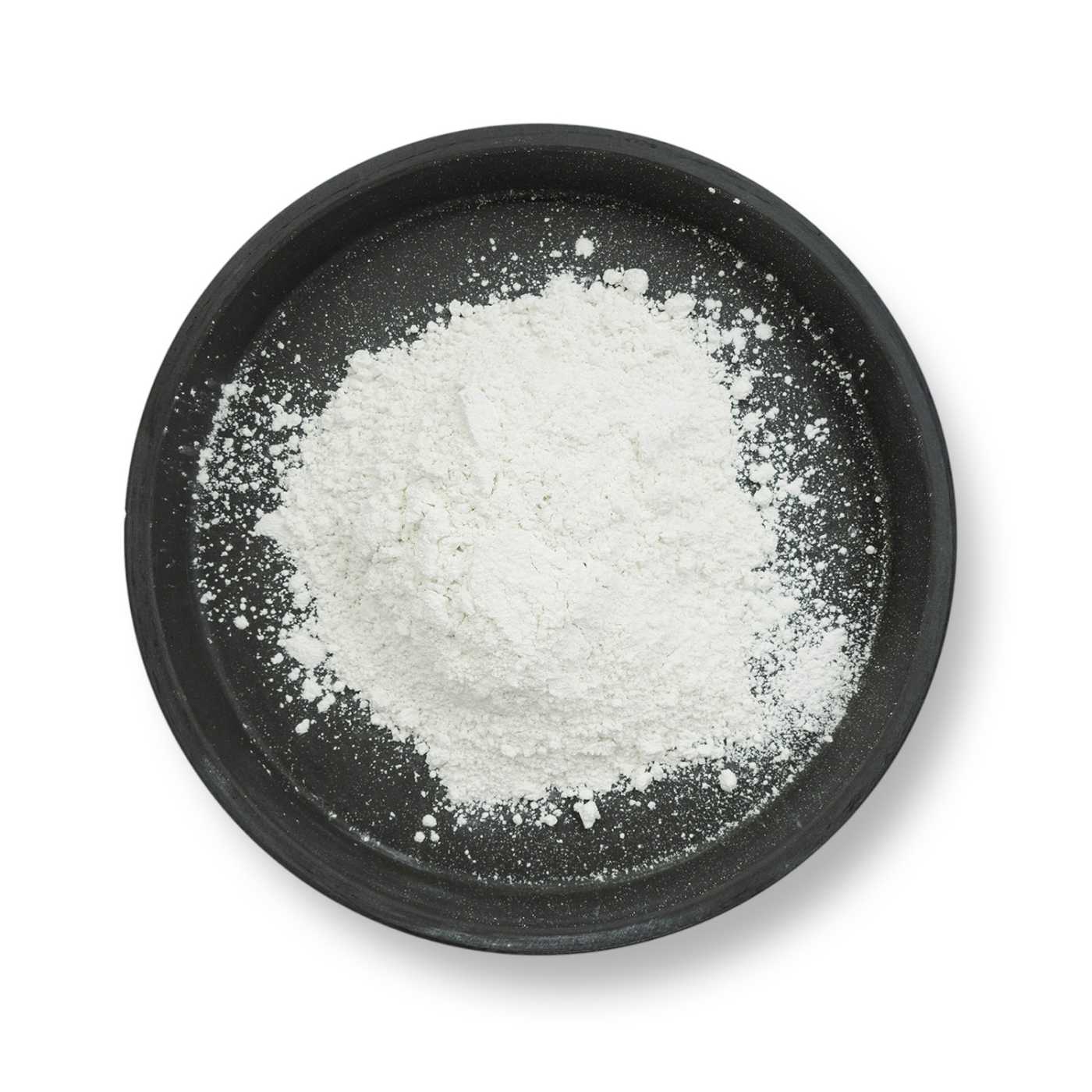
Rice starch is a raw material specially created for use in cosmetics, which in these instructions has two roles. It is a matte white powder whose task is to create a uniform colour base for the addition of ultramarine and to achieve the colouring of the resulting blush mixture. Its second role is to improve the longevity of the make-up (it improves the adhesion of the product to the skin) and to slightly thicken the consistency of the mixture. We recommend that you do not omit this raw material, as this would lead to a change in both the consistency and the colour of the final product on the skin.
Ultramarine pink
Pigment · Without a shimmery effect
An alternative to shimmering mica powders is ultramarines. These pigments are not available in as wide a range of colours as mica powders, but pink ultramarine is excellent for making blushes. Its advantage over mica powders lies in the fact that it is not shimmery, and so you obtain a product without this effect on the skin.
At the same time, an alternative to ultramarine is represented by mica powders, which are available in a wide range of shades and which you can certainly use if you do not mind a slightly shimmery effect on the skin. To obtain a blush in a red shade without a shimmery effect, try red iron oxide.
Besides the type of pigment, you can also play with its proportion or combine several pigments in order to achieve the colour shade you desire.
Tocopheryl acetate
Vitamin E · Antioxidant
Vitamin E, or tocopheryl acetate, is a great option to extend the freshness of the oils and fats in the recipe and to slow down the process of their oxidation. It is an active ingredient that is not indispensable in the recipe, but it helps to delay pronounced oxidation of the product. You will recognise that your oils have oxidised by a change in smell, and possibly also in the consistency and colour of the product. The product will have an unpleasant odour and may be slightly sticky to the touch. Throw such a product away and make a new one.
Do not substitute tocopheryl acetate with tocopherol, since we must add vitamin E to a product that is still relatively hot; tocopherol would significantly degrade under the influence of the temperature.
Fragrance oil
Scent · Optional ingredient
Do you also like products with a pleasant scent? That is also why we could not resist adding fragrance oil to the instructions for homemade blush. However, simply omit the fragrance oil and replace it with castor oil if you want an unperfumed product.
An alternative to fragrance oils is also represented by essential oils. However, always follow the recommended dosage for the given type of product, as stated for example in the IFRA standards for the individual oils. Avoid citrus essential oils, which could increase skin sensitivity after exposure to sunlight.
Formulation (100 g)
The recipe is divided into two phases. Phase A consists of the oils, wax, rice starch and ultramarine; in phase B, tocopheryl acetate and fragrance oil are added to the still hot product. The amounts correspond to the percentages for a 100 g batch.
Shop the ingredients for this recipe
Untick what you already have- Castor Oil, Refined, 100 mluses 37 gsold outWatch availability€2.69
- Coconut Oil, Refined, 1 luses 33.5 gsold outWatch availability€9.96
- White Beeswax, pellets, 100 guses 5.5 gin stock€4.19
- Dimethylimidazolidinone Rice Starch, Powder, 50 guses 15.5 gin stock€3.66
- Vitamin E, Tocopheryl Acetate, 10 mluses 0.25 gin stock€2.09
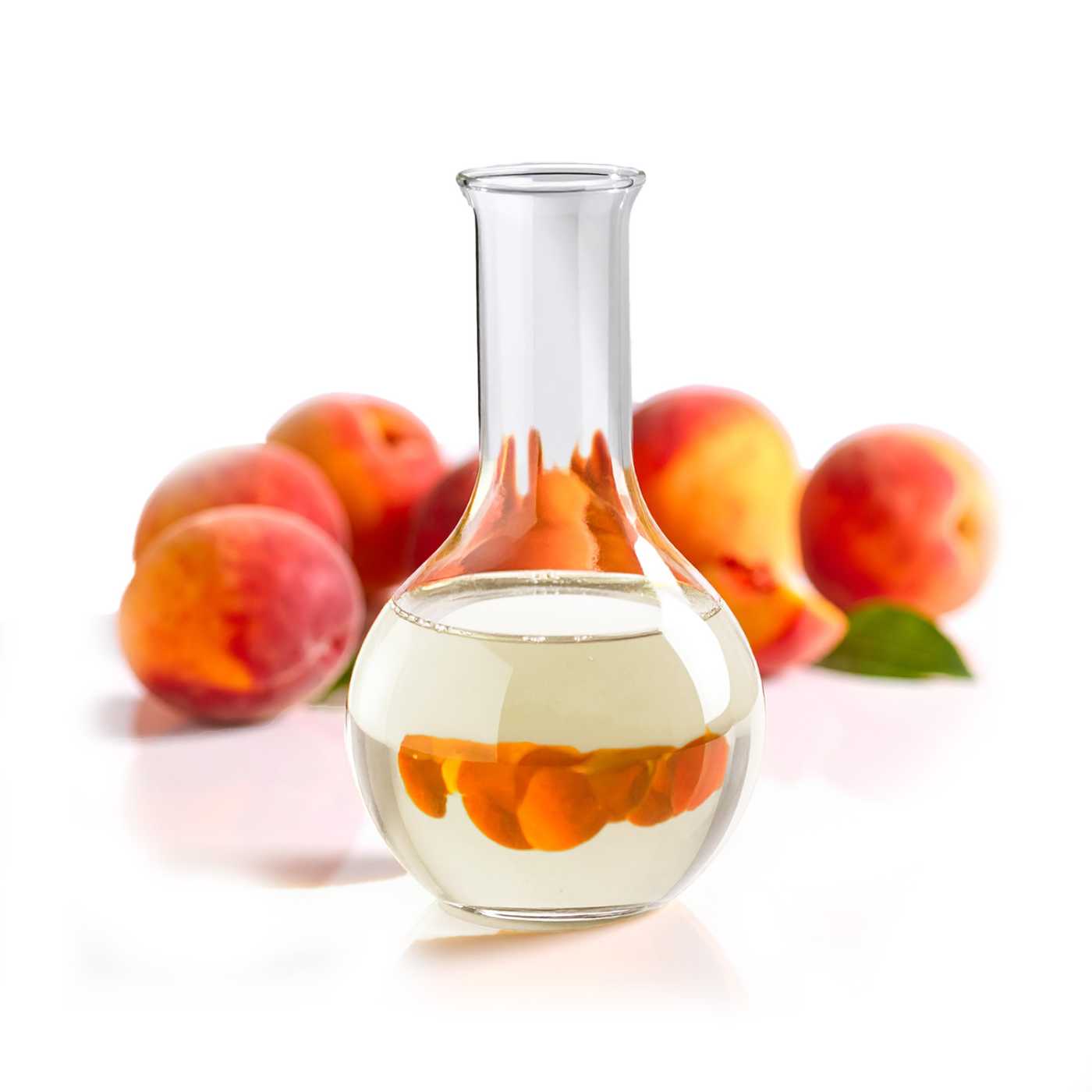 Ripe Peach Fragrance Oil, 10 mluses 0.25 gin stock€2.99
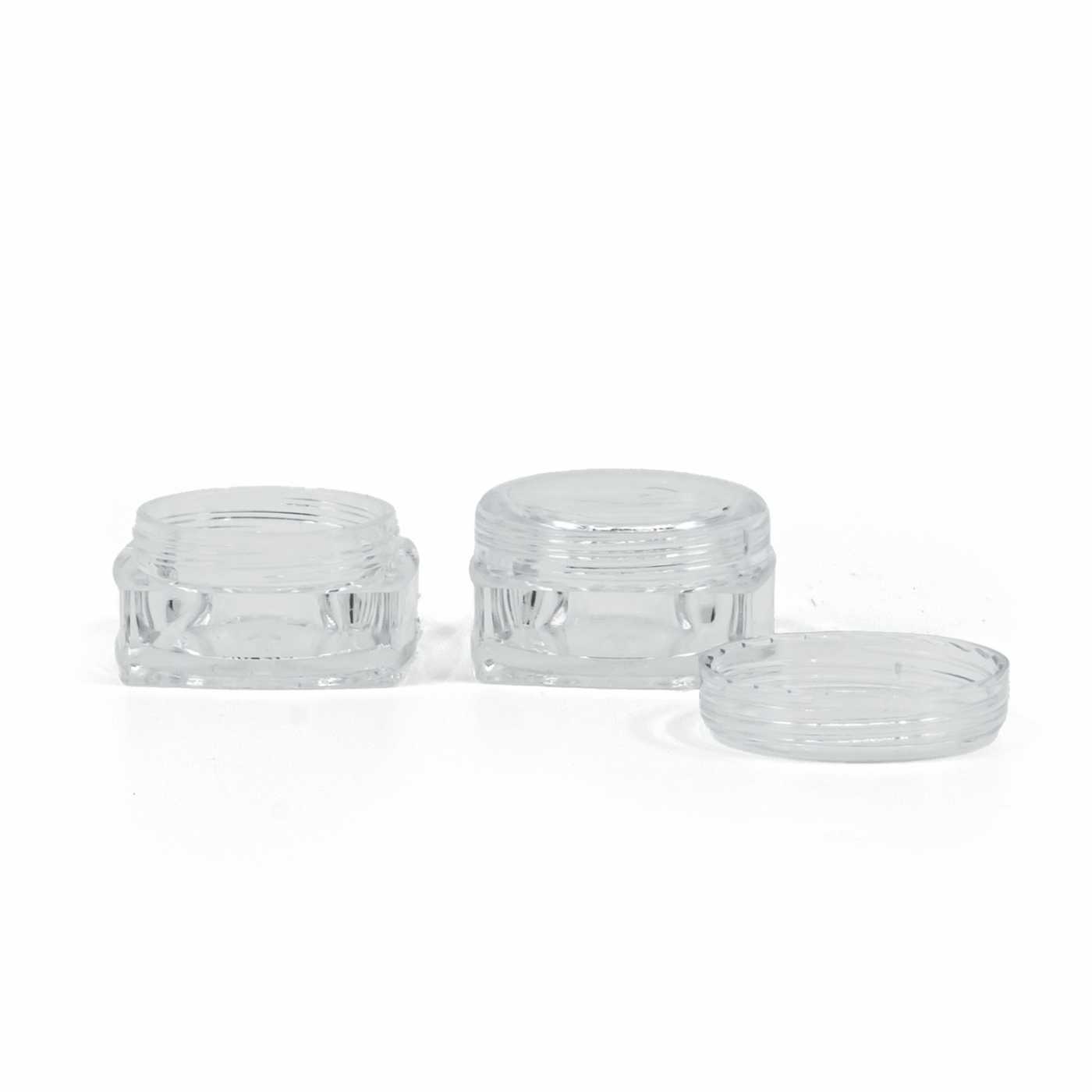 Clear Plastic Jar, Square, 3 mlrecipe uses 1 pcsold outWatch availability€0.37
| Phase / ingredient | Amount |
|---|---|
| Phase A – Oil phase | |
| Castor oil | 37.00 g |
| Coconut oil | 33.50 g |
| Beeswax, white | 5.50 g |
| Modified rice starch | 15.50 g |
| Ultramarine pink | 8.00 g |
| Phase B – Into the hot product | |
| Tocopheryl acetate | 0.25 g |
| Fragrance oil, ripe peach | 0.25 g |
| Packaging | |
| Plastic jar | 1 pc |
Pink ultramarine is currently not in our range.
That is why it is missing from the shopping list — we give the formulation row for completeness. In the ultramarines category you will find the blue and violet shades.
Method
- Disinfect your tools
Disinfect all tools, packaging and containers, for example with ethanol.
- Weighing out phase A
Into a heat-resistant container, weigh out the raw materials of phase A, i.e. the oils, wax, rice starch and ultramarine.
Phase A - Melting in a water bath
Place phase A into a water bath and heat until all the ultramarine is thoroughly combined with the rest of the product. A silicone spatula is ideal, with which you can crush any lumps of ultramarine. When heating, make sure that the temperature of the mixture does not exceed 70 °C.
Phase Amax. 70 °C - Adding phase B
Once the ultramarine is thoroughly combined with all the raw materials (and at the same time all the wax has melted), you can remove the mixture from the water bath and continue stirring. At this point, add the raw materials of phase B, even if the temperature of the mixture has not yet dropped below 40 °C — see tips and tricks.
Phase B - Filling and setting
Pour the product into the prepared jars, let it set, ideally overnight. Afterwards, the product is ready for use.
overnight
Tips and tricks
We bring you a few tips and tricks on how to make the production of blush easier. Thanks to them, you will avoid the most common problems that may arise when making homemade blush.
The most important element in making blush is the thorough dispersion of the ultramarine. Stirring can take 5 or even 10 minutes. If any undispersed ultramarine remains in the product, lumps of this raw material will sink to the bottom of the jar and, when applying such a product, you will observe dark pink streaks of undispersed ultramarine on the skin.
A silicone spatula is ideal for dispersing. Use a standard kitchen spatula or you can reach for smaller spatulas intended for applying face masks. Definitely do not skip this step, because the final blush will not have a uniform colour.
In this case, add the tocopheryl acetate and the fragrance oil while the product is still hot. If you waited until the temperature dropped below 40 °C, it could happen that the product would begin to set before you thoroughly stir the vitamin E and the fragrance oil into the product.
As packaging it is appropriate to choose smaller jars with a volume of 2 – 10 ml, as even a small amount of blush will last you for quite a long time.
Warning
As mentioned, you can experiment with homemade formulations to achieve the desired properties. However, the final result can be influenced by many factors, such as humidity, temperature, the quality of the raw materials or their storage.
Before you use any raw material to make a cosmetic product, familiarise yourself with its properties, recommended dosage, storage conditions and safe handling. Each raw material may have the potential to trigger an allergic reaction in sensitive individuals, therefore before using the product we recommend establishing whether you are allergic to any of the raw materials or to the overall product, e.g. by means of a patch test.
If you have very sensitive or very acne-prone skin, or you have other skin or health problems, we recommend consulting a medical professional before applying a new product to the skin, whether it is a homemade cosmetic product, a pure raw material or a commercially available product.
Frequently asked questions about the recipe
Practical questions about the recipe — choosing the pigment, substitutes for the oils and the wax, dispersing the ultramarine and the right packaging.
Why does the recipe use ultramarine and not mica powder?
Pink ultramarine is not shimmery, and so you obtain a product without sheen on the skin — with the most natural possible appearance. If you do not mind a slightly shimmery effect, reach for mica powders in a wide range of shades; for a red shade without sparkle, try red iron oxide.
How do I avoid lumps and streaks of ultramarine?
By dispersing it thoroughly — this can take 5 or even 10 minutes, ideally with a silicone spatula, with which you can crush any lumps. Undispersed ultramarine will sink to the bottom of the jar and, when applying it, you would observe dark pink streaks on the skin.
What can I replace castor or coconut oil with?
Castor oil is hard to replace because of its high viscosity and neutral colour — reach rather for colourless oils such as fractionated coconut oil or MCT caprylis, but these are less viscous. When replacing coconut oil with another vegetable oil, it will probably be necessary to slightly increase the wax content.
When should I add the vitamin E and the fragrance oil?
While the product is still hot — if you waited until the temperature dropped below 40 °C, the product could begin to set before you stir them in thoroughly. Use tocopheryl acetate, not tocopherol — the latter would significantly degrade under the influence of the temperature.
Is there a vegan alternative to beeswax?
Yes, almond wax — but there is a risk of a slight change in consistency. You can also replace white beeswax with its unrefined natural version.
What packaging should I fill the blush into and how do I recognise a spoiled product?
Choose smaller jars with a volume of 2 – 10 ml — even a small amount of blush will last quite a long time. You will recognise an oxidised product by a change in smell, and possibly in the consistency and colour; it will have an unpleasant odour and may be slightly sticky to the touch. Throw such a product away and make a new one.
You will find the oils, waxes, rice starch and jars from these instructions in the Handymade.sk range — choose your pigments in the ultramarines and mica powders categories.