Shop the ingredients for this recipe
Untick what you already have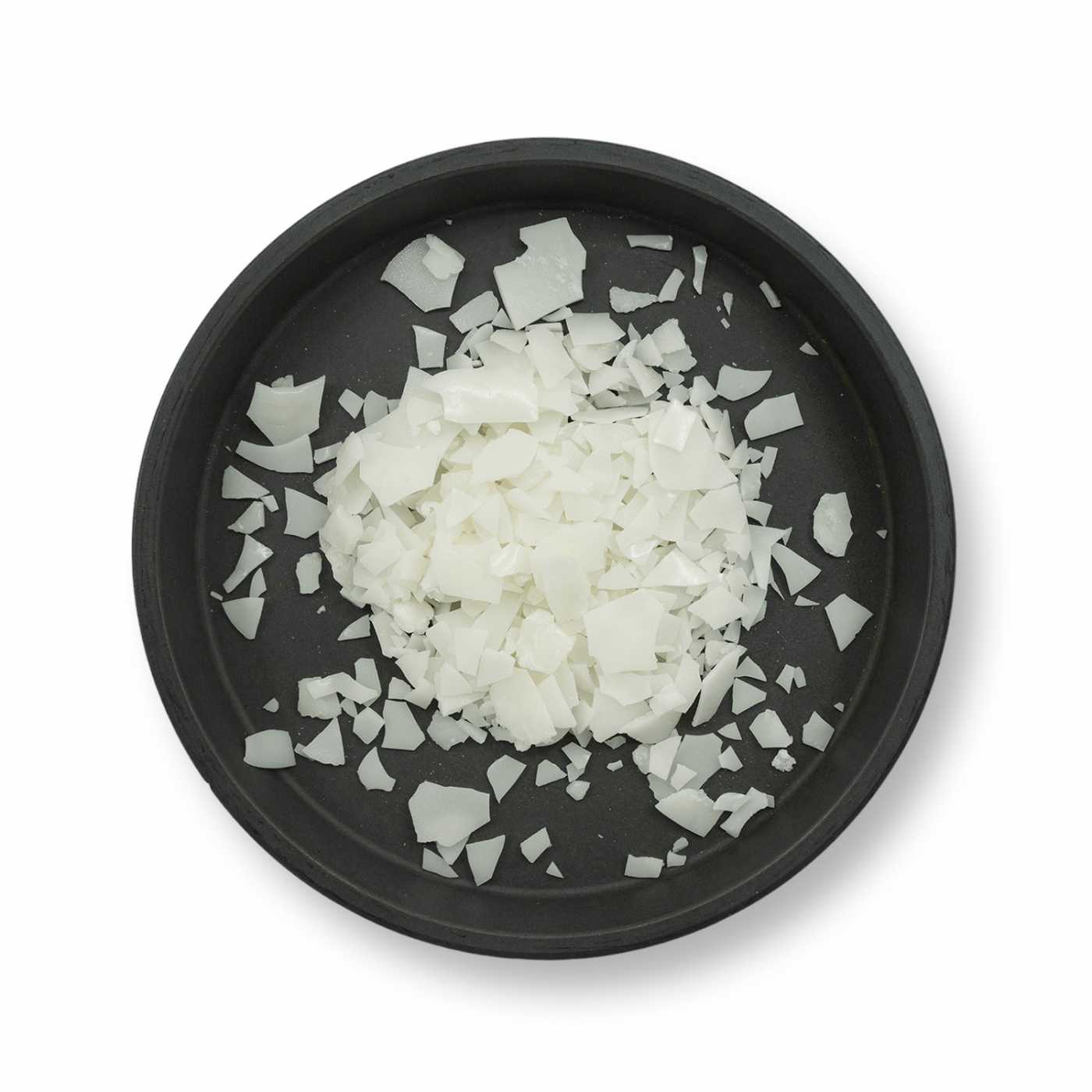 Olivem 1000, 50 guses 5 gin stock€7.34
 Coco-Caprylate/Caprate, 100 mluses 5 gin stock€4.40
 Sodium PCA 50%, 30 mluses 2 gin stock€2.61
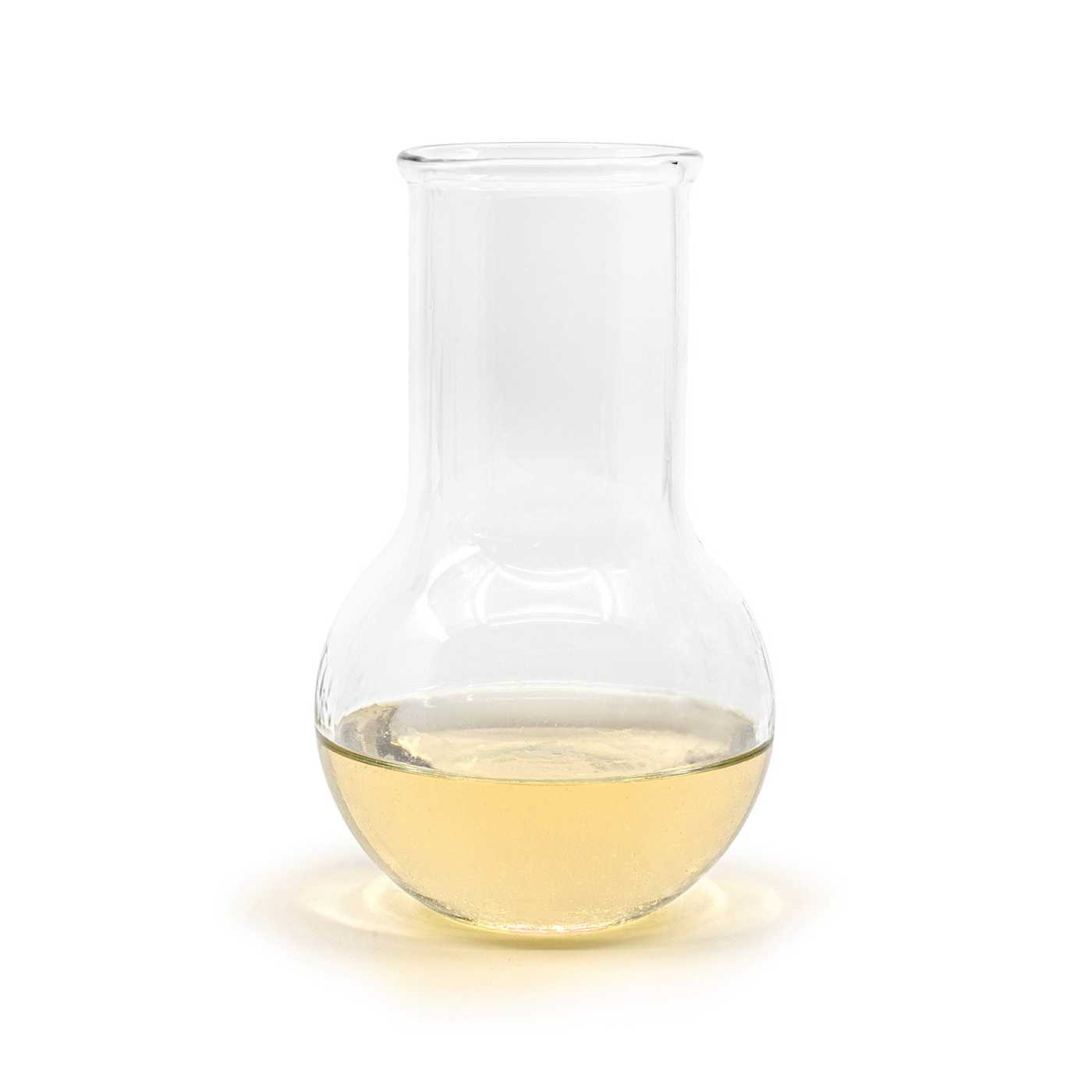 D-Panthenol 75% W, 100 mluses 1 gin stock€7.34
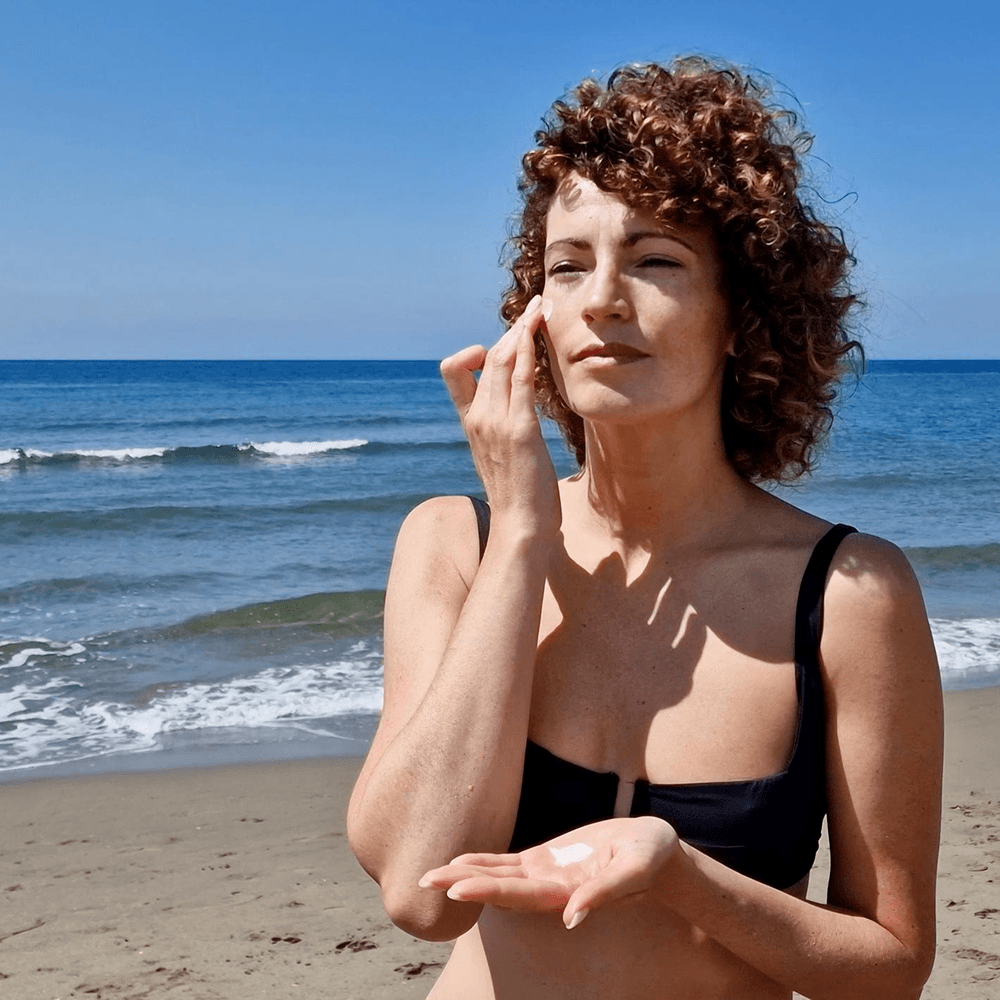
After a day spent in the sun, your skin deserves an extra dose of care. That is exactly why we are bringing you a recipe today from the talented formulator Ida, whom you may know from Instagram as si.nature.
Simona focuses on creating natural cosmetics, shares her own formulations and formulation tips, and shows how high-quality cosmetic products can be made at home too. You can find her work on Instagram: @si.nature
This time she has prepared for us a gentle regenerating after-sun cream that helps soothe stressed skin, supports its renewal and at the same time provides pleasant hydration without a greasy feel. The formulation combines fermented Centella Asiatica extract, panthenol, sodium PCA and nourishing plant oils, which together make ideal care after summer days in the sun.
If you enjoy formulating your own cosmetics or are looking for inspiration for summer skincare, this recipe is definitely worth trying.
After a day in the sun, skin asks for more than just hydration — it needs soothing, renewal and gentle care that will not weigh it down.
After a day spent in the sun, the skin needs more than just hydration. Heat, UV radiation and wind disrupt the skin barrier, leaving the skin sensitive, reddened and tight. This gentle regenerating cream soothes the skin, supports its renewal and leaves it soft without a greasy film.
The main star of the recipe is Centella asiatica — a plant known for its regenerating and soothing effects. Combined with panthenol, sodium PCA and nourishing oils, it makes ideal after-sun care.
What makes this cream special?
The formulation combines soothing active ingredients with nourishing plant oils. Every component has its place in the cream — some soothe and regenerate the skin, others provide moisture and restore the lipid barrier.
- Centella Asiatica, fermented extract
Fermented centella extract supports skin regeneration and helps reduce irritation.
- Panthenol
Panthenol soothes and hydrates.
- Sodium PCA
Sodium PCA helps retain water in the skin.
- Cupuaçu butter
Cupuaçu butter leaves the skin soft and protected.
- Macadamia oil, jojoba and squalane
The combination of macadamia oil, jojoba and squalane restores the lipid barrier without a heavy feel.
- Scent of lavender and geranium
The gentle scent of lavender and geranium has a relaxing, summery character.
Centella Asiatica, fermented aqueous extract
Centella Asiatica is among the most popular botanical ingredients in modern cosmetics. The fermented aqueous extract combines the botanical character of centella with fermentation processing — in this cream it is the main active ingredient, helping to soothe stressed skin and support its renewal after sun exposure.
Typical use: regenerating creams, soothing serums, facial toners and after-sun care.
Recipe for 100 g
The formulation is divided into three phases — oil phase A, water phase B and the active ingredients in phase C, which are added only once the emulsion has cooled. The values in percentages correspond to grams when preparing 100 g of cream.
Phase A – oil phase
| Raw material | % | Amount |
|---|---|---|
| Olivem 1000 | 5 % | 5 g |
| Cetearyl alcohol | 1,5 % | 1,5 g |
| Coco caprylate | 5 % | 5 g |
| Macadamia oil | 6 % | 6 g |
| Squalane | 5 % | 5 g |
| Jojoba oil | 5 % | 5 g |
| Cupuaçu butter | 4 % | 4 g |
Phase B – water phase
| Raw material | % | Amount |
|---|---|---|
| Demineralised water | 56,75 % | 56,75 g |
| Xanthan gum | 0,2 % | 0,2 g |
| Glycerin | 1,3 % | 1,3 g |
Phase C – active ingredients
| Raw material | % | Amount |
|---|---|---|
| Fermented extract of Centella Asiatica | 5 % | 5 g |
| Sodium PCA | 2 % | 2 g |
| Panthenol | 1 % | 1 g |
| Bisabolol | 0,5 % | 0,5 g |
| Vitamin E | 0,3 % | 0,3 g |
| Sea buckthorn CO₂ extract | 0,05 % | approx. 1 drop |
| Geranium essential oil | 0,4 % | 0,4 g |
| Lavender essential oil | 0,4 % | 0,4 g |
| Cosgard | 0,6 % | 0,6 g |
Method
- Disinfection is essential
Before you start, thoroughly disinfect all your tools, containers and packaging. When making emulsions, cleanliness is absolutely essential.
- Preparing the phases
Weigh phase A and phase B into two separate containers.
- Heating
Heat both phases in a water bath to approximately 70 °C, until all the ingredients have completely dissolved.
- Emulsifying
Stirring continuously, pour the water phase (B) very slowly into the oil phase (A). Keep stirring long enough for a smooth, homogeneous emulsion to form.
- Cooling
Leave the emulsion to cool below 40 °C, stirring occasionally.
below 40 °C - Adding the active ingredients
Prepare the phase C ingredients separately in their own small container and work them into the emulsion one by one. Mix the cream well after each addition.
- pH check
The final pH of the cream should be approximately 5 – 5.5.
Tip from Ida: My cream needed a slight pH increase — L-arginine worked perfectly for that.
- Packaging
Fill the finished cream into disinfected, ideally sterile packaging. Airless dispensers are very practical for summer emulsions, as they help keep the product hygienic and stable.
Tips for adjusting the recipe
Sensitive skin: For sensitive skin you can leave the essential oils out completely.
Lighter texture: If you want a lighter texture, reduce the amount of butter and add more coco caprylate.
A stronger after-sun effect: For an even more pronounced “after sun” effect you can add aloe vera extract or cucumber extract, or replace the demineralised water with cucumber hydrolate.
Frequently asked questions
Practical questions about this recipe — pH, the production phases, preservation and ways to adjust the formulation for sensitive skin.
What pH should the finished after-sun regenerating cream have?
The final pH should be approximately 5 – 5.5, which matches the physiological pH of the skin. If the value is lower, you can raise it slightly with a small amount of L-arginine. Always measure the pH only once the emulsion has cooled.
Why are the active ingredients added only in phase C?
Phase C is added only once the emulsion has cooled below 40 °C. More sensitive active ingredients, the fermented extract and the essential oils can lose their efficacy at higher temperatures, which is why they are not put into the hot oil or water phase.
How long does the homemade regenerating cream last?
The formulation contains the preservative Cosgard, which protects the water-based emulsion. Stored somewhere cool and in hygienic packaging, it usually keeps for several months. An airless dispenser extends its shelf life — and do watch for changes in colour, scent or texture.
Why use an airless dispenser in particular?
Airless packaging keeps air and fingers out of the product. With summer emulsions that have a higher proportion of water phase it reduces the risk of contamination and helps keep the cream stable for longer.
What can replace the essential oils for sensitive skin?
How do I achieve a stronger soothing “after sun” effect?
You can add aloe vera extract to the formulation, or replace the demineralised water with cucumber hydrolate. Both give the skin a pleasant cooling, soothing feel after sun exposure.
You will find the fermented centella extract, panthenol, sodium PCA and the nourishing plant oils for this cream right here in our range. Just pick what you need and start creating.