A facial serum with minerals will beautifully nourish your skin when it needs it the most. If your skin needs hydration and care, give it a try — thanks to its sodium and zinc content, it helps improve the condition of skin exposed to the weather or to polluted air. Come and create it with us.
About this recipe
The facial serum with minerals is a gel-like face serum for skin that needs hydration and care. It does not require any special tools to prepare — you do not have to heat or emulsify anything. Preparing facial serums does, however, belong among the more demanding tasks: it is important to keep the pH under control, because both zinc PCA and niacinamide are pH-sensitive ingredients. Below you will find the complete formula for 100 g, the method step by step and possible ingredient variations.

Key benefits
- Minerals for the skin
Thanks to its sodium and zinc content, it helps improve the condition of skin exposed to the weather or to polluted air.
- No heating or emulsifying
Preparation does not require any special tools — you do not have to heat or emulsify anything.
- Hydration on several levels
Glycerin, sodium PCA and hyaluronic acid all bind moisture in the skin; hyaluronic acid often hydrates from the very first application.
- Evens out skin tone
Niacinamide helps even out skin tone, improve the appearance of pigmentation spots and regenerate damage caused by sun exposure.
- Fragrance without perfuming
Damask rose floral water has a mild fragrance that replaces the fragrance of the product.
Product properties
Key ingredients in the recipe
Below we will introduce the individual ingredients forming the facial serum and their properties for the skin, as well as their role in the formula.
Floral water — Damask rose
Rose water has for centuries been a well-known ingredient in beauty rituals. It has a soothing effect on the skin and a mild fragrance, which therefore replaces the fragrance of the product; it is obtained by steam distillation of Damask rose. The facial serum with minerals also contains it because it is a great way to replace water in cosmetics.
Glycerin
Glycerin is another humectant and moisturising component of the facial serum with minerals. It is a type of alcohol that is well soluble in water. In the recipe it is combined with hyaluronic acid, because it makes the acid easier to hydrate and dissolve — the facial serum with minerals then gels more quickly and the lumps are removed.
Sodium PCA
Sodium PCA is another humectant in the formula; it was chosen for the facial serum with minerals also because it is able to hydrate and bind moisture in the skin. Sodium is combined with pyrrolidone carboxylic acid — a derivative of glutamic acid, which is a common component of proteins, thus helping to deliver minerals more effectively into the skin.
Zinc PCA
As mentioned with sodium PCA, zinc PCA also contains pyrrolidone carboxylic acid. Zinc PCA is suitable even for skin with imperfections — it regulates sebum production and has antimicrobial effects, so it is a multifunctional ingredient for the facial serum with minerals. It is, however, pH-sensitive and flocculates above pH 7.
Niacinamide
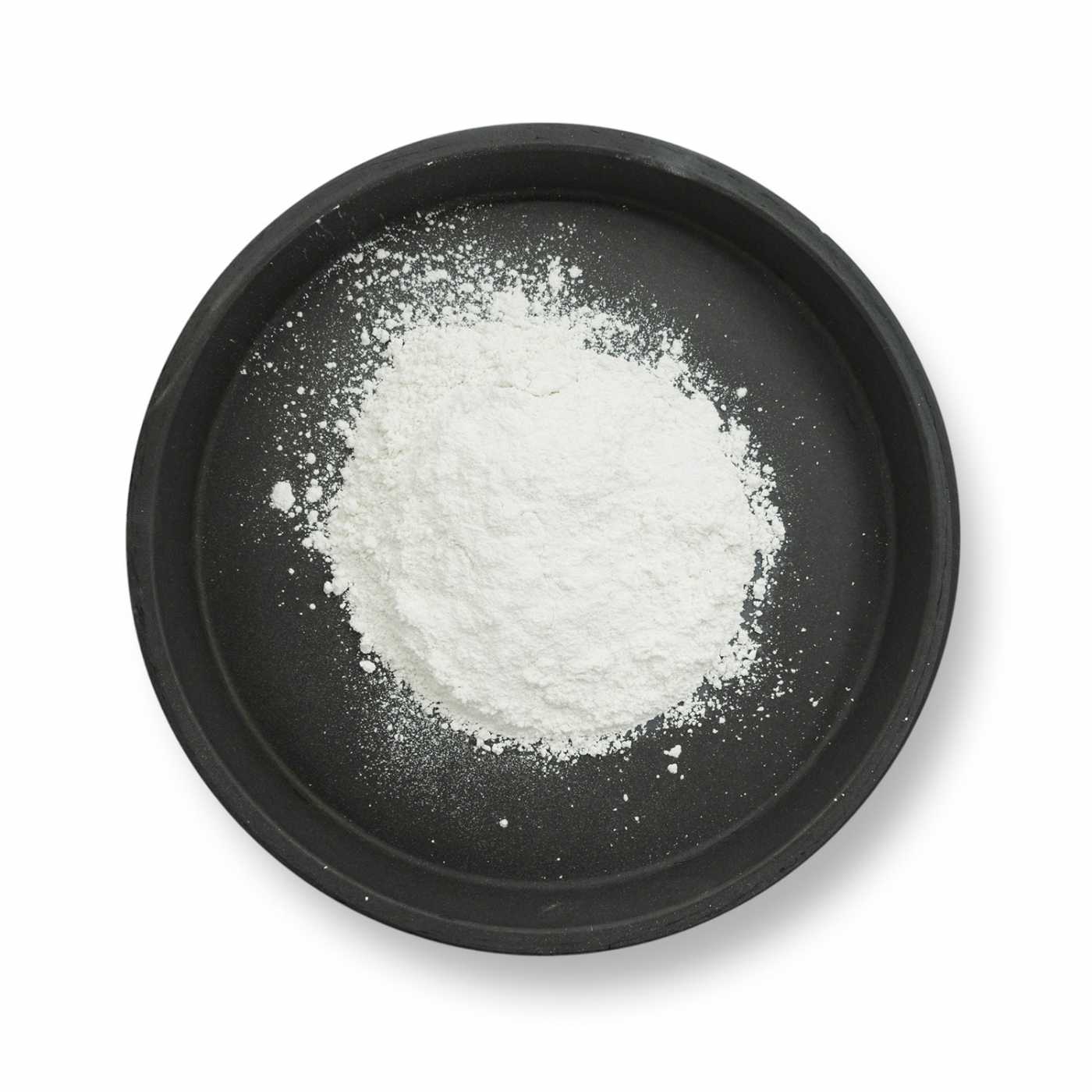
Niacinamide, or in other words vitamin B3, is good to take not only in the diet — your skin will appreciate it too. It was chosen for the facial serum with minerals because it helps even out skin tone, improve the appearance of pigmentation spots and overall regenerate skin damage caused by sun exposure. It also belongs among the pH-sensitive ingredients — if the pH is lowered too much, it degrades and its effectiveness decreases.
Hyaluronic acid, HMW
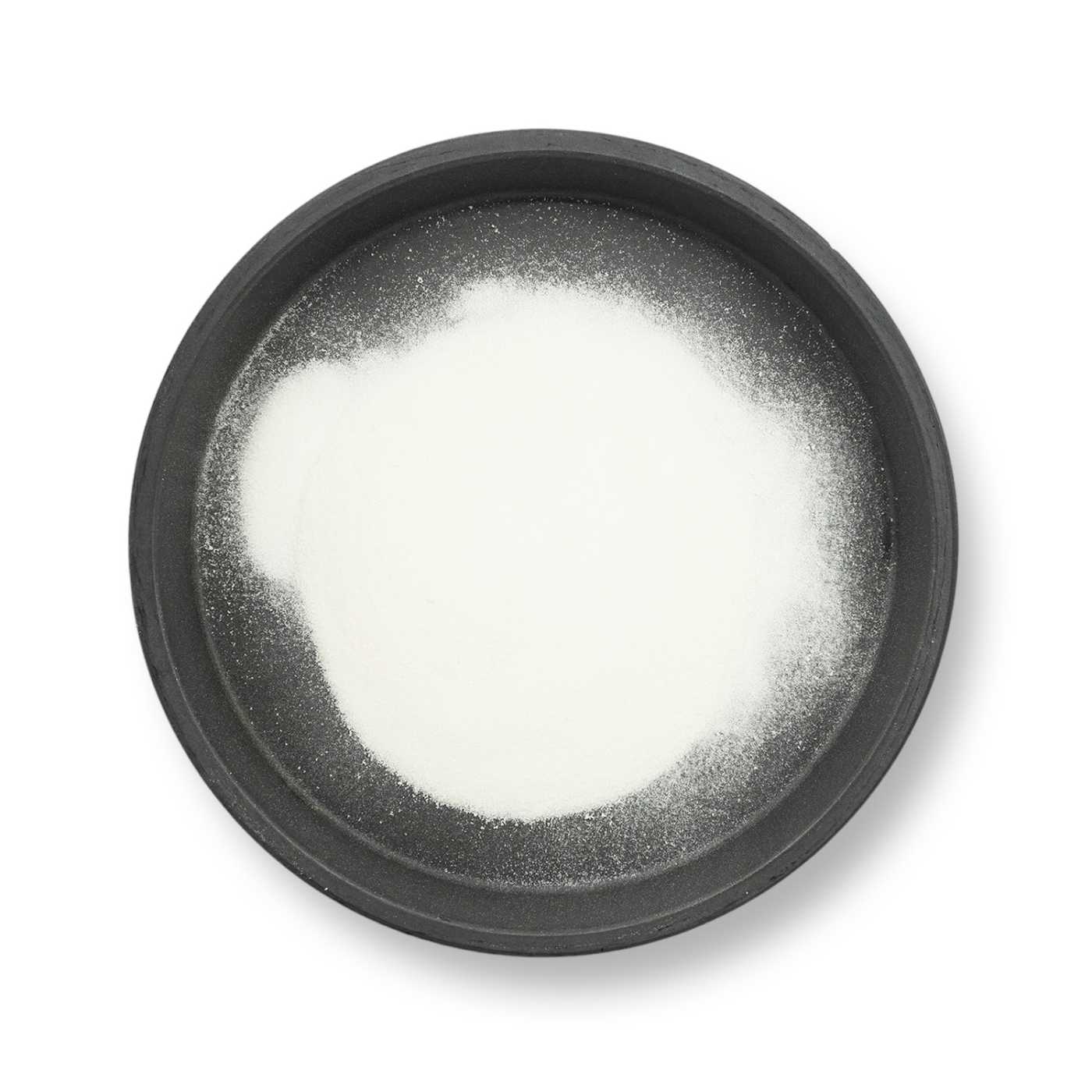
Hyaluronic acid is a very popular and favoured ingredient for its hydrating properties. Its effects are often noticeable after the first application, when it quickly hydrates the skin, making it feel more supple to the touch. Most skin types tolerate it well, because it is an ingredient that also occurs naturally in the skin and in cartilage. This is also why it is an essential component of the facial serum with minerals, and at the same time it provides its gel-like consistency — so it also serves as a thickener.
Other ingredients
Citric acid lowers the pH of the serum to the target range of 5 – 6. Its amount in the recipe is, however, only approximate — it depends on weighing accuracy and also on the type of floral water, so add it gradually and check the pH as you go, for example with pH indicator strips or a pH meter.
Euxyl PE 9010 is the preservative used in this recipe. You can also choose other preservatives — just make sure that they are effective at the pH your product has.
Formula (100 g)
The ingredient contents are given in percentages by weight, so they correspond to a batch of 100 g of finished serum. Take the amount of citric acid as approximate — what matters is the measured pH value, which should be in the range of 5 – 6.
Shop the ingredients for this recipe
Untick what you already have- Sodium PCA 50%, 30 mlrecipe uses 5,00 gin stock€2.61
- Vitamin B3/PP, Nicotinamid/Niacinamide, 10 guses 6 gin stock€1.99
- Zinc PCA, 10 guses 1 gin stock€4.69
| Phase / ingredient | Content |
|---|---|
| Glycerin mixture | |
| Glycerin | 10,00 % |
| Hyaluronic acid, HMW | 1,00 % |
| Aqueous mixture | |
| Floral water, Damask rose | 75,80 % |
| Sodium PCA | 5,00 % |
| Citric acid | 0,20 % |
| Zinc PCA | 1,00 % |
| Niacinamide | 6,00 % |
| To finish | |
| Euxyl PE 9010 | 1,00 % |
| Tools | |
| pH indicator strips | — |
Method
- Disinfection
Thoroughly disinfect all containers and tools you will use, for example with ethanol.
- Glycerin with hyaluronic acid Glycerin mixture
Mix the glycerin with the hyaluronic acid; a white paste will form.
- Aqueous mixture and lowering the pH Aqueous mixturepH 5 – 6
Into a second container weigh the floral water and sodium PCA, then gradually add the citric acid — the goal is to lower the pH to the range of 5 – 6. The amount of citric acid is, however, approximate — it depends on weighing accuracy and also on the type of floral water, so add the citric acid gradually and check the pH as you go.
- Zinc PCA and niacinamide Aqueous mixture
Add the zinc PCA to the aqueous mixture and stir (if flocculation appears, the pH was not lowered sufficiently). Then add the niacinamide and again stir until dissolved.
- Combining and the preservative To finish
Pour the aqueous mixture into the glycerin, add the preservative and mix.
- Standing
Let the facial serum with minerals stand for a few hours — the hyaluronic acid will gradually bind water and the lumps will be removed.
Tips and tricks
Preparing facial serums already belongs among the more demanding tasks, but that does not mean it cannot be managed. It is important to keep the pH under control — measure it either with pH indicator strips or with a pH meter. Zinc PCA is pH-sensitive and flocculates above pH 7.
Niacinamide also belongs among the pH-sensitive ingredients, and for that reason excessive lowering of the pH is not good either — niacinamide then degrades and its effectiveness decreases. A facial serum with minerals therefore always requires a pH test.
If lumps and clusters of hyaluronic acid appear after adding the aqueous mixture to the glycerin, this is normal. Hyaluronic acid needs several hours to become fully hydrated, bind water and thus transform the lumpy mixture into a pleasant gel-like consistency. So let the facial serum with minerals stand, for example overnight in a container covered with aluminium foil (to protect against dust and impurities), and then fill it into bottles.

Possible ingredient variations
If you do not have all the ingredients on hand or some of them do not suit you, you can modify the facial serum to a certain extent and replace some ingredients with others.
Floral waters
It is not true that you must necessarily use Damask rose floral water in a facial serum. A whole range of floral waters or hydrolats is available for you to choose from. However, each floral water may have a slightly different pH, which is why the amount of citric acid used to lower the pH in the recipe is only approximate — in reality you may get by with a smaller or larger amount. If you do not want to use floral water for the facial serum with minerals at all, simply replace it with demineralised water.
Citric acid
The role of citric acid in the facial serum is to lower the pH. You can also achieve pH reduction by means of other organic acids. Lactic acid is also often used for this purpose. In this case it again holds that you should add any other acid gradually and monitor the pH, as acids differ in their strength.
Active ingredients
Niacin, zinc PCA and sodium PCA are not mandatory components of the serum, but without them the facial serum will show lower effectiveness. These substances can, of course, be replaced with other active ingredients. However, pay attention to the compatibility of the ingredients and the pH at which they should be used.
Preservative
Euxyl PE 9010 is not the only preservative you can use for the facial serum with minerals. You can also choose other preservatives. Again, make sure that these preservatives are effective at the pH your product has.

Storage and packaging
Facial serums are most often packaged in dropper bottles. Thanks to this, you can easily dose them and also minimise contact with the rest of the serum in the bottle, i.e. its contamination. Ideally, the containers should be made of dark glass, or plastic, to reduce the impact of UV radiation. Do not forget to disinfect the packaging before filling as well, so that your product lasts as long as possible.
Warning
As mentioned, you can experiment with homemade recipes to achieve the desired properties. However, the final result can be influenced by many factors, such as humidity, temperature, the quality of the ingredients or their storage.
Before you use any ingredient to make a cosmetic product, familiarise yourself with its properties, recommended dosage, storage conditions and safe handling. Each ingredient may have the potential to trigger an allergic reaction in sensitive individuals, therefore before using the product we recommend finding out whether you are allergic to any of the ingredients or to the finished product, for example by performing a patch test.
If you have very sensitive or very acne-prone skin, or if you have other skin and health problems, we recommend that you consult a medical professional before applying a new product to your skin, whether it is a homemade cosmetic product, a pure ingredient or a commercially available product.
Frequently asked questions
Practical questions about the facial serum with minerals — pH, lumps, ingredient substitutions and preservation.
Why do I have to keep the pH under control in this serum?
Zinc PCA is pH-sensitive and flocculates above pH 7, while niacinamide degrades and loses effectiveness if the pH is lowered too much. The goal is therefore a pH in the range of 5 – 6 — measure it with pH indicator strips or a pH meter. A facial serum with minerals thus always requires a pH test.
How much citric acid should I actually add?
The stated 0,2 % is only an approximate amount — it depends on weighing accuracy and also on the type of floral water, which may have a slightly different pH. So add it gradually and check the pH as you go, until you reach the range of 5 – 6.
Lumps have appeared in the serum — have I done something wrong?
No, this is normal. Hyaluronic acid needs several hours to become fully hydrated and bind water — that is when the lumpy mixture turns into a pleasant gel-like consistency. Let the serum stand, for example overnight in a container covered with aluminium foil.
Can the floral water be replaced?
Yes. You can choose from a whole range of floral waters or hydrolats, or simply replace the floral water with demineralised water. Bear in mind, though, that every floral water has a slightly different pH, so the amount of citric acid needed will change as well.
Do I have to use Euxyl PE 9010 specifically?
No, you can also choose other preservatives. Just make sure that they are effective at the pH your product has.
Do I need special tools to make it?
No — the facial serum with minerals does not require any special tools, and you do not have to heat or emulsify anything. You do, however, need something to measure the pH with, and you need to disinfect all containers and tools beforehand, for example with ethanol.
Conclusion
Now, during the winter period, a facial serum with minerals will certainly come in handy. Are you going to create it?
If so, be sure to write to us about how you got on, and whether you tried any variations of the ingredients. We look forward to your opinions.
We wish you joyful creating.
Until saponification, friends.
You will find sodium PCA, zinc PCA, niacinamide, hyaluronic acid and floral waters from this recipe in the Handymade range of ingredients.