Lauryl Lactyl Lactate, 100 ml
Pre-order€6.99(€69.90/l)

HUMECTANTS
Sodium PCA 50% is a humectant that the skin naturally contains. The sodium salt of pyrrolidone carboxylic acid is a component of the natural moisturising factor (NMF) . full description
Lowest price in the last 30 days: €2.61
Sodium PCA 50% is a humectant that the skin naturally contains. The sodium salt of pyrrolidone carboxylic acid is a component of the natural moisturising factor (NMF). It binds water in the skin and in the hair and holds it even in dry air. It is supplied as an aqueous solution, so in the formulation it is simply weighed into the water phase, with no dissolving or heating.
It is based on L-glutamic acid, an amino acid. The ingredient is produced by fermentation and neutralisation, is of natural origin and holds the ECOCERT certificate.
NMF is a mixture of substances in the stratum corneum of the skin that keep water in it. It consists mainly of amino acids, lactic acid, urea and PCA, which makes up approximately 12% of this mixture.
The sodium salt of PCA is strongly hygroscopic. It attracts water and binds it in the surface layers of the skin. In the manufacturer’s measurements it absorbed water up to 70% of its dry weight and retained it even at low air humidity. Well-hydrated skin is more elastic and its protective barrier holds water better.
In cleansing products it reduces the feeling of tightness after washing. In the manufacturer’s study, 13 people washed one half of the face with a soap-based cleanser with pH 9 and the other half with the same cleanser containing 4% of this ingredient. After five minutes they compared the sensation on both sides. The product with Sodium PCA reduced the feeling of skin tightness.
In hair care it has an antistatic effect. In the manufacturer’s study, hair strands were washed with a shampoo containing 1.5% of the humectant (calculated as active ingredient), left to dry and combed 20 times. They had fewer flyaways and were easier to style than strands washed with a shampoo without it.
The solution belongs in the water phase. It is weighed together with the water and other water-soluble ingredients, for example glycerine, panthenol or niacinamide, and mixed in before the thickener is added. It is processed at a temperature below 40 °C. In hot-process emulsions it is added only after cooling.
The recommended usage rate is 0.2–5%. In micellar waters about 0.5% is used, in gels and toners roughly 1.5–3%, and in serums and creams 2–5%.
The usage rate is calculated from the 50% solution. If a formulation states 2% of this ingredient, the product contains 1% of the sodium salt of PCA itself. For formulations that work with a different concentration, the amount must be recalculated.
We do not recommend a usage rate above 5%. Higher doses may irritate the skin and cause redness.
The formulation should have a pH in the range of 3–9. The ingredient itself is almost neutral; in a 10% aqueous solution it has a pH of 6.8–7.4. In a strongly alkaline environment it decomposes with heat, so alkaline mixtures are not heated.
It is most often combined with other humectants and NMF components: glycerine, Sodium Lactate, sodium hyaluronate and betaine. It also pairs well with panthenol, allantoin and aloe vera.
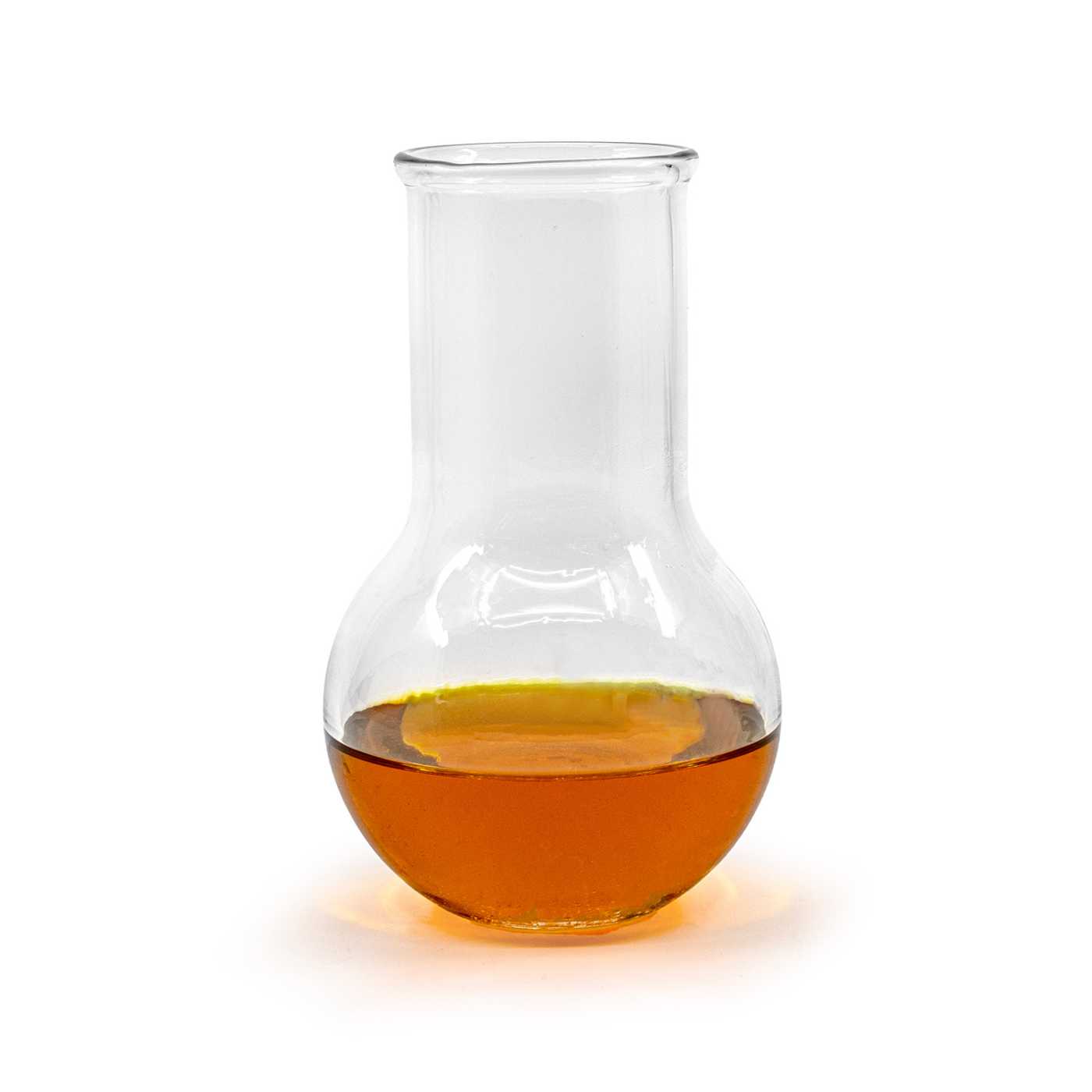
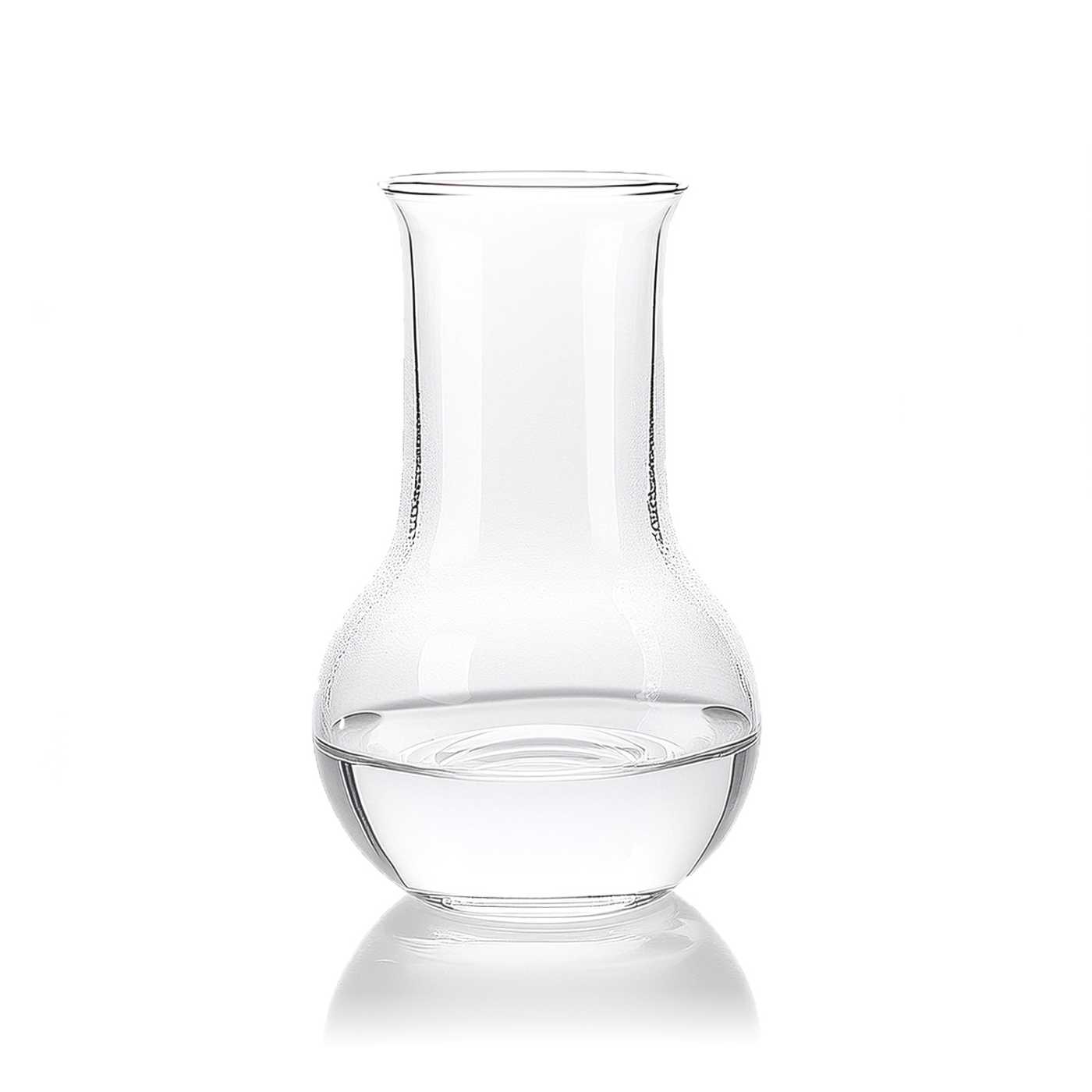
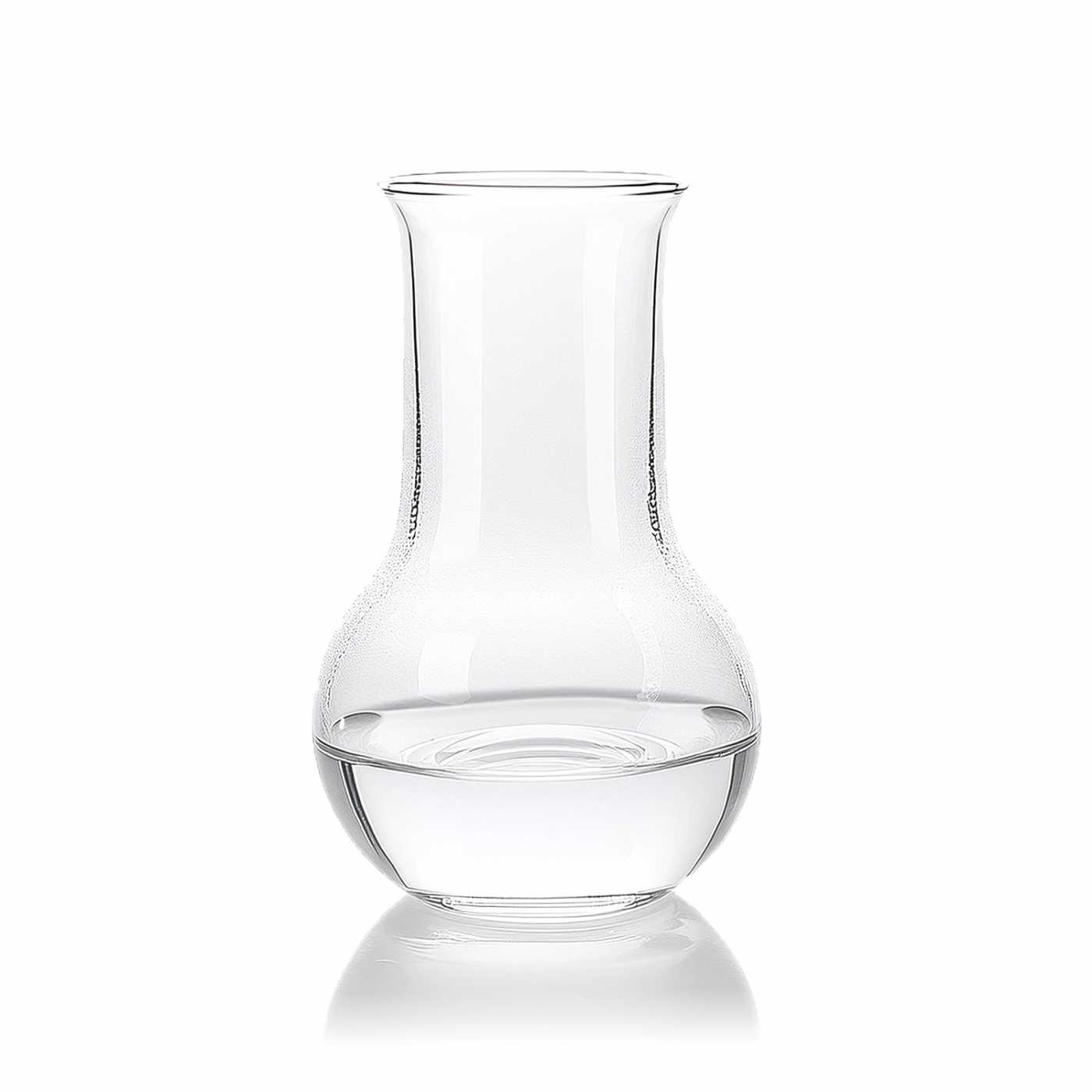
The ingredient is a thick clear liquid, colourless to light yellow, with a faint characteristic odour.
The solution does not contain a preservative and is hygroscopic, so microorganisms may grow in it once opened. Take it out with clean tools, close the container immediately, and always preserve the finished product if it has a water phase.
The sodium salt of PCA is an electrolyte. With thickeners that are sensitive to electrolytes, we recommend checking the viscosity and stability of the finished product on a small sample.
The ingredient is not compatible with strong oxidising agents. It is also not used in products in which N-nitroso compounds may form, that is, together with ingredients that release nitrosating substances or with secondary amines.