


GLASS JARS
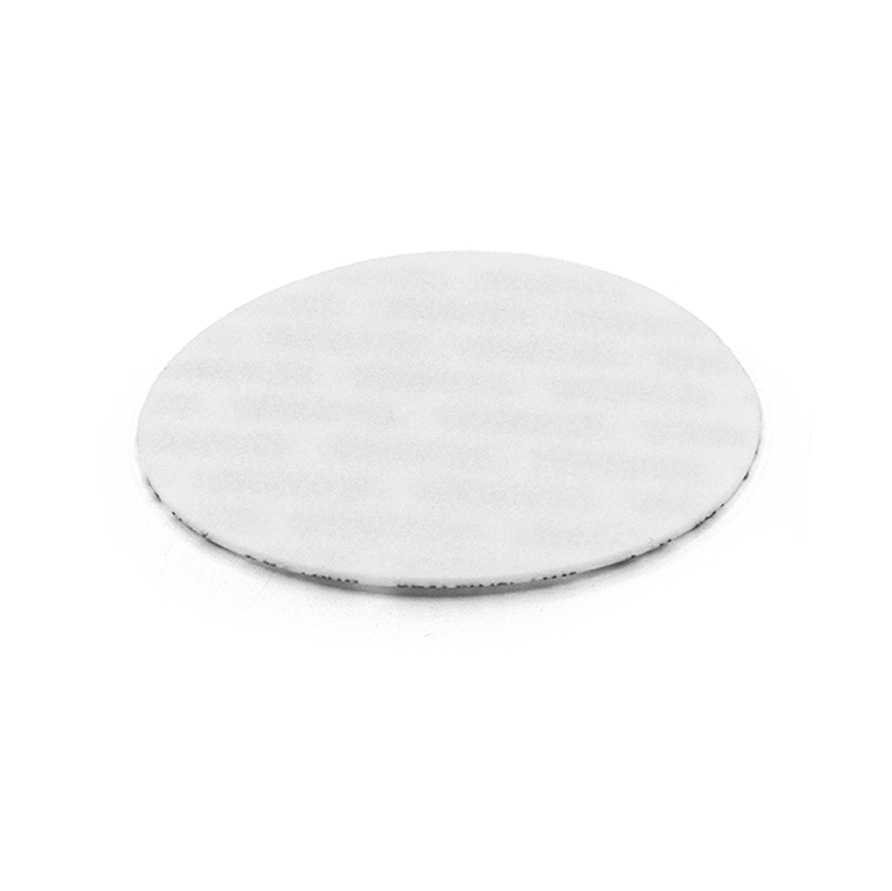
Pressure Sensitive Seals Cap Liners, 28,6 mm
Sealing inserts for jars serve as the first protective seal under the lid. Once the lid is tightened, they adhere to the jar neck and the contents remain protected until first opening. full description
Lowest price in the last 30 days: €0.05
Total for 1 pcs: €0.05
Product description
Sealing inserts for jars serve as the first protective seal under the lid. Once the lid is tightened, they adhere to the jar neck and the contents remain protected until first opening. The customer can see at a glance that the product has not been tampered with, and the manufacturer gains simple protection against spilling, drying out or contamination of the contents without any special equipment. The inserts are suitable for jars containing creams, butters, balms, body scrubs, bath salts or loose products where you want assurance of intact packaging.
How a sealing insert works
The designation pressure-sensitive means that the insert holds thanks to an adhesive layer that is activated by pressure. The insert is placed into the lid with the adhesive side facing the neck, the lid is screwed onto the jar and tightening it presses the insert against the rim of the neck. Upon first unscrewing, the insert remains adhered to the jar until the customer peels it off.
No heating, aluminium foil or induction equipment is required. The entire process can be done by hand when filling small batches as well as larger quantities.
Key benefits
- Tamper evidence – after unscrewing the lid, the insert remains on the neck; a detached or damaged insert reveals that the jar has already been opened.
- Content protection during transport – the insert holds the contents under an additional layer, so cream does not get into the lid threads and loose product does not spill when tilted.
- No equipment needed – unlike induction sealing, simply insert, screw on and tighten.
- Quick check during filling – before packaging, you can easily verify that every lid has an insert.
How to use the insert
The insert adheres only to a clean and dry neck. Tighten the lid evenly so that the insert is pressed against the entire circumference. The bond strengthens over time, so it is worth letting filled jars stand before packaging and dispatching them.
Before closing, wipe the jar neck free of product residue, degrease and allow to dry. Even a thin film of cream between the neck and the adhesive layer will prevent the insert from adhering across the entire circumference.
The inserts are intended for single use. Once peeled off, they no longer adhere and a new insert must be placed when refilling the jar.
Which products it is suitable for
- creams, butters and balms in jars where you want to separate the contents from the lid and demonstrate intact packaging,
- body scrubs, salts and loose or powdered products where the insert prevents spillage into the threads,
- solid deodorants, masks and thicker gels filled into jars with a flat neck.
The insert works best with thick and dry contents. With liquid preparations and products with a high oil content, the adhesive layer is under greater strain.
A pressure-sensitive sealing insert is not a hermetic seal for liquids. With thin and oily contents, test on a few pieces whether the insert holds after turning the jar upside down and after several days of storage.
Difference from induction sealing
An induction insert contains an aluminium layer that is heat-welded to the neck in an induction device. This creates a stronger bond, but requires a machine and correct settings. A pressure-sensitive insert holds only with adhesive activated by tightening the lid. It is therefore suitable for small-scale production and products where the main need is tamper evidence and protection against contamination.
Good to know
The inserts are made of white polyethylene (PE) and are suitable for use with cosmetic products. Use them on jars with a flat and smooth neck of the corresponding diameter; the insert diameter is stated in the specifications. On a neck with a protrusion or uneven rim, the adhesive layer will not adhere continuously.
The insert is placed into lids that have a recess for sealing on the inside. With your own combination of jar and lid, we recommend verifying that the lid presses the insert sufficiently and that after opening it remains on the jar.
Frequently asked questions
Parameters
Product documentation
- PDSProduct Data Sheet
- PDF ↓
Verified by customers.
No reviews yet.
Only customers with a delivered order can write reviews.