


GLASS JARS
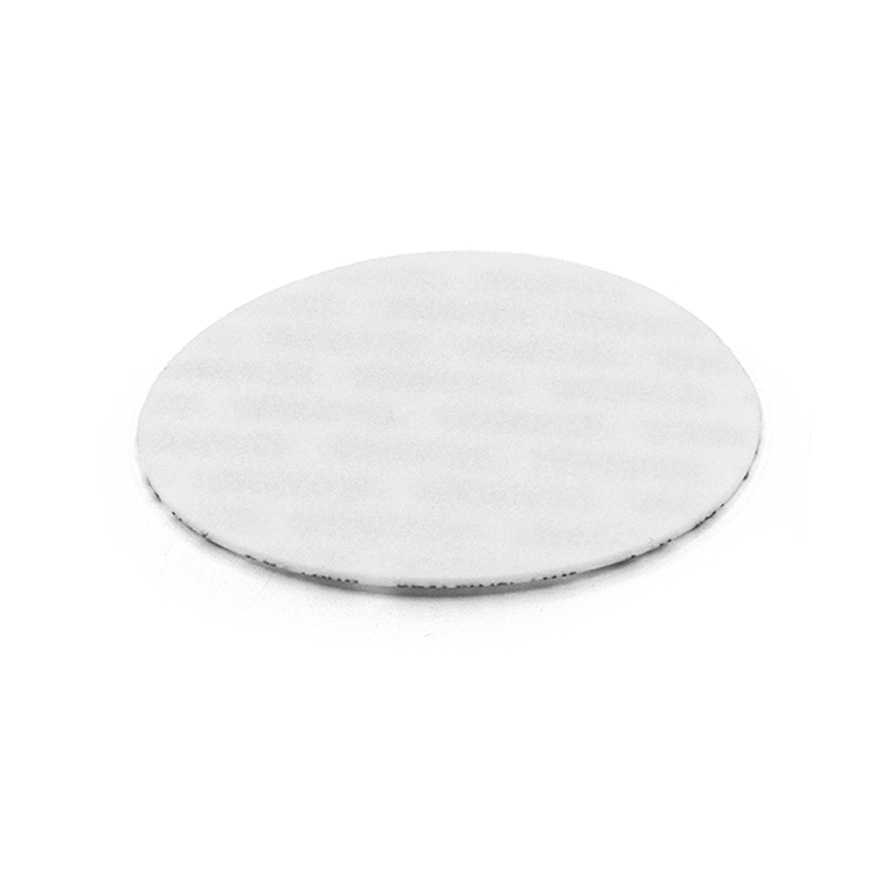
Pressure Sensitive Seals Cap Liners, 45,6 mm
Pressure-sensitive sealing liners for jars, 45.6 mm Self-adhesive sealing liners are placed inside the jar lid and adhere to the neck on first tightening. full description
Lowest price in the last 30 days: €0.08
Total for 1 pcs: €0.08
Product description
Pressure-sensitive sealing liners for jars, 45.6 mm
Self-adhesive sealing liners are placed inside the jar lid and adhere to the neck on first tightening. When the customer opens the jar, they can see that the product has not been opened, and the contents are protected from spillage, leakage and contamination until first opening. The liners are made of white polyethylene (PE) and are suitable for jars with a neck matching the diameter stated in the name — that is, smaller jars for creams, balms, butters, loose bath salts or powder masks.
The liner is suitable for contact with cosmetics. Information on suitability for food contact is not available, so we recommend using it for cosmetic products only.
How the sealing liner works
- Pressure bonding – the underside of the liner has an adhesive layer that is activated by pressure when the lid is tightened. No heat or induction machine is needed — just your hand and a properly tightened closure.
- First-opening protection – when the lid is removed, the liner remains attached to the neck and the customer peels it off. A broken or missing liner is a clear signal that the product has already been opened.
- Content protection during transport – the liner prevents loose products from spilling and limits leakage of paste-like and cream contents if the jar tips over or the package is knocked.
- Clean barrier above the contents – until first opening, it separates the contents from the inside of the lid, which is particularly useful for jars filled to the neck.
Use during filling
The liner is placed into the lid adhesive side down, facing the jar neck. After filling the jar, the lid is placed on and tightened with normal force. The thread pressure pushes the liner against the neck and the adhesive layer bonds with the rim. The bond sets within a few hours, so it is advisable to leave the jars undisturbed after closing before packing and dispatching them.
The adhesive layer bonds reliably only with a clean, dry and flat neck. When filling, make sure no cream, oil or dust remains on the rim. Wipe a soiled neck with a clean cloth before closing, otherwise the liner will not adhere across part of the circumference.
The liners can be used with both glass and plastic jars. For jars with a thicker, rounded or uneven neck, it is advisable to test the adhesion beforehand, as the adhesive layer requires a continuous seating surface. The liner diameter should match the inner diameter of the lid so that the liner lies flat and does not buckle.
Good to know
- Single use – the liner serves until first opening. Once peeled off, it cannot be reused; the jar is then closed with the lid alone.
- Not a hermetic barrier – the liner protects against spillage and accidental opening, but does not replace induction sealing. For very thin contents, volatile components or air-sensitive products, do not treat it as a guarantee of complete tightness.
- Testing with your own formulation – contents with a high proportion of oils, essential oils or solvents may affect the adhesive layer over prolonged contact. Before serial use, we recommend closing a few test jars and checking after a couple of weeks whether the liner holds around the entire circumference.
- Heat during filling – jars filled with hot material (balms, butters) should be allowed to cool before closing. Warm contents and condensed vapour on the neck reduce adhesion.
- Handling the liners – the liners are thin and light; tweezers or clean dry hands help when inserting them into lids. Avoid touching the adhesive side unnecessarily before insertion.
- Recycling – the liner is made of polyethylene; after peeling off, it belongs in plastic waste.
If you supply jars to customers who fill them themselves, insert the sealing liners into the lids in advance. The lid with the liner is then tightened in the normal way and the customer does not need to adjust anything.
Lids with the same type of neck and ready-made jar + lid combinations are available in the Handymade range. With your own combination, we recommend checking that the liner sits flat in the specific lid and adheres around the entire circumference after tightening.
Frequently asked questions
Parameters
Product documentation
- PDSProduct Data Sheet
- PDF ↓
Verified by customers.
No reviews yet.
Only customers with a delivered order can write reviews.