


GLASS JARS
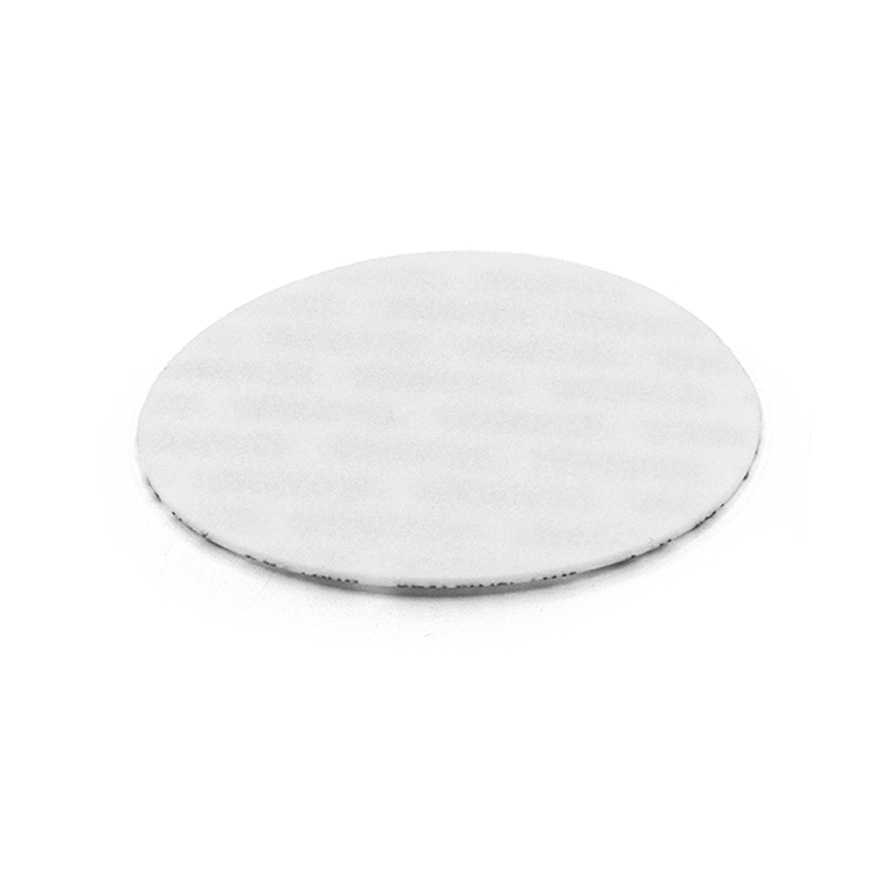
Pressure Sensitive Seals Cap Liners 53 mm
Pressure-sensitive sealing liners for jars, 53 mm Pressure-sensitive sealing liners seal a jar with a 53 mm neck without any sealing equipment. full description
Lowest price in the last 30 days: €0.13
Total for 1 pcs: €0.13
Product description
Pressure-sensitive sealing liners for jars, 53 mm
Pressure-sensitive sealing liners seal a jar with a 53 mm neck without any sealing equipment. The single-use polyethylene liner sits under the cap, adheres to the neck rim and protects the contents from leakage, drying out and contamination until first opening. The adhesive layer is activated by the pressure of a tightened cap, making them a solution for small-scale production where induction sealing is not cost-effective. They are suitable for jars containing creams, butters, balms, scrubs, bath salts or loose raw materials.
Key benefits
- Protection against leakage – the liner adheres to the neck rim and prevents the contents from leaking or spilling during transport, even if the cap loosens slightly along the way.
- Evidence of first opening – the customer can see that no one has opened the jar before them. When selling cosmetics, this builds trust and matches standard market practice.
- No sealing equipment needed – simply place the liner in the cap and tighten it as usual. Neither an induction nor a heat sealer is required, which is especially appreciated for smaller production runs.
- Slim profile – the liner takes up no extra space and does not change the height or appearance of a closed jar.
- Suitable for cosmetic and technical use – the liners can be used for cosmetic products as well as technical items such as waxes, pastes or loose mixtures.
How the liners work
The liner has two sides: the adhesive side, which goes on the neck rim of the jar, and the smooth side, which faces the cap. Once tightened, the cap applies even pressure to the neck rim and the adhesive layer bonds to it. When the cap is unscrewed, the liner remains on the jar and the customer peels it off.
This is a mechanical seal, not an airtight bond like an induction-sealed foil. The liner will significantly reduce leakage and drying out, but it does not create a vacuum or a complete barrier against oxygen. For standard creams, butters and loose products this is sufficient. For very liquid or volatile contents, verify the behaviour in practice.
Practical use
The process is straightforward and can be integrated into standard filling:
- Keep the jar neck clean and dry. Residues of cream or oil on the rim reduce the adhesion of the adhesive layer, so wipe the rim after filling.
- Place the liner in the cap with the adhesive side facing the jar and tighten the cap by hand as you would when closing normally.
- Bond strength increases over time under a tightened cap. Do not open the jars immediately after closing and allow them to rest before dispatch.
For the first batch, close a test jar, let it rest and then check whether the liner holds across the entire circumference and leaves no adhesive residue after peeling. Adhesion depends on the material and shape of the neck rim, so a test with your specific jar and cap is worthwhile.
The cap must have a flat inner surface so that pressure acts on the entire circumference of the liner. Caps with their own inner seal or with protrusions are not suitable for use with a liner. Jars and caps with the same neck type are available in the Handymade range. For your own combination, we recommend verifying the seal with your specific formulation.
Suitable for products such as
- Creams, butters and balms – the liner prevents surface drying and leakage during transport, especially for anhydrous products that soften in heat.
- Scrubs and bath salts – for loose and semi-loose products, it keeps the contents in the jar and prevents fine particles from getting into the thread.
- Masks and pastes – thicker products stay under the liner without contact with the cap, so the customer opens the jar without fouling the thread.
- Technical products – waxes, pastes and loose mixtures where you need evidence of intact packaging.
Good to know
The adhesive layer works best at room temperature. Allow jars filled while hot to cool before closing. Heat alters the behaviour of the adhesive and as the contents cool, a negative pressure may form inside the jar, drawing the liner inward.
Adhesion on a glass, PET and PP rim varies. A smooth and flat neck holds more reliably than one with a rough or rounded edge. Testing on your own jar is therefore more important than with standard caps.
The liner does not replace the correct choice of cap. If the cap does not seal on its own, the liner will limit leakage during transport, but after first opening the jar is sealed only by the cap. For liquid and oily contents, therefore choose a cap that seals even without a liner.
The liners are single-use and cannot be reused after peeling. Polyethylene goes into sorted plastic waste.
Frequently asked questions
Parameters
Product documentation
Verified by customers.
No reviews yet.
Only customers with a delivered order can write reviews.