Spend over €100 for discounted shipping!

+421 950 333 113[email protected]

PLASTIC BOTTLES

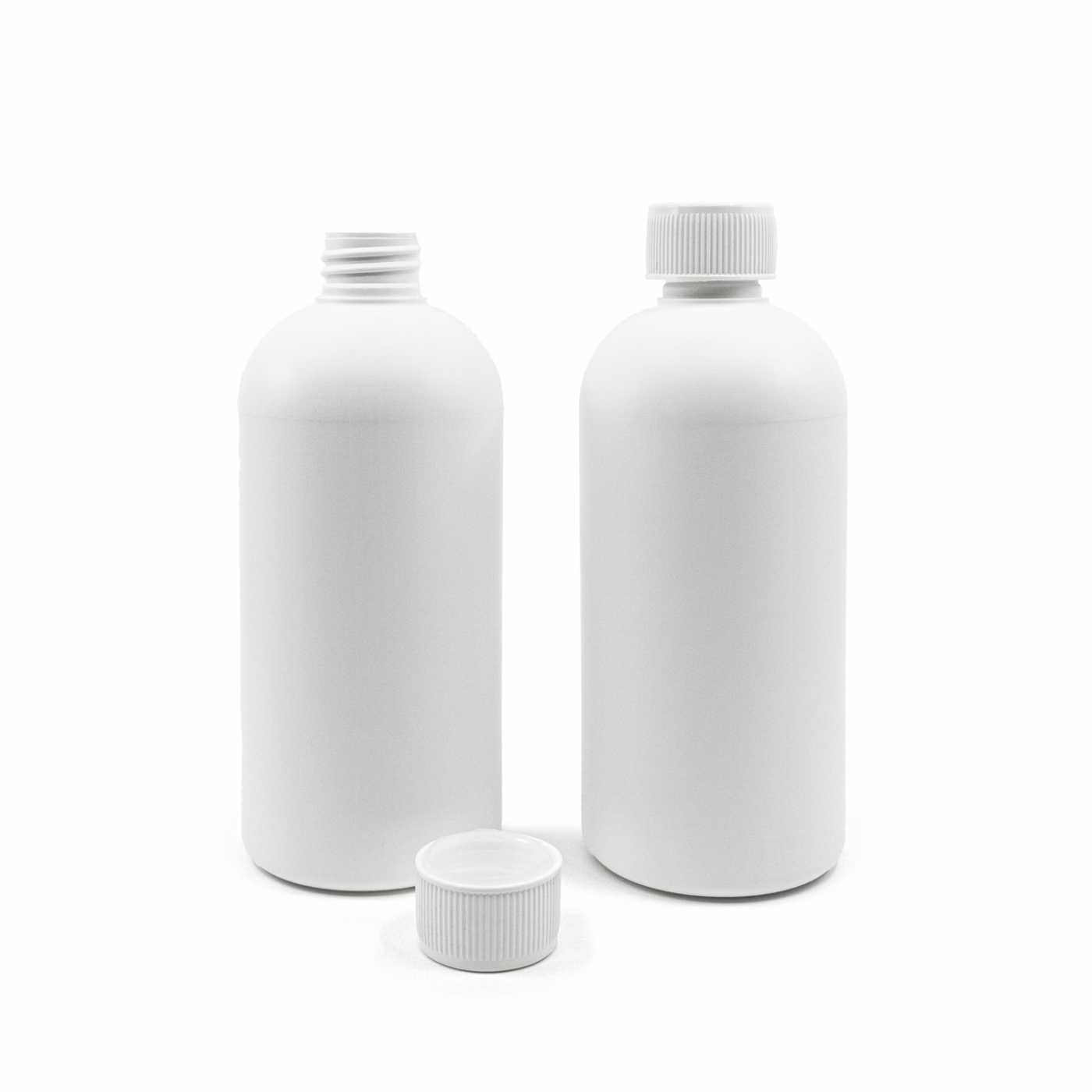
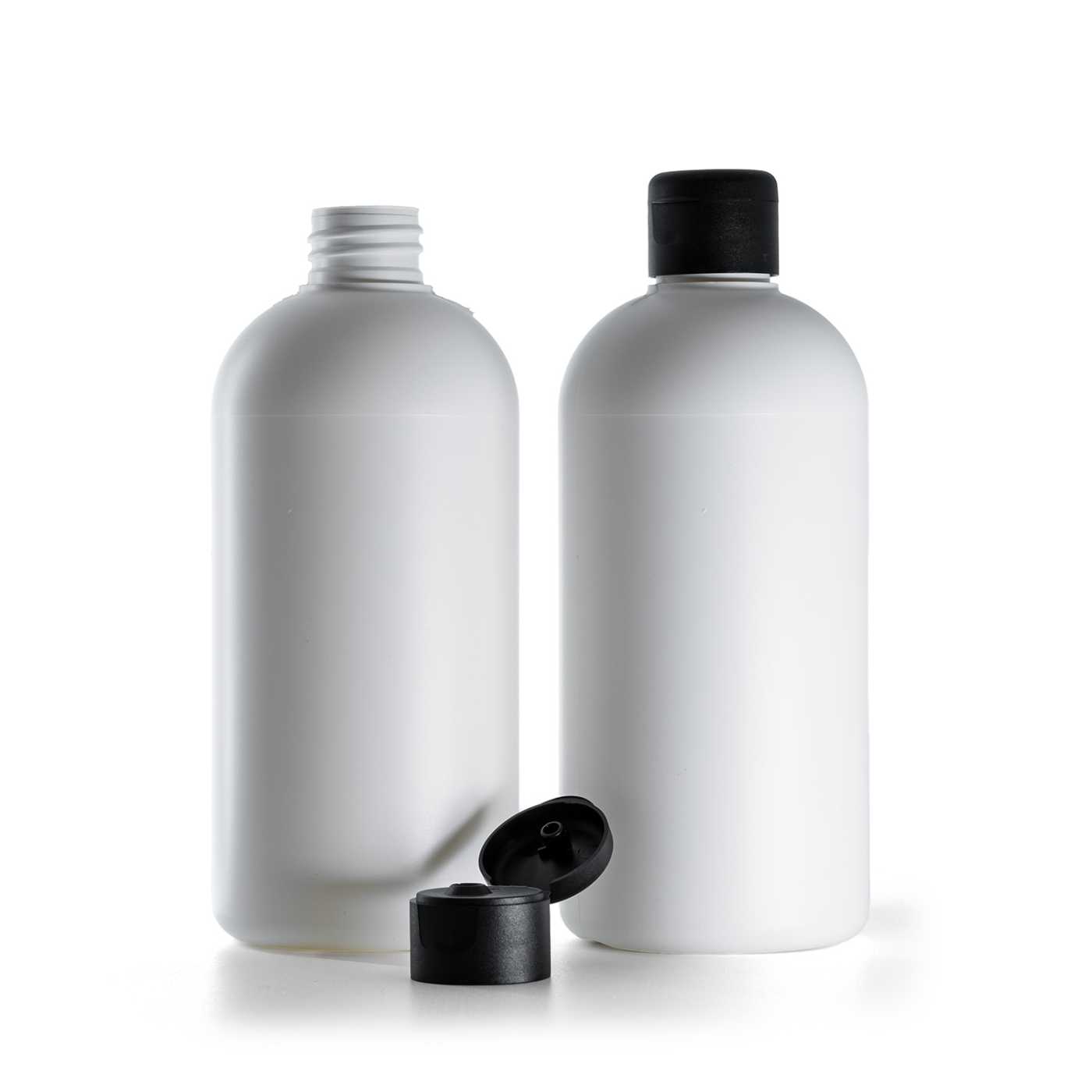
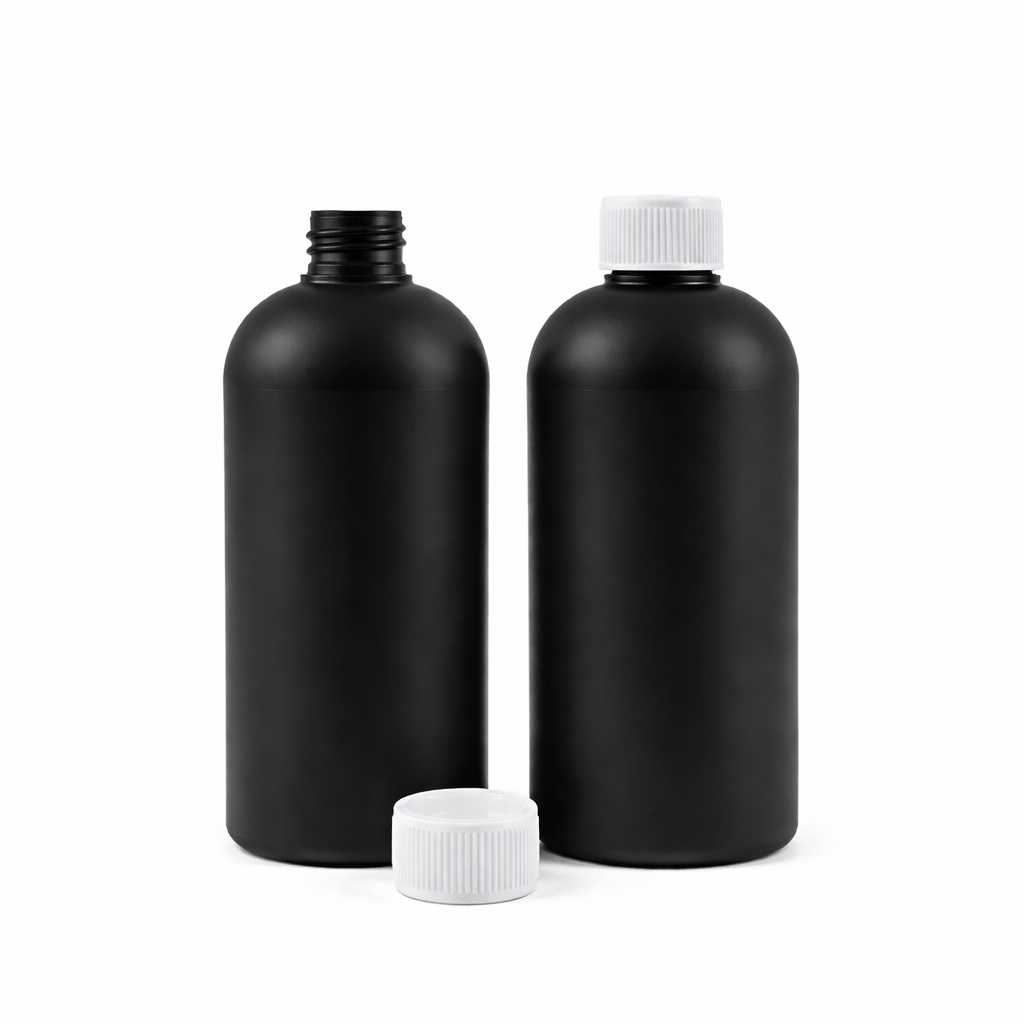
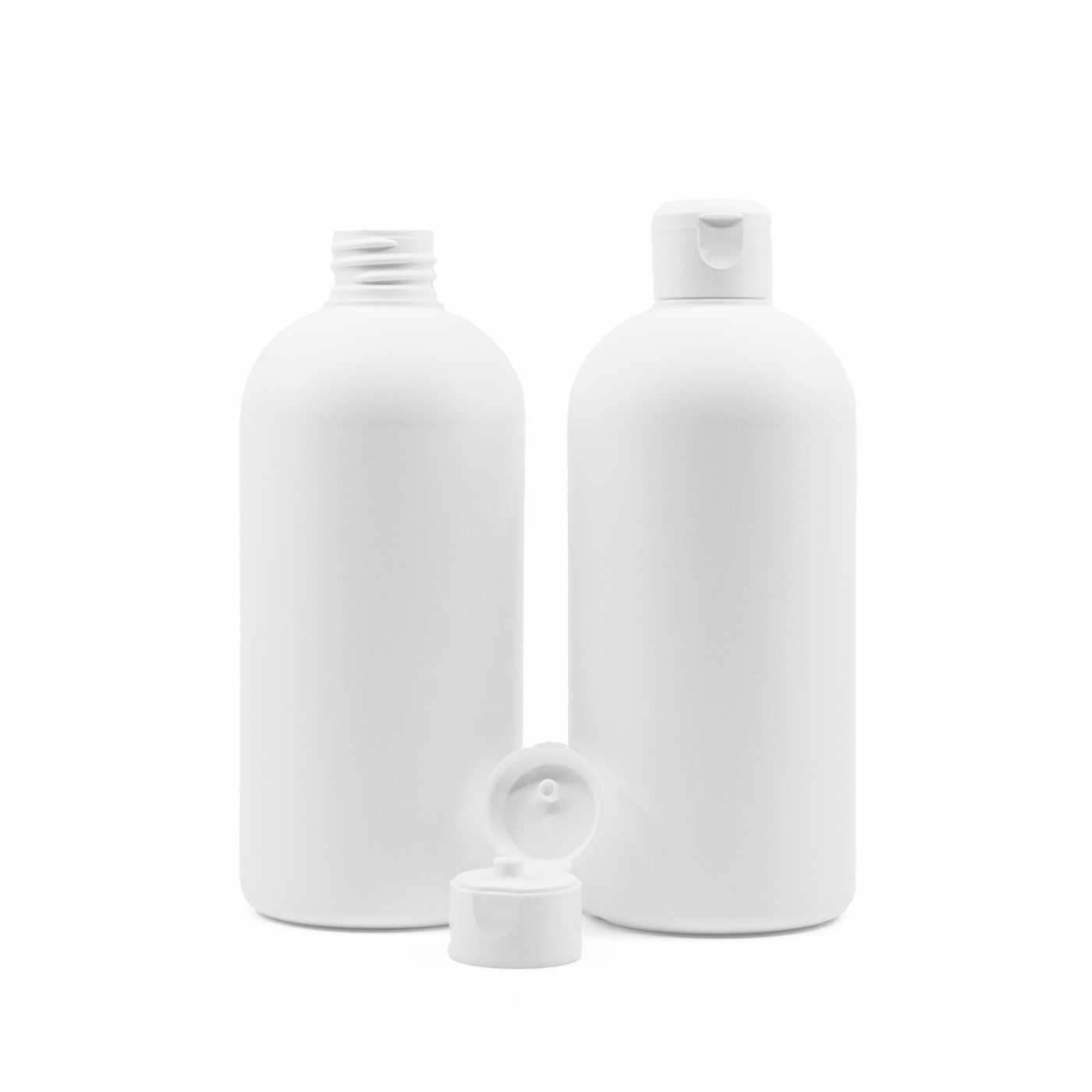
White Plastic Bottle, HDPE, Saftey Cap, 500 ml

Pack size100 ml500 ml

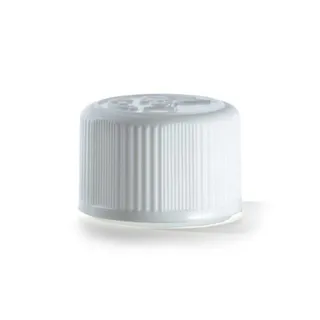
HDPE plastic bottle, white with child-resistant cap , 500 ml is a ready-made combination of an HDPE bottle and a plastic child-resistant cap with a 28/410 neck finish. full description

AvailabilityPre-order
Product codeO28PB500H-OVV28PB4
€1.25incl. VAT

Lowest price in the last 30 days: €1.25

Save €0.01 with this set

Pre-orderThis variant is currently out of stock — your order will be a pre-order and delivery may take longer.
Volume pricing
1–199 pcs€1.25Your price
200–999 pcs€1.15−8 %
1000–4999 pcs€1.07−14 %
from 5000 pcs€0.95−24 %

Total for 1 pcs: €1.25

Quantities add up across all combinations of this bottle.

Product description

HDPE plastic bottle, white with child-resistant cap, 500 ml is a ready-made combination of an HDPE bottle and a plastic child-resistant cap with a 28/410 neck finish. It is intended for products that should not be easily accessible to children – liquid preparations with higher alcohol content, concentrated cleaning and laundry products from home production, solutions with essential oils, or massage and bath oils. It works equally well for standard rinse-off cosmetics such as shampoos, shower gels or liquid soaps, where the child-resistant closure is an added bonus.

The set withstands normal handling in the bathroom, workshop and during transport, and is declared suitable for contact with cosmetic products.


Key features

  • Child-resistant closure – the cap cannot be opened by simple turning like a standard screw cap. It restricts children's access to the contents, which is important for alcohol-based solutions, concentrates or preparations with a higher proportion of essential oils.
  • Opaque material – white HDPE does not transmit light the way clear plastic does, so it helps protect light-sensitive ingredients such as vegetable oils or fragrance compositions. The contents are not visible, but the bottle labels well and has a clean appearance.
  • Plastic durability – HDPE is rigid, flexible and resistant to water and common surfactants. The cap is made of PP, which retains its shape even after repeated opening.
  • Squeezable wall – the bottle is slightly squeezable, which makes dispensing thicker liquids easier.
  • Volume 500 ml – a practical size for a family-sized shower gel, a liquid soap refill for a dispenser, or a homemade cleaning concentrate diluted into a spray bottle.
  • Low weight – plastic significantly reduces the weight of the shipment compared to glass of the same volume, and there is no risk of breakage if dropped.

Filling and closing

The bottle should be filled to the nominal volume, not to the brim. The nominal volume is the quantity the container is designed for under normal filling conditions; the total volume up to the neck is greater. The difference provides headspace for the closure and for the expansion of the contents when the temperature changes, so the bottle does not get pressurised when closed or during transport, and the contents do not seep into the thread. If you fill to the brim, the closure touches the liquid surface and the seal deteriorates.

Tighten the child-resistant cap fully. Before filling for the first time, we recommend testing the closing and opening on an empty bottle to confirm that the cap has seated correctly in the thread and can be opened as expected. When using your own combination with a different closure of the same neck type, verify the seal and the behaviour of the packaging with the specific formulation; ready-made bottle + closure combinations are available in the Handymade range.

Thick products, such as shower gels with higher viscosity, should be filled using a funnel or filling bag slowly and the contents left to settle so that foam does not get trapped in the neck. Close only after the foam has subsided – otherwise foam will get into the thread and the closure will be harder to tighten.


Suitable for products such as

  • Rinse-off cosmetics – shampoos, shower gels, liquid soaps, bath foams. HDPE is resistant to surfactant systems and the squeezable wall makes dispensing easier.
  • Massage and bath oils – vegetable oils and blends with essential oils, where the opaque packaging protects against light and the child-resistant closure prevents accidental opening.
  • Alcohol-based solutions and tinctures – packaging with a child-resistant cap is suitable where the contents should not be freely accessible. At higher alcohol concentrations, we recommend verifying the behaviour of the plastic in the finished product.
  • Homemade cleaning products – dilution concentrates, dish or floor cleaning products made from surfactants, soda or citric acid. For strongly alkaline or acidic concentrates, verify the resistance of the closure in practice.
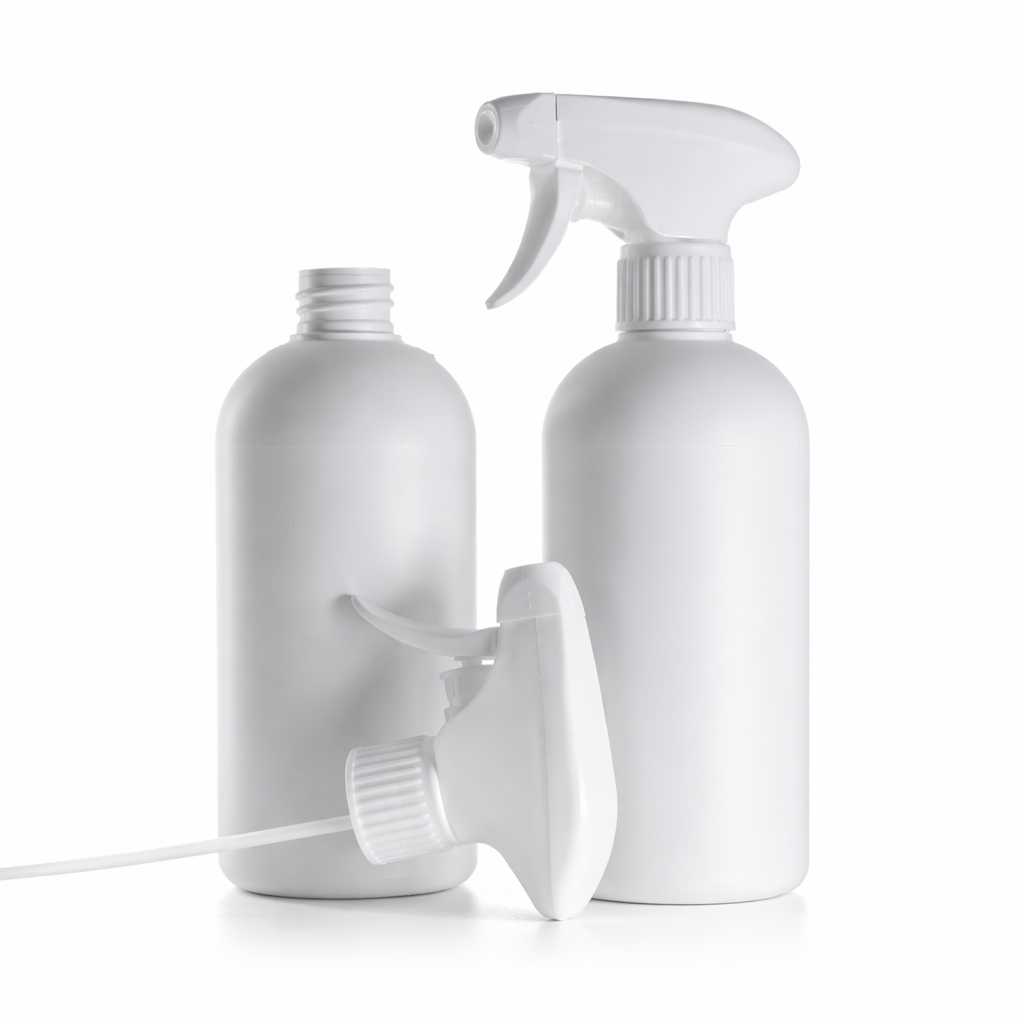
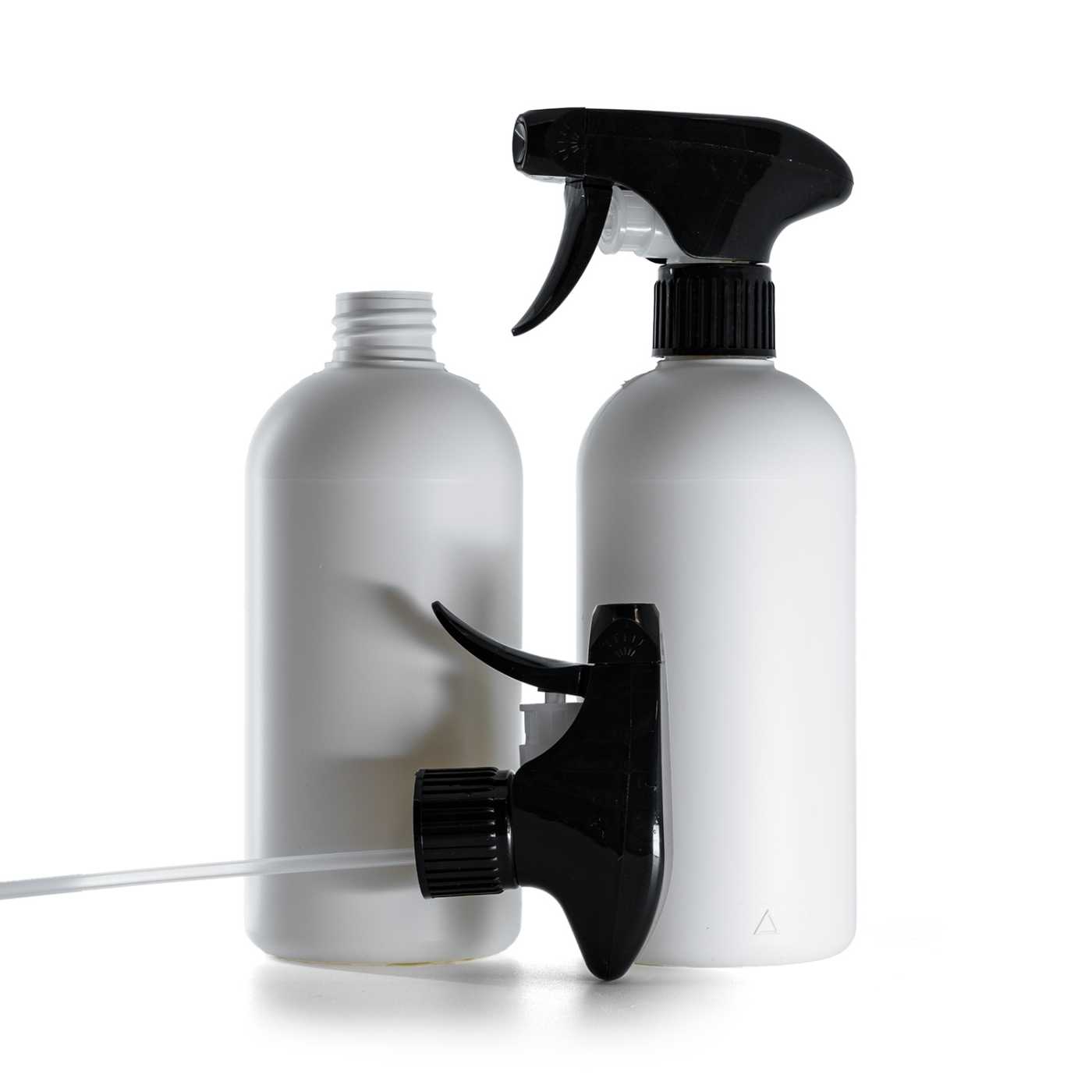
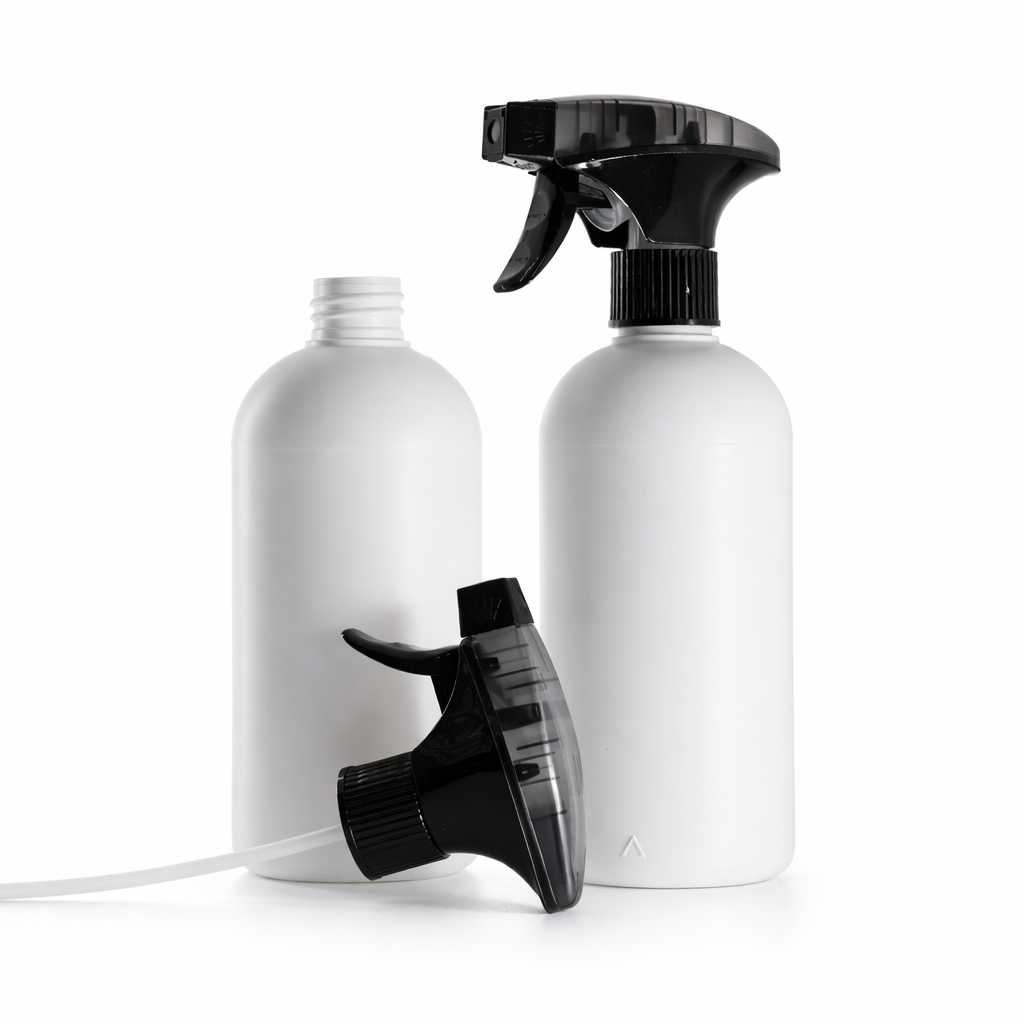
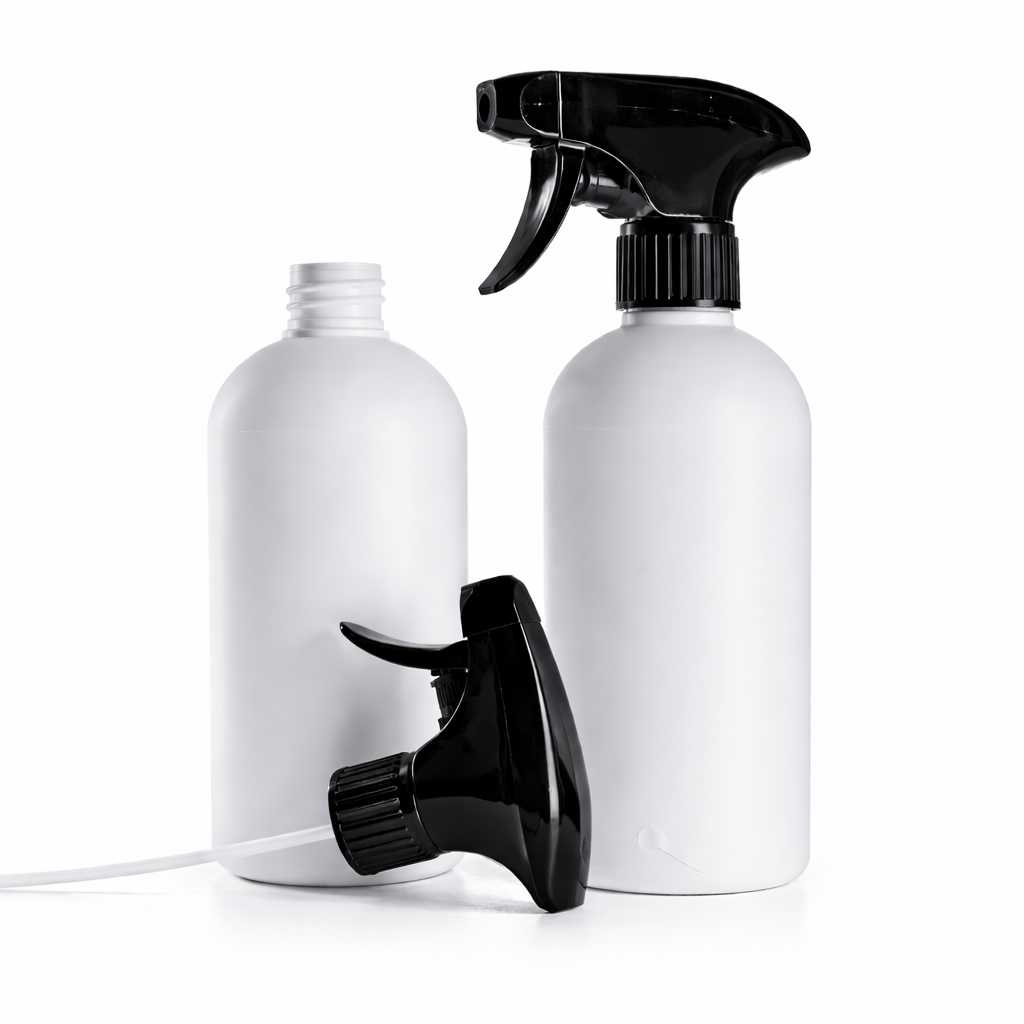
  • Hydrosols and tonics in larger packaging – as a bulk container from which the product is decanted into smaller spray bottles.

What is good to know

Preparation before first filling. We recommend washing and rinsing both the bottle and the cap, disinfecting with isopropyl alcohol or ethanol, and leaving them to dry completely upside down. Residual water in the container is a common cause of early deterioration of anhydrous products and weakens the preservative system of water-based products.

HDPE and essential oils. Diluted essential oils in a cosmetic product are normally tolerated by HDPE. At high concentrations, with neat essential oils, citrus terpenes and certain solvents, the plastic may soften over time, absorb the scent or deform, so glass is more suitable for concentrates.

Temperature during filling. Do not fill HDPE with hot products. Allow emulsions, gels and soaps to cool to room temperature, otherwise the bottle may deform and contract as it cools after closing.

Reuse and labelling. The set can be reused after thorough washing, but check the cap thread – if it has loosened after many opening cycles, the safety function is no longer reliable. The cylindrical wall of the bottle labels well.

Food contact. The food-contact certification applies separately to the 28/410 plastic child-resistant cap. The set as a whole is intended for cosmetics and food use is not declared for it.

Recycling. Both the HDPE bottle and the PP cap are among commonly recyclable plastics; once empty, simply rinse them and place in the plastics collection.

The child-resistant cap makes opening more difficult, but does not replace safe storage of the product out of children's reach. For alcohol-based solutions and concentrates, label the container clearly with the name of the contents.


Frequently asked questions

How do you open the child-resistant cap on the 500 ml HDPE plastic bottle?
The child-resistant cap does not open by simple turning, but by a combination of movements – typically pressing and turning at the same time. Before the first filling, test the procedure on an empty bottle to confirm that the cap has seated correctly in the 28/410 thread. When closing, tighten it fully, otherwise the safety mechanism may not engage.
Does the white HDPE bottle protect the contents from light?
Yes, white HDPE is opaque and significantly reduces light exposure to the contents. It is therefore suitable for vegetable oils, blends with essential oils and products with dyes that fade in light. The disadvantage is that the fill level is not visible and the amount has to be estimated by weight or by squeezing the bottle.
Is the 500 ml HDPE plastic bottle with child-resistant cap suitable for food?
No, the set as a whole is not approved for food contact. The food-contact certification applies only to the 28/410 plastic cap on its own; the bottle itself does not have this certification. The set is declared suitable for cosmetic products and we recommend using it for this purpose.
How much liquid fits in the 500 ml HDPE bottle?
The bottle is designed for a nominal volume of 500 ml, which corresponds to normal filling with headspace below the neck. The physical volume up to the brim is greater, but leave this headspace free for the closure and the expansion of the contents. When filled to the brim, the contents enter the thread, the closure does not seal properly and the bottle may overflow when squeezed.
Can I fill the HDPE bottle with alcohol-based solutions and essential oils?
Diluted alcohol-based solutions and cosmetic products with a normal proportion of essential oils are well tolerated by HDPE. With neat essential oils, high concentrations of terpenes or organic solvents, the plastic may soften over time, absorb the scent or lose its shape. Glass is safer for concentrates; for borderline formulations, we recommend a test filling over several weeks.
Can the bottle and child-resistant cap set be reused?
Yes, after thorough washing, rinsing and disinfection with ethanol or isopropyl alcohol, the set can be refilled. Before reuse, check the cap thread and the function of the safety mechanism – if the cap opens freely without pressing, it no longer serves its protective function. HDPE may partially retain the scent of previous contents, so refill with the same type of product.

Parameters

HDPE plastic bottle 28/410, white, 500 ml

Product color
White
Country of origin
European Union
Nominal capacity
500
Diameter
73 mm
Thread type
28/410
Height
171,3 mm
Product material
HDPEPlastic

Plastic safety cap 28/410

Product color
White
Country of origin
European Union
Diameter
35 mm
Thread type
28/410
Height
24,5 mm
Product material
PPPlastic
Andrej1 Oct 2026SK

Verified purchase

Scent: Plastová fľaška HDPE, biela s bezpečnostným vrchnákom, 500 ml

I've tried several bottles already, but these are so far the only ones I'm satisfied with in every respect.

Translated automatically