Activated charcoal was in the past used only internally, for digestive problems, but today studies have demonstrated its beneficial effects on the skin as well. Thanks to its adsorption capacity it can draw impurities out of the surface of the skin, exfoliate it gently and balance oily skin. Let's look at what activated charcoal actually is and how to prepare a detoxifying mask or an exfoliating blend from it at home.
About this article
This article was prepared for you by Martina Oboňová. In it we go through what activated charcoal actually is, why it works on the skin too and how to use it in practice — including two simple blends, a detoxifying mask and an exfoliating blend, which really anyone can mix.

Main benefits
- Helps remove impurities
Thanks to its adsorption capacity it can draw out impurities on the surface of the skin — mainly impurities from make-up and pollutants from the environment.
- Gently exfoliates
Its slightly rough texture predestines it for the gentle removal of impurities and flakes in the form of a mild exfoliating agent.
- Balances oily skin
It can also draw out fatty molecules, to which impurities bind, and thus prevents further clogging of the pores.
- Cleansing and exfoliation in one
Activated charcoal provides an excellent combination of exfoliation and cleansing at once — and thanks to its fine texture it is suitable for sensitive skin types too.
Properties of the ingredient
What exactly is activated charcoal?
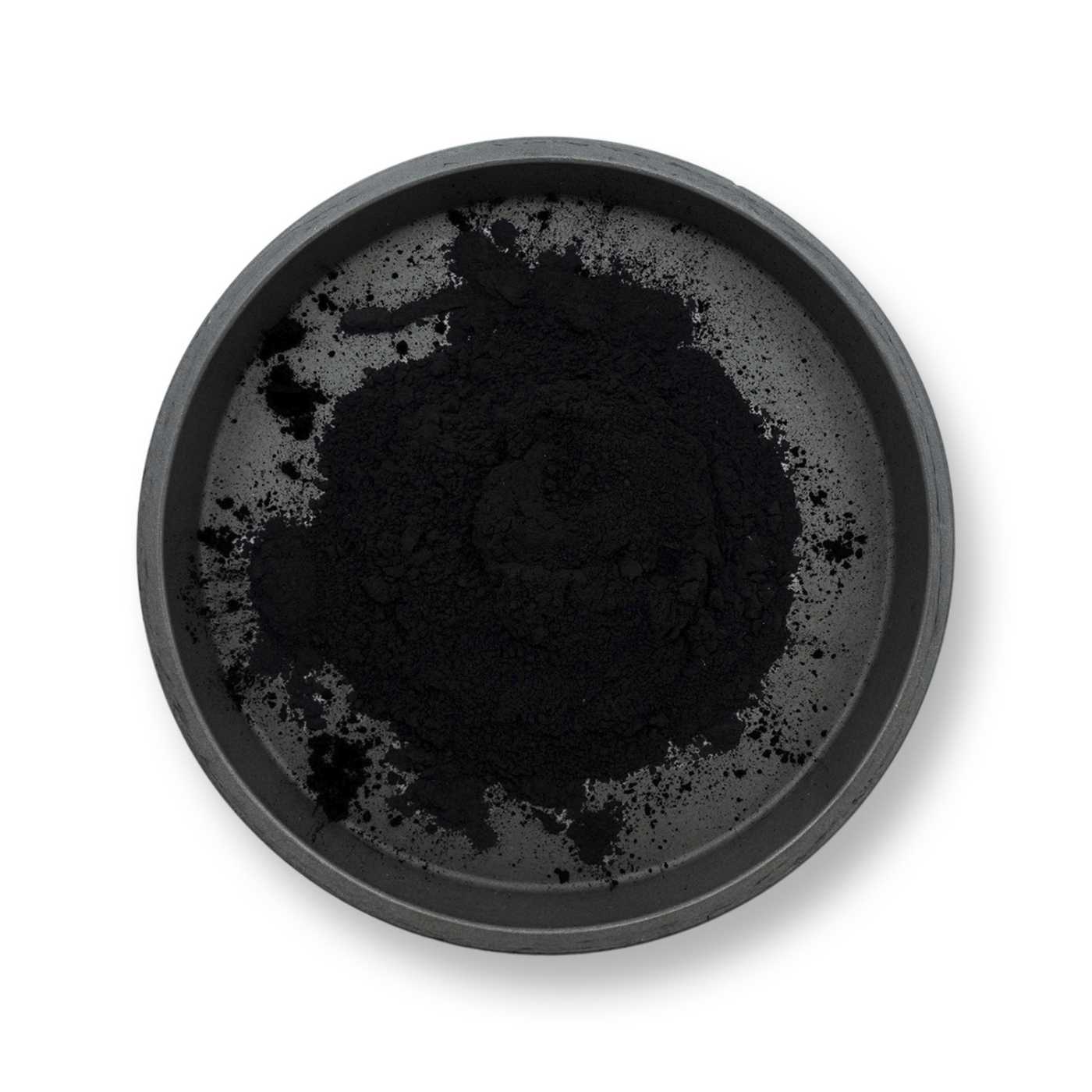
It is charcoal that has undergone a heating process and thanks to this treatment is safe for medical use (our activated charcoal is of pharmaceutical grade). Although in the past activated charcoal was used only for internal use in cases of digestive problems, today studies have demonstrated its beneficial effects also on the skin.
Its main property is its adsorption capacity, which allows it to penetrate into the porous surface and capture a large amount of toxins and chemicals.
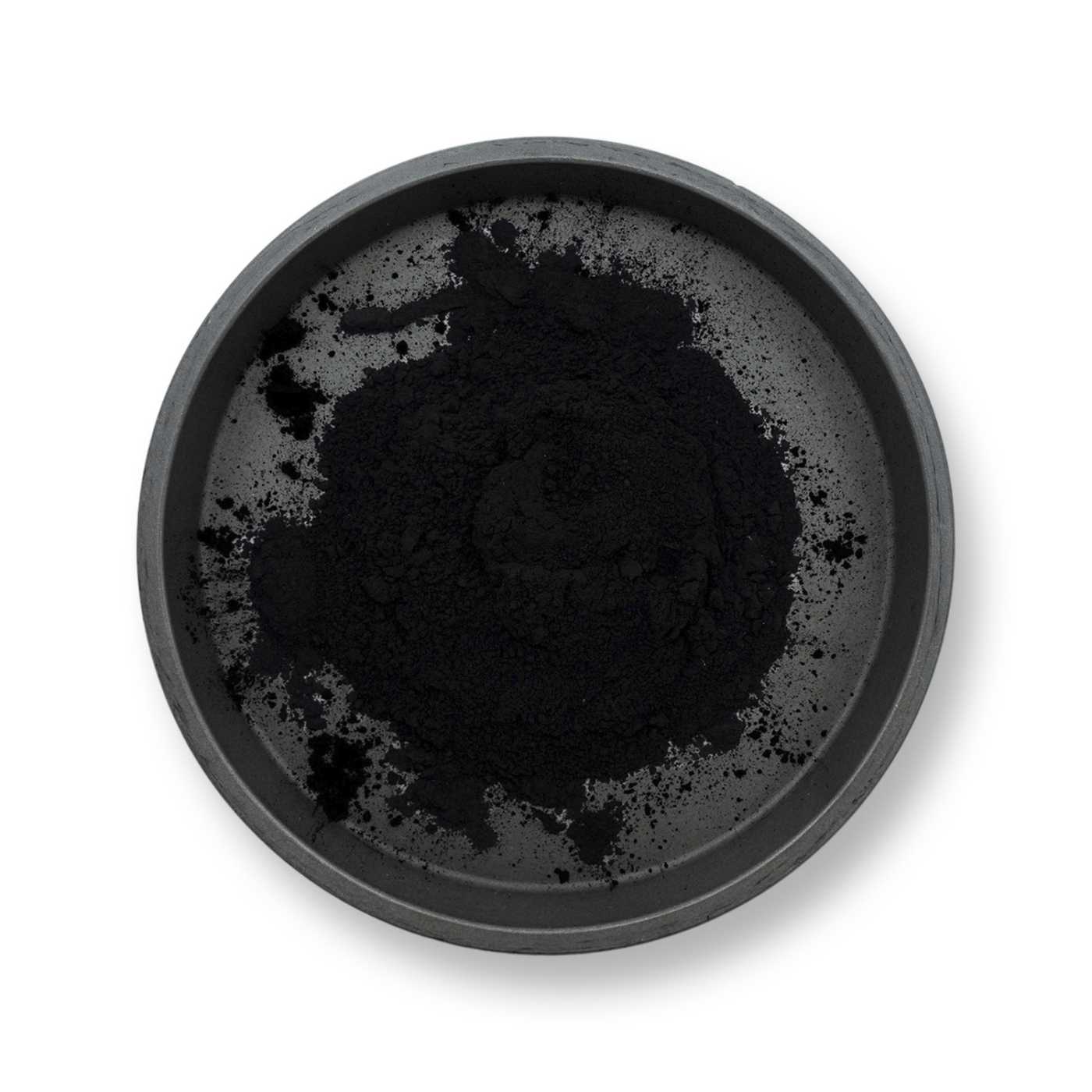
How can you further improve the condition of your skin by using activated charcoal?
Helps remove impurities
Activated charcoal can do this precisely thanks to the adsorption capacity mentioned above. Translated into everyday language, this means that the surface of activated charcoal is filled with millions of tiny pores that have a negative electric charge, which attracts and binds positively charged toxins (the internal detoxification process of the human digestive tract works on the same principle). Activated charcoal can therefore draw out impurities on the surface of our skin (this mainly concerns impurities from make-up, pollutants from the environment, etc.) and by using it regularly you also prevent their accumulation.
Gently exfoliates
The texture of activated charcoal is slightly rough, which predestines it also for the gentle removal of impurities and flakes in the form of a mild exfoliating agent. This process is essential to remove all deposits that result in the clogging of pores, which can also worsen blemishes and the result is an uneven, matte appearance of the skin.
Activated charcoal provides us with an excellent combination of exfoliation and cleansing in one. Moreover, thanks to its fine texture it is also suitable for sensitive skin types.
Balances oily skin
It is precisely oily skin, or the use of oil-based products, that results in impurities binding to this oil component, whether from make-up or from the surroundings. Activated charcoal can also draw out these fatty molecules and thus prevents further clogging of the pores.
How to use activated charcoal in practice?
The simplest form for application is a powder which you simply mix into masks. Otherwise, anyone can manage making the mask.
Watch out for staining: When handling activated charcoal we point out that although you can wash the charcoal off the body with ordinary water, it can stain your clothing or wooden surfaces, from which it will no longer come off so easily.
Detoxifying mask
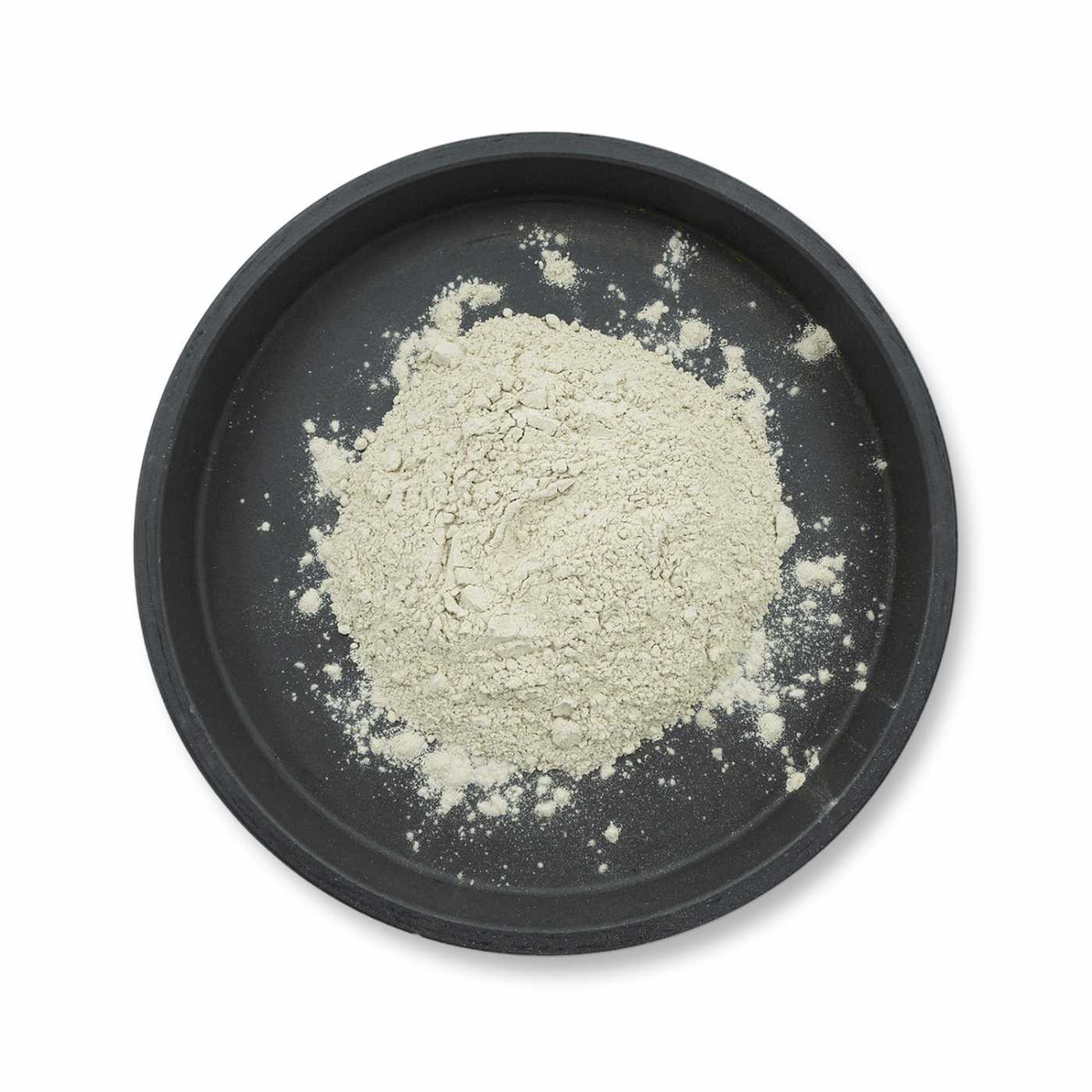
The first blend is a detoxifying mask, for which — besides activated charcoal — you should prepare bentonite clay, rose floral water and a little honey.
- Mix the ingredients
In equal proportions (for example ½ tablespoon each) mix powder from activated charcoal, bentonite clay and rose floral water, and add a little honey.
- Apply to the face 10 minutes
Apply the blend to the face and leave on for 10 minutes.
- Wash off
Once the time is up, wash the mask off.
Exfoliating blend
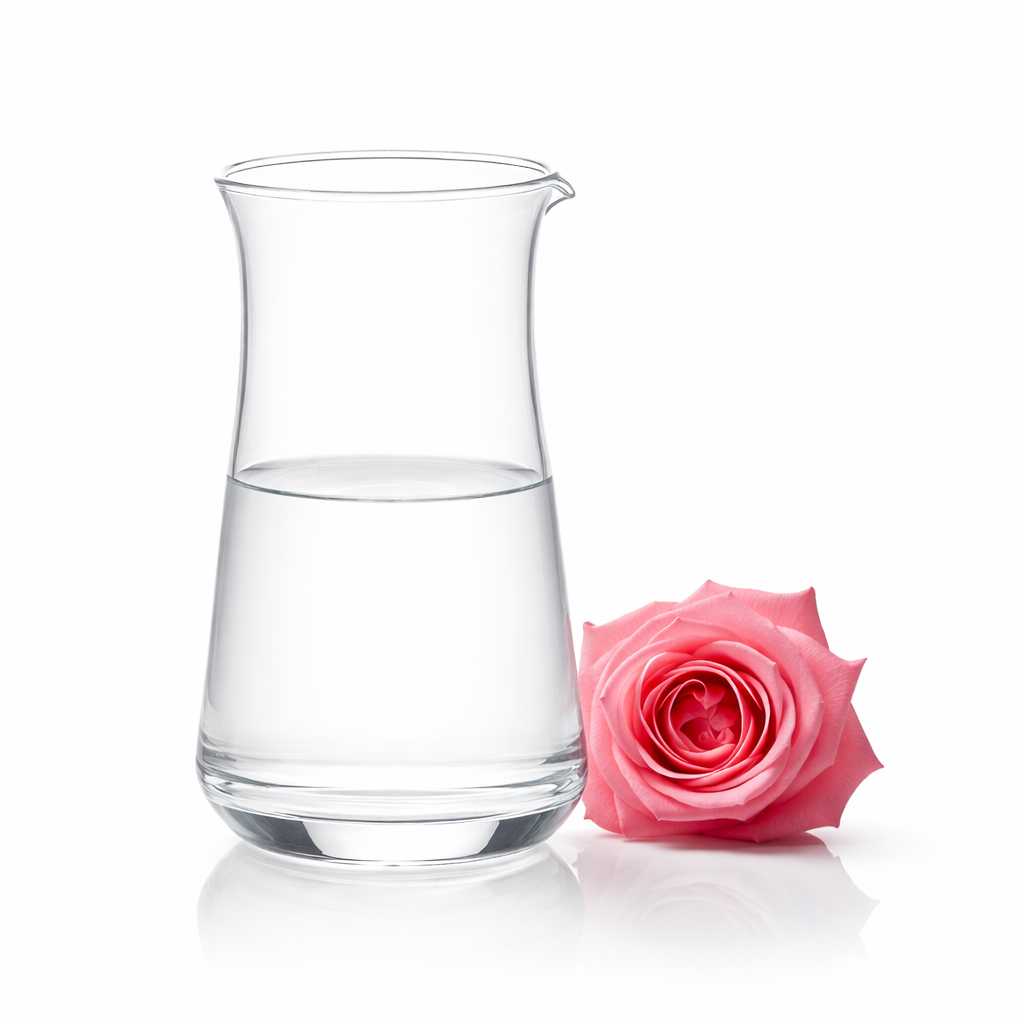
The second option is an exfoliating blend, which combines cleansing with a gentle peel — besides activated charcoal and rose floral water, all you need is sugar and honey.
- Mix the base
Mix ½ tablespoon of powder from activated charcoal and rose floral water.
- Add sugar and honey
Stir 2 teaspoons of sugar and 2 teaspoons of honey into the blend.
- Massage the skin
Apply to the face and with gentle circular movements on the face remove impurities.
- Rinse and hydrate
Rinse, pat dry and hydrate.
Frequently asked questions about activated charcoal
Practical questions about this ingredient — its origin and safety, how it cleanses, whether it suits sensitive skin, and staining.
What is activated charcoal and is it safe?
It is charcoal that has undergone a heating process and thanks to this treatment is safe for medical use. Our activated charcoal is of pharmaceutical grade.
How does activated charcoal cleanse the skin?
Its surface is filled with millions of tiny pores with a negative electric charge, which attracts and binds positively charged toxins. The internal detoxification process of the human digestive tract works on the same principle.
Is activated charcoal suitable for sensitive skin too?
Yes. Thanks to its fine texture it is suitable for sensitive skin types too, while providing an excellent combination of exfoliation and cleansing in one.
Does activated charcoal stain the skin or clothing?
You can wash the charcoal off the body with ordinary water, but it can stain your clothing or wooden surfaces, from which it will no longer come off so easily. So be careful when handling it.
How do you use activated charcoal at home?
The simplest form for application is a powder which you mix into masks. In the article you will find two blends — a detoxifying mask with bentonite, rose floral water and honey, and an exfoliating blend with rose floral water, sugar and honey.
Pharmaceutical-grade activated charcoal, cosmetic clays and the hydrosols and floral waters from this article can all be found in the Handymade ingredient range.