You shower, cleanse your face and moisturise. And yet your skin looks tired, feels rough to the touch and your cream seems to sit on top of it instead of sinking in. So where is the problem?
Often it is not in what you give your skin, but in what is not leaving it. Dead skin cells build up on the surface. The body sheds them naturally, but it cannot always keep up. The layer of dead cells can then make the skin duller and rougher and can also affect how cosmetics spread and absorb.
This is exactly where exfoliation comes in. In this article we look at both of its routes, mechanical and chemical, explain how each of them works and, above all, what to watch out for so that you help your skin rather than harm it.
Why your skin cannot always keep up with renewing itself
Skin renews itself constantly. New cells form in the deeper layers of the skin, gradually travel towards the surface, and the outermost ones eventually loosen and flake off naturally. This process is called natural desquamation [4], and under normal circumstances healthy skin does not need any help with it.
With age, in dry skin or under the influence of the external environment, however, natural shedding may not run so smoothly. Dead cells can then stay on the surface for longer, and you know the result: the skin looks rougher and duller and its texture is less even.
What exfoliation is and its two forms
Exfoliation is the targeted removal of dead cells from the surface of the skin. In essence, it supports a process that already takes place in the skin naturally.
Cosmetics use two fundamentally different routes:
- Mechanical exfoliation works physically. During massage, tiny particles in the scrub loosen dead cells from the surface through friction.
- Chemical exfoliation works without friction. Active ingredients, most often acids, break down the bonds between dead cells, which then come away on their own.
Neither one is “the better one”. Each has its own logic, its own strengths and its own risks. Let us take a closer look at them.
Mechanical scrubs: instant results you can feel under your fingertips
The mechanical scrub is the oldest and most intuitive form of exfoliation. Abrasive particles are added to a base, which can be an oil, a gel, a butter or a soap base. As you massage the skin, these particles loosen dead cells from its surface through friction. The result is instant: after rinsing, the skin feels smoother to the touch.
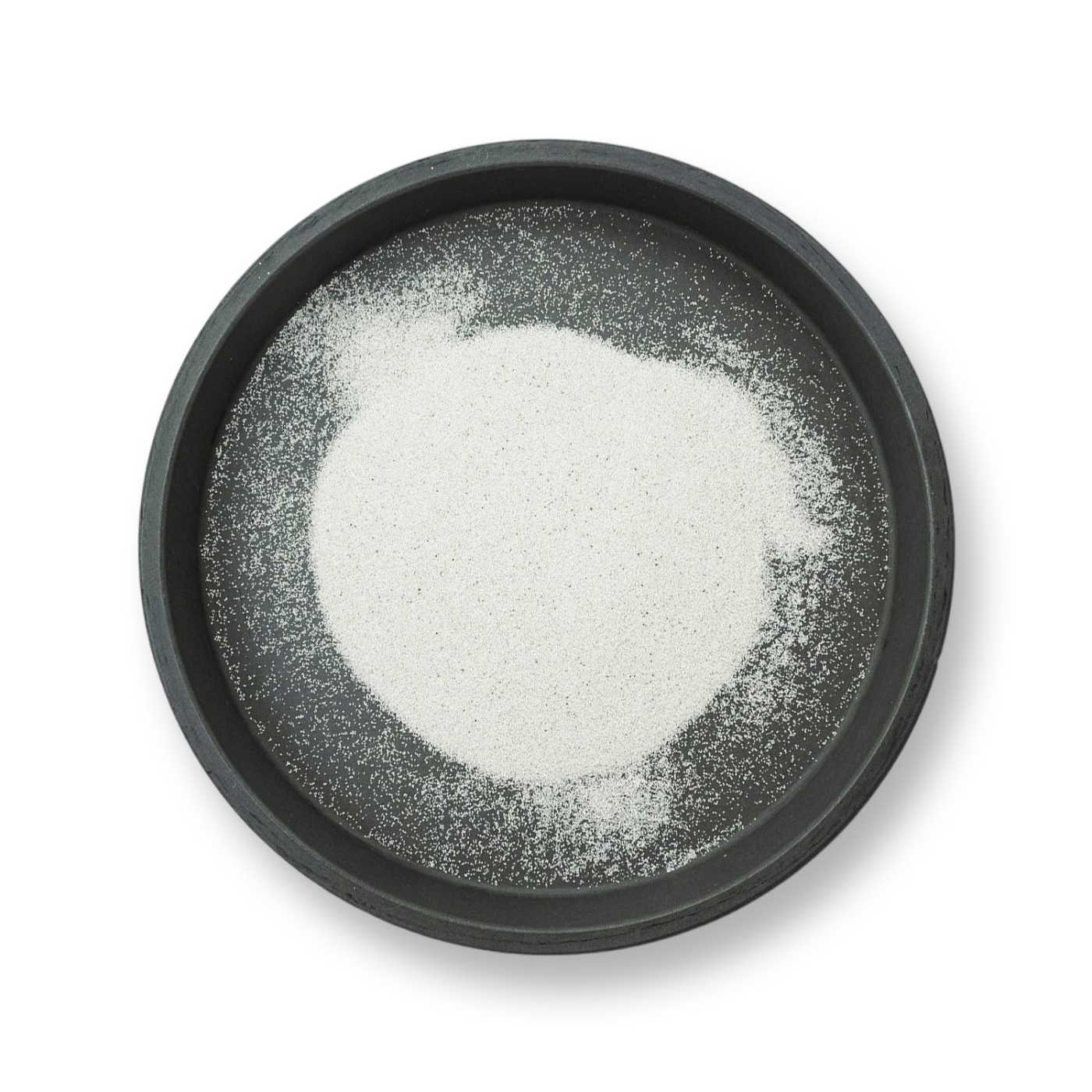
Home and artisan cosmetics use a range of natural abrasives, from very fine powders to coarser grains intended for the body. For the face, organic ground rosehip powder is a good choice – a gentle exfoliant made from crushed rosehip seeds that even more sensitive skin can tolerate. Ground pumice powder works well in exfoliating soaps and body products, for example, with the intensity of the scrub determined mainly by the particle size. Salt scrubs have also proven their worth on the body, whether made with coarse sea salt, Dead Sea salt or finely ground Himalayan salt, where you choose the grain size according to how much intensity your skin can take. A simple rule applies: the finer and more sensitive the area, the finer and smaller the particles.
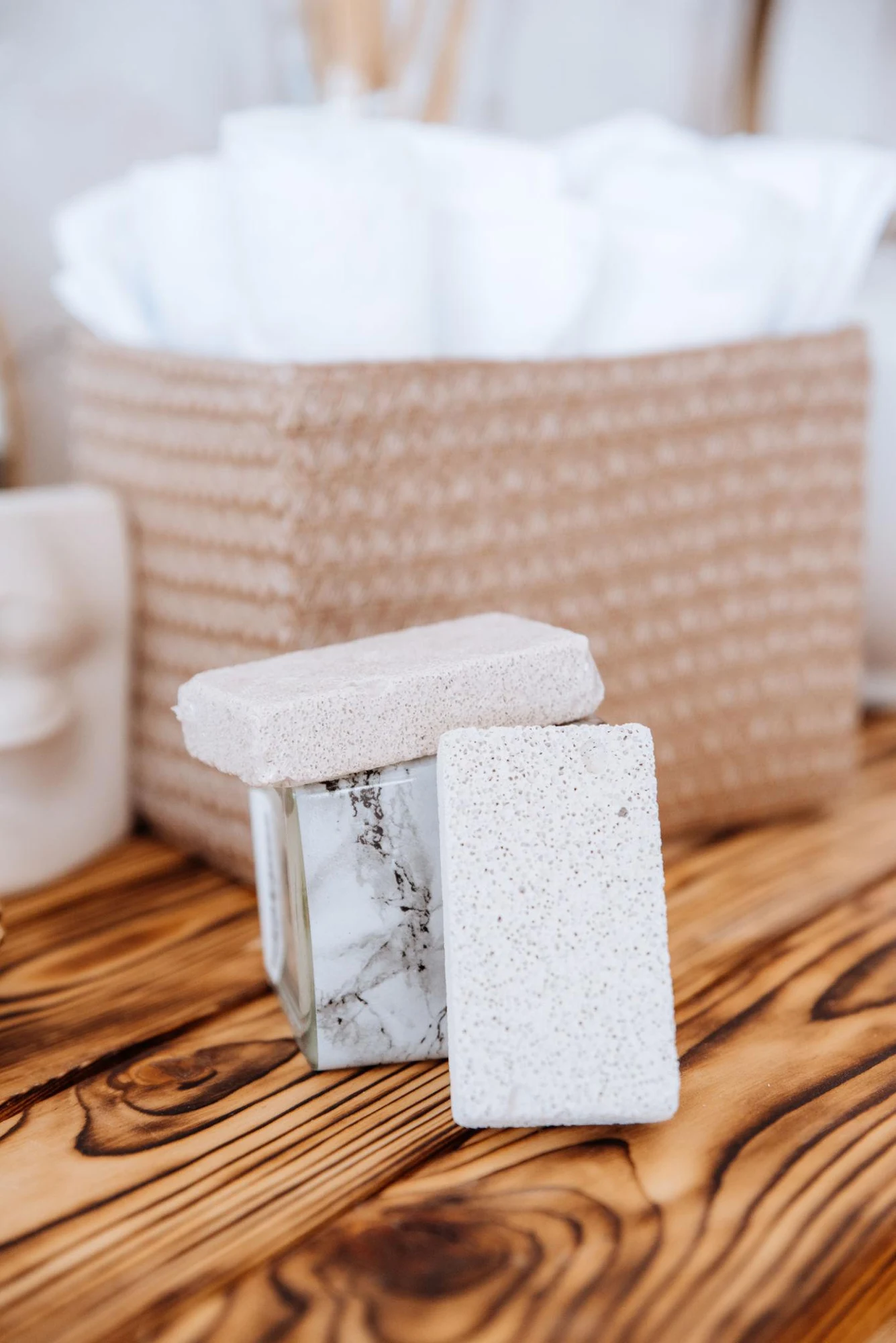
So what should you watch out for? The biggest risks of a mechanical scrub are sharp, irregular particles and too much pressure during massage. Particles that are too coarse or sharp, combined with firm pressure, can irritate the skin and needlessly disrupt its protective barrier. That is why ground, rounded or fine-grained materials are chosen for scrubs intended for more sensitive areas, and the skin is massaged with light circular movements without pressing. A scrub is not sandpaper – the particles should do the work, not the force of your hand.
Chemical peels: acids that do the work for you
Chemical exfoliation does without friction and, with the right concentration and pH, it can be very gentle. That does not mean, however, that it is automatically gentler than a mechanical scrub – with acids, what matters is not only which one you use, but also how much of it is in the product and at what pH it works. The active ingredients help to loosen the “glue” that holds dead cells together, and these then detach from the surface more easily.

The best-known group is AHAs (alpha hydroxy acids), which are water-soluble and act on the surface of the skin. Glycolic acid is one of the smallest AHAs and also one of the more intense ones, so you need to keep an even closer eye on its concentration and on the final pH of the product. A gentler alternative is lactic acid, whose salt, lactate, is a natural component of the skin’s natural moisturising factor. Lactic acid is therefore often used where we want to combine exfoliation with a gentler approach to dry or more sensitive skin.
A ready-made complex of several AHAs can make formulating considerably easier: instead of individual acids, you add a single ingredient to the formulation at the usage rate recommended by the manufacturer. Even here, however, you need to check and correctly adjust the pH of the finished product at the end.
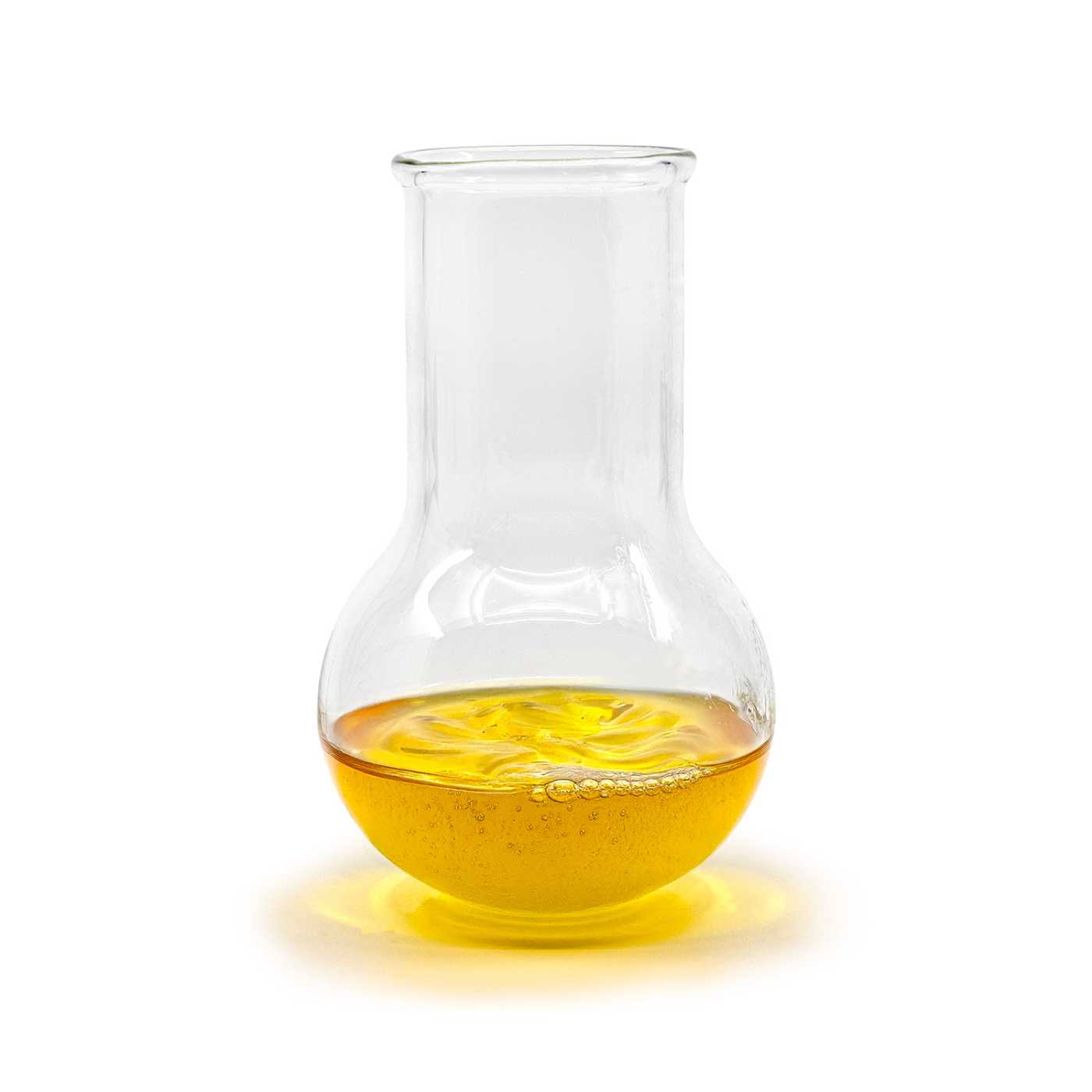
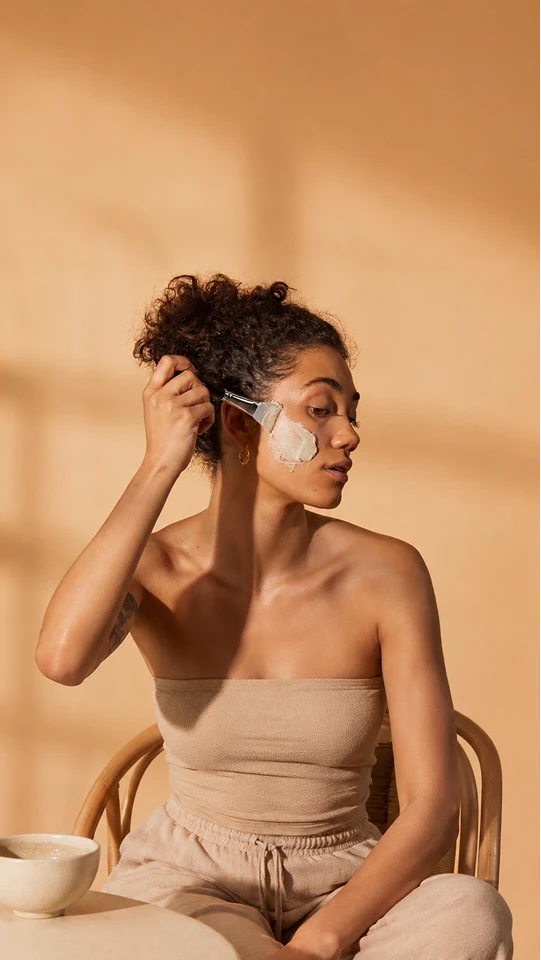
The second group is BHAs (beta hydroxy acids), whose typical representative is salicylic acid. Unlike AHAs, salicylic acid is oil-soluble, which is why it works well for oilier skin and skin prone to clogged pores.
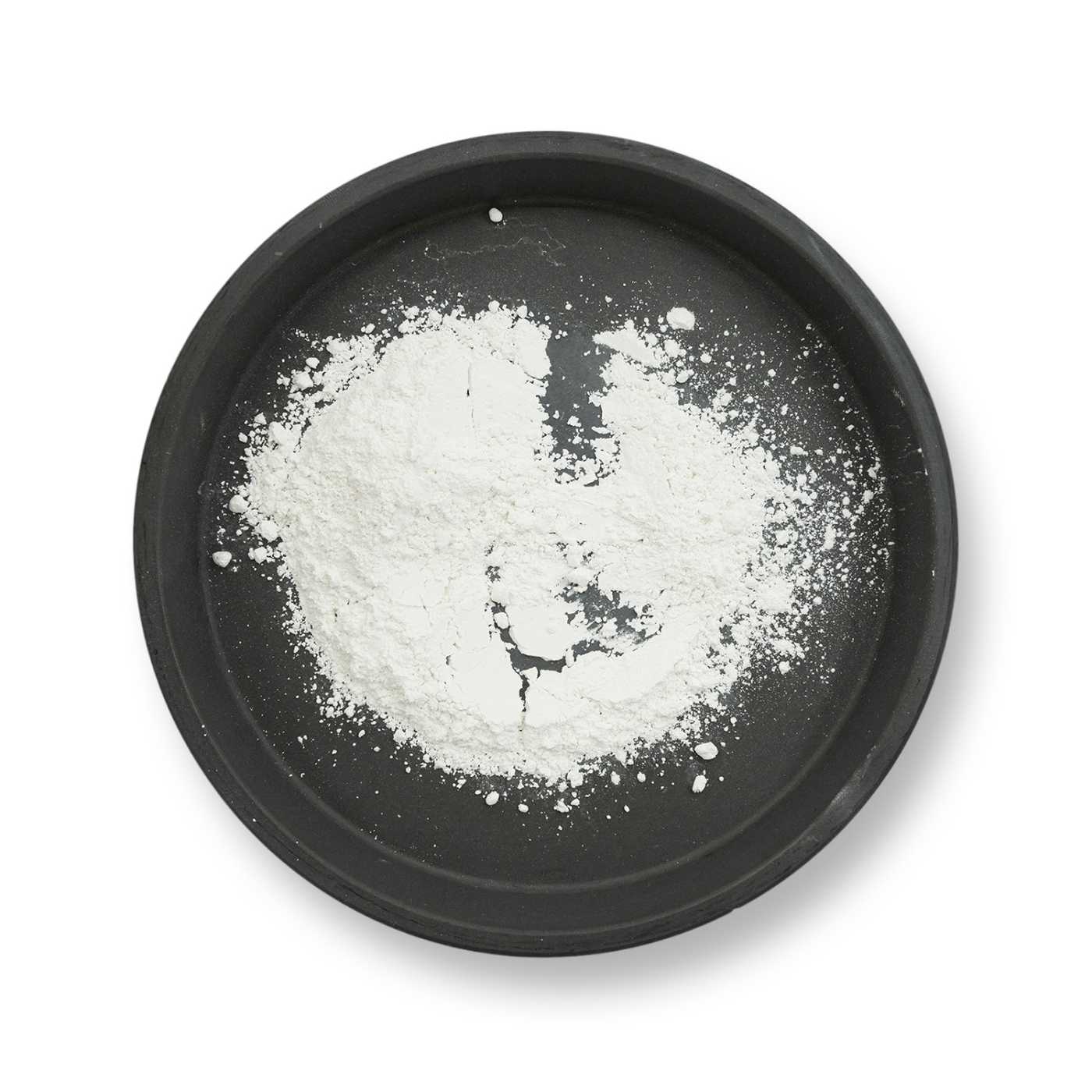
Alongside AHAs and BHAs, there is also enzymatic exfoliation, in which proteolytic enzymes help to loosen dead cells, for example papain from papaya or bromelain from pineapple. These break down the protein structures involved in holding cells together in the outermost layer of the skin, and so support their shedding. [3]
Another group is PHAs – polyhydroxy acids. Chemically, they are related to AHAs and, like them, support the natural shedding of dead cells from the skin’s surface [1]. They have larger molecules, however, so they penetrate the skin more slowly and generally act more mildly. The PHA most widely used in cosmetics is gluconolactone, whose hydroxyl groups bind water, so alongside exfoliation it also contributes to skin hydration. In a water-based environment, it gradually converts into gluconic acid, so the pH of the formulation may also change after it is added.
How to choose: your skin decides, not the trend
If you are torn between the mechanical and chemical route, start from your own skin, not from whatever is currently in fashion.
- Resilient, normal body skin
a mechanical scrub with salt or a suitable abrasive is quick and simple.
- More sensitive facial skin
less often and more gently; carefully formulated PHAs, lactic acid or a very gentle exfoliating product may be a suitable route, depending on what your skin tolerates.
- Oilier facial skin prone to clogged pores
BHAs, especially salicylic acid.
- Dull skin and uneven texture
AHAs help to exfoliate its surface evenly.

Mechanical and chemical exfoliation can also be combined, but in moderation. If you are new to exfoliation, avoid alternating them too often or layering several intense exfoliants at once. Redness, burning, tightness or flaking are signs that your skin needs a break.
Formulator’s corner: the foundations of a safe exfoliant
If you make your own scrubs and peels, it pays to understand a few principles that determine the result.
With a mechanical scrub, the key factor is particle size and shape. Fine abrasives belong on more sensitive areas, while coarser grains are better suited to the body, feet or elbows. How you incorporate them then depends on the specific abrasive and on the base you are adding it to.
Salt and sugar scrubs with a purely oil base contain no water, which simplifies their preservation. Pay attention to how they are used, though: if you regularly dip into the jar with wet fingers or water from the shower gets into it, the conditions change. Even with an anhydrous product, you therefore need to consider how it will actually be used.
With a chemical peel, it is not only the amount of acid that matters, but also the pH of the finished formulation. The more acidic the environment, the greater the proportion of the acid that remains in the form able to exfoliate – but the risk of irritation also rises. That is why the figure “5% AHA” on its own does not tell you how intense the product will be. [2] Two formulations with the same amount of acid but a different pH can behave very differently on the skin.
When setting the concentration and pH, you also need to take into account how long the product stays on the skin and whether it is rinsed off. Always follow the recommended usage rate and pH for the specific ingredient, not a general recipe for all acids.
With salicylic acid, you also need to bear in mind that its use and maximum concentrations in cosmetics are regulated by European legislation according to product type.
And one rule above all others: always test every new exfoliant on a small area of skin first, especially an acid-based one. When using AHAs regularly, do not forget sun protection either. AHAs can increase the skin’s sensitivity to UV radiation while they are being used. [5]
What to give your skin after exfoliation
The ritual does not end with exfoliation. Once some of the surface cells have been removed, the skin does not need another dose of intense active ingredients, but rather hydration and gentle care that supports its natural protective barrier.
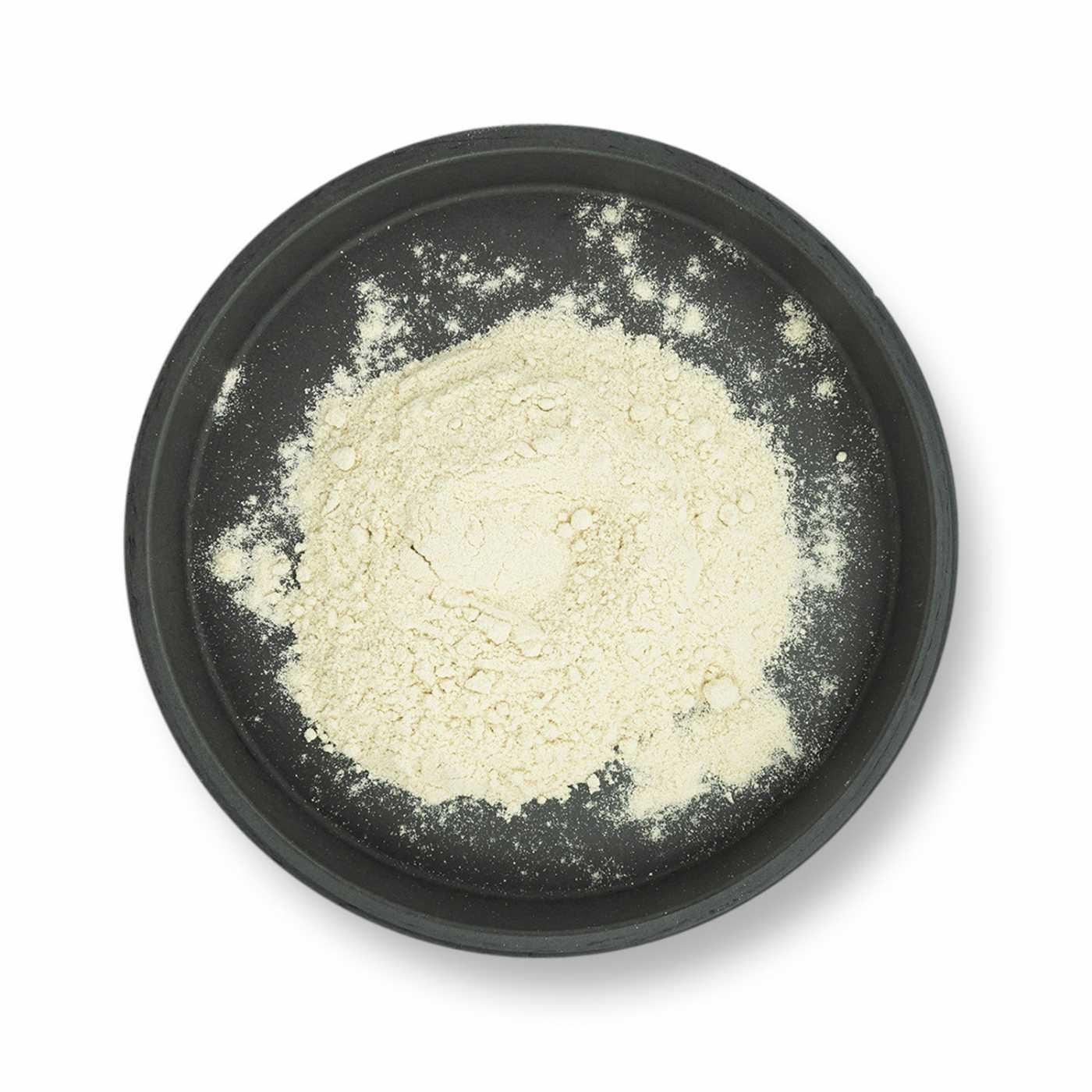
For soothing masks and baths after a scrub or peel, oat silk is a good choice, for example – a colloidal oat flour known for its softening effect on the skin. This can be followed by a hydrating serum, a cream or a light vegetable oil, depending on what suits your skin.
When to skip exfoliation
Exfoliation only makes sense when your skin tolerates it well. If it is red, irritated, sunburnt, injured or peeling noticeably, do not add a scrub or peel. Give it time to recover first.
Caution is also advisable if you are already using other intense active ingredients or undergoing dermatological treatment. More exfoliation does not mean faster results – you can very easily reach the point where, instead of smoother skin, you end up with burning, redness and a disrupted skin barrier.
Recipes to try it out
The best way to test the theory is in the workshop. For the body, try scrub cubes or a foaming shower scrub, where washing is combined with gentle mechanical exfoliation. If you want to start simply, you can make a sugar scrub with activated charcoal in a few minutes, and a gel body scrub nicely shows how particles behave in a gel base.
Frequently asked questions
What is the difference between mechanical and chemical exfoliation?
Mechanical exfoliation removes dead cells through the friction of abrasive particles, while chemical exfoliation loosens them with active ingredients that break down the bonds between cells. Mechanical exfoliation works instantly and only on the surface; chemical exfoliation works gradually and more evenly. The choice depends on your skin type, its sensitivity and whether you are treating the body or the face.
Is a chemical peel harsher than a mechanical scrub?
Not necessarily. Chemical exfoliation does not stress the skin with friction, but that alone does not make it the gentler choice. How harsh a chemical peel is depends on the type of acid, its concentration and the pH of the formulation, so always follow the recommendations for the specific ingredient and start cautiously.
How often should I exfoliate my skin?
For most skin, one exfoliation a week is enough to start with. Watch how your skin reacts; the more resilient skin on the body can take more, sensitive facial skin less. If redness, tightness or burning appears, reduce the frequency and give your skin time to recover. Daily exfoliation is not the goal – a healthy stratum corneum is also a protective barrier.
Can I combine a mechanical scrub and a chemical peel?
Yes, but in moderation. Both methods act on the same surface layer, so if you layer or alternate them too often, you can easily over-exfoliate your skin. It is sensible to leave a gap between treatments and watch how your skin reacts. Redness, burning, tightness or flaking are signs that it needs a break.
Why should I protect my skin from the sun after using acids?
When using AHAs regularly, sun protection is an essential part of your routine: AHAs can increase the skin’s sensitivity to UV radiation while they are being used. It is therefore better to include chemical exfoliation in your evening routine.
Is exfoliation suitable for sensitive skin?
Yes, it just needs gentler tools. Sensitive skin does well with lactic acid at lower concentrations or with PHAs and, among mechanical options, only very fine particles applied without pressure. The key is low frequency, a patch test on a small area and thorough soothing and hydration after every treatment.
A small step your skin will appreciate
Exfoliation is neither a compulsory step in every routine nor a competition for the smoothest possible skin. It is a way to support the skin’s natural shedding when it needs it. Whether you reach for a mechanical scrub, AHAs, BHAs or gentler PHAs, the same rule applies: start gently and watch how your skin reacts.
The aim is not to remove as much as possible from the surface. The stratum corneum is part of the skin’s natural protective barrier, and healthy skin needs it. You can therefore recognise a good exfoliant not only by the smoother feel after use, but also by the fact that your skin stays calm, without burning, redness or unpleasant tightness.
Sources:
- Green, B. A., Yu, R. J., Van Scott, E. J.: Clinical and cosmeceutical uses of hydroxyacids. Clinics in Dermatology, 2009, 27(5), pp. 495–501.
- Cosmetic Ingredient Review: Final Report on the Safety Assessment of Glycolic Acid and Lactic Acid, their Salts and Esters. International Journal of Toxicology, 1998, 17(Suppl. 1).
- Trevisol, T. C., Henriques, R. O., Souza, A. J. A., Furigo Jr., A.: An overview of the use of proteolytic enzymes as exfoliating agents. Journal of Cosmetic Dermatology, 2022, 21(8), pp. 3300–3307.
- Rawlings, A. V., Harding, C. R.: Moisturization and skin barrier function. Dermatologic Therapy, 2004, 17(Suppl. 1), pp. 43–48.
- U.S. Food and Drug Administration: Alpha Hydroxy Acids – information on increased skin sensitivity to UV radiation during AHA use.
You will find mechanical and chemical exfoliants for mixing a scrub or peel tailored exactly to your skin all in one place in our e-shop.