



When it comes to skincare, most men picture shower gel, aftershave and a splash of water on the face. It works for years. Until the skin starts to complain. Shine by midday, burning after shaving, small breakouts that refuse to go away.
If we had to choose one of the most versatile active ingredients for men’s skin, it would be niacinamide, also known as vitamin B3. It is not a passing fad. It is among the best-studied cosmetic active ingredients, and its greatest strength is that it does not address just one problem — it helps the skin function better as a whole.
In this article, we explain why it suits men’s skin so well and show you how to work it into your own cream or serum.

How men’s skin is different
Men’s skin is roughly 20 to 25% thicker than women’s and has a denser collagen network. The difference comes down to higher levels of androgens. The same hormones also set sebum production running at full tilt. In practice, that means an oilier T-zone, enlarged pores, shinier skin and a greater tendency to break out.
A razor does not just remove hair. It also mechanically stresses the surface of the skin, can disrupt its protective barrier and increase the tendency to burning, redness or dryness.
Traditional aftershaves often contain a higher proportion of alcohol. It delivers a quick refreshing sensation, but on dry or sensitive skin it can increase tightness and irritation. That is why it makes sense to add ingredients that support the skin barrier to your routine. And that is exactly where niacinamide comes in.
Of course, men’s skin is not all the same either. It can be oily, dry, sensitive or combination. The differences above describe general tendencies, not a rule that applies to everyone.
What niacinamide is and what it is not
Niacinamide is a water-soluble form of vitamin B3. In cosmetic grade it is a highly pure, stable substance that the skin tolerates very well. On the label you will find it under the INCI name Niacinamide.
One detail to watch: niacinamide is not the same thing as nicotinic acid (niacin). Nicotinic acid causes the so-called flush effect, a transient reddening of the skin. Niacinamide does not cause it, which is why even sensitive and reactive skin tolerates it.
It regulates oiliness without drying the skin out
Many men reach for aggressive cleansers when their skin is oily. These degrease the skin in the short term but dry it out at the same time, and the skin makes up for the loss with even higher sebum production. The result is a vicious circle.
Niacinamide works differently. It helps regulate sebum production naturally, without disrupting the barrier. In a clinical study, 2% niacinamide reduced sebum production and shrank pores after two to four weeks. Skin was less shiny and pores stayed cleaner.
How it helps with breakouts and acne
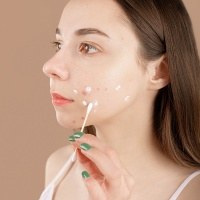
On acne-prone skin, niacinamide works from two sides at once. It has documented anti-inflammatory effects that ease the redness around blemishes, and at the same time it regulates sebum production. Less sebum means fewer clogged pores, and therefore less room for new breakouts to form.
That is exactly why niacinamide is often combined with zinc and salicylic acid. We put this exact trio into the recipe for our roll-on for breakouts — it can be applied directly to individual spots.
It soothes the skin after shaving
If your face burns after shaving or small red bumps keep appearing, niacinamide is among the most suitable active ingredients for skin stressed by shaving.
It supports the production of epidermal lipids including ceramides, which are an important part of the skin’s protective barrier. As a result, the skin regenerates faster, holds on to moisture better and is more resistant to irritation.
Less visible pores and a more even tone
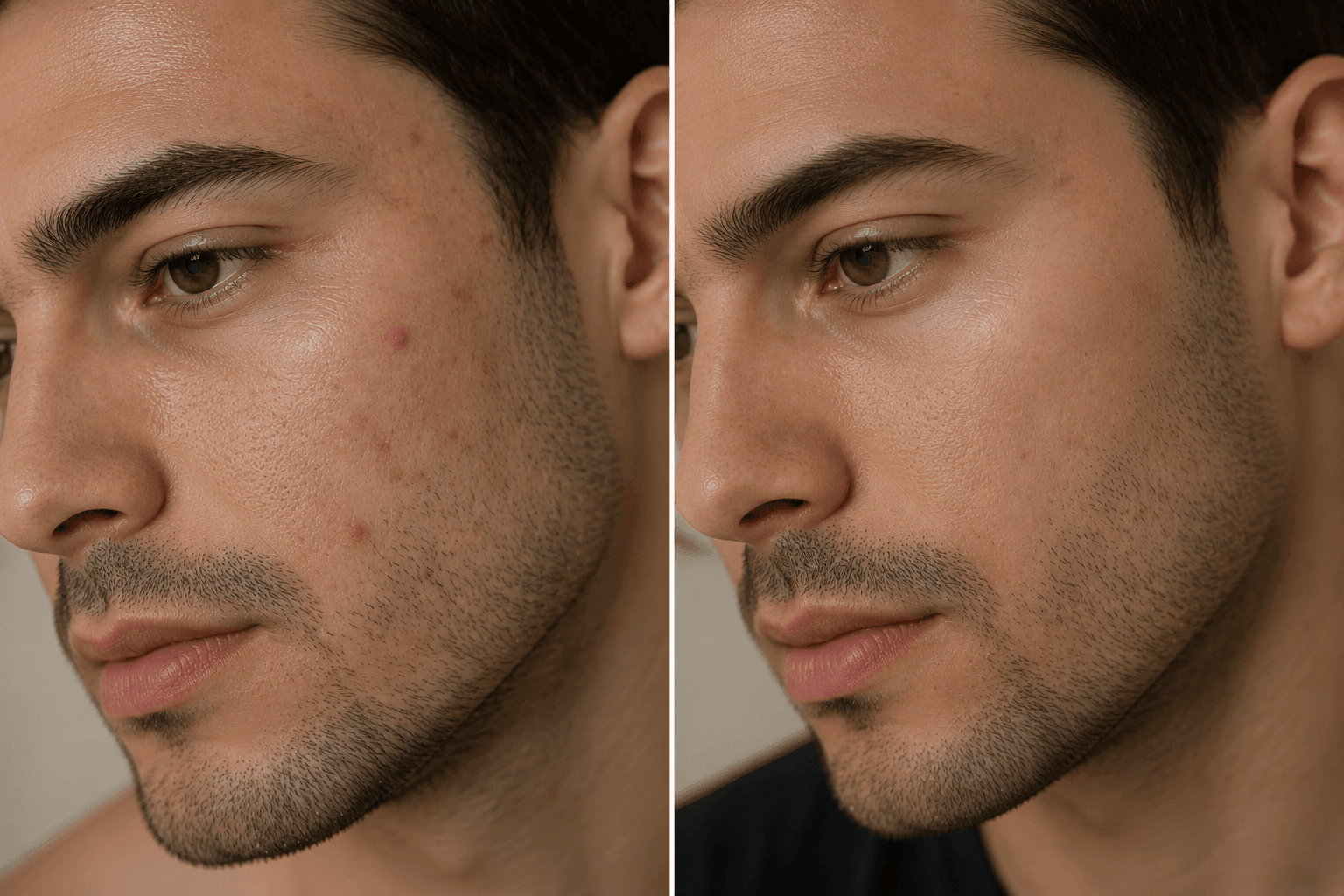
Enlarged pores are a natural part of oilier skin and cannot be removed completely. What you can influence is how prominent they look. When sebum production drops and pores stay cleaner, they appear visibly refined and the skin looks smoother. It is not an overnight effect, but with regular use most people notice a change after a few weeks.
Much the same applies to darker marks left after inflammation. Niacinamide acts on pigment transfer between cells, so the skin tone gradually evens out — without aggressive bleaching products.
How to incorporate it into your own cosmetics
If you blend your own cosmetics, niacinamide is a pleasure to work with. It is water-soluble, belongs in the water phase and is only added while the emulsion is cooling, at a temperature below 40 °C. It is compatible with most common raw materials.
| Type of product | Recommended concentration | Note |
|---|---|---|
| Light facial serum | 2 – 5% | Suitable for most skin types |
| Aftershave balm | 2 – 4% | Combination with panthenol |
| Toner | 2 – 4% | Check the pH and preservation |
| Facial cream | 2 – 5% | Incorporate into the water phase |
If your skin is sensitive, start at the lower end. More does not automatically mean better here — at higher concentrations, very sensitive skin can occasionally react with mild irritation.
One myth to finish: for years it was said that niacinamide cannot be combined with vitamin C. This concern stemmed from older laboratory conditions with high temperatures and unsuitable pH, which do not reflect everyday cosmetics. In properly formulated products, the two can be combined. With pure L-ascorbic acid, you just need to account for its markedly acidic pH and the stability of the formulation.
What to combine it with from our range
If you want to take a formulation for men’s skin further, niacinamide has several proven partners in our range.
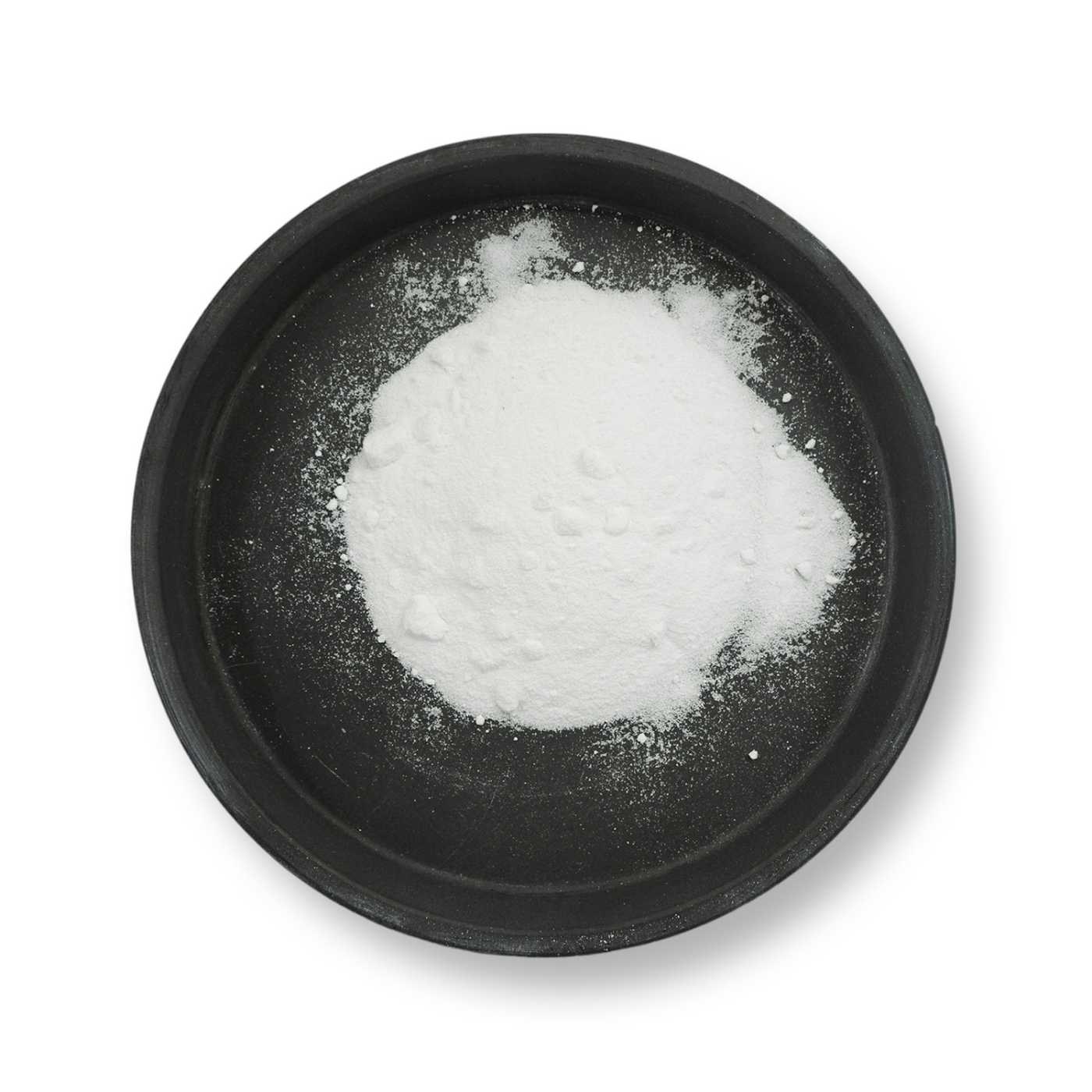
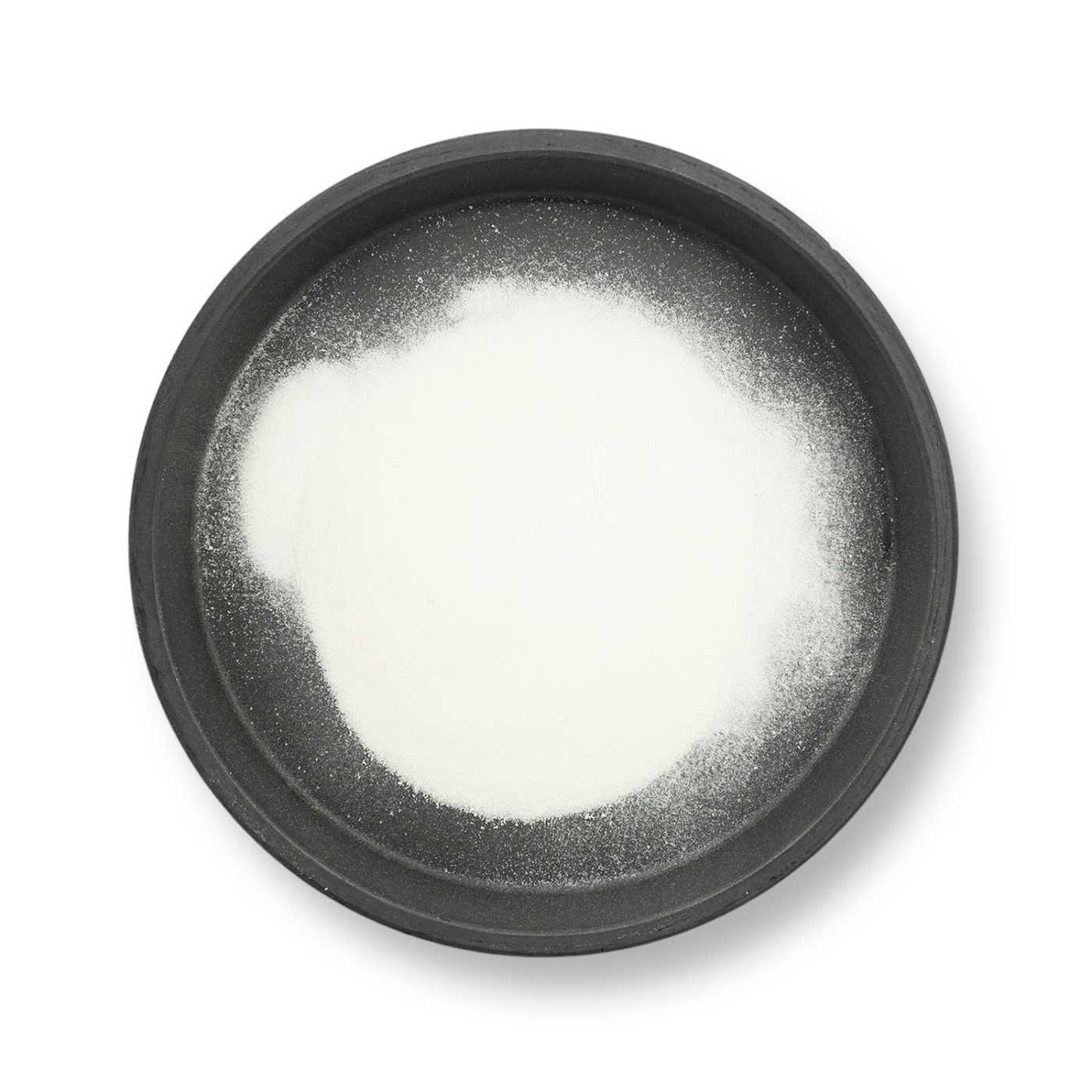 Vitamin B3 (niacinamide) — product of the monthPure powdered raw material in cosmetic grade, from 10 g packs up to a kilo. This month it is our product of the month.View in the e-shop →
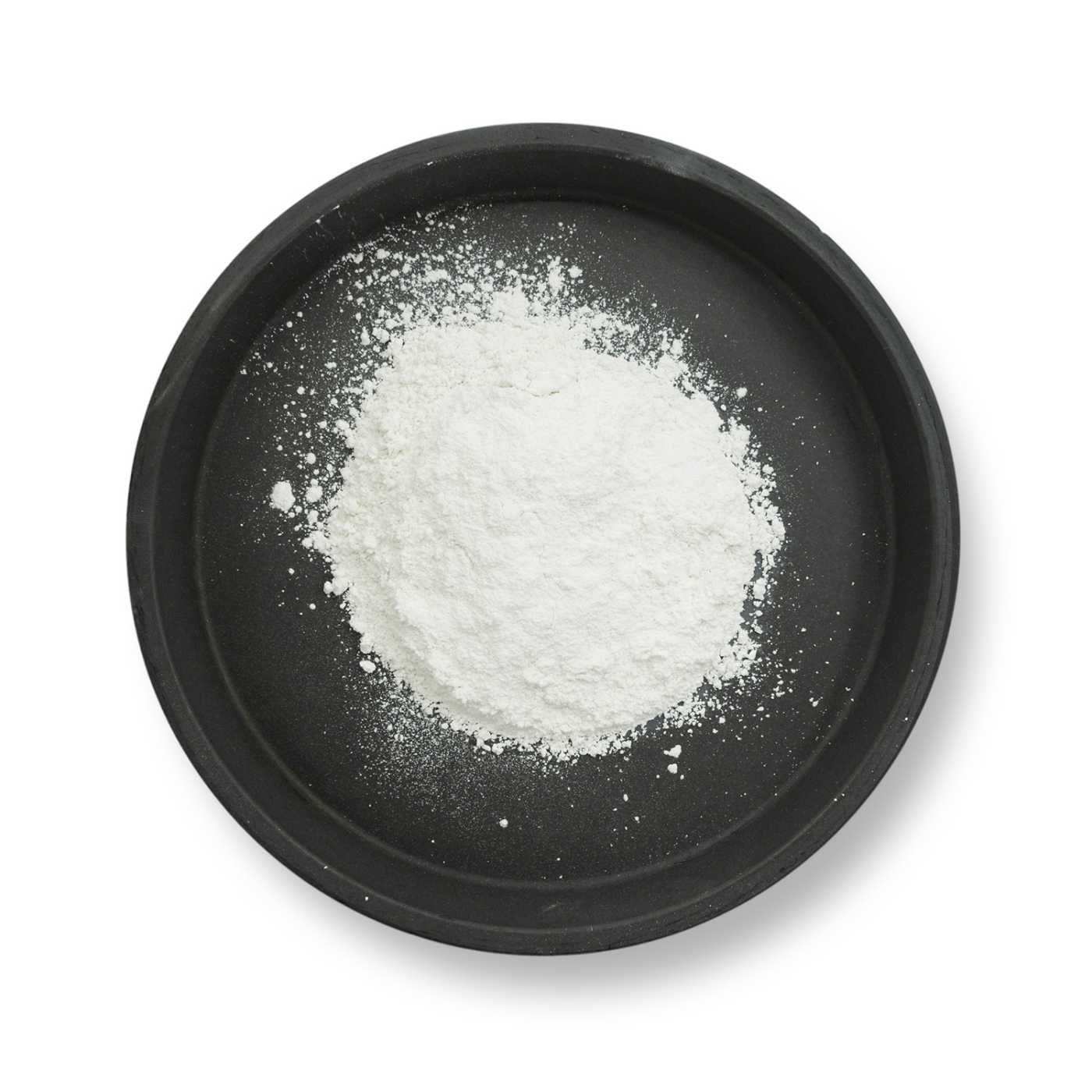 Zinc PCAFor oily skin. It works on sebum and is commonly found alongside niacinamide in formulations.View in the e-shop →
 Hyaluronic acid LMWFor hydration without an oily film. It leaves no sticky feel.View in the e-shop →
 D-Panthenol 75%For an aftershave balm. Niacinamide and panthenol make a soothing base.View in the e-shop →
And if you would like to try niacinamide in a formulation straight away, here are two of our recipes:
Frequently asked questions
Is niacinamide suitable for men’s skin?
Yes, it suits men’s skin very well. It regulates excessive sebum production, strengthens the barrier stressed by shaving and soothes redness. It addresses exactly the problems men’s skin faces most often, and it does not require a complicated routine.
What percentage of niacinamide should you use in a cream or serum?
The recommended dosage is 2 to 5% depending on the type of product. For an aftershave balm or toner, 2 to 4% is enough. More sensitive skin should start at the lower end. A higher concentration does not automatically bring a better result.
Can niacinamide be combined with vitamin C and with acids?
Yes. The concern about combining it with vitamin C stems from older laboratory conditions with high temperatures and unsuitable pH, and does not arise in everyday cosmetics. With AHA and BHA acids, keep an eye on the final pH of the formulation.
Does niacinamide help after shaving?
Yes, it is one of the best active ingredients for post-shave products. It supports the renewal of the skin barrier through ceramide production, reduces water loss from the skin and, thanks to its anti-inflammatory action, calms redness and burning. Combined with panthenol, it forms the soothing base of an aftershave balm.
Does niacinamide cause redness like niacin?
No. The flush effect is caused by nicotinic acid (niacin). Niacinamide is its amide form, which does not have this effect — which is exactly why it is the one used in cosmetics. Even sensitive and reactive skin tolerates it.
References
- Draelos ZD et al. The effect of 2% niacinamide on facial sebum production. Journal of Cosmetic and Laser Therapy. 2006;8(2):96–101.
- Markova MS et al. A role for the androgen receptor in collagen content of the skin. Journal of Investigative Dermatology. 2004;123(6):1052–1056.
- Boo YC. Mechanistic Basis and Clinical Evidence for the Applications of Nicotinamide (Niacinamide) to Control Skin Aging and Pigmentation. Antioxidants. 2021;10(8):1315.


