White vinegar is a traditional household helper that has many uses, some of which you yourself may not even have been aware of. This characteristically smelling, clear liquid obtained by fermenting alcohol with acetic acid bacteria deserves its place in the household as a universal helper and the base of ecological cleaning products. White vinegar with an acetic acid concentration of 10 % is perfectly suitable not only for these purposes.
About this article
White vinegar will be a miraculous helper for your household chores as well — and not only for those. In this article we will go through its uses, from weeds on interlocking paving through the dishwasher, pets, tiles and sanitary ware, the car, laundry and the kitchen, all the way to cleaning screens or carpets — and also when it is better not to use white vinegar. This valuable article about white vinegar was prepared by Ivana Jačalová.
Key benefits
- Universal helper
A traditional household helper with many uses and the base of ecological cleaning products.
- Against limescale
Makes it easier to get rid of limescale deposits in the dishwasher and in the washing machine.
- More ecological washing
An indispensable helper in a household that wants laundry washed in a more ecological, cheaper and safer way.
- Safer than chlorine
When cleaning and whitening tiles it is safer to handle than chlorinated products.
- Natural composition
A big bonus of this universal product with many possible uses is its natural composition.
Properties of white vinegar
White vinegar and its use
You will use white vinegar not only when cleaning the household. This universal helper will also assist you with care for your garden, furniture or pets and offers many other things. Let’s take a look together at several uses of white vinegar 10 %.
White vinegar and weeds
If weeds are growing through your interlocking paving or walkway, you can use white vinegar to control them. In such cases, try spraying the weeds with undiluted vinegar. If you want to get rid of weeds around flowers or other plants that you do not want to damage, try brushing the leaves of the unwanted weeds directly with vinegar. For the best effect, it is good to apply the vinegar during dry, sunny days, so that any rain does not wash the white vinegar off the leaves.
White vinegar and the dishwasher
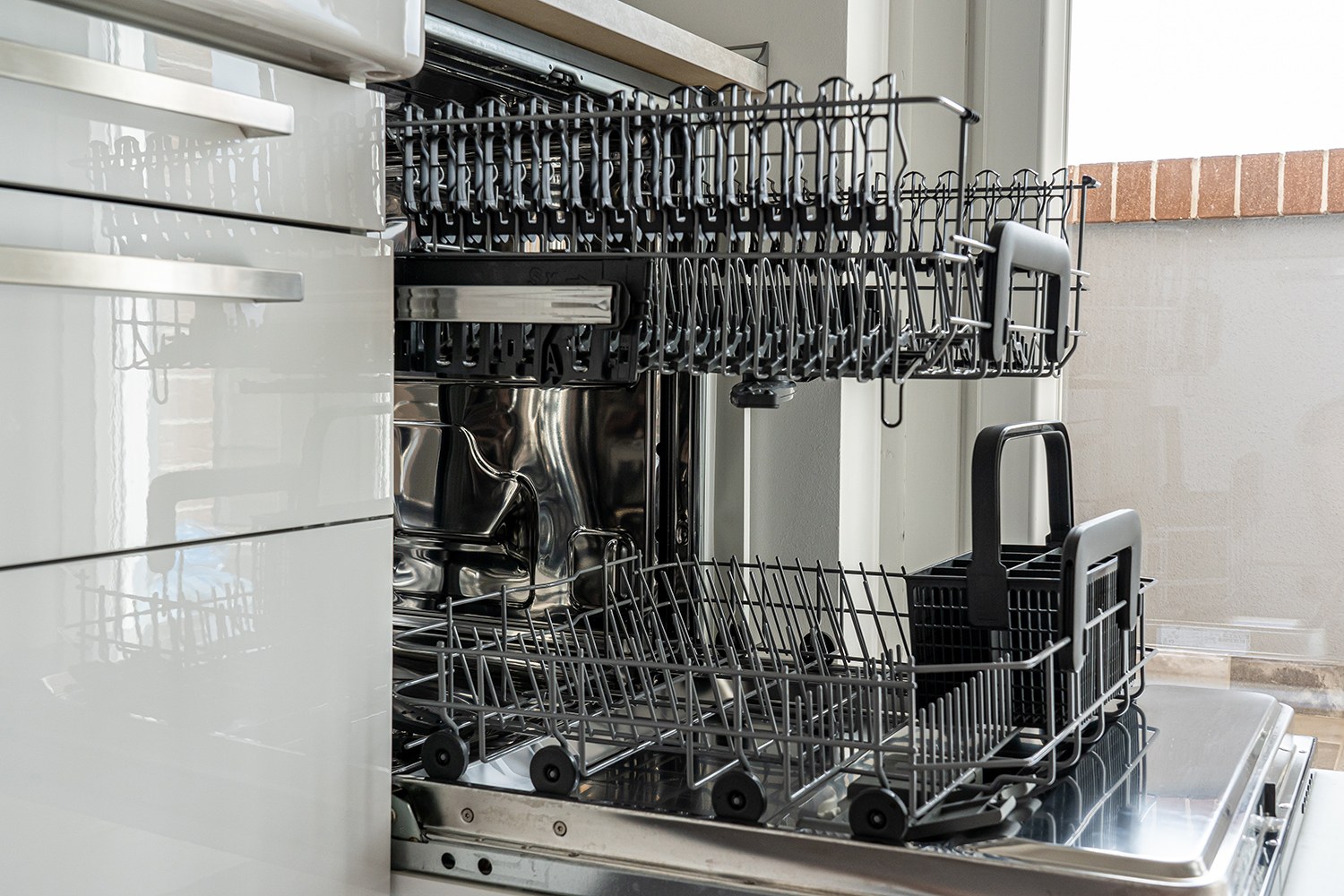
There are two ways to use white vinegar when caring for your dishwasher and dishes. First of all, vinegar is an excellent rinse aid, it helps reduce the number of visible dried water droplets on the surface of the dishes. Simply pour a small amount of white vinegar into the rinse aid compartment in your dishwasher.
The second way to use vinegar is for cleaning the dishwasher itself. White vinegar makes it easier to get rid of limescale deposits. Therefore, at least once a year it is advisable to pour about a cup of vinegar into the empty dishwasher and run a short cycle to remove limescale or detergent residues.
White vinegar and pets
If your dog has a problem with its ears, itching, or milder inflammations, try diluting white vinegar at a ratio of 1:4 (1 part vinegar to 4 parts water) and soak a clean cloth in the mixture. Then use it to gently clean your pet’s ears.
If you want to get rid of unwanted cat visits on your property, try spraying undiluted vinegar on the spots where cats tend to appear.
White vinegar and tiles/sanitary ware
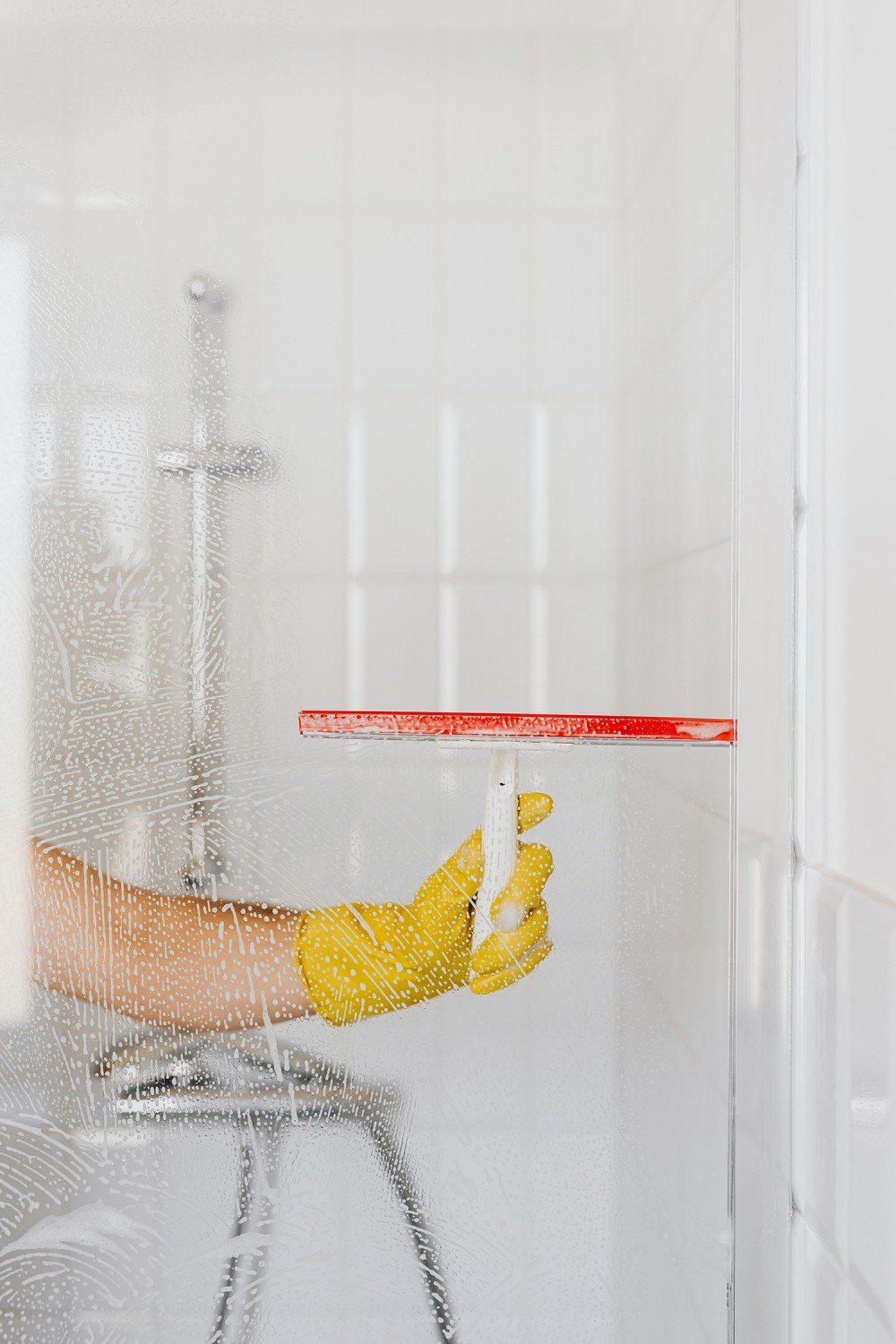
Many people tend to reach for bleach or a similar product when cleaning discoloured and dirty sanitary ware or tiles and grout. However, white vinegar is also a very effective helper for cleaning and whitening tiles and wall coverings, and it is also safer to handle than chlorinated products. Try spraying white vinegar onto the sanitary ware and tiled wall coverings that you need to clean and leave it to act for at least an hour. Then clean with a brush.
White vinegar and the car
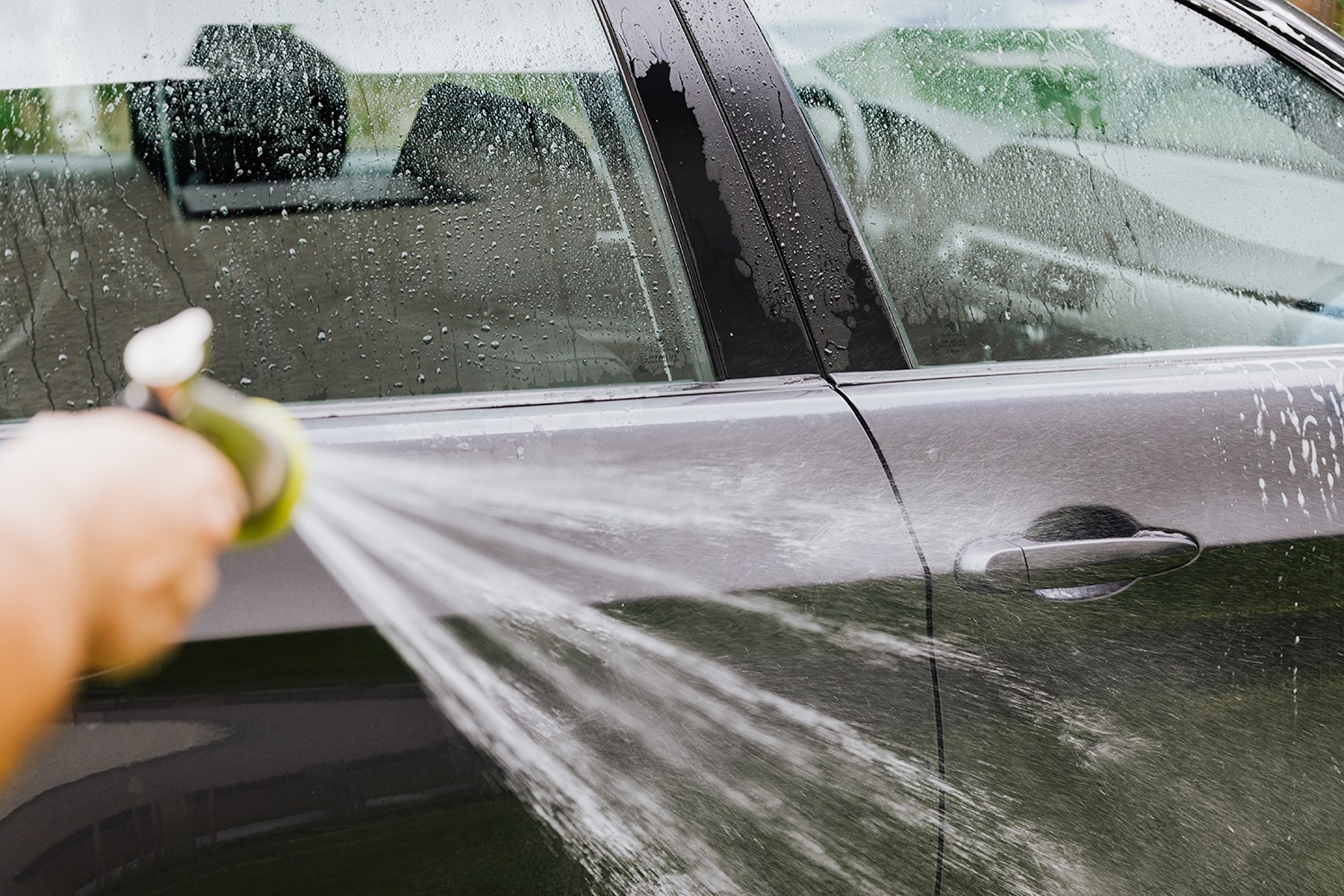
If you want to get rid of unwanted stickers from the glass or bumper of the car, try white vinegar. Apply a small amount of undiluted vinegar to the sticker and leave it to act for a while. If it is still not possible to remove the sticker, repeat the process.
Of course, white vinegar can be used as an effective cleaning product for glass and windows. At the same time, white vinegar will help you mask unpleasant odours in the car.
White vinegar and laundry
White vinegar has many uses in washing, which is why it is an indispensable helper in every household that wants laundry washed in a more ecological, cheaper and safer way. To remove food stains such as mustard, ketchup, tomatoes, or grass or deodorant residues, spray a small amount of diluted vinegar onto the stain, or soak the entire piece of clothing in water with a little vinegar, which helps restore the white colour of the fabric.
Do not use vinegar on delicate fabrics such as wool, silk and similar, because vinegar could damage them.
Similarly to in the dishwasher, white vinegar helps get rid of limescale deposits in the washing machine. If your washing machine smells bad and a lot of limescale is visible on it, pour a cup of vinegar into the detergent drawer and run a short cycle. Vinegar also helps remove accumulated fabric softener from the dispenser.
Try preparing your own fabric softener with only three ingredients! Try the mixture:
White vinegar and the kitchen
If your coffee machine contains limescale residues and no longer works as efficiently as it used to, pour about a cup of diluted vinegar into it and start a cycle. Do not forget to rinse the coffee machine with clean water before making coffee.
White vinegar can also be used for cleaning stainless-steel cookware or cutlery. Undiluted vinegar helps clean cutting boards, especially wooden ones. To clean the microwave, try pouring diluted vinegar into a bowl and heating it in the microwave for a while. Afterwards, you will easily wipe off even previously dried food residues from the inside of the microwave.
If you have a problem with a slow-draining and smelly sink, try pouring ¼ cup of baking soda into the drain and then pour 1 cup of vinegar over it. It is also advisable to cover the drain with a plug. The reaction between these two substances will help remove food residues. If the sink still does not drain properly, you can repeat the process 2–3 times.
White vinegar and its other uses
Did you know that white vinegar can help you clean screens or greasy keys on your computer? Mix equal parts water and vinegar in a container and soak a cloth in the mixture, then wring it thoroughly, almost until dry — do not use white vinegar in a spray so as not to damage the electronics.
Make sure that all devices are switched off and unplugged and carefully clean the surfaces. You can also use cotton buds for the keys. You can remove grease from piano keys in the same way.
If stains and doodles from a ballpoint pen have remained on your table, do not despair. Try diluted vinegar to remove them more easily. White vinegar can also help you get rid of rings from glasses on coffee tables or other furniture.
For cleaning carpets, add one cup of white vinegar to 4 litres of water and then brush the carpet thoroughly with a brush until clean. If you have a problem with mould forming on the underside of mats, try spraying the underside of the carpet or mat with undiluted vinegar.
When not to use white vinegar?
Never mix white vinegar with bleach or any other chlorinated product — the resulting fumes will be toxic.
Also do not use vinegar on natural stone surfaces, especially marble, limestone and similar, because acetic acid will start to react with these surfaces and can damage them.
Frequently asked questions about white vinegar
Practical questions about white vinegar — weeds, cleaning appliances, dilution, laundry and safety.
How do you use white vinegar on weeds?
Weeds growing through interlocking paving or a walkway should be sprayed with undiluted vinegar. Around flowers and plants that you do not want to damage, brush the leaves of the unwanted weeds directly with vinegar. Apply during dry, sunny days, so that any rain does not wash the vinegar off the leaves.
At what ratio should vinegar be diluted for cleaning a dog’s ears?
If there is a problem with the ears, itching or milder inflammations, dilute white vinegar at a ratio of 1:4 (1 part vinegar to 4 parts water), soak a clean cloth in the mixture and use it to gently clean the ears.
How do you clean the washing machine and the dishwasher with vinegar?
Pour about a cup of vinegar into the empty dishwasher and run a short cycle — at least once a year, to remove limescale or detergent residues. For the washing machine, pour a cup of vinegar into the detergent drawer and run a short cycle; vinegar also helps remove accumulated fabric softener from the dispenser.
Can vinegar be used on all fabrics?
No. Do not use vinegar on delicate fabrics such as wool, silk and similar — it could damage them. For stains from food, grass or deodorant residues, spray a small amount of diluted vinegar onto the stain, or soak the entire piece of clothing in water with a little vinegar.
How do you make your own fabric softener from vinegar?
Three ingredients are enough: 350 ml of white vinegar, 350 ml of water and 20 drops of lavender or tea tree essential oil.
What must white vinegar never be combined with?
Never mix it with bleach or any other chlorinated product — the resulting fumes will be toxic. Also do not use vinegar on natural stone surfaces, especially marble or limestone: acetic acid reacts with them and can damage them.
White vinegar and conclusion
Have you become a fan of white vinegar after this article? We have.
If you are looking for a universal product with many possible uses, then you have found it. And a big bonus is its natural composition as well.
Do you already use white vinegar at home? Do you have any other tips and tricks on how and where to use it? Write to us at [email protected] and help us supplement this article with other important insights.
We thank Ivana Jačalová for the valuable article about white vinegar.
We believe that this article will bring you a lot of new knowledge and, until we meet again with another article, we wish you beautiful and creative days.
You will find white vinegar 10 %, baking soda and the essential oils from this article in the Handymade range.