
You may have noticed the PEG free label in the descriptions of some of our products. PEG is an abbreviation for polyethylene glycols — synthetic petroleum-based compounds that serve several functions in cosmetics. So what does PEG free actually mean, and why is it worth knowing what is in your ingredient list?
About this article
This article was written for you by Martina Oboňová. In it we will go through what PEG compounds are, what function they serve in cosmetics, why some manufacturers and consumers avoid them, what the number after the abbreviation means and how to check the composition of a product or raw material.
PEG in brief
What does PEG free actually mean?
You have certainly noticed that in the descriptions of some products we state that they are PEG free. PEG is an abbreviation for polyethylene glycols — petroleum-based compounds used in cosmetic products and personal care products, where they function as a solvent, emollient, humectant or thickener.
However, these are synthetic compounds that are produced using ethylene oxide and 1,4-dioxane.
Why avoid PEG compounds
Ethylene oxide and 1,4-dioxane are considered to be a human carcinogen. Here is what that means in practice:
- Nervous system
They can damage the human nervous system.
- Skin ageing
They increase skin ageing.
- Penetration effect
They increase the penetration effect, which means that undesirable components penetrate deeply into the skin more easily.
- Toxic impurities
PEGs are not always pure, but are often contaminated with a number of toxic impurities, often also traces of heavy metals.
- A burden on nature
At the same time, 1,4-dioxane is also an environmental toxin.
- Skin reaction
PEG compounds cause irritation, hypersensitivity and damage to the skin, but much also depends on the condition of your skin.
What the number after the PEG abbreviation means
The abbreviation PEG is usually followed by a number (for example PEG-4, PEG-7, PEG-100), which indicates how many ethylene glycol units it contains — the lower the number, the more easily it is absorbed into the skin.
The other side of the coin
At the same time, there are brands on the market which do use PEG compounds in their products, but are responsible enough to purify them from undesirable components.
Our view: There is therefore a number of conflicting pieces of information which refute the significant negative effects of PEG on human health, but in any case we believe that when you make your own product, you should use the gentlest option the market offers — the gentlest to yourself, and at the same time, if possible, also to nature.
In conclusion we recommend
- With finished products
If you buy finished products, carefully read the composition.
- With raw materials
And if you buy raw materials for making your own cosmetics, look up the INCI composition of the raw material.
PEG-free raw materials in our range
That is why in our range you will find raw materials that do not contain PEG compounds. Instead of PEG solubilisers you can choose, for example, Polyglyceryl-10 Laurate, solubiliser, 100 ml — a 100 % natural, PEG-free solubiliser, co-emulsifier and co-surfactant.
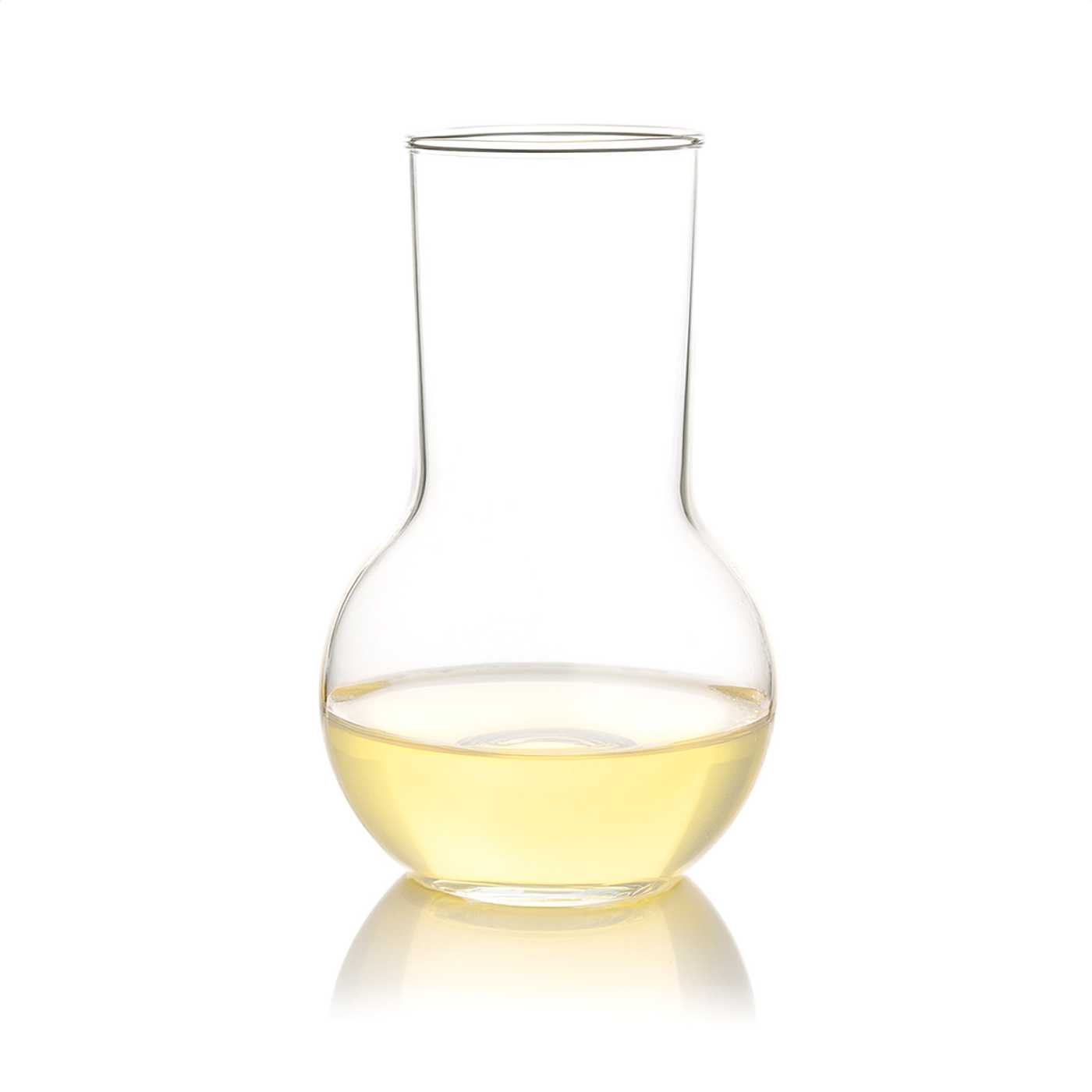
A natural alternative to traditional PEG solubilisers is also Symbio solv clear plus, solvent, 100 ml, intended for transparent formulations.
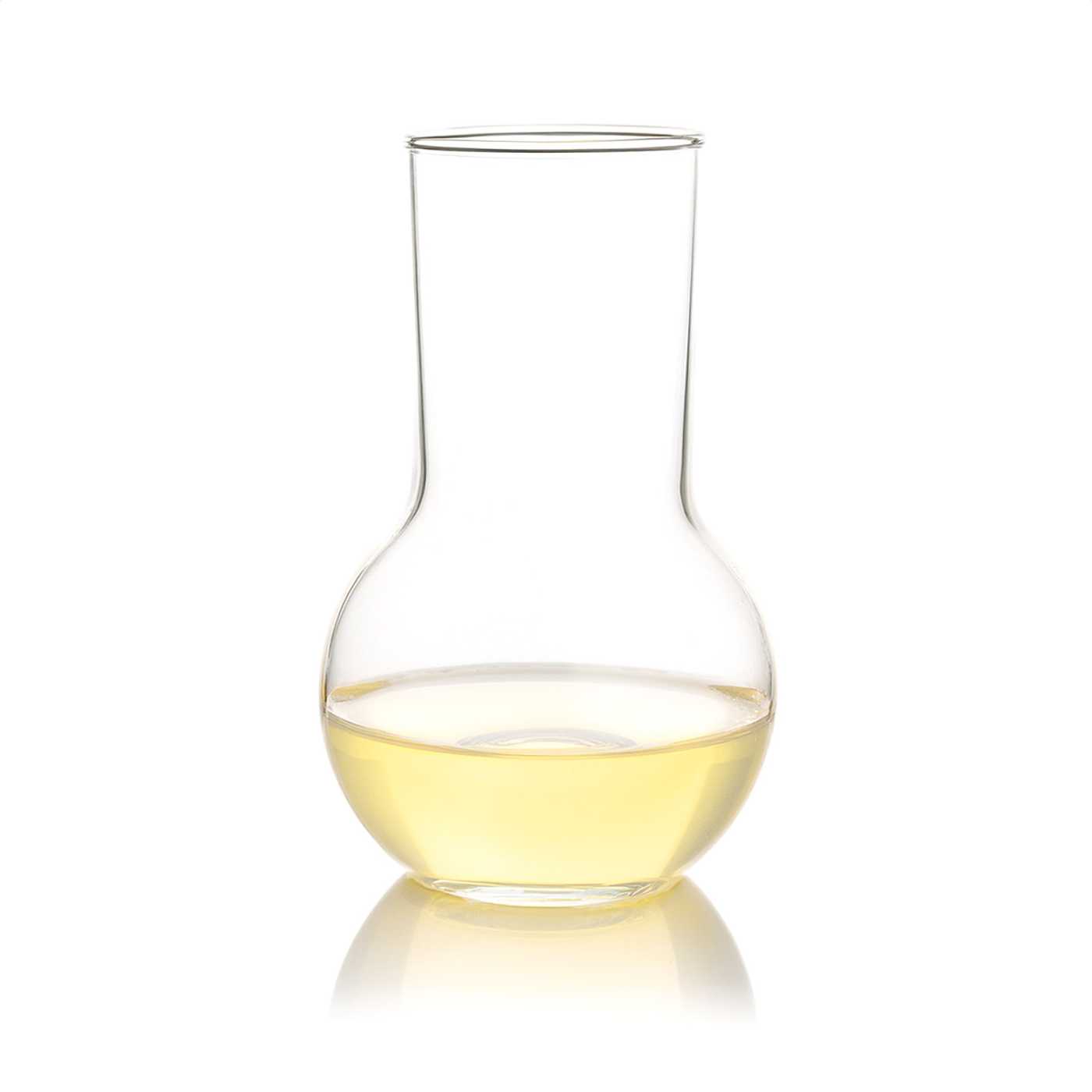
Among PEG-free surfactants you will find, for example, Coco glucoside, 100 ml. You can filter the whole selection directly in the PEG-free surfactants category.
Frequently asked questions about PEG free
Practical questions about PEG compounds — what the abbreviation means, what the number after it indicates and how to check the composition.
What does the abbreviation PEG mean?
PEG is an abbreviation for polyethylene glycols — petroleum-based compounds used in cosmetic products and personal care products, where they function as a solvent, emollient, humectant or thickener.
What does the number after the abbreviation mean, for example PEG-100?
The number indicates how many ethylene glycol units the compound contains. The rule is that the lower the number, the more easily it is absorbed into the skin.
Why are PEG compounds problematic?
They are produced using ethylene oxide and 1,4-dioxane, which are considered to be a human carcinogen. They can damage the human nervous system, increase skin ageing and the penetration effect, so that undesirable components penetrate deeply into the skin more easily. On top of that, PEGs are not always pure — they are often contaminated with a number of toxic impurities, often also with traces of heavy metals.
Do PEGs have an impact on the environment as well?
Yes, 1,4-dioxane is also an environmental toxin. That is why we recommend choosing the gentlest option the market offers — to yourself and at the same time, if possible, also to nature.
Does PEG in the ingredient list mean a product is automatically bad?
It is not that clear-cut. There is a number of conflicting pieces of information which refute the significant negative effects of PEG on human health, and there are also brands on the market which purify PEG compounds from undesirable components. Much also depends on the condition of your skin.
How do I find out whether a raw material contains PEG?
With finished products, carefully read the composition. With raw materials for making your own cosmetics, look up the INCI composition of the raw material.
Conclusion
We believe that the information about PEG has enriched you with knowledge and that now you will look at cosmetic products with different eyes.
The article was written for you by Martina Oboňová.
You will find solubilisers, surfactants and other additives free of PEG in the Handymade raw materials range.