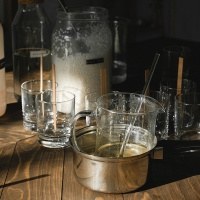
Homemade soap can be made in three ways — from a pre-prepared soap base, by cold process and by hot process. Each one differs in how demanding it is, in how it proceeds and in how long it takes before the soap is ready to use. We will briefly introduce all three, so that you know which route to take.
About this article
This article was written for you by Lucia — a creative soul who likes to try various techniques. In it we go through the three basic methods of soap making, how they differ and what to expect from them: melting a soap base, the cold process and the hot process.

How to start making homemade soap?
Are you attracted to making homemade cosmetics, especially soap, and you don't know how to start? I came across soap making a long time ago. At that time I bought a soap base, a colourant and an essence, mixed everything together and it was done.
When I returned to the idea of making my own soap after years, I started to study various options on the internet. Soap making charmed me, I wanted to try absolutely everything. Soap can be made in three ways, and I would briefly like to introduce them to you.
Main benefits
- Three routes to your own soap
Soap can be made in three ways — from a soap base, by cold process and by hot process.
- Finished soap straight away
With a soap base you only need to melt it, pour it into a mould and let it harden — the soap is immediately ready for use.
- Your own choice of oils
With the cold process you choose the oils yourself, and so you can influence the final properties of the soap.
- Beautiful patterns
The cold process mixture is easy to colour, which is why this method is preferred for making soaps with various patterns.
- Shorter curing
Soap from the hot process has the required pH immediately after saponification, so a shorter curing time is enough before use.
Comparison of the methods
Soap making from soap base
Basically, it is about melting a pre-prepared soap base. Soap bases are available in various compositions — clear, with goat's milk content, glycerin…
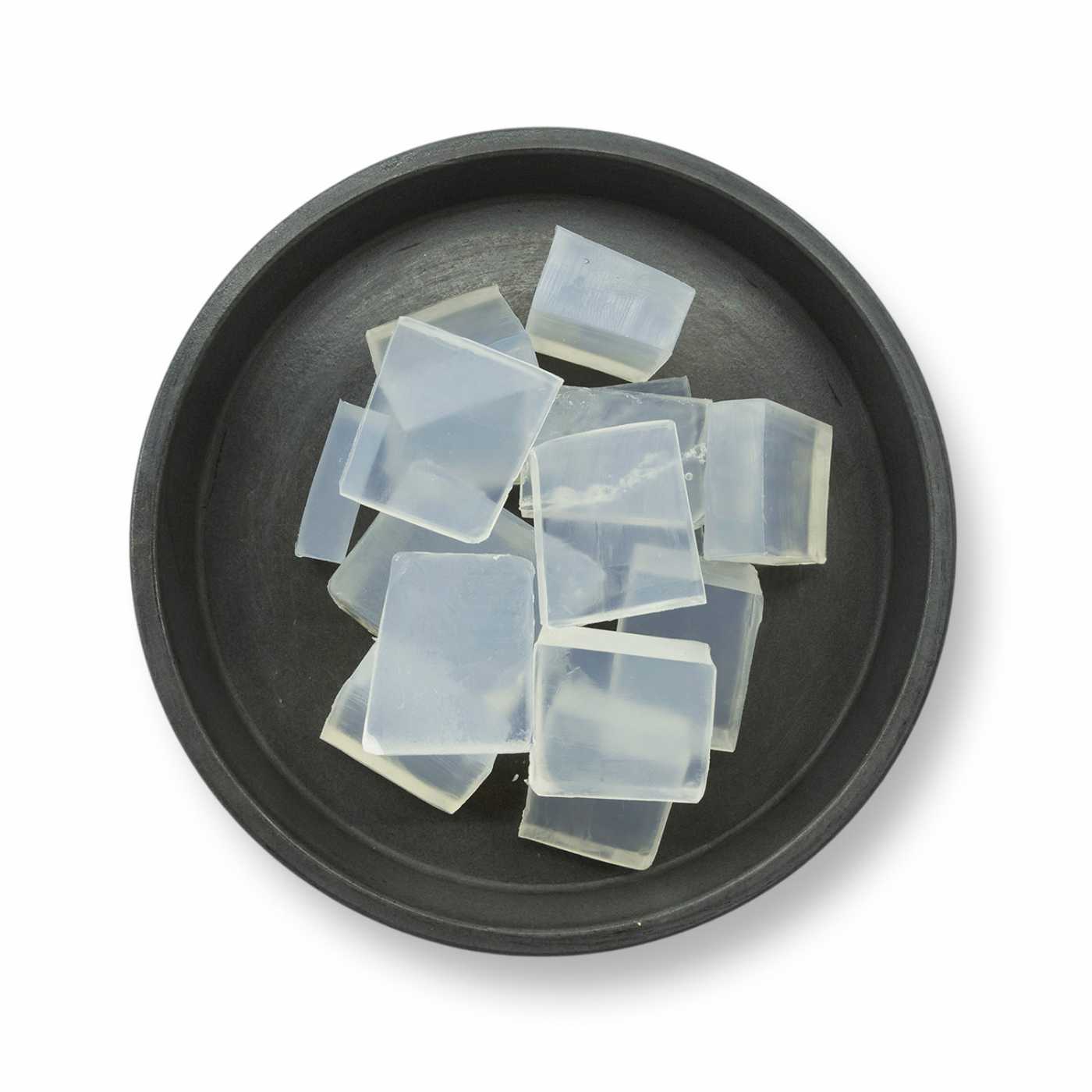
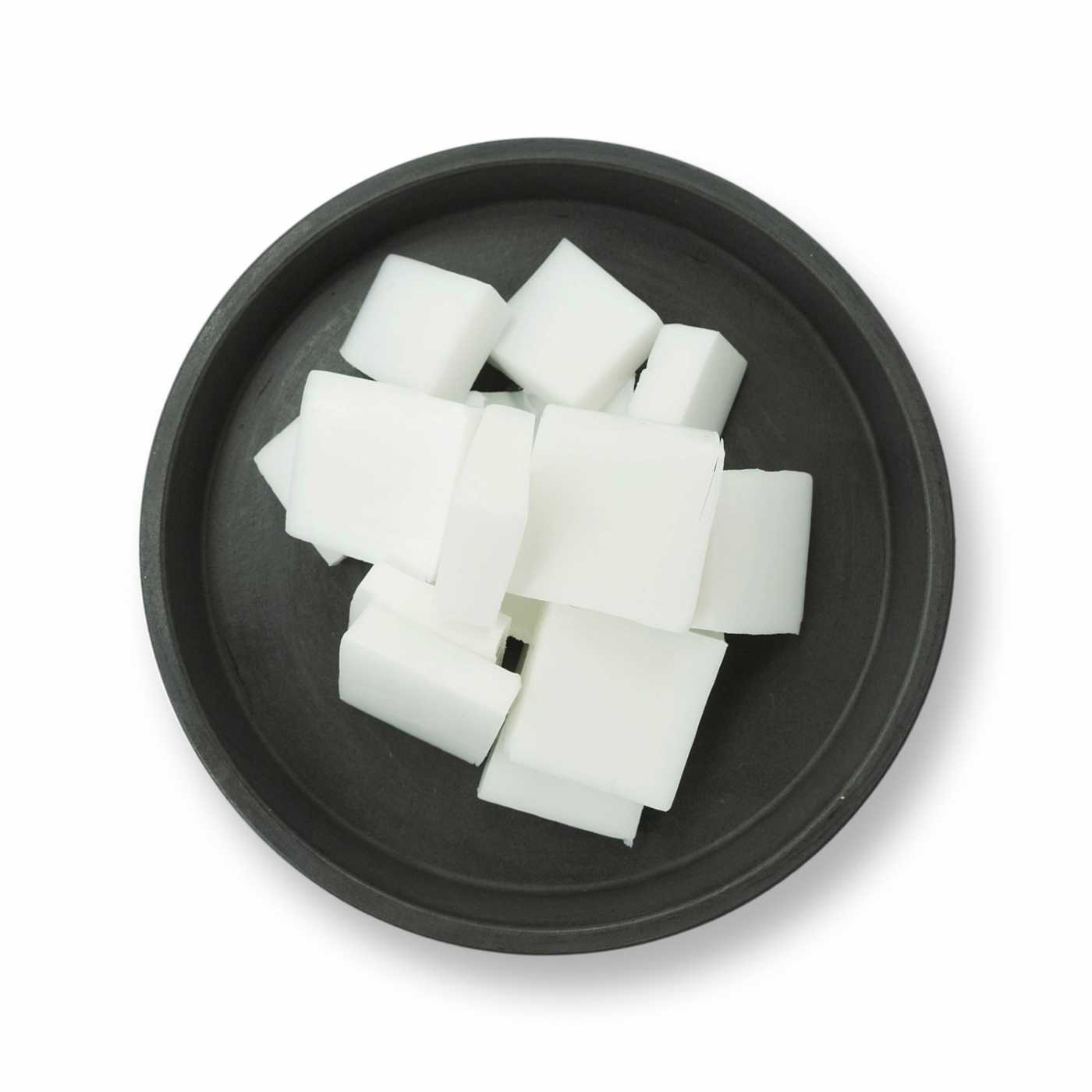
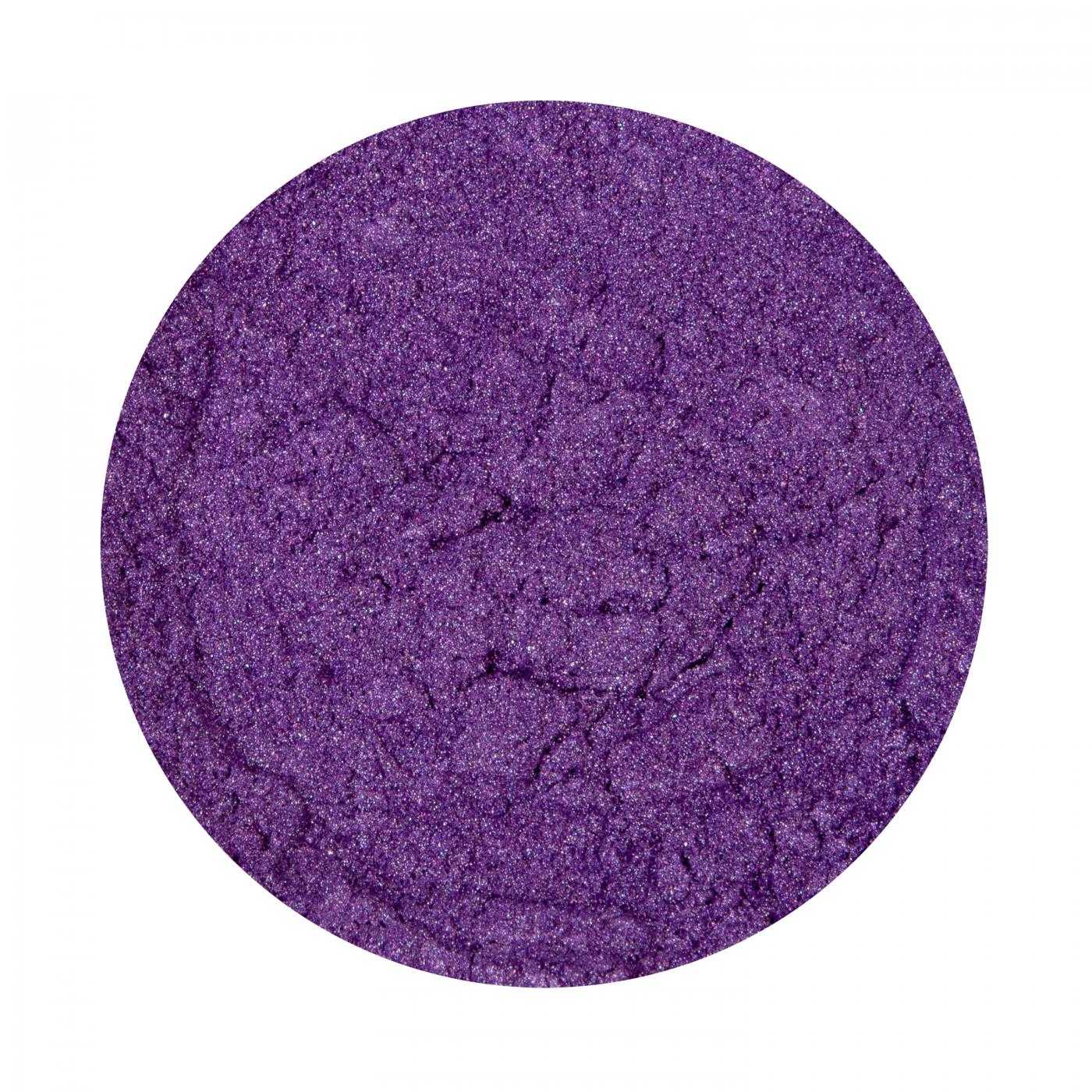
You can add essences, colourants and herbs to the melted base as desired.
You pour the prepared mass into a mould and let it harden. The soap is immediately ready for use. We cover this method in more detail in the article Soap making from soap base.
Soap making by cold process
This process is already relatively more demanding. It is a reaction between fatty acids (oils) and an alkali (a lye solution). The advantage of such production is certainly the possibility of selecting oils, i.e. the possibility to influence the final properties of the soap. The mixture is easy to colour, therefore this method of production is preferred for the production of soaps with various patterns. Oils and the lye solution react together at room temperature, the process proceeds more slowly. The soap must cure for several weeks so that it reaches the desired pH value and hardness.
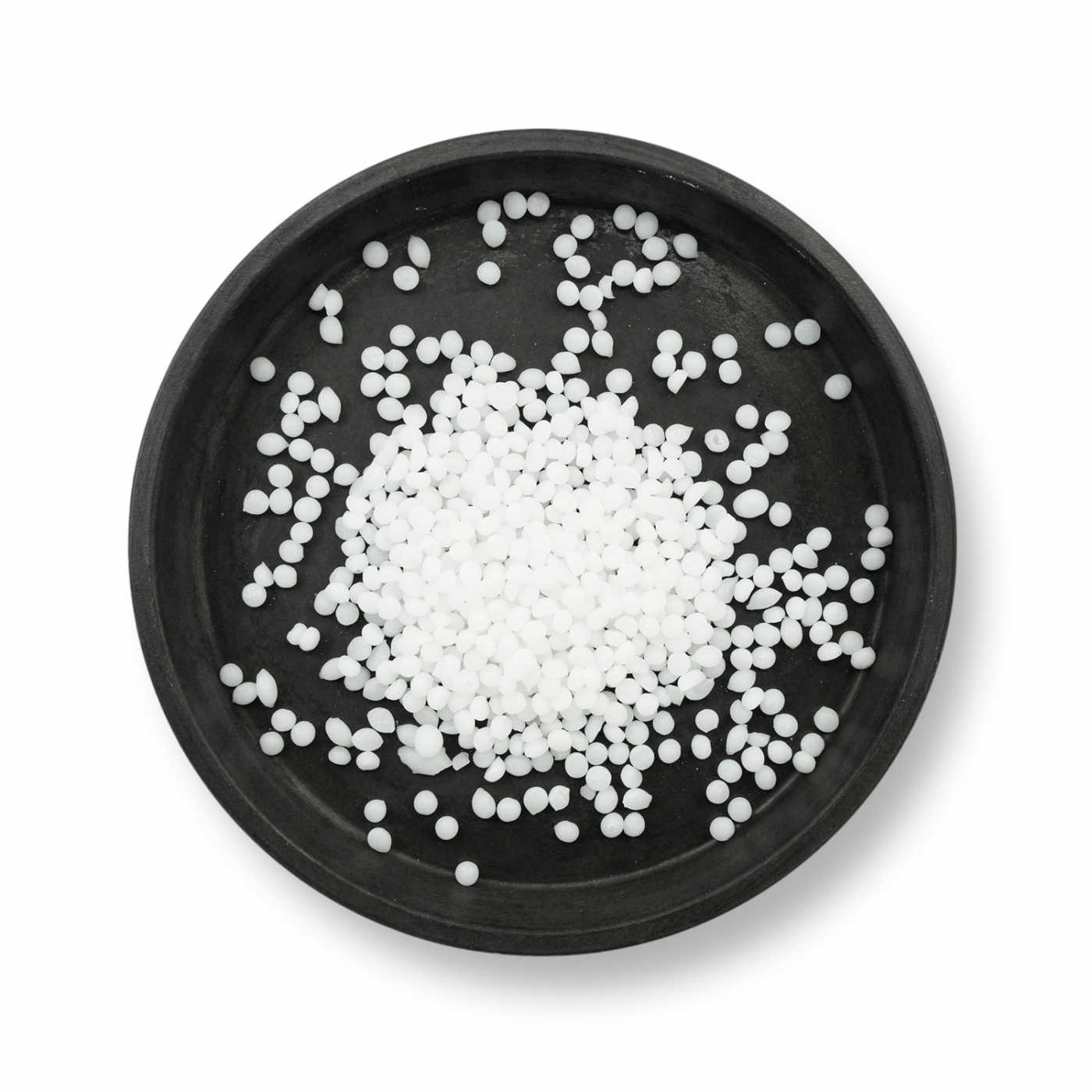
Soap making by hot process
The hot process is very similar to the cold one with the difference that it takes place at an elevated temperature. After the saponification process the soap has the required pH immediately. Therefore, a shorter curing time is sufficient before its use. A minor disadvantage is colouring, since the resulting mass is relatively thick and hardens quickly, we cannot create such nice patterns as with the cold process.
Frequently asked questions about soap making
Practical questions about the three methods of production — from choosing a method through curing the soap to colourful patterns.
What are the basic methods of making homemade soap?
Soap can be made in three ways — by melting a pre-prepared soap base, by cold process and by hot process.
Which method is the easiest for an absolute beginner?
Working with a soap base. You only need to melt the base, add essences, colourants or herbs as desired, pour it into a mould and let it harden — the soap is immediately ready for use. The cold and hot processes are already relatively more demanding.
Why does soap from the cold process have to cure?
Oils and the lye solution react together at room temperature and the process proceeds more slowly. The soap must therefore cure for several weeks so that it reaches the desired pH value and hardness.
Which method is best for colourful patterns?
The cold process — the mixture is easy to colour, which is why it is preferred for making soaps with various patterns. With the hot process the resulting mass is relatively thick and hardens quickly, so we cannot create such nice patterns.
What can I add to a melted soap base?
Essences, colourants and herbs, as desired. The soap bases themselves are moreover available in various compositions — clear, with goat's milk content, glycerin…
Conclusion
These were the three basic ways of making your own soap at home. In the coming days we will introduce all methods of production to you.
Yours, Lucia.
The soap bases, colourants and fragrances and dried herbs from this article can all be found in the Handymade range of ingredients.