

Coco betaine (coco betaine) is among those ingredients that have enjoyed great popularity in recent years in the field of skin and hair care. This natural surfactant obtained from coconut oil offers a number of benefits – from gentle cleansing to intensive hydration. Its properties make it a perfect alternative to sulfates, which can dry out and damage the hair.
About this article
This article introduces coco betaine — a natural amphoteric surfactant obtained from coconut oil. You will find out what coco betaine is and how it differs from cocamidopropyl betaine, how it works depending on the pH of the environment, what benefits it brings in cosmetic products, which formulations it suits and what the EWG rating and its certification say about its safety. It is for anyone who formulates their own shampoos, shower gels or cleansing preparations and is looking for an alternative to sulfates.
Benefits of using coco betaine in cosmetic products
Coco betaine offers a number of benefits that make it an integral part of high-quality hair and skin care:
- Hydrates and nourishes
Thanks to its moisturising properties, it helps keep the hair and skin hydrated, preventing them from drying out and becoming brittle.
- Gentle cleansing
As a natural surfactant, it binds impurities and grease, which are easily washed out without stripping the skin and hair of their natural oils.
- Eco-friendly alternative
This ingredient is biodegradable and its production puts less strain on the environment, which makes it a great choice for natural and sustainable products.
- Improves hair texture
This ingredient makes the hair soft, smooth and shiny, while also leaving it easy to manage.
- Supports foam and a creamy consistency of products
Thanks to its ability to increase viscosity and foaming properties, it gives formulations a rich and pleasant texture.

Coco betaine at a glance
What is coco betaine?
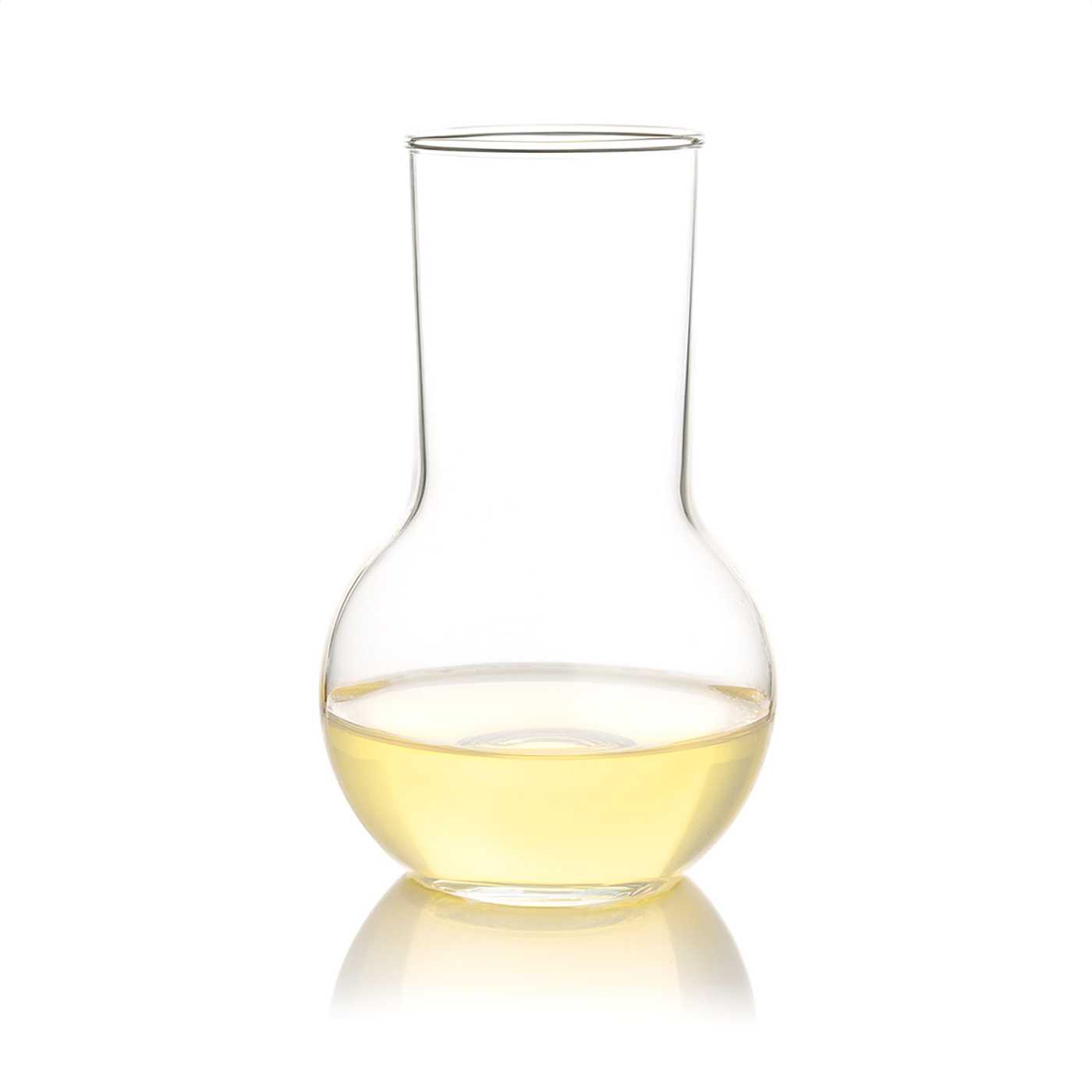
Coco betaine is a natural surface-active substance (surfactant) that is obtained from coconut oil. This slightly yellow liquid is known for its ability to bind impurities, grease and product residues, which are easily rinsed off with water. It has a pH value between 5 and 6, which means that it is gentle on the skin and hair, does not dry them out and helps maintain their natural balance.
Coco betaine and cocamidopropyl betaine
However, it is important to distinguish between coco betaine and cocamidopropyl betaine (CAPB), which is often used in conventional products. CAPB is a synthetic substance, whereas coco betaine is natural and biodegradable. This property is particularly important for consumers who are looking for eco-friendly alternatives in cosmetics.
How does coco betaine work?
Coco betaine is an amphoteric surfactant. An amphoteric surfactant is a type of surface-active substance (surfactant) that has the ability to change its behaviour depending on the pH of the environment in which it is present. This property allows it to be either positively charged (cationic) or negatively charged (anionic), which makes it very flexible and versatile in the formulations of various cosmetic and cleansing products. At the same time, it has exceptional foaming properties, which increase the effectiveness of the product, whether it is a shampoo, shower gel or baby shampoo.
Amphoteric surfactants are compatible with anionic, cationic and non-ionic surfactants, which makes them universal components in different types of cosmetic and cleansing preparations.

How to use coco betaine?
Coco betaine is suitable for everyday use in shampoos, conditioners, hair masks or hair serums; it is also suitable for shower gels, micellar waters and the like. It is gentle on the skin and safe for daily use. If you are looking for an alternative to sulfate shampoos, products with coco betaine are an excellent choice.
In the Handymade range you will find coco betaine in several pack sizes:
Coco betaine and safety
Coco betaine is generally considered safe, its rating according to EWG is at level 1. However, as with any product, it is advisable to carry out a patch test on a small area of skin, especially if you have sensitive skin.
It is certified by the organisations ECOCERT and NORD SWAN, which confirms its quality and ecological origin.
Frequently asked questions about coco betaine
Practical questions about this natural surfactant — what it is, how it works and where it fits in.
What is coco betaine?
Coco betaine is a natural surface-active substance (surfactant) that is obtained from coconut oil. It is a slightly yellow liquid with a pH value between 5 and 6.
What is the difference between coco betaine and cocamidopropyl betaine?
Cocamidopropyl betaine (CAPB) is a synthetic substance that is often used in conventional products, whereas coco betaine is natural and biodegradable.
What does it mean that coco betaine is an amphoteric surfactant?
An amphoteric surfactant changes its behaviour depending on the pH of the environment in which it is present — it can be either positively charged (cationic) or negatively charged (anionic). This makes it very flexible and versatile in formulations.
Can coco betaine be combined with other surfactants?
Yes. Amphoteric surfactants are compatible with anionic, cationic and non-ionic surfactants, which makes them universal components in different types of cosmetic and cleansing preparations.
Which products is coco betaine suitable for?
It is suitable for shampoos, conditioners, hair masks or hair serums, as well as for shower gels and micellar waters. It also works well as an alternative to sulfate shampoos.
Is coco betaine safe?
It is generally considered safe and its rating according to EWG is at level 1. However, as with any product, it is advisable to carry out a patch test on a small area of skin, especially if your skin is sensitive.
What certifications does coco betaine have?
It is certified by the organisations ECOCERT and NORD SWAN, which confirms its quality and ecological origin.
Coco betaine — conclusion
With the growing demand for natural and sustainable cosmetics, coco betaine is becoming one of the most sought-after ingredients. Its ability to combine skin-friendliness, environmental friendliness and high efficacy makes it a fundamental part of modern hair and body care.
Coco betaine and other natural surfactants for shampoos, shower gels and cleansing preparations are part of the Handymade raw materials range.