Exfoliation is a process that helps rid the skin of impurities, sebum and various build-ups, but especially of dead skin cells. The skin naturally sheds millions of skin cells every day — with increasing age, however, this process of natural shedding slows down or even stops. Exfoliation can prepare the skin for hydration, and so it is a very good means used in skin care.
About this article
This article was prepared for you by Martina Oboňová. In it we go through what skin exfoliation actually is, what its main benefits are and which two basic forms of exfoliation you have available — mechanical and chemical — including which natural ingredients you can use for them and how to go about it so that you help your skin rather than harm it.

Main benefits
- Removes dead cells
Exfoliation rids the skin of dead skin cells, which with increasing age stop shedding on their own.
- Restores cell production
It kick-starts the process of shedding and renewal of skin cells, without which the skin loses its naturally radiant appearance.
- Improves skin penetration
It allows penetration into the deeper layers of the skin and thus cleanses, nourishes and hydrates it better.
- Evens out the skin tone
Regular exfoliation evens out the skin tone and brings back its radiance instead of a dull, wrinkled appearance.
- Prepares the skin for hydration
Without shedding you will not stop the skin clogging up — even with the very best hydrating products you will not achieve the desired effect.
Exfoliation in brief
What actually is skin exfoliation?
Exfoliation is a process that also helps rid the skin of impurities, sebum and various build-ups, but especially of dead skin cells. The skin naturally sheds millions of skin cells every day. However, with increasing age this process of natural shedding slows down or even stops.
The skin thus becomes dull and wrinkled, and loses its naturally radiant appearance.
If the process of shedding and renewal of skin cells does not occur, you can lavish the skin with the very best hydrating products, you will not stop the clogging and you will not achieve the desired effect. Even the best make-up that guarantees you an amazing look will not show to the same extent.
How then to support cell renewal?
There are two basic forms of exfoliation — mechanical and chemical. The first works with physical exfoliants and a textured surface, the second with natural ingredients that dissolve the bonds between dead cells.
Mechanical exfoliation
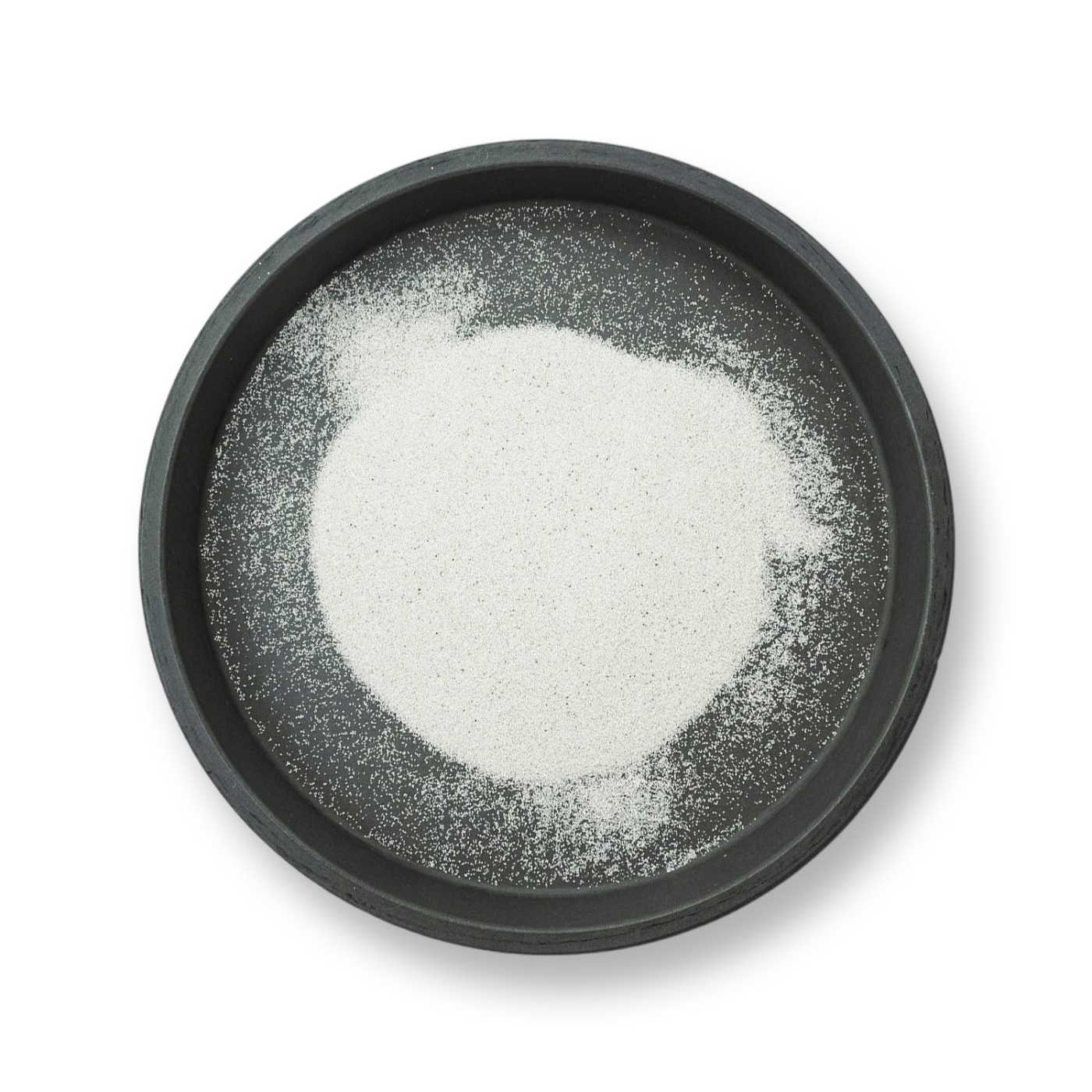
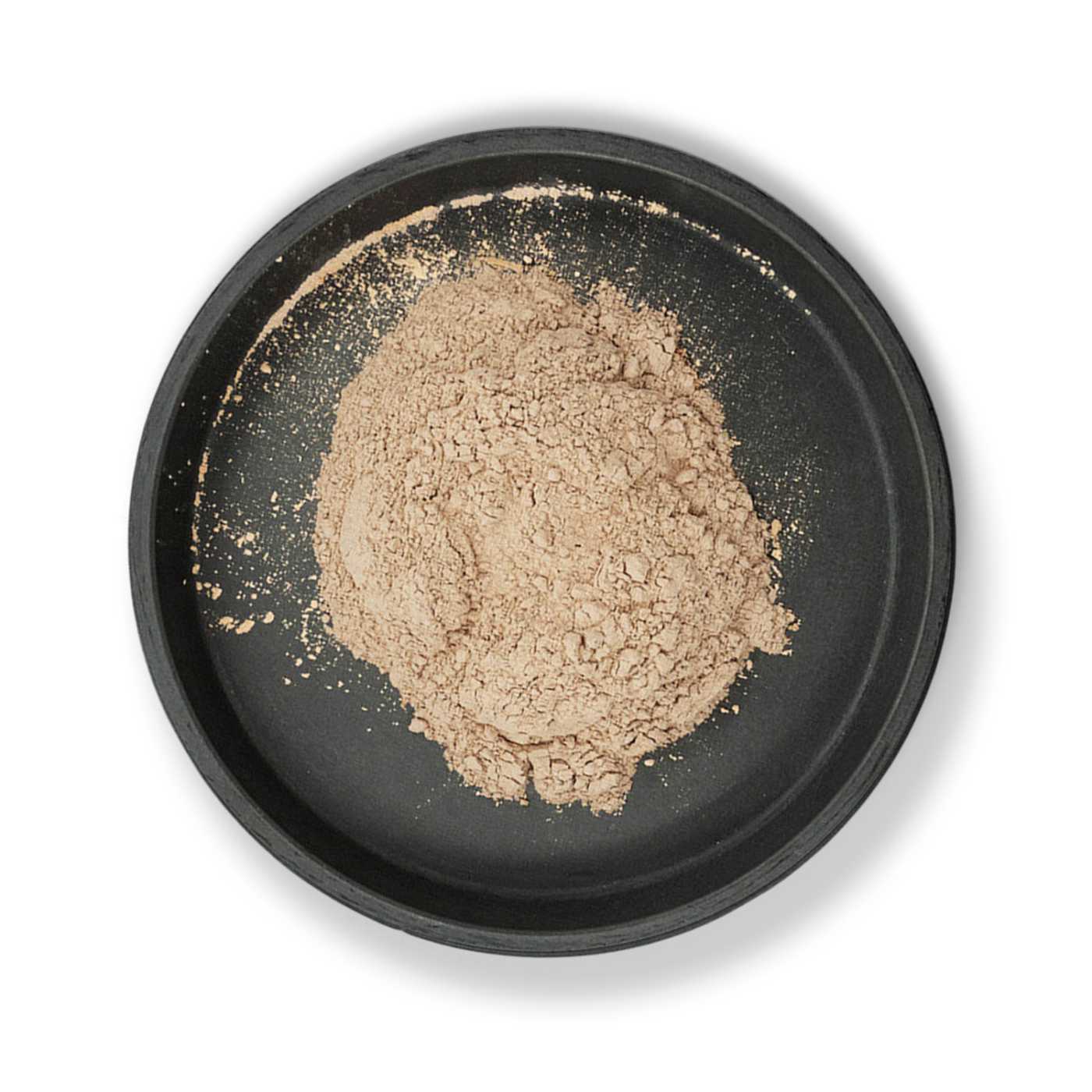
For this form you need either a tool that has a textured surface, such as a facial brush with natural bristles, a sponge or a rougher fabric, or a facial scrub in the form of various physical exfoliants. In this case it is excellent news that you can easily find such exfoliating ingredients in natural form too.
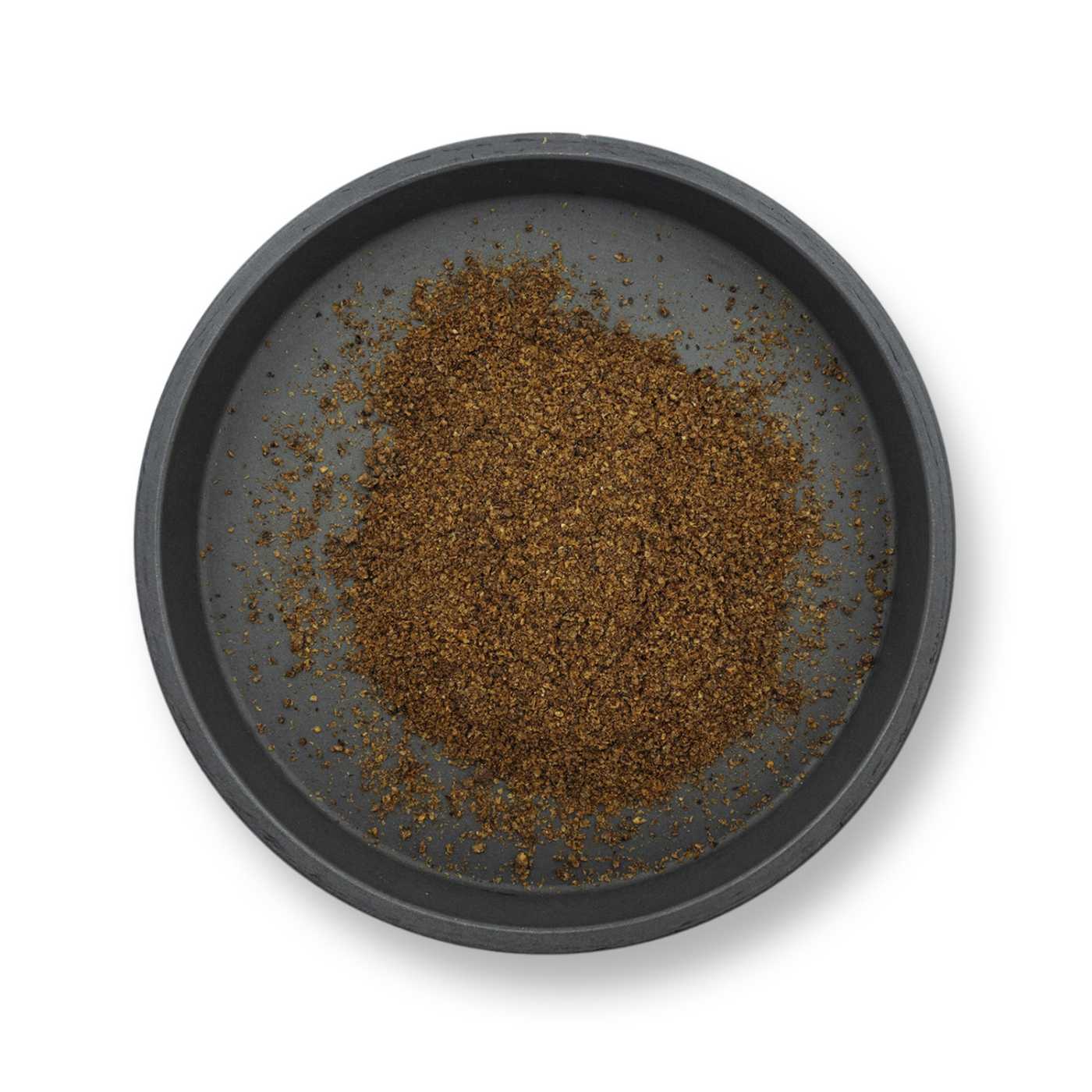
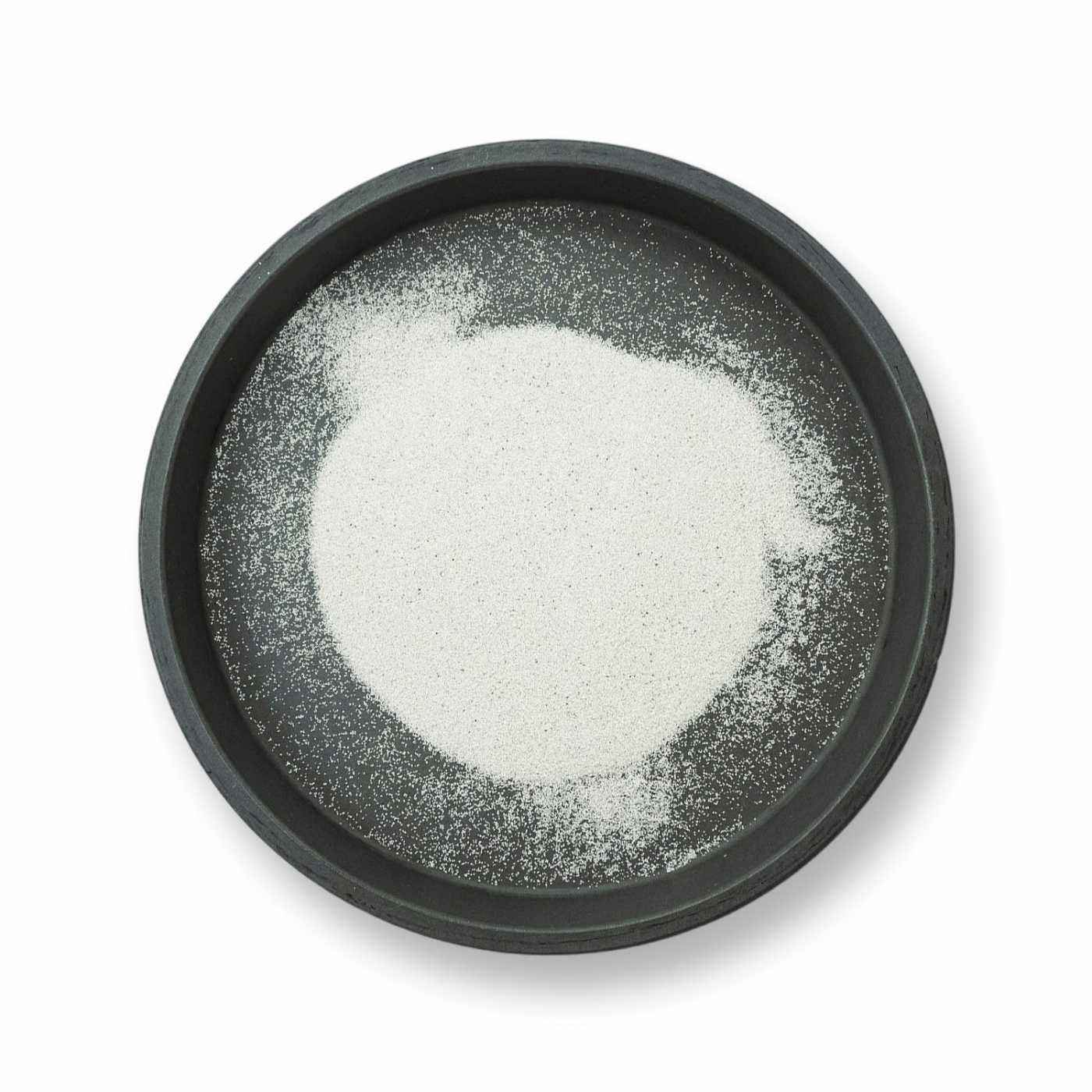
Among the most commonly used natural physical exfoliants are:
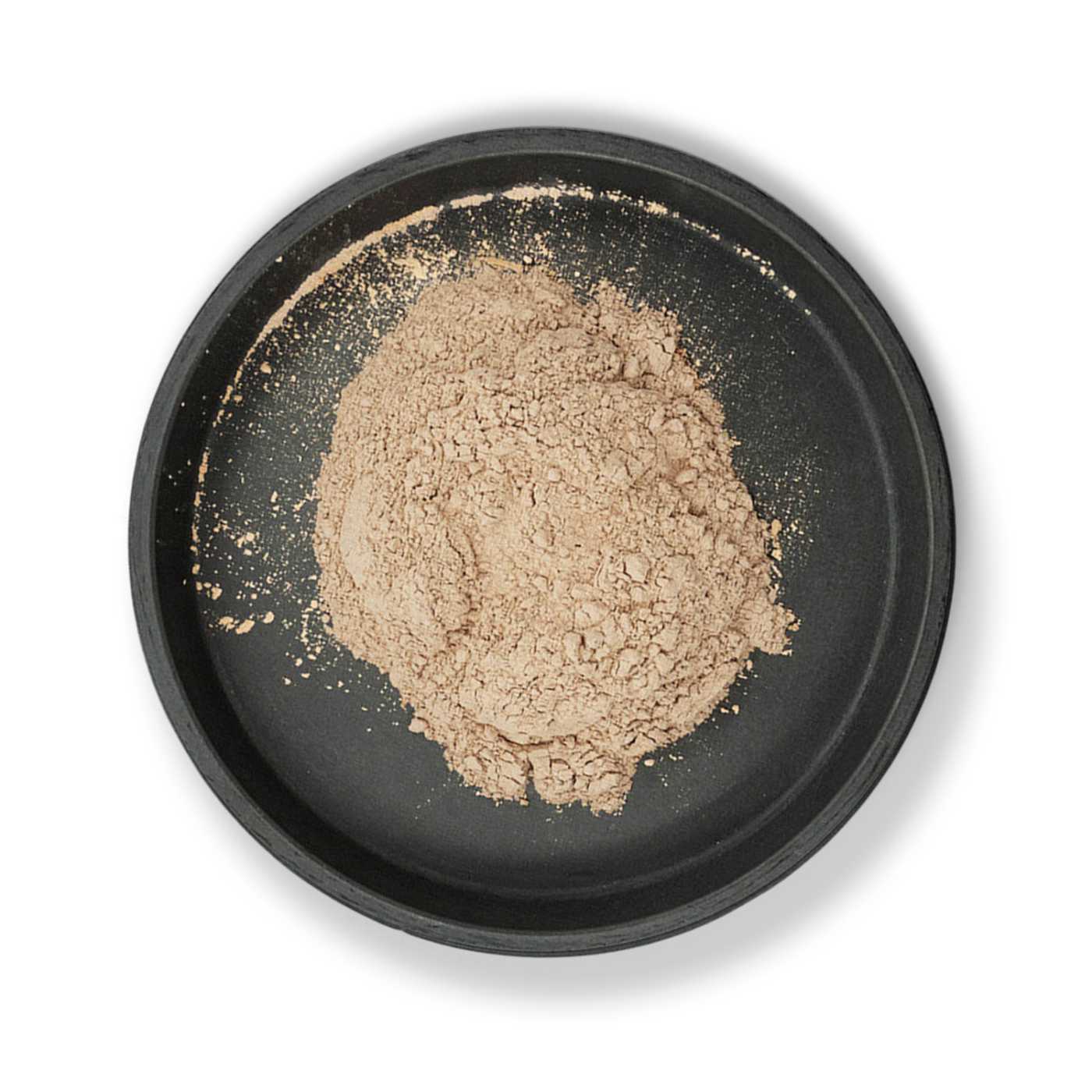
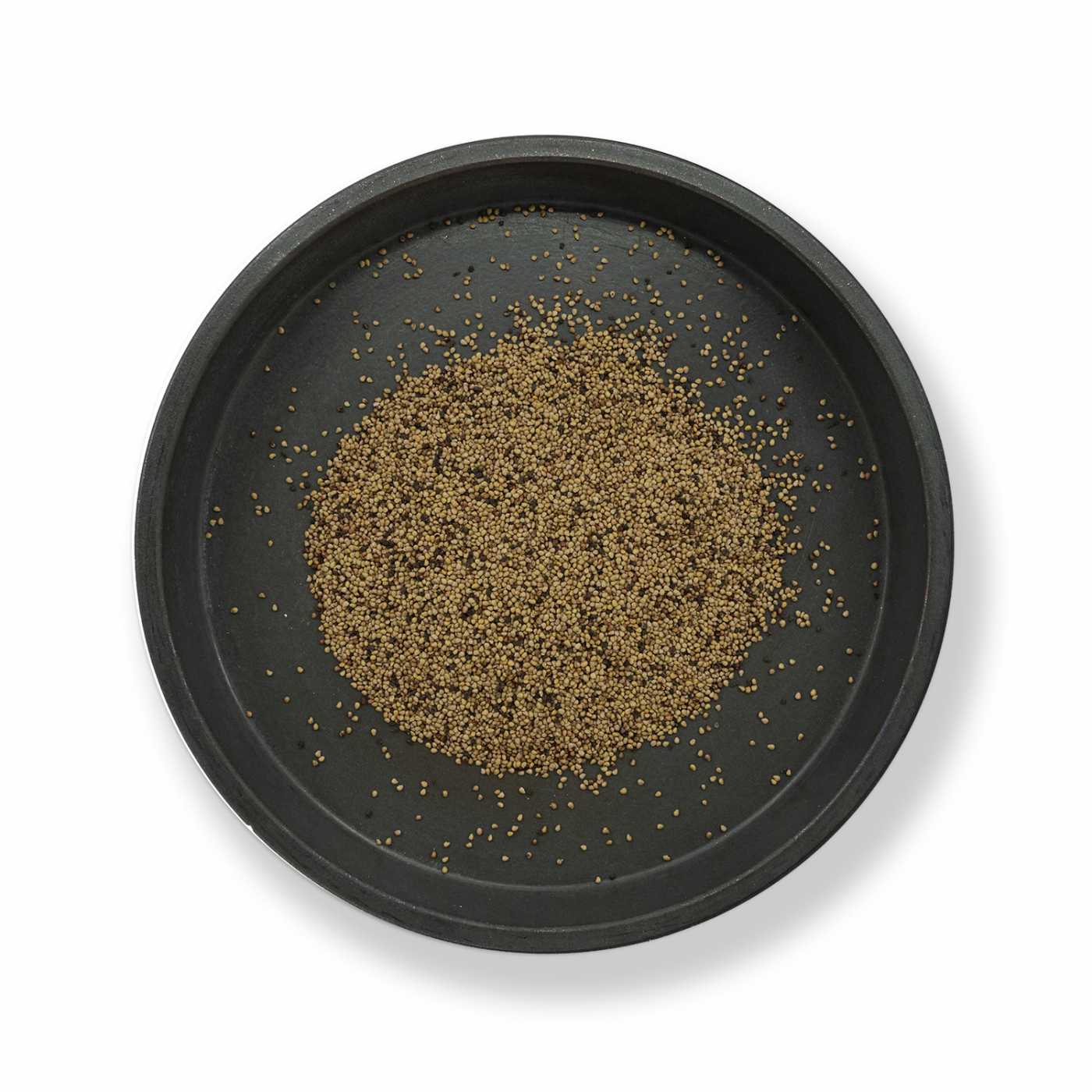
- strawberry seeds
- ground nut shells
- ground apricot shells
- ground almond kernels
- ground pumice powder
- jojoba beads
- cosmetic clays
Or also food supplements, such as:
- coarse sea salt
- crystal sugar
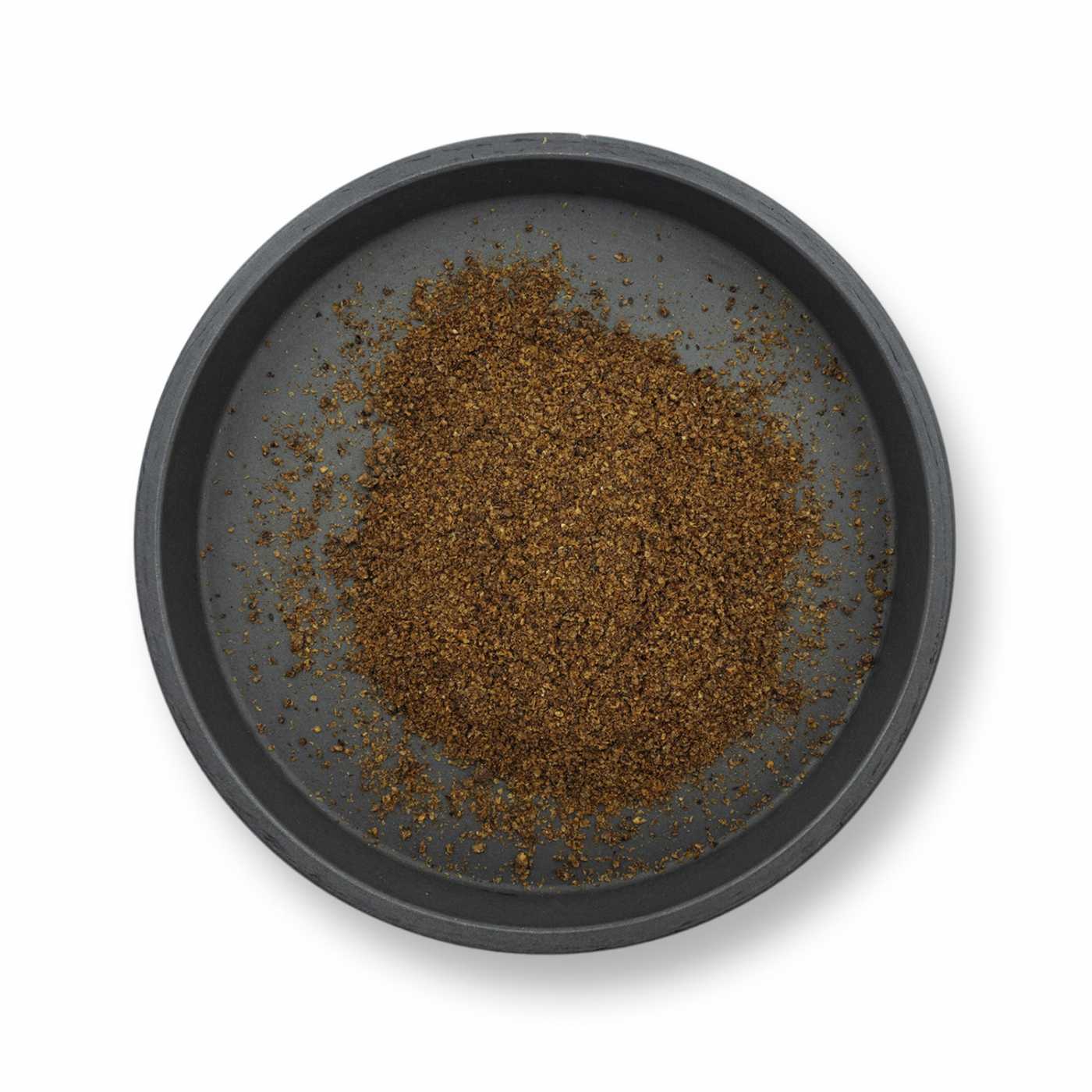
- ground coffee beans
How to scrub correctly
- Stick to the frequency 2 to 3 times a week
It is recommended to practise a scrub 2 to 3 times a week — no more often than that.
- Apply with circular movements
The exfoliating mixture needs to be applied with gentle circular movements, as if you wanted to gently massage the skin and stimulate its blood circulation.
- Do not overdo it
The feeling is noticeable already after the first scrub, but do not let yourself be captivated by this great tool. So with everything, even natural, in moderation.
Beware of over-exfoliation: With too frequent or harsh scrubbing you can in fact cause more harm than benefit to yourself and especially to your skin. Excessive exfoliation can result in dull, stressed skin again, and in extreme cases even redness, increased sensitivity and also microscopic skin lesions.
TIP: You can achieve a daily gentle body scrub by adding exfoliating ingredients to your skin care products, for example to soaps or shower gels.
Chemical exfoliation
Chemical exfoliation penetrates somewhat deeper. Chemical exfoliating agents work by acting on the surface of the skin and gently dissolving the bonds between dead skin cells. This type of peeling creates softer and smoother skin, which is then radiant and shiny.
Although it is called chemical, it is performed by natural ingredients, of course it is necessary to choose the highest-quality ones, and the positive aspect is that its application is not harsh and there is no risk of the formation of microcracks in the skin.
The most common ingredients tend to be hydroxy acids and also some enzymes; the best-known one is lactic acid, but in formulas you can also find fruit acids or milk itself.
Frequently asked questions about exfoliation
Practical questions about exfoliation — what it is, how often to scrub, what with, and what the difference is between the mechanical and the chemical form.
What is skin exfoliation?
It is a process that helps rid the skin of impurities, sebum and various build-ups, but especially of dead skin cells. The skin sheds them naturally too, but with increasing age this shedding slows down or even stops.
How often should you scrub?
It is recommended to practise a scrub 2 to 3 times a week. Apply the exfoliating mixture with gentle circular movements, as if you wanted to gently massage the skin and stimulate its blood circulation.
What are the risks of over-exfoliation?
With too frequent or harsh scrubbing you can cause more harm than benefit. The result tends to be dull, stressed skin again, and in extreme cases even redness, increased sensitivity and also microscopic skin lesions.
What is the difference between mechanical and chemical exfoliation?
For mechanical exfoliation you need a tool with a textured surface (a brush, a sponge, a rougher fabric) or a scrub with physical exfoliants. Chemical exfoliation penetrates somewhat deeper — it acts on the surface of the skin and gently dissolves the bonds between dead cells, while its application is not harsh and there is no risk of microcracks forming.
Which natural ingredients are used as physical exfoliants?
Most often strawberry seeds, ground nut and apricot shells, ground almond kernels, ground pumice powder, jojoba beads and cosmetic clays. Food supplements will serve too — coarse sea salt, crystal sugar or ground coffee beans.
Which ingredients are used in chemical exfoliation?
The most common ingredients tend to be hydroxy acids and some enzymes, the best-known being lactic acid. In formulas you can also find fruit acids or milk itself. Although the form is called chemical, it is performed by natural ingredients.
Conclusion
And as you can see, skin care is not avoided even by men. Perhaps sometimes they are more thorough than we women.
The article was prepared for you by Martina Oboňová. In case of any observations, do not hesitate to write to us at [email protected].
You will find the strawberry seeds, ground pumice powder, cosmetic clays and sea salt from this article in the Handymade range of ingredients.