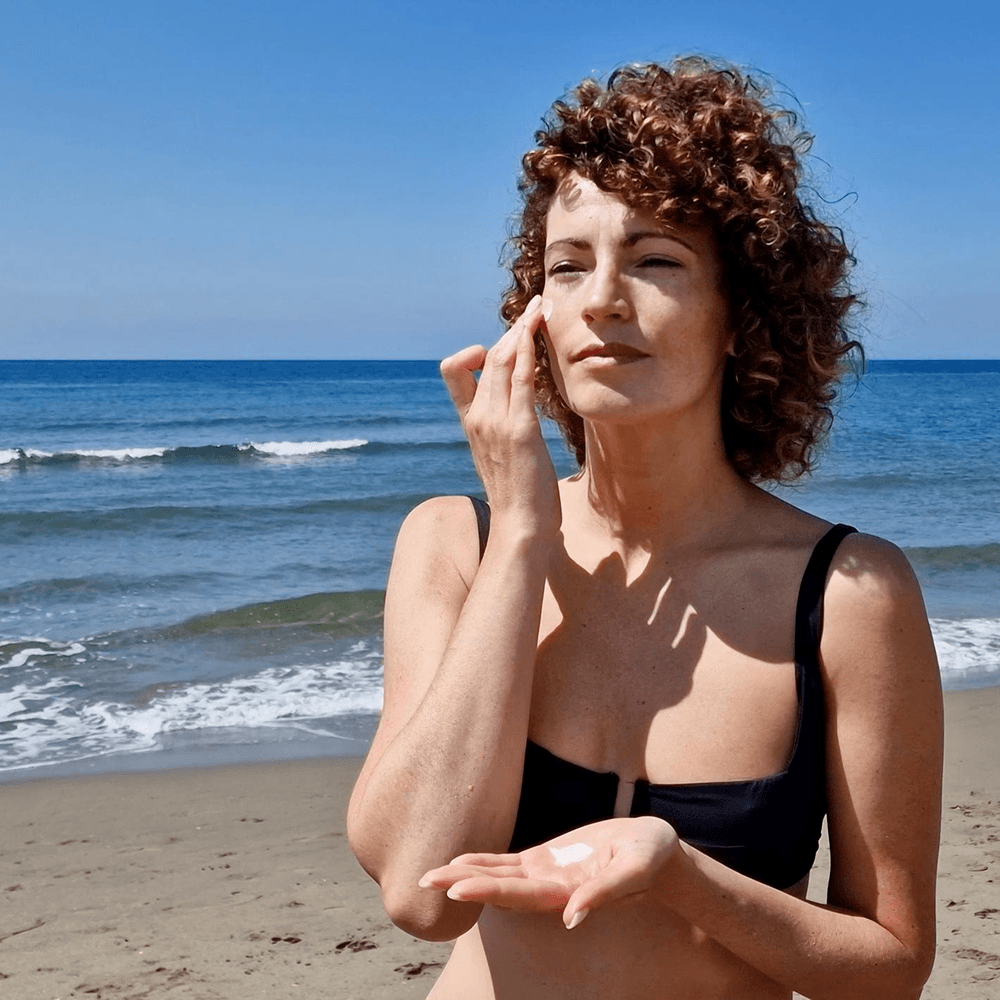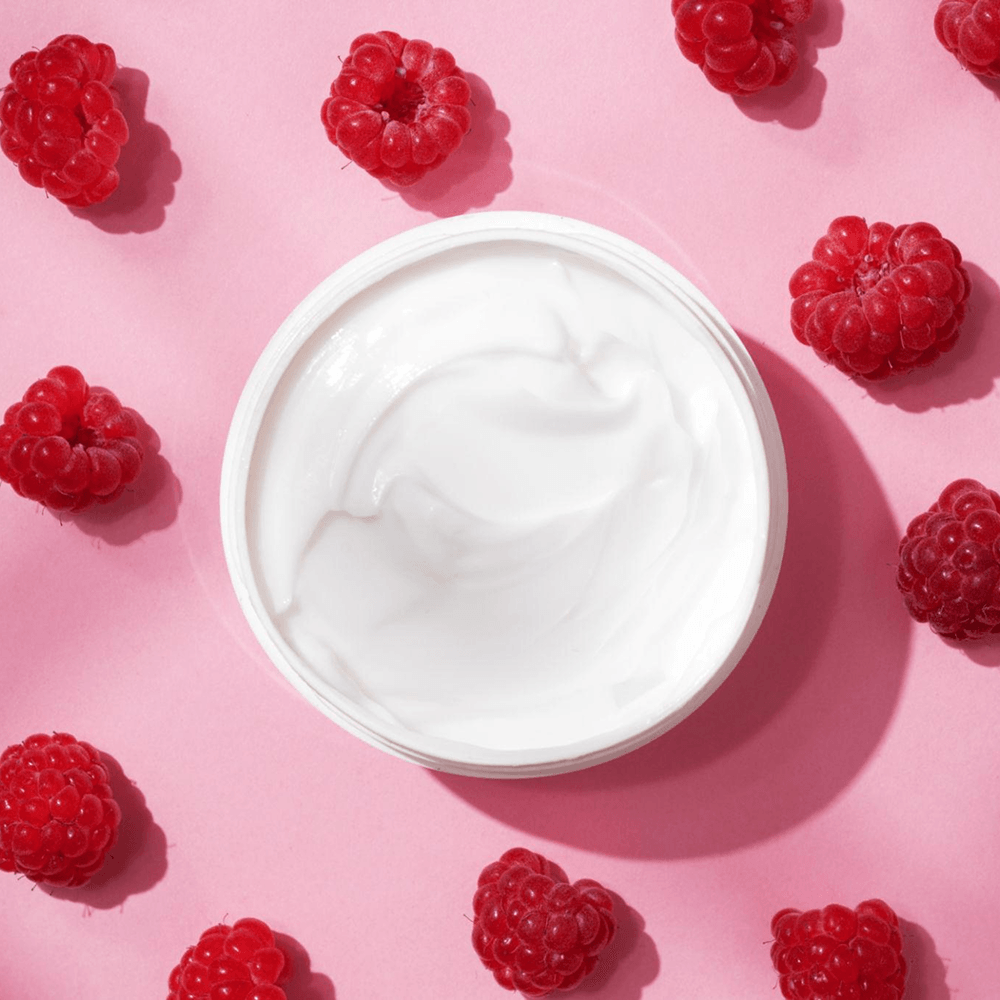
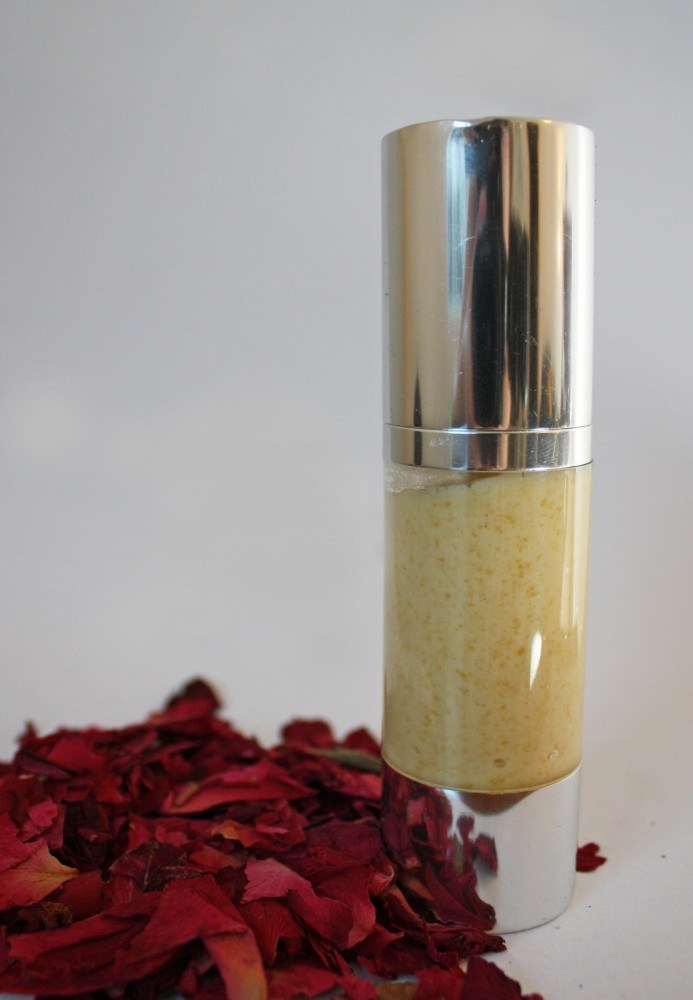
A day cream with rose water and geranium fragrance will make your everyday skincare routine that bit special. It is light as a cloud, made with love from natural ingredients, and preparing it is completely easy. It will nourish and hydrate your skin, and it absorbs easily too, so it will not burden it and you can happily wear it under make-up. And that scent! That will get you!
About this recipe
This time it is Ivka who has prepared a DIY procedure for making a day cream for us. It is a light day face cream with rose water in the aqueous phase and a geranium fragrance, which nourishes the skin and hydrates it at the same time. Thanks to how well it absorbs, you will appreciate it as a base under make-up as well. The recipe is calculated for a batch of 79 g and even a beginner can manage it — all you need is a water bath, a thermometer and accurate scales.
Main benefits
- Nourishes and hydrates
The cream nourishes your skin and hydrates it at the same time — exactly what you expect from daily care.
- Light and easily absorbed
Thanks to the apricot oil content it is easily absorbed into the skin, does not burden it and you can wear it under make-up.
- The scent of rose and geranium
Rose water and geranium essential oil give the cream an amazing scent — that will get you.
- Soothing rose water
Rose water reduces redness and irritation, stimulates skin regeneration and helps to keep its pH in balance.
- Vitamins from apricot oil
Apricot oil is rich in vitamins A, B1, B2, B6 and B17.
- Protection against drying out
Glycerin protects the skin against drying out.
Product properties
Key ingredients in the recipe
Below we go through the ingredients that give this day cream its properties — from the aqueous phase of rose water through the oil phase to the fragrance. For each one you will find why it is in the recipe and how much of it goes into the batch.
Rose water (hydrolat)
The aqueous phase of this cream is rose water — 48 g of it goes into the recipe. Rose water has soothing effects, it reduces redness and irritation. It stimulates skin regeneration. It hydrates, refreshes and helps to maintain the skin's pH in balance.
Apricot oil
This cream is light and, thanks to the content of apricot oil, very well absorbable. Apricot oil is also rich in vitamins A, B1, B2, B6 and B17. In the recipe it makes up 15 g of the oil phase.
Vegetable glycerin
3 g of glycerin goes into the recipe and in the finished cream it has one clear job — it protects the skin against drying out. Weigh it out together with the oil phase and heat it in the water bath.
Geranium essential oil
The scent of the cream comes from 25 drops of geranium essential oil — or another oil of your choice. It is added right at the end, once the emulsion has cooled to 40 °C, together with the vitamin E and the preservative. If you are looking for a different scent, take your pick from our range of essential oils.
Other ingredients
Shea butter goes into the oil phase in an amount of 6 g and is heated together with the apricot oil, glycerin, soy lecithin and beeswax.
Soy lecithin at 4.5 g and Beeswax at 1.5 g are weighed into the same bowl as the rest of the oil phase and heated with it to 70 °C.
Vitamin E (0.5 g) and Cosgard preservative (0.5 g) are added only once the emulsion has cooled to 40 °C — together with the essential oil they are stirred in thoroughly.
The recipe (79 g)
The ingredients are given in grams exactly as you weigh them out — the whole batch gives 79 g of finished cream. The recipe is made up of an aqueous phase (rose water), an oil phase (apricot oil, shea butter, soy lecithin, glycerin and beeswax) and the substances that are added only once the emulsion has cooled to 40 °C.
| Phase / ingredient | Amount |
|---|---|
| Aqueous phase | |
| Rose water | 48 g |
| Oil phase | |
| Apricot oil | 15 g |
| Shea butter | 6 g |
| Soy lecithin | 4.5 g |
| Vegetable glycerin | 3 g |
| Beeswax | 1.5 g |
| After cooling to 40 °C | |
| Vitamin E | 0.5 g |
| Cosgard preservative | 0.5 g |
| Geranium essential oil | 25 drops |
Method
- Disinfection
Disinfect all the tools and containers you are going to use with 99% alcohol, or boil them in water.
- Weighing out the phases Aqueous + oil phase
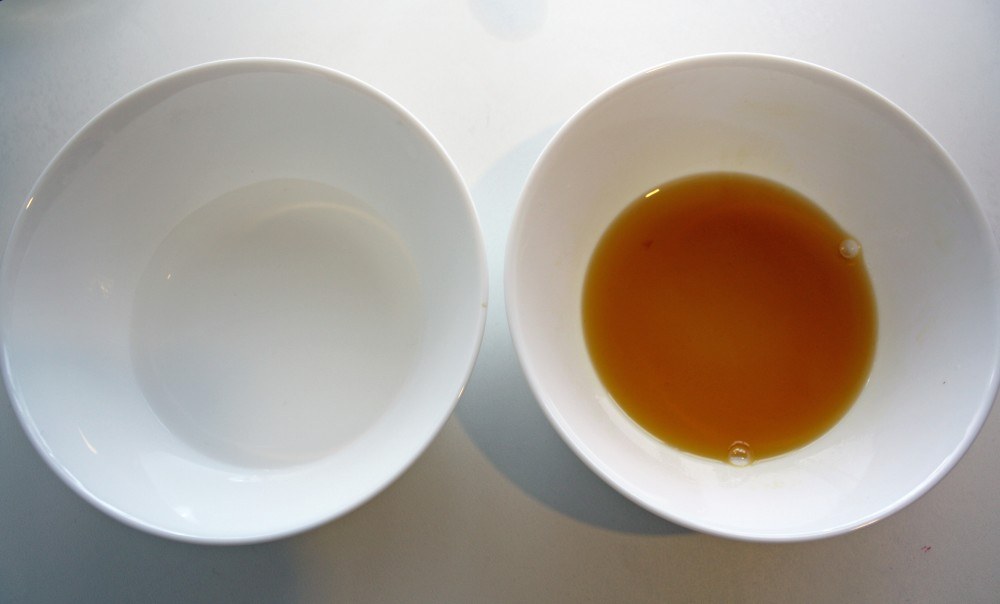
Weigh the rose water into a disinfected bowl, and into a second disinfected bowl weigh the apricot oil, shea butter, glycerin, soy lecithin and beeswax together.
- Water bath 70 °C
Gradually heat both components in a water bath in separate bowls to a temperature of around 70 °C (less than 80 °C).
- Emulsifying 70 °C40 °C
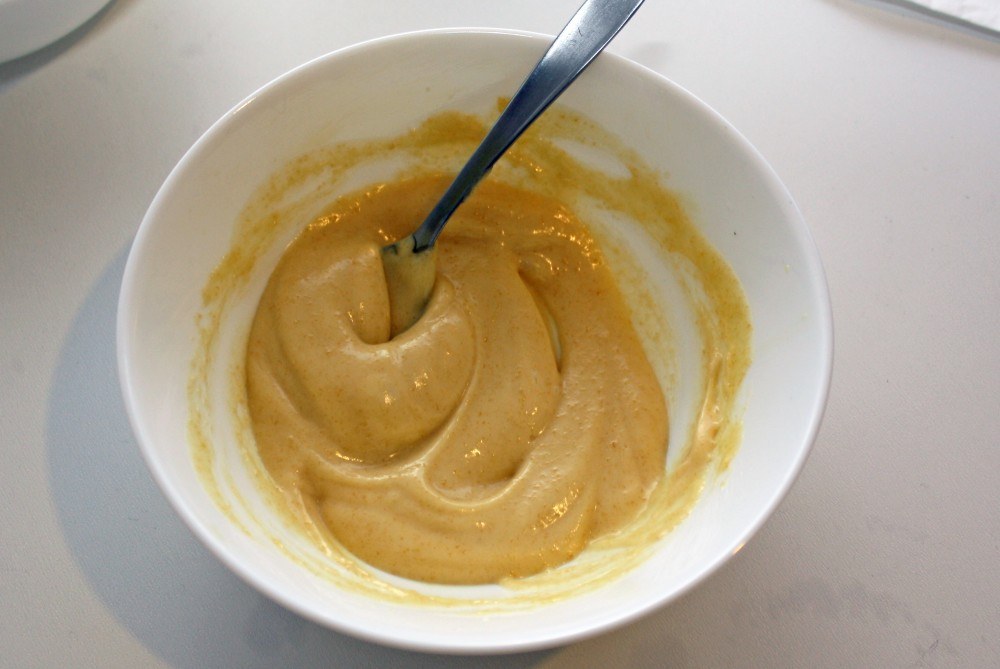
When they reach 70 °C, gradually stir the rose water into the oil phase until the emulsion cools down to 40 °C.
- Vitamin E, preservative and fragrance 40 °C
Once it has cooled, add the vitamin E, the Cosgard preservative and the essential oil. Mix everything together well.
- Filling into the container
Fill it into a container and close it only when the cream has completely cooled down.
Tips and tricks
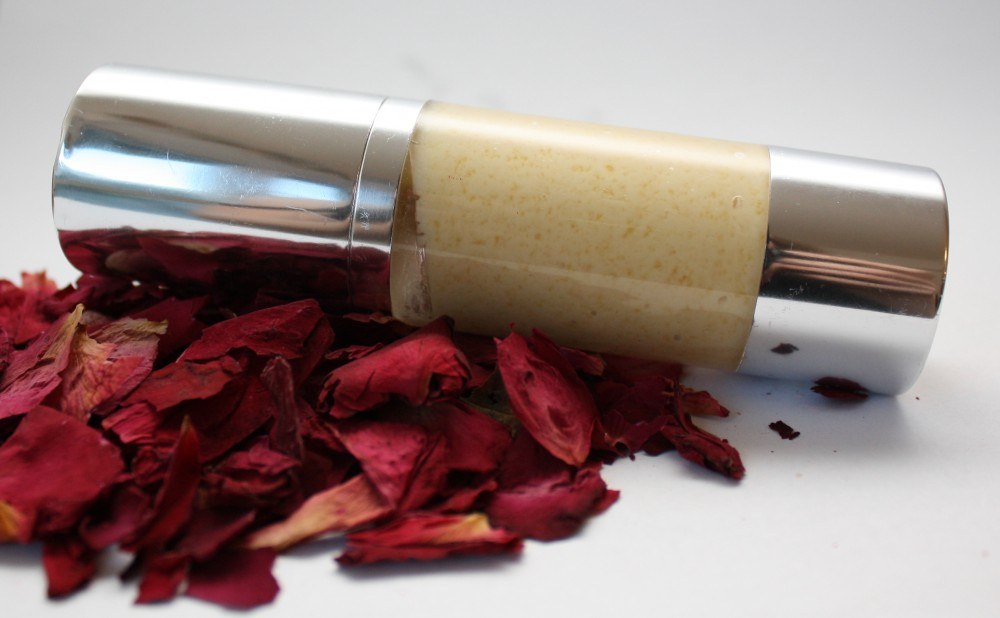
Tip: when using an airless bottle, which is very practical and hygienic, the cream is best filled into the bottle directly using a piping bag.
Fill the cream into the container and close it only once it has completely cooled down.
Frequently asked questions about the recipe
Practical questions about the day cream with rose water — temperatures, the order of the ingredients, the fragrance and filling it into the container.
What temperature should I heat the phases to?
Heat both components in a water bath in separate bowls to a temperature of around 70 °C, always less than 80 °C. When both reach 70 °C, gradually stir the rose water into the oil phase.
When do I add the vitamin E, preservative and essential oil?
Only once the emulsion has cooled to 40 °C. At that point add the vitamin E, the Cosgard preservative and the essential oil, and mix everything together well.
How much essential oil goes into the cream, and does it have to be geranium?
25 drops of essential oil go into the batch. Geranium is the recommended choice, but feel free to reach for another oil of your choice.
What container should I fill the cream into?
An airless bottle is practical and hygienic. The cream is best filled into it using a piping bag, and close the container only once the cream has completely cooled down.
Why is this cream so light?
Its lightness and very good absorbency come from the apricot oil content, which is also rich in vitamins A, B1, B2, B6 and B17. The cream therefore does not burden the skin and you can wear it under make-up.
How do I prepare my equipment before making the cream?
Disinfect all the tools and containers you are going to use with 99% alcohol, or boil them in water.
Conclusion
You can make this light day cream with rose water and geranium fragrance at home completely easily — and your reward will be nourished, hydrated skin and a scent that will get you. Thank you, Ivka, for this recipe.
You can find more recipes from Ivet on her blog: isweetfresh.blogspot.sk.
You will find the rose water, apricot oil, glycerin, preservative and essential oils from this recipe in the Handymade range of ingredients.