Isoamyl Laurate, 100 ml
Pre-order€6.99(€69.90/l)

ACTIVE INGREDIENTS
Soy lecithin is a natural mixture of phospholipids from soybeans, free from GMO ingredients. full description
Lowest price in the last 30 days: €4.19
Soy lecithin is a natural mixture of phospholipids from soybeans, free from GMO ingredients. In cosmetics it serves mainly as an emollient and a co-emulsifier: it leaves a protective film on the skin, softens it and helps to keep oil and water together in creams. It most often appears in lip balms, scrubs, creams for very dry skin and conditioners for dry hair.
It is based on phospholipids, which make up at least 62% of the raw material. Each phospholipid molecule has a head that binds to water and two fatty acids that bind to oil. The same substances form cell membranes and are part of the lipids in the skin barrier. This structure gives lecithin the ability to bind oil with water and to fit in among the lipids of the skin.
On the skin it acts as an emollient. It forms a protective film on its surface, which limits water evaporation and softens dry and rough areas. It is suitable for products for very dry skin, for lips and for conditioners for dry and damaged hair, where it smooths the hair surface. It is used in both leave-on and rinse-off products.
As an emulsifier it is weak. It forms W/O (water-in-oil) emulsions, and an emulsion with lecithin as the only emulsifier is usually difficult to stabilise. In formulations it serves rather as a co-emulsifier alongside the main emulsifier, often in combination with Polyglyceryl-3 Polyricinoleate. It is not suitable for light, quickly absorbed creams; its place is in richer textures.
Soy lecithin always belongs in the oil phase. It does not dissolve in water; it dissolves in oils. It is weighed together with the oils, butters and emulsifiers into the warm oil phase. In anhydrous products it is added only after the butters have melted and is then mixed in thoroughly; tocopherol and essential oils are added only after that.
The raw material is very thick, with a viscosity of up to 120 Pa·s at 25 °C. For this reason, weigh it directly into the beaker with the oil phase, not via another container.
The usage rate is 0.5–10%, most often around 1%. Lip balms contain 0.5–2%, scrubs 0.5–3.5%, cream and body masks around 1% and creams 1–10%.
Dose carefully in hard balms and sticks. Even a small proportion of lecithin significantly softens a mixture of wax and oil. If a product is unexpectedly soft, the cause is usually too much lecithin.
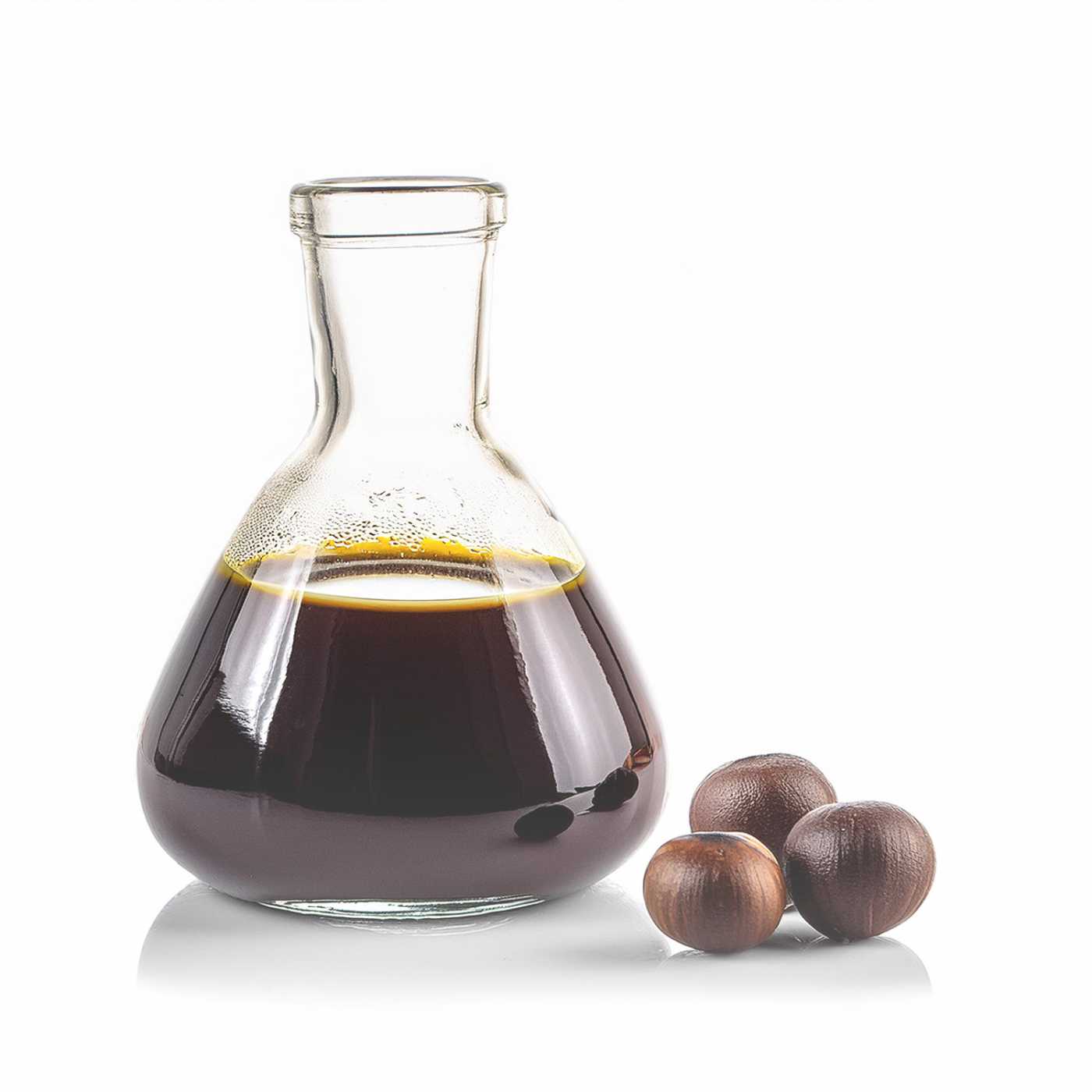
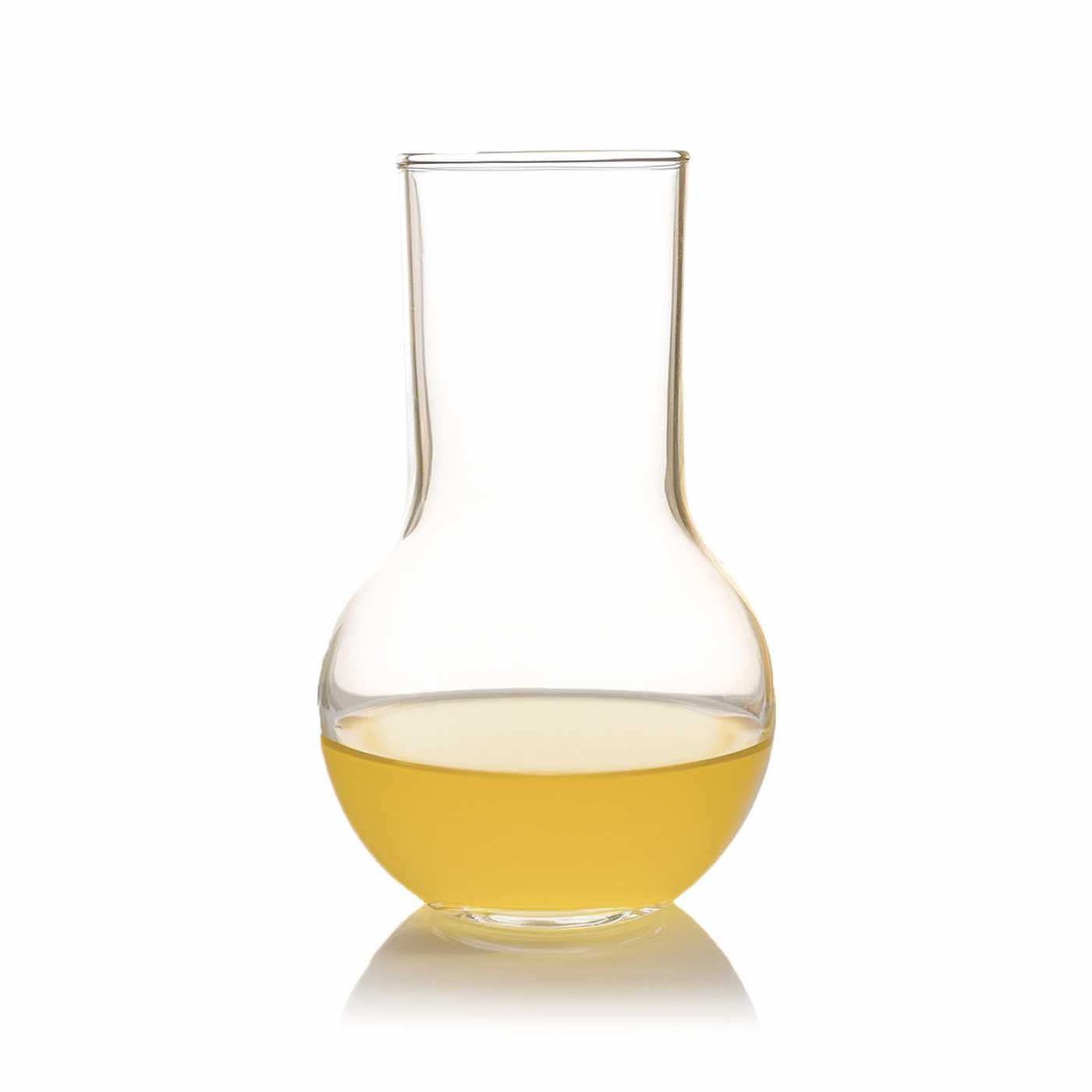
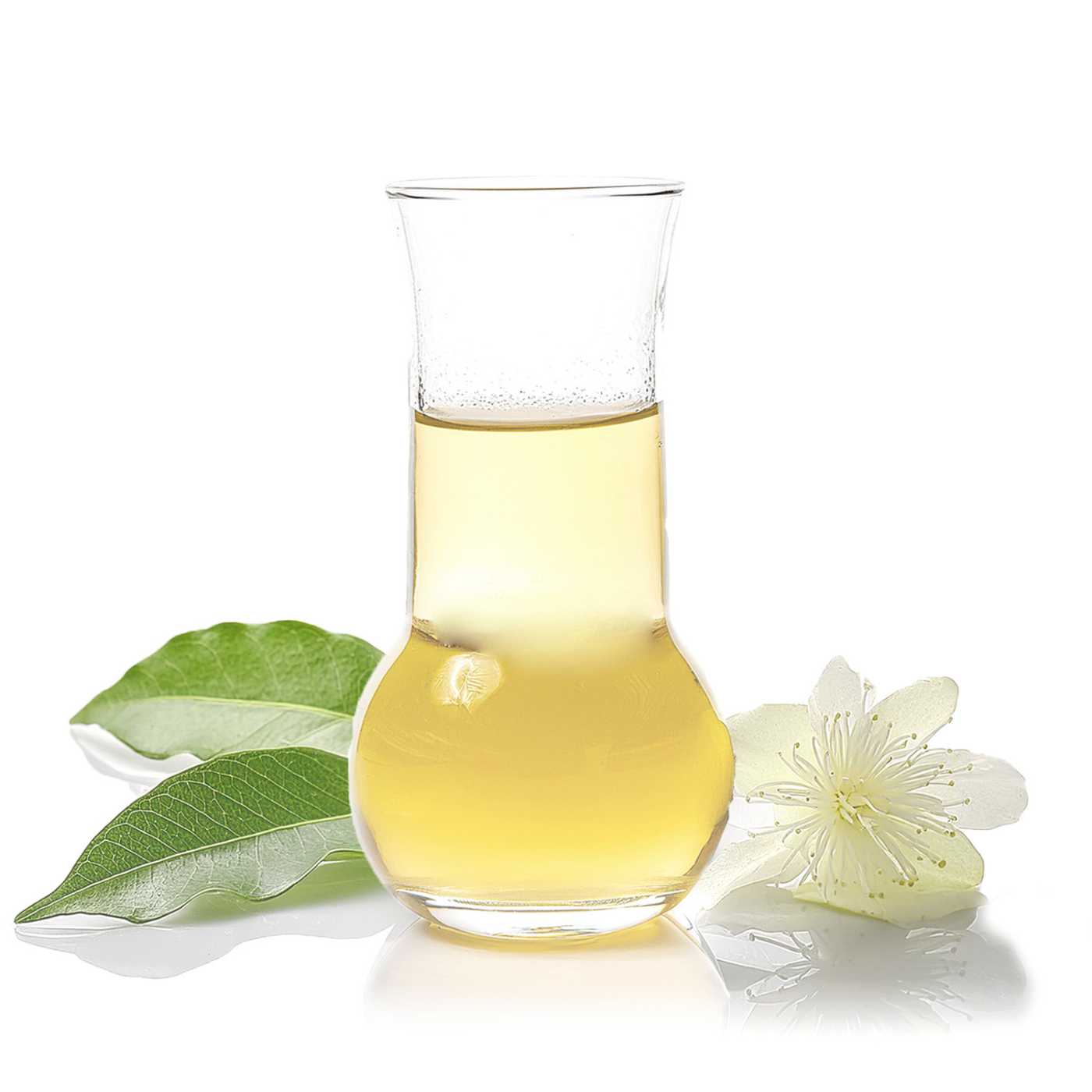
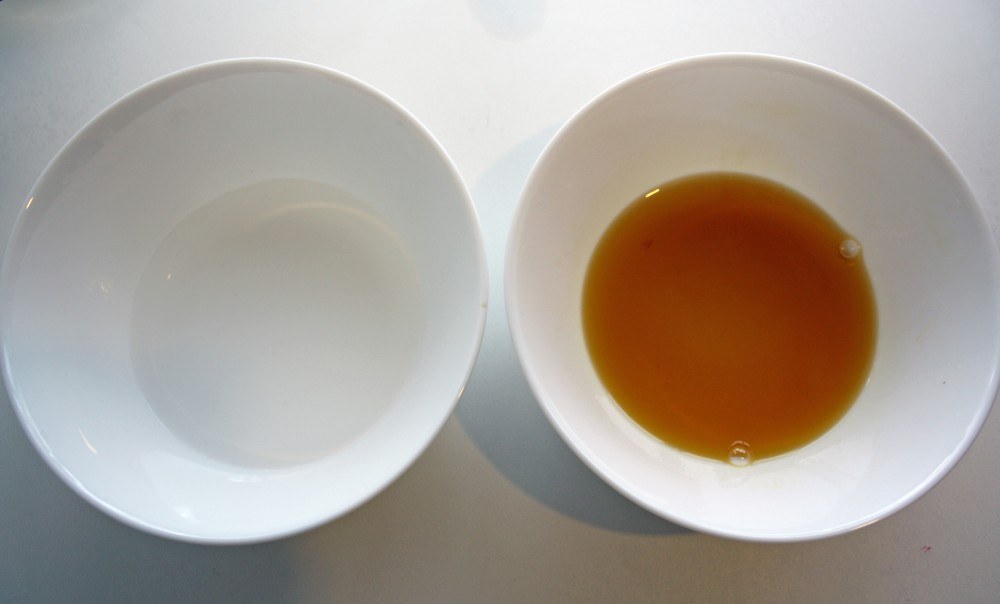
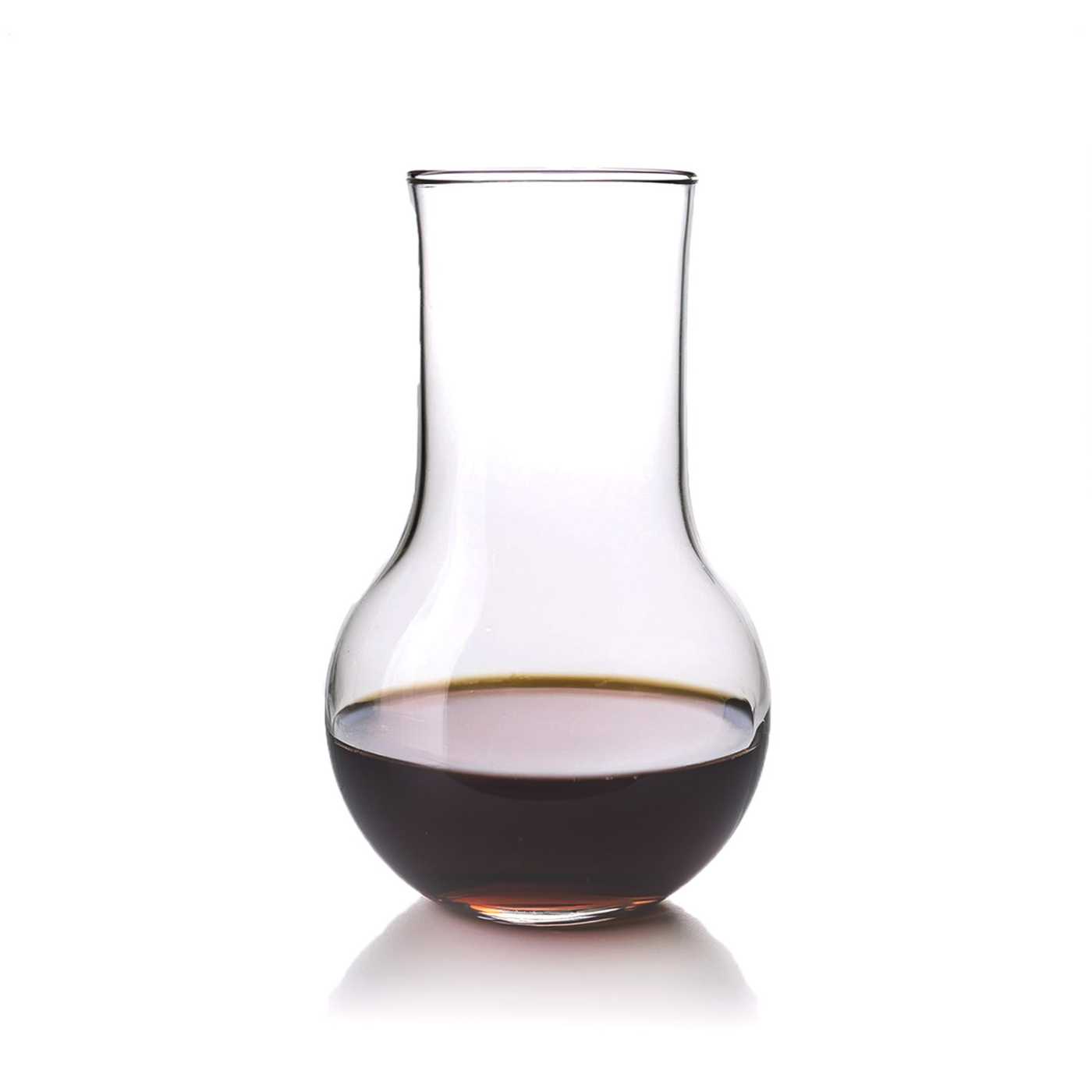
Lecithin is a liquid of golden-yellow to brown colour with a neutral odour. At a higher usage rate it can tint light-coloured products beige, which should be taken into account in white creams and balms.
In a water-based environment, the phospholipids of lecithin gradually break down into lysophospholipids and fatty acids. The breakdown is slowest at around pH 6.5 and speeds up as the temperature rises. Do not heat an emulsion with lecithin longer than necessary, and keep the pH of the finished product close to neutral. Always check stability and pH.
On its own it protects oils against oxidation only weakly. The metals it naturally contains, such as iron and copper, may even promote oxidation.
Add tocopherol to a formulation with lecithin. Lecithin does not replace an antioxidant, and the oils in the oil phase need protection against oxidation.
This product is unmodified lecithin. Hydrolysed lecithin (lysolecithin) has part of its fatty acids split off and is more hydrophilic; it is suitable for thin emulsions and sprays. Liquid soy lecithin is not a substitute for it in spray emulsions.
The raw material contains soy, which is an allergen. Take this into account with customers who have a soy allergy. The substance is not classified as hazardous under CLP; nevertheless, keep it, as well as empty containers with residues, away from open flames during work.
Only customers with a delivered order can write reviews.