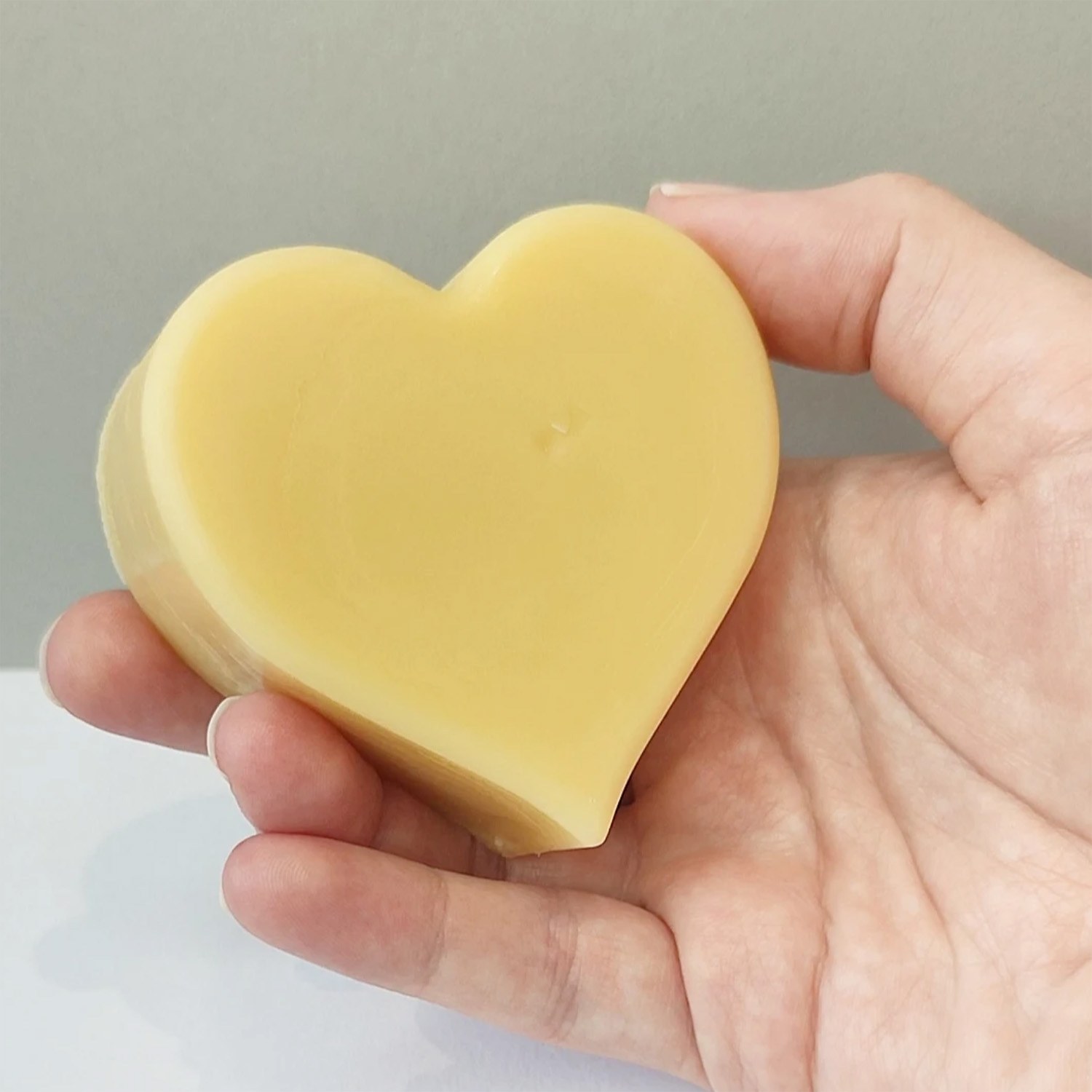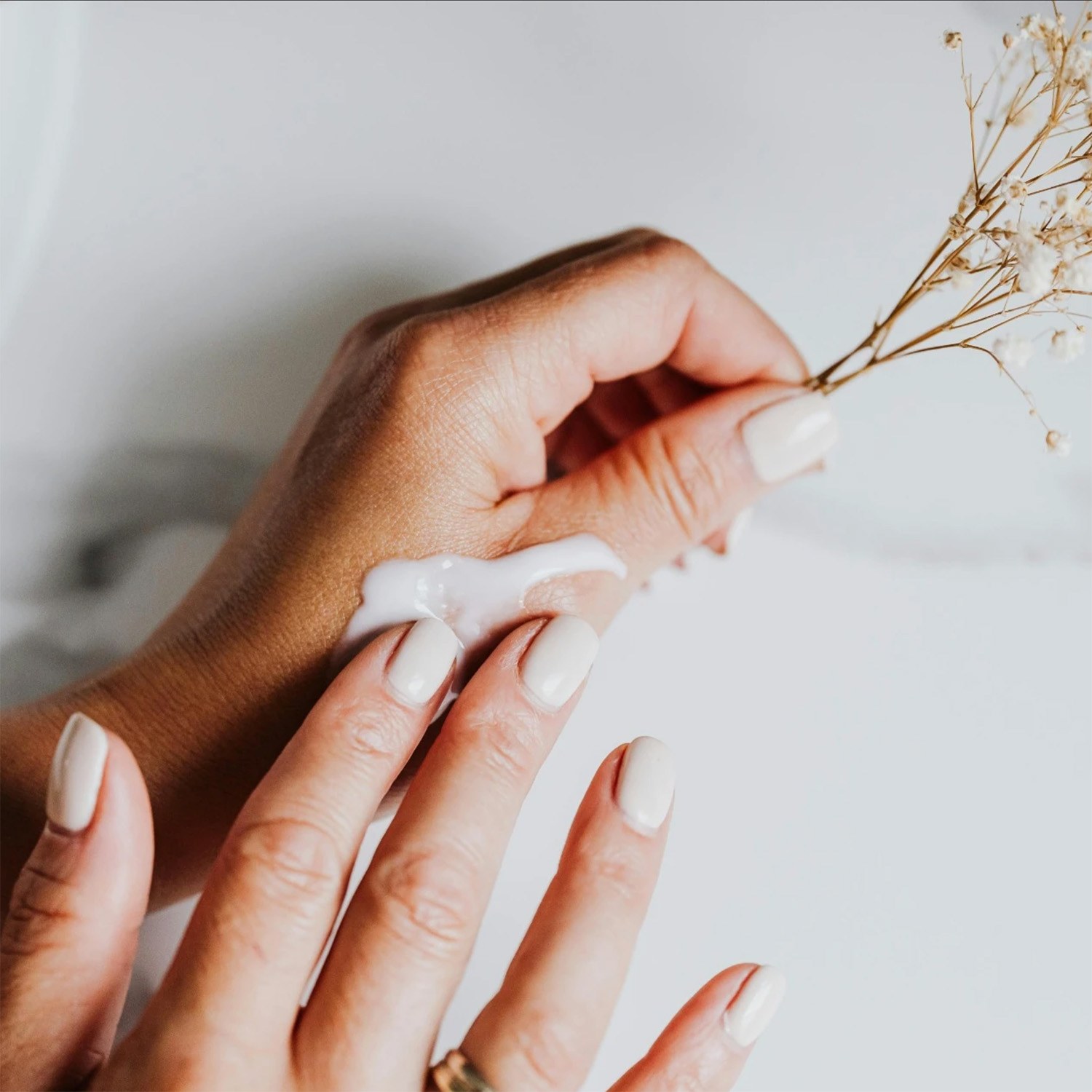
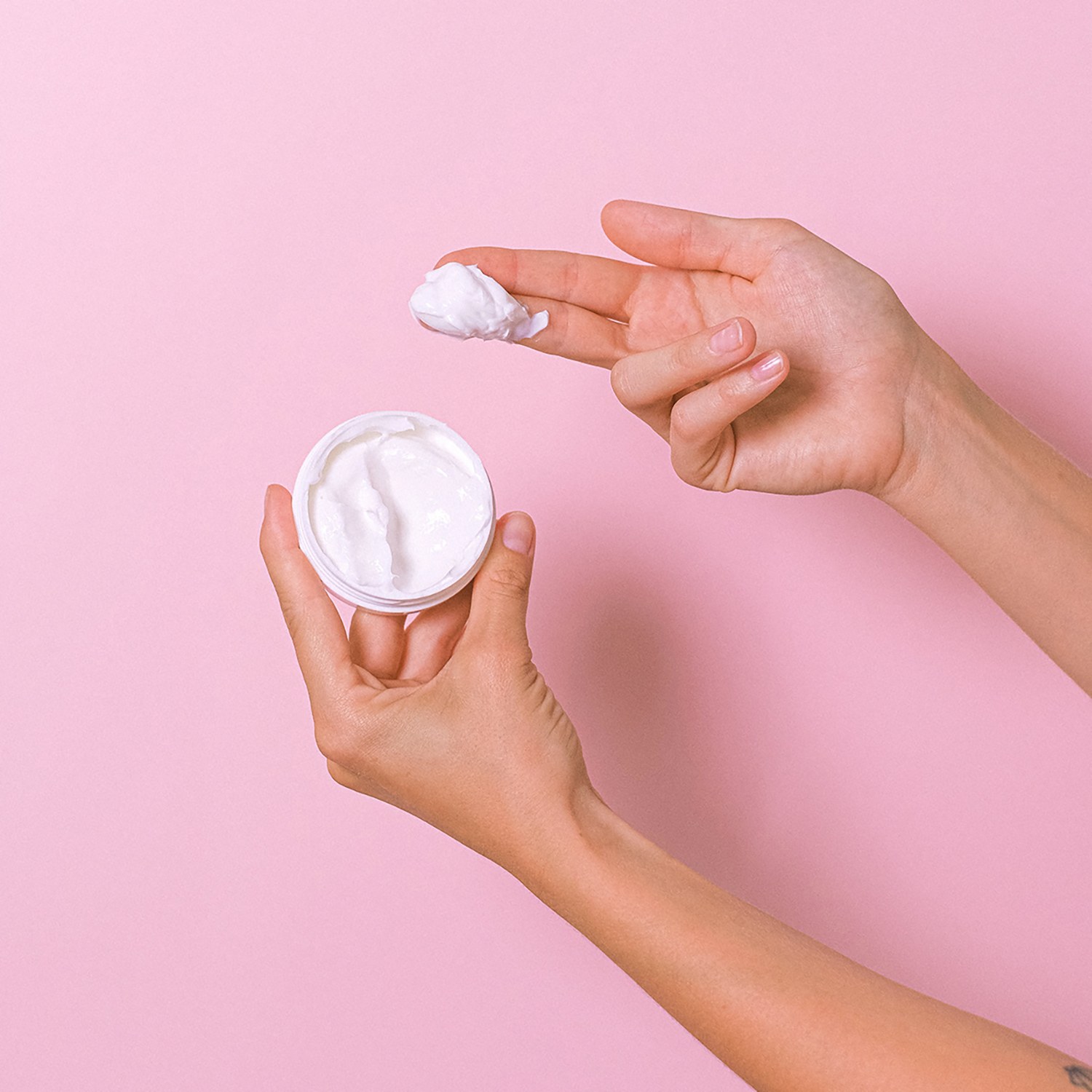
Moisturising body butter is something you will quickly grow fond of for its strong hydrating properties, which dry skin in particular will appreciate. Thanks to the combination of vegetable oils and butters, it nourishes the skin and brings it the valuable substances contained in the selected vegetable fats. If body butters seem too greasy to you, try our version with the addition of starch and neutral oil, which accelerate absorption by the skin and reduce the feeling of greasiness.
About this recipe
This tutorial for a softening body butter with a delicate fresh scent was prepared by Ivana Jačalová. It is a whipped body butter whose base is formed by vegetable fats — oils and butters. To reduce greasiness, further raw materials were added to the recipe as well; these make the product easier to absorb, refine the texture and create a luxurious feel on the skin when applied.
Main benefits
- Strong hydration
Body butters have strong hydrating properties, which dry skin in particular will appreciate.
- Less greasy feel
Corn starch and MCT Caprylis neutral oil speed up absorption by the skin and reduce the feeling of greasiness.
- Fluffy consistency
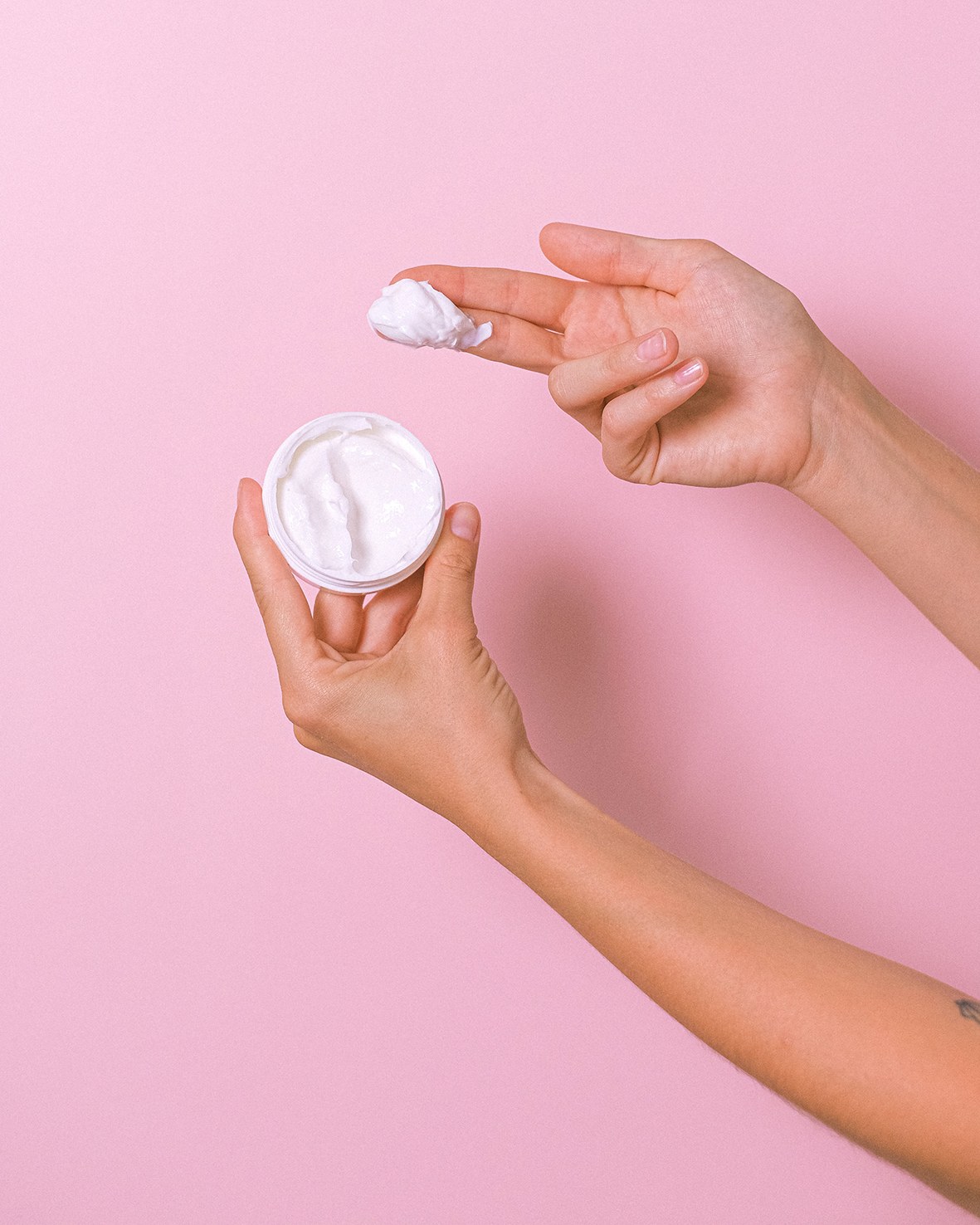
Whipping gives you a fluffy consistency similar to cake cream.
- Melts on the skin
Both cocoa butter and illipe butter melt on contact with the skin, so application is quick and pleasant.
- Care for dry skin
Illipe butter restores elasticity, softens the skin and provides hydration for dry and cracked skin.
Product properties
Key raw materials in the recipe
Would you like to find out how to adapt the moisturising body butter to your own ideas? With our advice you will discover which raw materials are key and how to vary them so that you get the results you want.
Cocoa butter
A popular vegetable butter for making whipped body butters is cocoa butter. This butter has the advantage that it melts upon contact with the skin, and so applying such products is quick and pleasant. In general, the butters in this recipe can be replaced by other types of vegetable butters. It must, however, be kept in mind that the higher the proportion of vegetable butters with a higher melting point you choose, the firmer the consistency of the final body butter will be (you will whip a firmer cream) and the more slowly it will melt on the skin.
Illipe butter
An excellent butter for restoring skin elasticity is illipe butter. It is a soft butter made from the nuts of the illipe tree. This butter melts in the range of 34 to 38 °C, so it will melt upon contact with the skin. In addition to its ability to soften the skin, it provides hydration and care for dry and cracked skin. When replacing illipe butter in the recipe, proceed in the same way as with cocoa butter. Of course, you can also adjust the proportion of this butter in the recipe, and thereby influence the final texture and consistency of the product. If you want a body butter with a creamier, less firm consistency, reduce the proportion of vegetable butters in the recipe.
Cetearyl alcohol
To reduce the greasiness of the final body butter, cetearyl alcohol was chosen. This fatty alcohol has the form of wax-like granules and, in addition to its co-emulsifying properties, gives products stiffness and firmness. Cetearyl alcohol thus firms up the final whipped butter and helps to create a protective film on the skin, which prevents excessive water loss and drying out. Again, by reducing the proportion of cetearyl alcohol in the recipe you will obtain a body butter with less stiffness and a more creamy texture. If you do not have cetearyl alcohol to hand, a good alternative is cetyl alcohol.
Calendula macerate in sunflower oil
You can enjoy the active substances of calendula officinalis in oil form thanks to macerates. With calendula macerate in sunflower oil you can replace the classic vegetable oils in the recipe and so gain the benefits of this medicinal plant for your skin. Of course, calendula macerate can be replaced by another vegetable oil. Or there is the option to reach for other macerates, for example carrot macerate. In the case of carrot macerate, however, bear in mind that the resulting body butter may take on an orange tinge, and with a higher proportion of carrot macerate in the recipe the body butter may leave orange stains on clothing.
MCT Caprylis — neutral oil
The combination of caprylic/capric triglycerides that make up MCT Caprylis neutral oil ensures that the final body butter creates a lower feeling of greasiness on the skin and is more easily absorbed. MCT Caprylis is a great way to reduce the oiliness of products that contain oils; you can use it to replace vegetable oils in a wide range of recipes. If you have a favourite vegetable oil of your own, however, do not hesitate to replace MCT Caprylis with the oil you prefer.
Corn starch
Another substance for reducing the feeling of greasiness on the skin is corn starch. Starches are generally known for their ability to bind fats and skin greasiness, which is why you will often find them in powder dry shampoos and dusting powders. You can replace the corn starch in the recipe with another starch; try, for example, rice starch, which creates a silky-soft feel on the skin. If you increase the proportion of starch in the product by a few percent, you will obtain a body butter that is a little less greasy still. On the other hand, too much starch can cause the body butter not to whip properly, to contain lumps or to be too firm for easy application. You can also leave the corn starch out, but bear in mind that the texture of the product and the way it feels on the skin will change.
Tocopheryl acetate
Behind the name tocopheryl acetate hides nothing other than vitamin E. Vitamin E is a fat-soluble antioxidant that prolongs the freshness of oils and delays their rapid oxidation. It is not an essential component of body butter, but thanks to the use of an antioxidant you can enjoy the product for longer. Tocopheryl acetate can also be replaced with 96 % tocopherol.
Essential oil
To give the body butter a gentle citrus-woody scent, lemongrass essential oil was used. When choosing essential oils for your product you have a wide palette at your disposal, but do observe the dosage published with the product (for example according to IFRA standards), so that you avoid an unwanted allergic reaction. Of course, the essential oil can also be left out of the product completely, or you can reach for fragrance oils, which are a synthetic substitute for essential oils but, on the other hand, offer you an even wider palette of scents, including those that are not available in essential oil form.
Formulation (100 g)
The raw material content is given in percentages by weight, so it corresponds to a batch of 100 g of finished body butter. The phase A raw materials are melted together in a water bath; the phase B raw materials are whipped into the cooled mixture.
| Phase / raw material | Content in % |
|---|---|
| Phase A | |
| Cocoa butter, deodorised | 18,00 % |
| Illipe butter, refined | 35,00 % |
| Cetearyl alcohol | 6,00 % |
| Calendula macerate in sunflower oil | 10,80 % |
| MCT Caprylis neutral oil | 19,00 % |
| Phase B | |
| Corn starch | 10,00 % |
| Tocopheryl acetate | 1,00 % |
| Lemongrass essential oil | 0,20 % |
| Tools | |
| Ethanol | as needed |
Method
- Disinfection
All tools, containers and packaging that will come into contact with the product or the raw materials should be disinfected, for example with ethanol.
- Weighing out phase A Phase A
Into a heat-resistant container, weigh out all the raw materials from phase A. Place it in a water bath.
- Melting and setting Phase A
Heat the phase A raw materials slowly until melted in the water bath, then mix thoroughly and place in the fridge/freezer until the whole mixture has set.
- Whipping and working in the starch Phase A + B
Once it has set, whip the mixture with a hand mixer to a fluffy consistency, then, while continuing to whip, add the starch in small portions and whip it thoroughly into the mixture.
- Tocopheryl acetate and essential oil Phase B
Finally, add the tocopheryl acetate and the essential oil and again whip the raw materials thoroughly into the mixture.
- Filling into containers
Fill the product into the containers using a pastry spatula or piping bag.
Tips and tricks for making it
Would you like to make your moisturising body butter easier to prepare, or are you not sure about some of the steps? Take a look at our tips and tricks and find out more.
Let the melted phase A raw materials set for long enough so that no liquid oils are left, not even at the bottom of the container. The aim is to obtain a thick, setting mixture that is no longer liquid but, on the other hand, has not set completely hard. Cooling the mixture is essential for whipping the product properly.
Whip the corn starch into the product gradually so that no lumps form in it. Likewise, do not forget to whip in the tocopheryl acetate and the essential oil, so that no spots with a higher concentration of these substances are left.
As soon as all the raw materials are whipped in and you reach the desired consistency, stop whipping. The product could be overwhipped, and the body butter would then lose its fluffy, cake-cream-like consistency.
For whipping, a classic kitchen mixer with two beaters — of the kind used for whipping cake creams or egg whites — works best. Use a larger (wider) container, so that the beaters fit inside it.
Warning
As mentioned, with homemade recipes you can experiment to achieve the properties you want. The final result can, however, be influenced by many factors, such as humidity, temperature, the quality of the raw materials and the way they are stored.
Before you use any raw material to make a cosmetic product, familiarise yourself with its properties, its recommended dosage, its storage conditions and safe handling. Every raw material has the potential to cause an allergic reaction in sensitive individuals, so before using the product we recommend finding out whether you are allergic to any of the raw materials or to the product as a whole, for example by means of a skin test.
If you have very sensitive or very acne-prone skin, or if you have other skin and health problems, we recommend that you consult a medical professional before applying a new product to your skin, whether it is a homemade cosmetic product, a pure raw material or a commercially available product.
Frequently asked questions about the recipe
Practical questions about the moisturising body butter — swapping the butters, consistency, the starch, and the antioxidant and scent.
Can I replace the cocoa and illipe butter with other butters?
Yes, the butters in this recipe can be replaced by other types of vegetable butters. The higher the proportion of vegetable butters with a higher melting point you choose, the firmer the consistency of the final body butter will be and the more slowly it will melt on the skin.
How do I get a creamier, less firm consistency?
Reduce the proportion of vegetable butters in the recipe. You will also achieve less stiffness and a more creamy texture by reducing the proportion of cetearyl alcohol.
Why does the mixture have to set before whipping?
Let the melted phase A raw materials set for long enough so that no liquid oils are left, not even at the bottom of the container. The aim is a thick, setting mixture that is no longer liquid, but has not set completely hard either — cooling is essential for whipping the product properly.
Can the corn starch be replaced or left out?
You can replace the starch with another starch, rice starch for example, which creates a silky-soft feel on the skin, or you can leave it out completely — but bear in mind that the texture of the product and the way it feels on the skin will change. Too much starch, on the other hand, will cause the body butter not to whip properly, to contain lumps or to be too firm for easy application.
Is tocopheryl acetate essential in the recipe?
It is not an essential component of body butter, but thanks to this antioxidant, which prolongs the freshness of oils and delays their oxidation, you can enjoy the product for longer. It can also be replaced with 96 % tocopherol.
What can I use instead of lemongrass essential oil?
The essential oil can be left out of the product completely, or you can reach for fragrance oils, which are a synthetic substitute for essential oils and offer an even wider palette of scents. Always observe the dosage published with the product, for example according to IFRA standards.
Conclusion
The skin of our body needs hydrating especially in winter, but we should not neglect it in summer either. Do you have a favourite moisturising butter or milk that you use at home? If not, make the moisturising body butter from this tutorial — it will certainly not disappoint you.
For all questions, your observations or ideas, you can write to us at our e-mail address [email protected]. Until we meet again over another blog tutorial, have a lovely and creative day.
We thank Ivana Jačalová for creating this great tutorial.
You will find the vegetable butters, oils, macerates and essential oils from this recipe in the Handymade raw materials range.