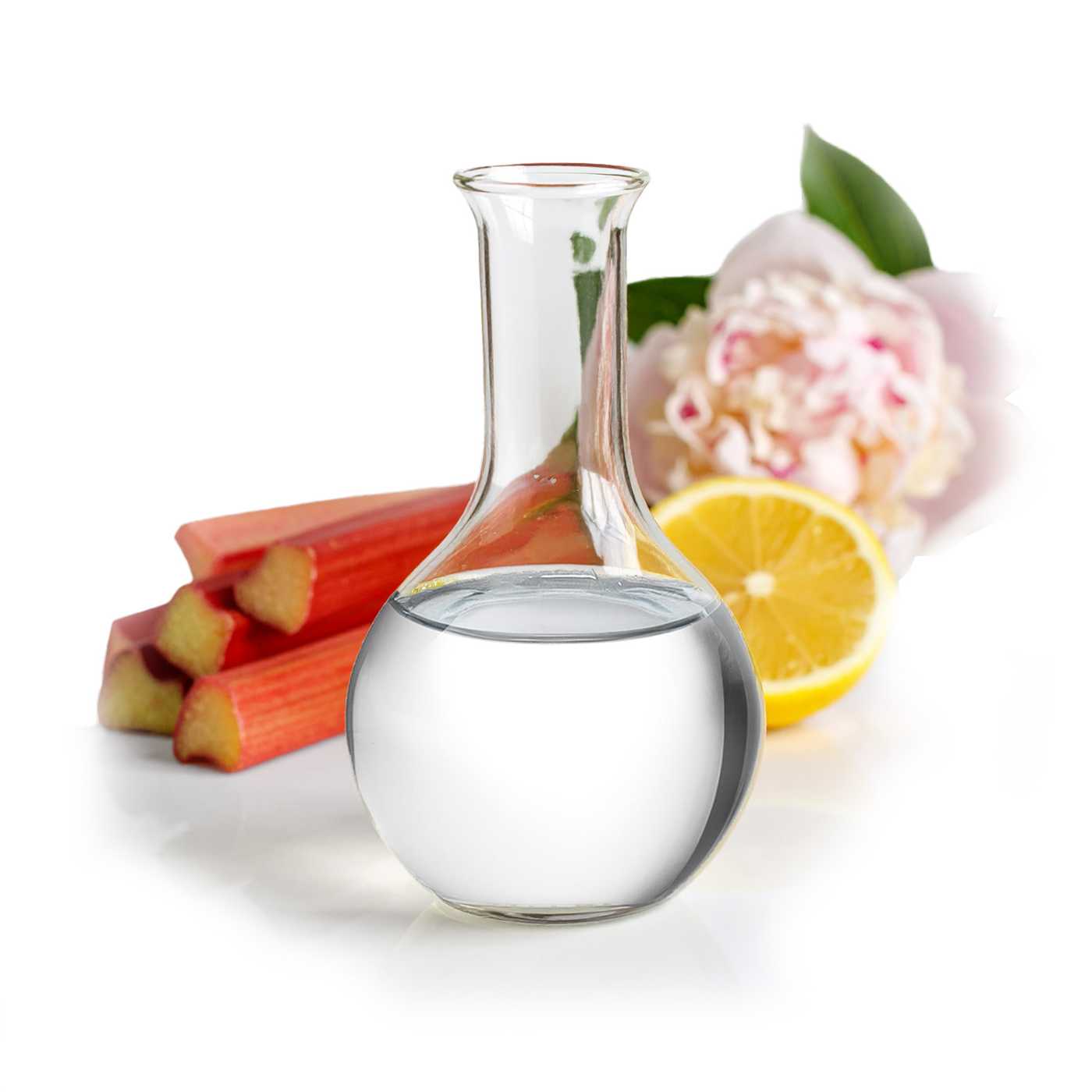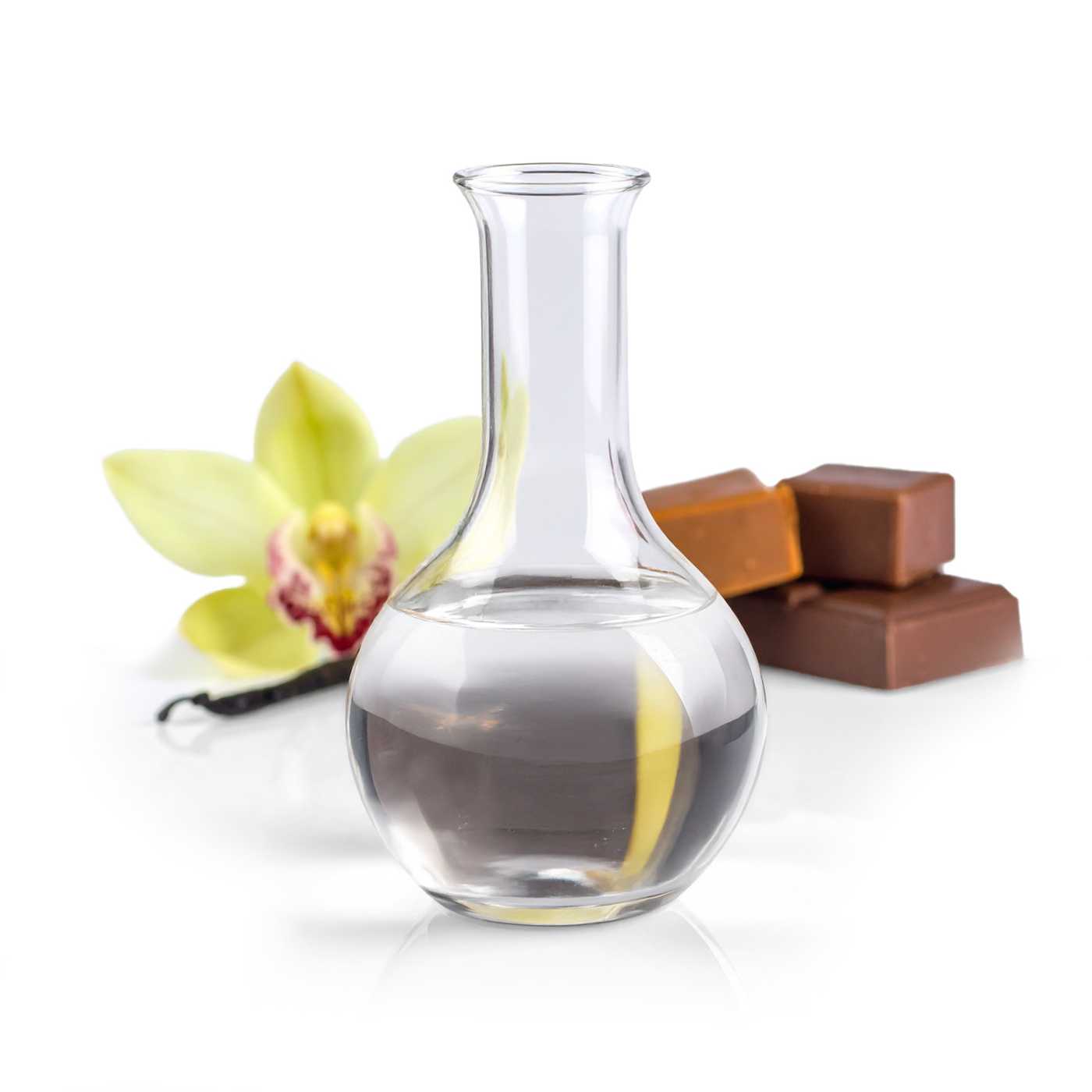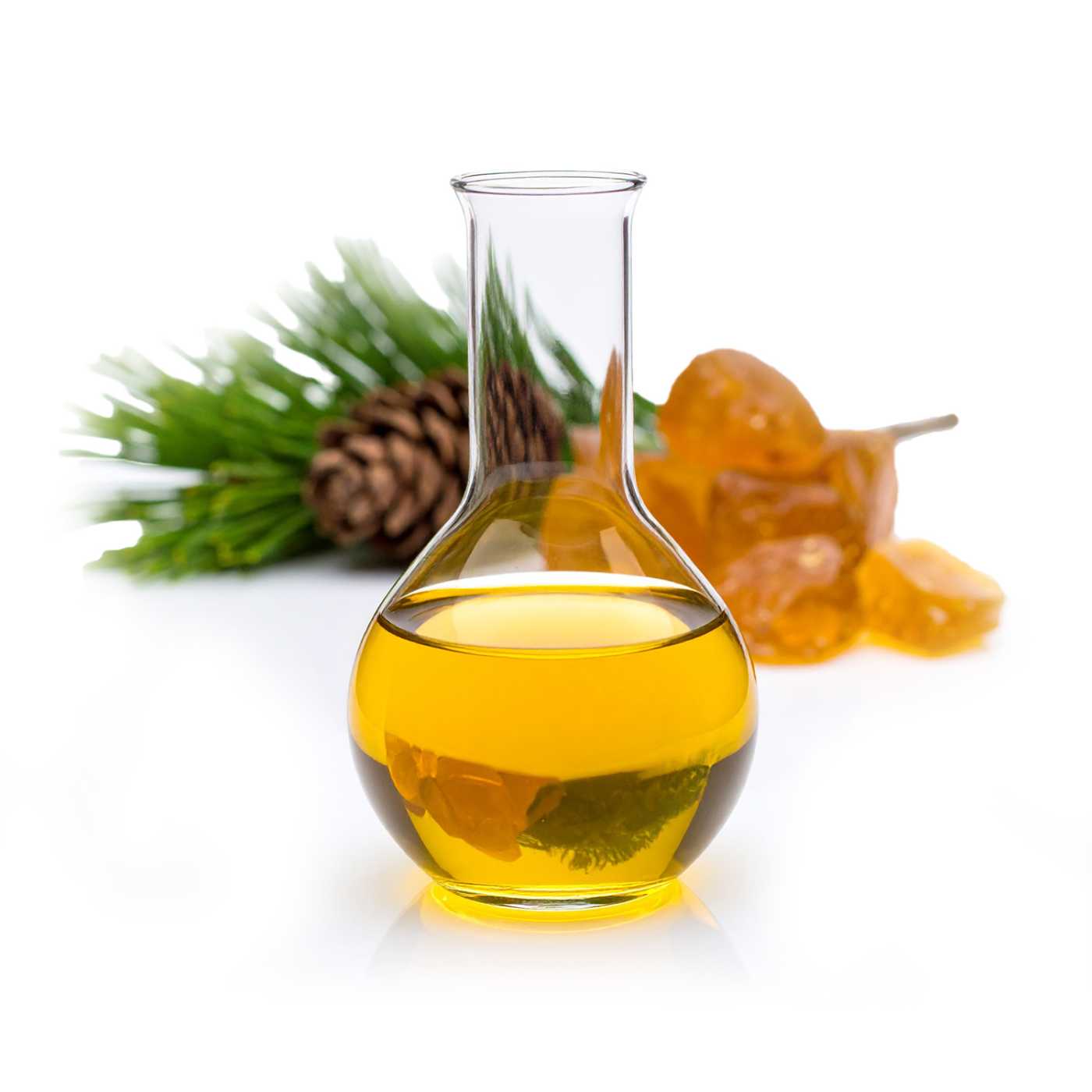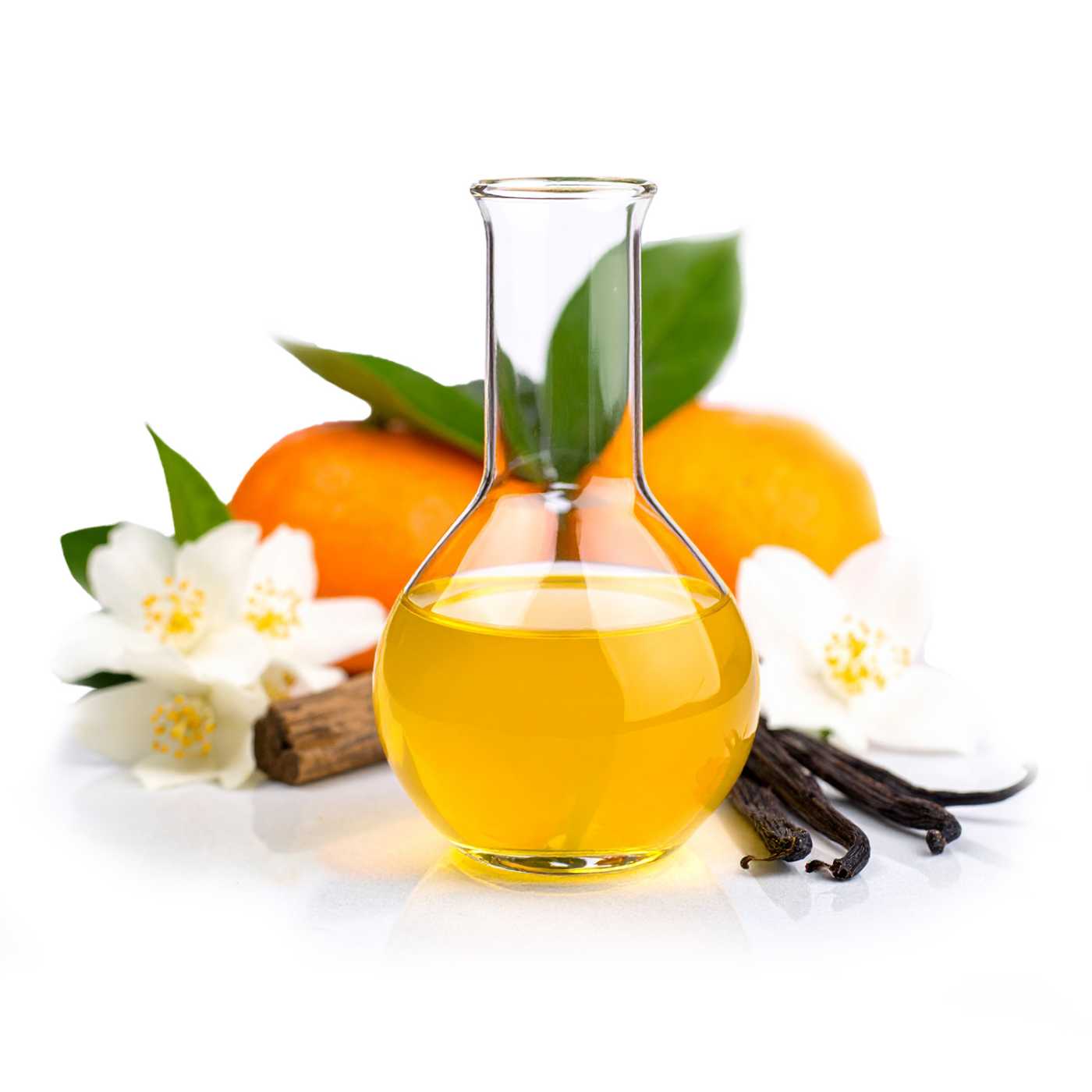
Apple Cinnamon Fragrance Oil, 1 l
Pre-order€105.00(€105.00/l)

Documentation for every product
287 products in this category
155 in stock now
4.9 out of 5 · 690 ratings
Showing 60 of 287 products
This category holds 291 fragrance oils — blends of aromatic substances made for scenting candles, diffusers, soaps and cosmetics. Compared with pure plant distillates they offer a stable fragrance intensity, good compatibility with common bases (surfactant systems, emulsions, waxes) and a broad range of notes from pine needles to chocolate, so you can design the scent of your product precisely.
Fragrance oils are compositions of natural and synthetic aromatic substances built for long-lasting scent and heat stability — which is why they are the first choice for candles and diffusers. Essential oils, by contrast, are pure plant extracts; the two groups can be combined in one recipe, you only need to watch the total fragrance load according to IFRA. The aroma compounds form a separate group of concentrated compositions.
We divide the range by olfactory family — choose according to the character of your product:
The dosage follows the IFRA standards for the particular fragrance and the type of product: in cosmetics usually 0.1 – 1 % for leave-on and 0.3 – 3 % for rinse-off products. With candles, test the fragrance load together with the type of wax and the wick, so that you achieve an even burn as well as a good hot and cold throw. How long a scent lasts is determined by its base notes, its character by the middle notes and the first impression by the top notes — and those (citrus ones in particular) fade the fastest.
Every fragrance oil is supplied with an SDS (MSDS), a certificate of analysis (COA), an IFRA statement and an allergen list, so you can label the finished product correctly. Pack sizes run from a 10 ml sample to 1 l; for help choosing a scent, write to [email protected].
Follow the IFRA limits of the particular fragrance for the given type of product. In cosmetics it commonly runs at 0.1 – 1 % for leave-on and 0.3 – 3 % for rinse-off products. With candles, always test the fragrance load together with the type of wax and the wick — the deciding factor is the resulting hot and cold throw.
They offer a considerably wider range of scent profiles, including notes that plant oils cannot cover — food, drinks or fantasy accords. As designed compositions they also have a constant make-up, so the scent of the product is the same from batch to batch, and they tend to be cheaper. Even so, always test the fragrance load on the specific wax and wick.
Yes, it is common practice. Keep an eye on the IFRA limit for the total content of perfuming ingredients in the product and test the combination directly in the target base — phase stability, any discolouration and the resulting scent profile.
An SDS (MSDS), a certificate of analysis (COA), an IFRA statement and an allergen list are available for every fragrance. You need these documents to assess the safety of the recipe and for the mandatory labelling of the finished product.