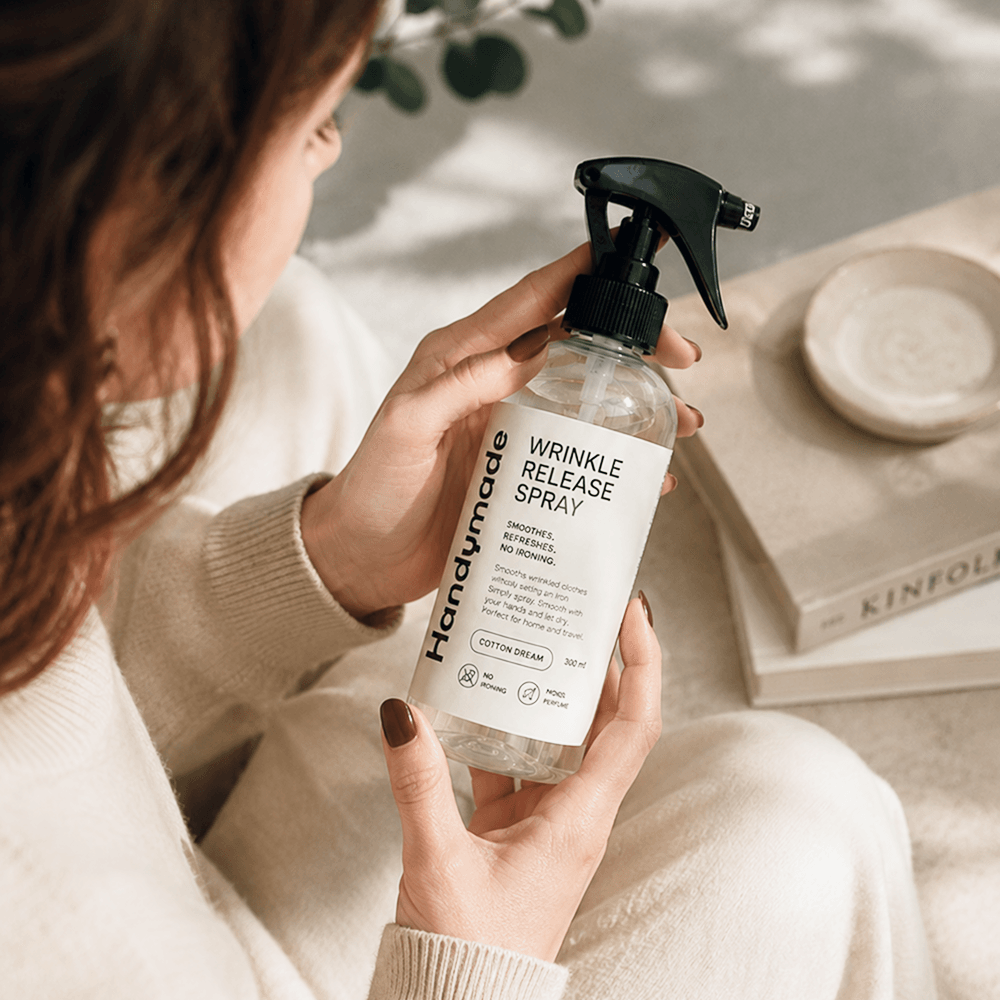

The topic of shampoos, solid or liquid, natural or synthetic, is an inexhaustible source of information and we have tapped into it a little. How do you pick the right shampoo, and how do you correctly read the back of the one you have bought?
About this article
We will go through how to correctly read the back of a shop-bought shampoo and which substances on the list of ingredients are worth paying attention to — whether it is a solid or a liquid shampoo. We will introduce five of them in turn: SLS, propylene glycol, PEG, dimethicone and fragrance with phthalates.

The substances to watch, at a glance
Solid or liquid — what it really tells you about a shampoo
There is currently a huge boom of solid shampoo on the market, which is presented with superlatives such as zerowaste, healthy, natural. However, this does not yet mean that every solid shampoo is OK and that every liquid shampoo is bad.
Which substances to pay attention to
Pay close attention especially when, if on the list of ingredients from which the shampoo (liquid or solid) consists, you find the following:
Sodium lauryl sulfate (SLS)
This is a detergent and foaming agent that is used to a significant extent in commercial shampoos. However, research confirms that SLS irritates the skin and hypersensitive types also experience an inflammatory reaction. A paradoxical piece of information is that SLS is also used as an irritant in testing products that are intended for the treatment of the skin.
Propylene Glycol (PG)
It is a humectant and solvent that, in addition to cosmetic products, is used in antifreeze mixture for airplanes. In general, it is classified as a safe substance, but many cases of toxicity have occurred in humans, including even an effect on the nervous system or cardiac arrhythmia.
Polyethylene Glycol (PEG)
Another substance, on labels often indicated only under the abbreviation PEG, is a petroleum-based chemical that is used in shampoos to create a smooth creamy texture. In many cases it has caused allergic reactions and contact dermatitis.
Dimethicone (PDMS)
A substance also known as polydimethylsiloxane (PDMS). When used in shampoos, it creates a lubricating coating around each strand of hair, gives it shine and facilitates combing. It is known to cause skin dermatitis, but more worrying are reports that it may have harmful effects on the hormonal system.
Fragrance and phthalates
Unfortunately, even such an innocent matter as a fragrance added to cosmetic products does not have to be pleasant for the body. There are shampoos whose fragrance originates from plant extracts and essential oils. But very often these products contain phthalates, which act as fragrance fixatives. Although the European Union banned some phthalates in 2005, not all of them, while they cause irritation, itching, rashes, and even allergy.
When you want the ingredients under your control
If you want to be sure what is really in your shampoo, you can mix it at home — you then choose the surfactant, the humectant and the fragrance yourself. Among the surfactants you can pick, for example, Coco Betaine, 100 ml — an amphoteric surfactant (betaine) derived from the fatty acids of coconut oil.
Another option is Coco Glucoside, 100 ml; you can browse the whole selection in the surfactants category.
Instead of propylene glycol, the role of humectant can also be filled by vegetable glycerine, 99.5%, 100 ml. And if you are looking for a fragrance that originates in plant extracts, reach for essential oils.
If you want to start simply, ORGANIC Shampoo Base, 100 ml will do the job — a cosmetic base you personalise by adding fragrances, colours, or additional active substances.
Frequently asked questions about shampoo ingredients
Practical questions about the substances on the back of your shampoo — SLS, propylene glycol, PEG, dimethicone and phthalates.
Is a solid shampoo automatically better than a liquid one?
No. Solid shampoo is currently a huge boom and is presented with superlatives such as zerowaste, healthy, natural. However, this does not yet mean that every solid shampoo is OK and that every liquid shampoo is bad — what decides is the list of ingredients, not the form.
What is SLS and why should you watch out for it?
Sodium lauryl sulfate is a detergent and foaming agent that is used to a significant extent in commercial shampoos. Research confirms that SLS irritates the skin and hypersensitive types also experience an inflammatory reaction. Paradoxically, SLS is also used as an irritant in testing products that are intended for the treatment of the skin.
Is propylene glycol (PG) safe?
In general, it is classified as a safe substance, but many cases of toxicity have occurred in humans, including even an effect on the nervous system or cardiac arrhythmia. It is a humectant and solvent that, in addition to cosmetic products, is used in antifreeze mixture for airplanes.
What is PEG used for in shampoo?
PEG is a petroleum-based chemical that is used in shampoos to create a smooth creamy texture. On labels it is often indicated only under the abbreviation PEG. In many cases it has caused allergic reactions and contact dermatitis.
Why is dimethicone added to shampoos?
When used in shampoos, it creates a lubricating coating around each strand of hair, gives it shine and facilitates combing. It is known to cause skin dermatitis, but more worrying are reports that it may have harmful effects on the hormonal system.
Are phthalates banned in cosmetics?
In 2005 the European Union banned some phthalates, but not all of them. They act as fragrance fixatives and cause irritation, itching, rashes, and even allergy. That is why even a fragrance declared as plant-based does not have to be pleasant for the body.
Conclusion
We have only tapped very lightly into the source of information about shampoos — solid or liquid, natural or synthetic. The next time you turn a shampoo around in the shop to read its back, you will already know what to look for in the list of ingredients.
You will find surfactants, humectants and essential oils for making your own shampoo in the Handymade range of raw materials.