


GLASS JARS
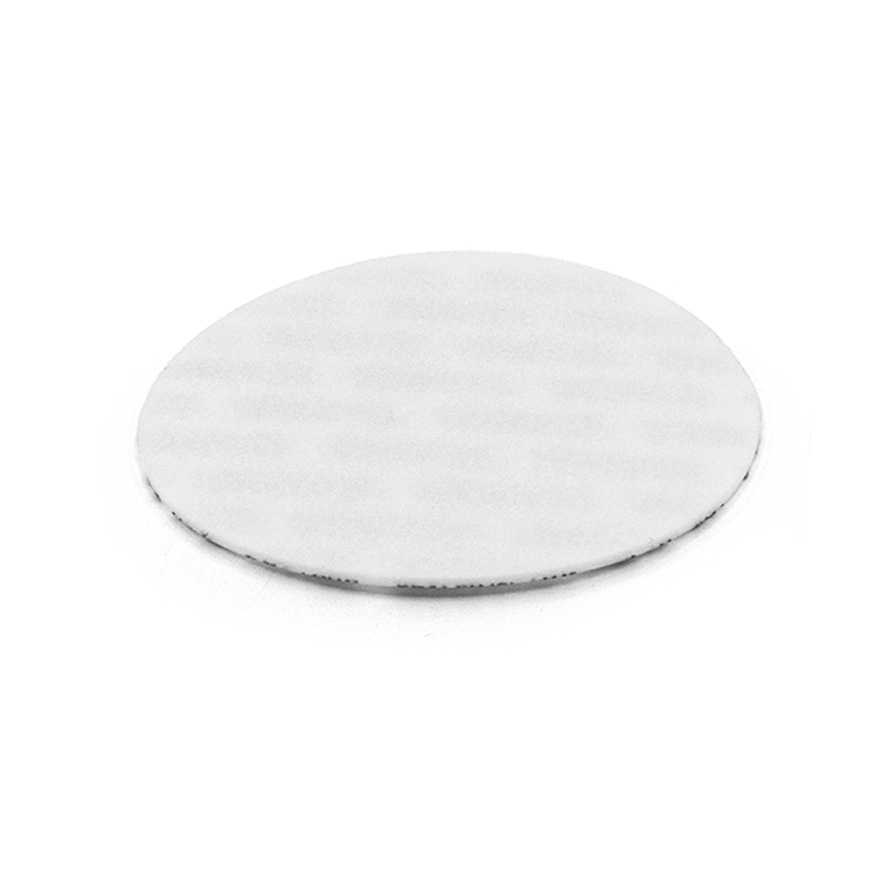
Pressure Sensitive Seals Cap Liners, 59,3 mm
Pressure-sensitive sealing inserts for jars are thin single-use seals that are placed inside the jar lid and adhere to its neck upon first tightening. full description
Lowest price in the last 30 days: €0.12
Total for 1 pcs: €0.12
Product description
Pressure-sensitive sealing inserts for jars are thin single-use seals that are placed inside the jar lid and adhere to its neck upon first tightening. The result is a sealed jar with visible tamper evidence: the customer unscrews the lid on first use, finds the neck covered by the insert, and peels it off themselves. Inserts with a diameter of 59.3 mm are designed for lids of the corresponding size for jars commonly used for creams, butters, balms, body scrubs, or loose and powder products.
For cosmetics manufacturers, they are a practical addition where the goal is to prevent the contents from reaching the lid during transport and to give the customer assurance that no one has opened the product before them.
How the insert works
The base is a white polyethylene layer with a pressure-activated adhesive surface on one side. The insert is placed into the lid with the adhesive side facing the jar neck. When the lid is tightened, the neck presses against the adhesive layer and the insert adheres to it. Unlike induction seals, no machine or heat is needed — sealing happens solely through the force of tightening the lid.
After unscrewing the lid, the insert remains on the jar neck. It is peeled off by hand and cannot be reused, as the adhesive layer loses its tack upon removal. This is precisely what makes it a simple first-opening indicator.
Key benefits
- Tamper evidence – an intact insert on the neck is a clear signal to the customer that the jar has not been opened.
- Lower risk of lid contamination – the contents cannot reach the thread or the inside of the lid during transport or tipping, keeping the jar clean all the way to the customer.
- No equipment needed for sealing – simply insert into the lid and tighten properly; suitable for small batches and home production.
- Fast application – inserts are inserted dry, with no preparation and no waiting for curing.
Use in practice
The inserts are suitable for jars containing creams, facial and body butters, balms, thick scrubs, masks, or loose products — that is, where the content is firm or thick enough not to press against the seal with its full weight when the jar is turned upside down. They work with both glass and plastic jars; the requirement is a flat, smooth, and clean neck of the corresponding diameter.
The procedure is straightforward: place the insert into a dry lid with the adhesive side facing outward, fill the jar to its nominal volume (not to the rim, so the contents do not touch the insert), wipe the neck dry, and screw on the lid with appropriate force. Adhesion takes effect immediately.
The adhesive layer adheres only to a clean and dry neck. Residues of cream, oil, or water on the rim of the jar will significantly reduce adhesion, and the seal may come off when opened without any visible damage.
Good to know
- The diameter must match. The insert must correspond in size to both the lid and the jar neck. If the neck is too small, the insert overhangs and folds; if the neck is too large, it does not sit flush against the entire rim. We recommend testing it with the specific jar before ordering a larger quantity.
- The lid needs a flat base. The insert rests against the inner surface of the lid. In lids with a deep or uneven base, the pressure on the neck may not be uniform and the seal may only adhere partially.
- This is not a replacement for a gasket. It is a tamper-evident seal and protection against leakage into the lid, not an airtight closure. For thin liquids, oils, or products with a higher proportion of alcohol or essential oils, it is advisable to check whether the contents affect the adhesive layer and whether the jar remains sealed when lying on its side for an extended period.
- Single use. Once peeled off, the insert cannot be reused. When refilling the jar, insert a new one.
- Jar preparation. Before sealing, wash the neck and optionally wipe it with isopropyl alcohol or ethanol and allow it to dry completely.
- Recycling. The insert is made of polyethylene and after removal belongs in plastic waste, not back into glass.
The inserts are intended for cosmetic use. Lids of the same type and ready-made jar + lid combinations are available in the Handymade range; for custom combinations, we recommend verifying the seal integrity and insert behaviour with the specific formulation.
When sealing an entire batch, first fill all jars, then wipe all necks at once with a clean cloth, and only then screw on the lids. This way you avoid product residue on the rim, which is the most common cause of poor adhesion.
Frequently asked questions
Parameters
Product documentation
- PDSProduct Data Sheet
- PDF ↓
Verified by customers.
No reviews yet.
Only customers with a delivered order can write reviews.