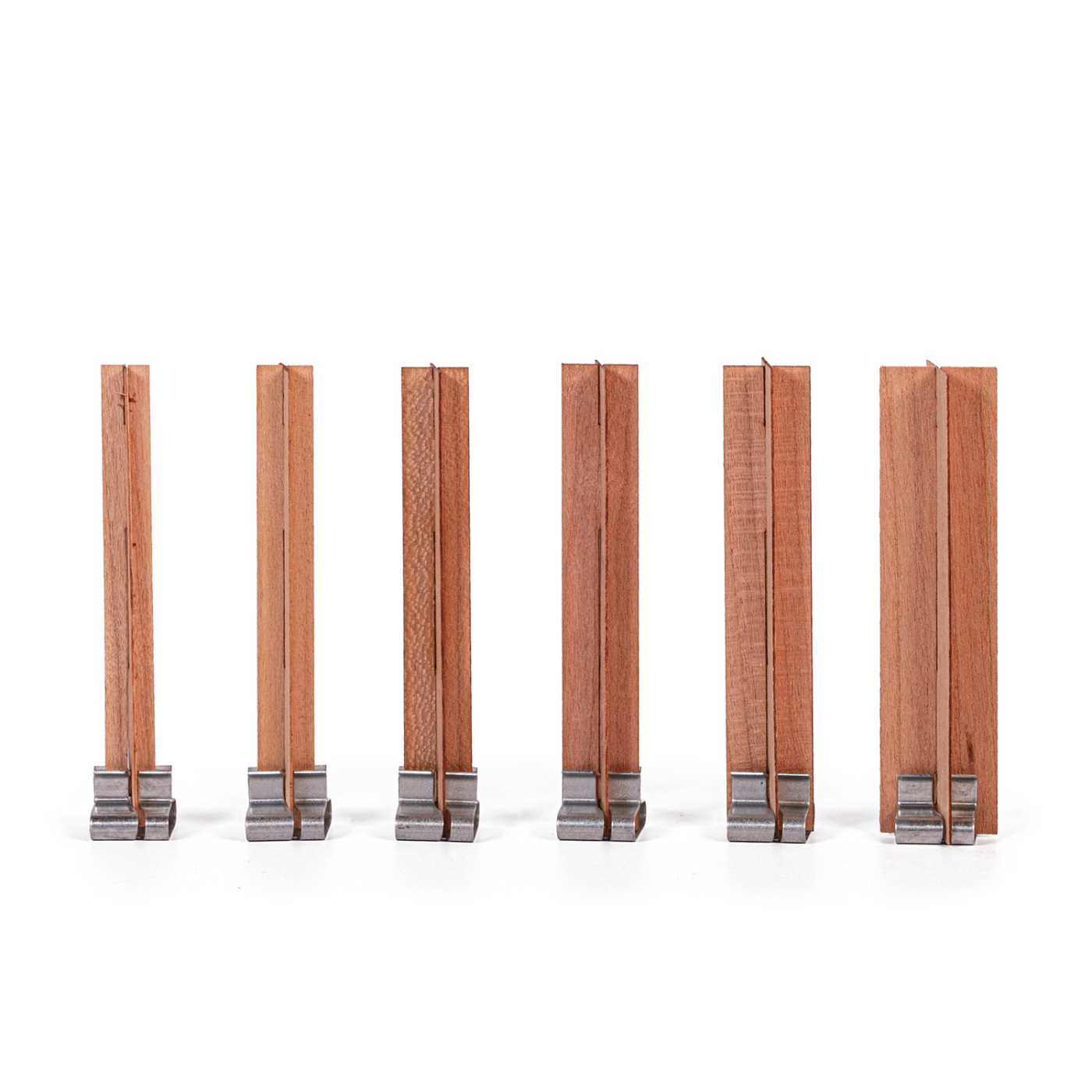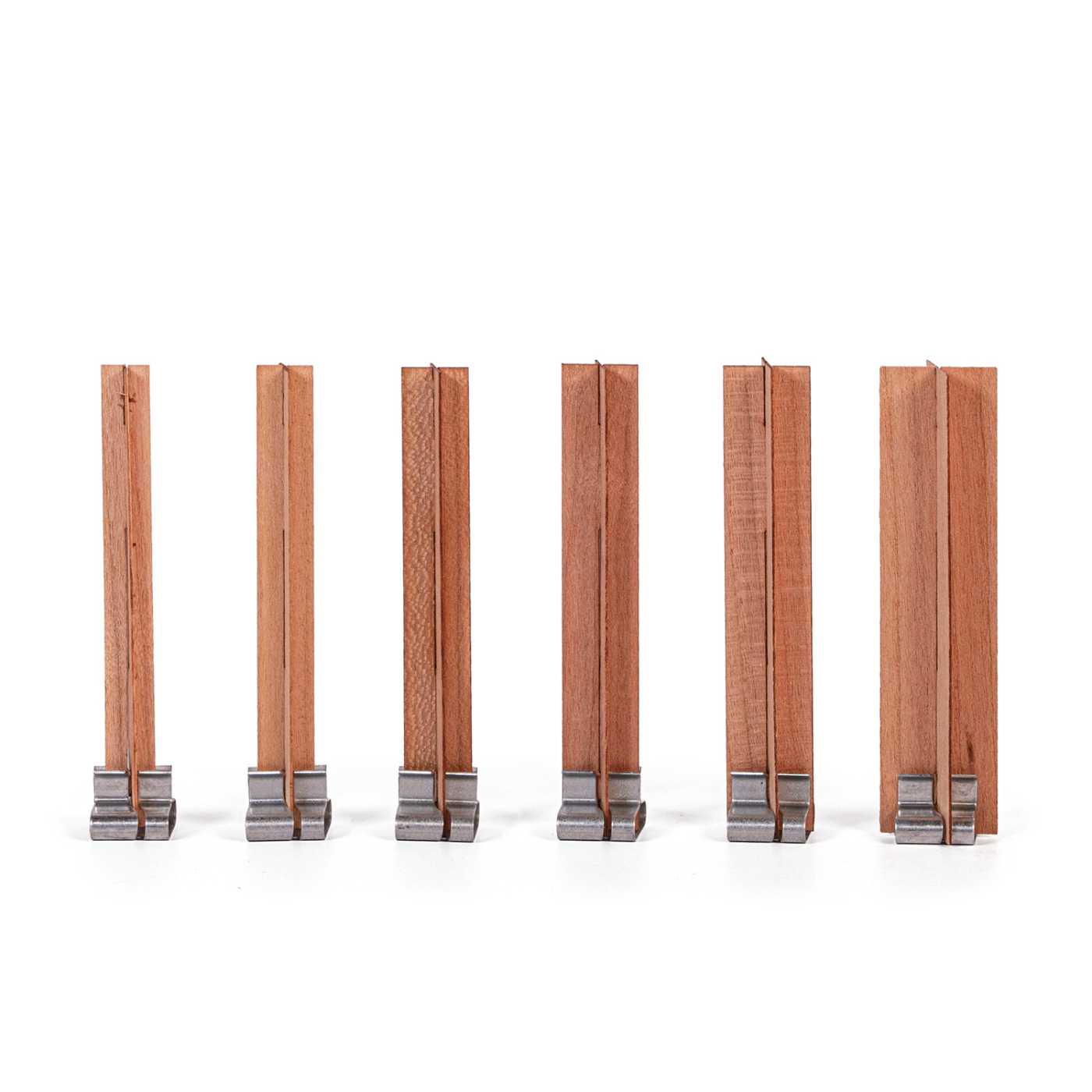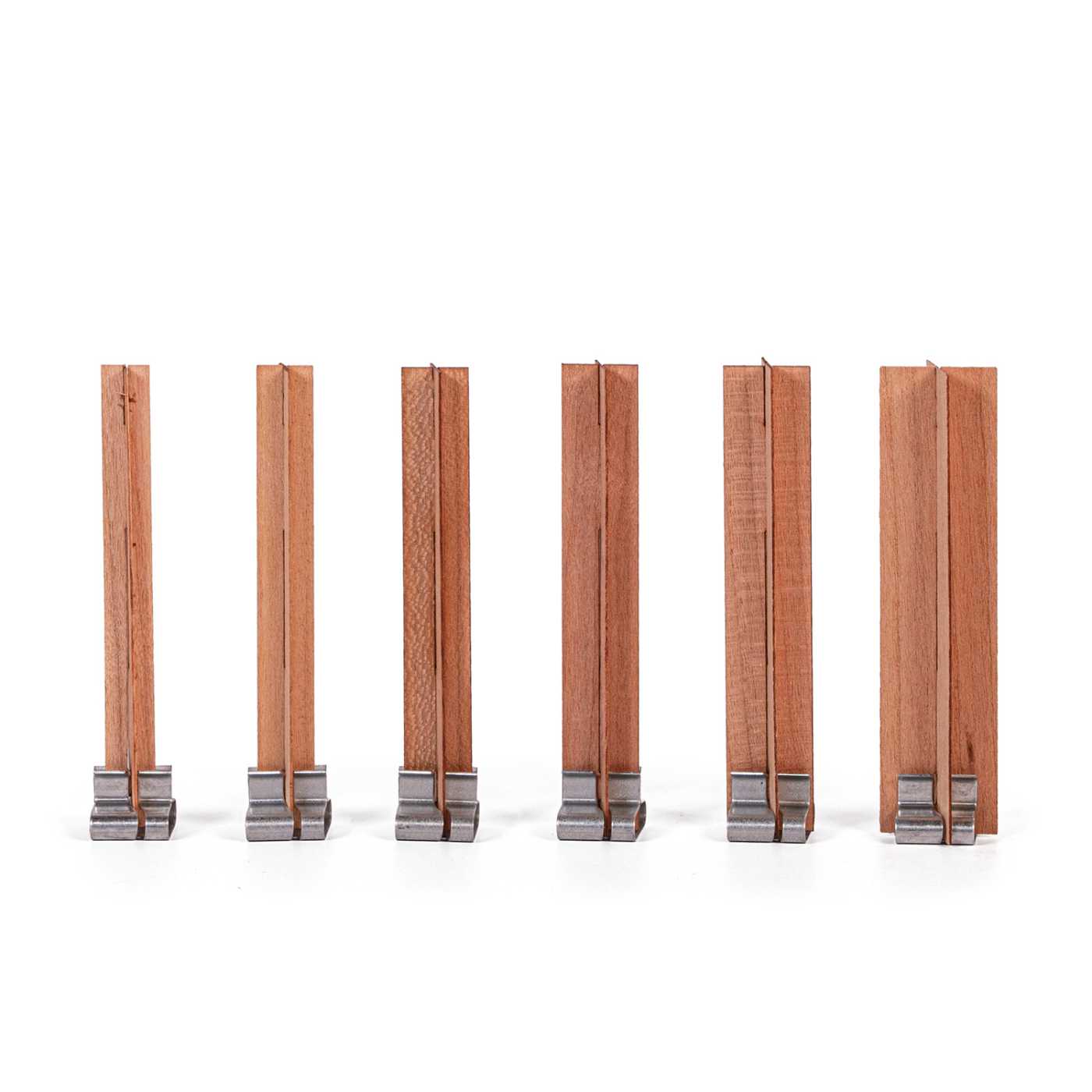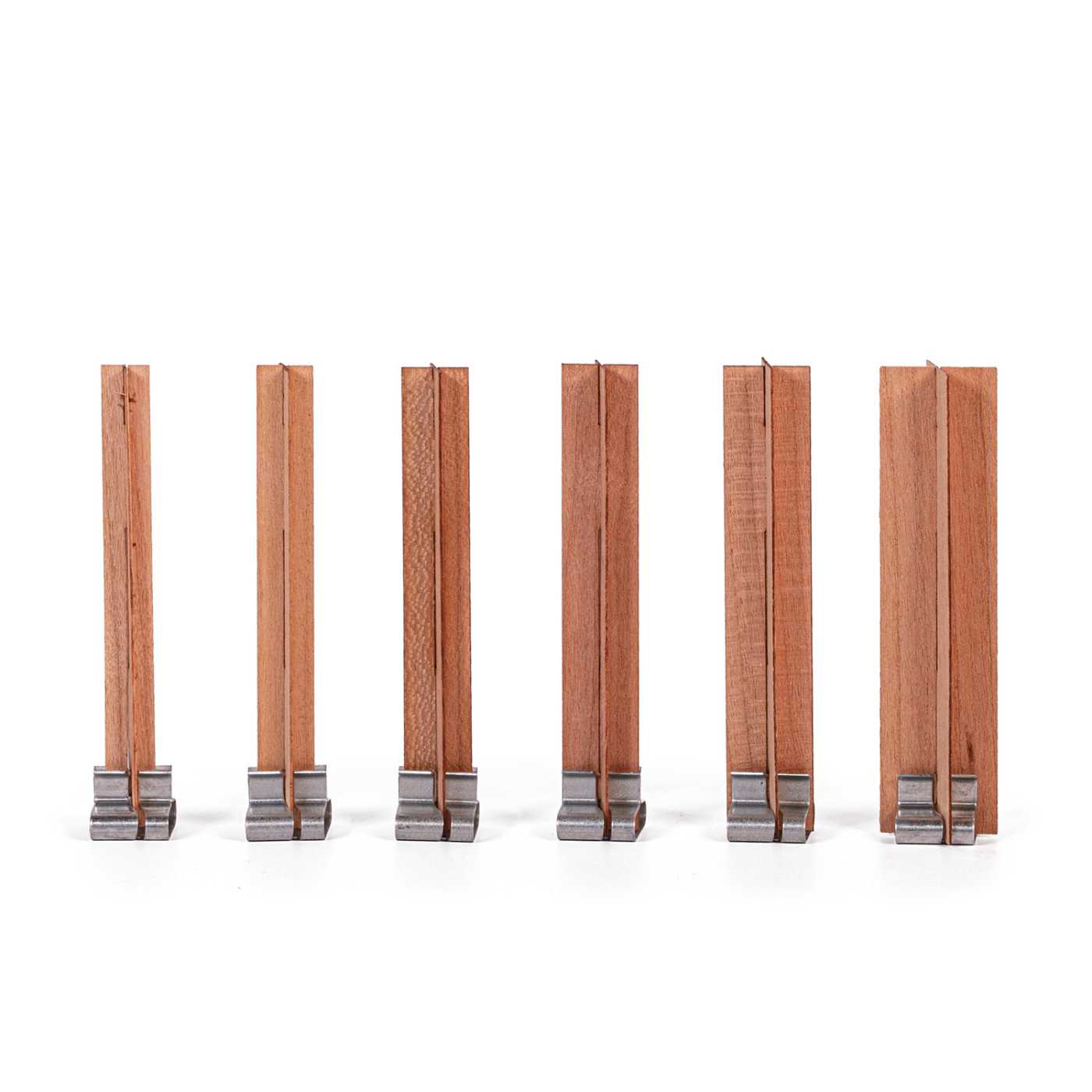
Wooden wick, .02 cross, 14.28 mm
Pre-order€1.89

Wooden wicks
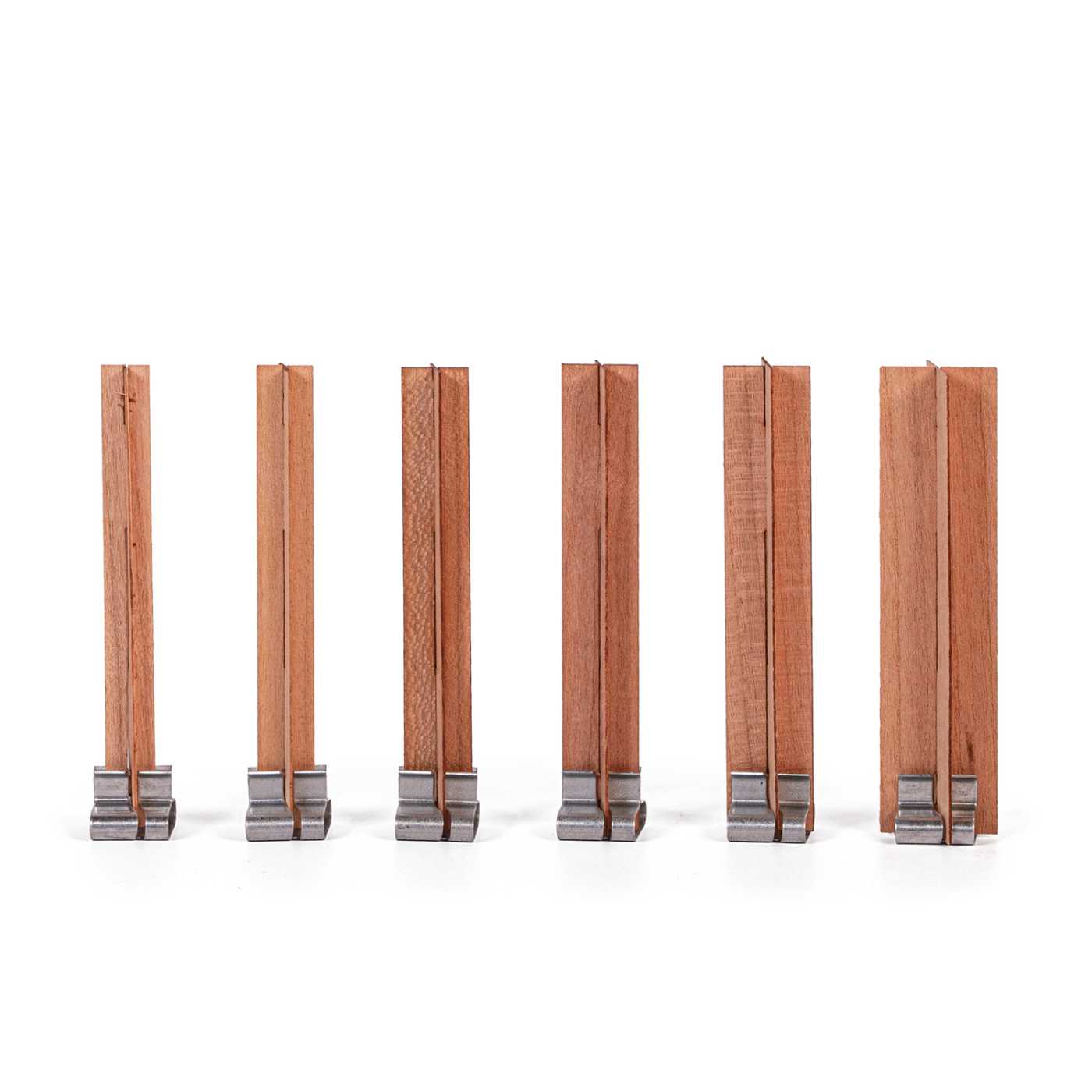
The wooden wick .02 cross with a width of 19.1 mm is a candle-making wick that replaces a cotton wick with two wooden strips joined in an X shape. full description
Lowest price in the last 30 days: €1.89
 Wooden wick, .02 cross, 19.1 mmDrevený knôt, .02 krížový, 19,1 mm ZASOBA
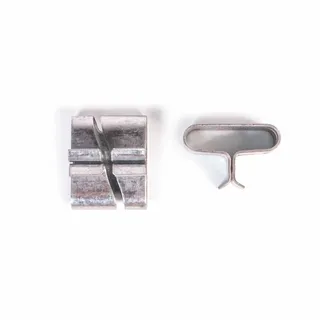
The wooden wick .02 cross with a width of 19.1 mm is a candle-making wick that replaces a cotton wick with two wooden strips joined in an X shape. It comes as a set with a metal sustainer that holds the wick upright on the bottom of the container, so it stays in place during wax pouring. While burning, it crackles softly like wood in a fireplace and produces a wide flame, making it particularly suitable for container candles with a larger diameter.
Insert the wick into the sustainer and adhere it to the centre of the bottom of the cleaned container, typically using a wick sticker or a drop of melted wax. Before pouring, verify that the wick is centred and upright, as it cannot be repositioned once the wax has set. Pour the wax at the temperature recommended for the given wax type and leave the wick undisturbed while the wax cures.
The wood must absorb wax before the first lighting, so finished candles should be left to cure for several days before burning. Only a short trim should extend above the wax surface. A longer wick burns with a large, sooty flame and extinguishes quickly, while one that is too short may drown in the melt pool.
The cross wick produces a noticeably wider melt pool than a single flat wick. Before batch production, carry out a test burn with your specific wax, fragrance and container, and check that the melt pool reaches the container wall without overheating the glass.
The designation .02 refers to the strip thickness as defined by the manufacturer – a higher number indicates a thicker strip. With harder waxes or a higher fragrance oil load, verify by test burning whether the .02 strip produces a sufficient flame.
Wooden wicks are generally not used in free-standing pillar candles without a container, as the flame and melt pool are too wide for that format.
The behaviour of a wooden wick depends on the combination of wax, fragrance oil, dye and container more than is the case with cotton wicks. Fragrance oils and dyes can hinder wax capillary action into the wood, causing the flame to weaken or go out. In such cases, a thicker strip or a lower fragrance load may help. When testing, it is worth noting the wax batch, fragrance percentage and container diameter.
The wick is not trimmed with scissors as a cotton wick would be. The burnt black portion is broken off with fingers or snipped with nail clippers; scissors would split the strip. The same procedure should be noted for customers on the label or an insert card, along with a recommendation to let the candle burn until the melt pool reaches the edge of the container on the first lighting.
Neither the wick nor the sustainer are intended for contact with food or cosmetics. They are manufacturing components for candles; use them exclusively for that purpose.
Once the candle has burned down, the metal sustainer can be removed from the container, and the wooden wick is replaced with a new one.
Only customers with a delivered order can write reviews.