+421 950 333 113info@handymade.store10% off all active ingredientsShop active ingredients

AMBER GLASS BOTTLES DIN28

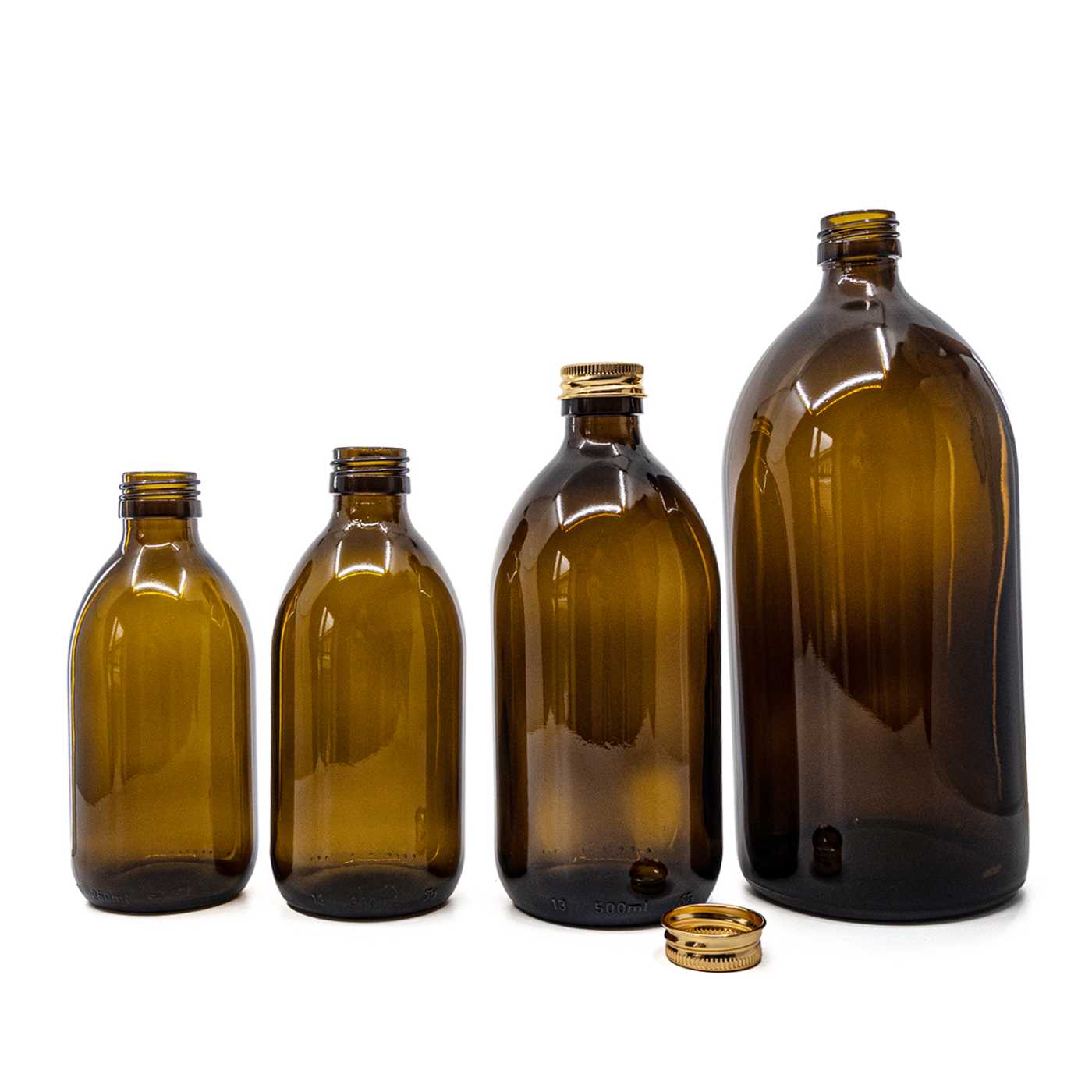
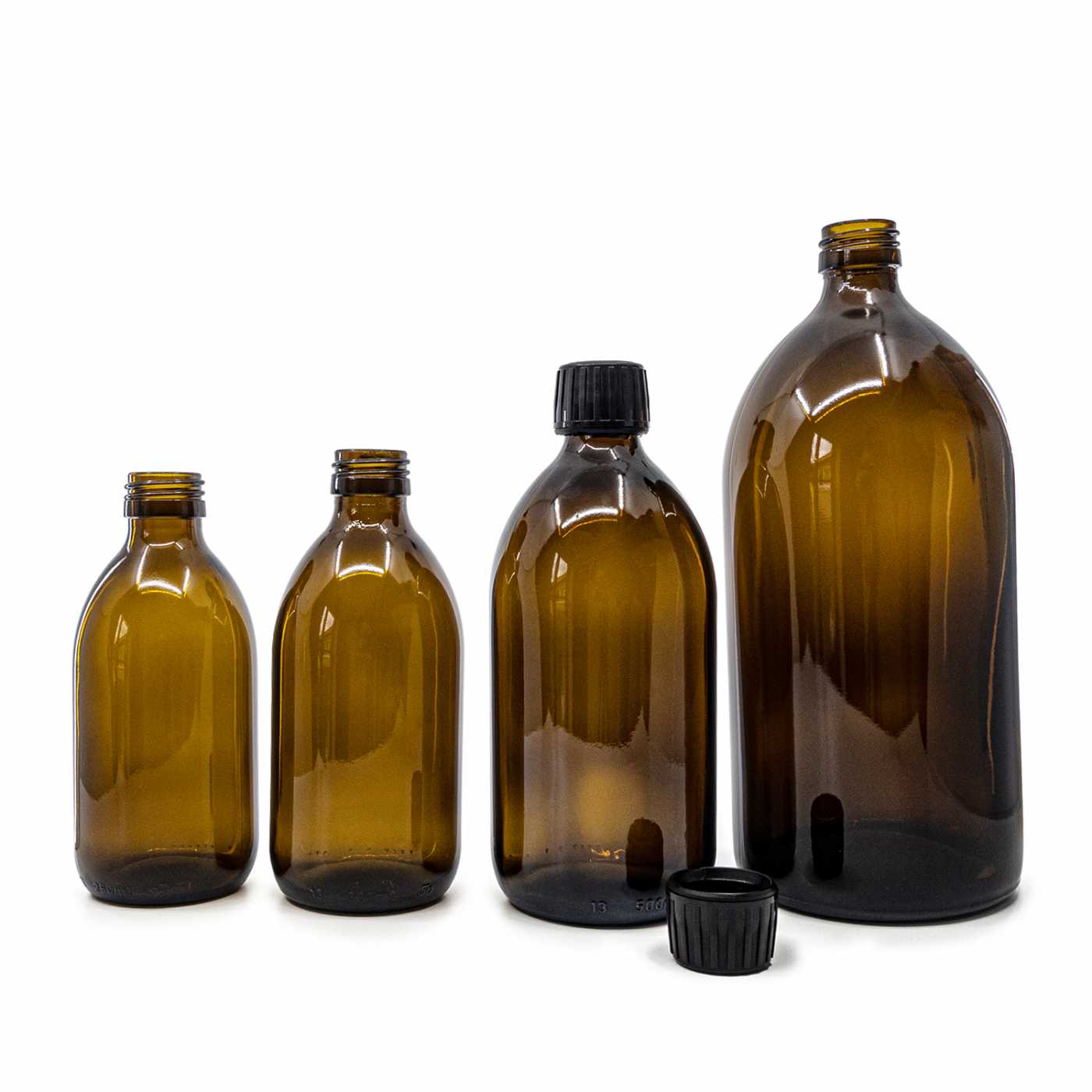
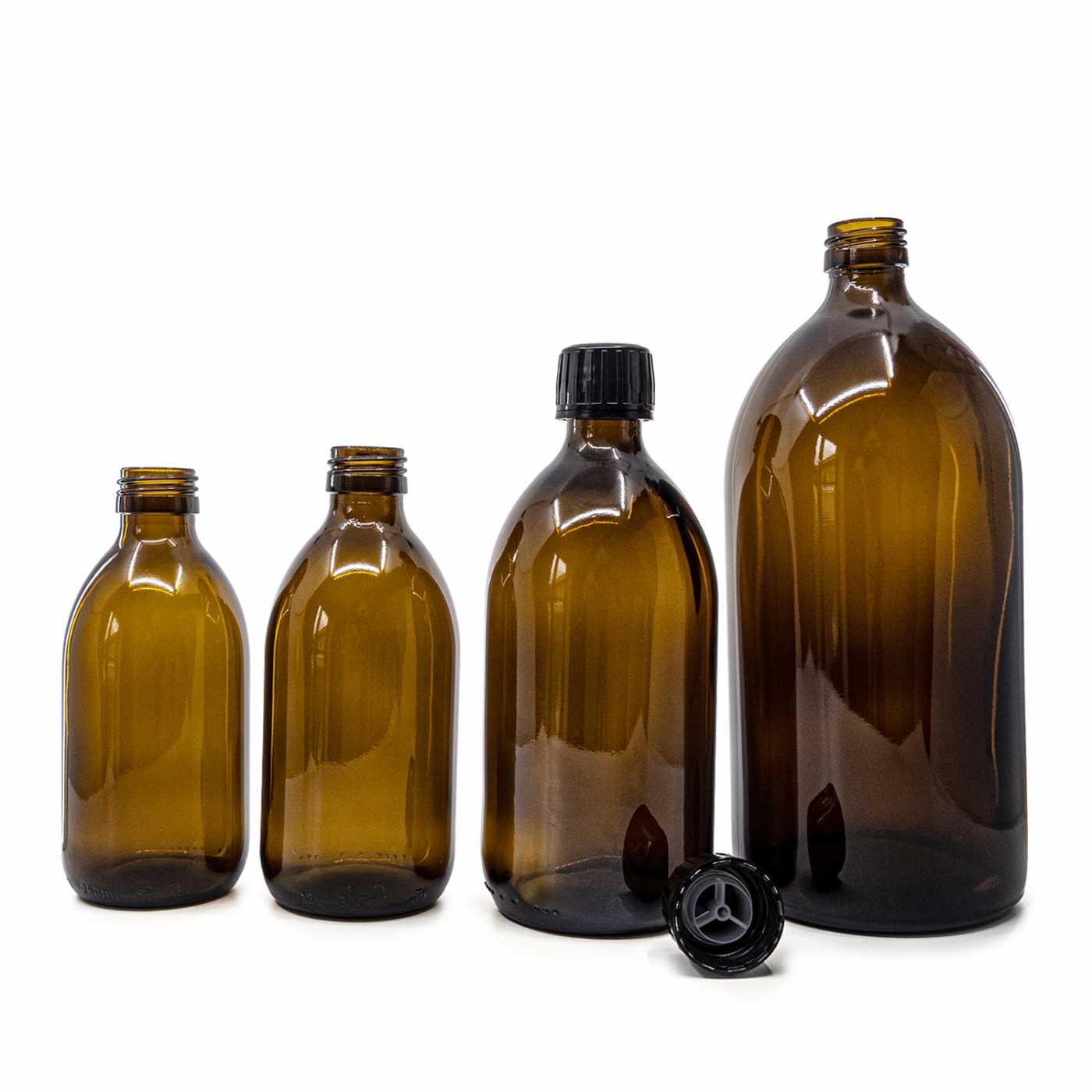
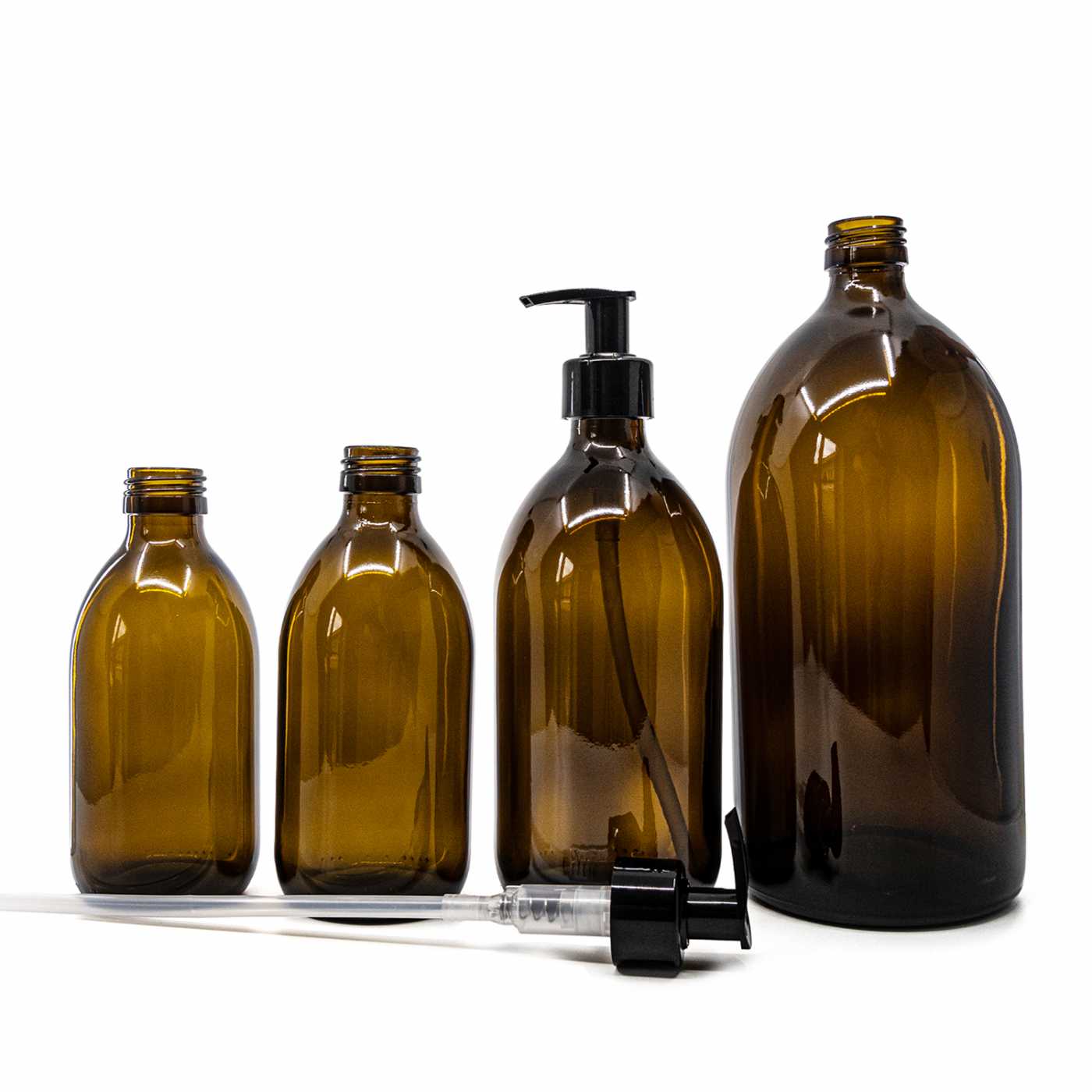
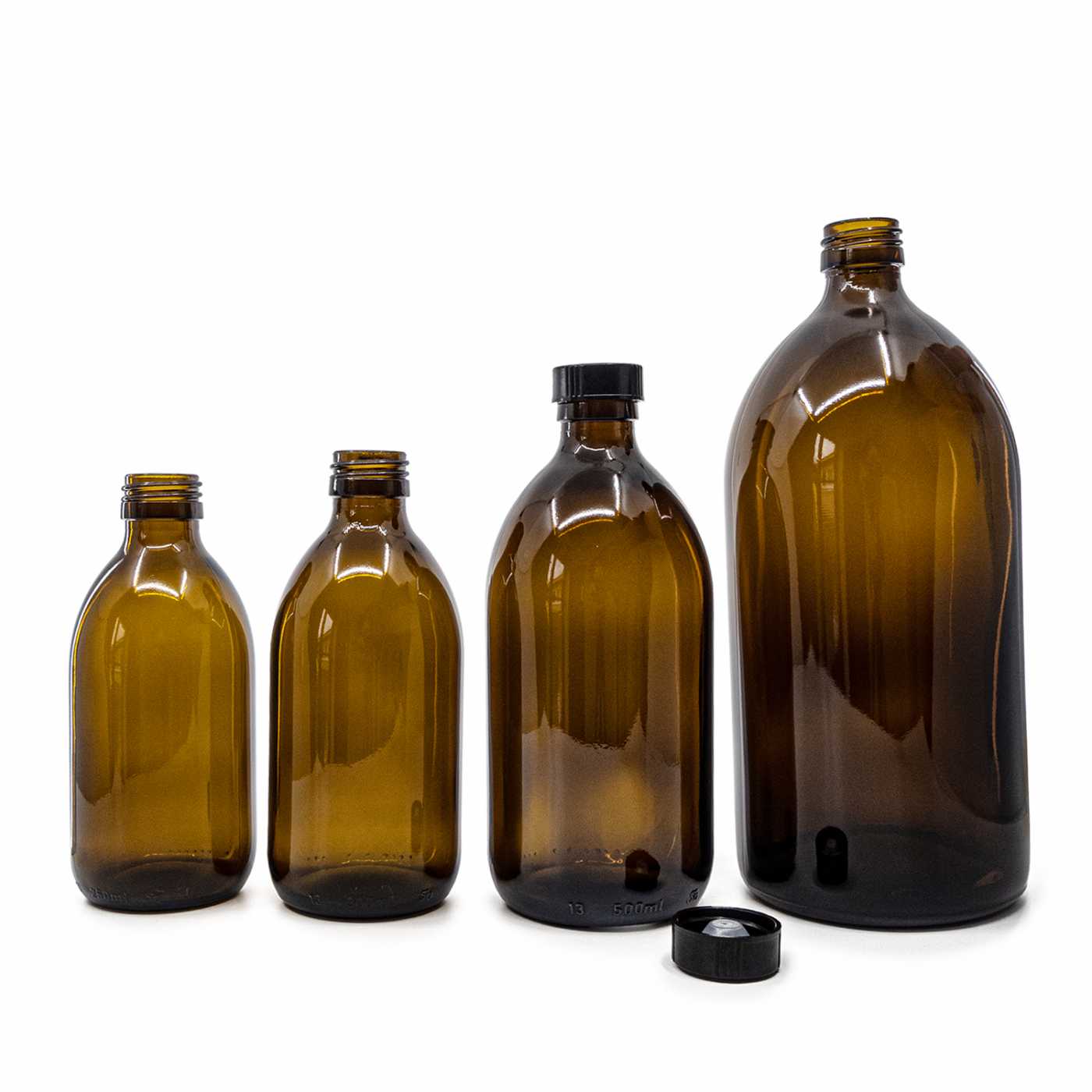
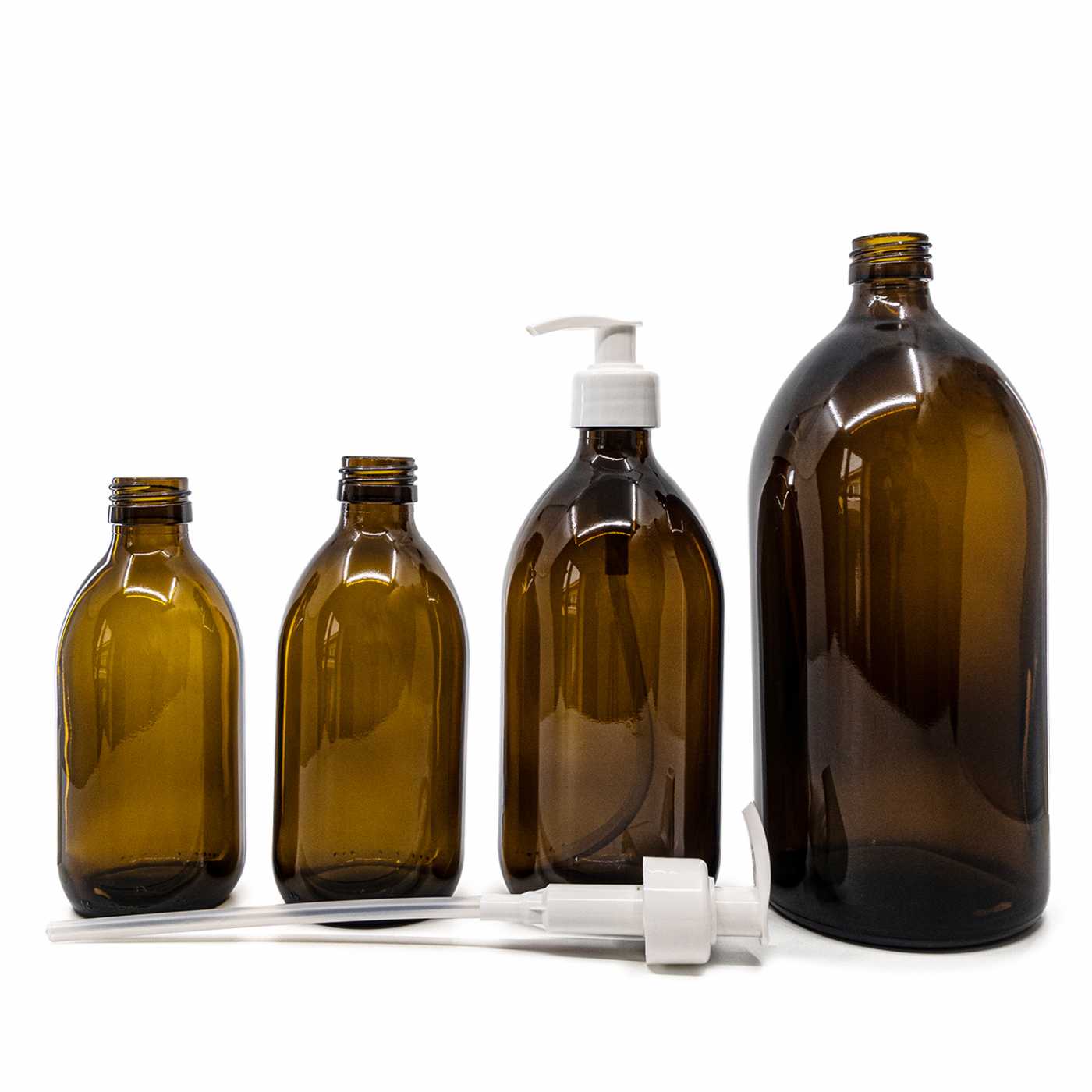
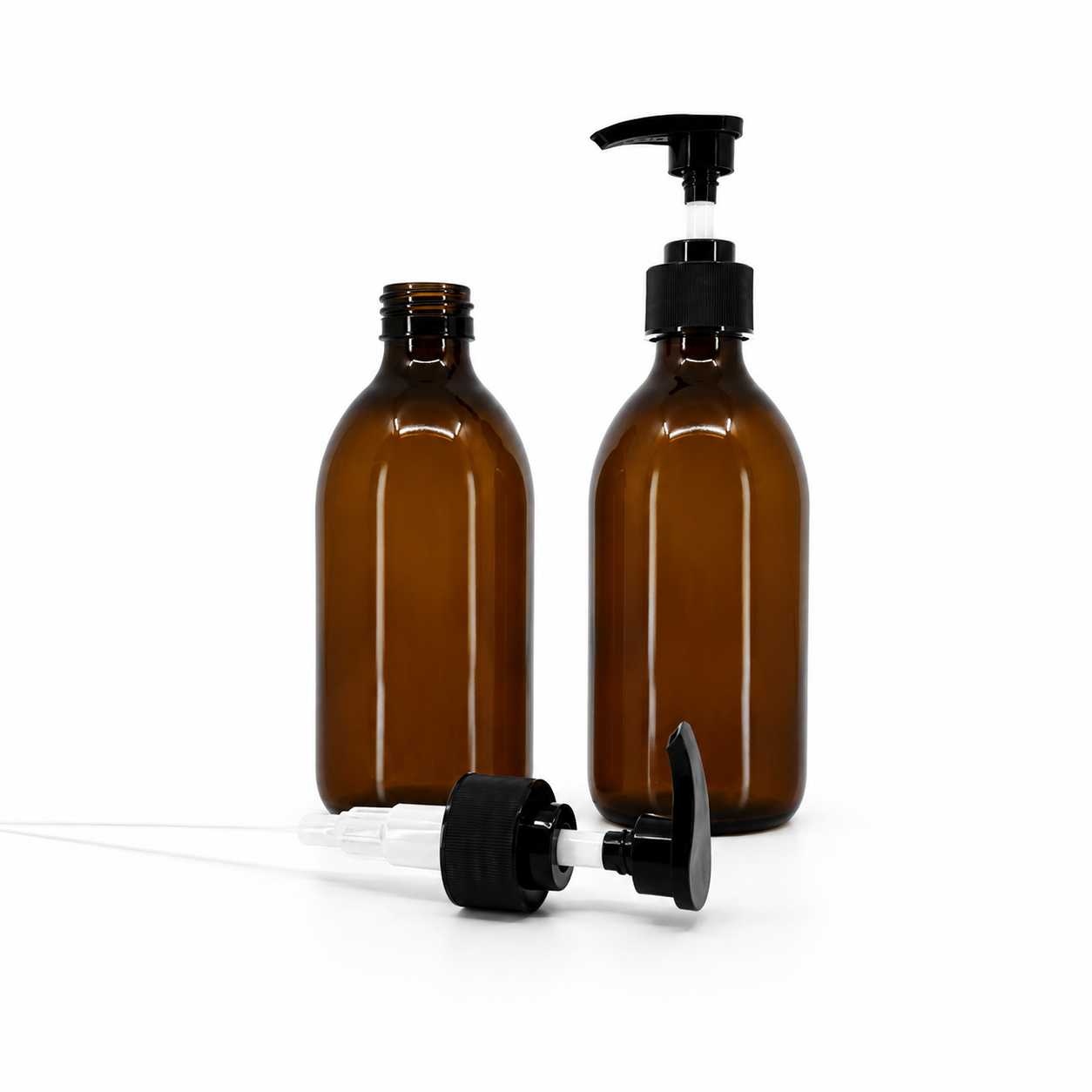
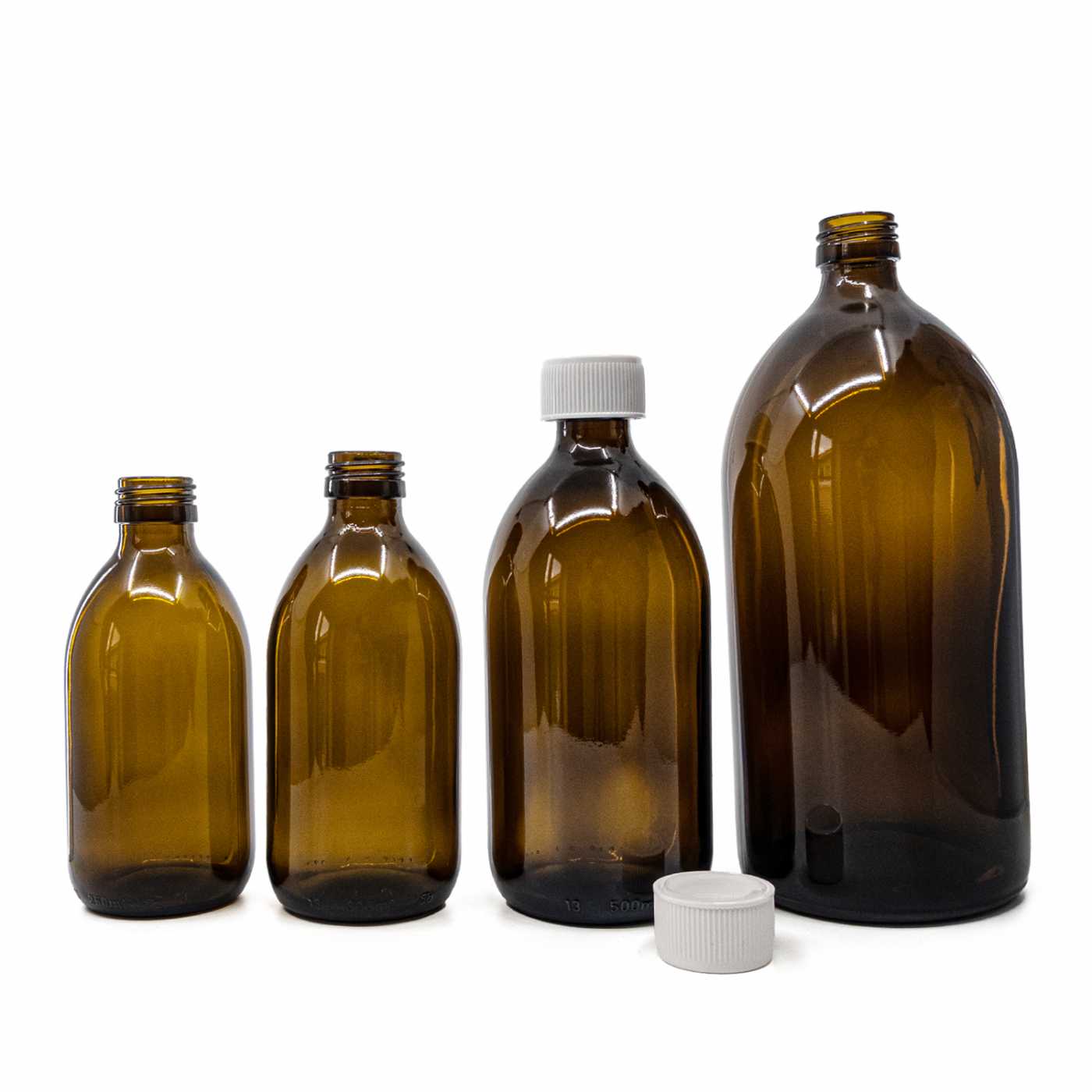
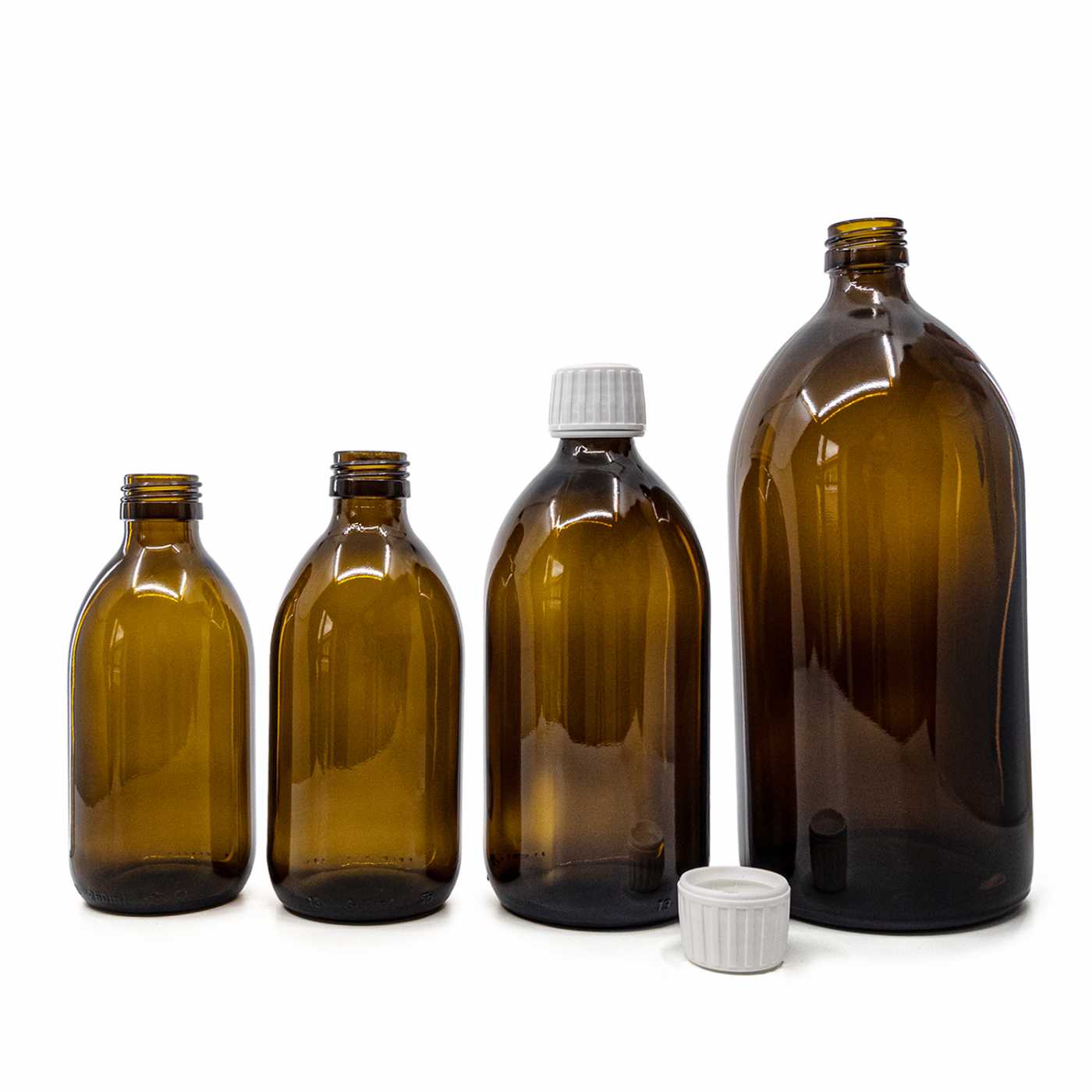
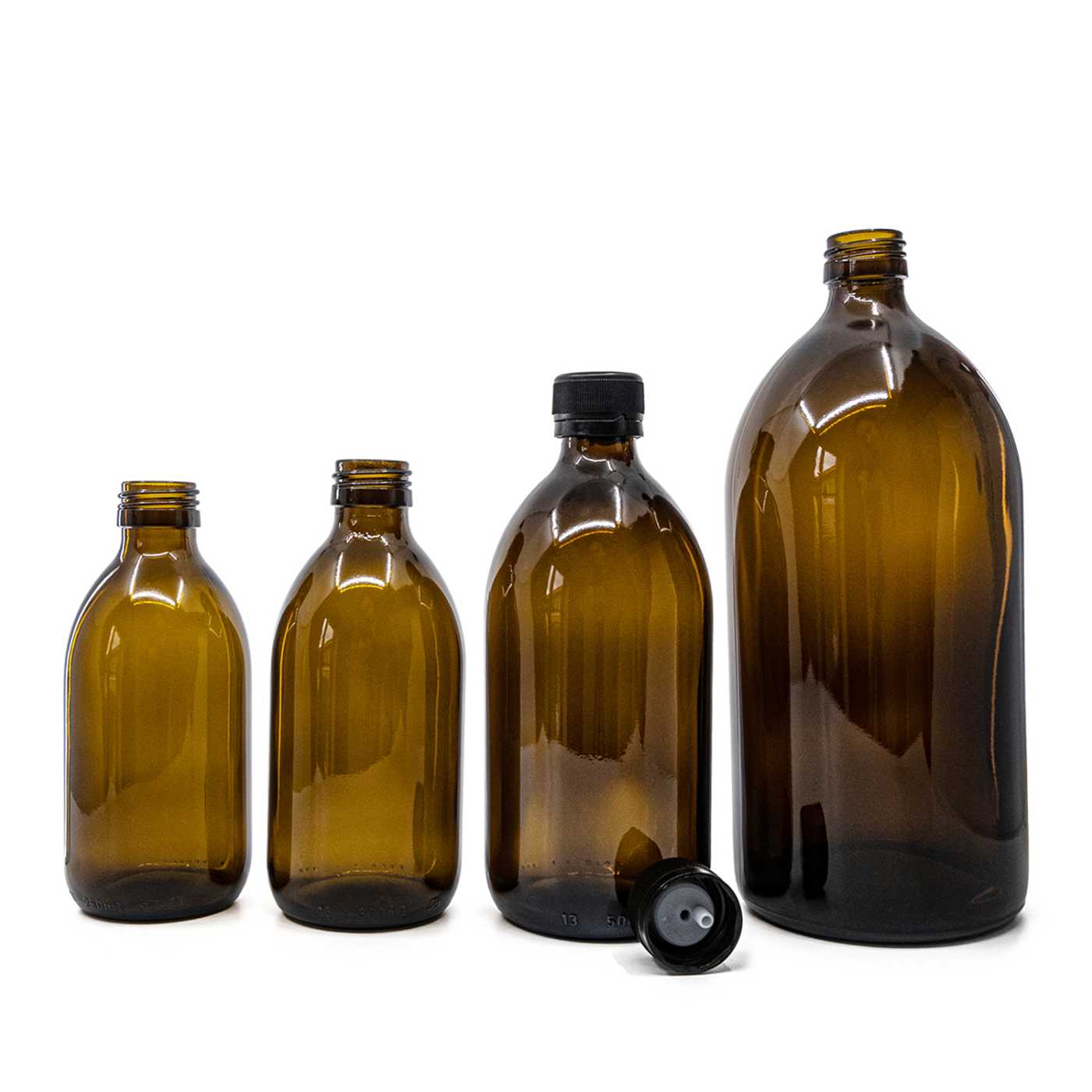
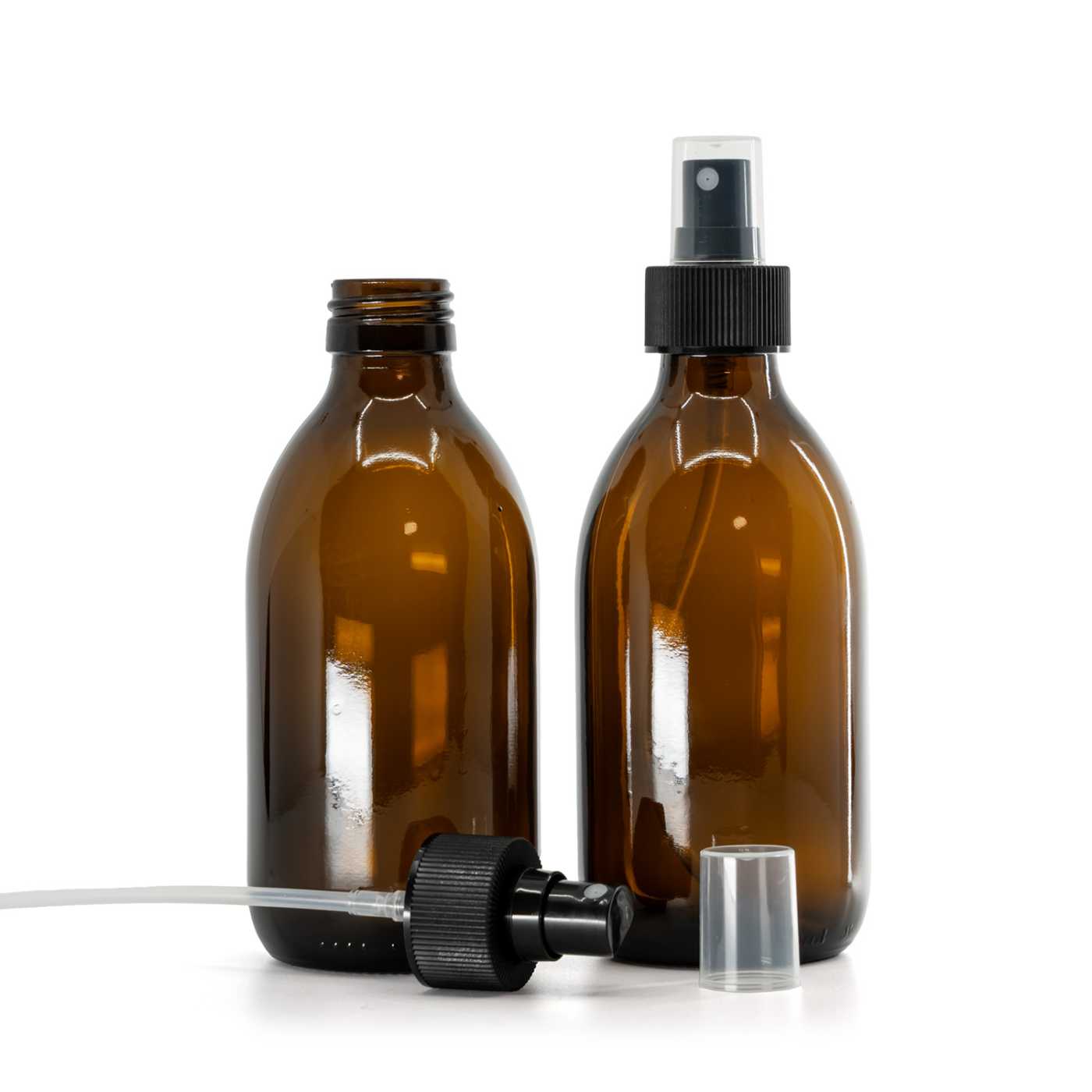
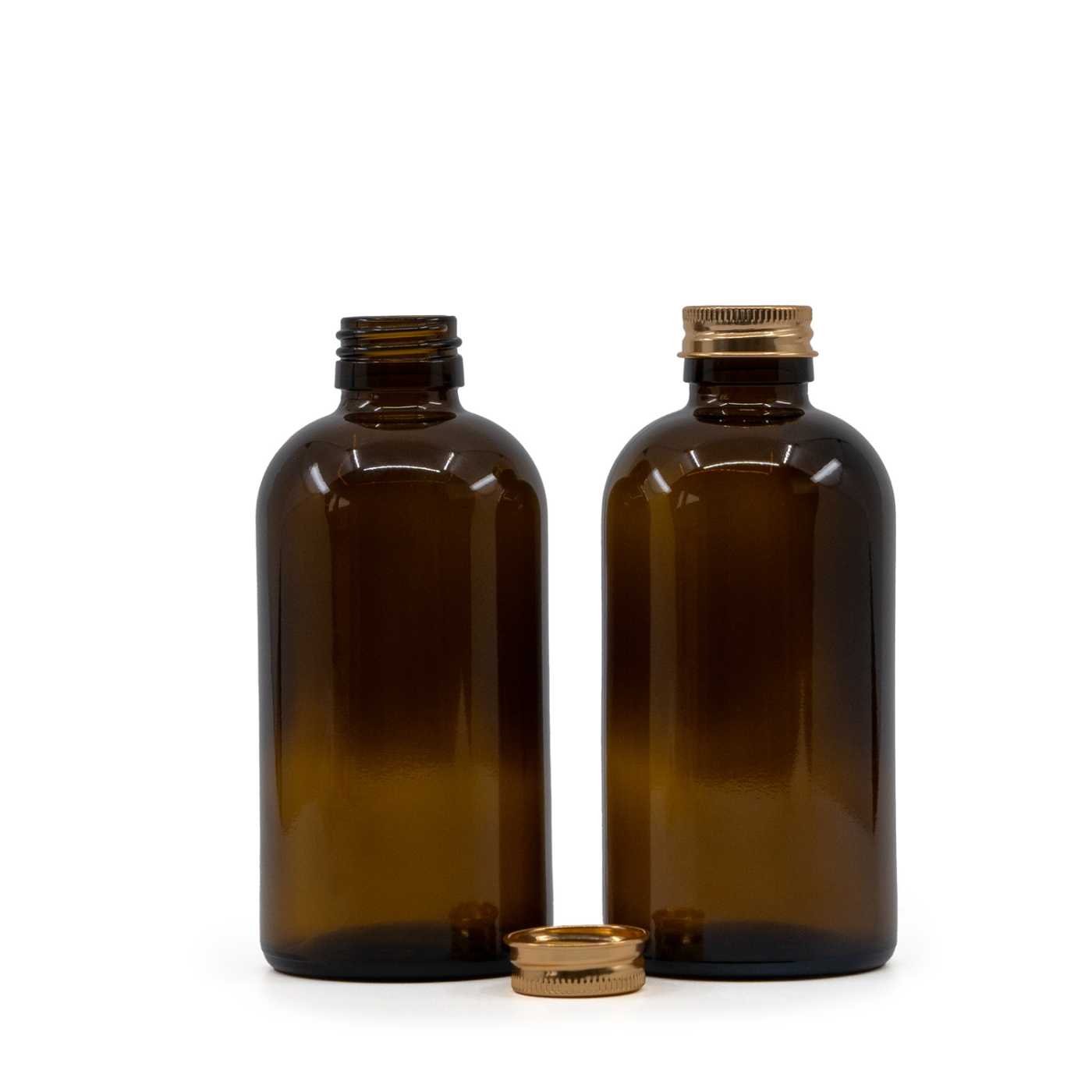
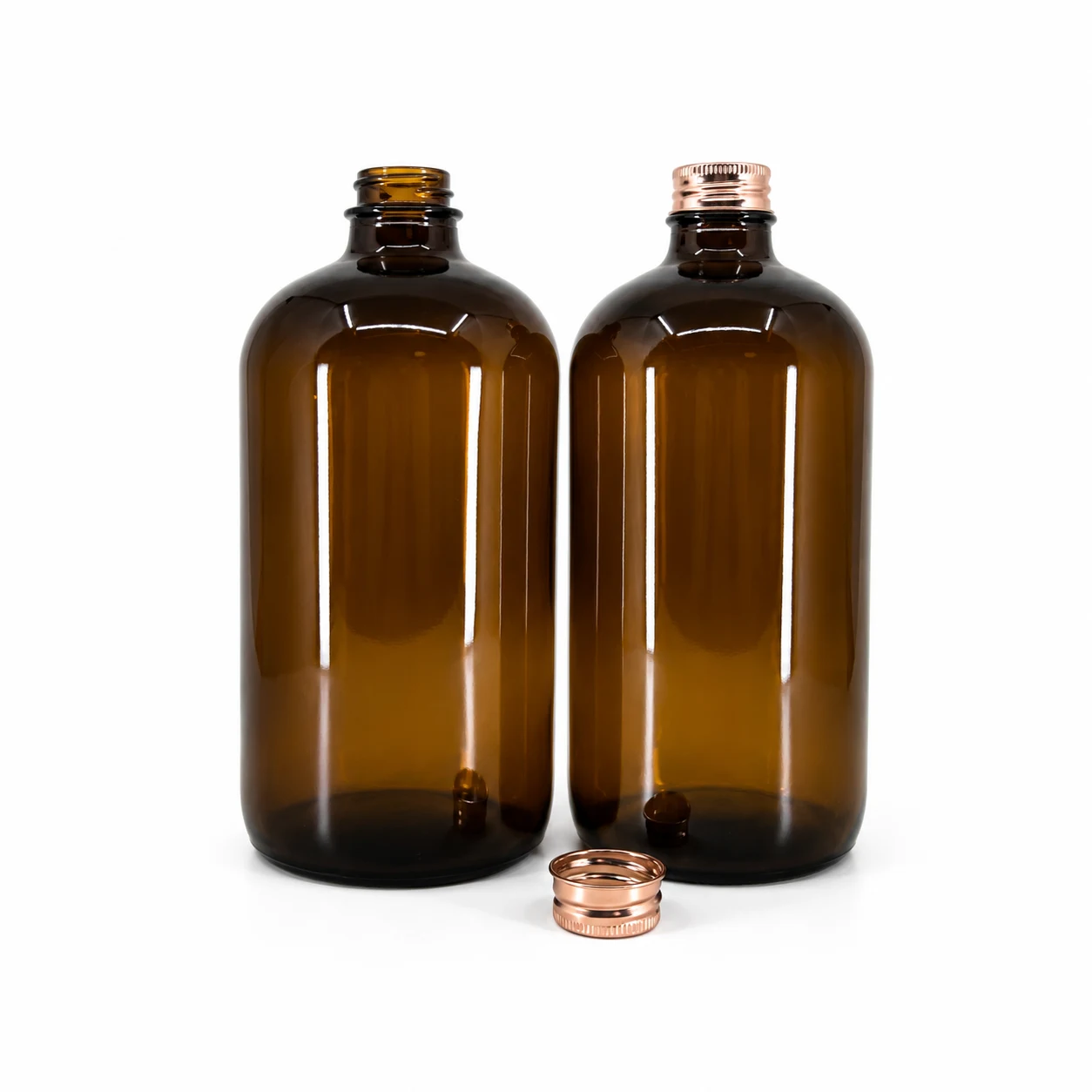
Amber Round Sirup Glass Bottle, Rose Gold Aluminium Cap, 250 ml

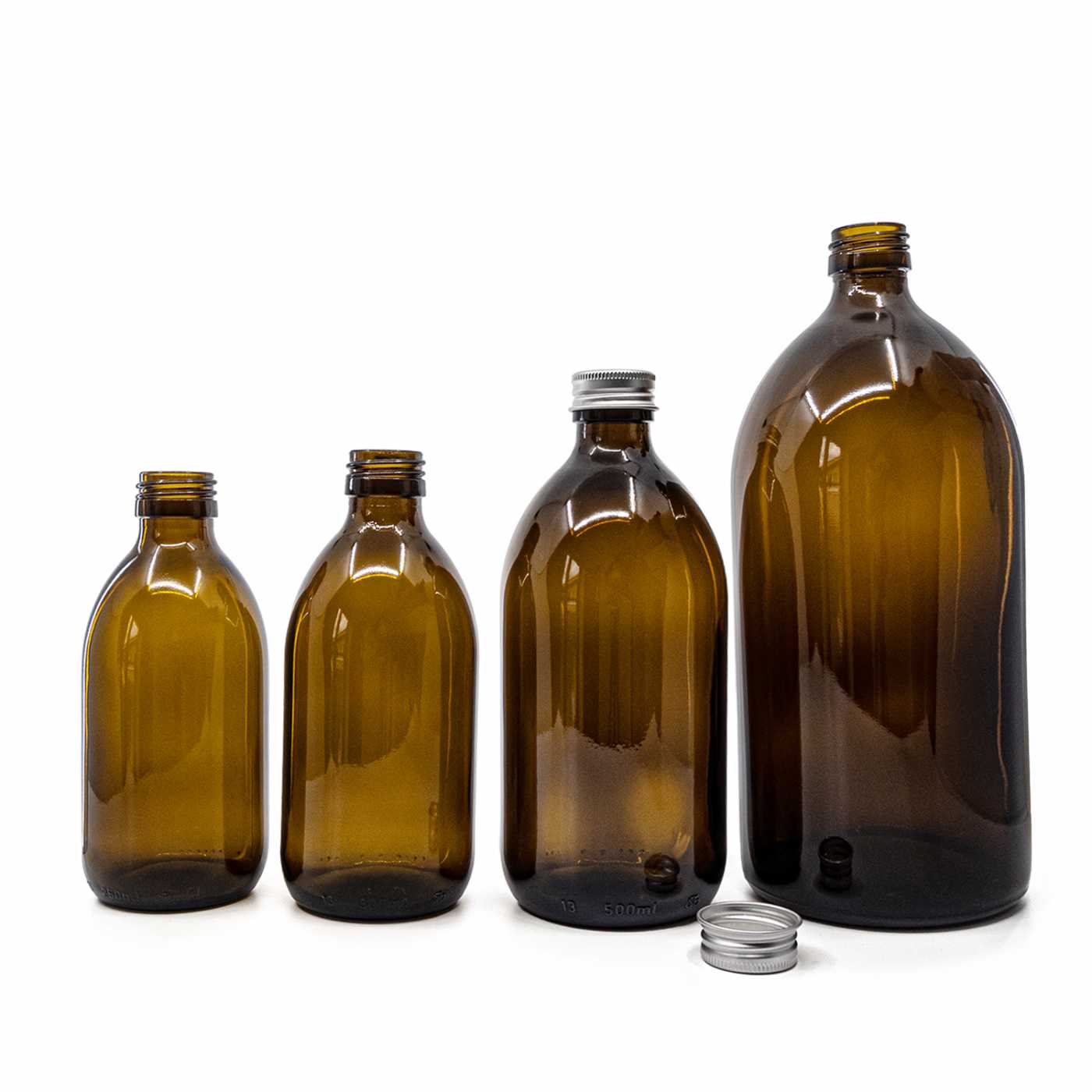
Pack size50 ml100 ml150 ml200 ml250 ml300 ml480 ml500 ml1 l

The amber glass bottle with a volume of 250 ml and a rose gold aluminium cap is designed for larger packs of liquid cosmetics: body and massage oils, facial waters, toners, hydrosols or alcohol-based tinctures. full description

AvailabilityIn stock · 838 pcs
Product codeO28SH250-OVV28HZ
€1.04incl. VAT

Lowest price in the last 30 days: €1.04

Save €0.02 with this set

Volume pricing
1–59 pcs€1.04Your price
60–1019 pcs€1.01−3 % · 1× plato
1020–5039 pcs€0.90−13 % · 17× plato
from 5040 pcs€0.79−24 % · 84× plato

Total for 1 pcs: €1.04

Quantities add up across all combinations of this bottle.

Add 59 more pcs and the price drops to €1.01/pc.

Product description

The amber glass bottle with a volume of 250 ml and a rose gold aluminium cap is designed for larger packs of liquid cosmetics: body and massage oils, facial waters, toners, hydrosols or alcohol-based tinctures. Amber glass reduces the amount of light reaching the contents, which helps with products sensitive to oxidation, such as vegetable oils or preparations containing essential oils. The cap screws onto the bottle, and the metal surface gives the packaging a look that holds up well in a retail range or a gift series.

The set as a whole is declared suitable for contact with cosmetic products. The certificate for direct food contact applies only to the glass bottle; the aluminium cap does not carry this declaration. We therefore recommend using the set for cosmetics.


What it is suitable for

  • Oils and oil blends – dark glass protects vegetable oils, body oil serums and massage blends from light.
  • Toners, hydrosols and facial waters – the 250 ml volume matches a common pack size for water-based preparations used every day.
  • Alcohol-based preparations and tinctures – the glass withstands alcohol without any change in appearance.
  • Home production and small-scale professional production – the same packaging works for your own supply as well as for smaller batches intended for sale.

Volume and filling

Nominal volume is the volume the bottle is designed for under normal filling. The brimful volume given in the parameters is the physical volume up to the neck. The difference between the two leaves room for the closure and for the expansion of the contents when the temperature changes. The bottle should therefore be filled to the nominal volume, not to the brim. With oils and alcohol-based preparations this matters: the contents expand when warmed, and a bottle filled to the neck would press against the seal once the cap is tightened.

After filling, leave the bottle open for a moment so that the contents settle, and only then tighten the cap. With thicker oils, this prevents air from being trapped under the neck and lets the seal sit evenly.


Cap and seal

The aluminium cap has an inner sealing liner made of polyethylene foam (EPE) that sits on the rim of the neck and prevents the contents from leaking. It is enough to tighten the cap by hand until you feel slight resistance. Overtightening does not improve the seal and may damage the liner or deform the metal edge.

Closures with the same neck type and other ready-made combinations can be found in the Handymade range. If you combine a bottle and a closure yourself, we recommend checking the seal with your specific formulation.


Good to know

  • Preparation before first filling – wash and disinfect the bottle and the cap, then let them dry completely. Residual water in an oil-based preparation shortens its shelf life.
  • Reuse – after thorough washing and disinfection, the glass can be used repeatedly. Check the sealing liner in the cap and replace the cap if the liner is visibly damaged or soaked through.
  • Glass and heat – do not pour hot mixtures into the bottle and do not expose it to sudden changes in temperature. A sharp temperature difference can crack the glass, so let the contents cool before filling.
  • Handling during shipping – a glass bottle is heavier than a plastic one. Protect it with packing material when sending it to customers.
  • Recycling – the bottle belongs with glass and the cap with metals. Separate them before disposal.

Amber glass dims light but does not block it completely. Store light-sensitive preparations away from direct sunlight even in this bottle.


Frequently asked questions

Does the 250 ml amber glass bottle protect the contents from light?
Yes, amber glass absorbs a substantial part of the light and thereby slows the oxidation of light-sensitive contents. It is therefore suitable for vegetable oils, preparations with essential oils or tinctures. It does not provide complete protection, so for longer storage keep the bottle in the shade or in a cabinet.
Is the glass bottle and aluminium cap set suitable for food?
No, the set as a whole is intended for cosmetic products. The certificate for direct food contact applies only to the glass bottle; the aluminium cap does not carry this declaration. If you need packaging for homemade oils or syrups, choose a closure for the bottle that has a declaration of suitability for food contact.
To what volume should the 250 ml glass bottle be filled?
The bottle should be filled to the nominal volume of 250 ml, not to the brim. The brimful volume is larger, and the difference leaves room for the closure and for the expansion of the contents when the temperature changes. If filled to the neck, the contents would press against the seal once the cap is tightened, or would leak when warmed.
Can the glass bottle with an aluminium cap be used for an oil containing essential oils?
Yes, oils containing essential oils can be filled into the amber glass bottle. The contents come into contact with the glass and with the polyethylene foam sealing liner of the cap. For long-term contact with high concentrations of essential oils, we recommend checking the condition of the liner regularly. Amber glass also slows the oxidation of fragrant components.
How should I prepare the glass bottle and cap before filling cosmetics?
Wash the bottle in warm water with detergent, rinse it thoroughly, disinfect it with isopropyl alcohol or ethanol and let it air-dry with the neck facing down. Wipe the cap in the same way and let the disinfectant evaporate. Do not fill cosmetics into a damp bottle, as residual water can become a source of microbial contamination in an oil-based preparation.

Parameters

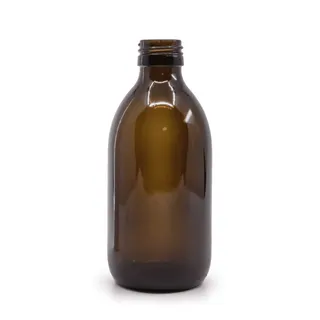
Glass bottle, pharmaceutical bottle, PP28S, 250 ml

Product colour
Brown
Country of origin
European Union
Nominal capacity
250
Brimful capacity
263 ml
Diameter
61,7 mm
Thread type
PP28S
Height
142,9 mm
Product material
Glass

Aluminium cap, 28/400, rose gold

Product colour
PinkGold
Country of origin
European Union
Diameter
30,4 mm
Thread type
28/410
Height
13,6 mm
Product material
AluminiumEPE

Product documentation

PPWRPackaging Declaration (PPWR)
Glass bottle, pharmaceutical bottle, PP28S, 250 ml · O28SH250PDF ↓
Aluminium cap, 28/400, rose gold · OVV28HZPDF ↓
PDSProduct Data Sheet
Glass bottle, pharmaceutical bottle, PP28S, 250 ml · O28SH250PDF ↓
Aluminium cap, 28/400, rose gold · OVV28HZPDF ↓
DrawingTechnical drawing
Glass bottle, pharmaceutical bottle, PP28S, 250 ml · O28SH250PDF ↓
Download all (ZIP)

5 PDF files in one archive

REVIEWS

Verified by customers.

No reviews yet.

Only customers with a delivered order can write reviews.