


The handymade learning centre
Homemade cosmetics academy
Recipes, ingredient profiles and regulations in one place. Learn step by step — and add the ingredients of any recipe to your cart in one click.
Learning paths
Getting started with homemade cosmetics
First steps in making your own cosmetics: measuring pH, preservation, working with actives and essential oils. The parts build on each other, but each one also stands alone.
Level II · 5 partsMineral make-up from A to Z
A complete series on home-made mineral make-up: powder foundation, a cream version in five shades and liquid make-up, including how to mix your own shade.
Level III · 6 partsCosmetics legislation for makers
INCI names, correct product labelling, IFRA standards and cosmetic certificates — a learning path for everyone who wants to make cosmetics properly and legally.

How to read a label and not be misled by pretty words
Learn to read a cosmetic label and understand the INCI ingredient list and marketing claims. Find out what to look for and which words should make you pause.
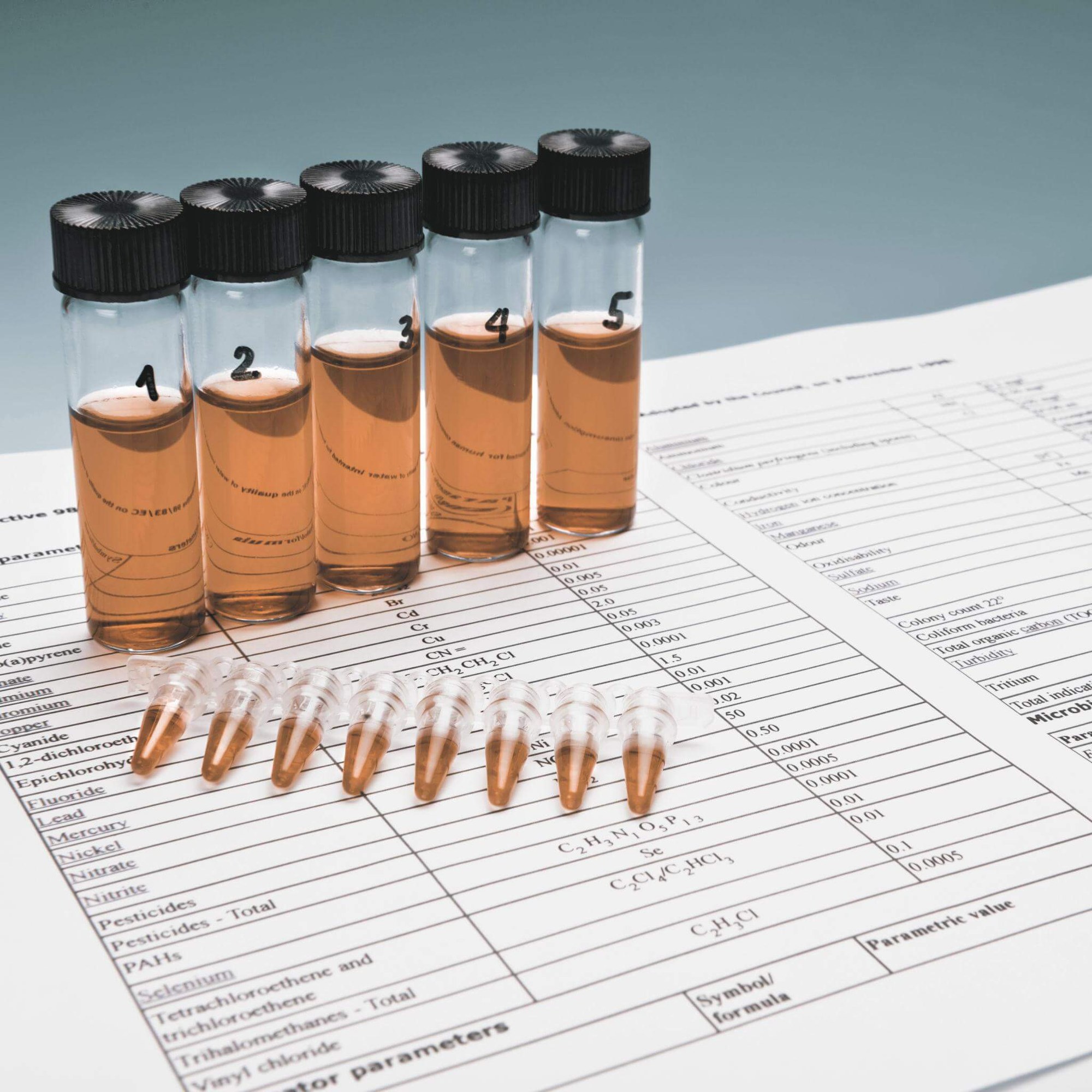
INCI, CAS and EC Number: How to Understand Cosmetic Ingredients
What do the INCI name, CAS number and EC number mean for cosmetic raw materials? We explain the difference between the trade name, INCI name, botanical name, and the CAS and EC identifiers.
Do you manufacture cosmetics? How to label them correctly according to regulations
A practical overview of the mandatory information on a cosmetic product label. INCI, PAO, allergens, nominal content, certifications, BIO labelling, % NOI and QR codes.
IFRA standards - safe use of essential oils in cosmetics and aromatherapy
Find out what IFRA standards are and why they matter when using essential oils in cosmetics and aromatherapy. An overview of limits and safe dosage.
Ecological certifications in natural cosmetics
Read about the ecological certificates behind the natural cosmetic raw materials at Handymade
Cosmetic certificates and certification bodies
In recent years, the global market for natural and organic personal care products has expanded. This boom in cosmetics has quite naturally led to the emergence of organisations which, in the form of certain norms and standards, cover the assessment of the quality level of raw materials intended for the production of natural cosmetics, as well as certain limitations and restrictions in use and dosage.
Showing 6 of 6 articles