


Bottles only
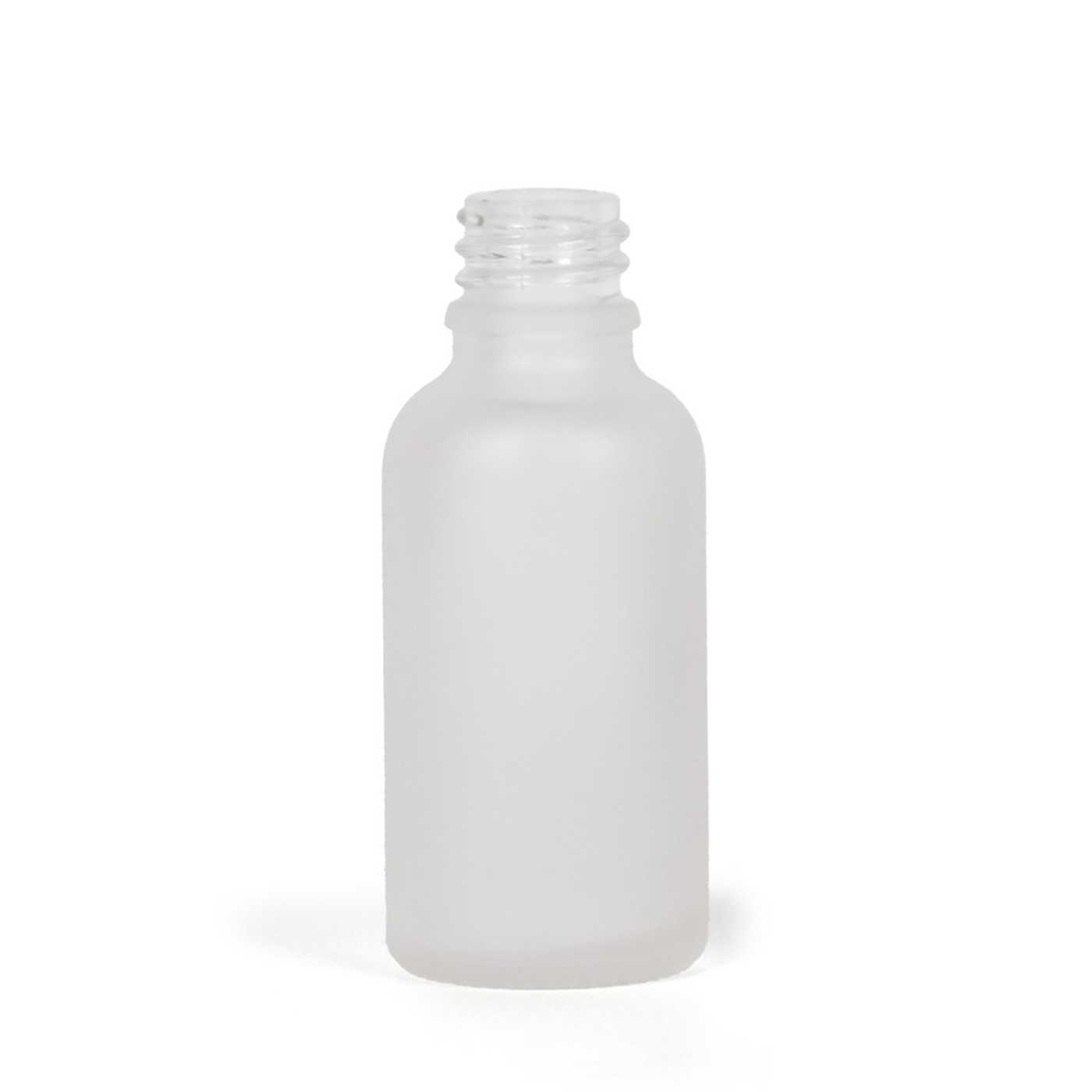
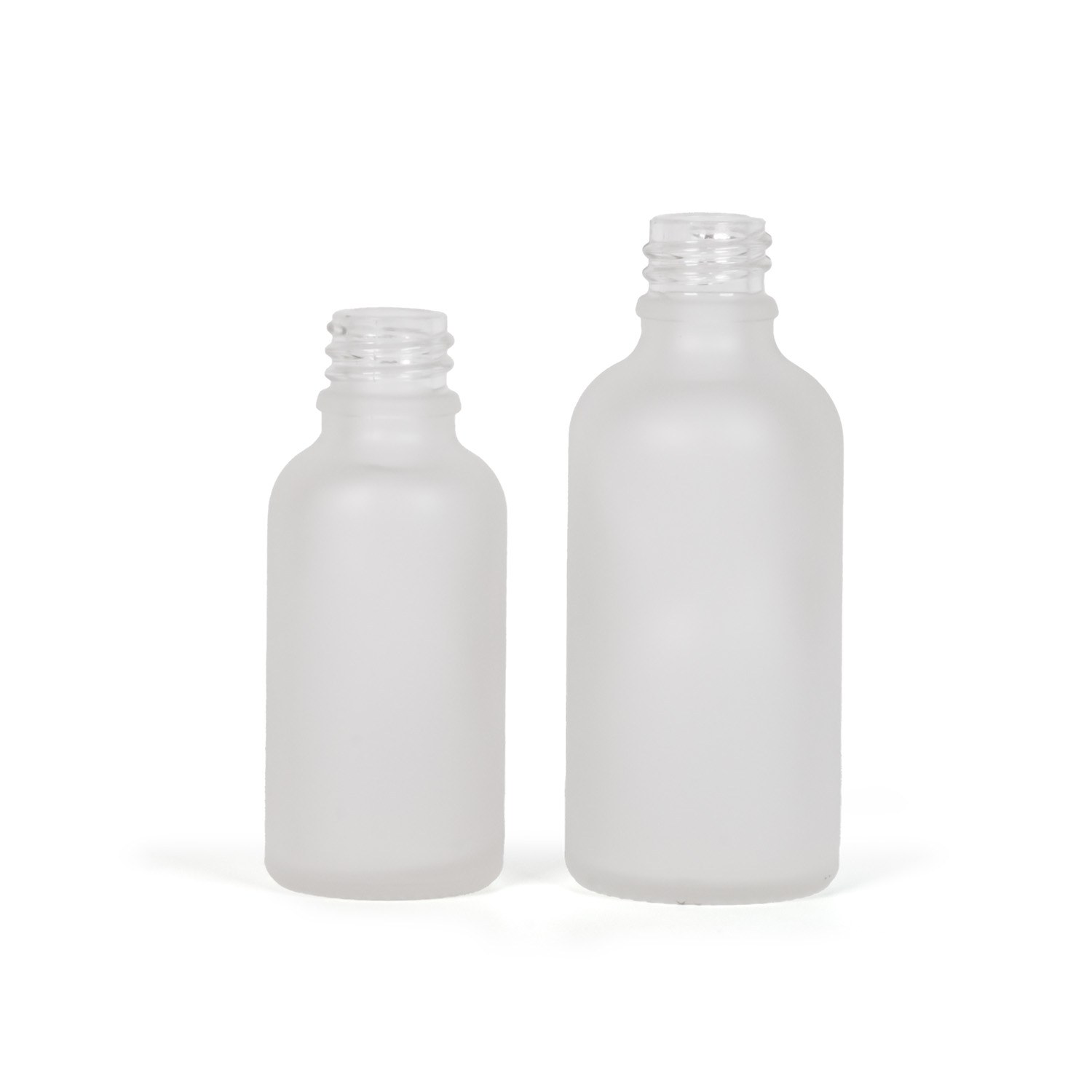
Clear frosted glass bottle, 18 mm, 30 ml
The 30 ml glass bottle is a small container for products dispensed drop by drop or in small amounts — serums, facial oils, essential oil blends , concentrates and samples. full description
Lowest price in the last 30 days: €0.45
Total for 1 pcs: €0.45
Product description
The 30 ml glass bottle is a small container for products dispensed drop by drop or in small amounts — serums, facial oils, essential oil blends, concentrates and samples. Glass does not react with oils, alcohol or most cosmetic ingredients, making it suitable for contents that would eventually permeate or degrade plastic.
The container is suitable for use with cosmetic products; a declaration of conformity is available on the product page. The bottle also meets technical-grade quality, so it can be used outside cosmetics — for example for laboratory solutions or cleaning concentrates in a workshop.
What the bottle is suitable for
- Serums and facial oils – the small volume matches typical single-pack consumption, and the contents are used up before they have a chance to oxidise.
- Essential oil blends and fragrances – glass does not absorb scent and does not soften, which makes a significant difference compared to plastic when working with concentrated essential oils.
- Alcoholic extracts and tinctures – alcohol does not damage glass even on prolonged contact.
- Samples and test batches – during formulation development, 30 ml is a practical volume for storing a reference sample.
- Gift sets and travel sizes – the frosted glass partially conceals the contents, so an entire product line looks cohesive regardless of the fill colour.
The bottle is also suitable for water-based products such as tonics or hydrolats. However, the aqueous phase in a leave-on product requires an appropriate preservation system regardless of the container, and dispensing as a mist requires a spray pump with a matching neck finish.
Nominal volume and brim-full volume
Every bottle has two distinct volumes. The nominal volume is the volume the container is intended to be filled to in normal use, and it is this figure that appears on the label. The brim-full volume is the physical capacity up to the neck. The difference between the two provides clearance for the cap, dropper or pump and for thermal expansion of the contents. The bottle should therefore be filled to the nominal volume, not to the brim. Both values are listed in the product parameters.
When filling oils and serums with a pump or dropper, leave headspace above the fill level. If the bottle is filled to the brim, some of the contents will be pushed out through the thread when the closure is fitted. The thread will remain greasy and the closure will seal less effectively.
Neck finish and closure selection
The bottle has a 18/410 threaded neck, one of the standard sizes for small cosmetic containers. Closures with the same neck finish — caps, droppers, pumps and sprays — as well as ready-made bottle-and-closure combinations are available in the Handymade range. When assembling your own combination, we recommend verifying the seal and dosing performance with your specific formulation. Whether a dropper or pump dispenses reliably depends primarily on the viscosity of the contents.
What is worth knowing before filling
Preparing the container. Before first use, wash the bottle, sanitise it with isopropyl alcohol or ethanol and allow it to dry completely. Residual moisture in an anhydrous product — particularly an oil or essential oil blend — can cause cloudiness or promote microbial growth.
Frosted glass and light. The milky surface scatters light and reduces direct exposure of the contents, but it is not a substitute for amber or blue glass. Light-sensitive materials — such as certain essential oils, vitamins or botanical extracts — should be stored away from direct sunlight or transferred to dark glass.
Reuse. Glass can be thoroughly cleaned and used again. When changing the contents, clean the neck and thread separately to remove any residue from the previous product. Dropper and pump closures have a shorter service life on reuse than the bottle itself.
Labelling. For oil-based products, apply the label before filling, while the surface is dry and free of grease.
Recycling. The bottle is made of glass and, once emptied and the closure removed, belongs in glass recycling.
Glass tolerates normal filling temperatures, but a sudden temperature change can damage it. Allow a hot phase to cool to at least lukewarm before filling, and do not fill the bottle straight from the refrigerator.
Frequently asked questions
Parameters
Product documentation
- PDSProduct Data Sheet
- PDF ↓
Verified by customers.
No reviews yet.
Only customers with a delivered order can write reviews.