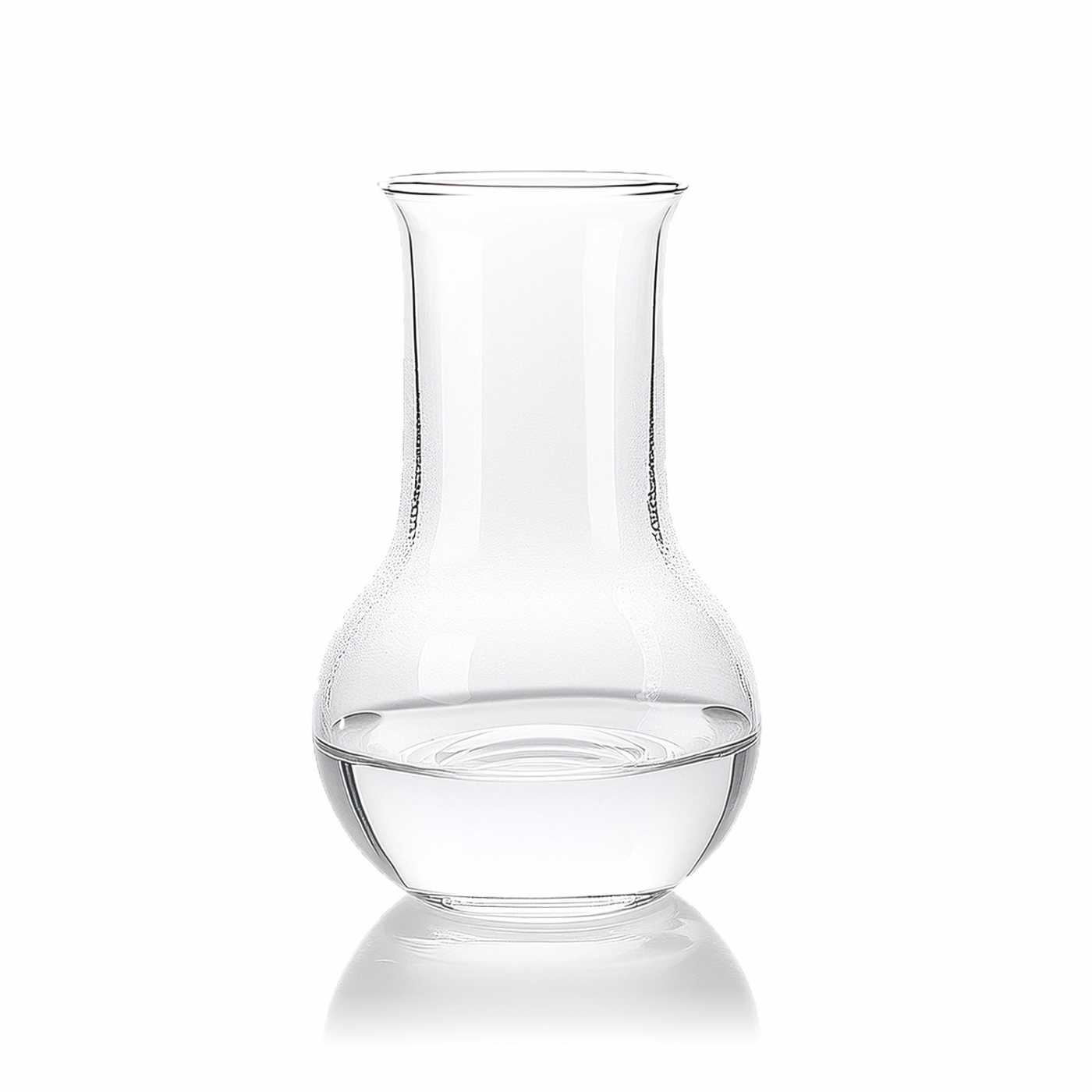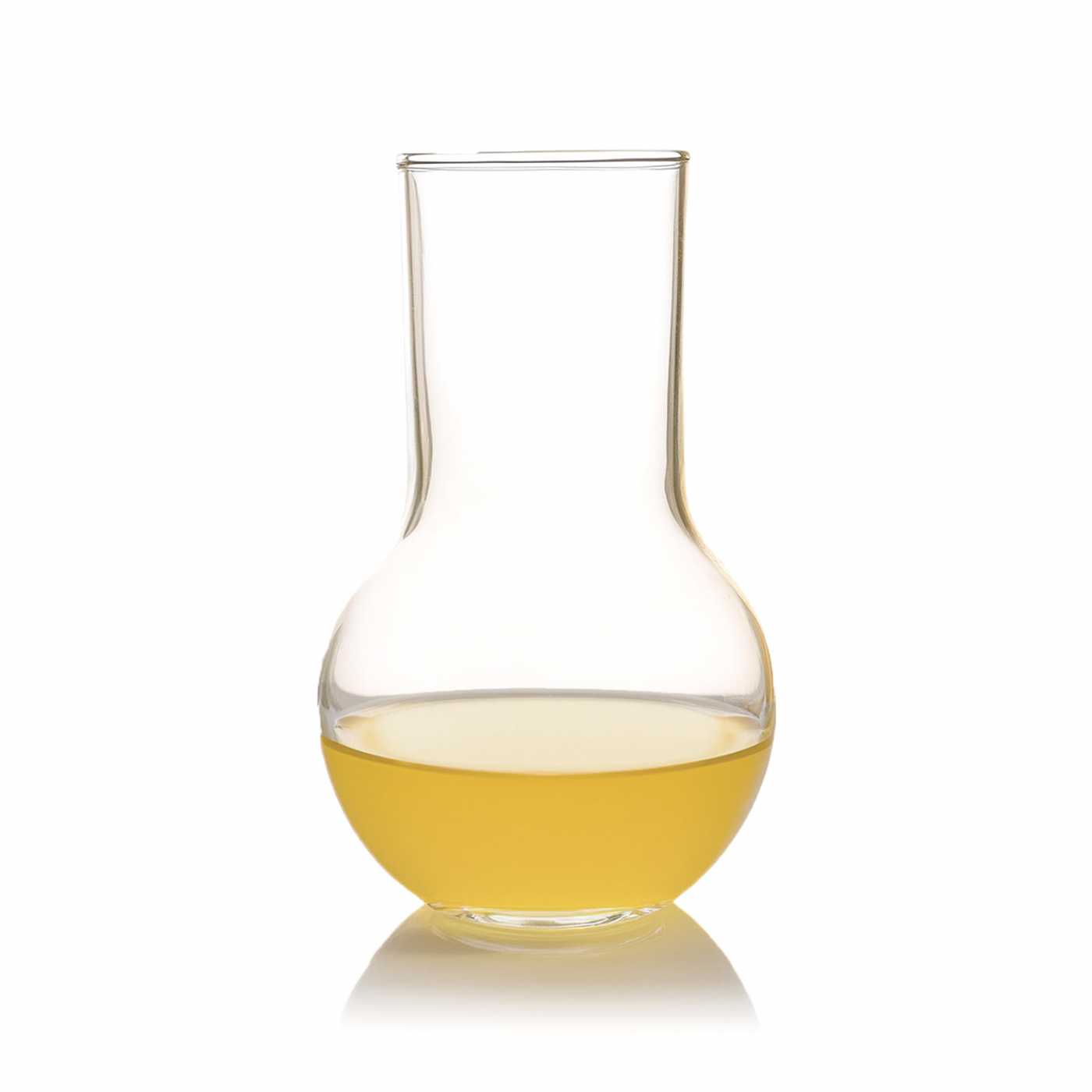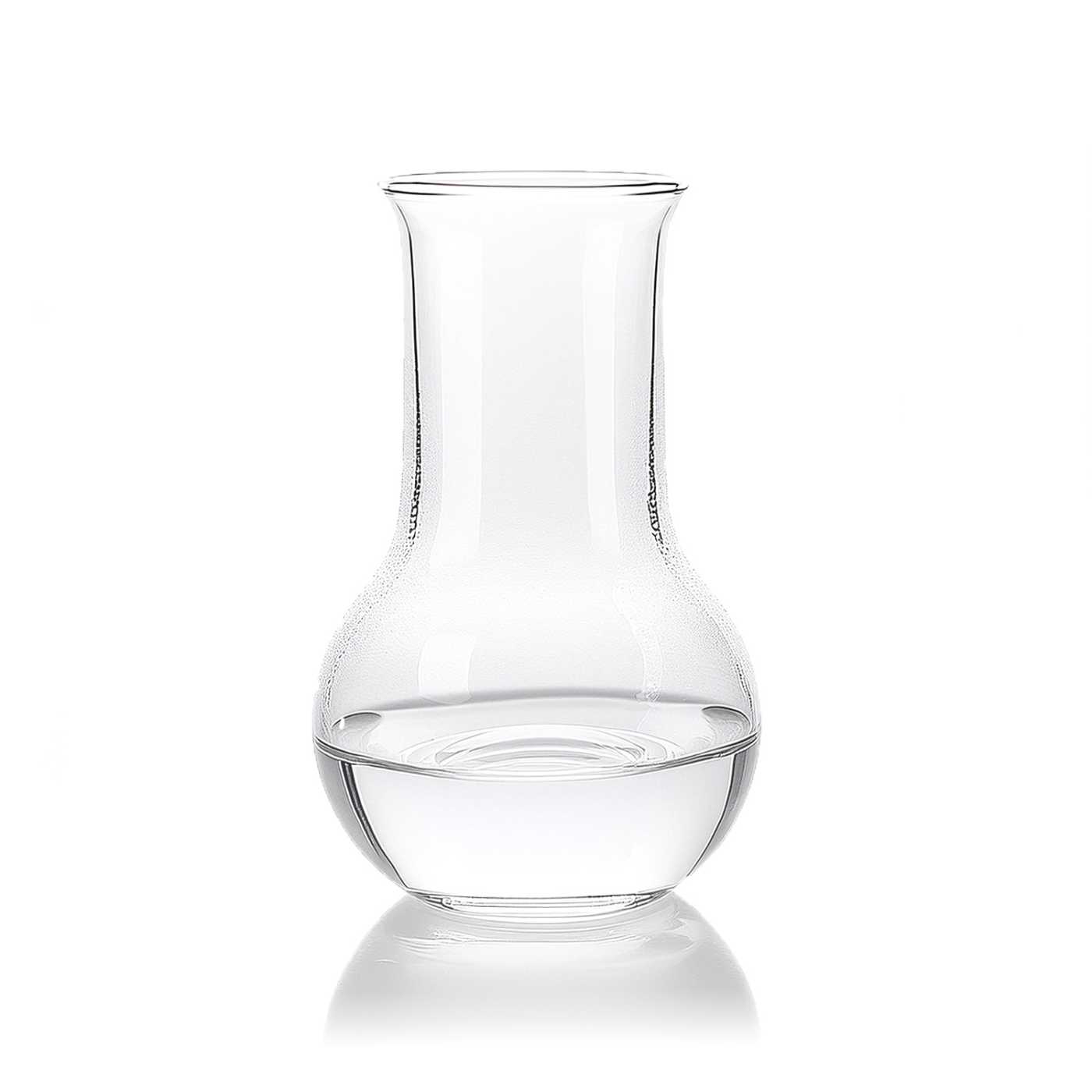
Triethyl citrate, 1 l
Pre-order€40.99(€40.99/l)

3 in stock now
4.9 out of 5 · 496 ratings
Documentation for every product
5 products in this category
Showing 5 of 5 products
The deodorants category offers raw materials for making natural deodorants without aluminium salts – solid sticks, roll-ons and alcohol-based sprays. These are not ingredients that suppress perspiration, but actives that work against the micro-organisms which cause body odour.
Deodorant decalact deo is a certified natural active based on palm oil derivatives (INCI: Sodium Caproyl/Lauroyl Lactylate, Triethyl Citrate, Salvia Officinalis Oil). This lipophilic transparent liquid dissolves in the water phase up to 40 °C and in the fat phase up to 60 °C, so you can work it into emulsions as well as anhydrous recipes. It acts against the micro-organisms that cause body odour, shows up to 24-hour efficacy against the formation of odour according to the manufacturer’s tests, and masks any odour that does develop. The recommended dosage is 0.3–1 %.
Triethyl Citrate is a 100 % natural ester of citric acid. It does not destroy bacteria across the board – it inhibits the enzymes (esterases) of Corynebacteria and so prevents unpleasant odour from forming; it works selectively and leaves the natural skin microflora intact. At the same time it serves as a solvent for actives that are hard to dissolve and as a fragrance fixative that extends how long a scent is perceived on the skin. It is dosed at 1–5 % into the oil phase before homogenisation, or directly into ethanol in alcohol-based deodorants; avoid a strongly alkaline environment, where the ester is at risk of hydrolysis.
Both raw materials are of cosmetic grade, with an SDS and a certificate of analysis updated for every batch, in packs from 50 ml to 1 l. Waxes and butters for solid deodorants are in the Waxes and Butters categories.
Triethyl Citrate is a 100 % natural ester of citric acid. Unlike classic antimicrobial substances it does not destroy bacteria – it inhibits the enzymes (esterases) of Corynebacteria, which break sweat down into odorous compounds – so it works selectively and leaves the natural skin microflora intact. On top of that it works as a solvent for actives that are hard to dissolve and as a fragrance fixative in perfumed products.
Decalact deo is dosed at 0.3–1 %, Triethyl Citrate at 1–5 %. Decalact deo is soluble in the water phase up to 40 °C and in the fat phase up to 60 °C; Triethyl Citrate belongs in the oil phase before homogenisation, or directly in ethanol in sprays. Avoid a strongly alkaline environment, in which the ester is at risk of hydrolysis.
They work differently: they do not limit perspiration, but act against the micro-organisms that cause body odour. According to the manufacturer’s tests Decalact deo shows up to 24-hour efficacy against the formation of odour and masks any odour that does develop; Triethyl Citrate dampens the enzymatic activity of the bacteria. Both ingredients are therefore the basis of natural deodorants without aluminium salts – roll-ons, sprays and solid sticks.