Dipropylene glycol (DPG) is a humectant and solvent for the water phase that evaporates only very slowly. In cosmetics, it helps retain moisture in the product and on the skin. In diffusers and air fresheners, it serves as a fragrance carrier.
How dipropylene glycol works
A humectant binds water. Dipropylene glycol holds it evenly: the moisture content of the product stays stable even when temperature and humidity fluctuate. It attracts less moisture from the air than ethylene glycol or diethylene glycol.
Its second function is dissolving. Dipropylene glycol is formed by the condensation of propylene glycol. In W/O emulsions, it acts as a solubiliser.
In fragrances, its low volatility is put to use. In reed diffusers and gel air fresheners, it carries the fragrance component.
Key properties
- Miscibility with water – mixes with water in any ratio and dissolves in alcohol and other polar solvents.
- High purity – contains at least 99% dipropylene glycol, at most 1% propylene glycol, 1% tripropylene glycol and 0.1% water. It is free of preservatives, antioxidants and other additives.
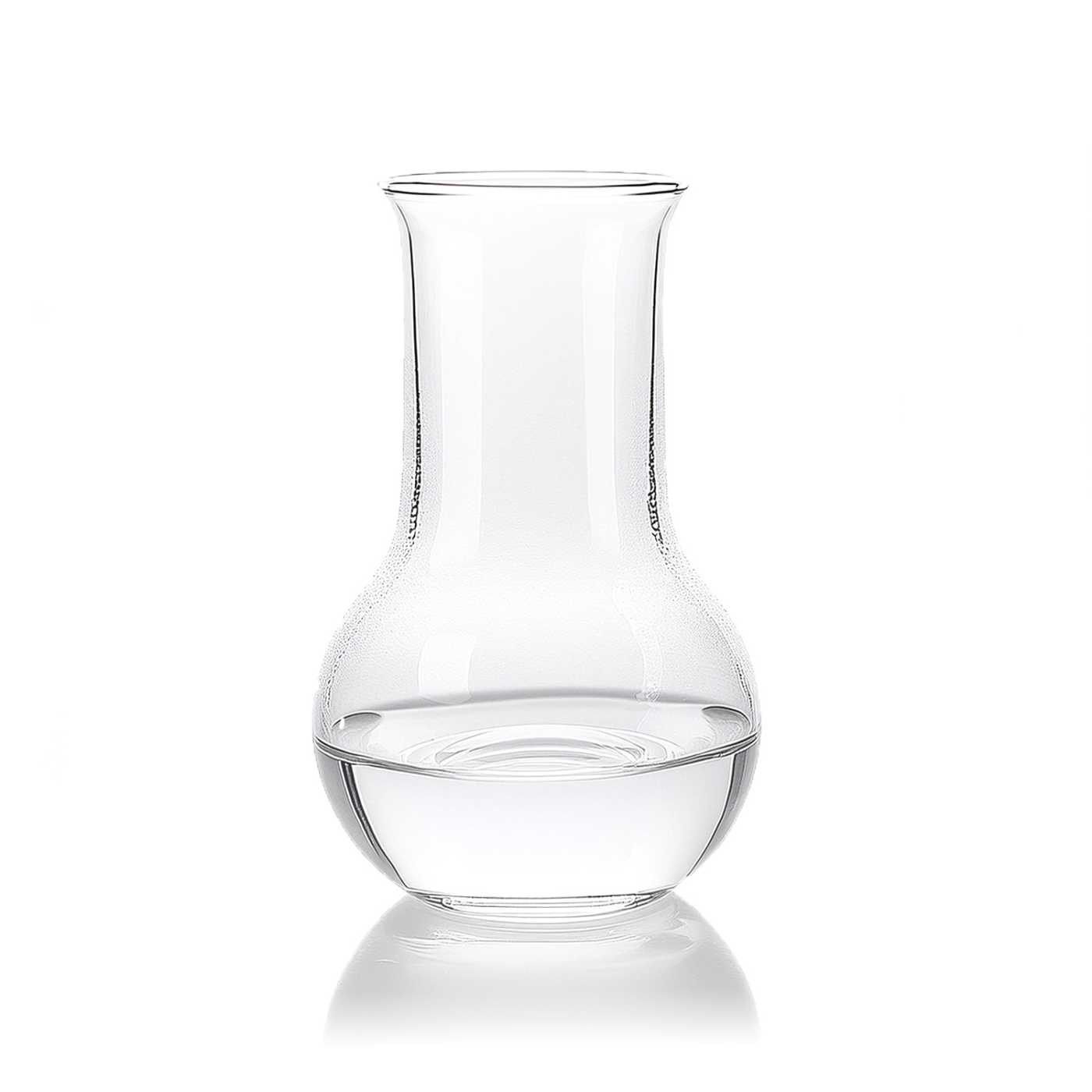
- Colourless and almost odourless – a clear, oily, viscous liquid.
- Cold resistance – solidifies only at approximately −40 °C and does not crystallise in the cold.
- Origin – synthetic raw material from Germany, vegan, Halal certified and readily biodegradable.
Use in formulations
Dipropylene glycol belongs in the water phase. It is most often added right at the start, together with the water and other humectants. It is processed at a temperature below 80 °C.
The usage rate depends on what it is meant to do in the formulation. The overall range is 1–50%. In cosmetics, for example in serums, it is used at around 1–5%. In reed diffusers, approximately 3–8% is added. In gel air fresheners and odour neutralisers, it makes up a large part of the formulation, approximately 20–50%.
Its 50% aqueous solution has a pH of 5.0–7.5 and the substance does not dissociate. No compatibility restrictions are known. In formulations, it is commonly combined with glycerine, perfume, xanthan gum and sclerotium gum, pentylene glycol, 1,2-hexanediol, alcohol and phenoxyethanol.
Suitable for products such as
- Serums, toners and creams – humectant and solvent in the water phase.
- Shower and bath products, soaps – retains moisture in the product.
- Deodorants and antiperspirants – solvent and carrier with low volatility.
- Lip care and decorative cosmetics – humectant, and solubiliser in W/O systems.
- Reed diffusers, gel air fresheners and odour neutralisers – a slowly evaporating fragrance carrier.
Good to know
Dipropylene glycol does not mix, or mixes only to a limited extent, with aliphatic and terpene hydrocarbons. Pure oils and terpene components do not dissolve in it.
With fragrances that have a high proportion of terpenes, the mixture may separate. We recommend testing a small sample first.
Dipropylene glycol is not easily ignited and has a flash point of 130 °C. Ensure ventilation when working with it and keep it away from sources of ignition. Contact with zinc is unsuitable, so galvanised containers are not used for it.
It is not classified as a hazardous substance under the CLP Regulation. It is registered under the REACH Regulation and meets the requirements of the Cosmetic Products Regulation (EC) No 1223/2009.
Frequently asked questions
Is dipropylene glycol soluble in water?
Yes, dipropylene glycol mixes with water in any ratio. It also dissolves in alcohol and other polar solvents. In a formulation, it belongs in the water phase and is usually added right at the start, together with the water. It does not mix, or mixes only to a limited extent, with aliphatic and terpene hydrocarbons, and pure oils do not dissolve in it.
What is the usage rate of dipropylene glycol in cosmetics and diffusers?
Dipropylene glycol is used at 1–50% depending on the type of product. In cosmetics, for example in serums, it is used at around 1–5%. In reed diffusers, approximately 3–8% is added. In gel air fresheners and odour neutralisers, it is approximately 20–50%, because there it carries the fragrance.
What is the difference between dipropylene glycol and propylene glycol?
Dipropylene glycol is formed by the condensation of propylene glycol, has a larger molecule and evaporates more slowly. Both substances are humectants and solvents that mix with water. Because of its low volatility, dipropylene glycol is often used as a fragrance carrier in diffusers and air fresheners. In cosmetics, it retains moisture and serves as a solvent in the water phase.
What is the pH of dipropylene glycol?
Dipropylene glycol has a pH of 5.0–7.5 in a 50% aqueous solution. The substance does not dissociate. It is supplied as a clear, colourless, almost odourless liquid containing at least 99% dipropylene glycol and at most 0.1% water. It contains no preservatives, antioxidants or other additives.
Does dipropylene glycol dissolve essential oils and perfumes?
Dipropylene glycol is used as a fragrance carrier, but pure oils and terpene components do not dissolve in it. It does not mix, or mixes only to a limited extent, with aliphatic and terpene hydrocarbons. Fragrances with a high proportion of terpenes may therefore separate. We recommend testing a small sample before making a larger batch.