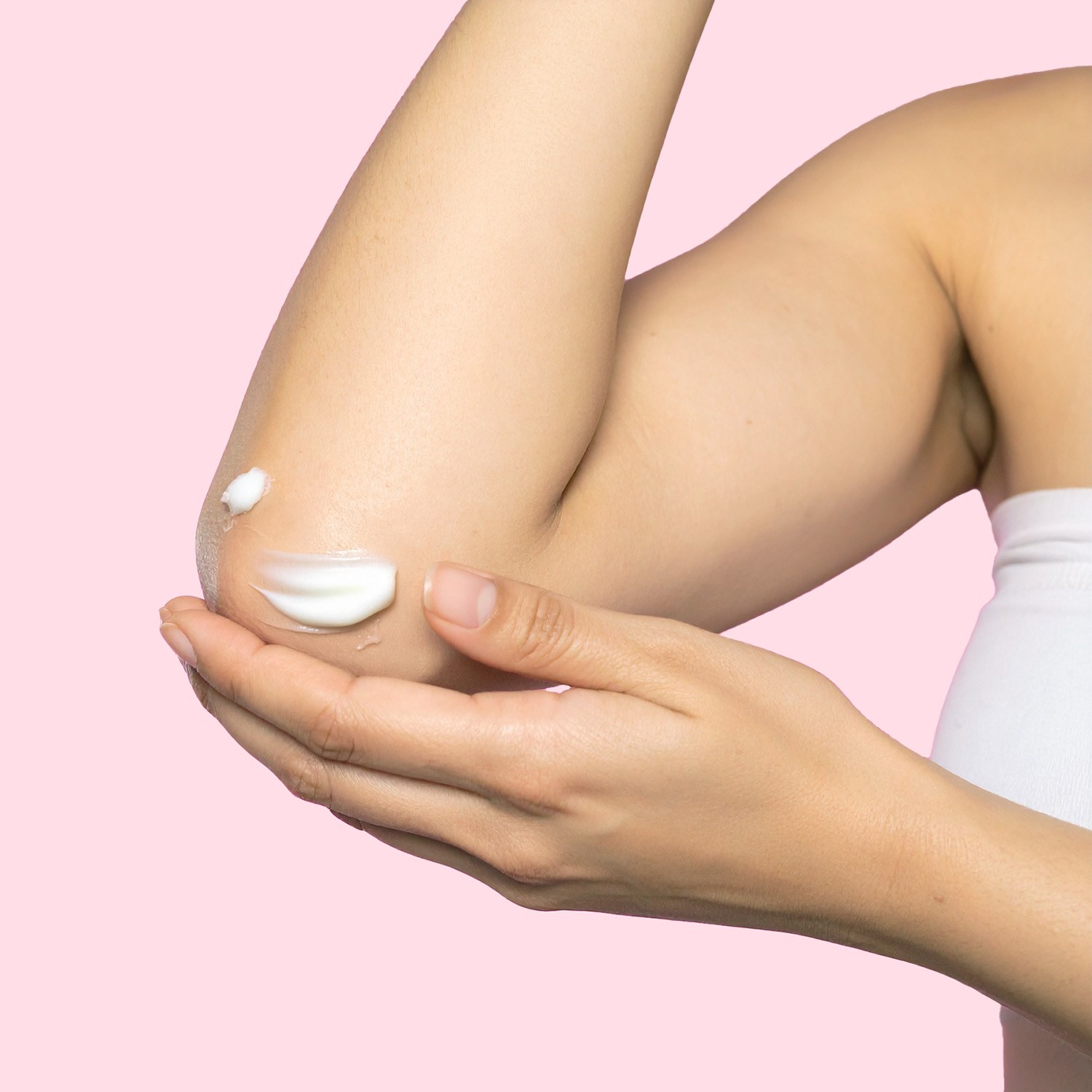
Winter balm (not only) for hands is a recipe for windy and cold weather. The balm is slightly warming, has anti-inflammatory and antifungal effects, so you can also use it on your feet. It smells pleasant, does not leave a greasy feeling and, thanks to lanolin and beeswax, it does not wash off.
About this recipe
Here you are, an amazing recipe for a winter balm (not only) for hands for windy and cold weather. It is a solid balm based on plant butters, oils, beeswax and lanolin, which is prepared simply by melting the ingredients in a water bath.
The balm smells pleasant and does not leave a greasy feeling — right after application it needs to be left to work for a while; as soon as it is absorbed, the greasiness is gone. Thanks to lanolin and beeswax it does not wash off, so you can work with water and the balm still acts reliably and withstands even a higher load of water.
Main benefits
- Slightly warming
The balm is slightly warming, so it is just right for windy and cold weather.
- For the feet as well
It has anti-inflammatory and antifungal effects, so you can also use it on your feet, which, especially in winter in shoes and socks, are exposed to a much higher risk of mycotic conditions.
- No greasy feeling
The balm smells pleasant and does not leave a greasy feeling — right after application simply leave it to work for a while; as soon as it is absorbed, the greasiness is gone.
- Withstands water
Thanks to lanolin and beeswax it does not wash off, so you can work with water and the balm still acts reliably and withstands even a higher load of water.
- Simple preparation
All the ingredients are melted over a low flame or in a water bath, the mixture is lightly whipped and then stored in jars.
Product properties
Key ingredients in the recipe
The formulation is built on a combination of plant butters and oils and on the pairing of lanolin + beeswax, thanks to which the balm does not wash off. Below we go through the individual ingredients and how much of each the recipe uses.
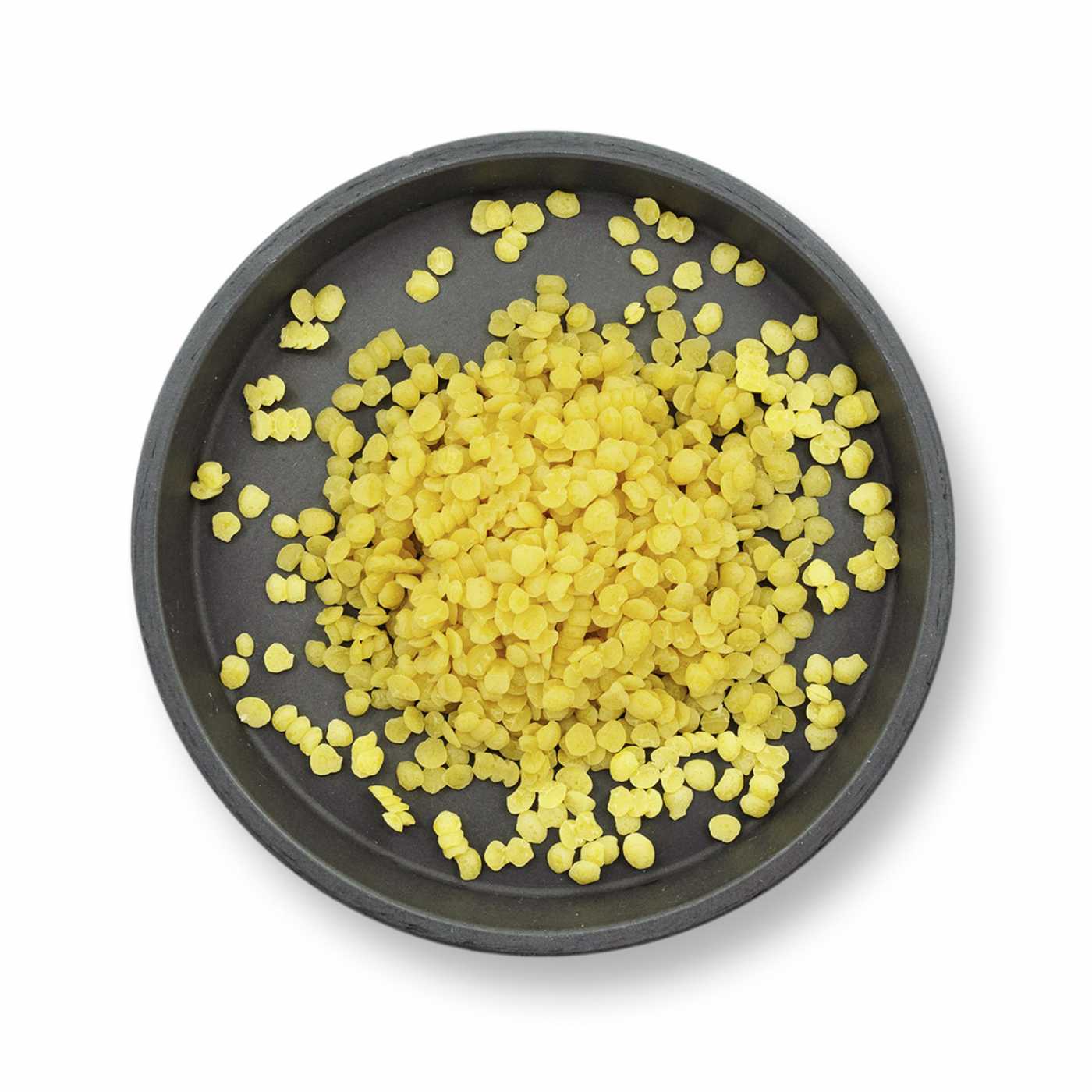
Beeswax
Together with lanolin, beeswax is what makes the balm not wash off — you can work with water and the balm still acts reliably and withstands even a higher load of water. In the recipe it accounts for 2.5 g.
Lanolin
Lanolin is the second half of the pair thanks to which the balm does not wash off and withstands even a higher load of water. We use 5 g of it in the recipe.
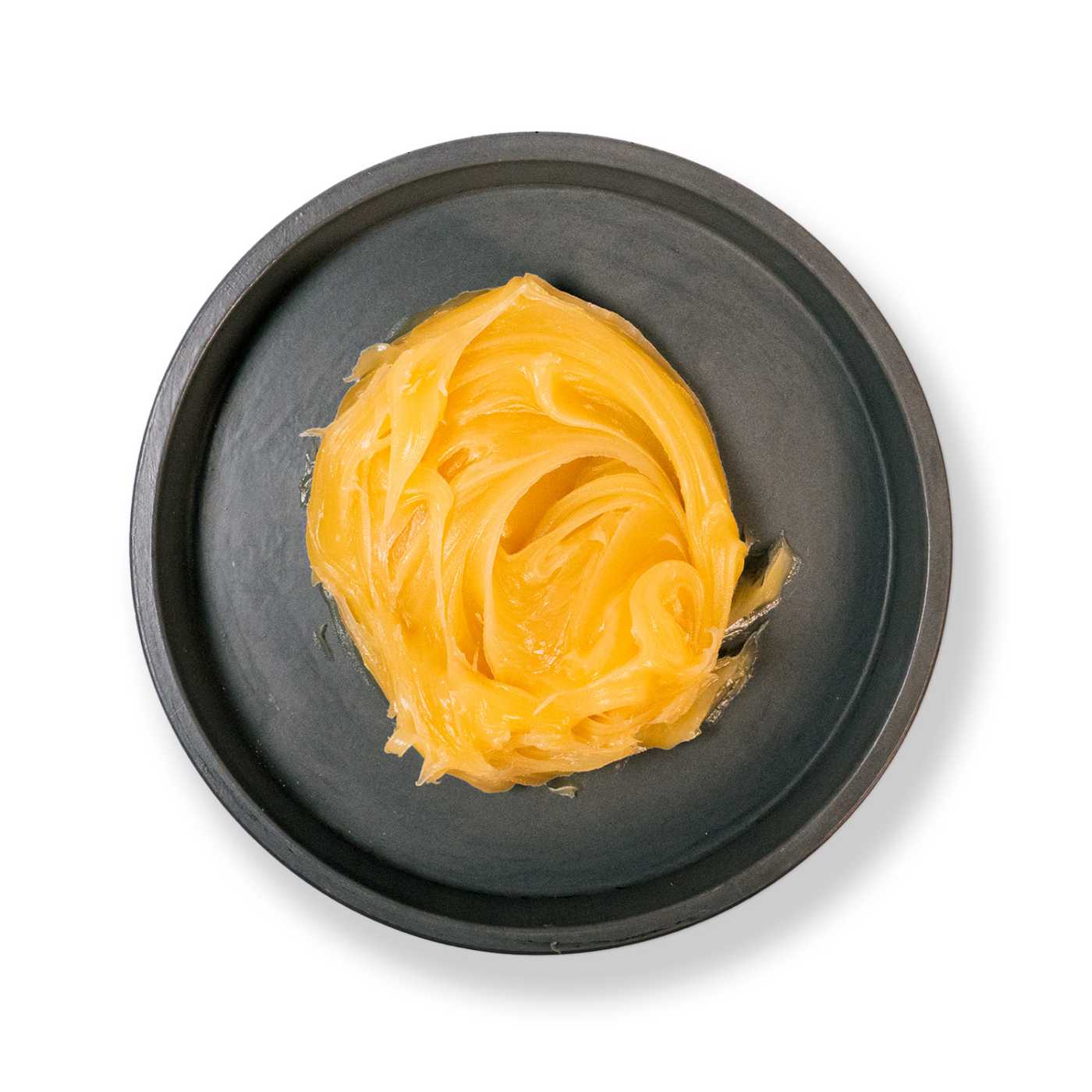
Bacuri butter
Bacuri butter is the first of the two plant butters in the formulation. 10 g goes into the balm, and the butters are melted in a water bath together with the other ingredients in order of their melting point.
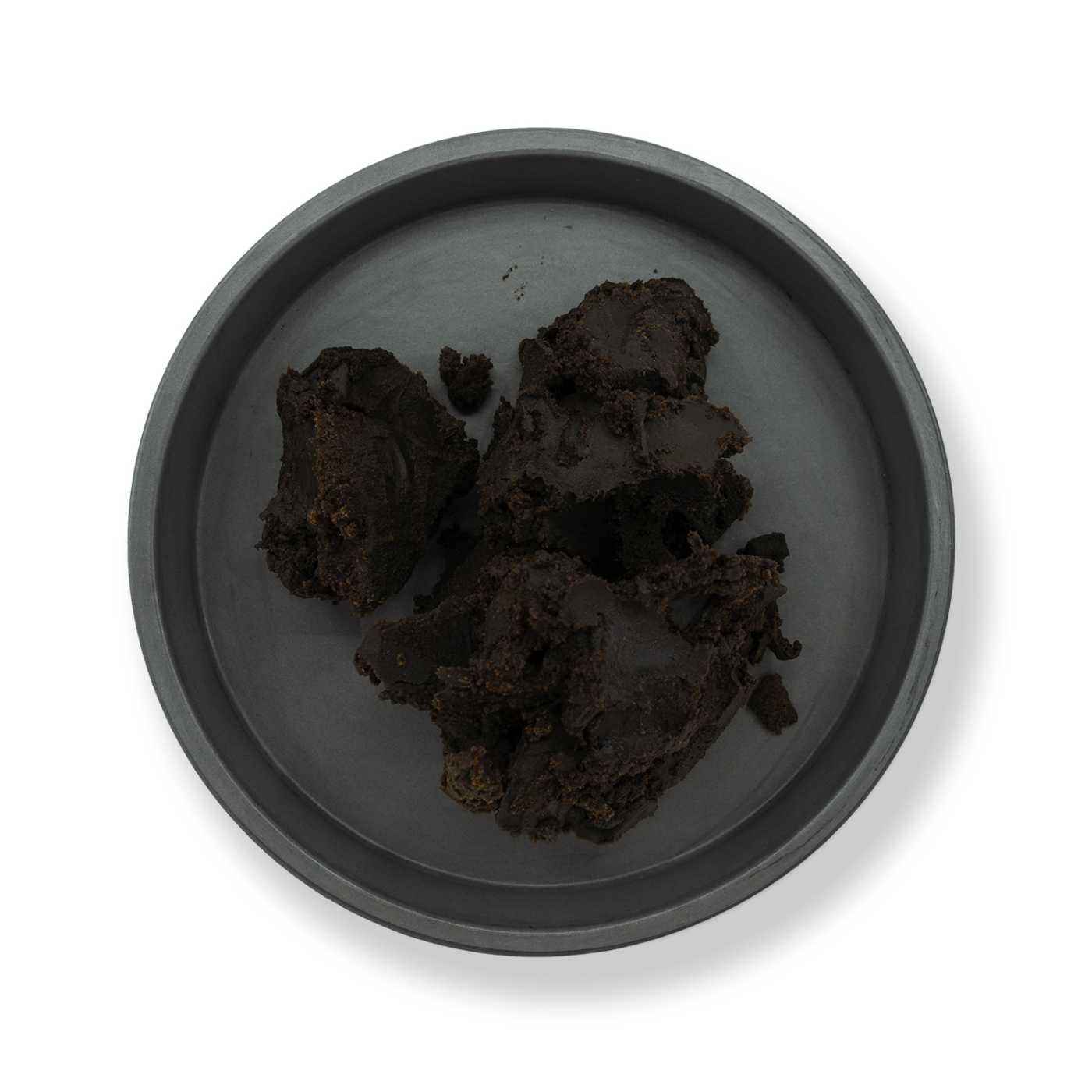
Mango butter
Together with hemp oil, mango butter makes up the largest part of the formulation — we weigh out 15 g of it for the balm.
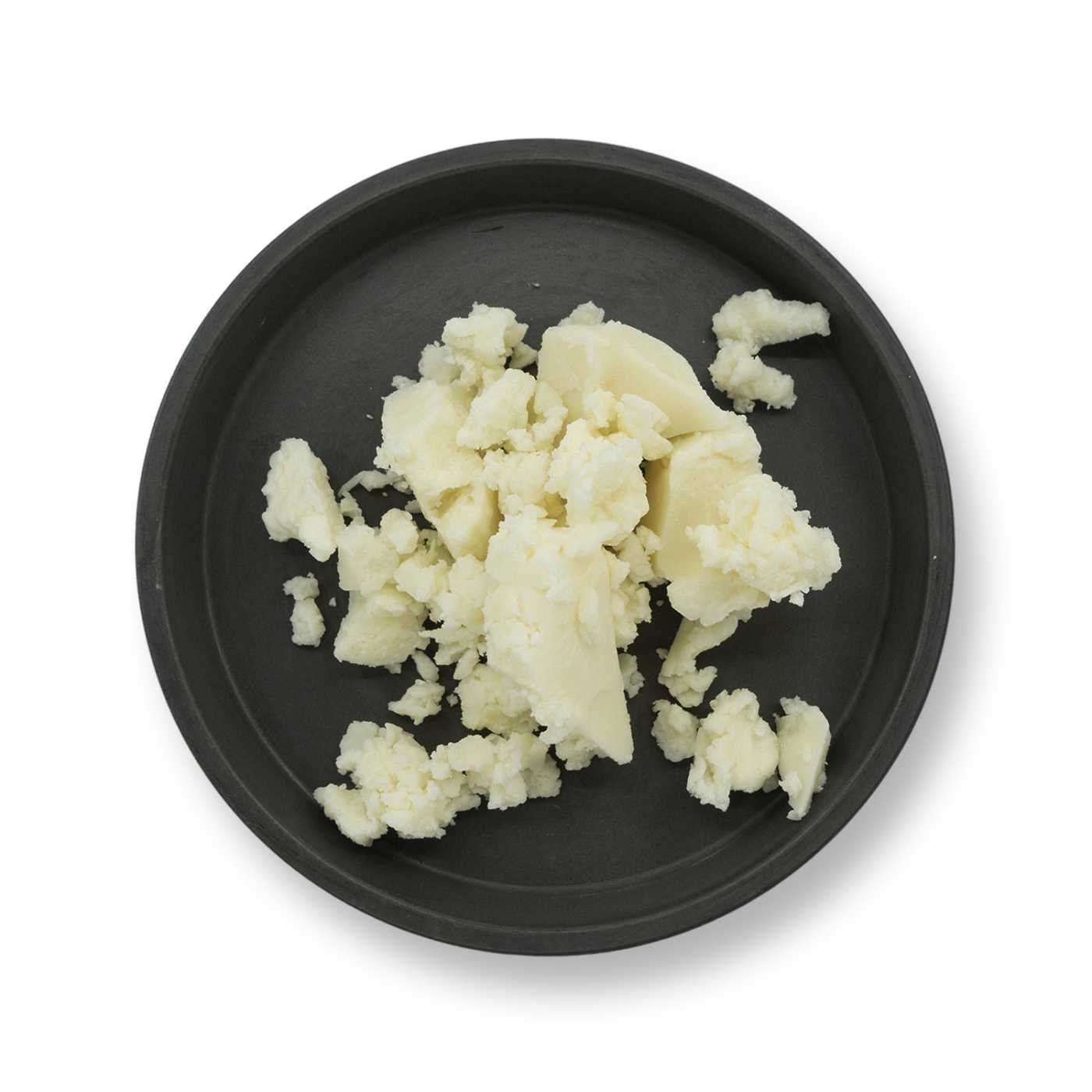
Hemp oil
Hemp oil is the main liquid oil component of the balm, used in the recipe in the same amount as mango butter — 15 g.
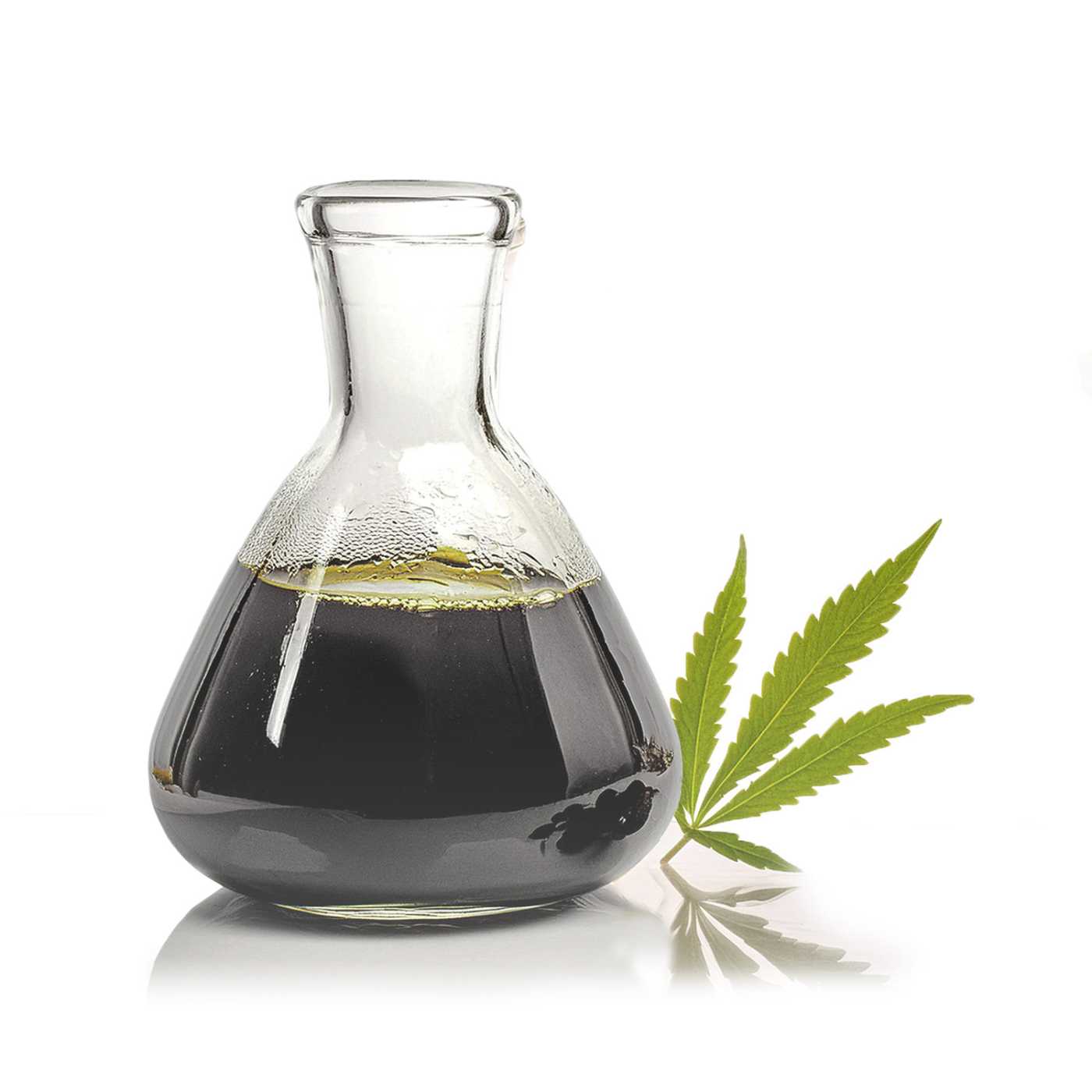
Other ingredients
CO2 extract is added to the balm in the amount of 4 teaspoons.
Mustard oil completes the oil part of the formulation in the amount of 1 teaspoon.
Orange essential oil gives the balm its scent — 3 – 5 drops are enough. It is added right at the end, at a temperature of approximately 37 °C.
The formulation
The ingredients are listed just as the original recipe gives them — in grams, teaspoons and drops for one batch of balm. The shopping list below will help you get everything you need.
Shop the ingredients for this recipe
Untick what you already have- Yellow Beeswax, yellow pellets 100 guses 2.5 gsold outWatch availability€3.35
- Bacuri Butter, Virgin, Cold Pressed, 100 guses 10 gsold outWatch availability€7.65
- Mango Butter, Refined, 100 guses 15 gin stock€3.14
- Anhydrous Lanolin USP, 100 guses 5 gin stock€4.40
- Hemp Seed Oil, Cold Pressed, Organic, 100 mlrecipe uses 15 gin stock€3.79
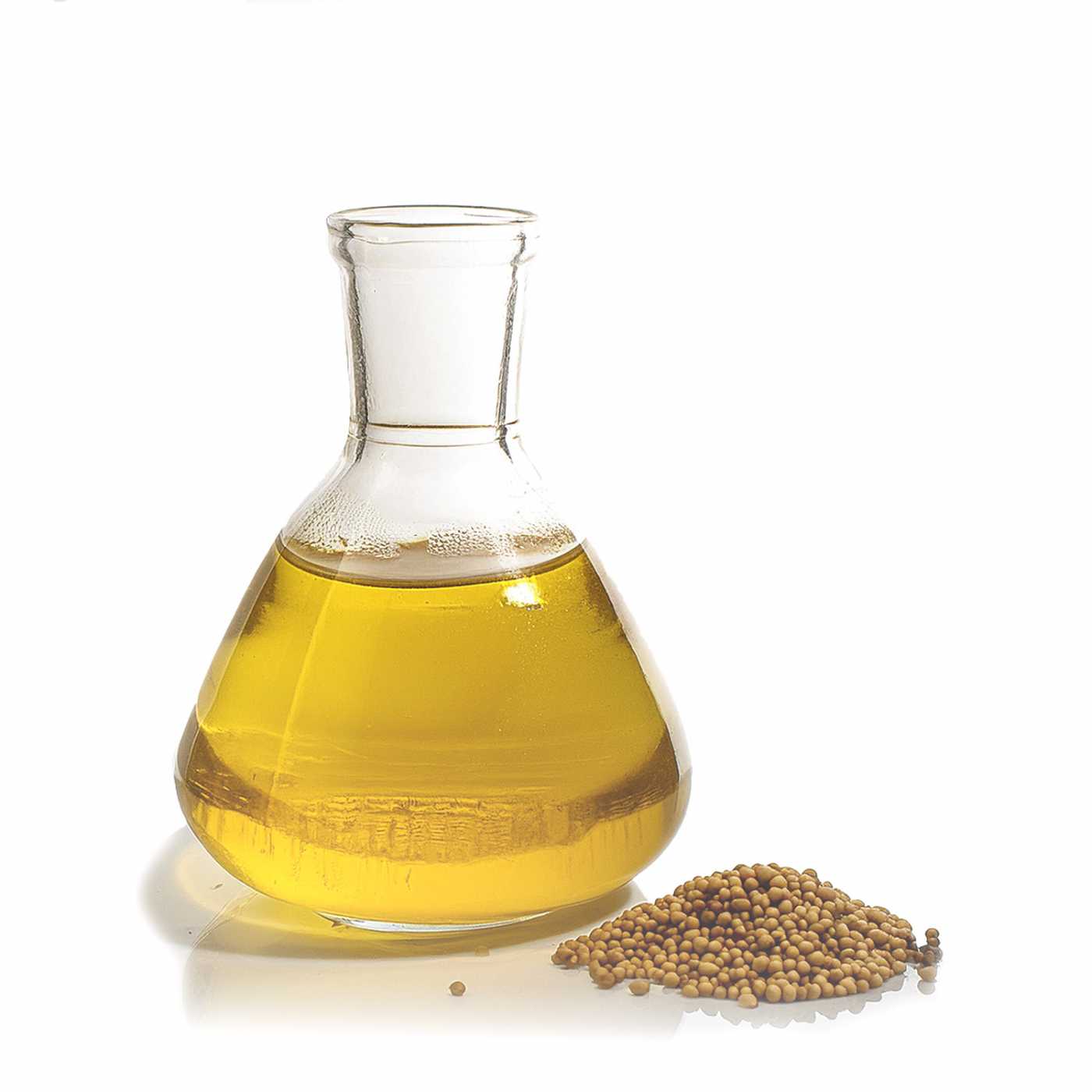 Mustard oil, Cold Pressed, 100 mlrecipe uses 1 teaspoonin stock€2.82
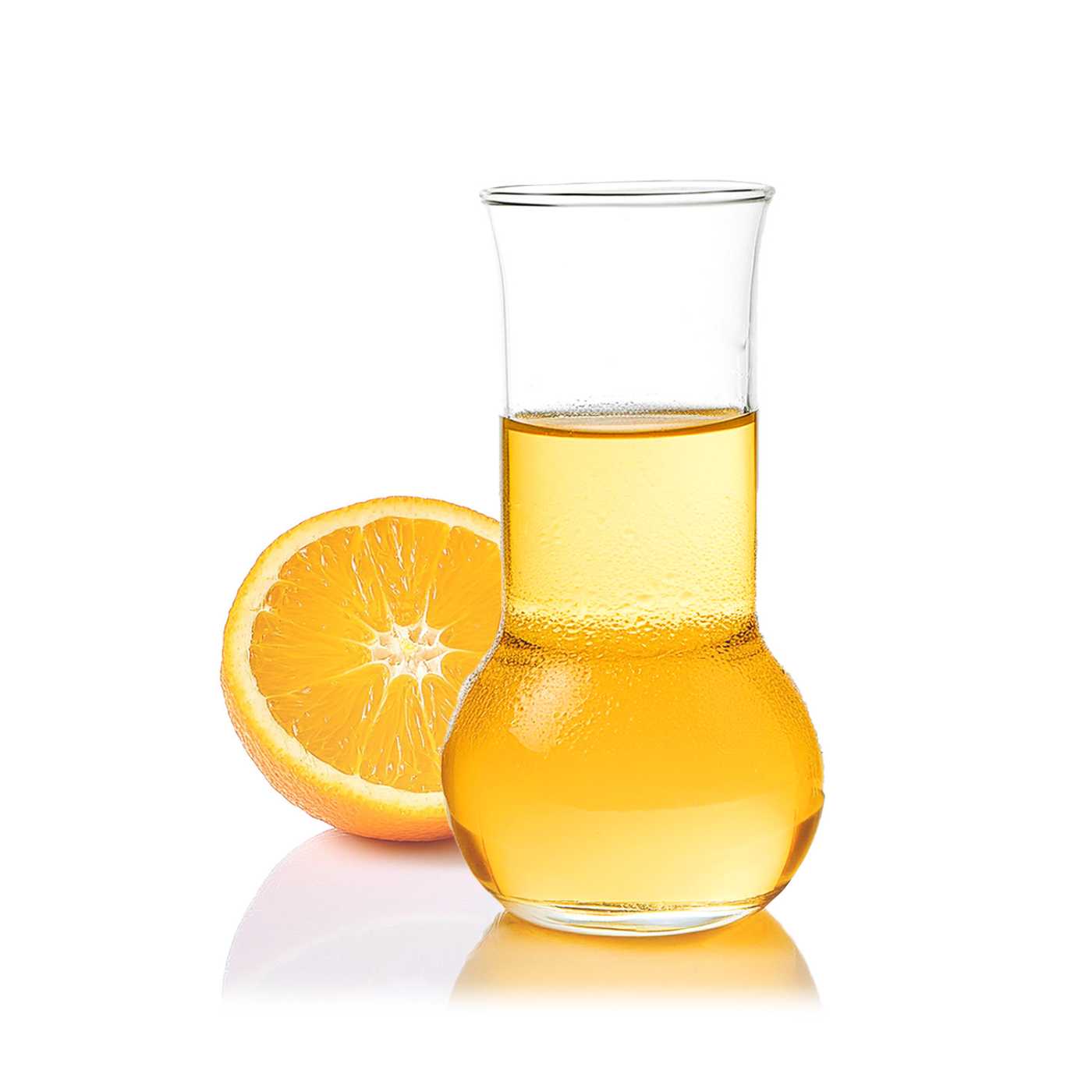 Sweet Orange Essential Oil, 10 mlrecipe uses 3 – 5 dropsin stock€1.56
| Name of raw material | Content |
|---|---|
| Beeswax | 2.5 g |
| Bacuri butter | 10 g |
| Mango butter | 15 g |
| Lanolin | 5 g |
| Hemp oil | 15 g |
| CO2 extract | 4 teaspoons |
| Mustard oil | 1 teaspoon |
| Orange essential oil | 3 – 5 drops |
Procedure
- Melting the ingredients Water bath
We melt all the ingredients over a low flame or in a water bath.
- Order by melting point
We add the ingredients in the exact order with regard to their melting point.
- Essential oil approximately 37 °C
Before adding the essential oil it is necessary to measure the temperature (approximately 37 °C).
- Whipping
Once all the ingredients are mixed, we lightly whip the mixture until it starts to solidify.
- Filling and standing 24 hours
We store the balm in jars and let it stand (ideally at least 24 hours).
Use
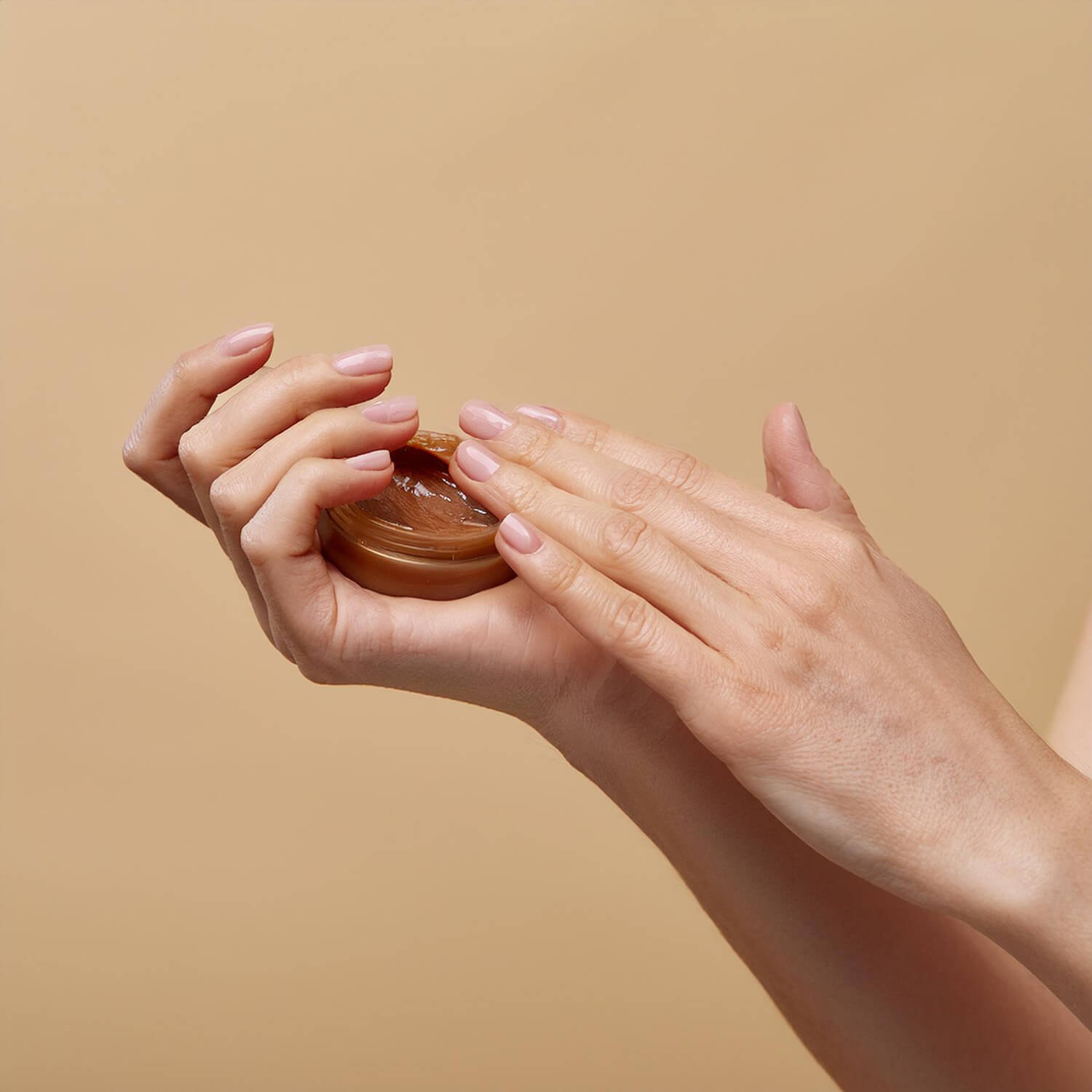
Apply the balm to the skin and leave it to work for a while — as soon as it is absorbed, the greasiness is gone. Thanks to its anti-inflammatory and antifungal effects you can also use it on your feet, which, especially in winter in shoes and socks, are exposed to a much higher risk of mycotic conditions.
Since the balm does not wash off thanks to lanolin and beeswax, you can work with water and the balm still acts reliably and withstands even a higher load of water.
Frequently asked questions about the recipe
Practical questions about the winter balm — use on the feet, greasiness, resistance to water and the temperature for adding the essential oil.
Can the balm be used on the feet as well?
Yes. The balm has anti-inflammatory and antifungal effects, so you can also use it on your feet, which, especially in winter in shoes and socks, are exposed to a much higher risk of mycotic conditions.
Will the balm leave my hands greasy?
The balm does not leave a greasy feeling. Right after application it needs to be left to work for a while — as soon as it is absorbed, the greasiness is gone.
Will the balm wash off when I work with water?
No. Thanks to lanolin and beeswax it does not wash off, so you can work with water and the balm still acts reliably and withstands even a higher load of water.
At what temperature should the essential oil be added?
Before adding the essential oil it is necessary to measure the temperature — approximately 37 °C. The ingredients are added in the exact order with regard to their melting point.
How long does the balm need to stand?
After whipping, we store the balm in jars and let it stand — ideally at least 24 hours.
Conclusion
Try the recipe for this exceptional balm and let us know how you like it.
You will find the beeswax, lanolin, plant butters and oils from this formulation in the Handymade range of raw materials.