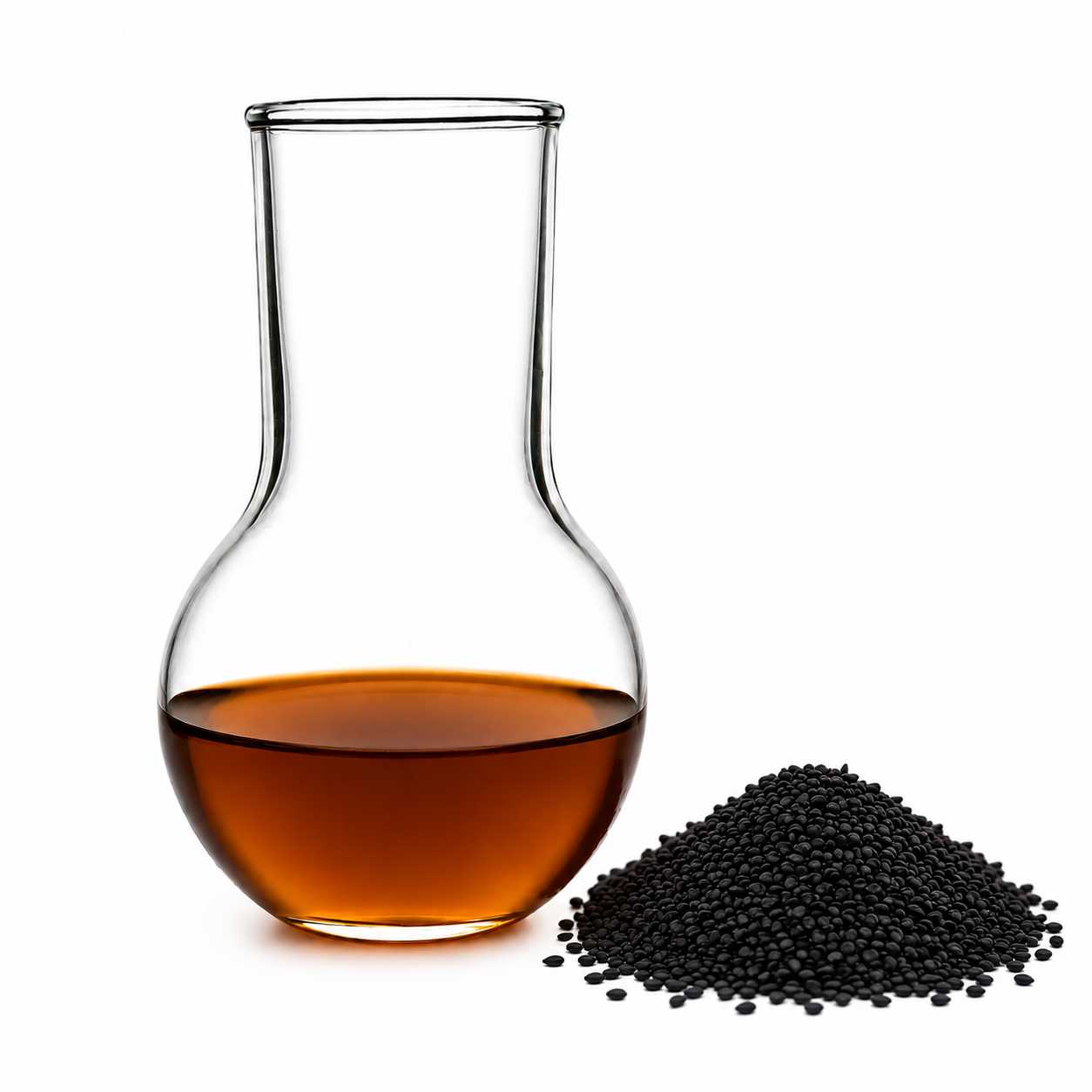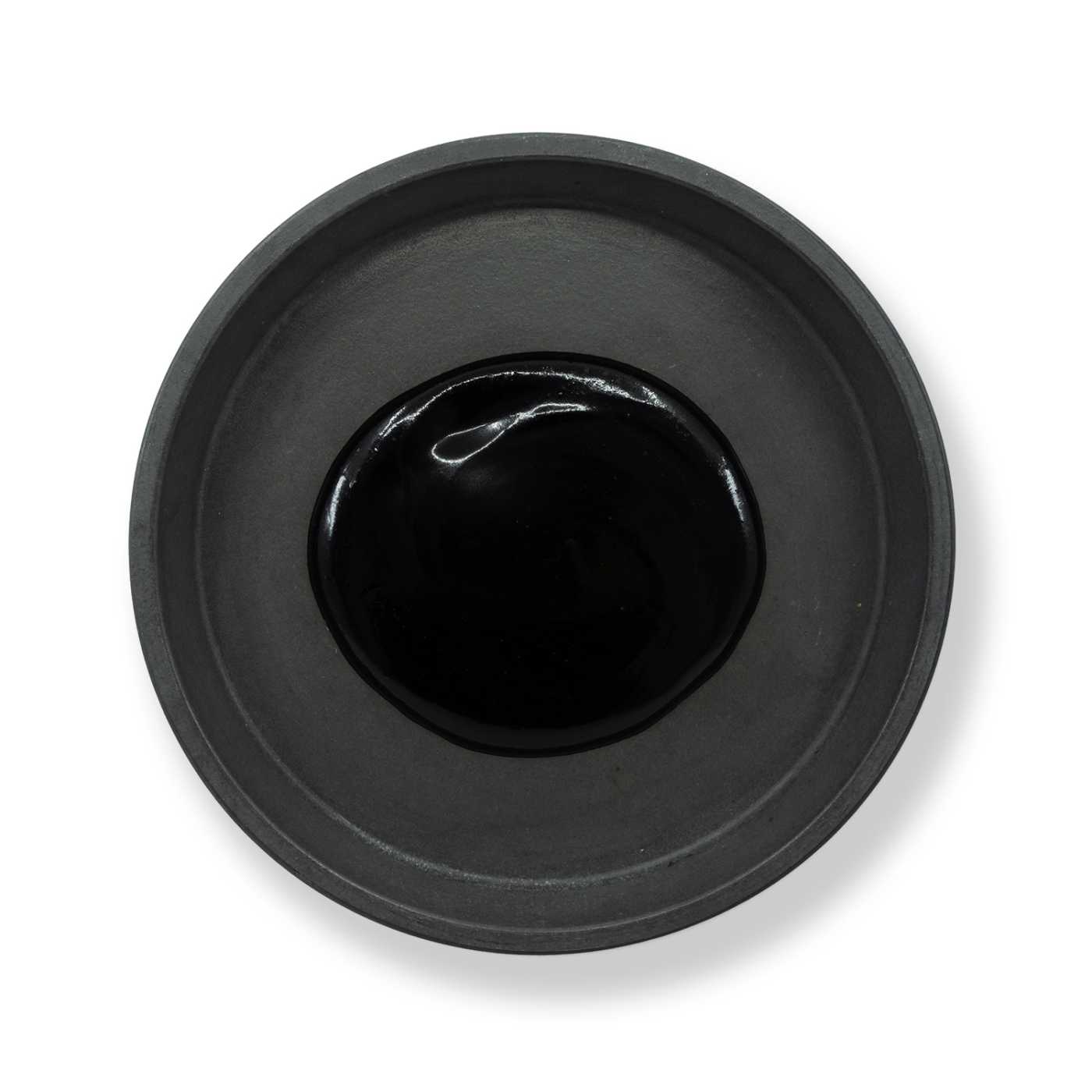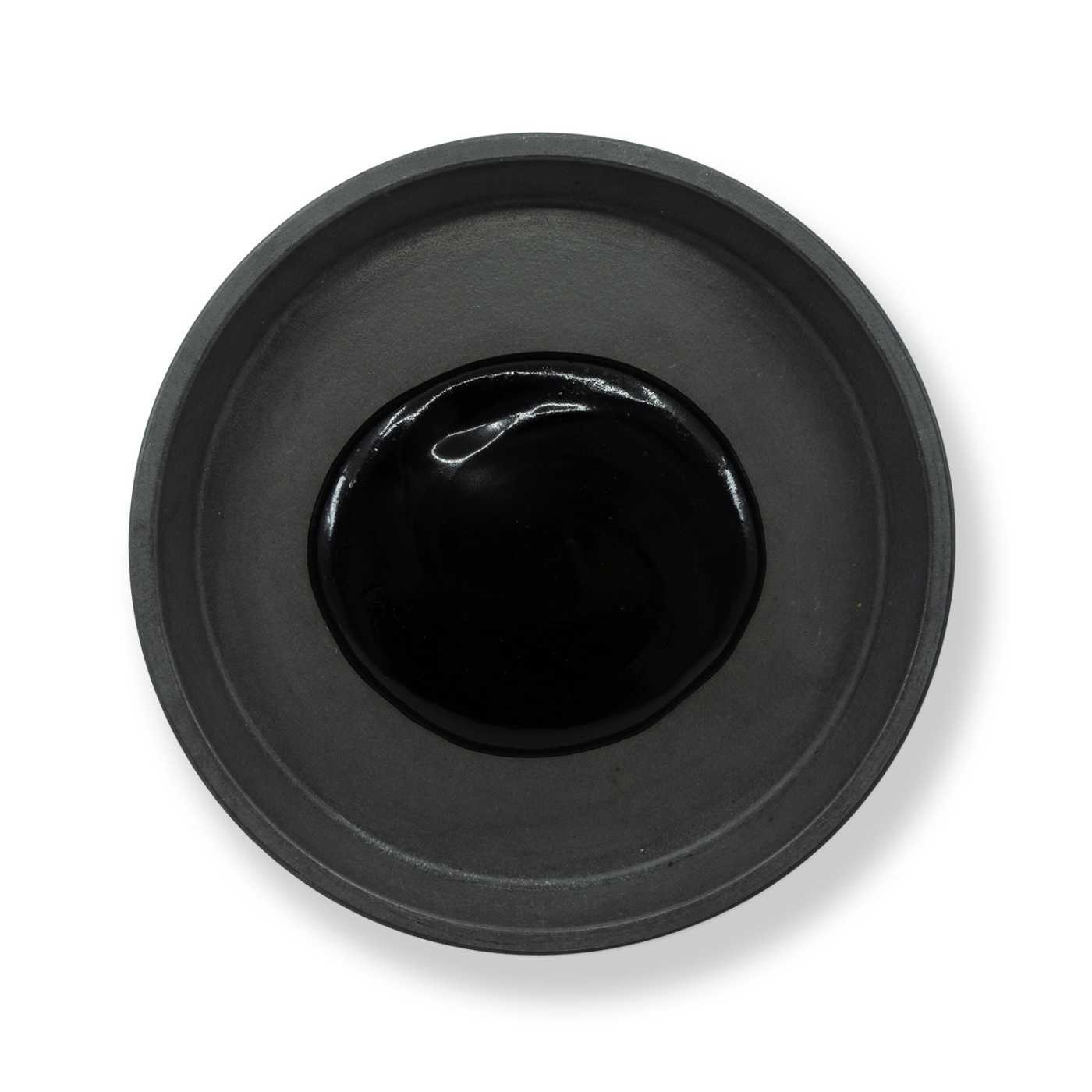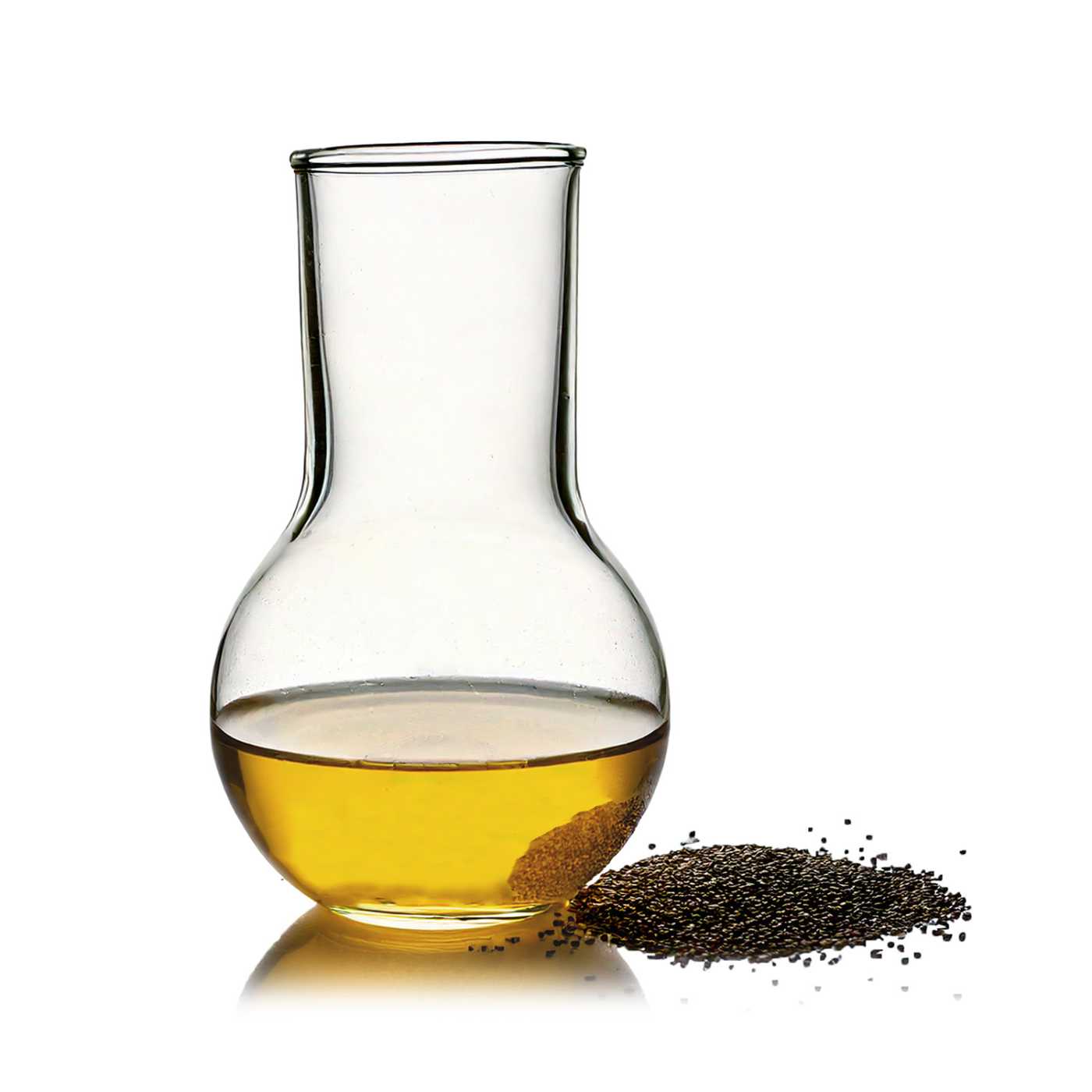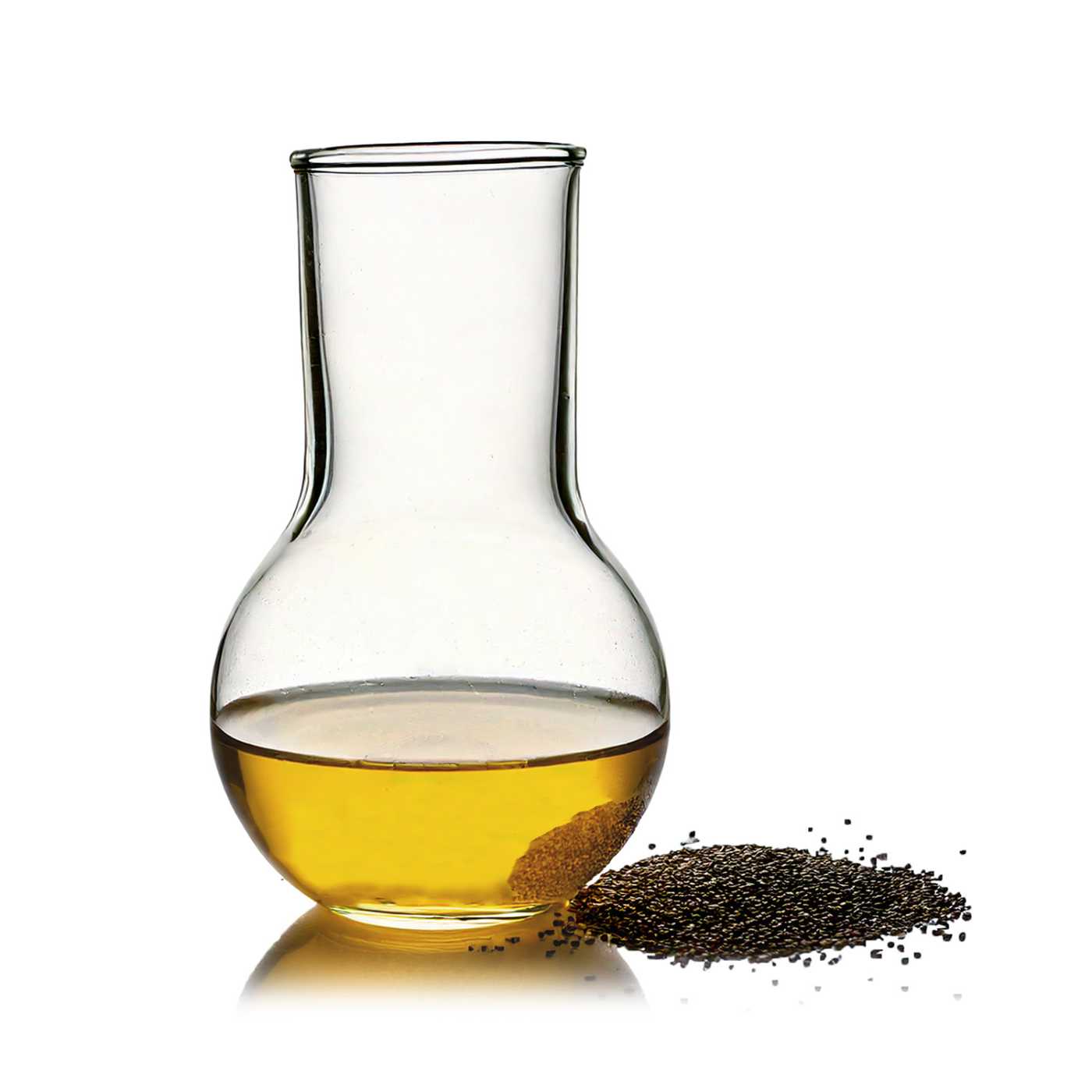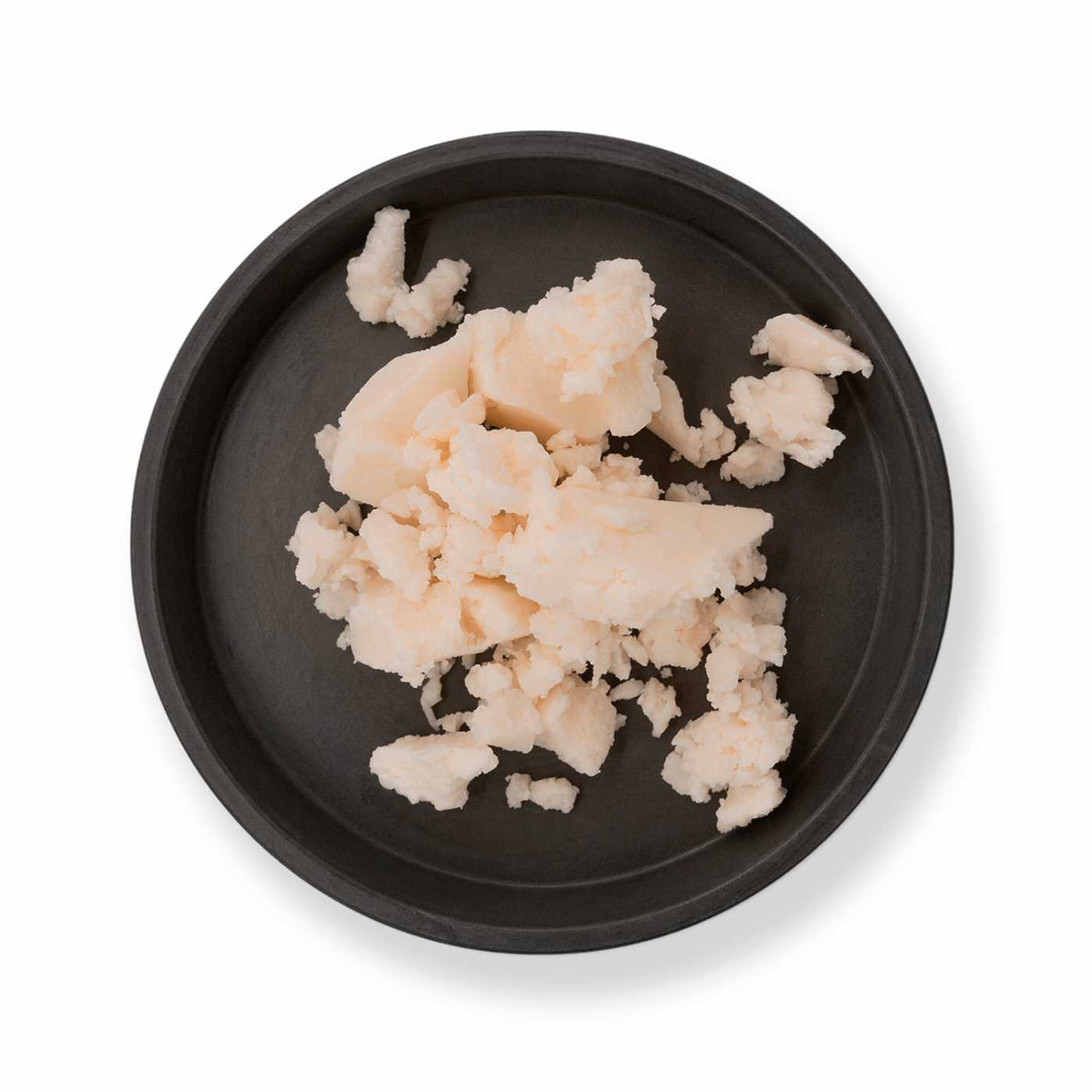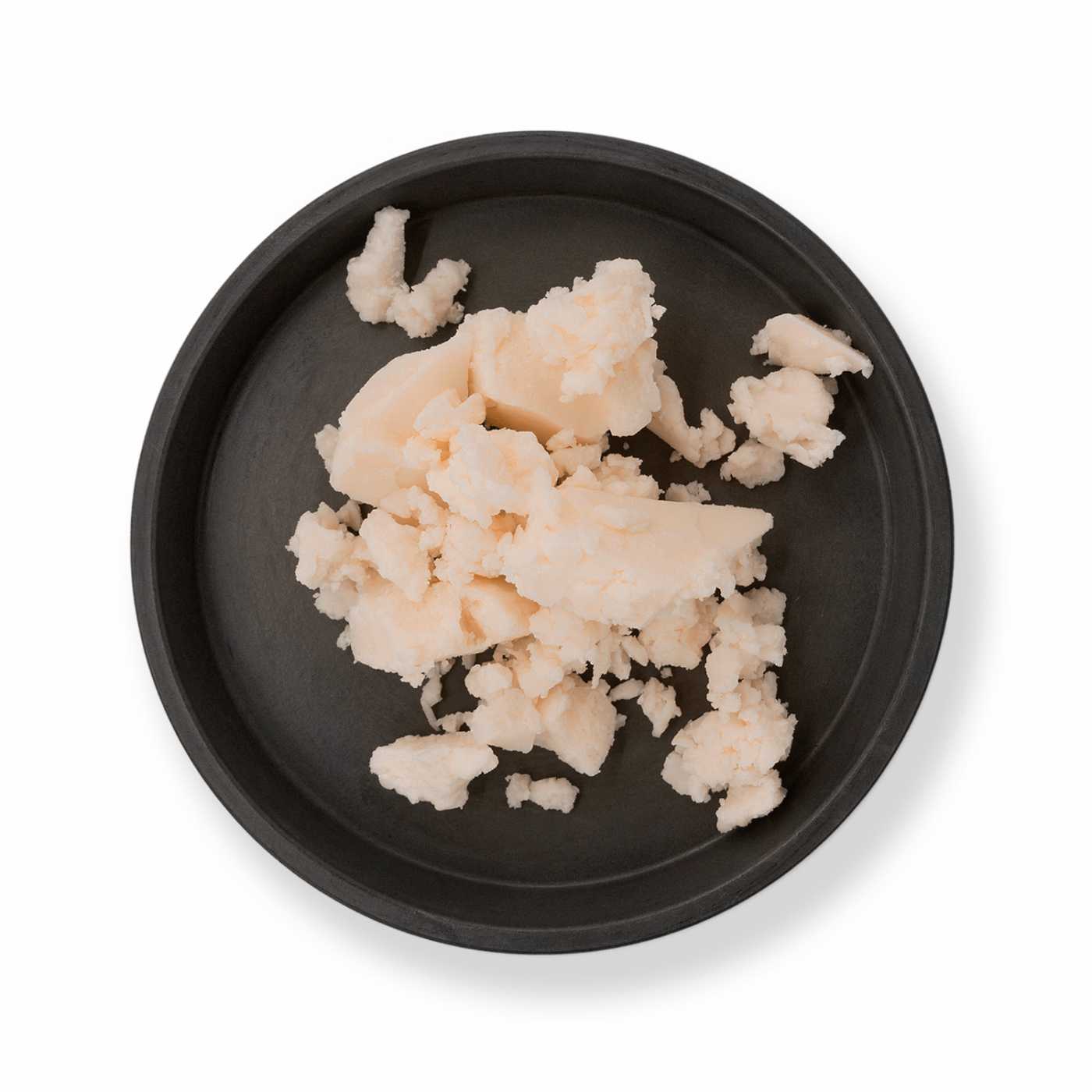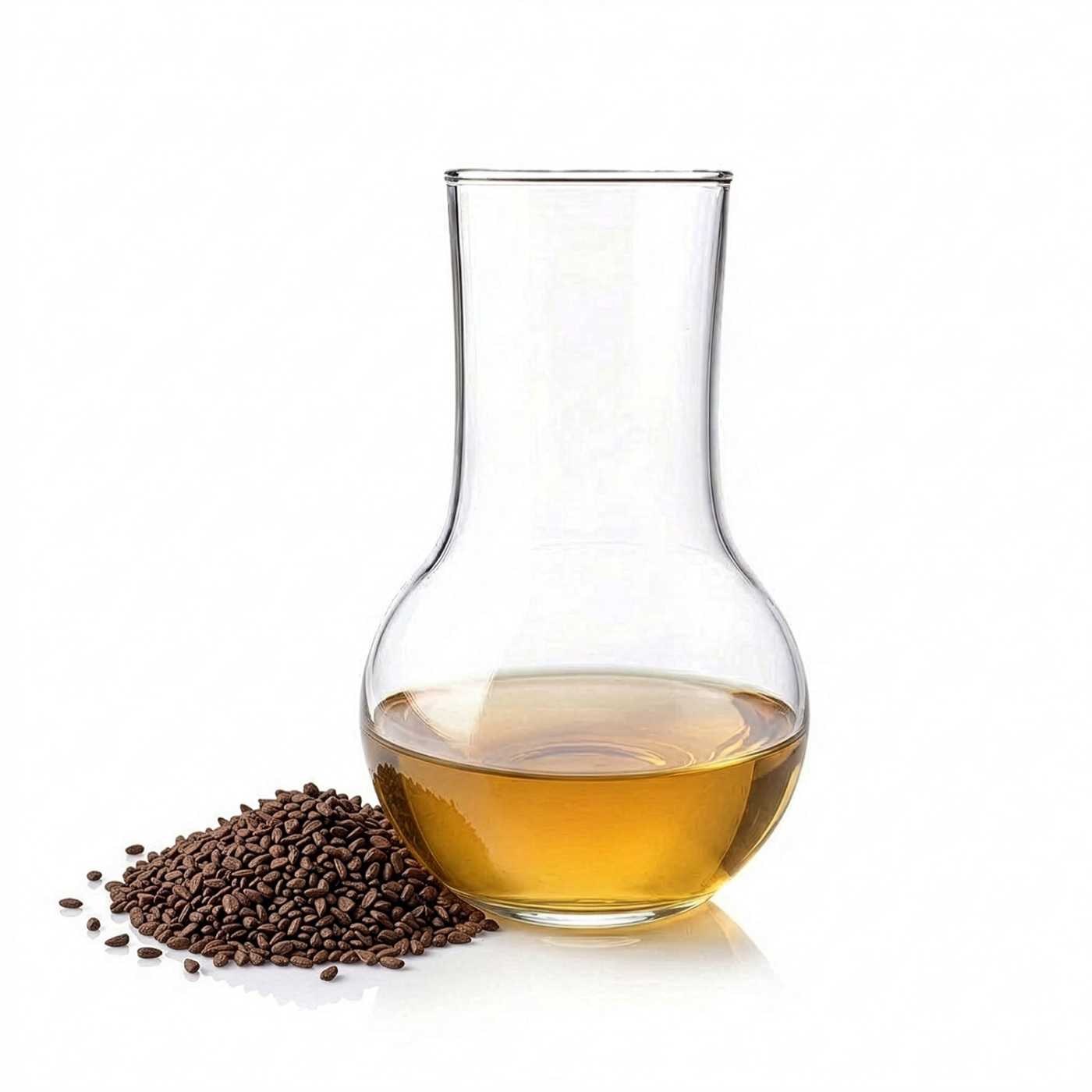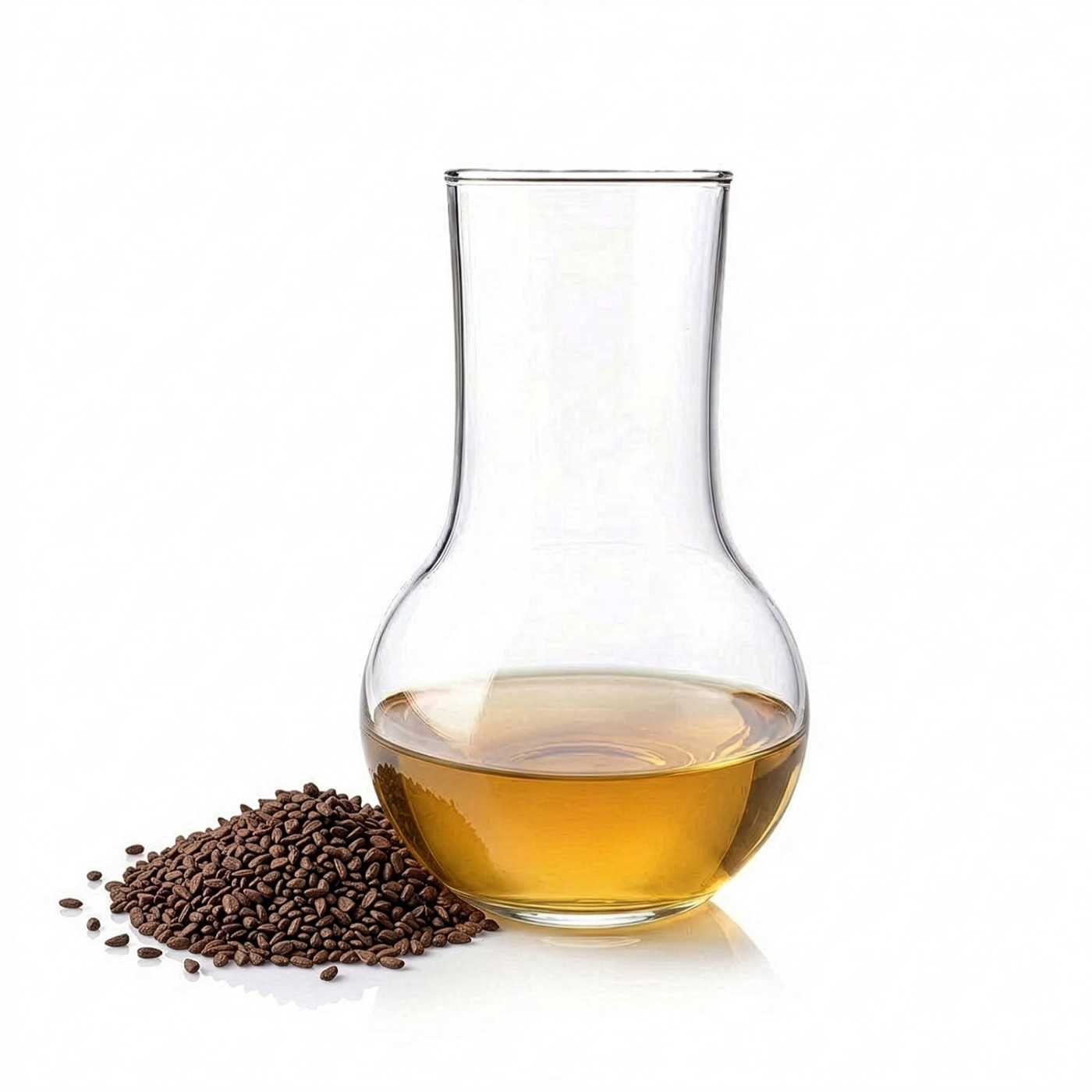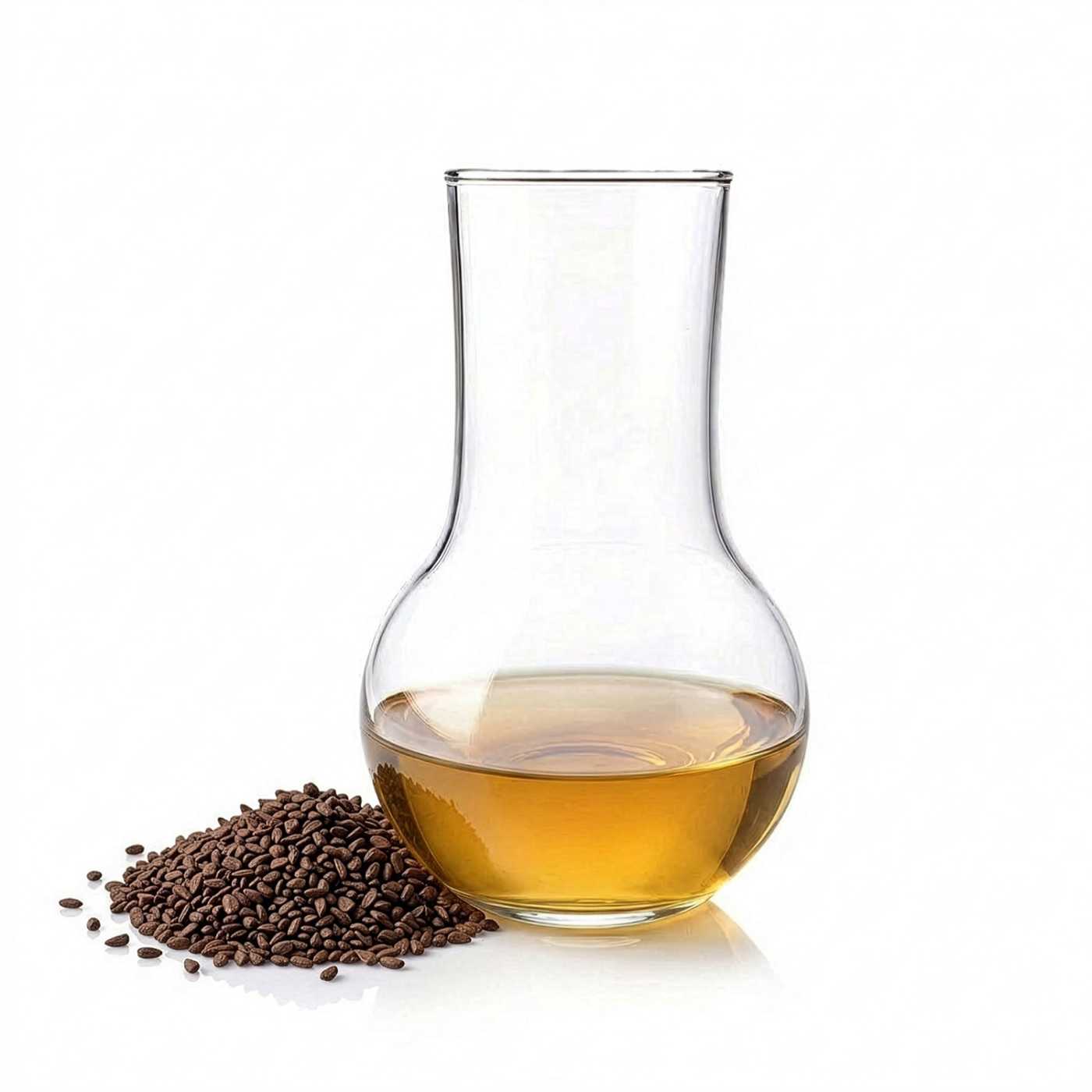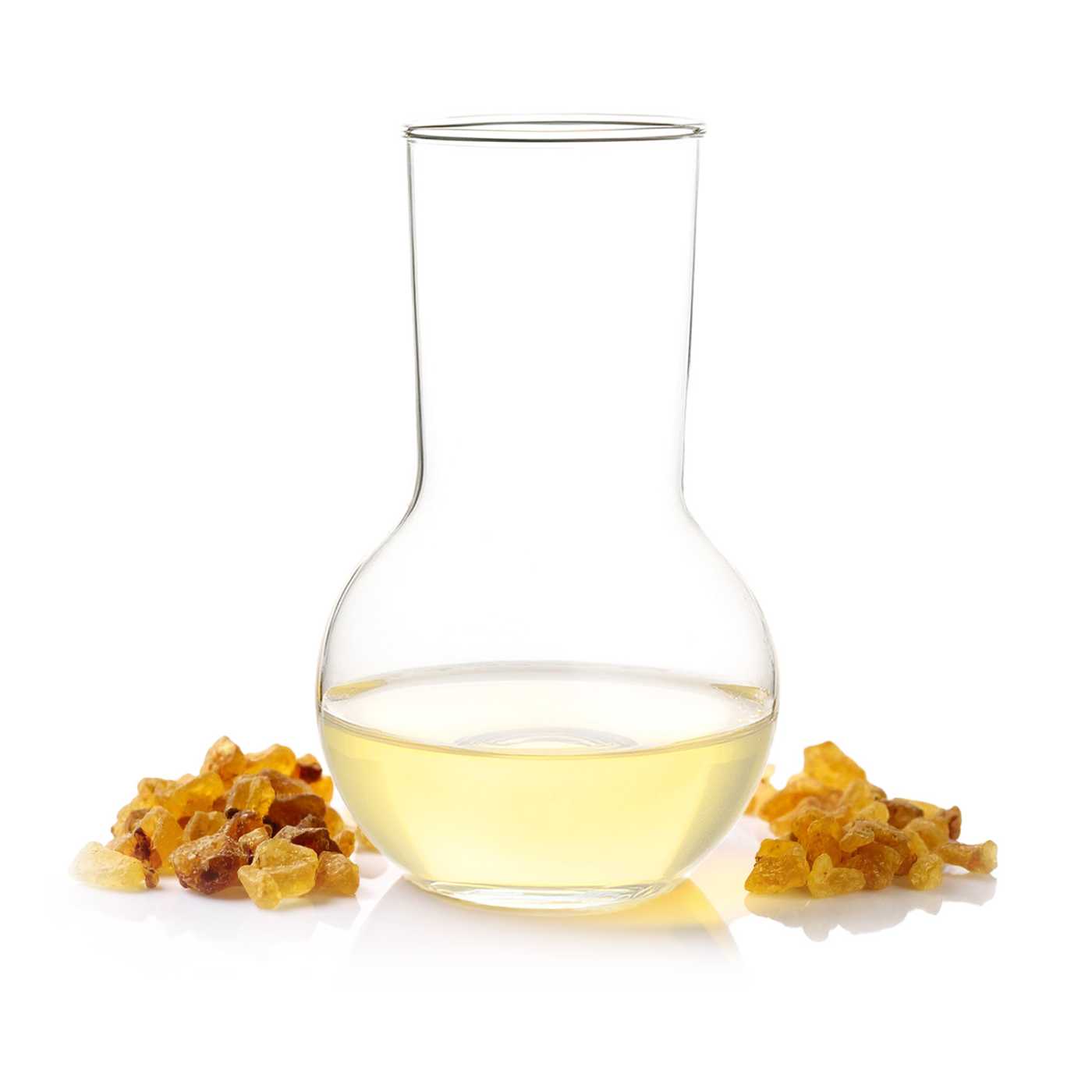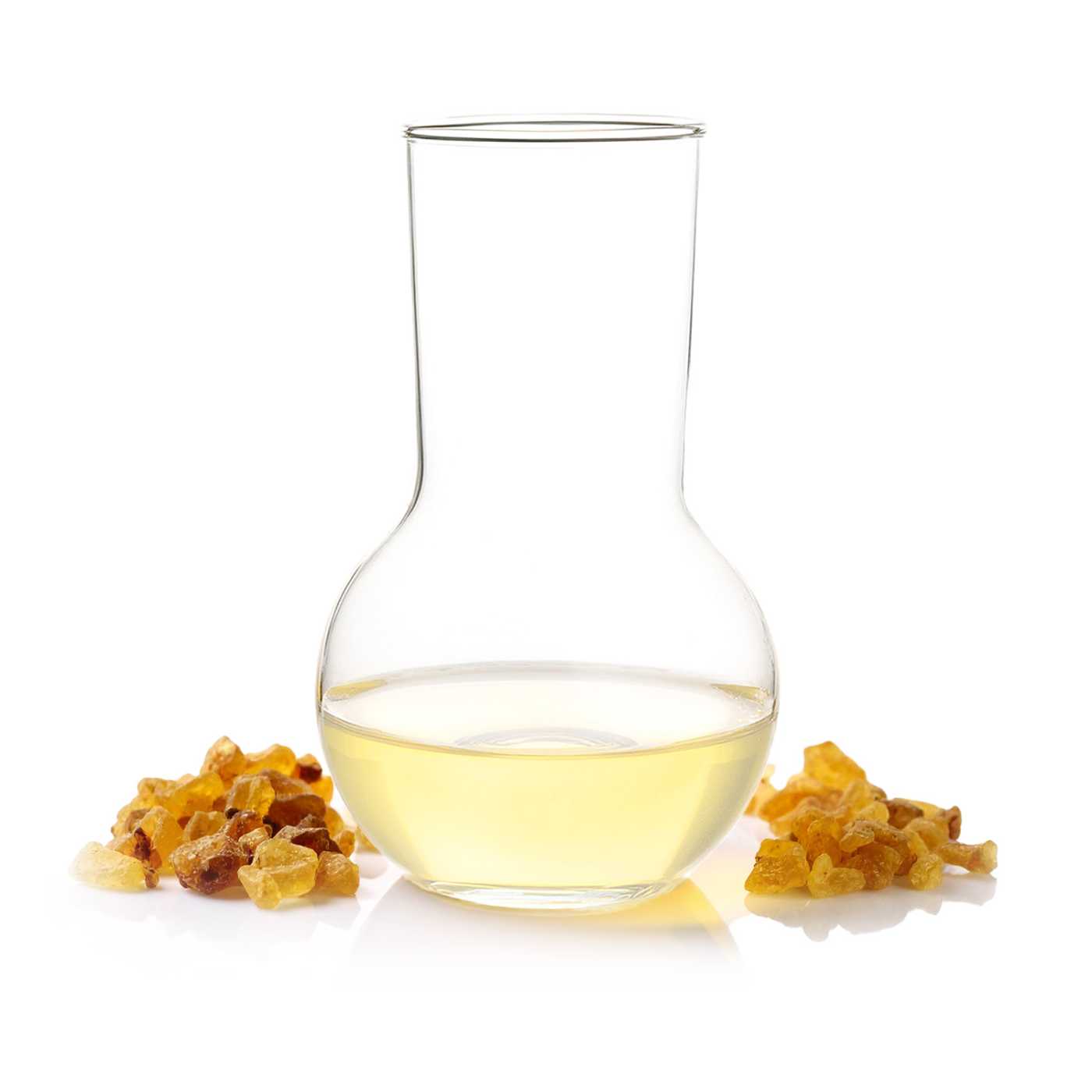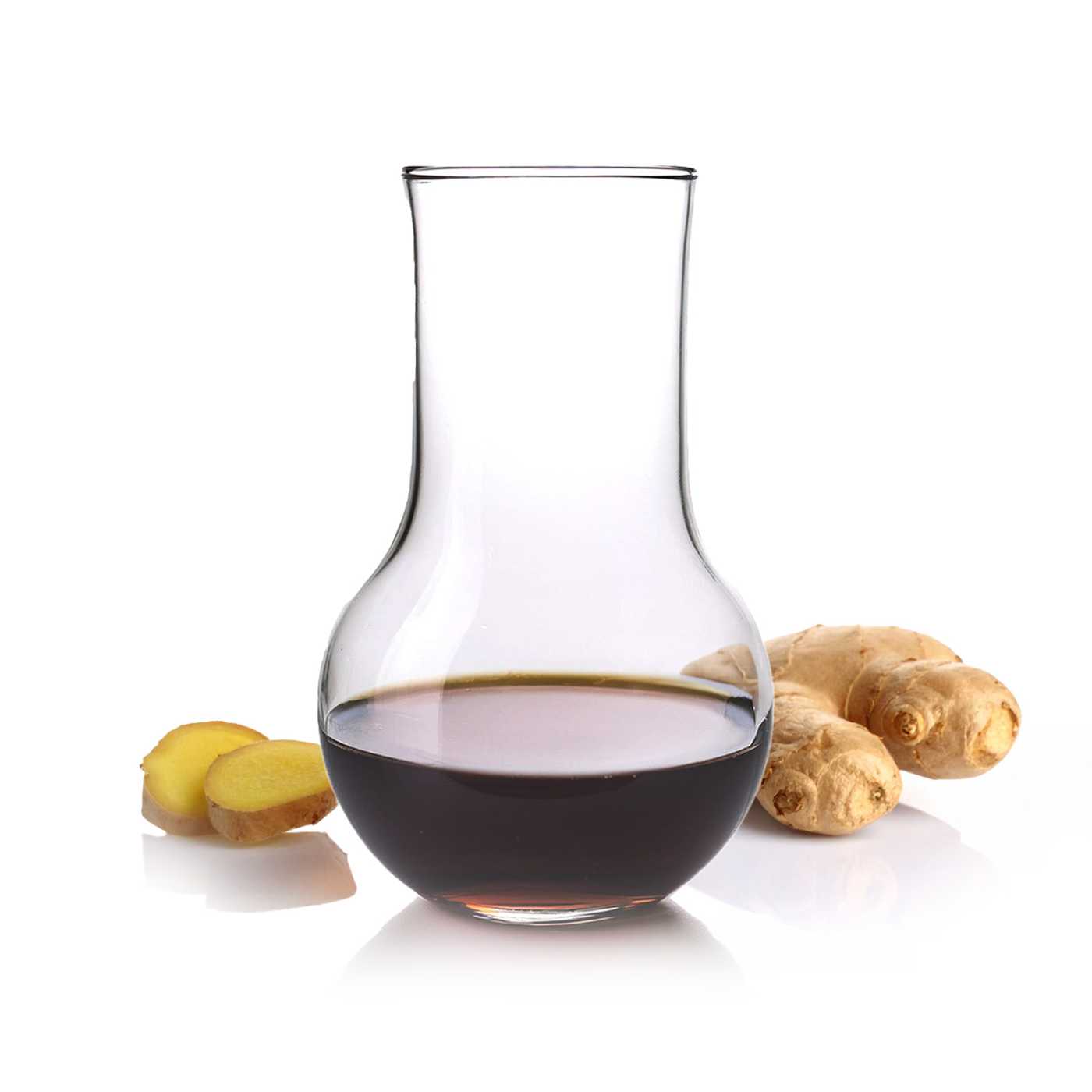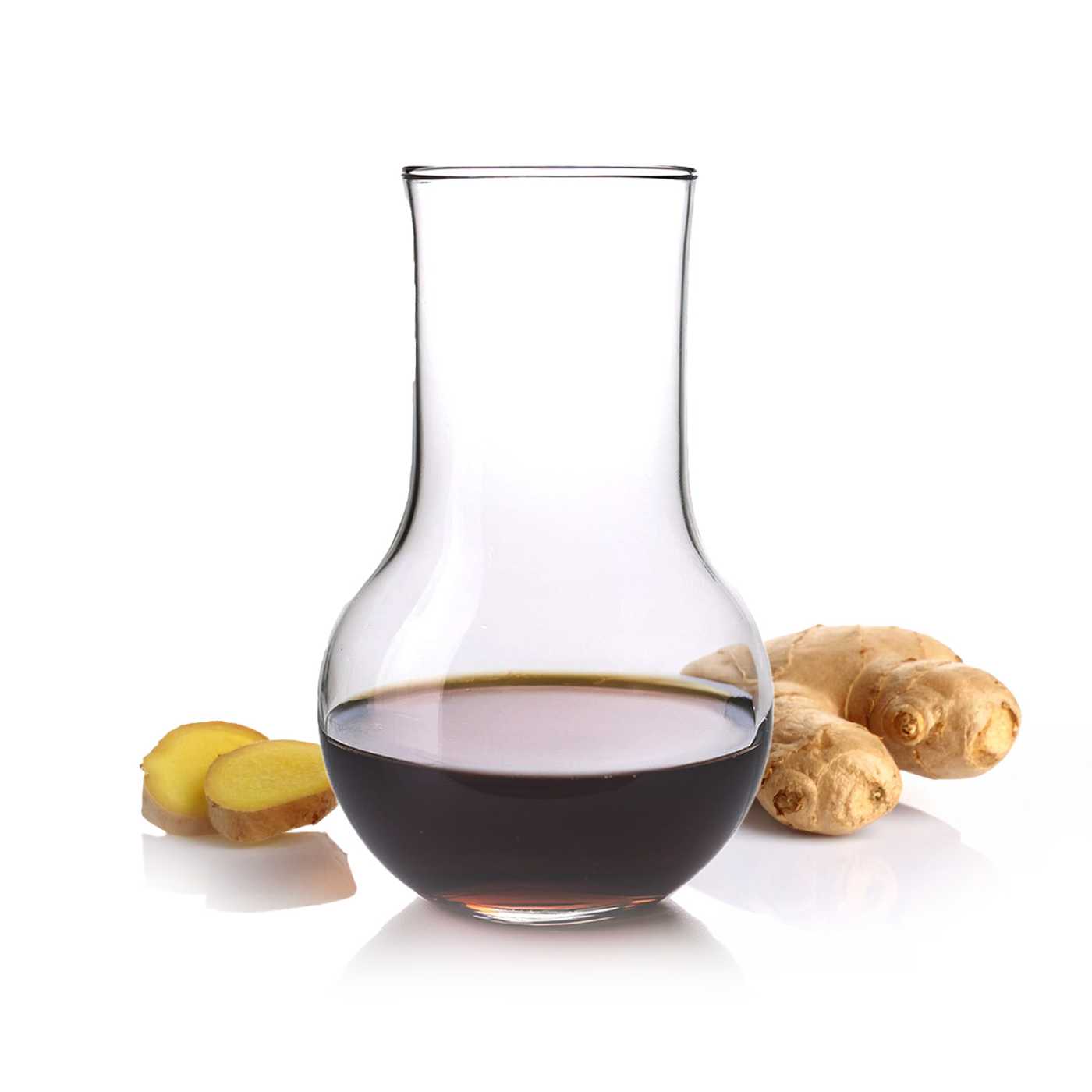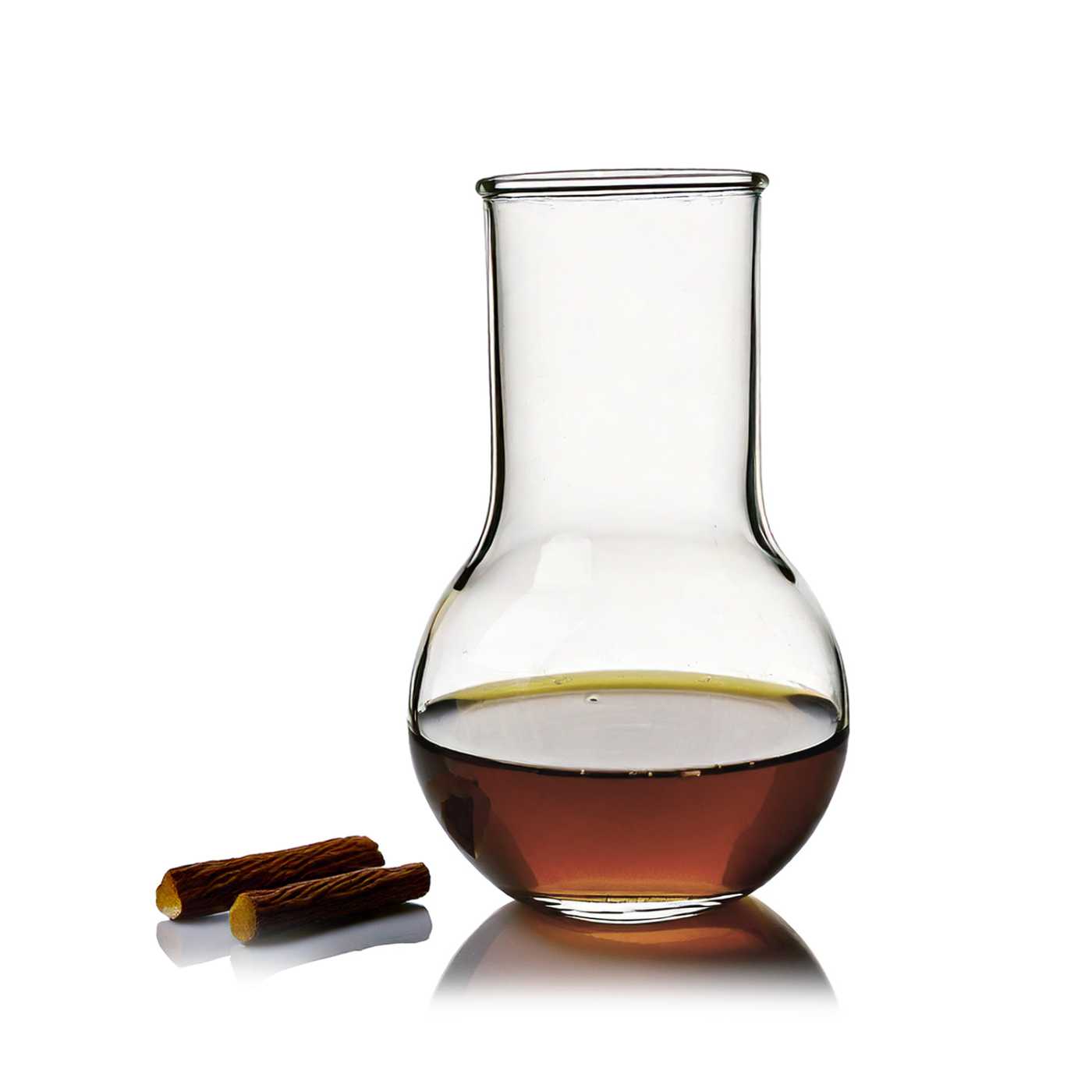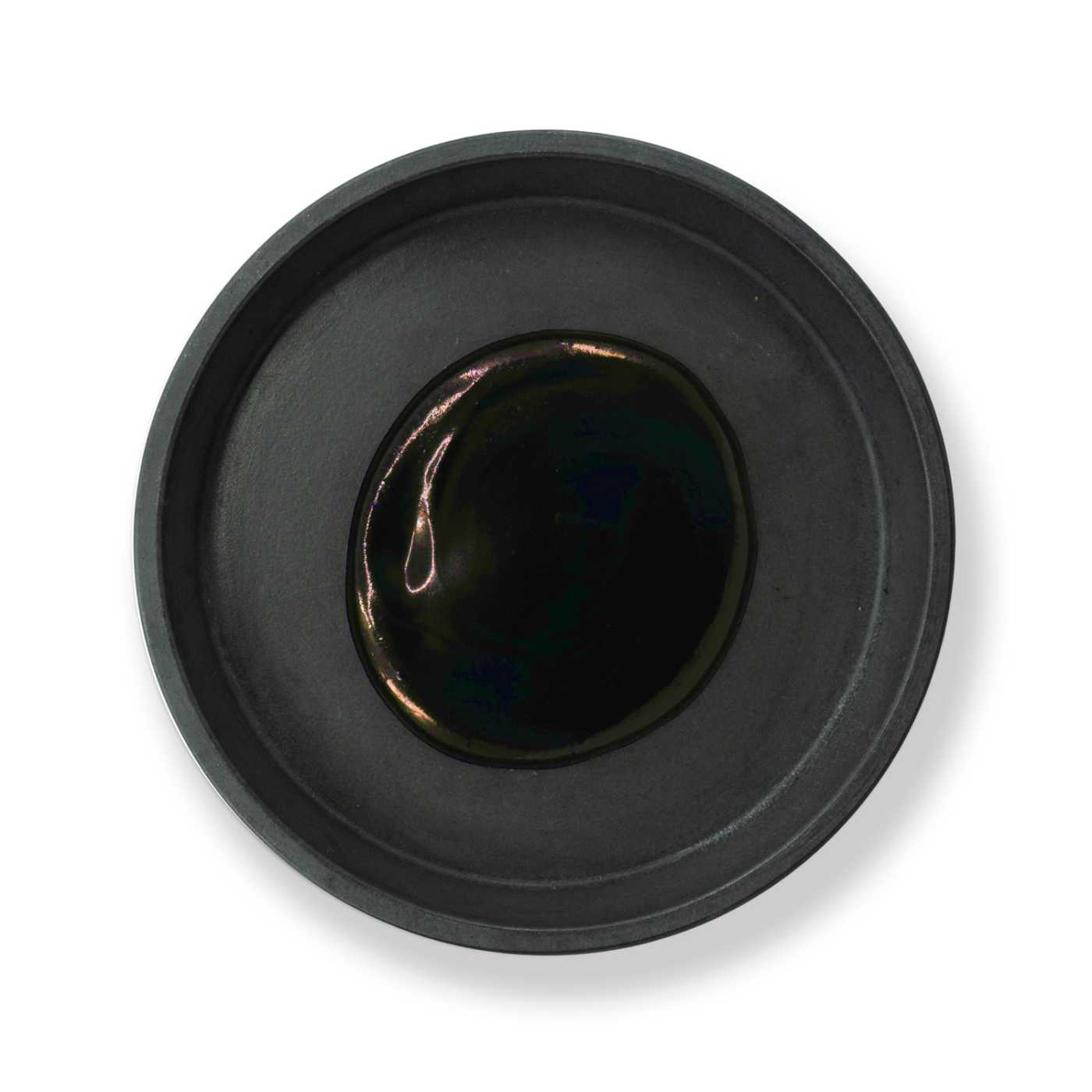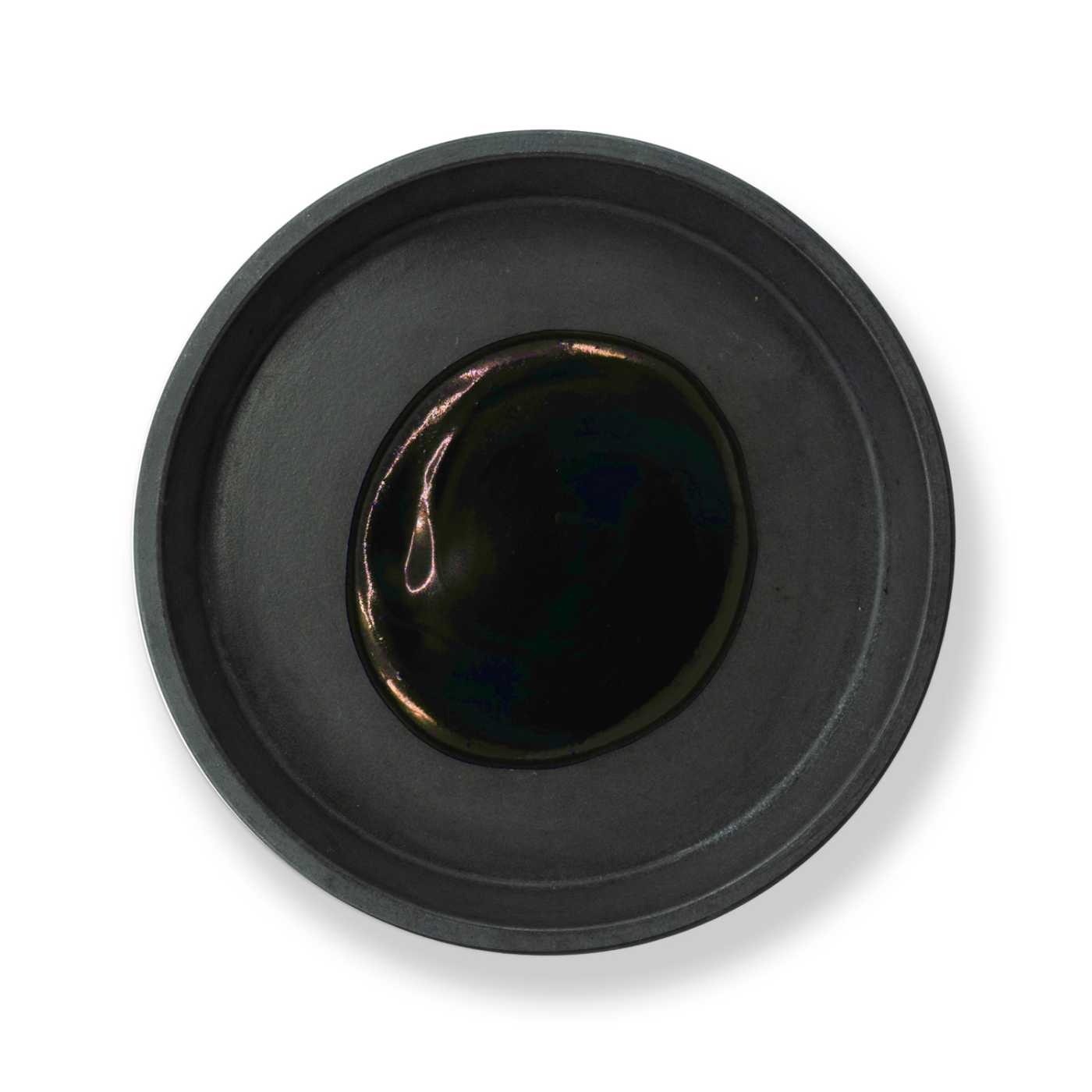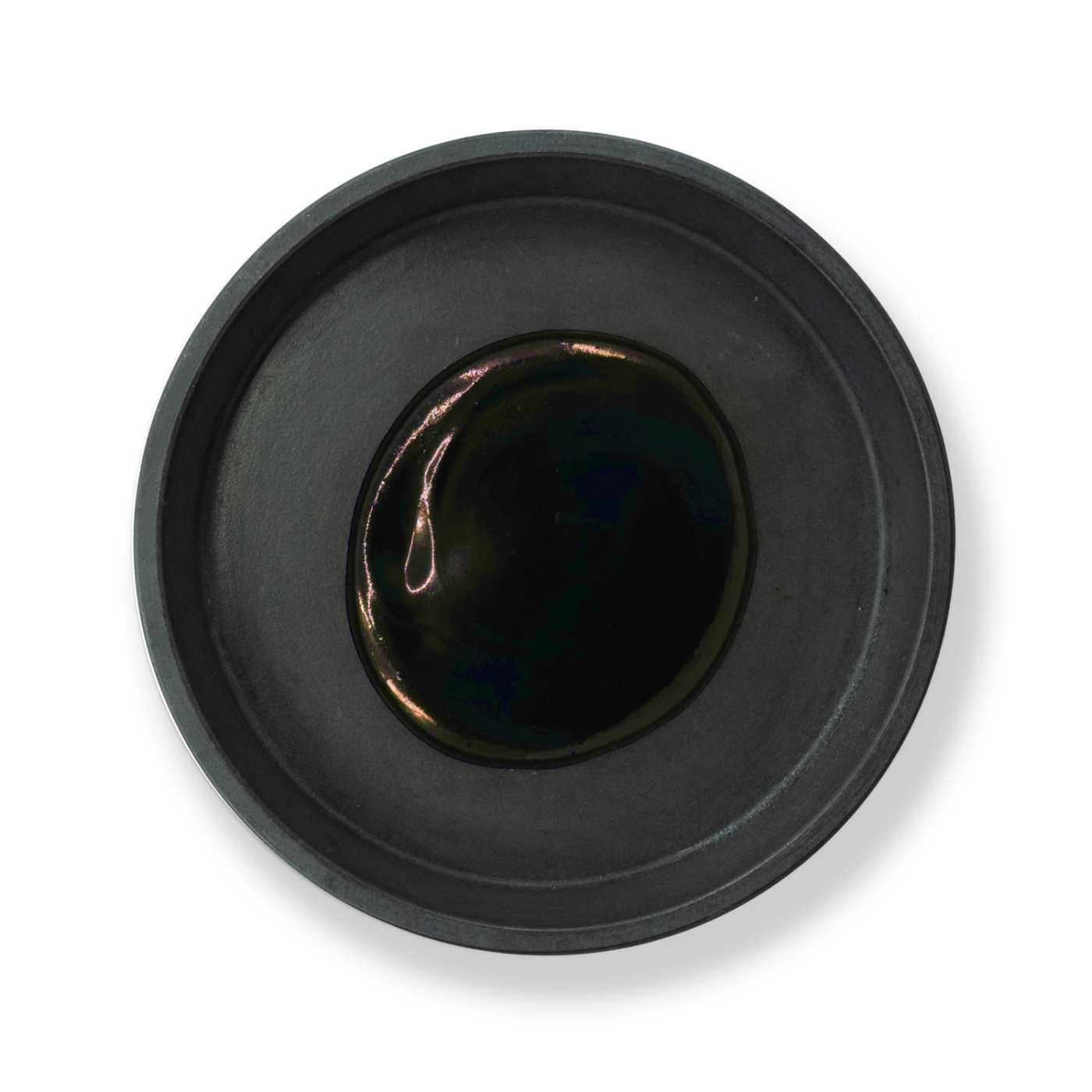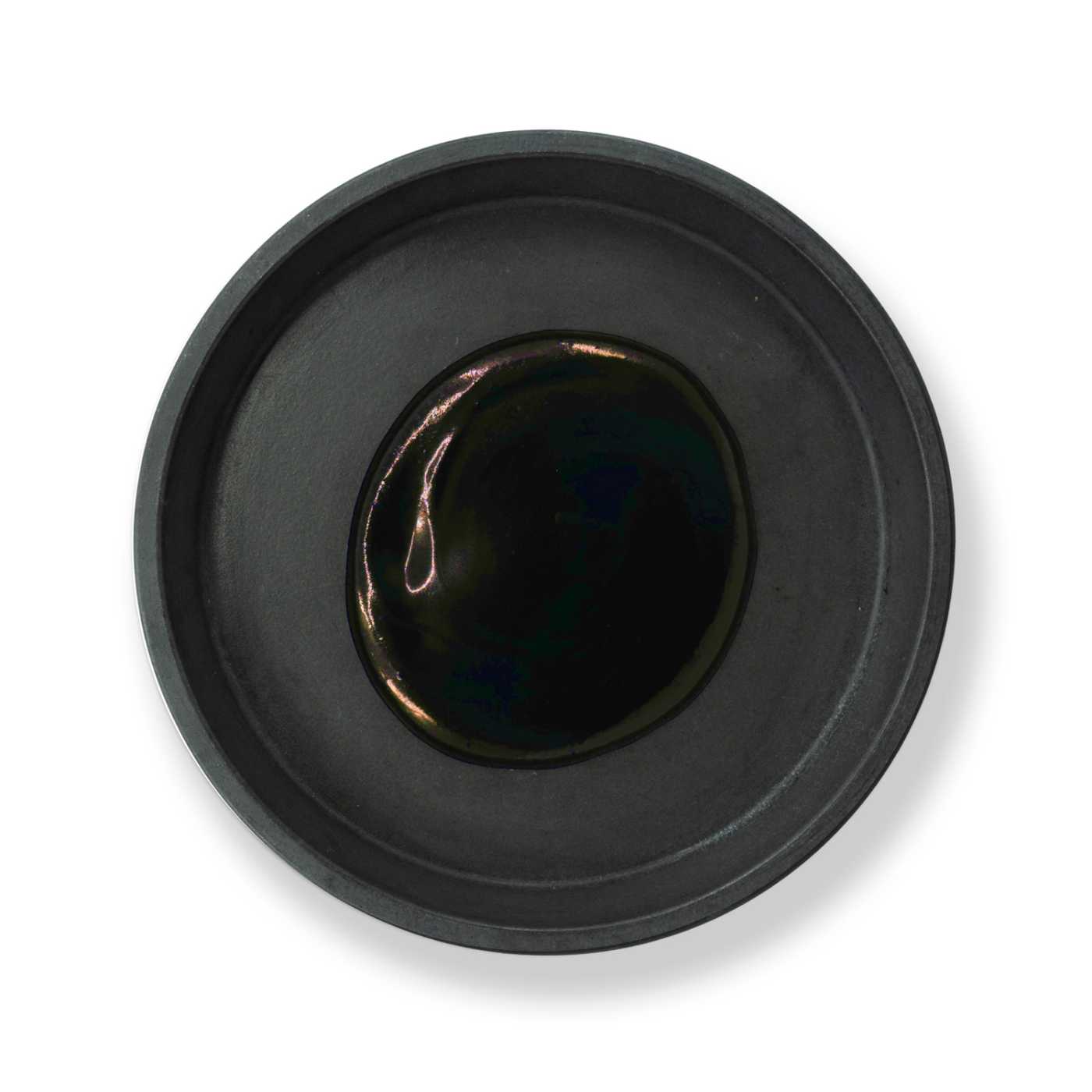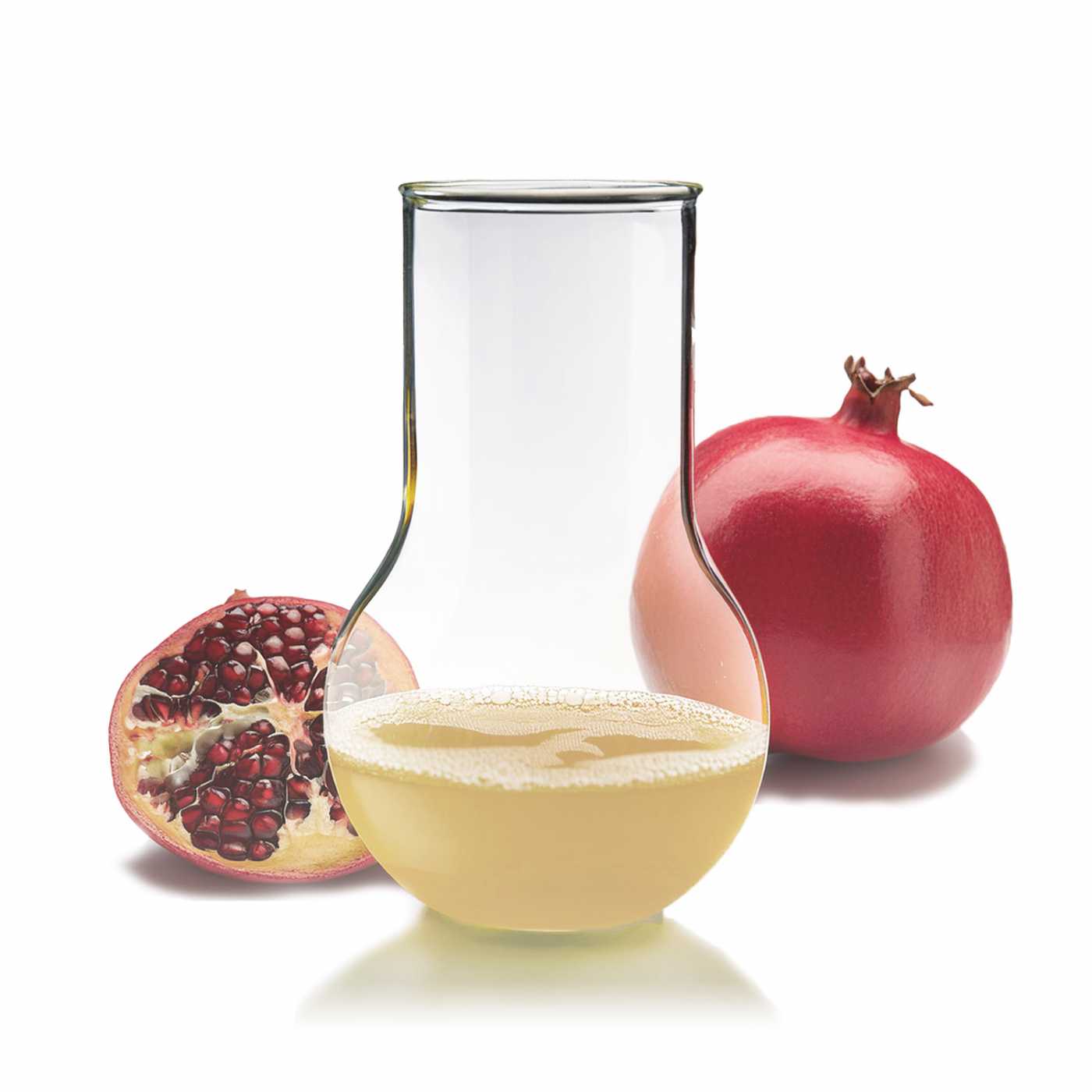
Antimicrobial blend, CO2 extract 10 ml
Pre-order€5.03(€503.00/l)

80 in stock now
4.9 out of 5 · 661 ratings
Documentation for every product
85 products in this category
Showing 60 of 85 products
CO₂ extracts are obtained by supercritical carbon dioxide extraction — at low temperatures and without organic solvents, so they keep both their purity and the plant's natural spectrum of compounds. The category holds 85 products, from arnica and calendula through sea buckthorn to frankincense and Ceylon cinnamon, a large part of them in organic quality and in packs from 5 ml or 5 g.
Selective extracts (CO₂-se) contain mainly volatile aromatic components and behave much like essential oils — in fragranced formulations they can take their place, with no solvent residues. Total extracts (CO₂-to) are the plant's full extract including waxes, resins and fats: they have richer sensory properties and an intense colour, and come into their own in caring, nourishing products. Extracts in a carrier oil are a speciality of their own, such as carrot in jojoba oil or GlucodOX — guggul in MCT oil.
CO₂ extracts find a place in creams, serums, ointment bases, body butters, balms and hair cosmetics. Thanks to the high concentration of active compounds, a dosage of 0.1–1% is enough — a small amount delivers a pronounced sensory effect and scent. Some items have a standardised content of active components, such as arnica flower with 4% sesquiterpene lactones or the rosemary CO₂-se-plus extract ct cineole.
CO₂ extracts are water-free, so they need no added preservatives. Extraction without access to oxygen also delivers them in an unoxidised state — in storage, though, they must be protected from oxidation: keep them tightly closed, away from light and sources of heat, and use up extracts rich in unsaturated fatty acids (raspberry, evening primrose, chia) first.
Every product comes with an SDS (MSDS), a COA certificate, an IFRA statement and an allergen list for safe and legally compliant use. Volatile plant fragrances can also be found among the essential oils, and the branch's full range on the colourants and fragrances page. For help choosing an extract for a specific formulation, write to [email protected].
CO₂-se (selective) contains mainly volatile aromatic components similar to essential oils. CO₂-to (total) captures the plant's full spectrum of substances including waxes, resins and fats, so it has fuller sensory properties and a more intense colour. Each type suits different formulations.
They are used at low concentrations of 0.1–1% to enrich creams, masks, oils and balms. Thanks to the high concentration of active compounds, a small amount is enough for a pronounced sensory effect and scent.
They have a broader spectrum of components: CO₂-to extracts also contain non-volatile substances such as waxes, resins and fats. CO₂-se extracts resemble essential oils, but they are made at low temperatures and without residues of organic solvents.
In tightly closed containers, away from direct sun and sources of heat. The extracts are water-free and need no preservatives, but once opened protect them from oxidation — use up extracts rich in unsaturated fatty acids, such as raspberry, evening primrose and chia, first.
Yes, a large part of the range is organic (BIO) — for example Ceylon cinnamon, black cumin, sea buckthorn, turmeric, coffee, coconut and frankincense. The BIO designation is stated directly in the product name.