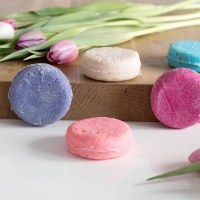
You can make a solid shampoo at home from mild surfactants alone — without needing large amounts of water. Here is a recipe built on certified surface-active agents, with SLSA (sodium lauryl sulfoacetate) playing the leading role. We present the recipe as a formula in percentages, so that you can calculate any amount of shampoo on their basis.
About this recipe
This is a solid shampoo composed only of mild surfactants, complemented by emollient and conditioning components. The formulation rests on three pillars: solid surface-active agents, which ensure a sufficiently solid form of the shampoo (Sodium Coco-Sulfate — SCS, Sodium Lauryl Sulfoacetate — SLSA, Cocamidopropyl Betaine, Decyl Glucoside), emollient components in the form of cocoa butter, which nourishes the hair and skin, and cetyl alcohol, which also softens, plus a conditioner — the cationic emulsifier Distearoylethyl Dimonium Chloride, Cetearyl Alcohol — and finally the essential oils benzoin and patchouli. These can of course be replaced by your favourite fragrance or a combination in the specified ratio.

Main benefits
- A shampoo concentrate
A solid shampoo contains very little water — everything that a larger pack of liquid shampoo contains is condensed into a small amount.
- It lasts just as long
Do not be alarmed by the initially higher cost compared with buying a classic liquid shampoo: a solid shampoo will last you just as long and perhaps even longer than a larger pack of liquid shampoo.
- No plastic packaging
No plastic is needed to package it, because it will not leak out — so you save nature from unnecessary waste.
- A companion for your travels
It is an excellent companion for business trips, holidays and excursions.
- You know what you are washing with
You have the composition under control — the recipe is built on certified surface-active agents.
Product characteristics
Key raw materials in the recipe
Below we go through the individual raw materials and their role in the formulation — from the surfactants that hold the shampoo in its solid form, through the emollient and conditioning components, to the fragrance.
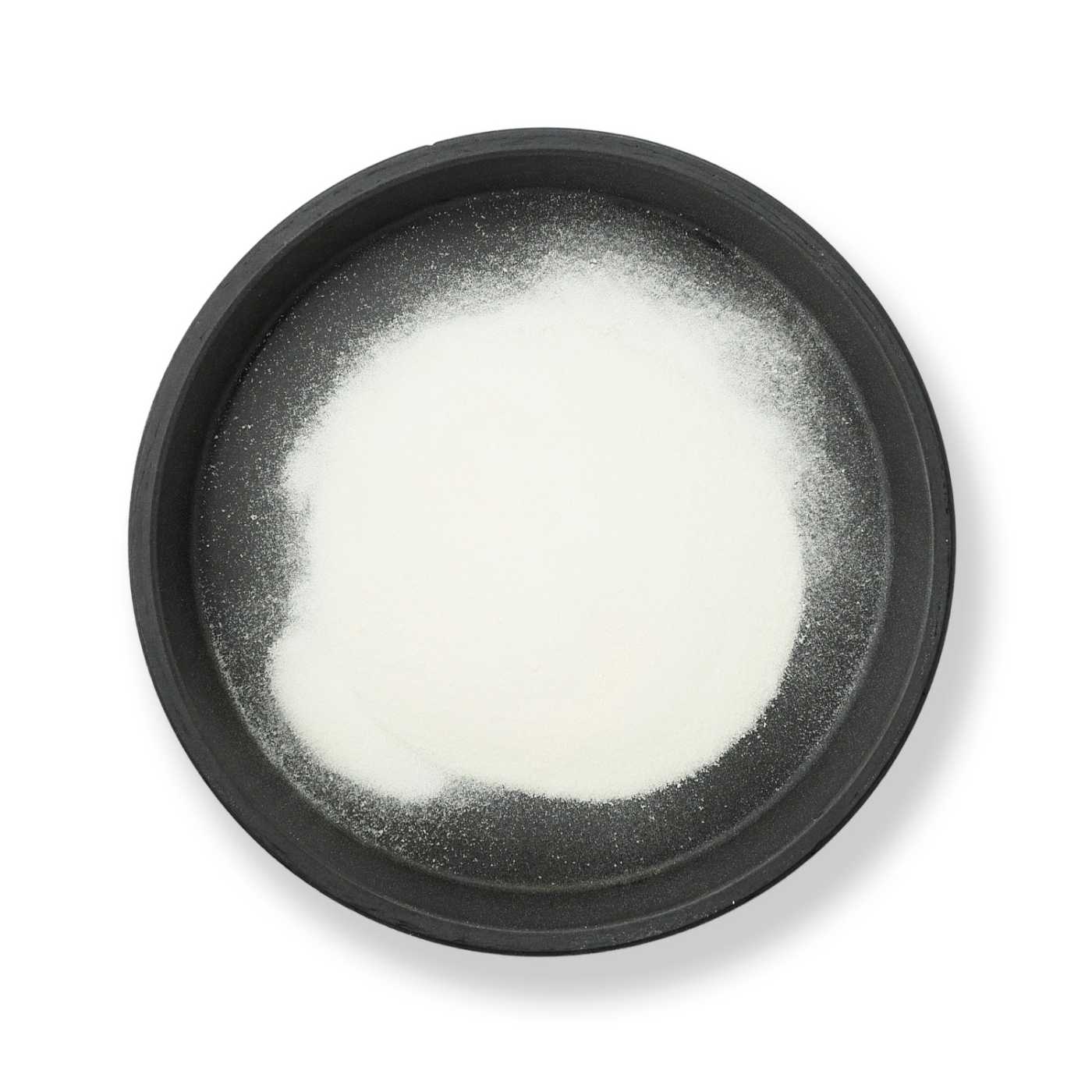
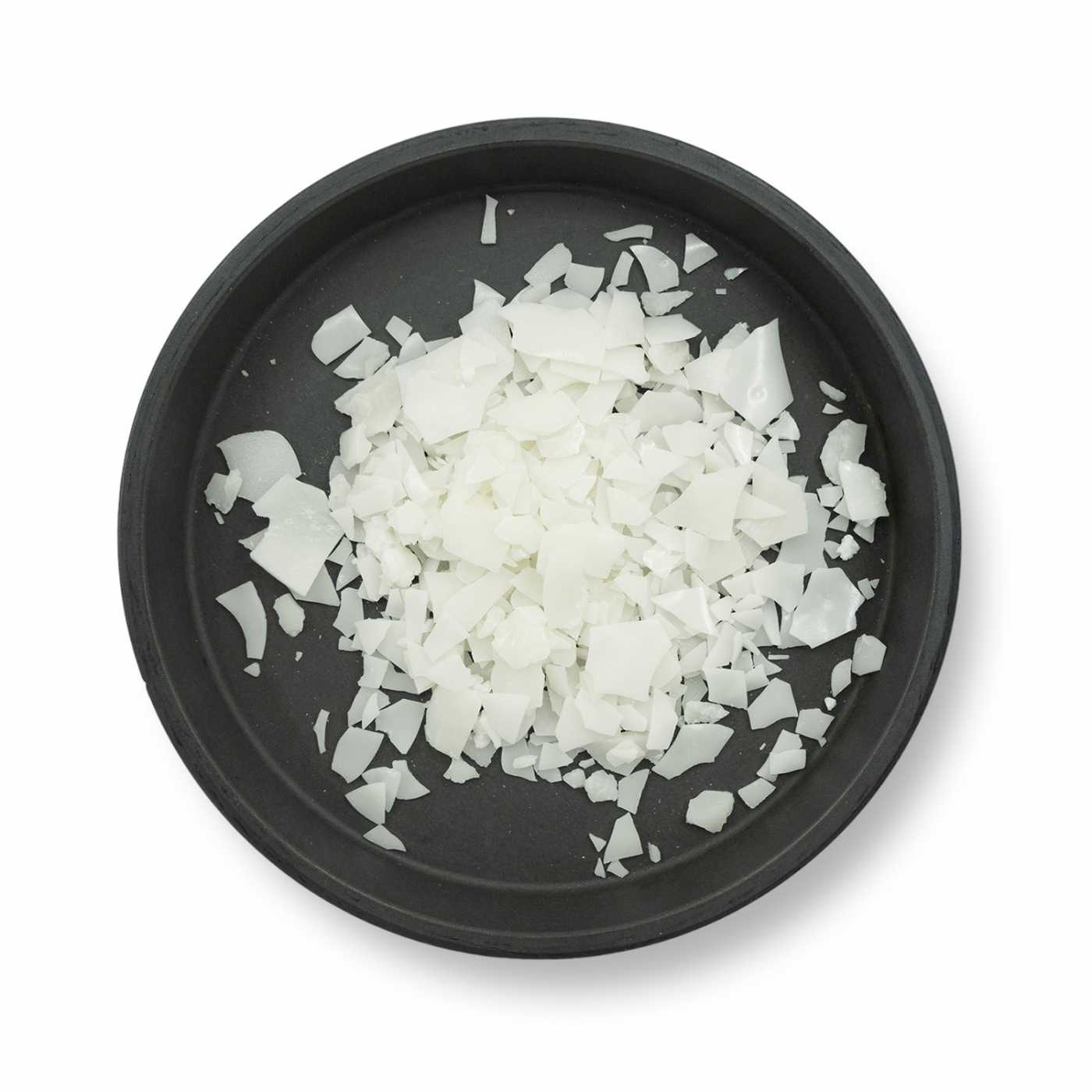
Sodium Lauryl Sulfoacetate — SLSA
SLSA is a solid surface-active agent which, together with the other surfactants, ensures a sufficiently solid form of the shampoo. It makes up 30% of the recipe and is one of the certified surface-active agents on which the whole formulation is built.
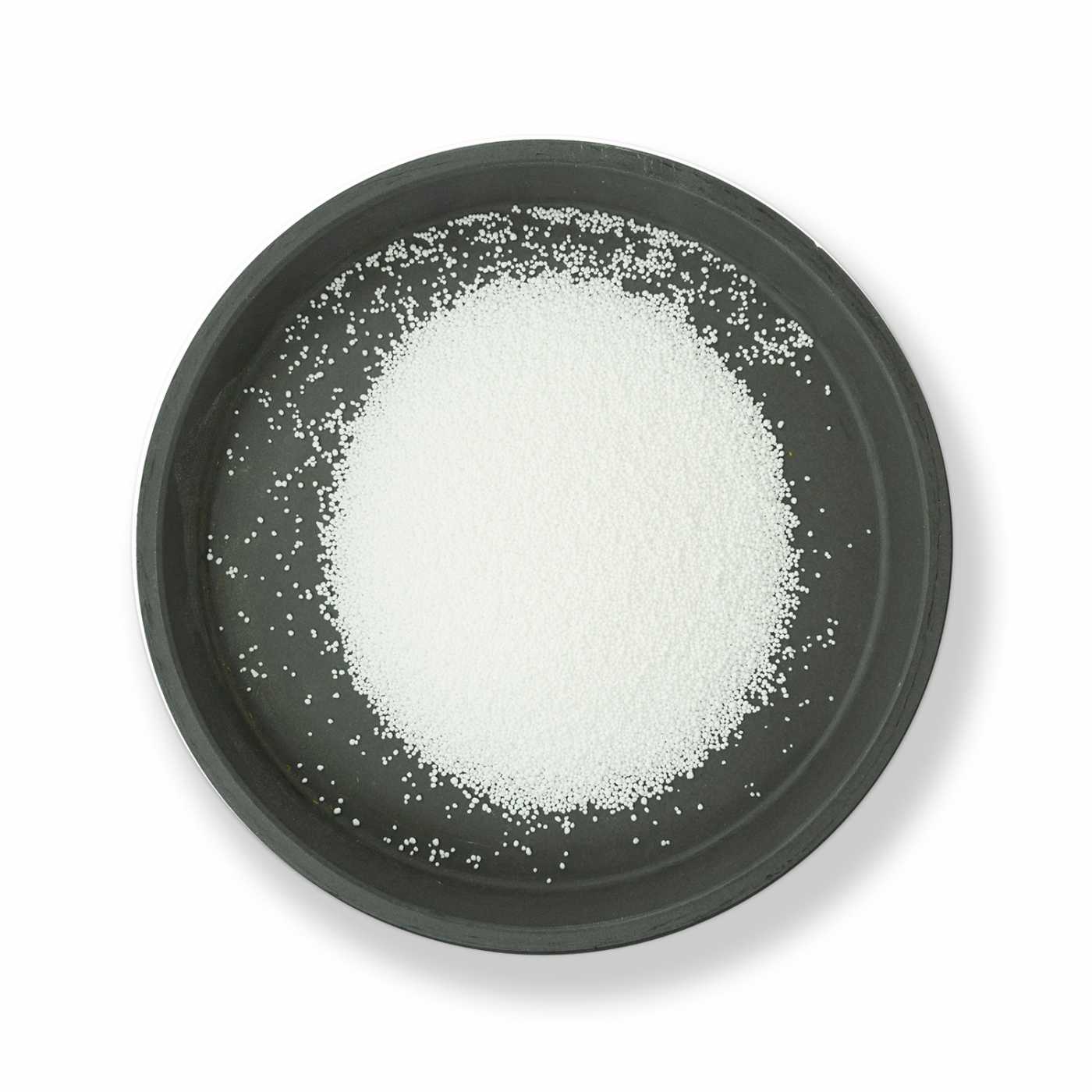
Sodium Coco-Sulfate — SCS
At 32%, SCS is the most prominent component of the recipe. Like SLSA, it is a solid surfactant that ensures a sufficiently solid form of the shampoo. Both are processed together in phase A.
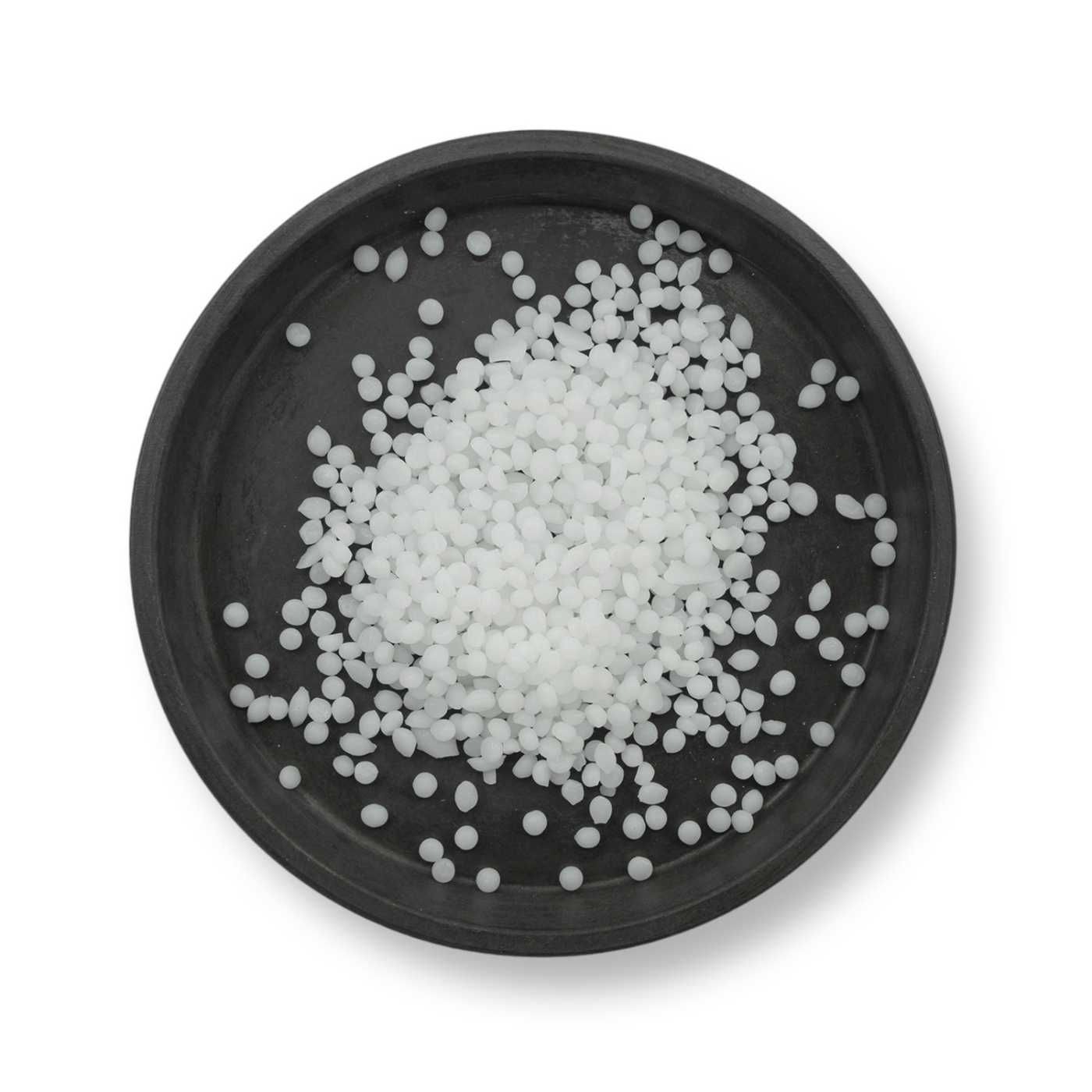
BTMS — cationic emulsifier
The conditioner in this recipe is the cationic emulsifier Distearoylethyl Dimonium Chloride, Cetearyl Alcohol, which makes up 9% of the formulation. It goes into phase B.
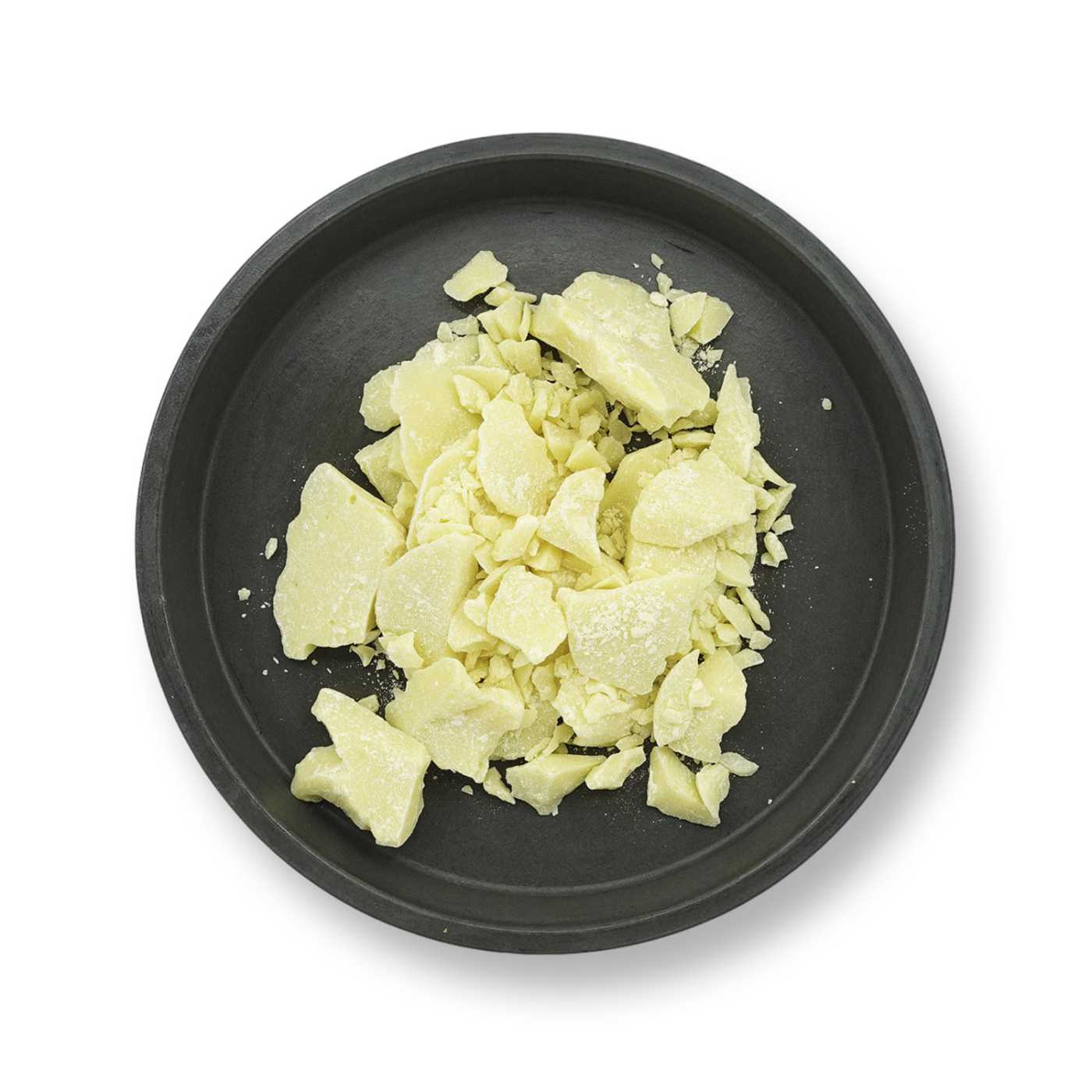
Cocoa butter
Cocoa butter is one of the emollient components of the recipe — it nourishes the hair and skin. It makes up 6% of the formulation and is melted in a water bath together with the rest of phase B. You can use either natural unrefined or deodorised cocoa butter.
Cetyl alcohol
Cetyl alcohol is the second emollient component — according to the recipe it also softens. You will find it in the recipe at 3% in phase B.
Other raw materials
Cocamidopropyl Betaine and Decyl Glucoside complete the pair of solid surfactants in phase A — in the recipe they make up 8% and 7.5%.
Citric acid is added in phase C at 1.5%.
Benzyl Alcohol, Dehydroacetic Acid is the preservative of the recipe at 1%, and it is likewise worked in during phase C.
Essential oil benzoin (1.5%) and essential oil patchouli (0.5%) give the shampoo its fragrance. These can of course be replaced by your favourite fragrance or a combination in the specified ratio — you can choose from our range of essential oils.
The formulation (100 g)
We present the recipe as a formula so that you can calculate the selected amount of shampoo on the basis of the percentages. The raw material contents are given in percentages, so they correspond to a batch of 100 g of finished shampoo. The raw materials are divided into three phases — A (surfactants), B (emollient and conditioning components) and C (acid, preservative and fragrances).
Shop the ingredients for this recipe
Untick what you already have- Sodium Coco Sulfate (SCS), 100 guses 32 gin stock€3.35
- Sodium Lauryl Sulfoacetate (SLSA), 100 guses 30 gsold outWatch availability€5.76
 Coco Betaine, 100 mlrecipe uses 8,00 gin stock€2.99
 Decyl Glucoside, 100 mlrecipe uses 7,50 gin stock€2.29
- Cetyl Alcohol, 50 guses 3 gin stock€1.79
- Varisoft BTMS-25, 50 guses 9 gin stock€2.99
- Cocoa Butter, Natural Unrefined, 100 guses 6 gsold outWatch availability€6.99
 Citric Acid, Anhydrous, 1 kgrecipe uses 1,50 gin stock€5.69
 Cosgard, Preservative, 10 mlrecipe uses 1,00 gin stock€1.98
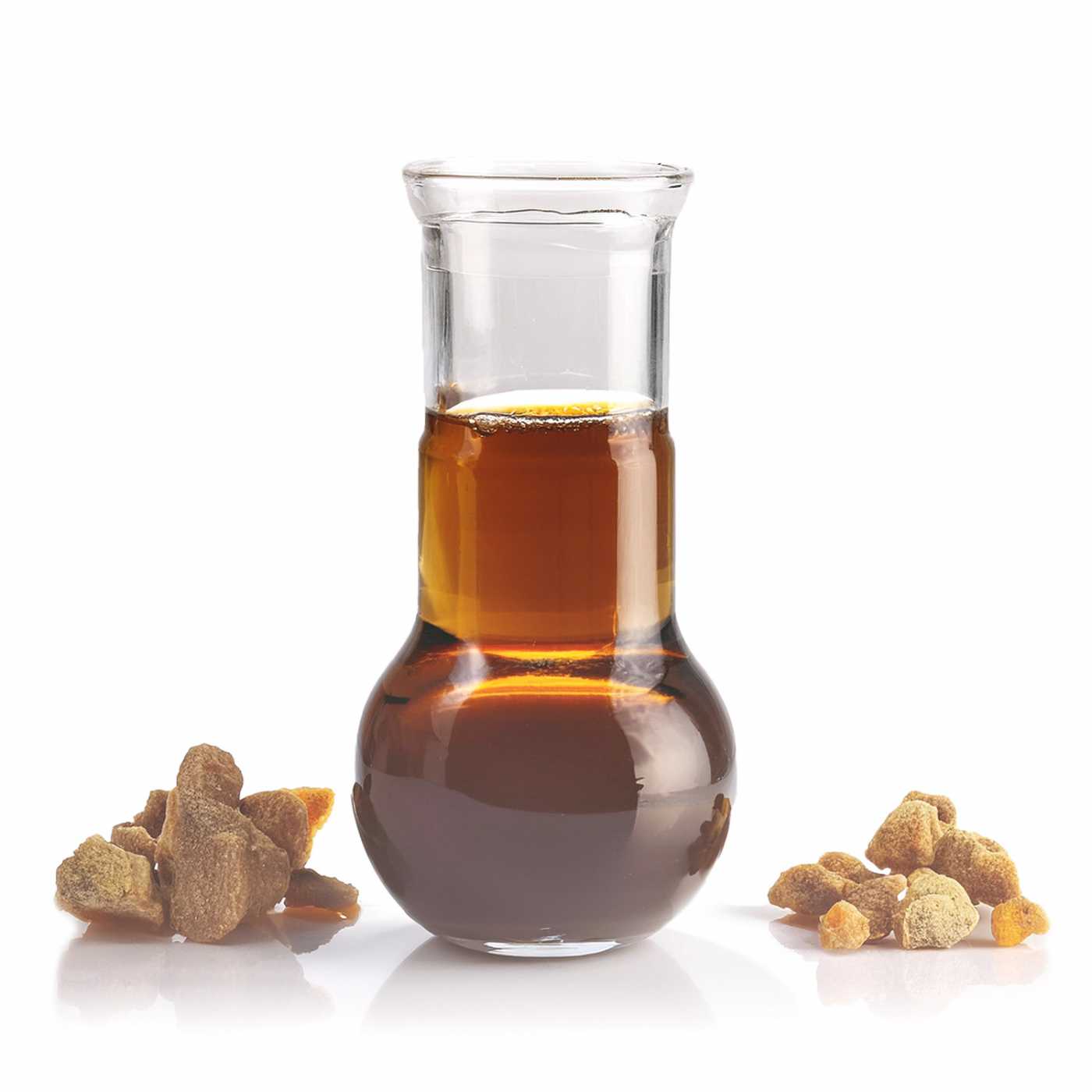 Benzoin Resin, Benzoe, 10 mlrecipe uses 1,50 gin stock€2.49
 Patchouli Essential Oil, 10 mlrecipe uses 0,50 gsold outWatch availability€6.79
| Phase / raw material | Content in % |
|---|---|
| Phase A | |
| Sodium Coco-Sulfate — SCS | 32.00% |
| Sodium Lauryl Sulfoacetate — SLSA | 30.00% |
| Cocamidopropyl Betaine | 8.00% |
| Decyl Glucoside | 7.50% |
| Phase B | |
| Cetyl Alcohol | 3.00% |
| BTMS-50 or BTMS | 9.00% |
| Cocoa butter | 6.00% |
| Phase C | |
| Citric acid | 1.50% |
| Benzyl Alcohol, Dehydroacetic Acid | 1.00% |
| Essential oil benzoin | 1.50% |
| Essential oil patchouli | 0.50% |
Method
- Melt phase A Phase A20–25 min
Mix the raw materials of phase A and melt them in a water bath. The result will be a pasty mixture, which may take approximately 20–25 minutes.
- Add phase B Phase B
Also mix the raw materials of phase B together in a water bath and stir them into phase A once it is homogeneous and soft.
- Leave to cool 45 °C
Let the mixture of phases A and B cool down to 45 °C.
- Stir in phase C Phase C
Subsequently, stir in the components of phase C.
- Fill the moulds
Put the mixture into prepared silicone or plastic moulds and leave to stand for a few hours in the refrigerator.
- Turn out and leave to dry
Then remove the shampoo from the moulds and let it dry for a few days.
Tips and tricks
So do not hesitate and give it a try. It is a really simple formulation, so feel free to experiment — colour it with mica powders and add components that will nourish and improve your hair: panthenol, extracts, vitamins or essential oils. The possibilities are endless.
Frequently asked questions about the recipe
Practical questions about homemade solid shampoo with SLSA — how long it lasts, the fragrance, the phases and the scope for variations.
Does a solid shampoo last as long as a liquid one?
Yes. It is actually a kind of shampoo concentrate — it contains very little water, so everything that a larger pack of liquid shampoo contains is condensed into a small amount. Do not be alarmed, therefore, by the initially higher cost: a solid shampoo will last you just as long and perhaps even longer.
How do I calculate a different batch size?
We present the recipe as a formula in percentages, so that you can calculate the selected amount of shampoo on their basis. The values given correspond to a batch of 100 g — for 200 g you simply double every percentage.
Can I swap the essential oils for a different fragrance?
Yes. The recipe uses the essential oils benzoin (1.5%) and patchouli (0.5%), but these can of course be replaced by your favourite fragrance or a combination in the specified ratio.
Why does the mixture have to cool down before phase C?
The mixture of phases A and B is left to cool down to 45 °C and only then are the components of phase C stirred in — that is, the citric acid, the preservative and the essential oils.
What can I enrich the shampoo with?
It is a simple formulation, so feel free to experiment: colour it with mica powders and add components that will nourish and improve the hair — panthenol, extracts, vitamins or essential oils.
Conclusion
A solid shampoo is a simple way to keep the composition under control and at the same time save nature from unnecessary waste. We will be pleased if you send us your own experiences and impressions from the shampoos you have made to our e-mail address [email protected].
You will find the SLSA, SCS, betaine and decyl glucoside from this recipe in the Handymade range of surfactants.