Are you looking for an alternative to gels, foams or toners for cleansing the skin? Would you like a product without preservatives that you can dose as needed and tailor exactly to your requirements? These are precisely the advantages offered by a powder facial cleanser.
Why you will love a powder cleanser
- No water, no preservative
Because it does not contain water, no preservative is needed.
- Dose it as you need it
You pour out only as much powder as you need at that moment — the rest stays dry.
- Tailored to your skin
You can adjust the proportions of the raw materials exactly to your ideas and to the needs of your skin.
- Ideal for air travel
A product like this will not leak in your luggage and is not counted as a liquid.
Raw materials and the recipe
To make a powder facial cleanser, it is necessary to use a surfactant that will gently degrease and cleanse the skin. In this case it is SCI – sodium cocoyl isethionate, which is often used in cosmetic products, including natural cosmetics, because it gently removes oil from the skin, has a neutral pH and is generally quite well tolerated even by sensitive skin.
The recipe is given in percentages — so with a hundred-gram batch, one per cent equals one gram.
| Ingredient | Content in % |
|---|---|
| Powder blend | |
| Rice starch, powder | 44.60 |
| Cosmetic clay, kaolin, white | 20.00 |
| Jojoba beads for facial peeling | 10.00 |
| SCI – sodium cocoyl isethionate | 10.00 |
| Ground pumice powder for peeling | 5.00 |
| Inulin | 4.00 |
| Xanthan gum | 1.00 |
| Oils | |
| Hemp oil | 5.00 |
| Cedarwood essential oil | 0.40 |
Shop the ingredients for this recipe
Untick what you already have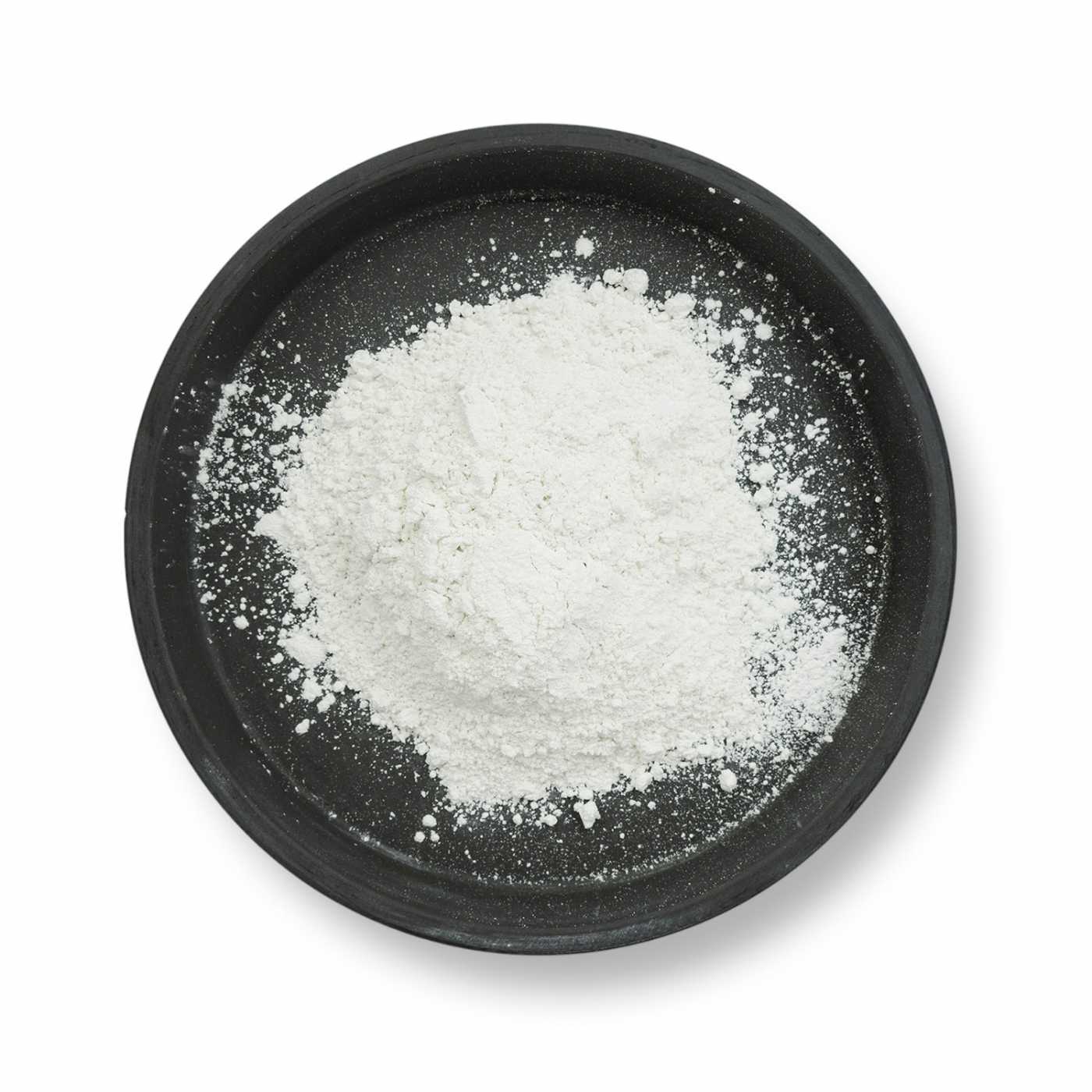 Dimethylimidazolidinone Rice Starch, Powder, 100 guses 44.6 gin stock€6.29
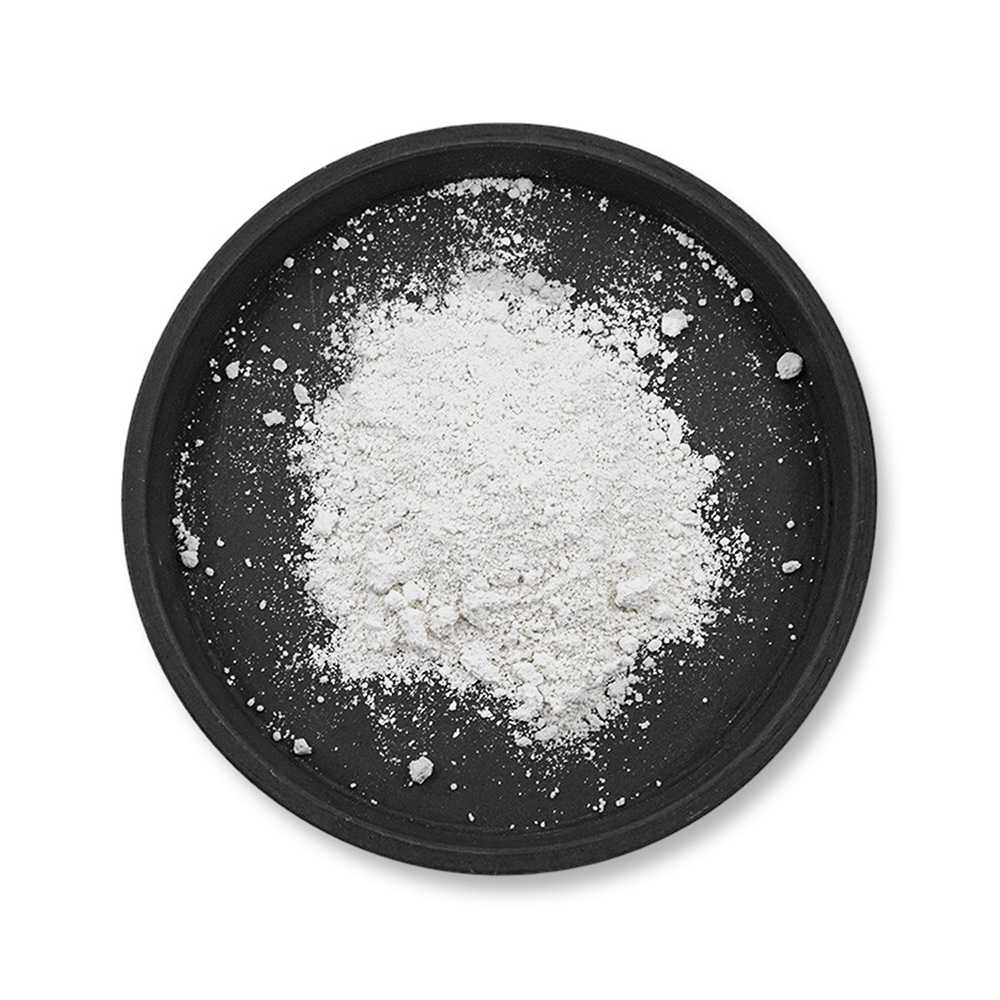 White Kaolin Cosmetic Clay, Super Fine, 100 guses 20 gin stock€3.39
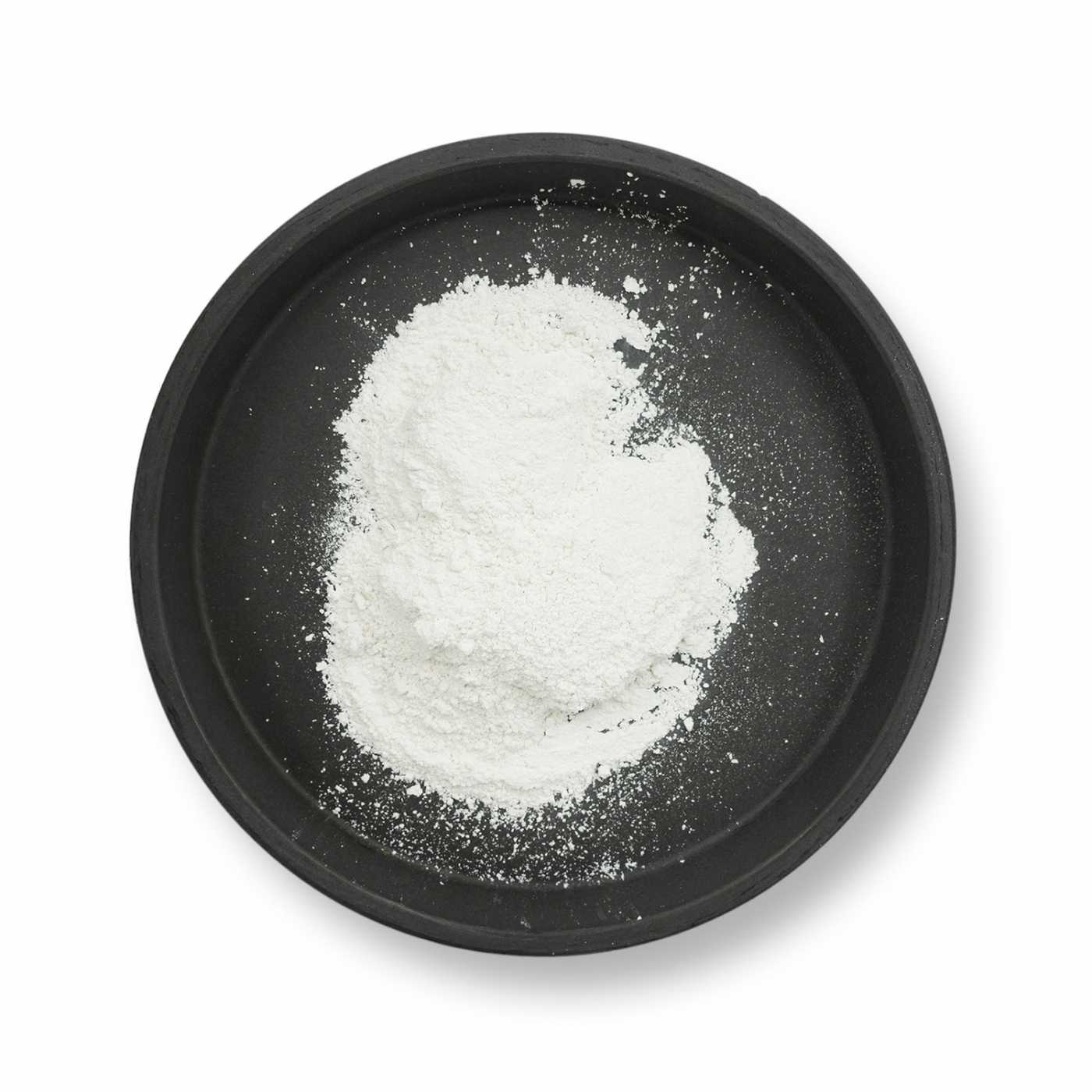 Sodium Cocoyl Isethionate (SCI), Powder, 100 guses 10 gin stock€4.99
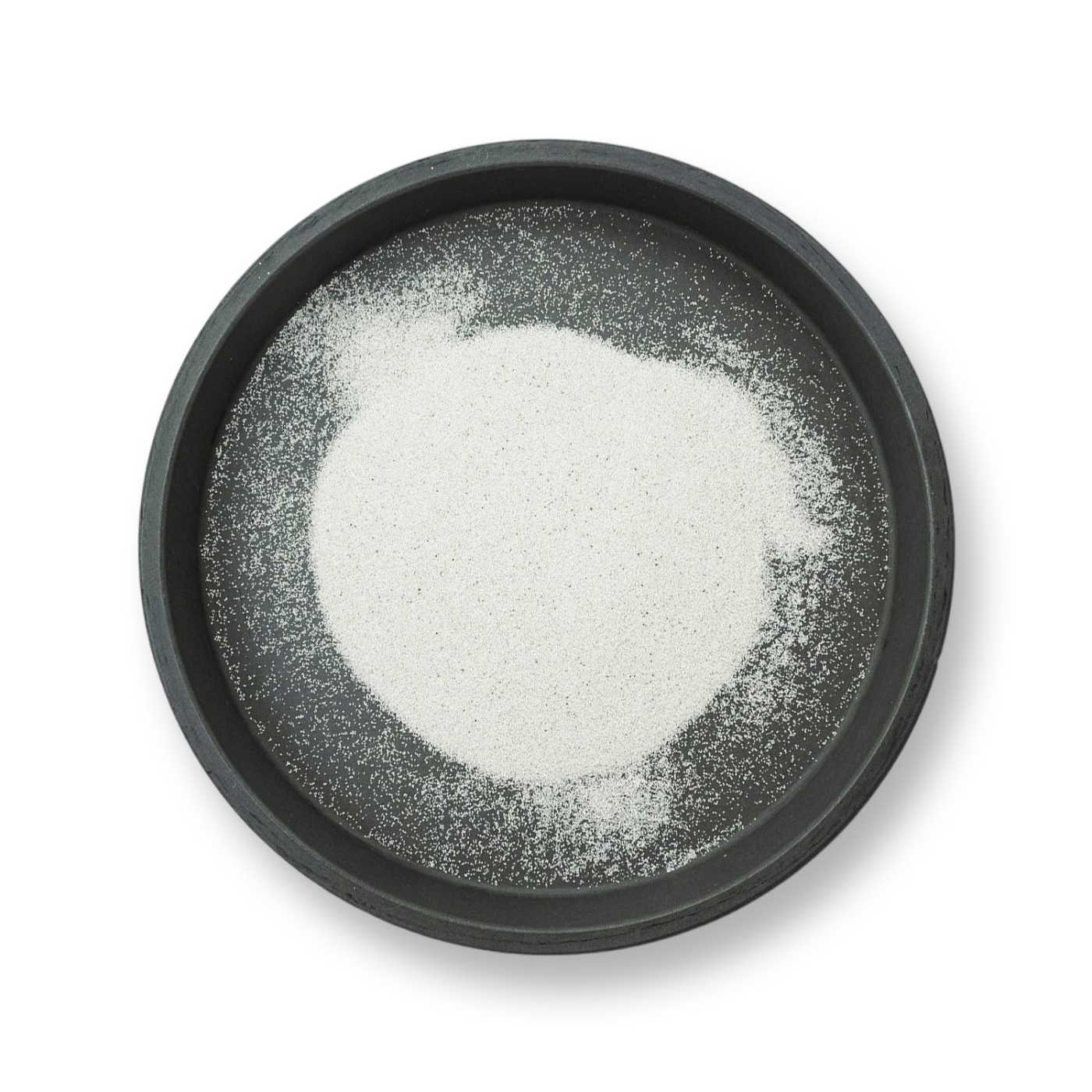 Ground Pumice Powder for Scrub, 50 guses 5 gin stock€1.35
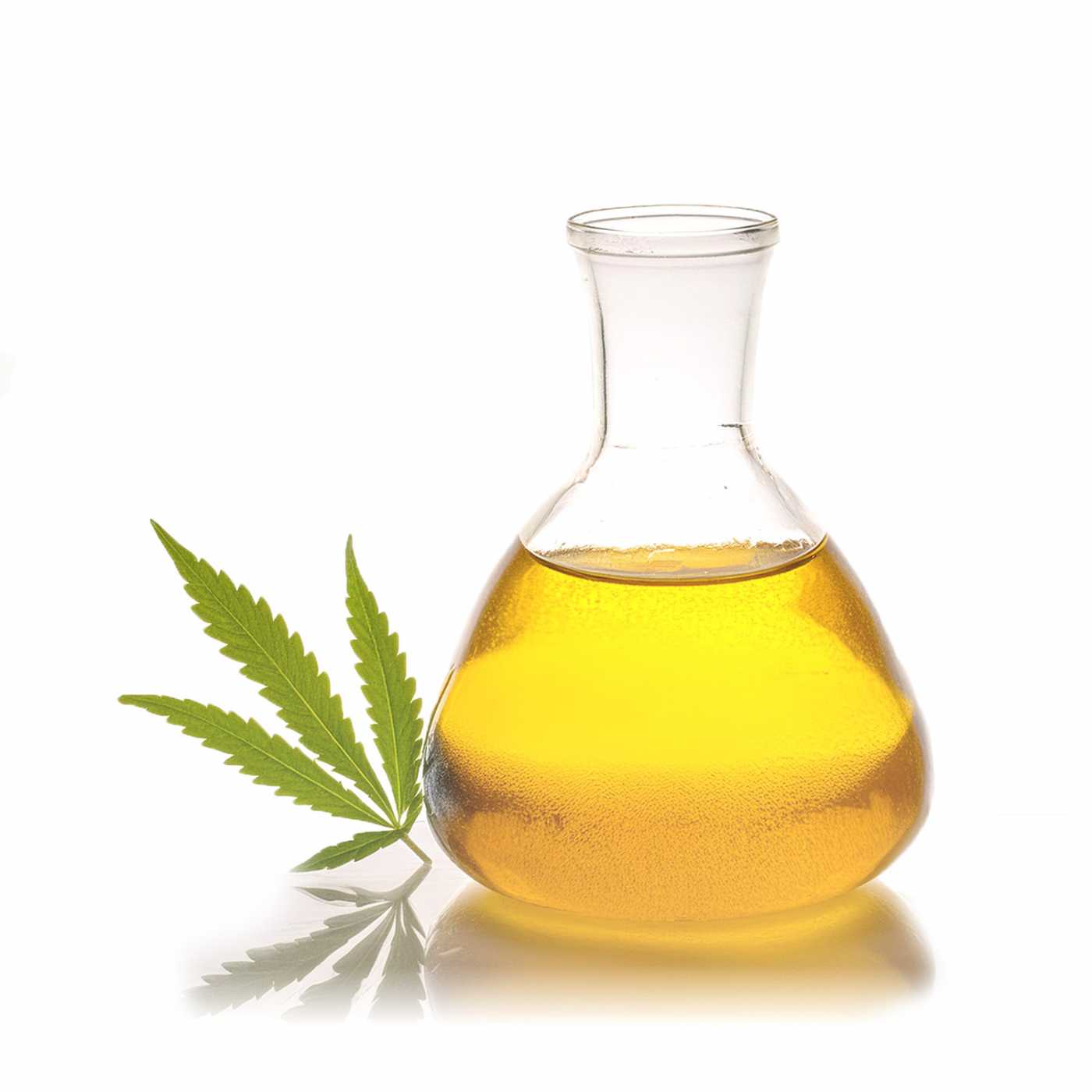 Hemp Seed Oil, Refined, 100 mluses 5 gin stock€2.61
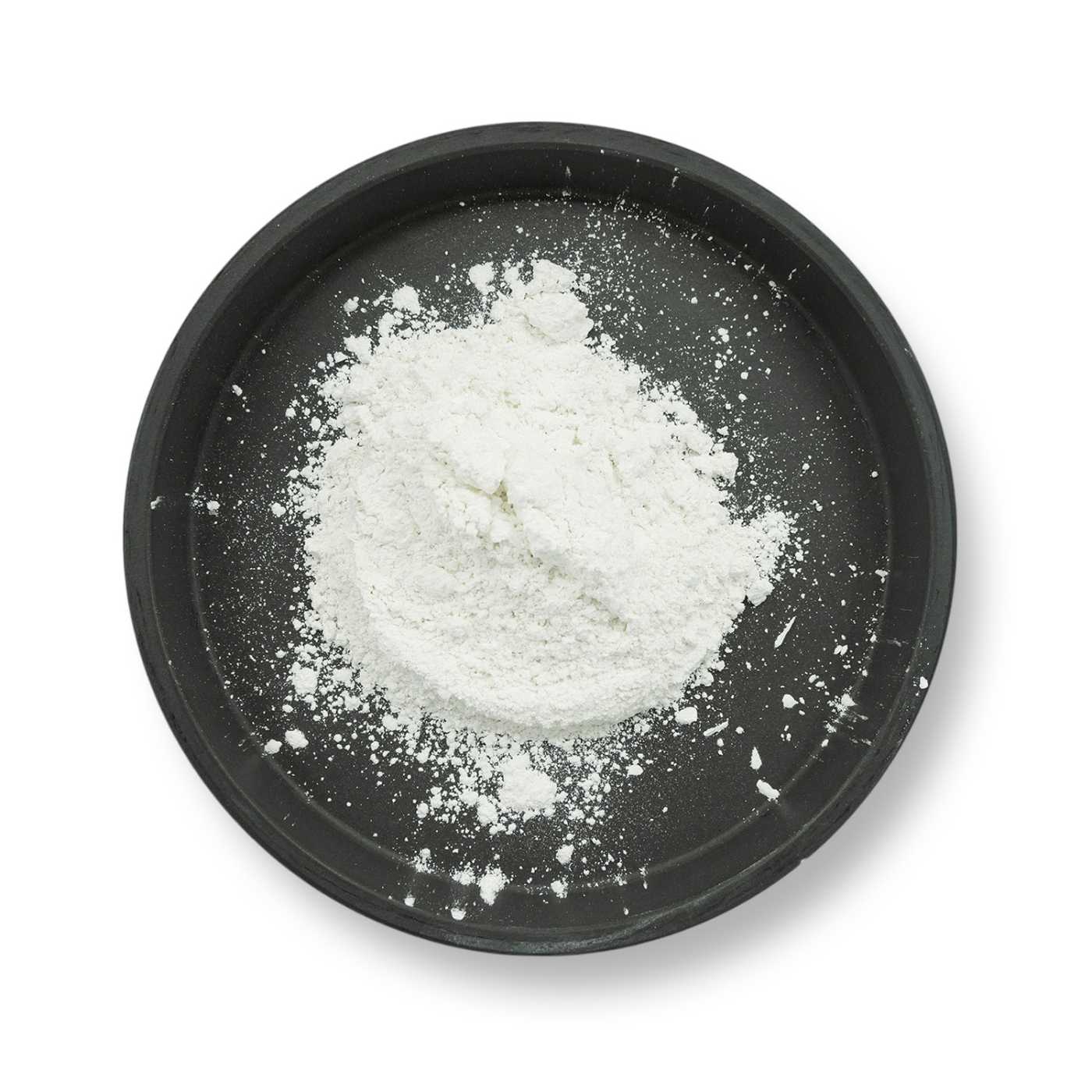 Inulin, skin prebiotics, 50 guses 4 gin stock€2.09
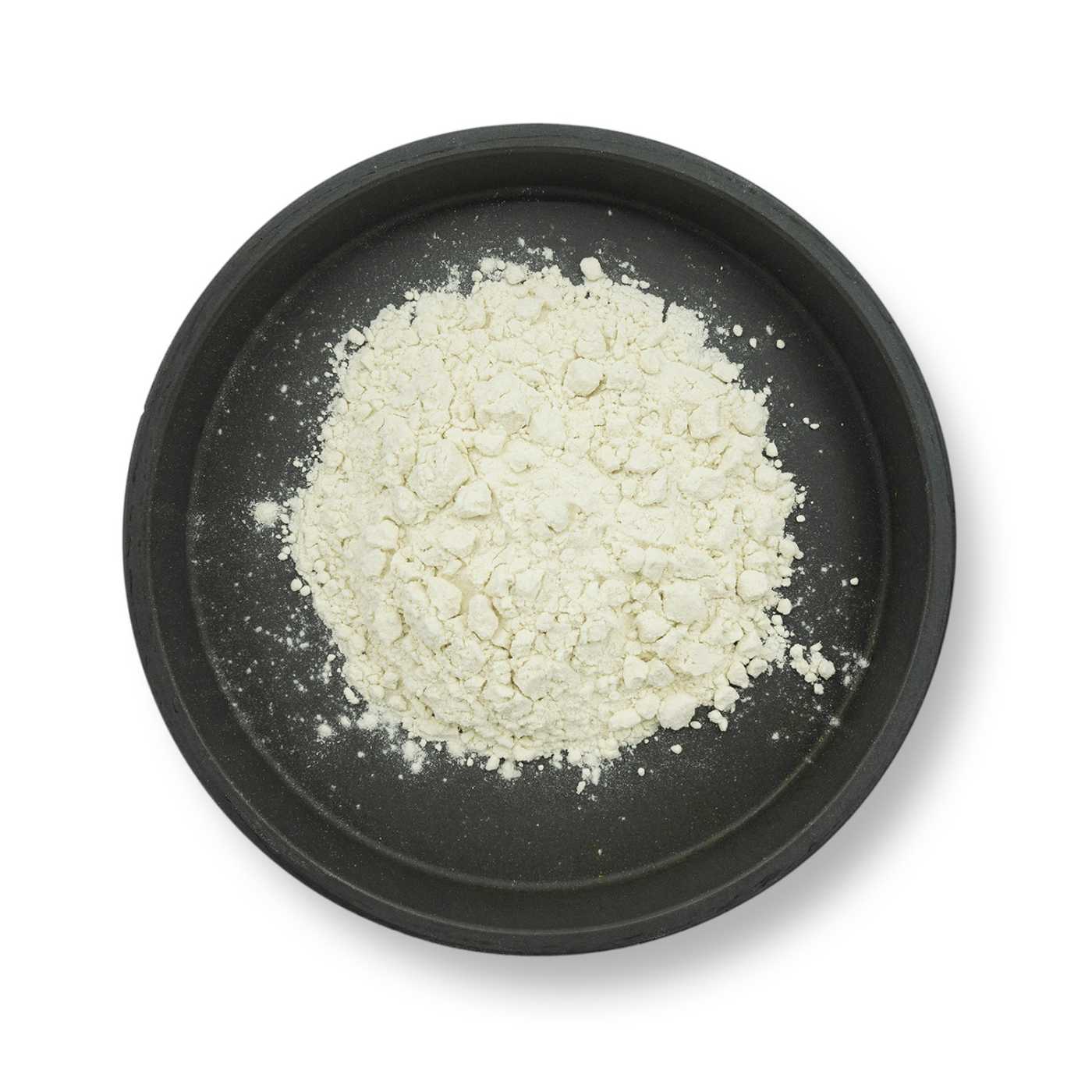 Xanthan Gum, 50 guses 1 gin stock€2.99
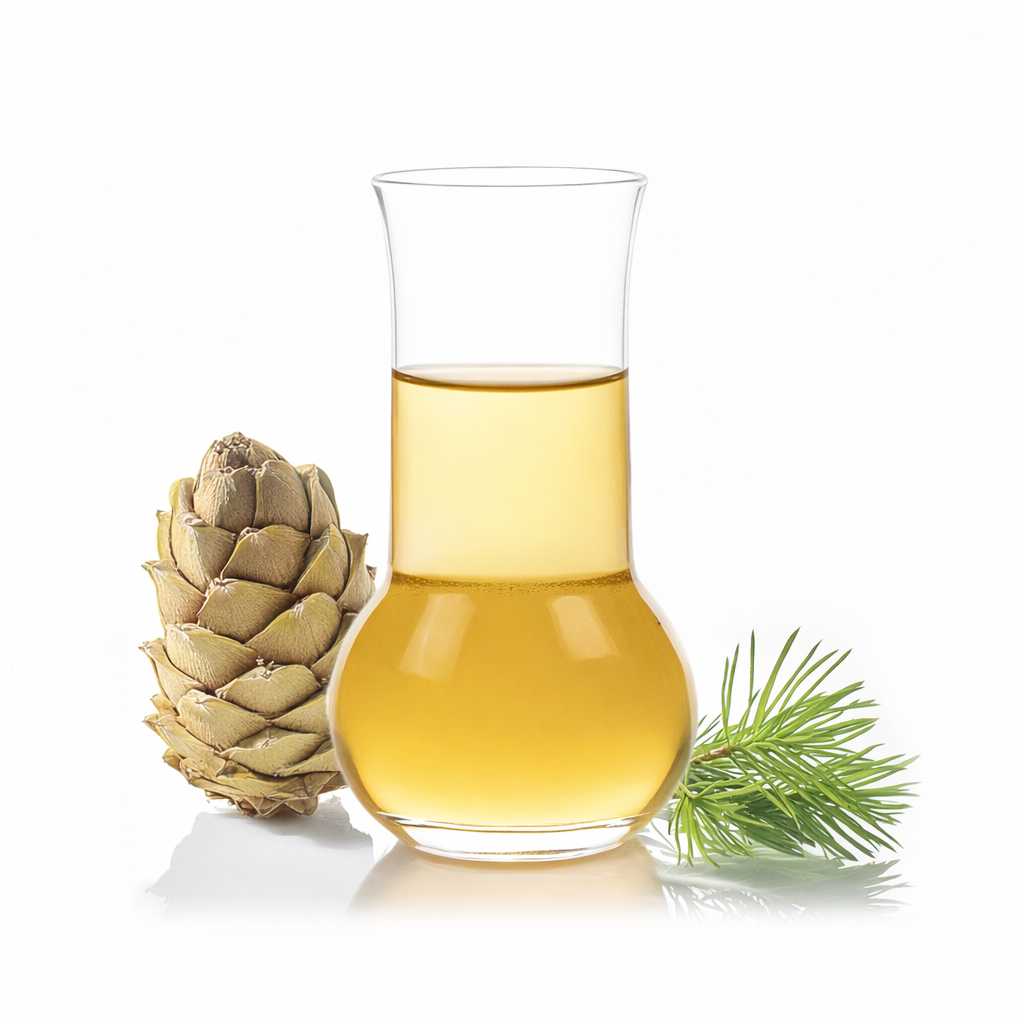 Cedarwood Atlas Essential Oil, 10 mluses 0.4 gsold outWatch availability€1.77
How to make it
-
Disinfect your equipment
Disinfect all the tools, containers and packaging you will be working with, for example with ethanol.
-
Put on a respirator
You will be working with powdered raw materials, and pure SCI in powder form is quite irritating to the respiratory tract.
-
Weigh out and mix the raw materials
Into a larger container, gradually weigh out all the raw materials, then carefully mix everything so as not to stir up the powder.
-
Fill your container
Transfer the finished blend into the container you have chosen.
How to use it every time you cleanse
-
Pour out the powder
To use the powder facial cleanser, pour out a small amount of powder (as needed) into the palm of your hand or into a small bowl.
-
Activate it with water
Add a few drops of water or floral hydrolate until the desired consistency is obtained.
-
Apply and massage in
Apply the product to the skin and gently massage it in; thanks to the content of exfoliating particles, dead skin cells will be removed.
-
Rinse off
Then rinse the product off the skin with clean water.

Storage
When storing the product, make sure that the container is well sealed and that no moisture gets into it. The same applies to dosing the product – it is better to pour the product out so that you do not introduce water into the powder, for example from wet hands.
Important: if moisture gets into the powder, the product may become mouldy or show some other sign of significant microbial contamination.
Raw materials and their significance
Below we will look at the individual raw materials and their significance in the powder facial cleanser. A powder cleanser is great because you can customise it according to your preferences and thus prepare a product that will fit your skin type exactly.
We follow the raw materials in recipe order — from the largest proportion down to the fragrance.
Rice starch
The raw material that helps bind excess oil and at the same time is very gentle on the skin is rice starch in powder form. This raw material provides a silky soft feeling on the skin after application and is therefore a frequently sought-after component in cosmetics. Rice starch is very well tolerated even by sensitive or children’s skin, which is why you can also find this raw material in baby powders.
You can play with the amount of starch in the recipe if you feel that the product degreases too intensively — in that case you can reduce the amount of SCI surfactant and increase the starch content.
Cosmetic clay kaolin, white
The necessary mineral substances for the skin can be supplied by cosmetic clays. These are mixtures of minerals obtained specifically for use in cosmetics. Clays are easiest to work with in dry cosmetic products, since after contact with water they are easily attacked by micro-organisms and it is problematic to preserve such products.
Kaolin is a clay with a beautiful white colour and fine milling, so it is perfectly suited as an addition to a powder facial cleanser. Clays degrease the skin very well, but kaolin is among the clays that are gentle on the skin and degrease it mildly. If you feel that the product does not degrease sufficiently, before you start increasing the surfactant content, try playing with the type and amount of clay. Try other types of clays that degrease the skin intensively and increase their proportion in the recipe for a more intense cleansing effect.
Jojoba beads or strawberry seeds for facial peeling
The basic component for facial peeling is jojoba beads, which have been prepared by hydrogenation from jojoba oil. Thanks to this they are biodegradable and are not microplastics. Choose beads intended for facial peeling so as to avoid unnecessary irritation of the skin.
SCI – sodium cocoyl isethionate
The basic substance for cleansing the skin, degreasing and producing foam is SCI. This surfactant dissolves well in water and is suitable even for sensitive skin. However, since in powder form it is quite irritating to the respiratory tract, hemp oil was added to the product to weigh this powder down. Nevertheless, it is advisable to mix the product only carefully and to avoid excessive stirring up of the powder when dosing.
By reducing the amount of SCI you will obtain a product that will degrease the skin more gently. However, if you want a stronger degreasing effect, first try increasing the proportion of clay and only then increasing the SCI content, because at high doses SCI can have irritating effects on the skin.
Ground pumice powder for peeling
Another exfoliating component of the product is ground pumice powder. Again, this is a natural, biodegradable form of peeling. In addition, pumice powder is quite finely ground and thus provides gentle exfoliation.
Hemp oil
To weigh down the SCI powder and reduce its dispersion into the air, hemp oil was chosen. Hemp oil is readily available and contains active substances for skin care. Of course, hemp oil is present only in a small amount; you can slightly increase its content if you feel that it does not weigh the powder down sufficiently.
Inulin
Inulin is a great polysaccharide that is produced, for example, by chicory or similar plants. In these plants inulin represents a substitute for classic starch and has many positive properties for humans. Above all, it acts as fibre and thus has prebiotic effects for beneficial microorganisms in humans. And we are not talking only about the digestive tract. The skin also has its own microbiome, so inulin is perfectly suited for facial cosmetics because it supports the development of the skin’s natural microflora.
Do not hesitate to add inulin to your cosmetic preparations as well; it is ideal especially for dry products, because it is a source of energy for bacteria and can therefore contribute to the development of bacterial contamination in an aqueous environment (i.e. in products containing water).
Tip: be sure to store inulin in an airtight container and protect it from moisture, as this powder hardens easily in air.
Xanthan gum
To improve the stability of the product during application, xanthan gum was used. The small amount of xanthan gum in the recipe will make the product easier to apply, because after adding water the product will hold together better and form a more compact mixture that will be easier to apply to the skin.
Cedarwood essential oil
A beautiful woody scent that will transport you to the forest for a moment is what cedarwood essential oil brings. In addition to further weighing down the powder with this oil, essential oils will above all please your senses, as they can turn the use of an ordinary product into a perfumery experience.
Frequently asked questions
What can I replace rice starch with?
An alternative to rice starch are other types of starch, for example corn starch, which is also very popular in cosmetics. Or you can try oat starch or oat silk.
Can I leave out or replace the exfoliating particles?
If you do not want the exfoliating effects of the powder facial cleanser, simply omit the beads. Or you can play with their proportion to achieve the desired properties. You can also replace jojoba beads with other exfoliating particles; you can use purely ground pumice or strawberry seeds or other exfoliating substances.
The same applies to the ground pumice powder — you can omit it completely if you do not want an exfoliating effect, replace it with other exfoliating substances, or play with its proportion so that you prepare a product exactly according to your requirements.
What can I replace SCI with?
SCI can be replaced by another surfactant, but choose surfactants in powder form that have a neutral or acidic pH in aqueous solution – an alkaline solution will not be very beneficial to the skin. Or you can leave SCI out of the product entirely and replace it with clays that degrease intensively, such as pink clay, if you want only mildly degreasing effects.
Can I swap hemp oil for another one?
In addition, you can replace hemp oil with any other vegetable oil that you like. It is good not to omit the use of oil in the recipe, as the SCI powder may then easily get into the air and irritate the respiratory tract.
Does the recipe have to contain xanthan gum?
Of course, if you do not have xanthan gum to hand, you can omit this raw material. Or you can reach for other plant gums soluble in cold water; guar gum or konjac powder are particularly suitable.
Can the product be made without a fragrance?
Feel free to replace the cedarwood essential oil with another favourite essential oil, but do observe the dosage (the IFRA document is given for each essential oil). You can also reach for fragrance oils, which are synthetically prepared but on the other hand provide a wider range of scents than essential oils.
Do you not like perfumed products? It is no problem at all to omit the essential or fragrance oil from the product and replace it with hemp oil or another chosen vegetable oil.
Warning
As mentioned, you can experiment with homemade recipes to achieve the desired properties. However, the final result can be influenced by many factors, such as humidity, temperature, quality of raw materials or their storage.
Before you use any raw material for the production of a cosmetic product, familiarise yourself with its properties, the recommended dosage, storage conditions and safe handling.
Important: every raw material can potentially cause an allergic reaction in sensitive individuals, so before using the product we recommend determining whether you are allergic to any of the raw materials or to the product as a whole, for example by a patch test.
If you have very sensitive or very acne-prone skin, or if you have other skin or health problems, we recommend that you consult a medical professional before applying a new product to your skin, whether it is a homemade cosmetic product, a pure raw material or a commercially available product.
Conclusion
Do you prefer facial cleansing created from natural raw materials, or are you also fine with cosmetics commonly available in shops? Have you tried making a powder facial cleanser together with us?
Write to us with your opinions, observations or questions at our email marketing@handymade.sk. We will gladly reply to you and learn something new.
We thank the dear Ivana Jačalová for this great guide to making a powder facial cleanser.
Until we meet again with another guide, do not stop creating healing natural miracles.
Until soaping again, friends.
This recipe is for everyone who wants to tailor their skin cleansing — the SCI surfactant is the base of the formula, and in the shop you will also find kaolin and exfoliating particles to go with it.