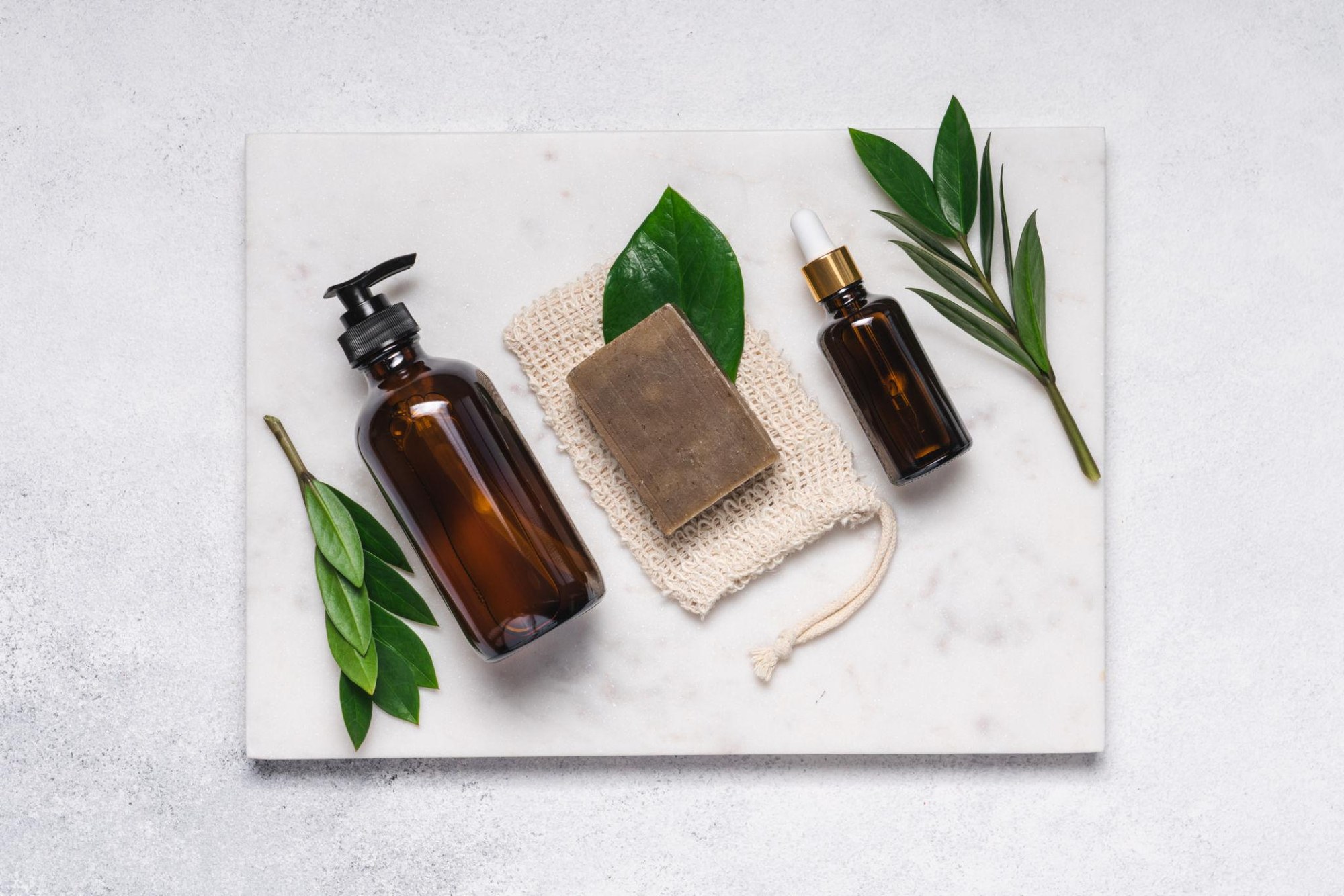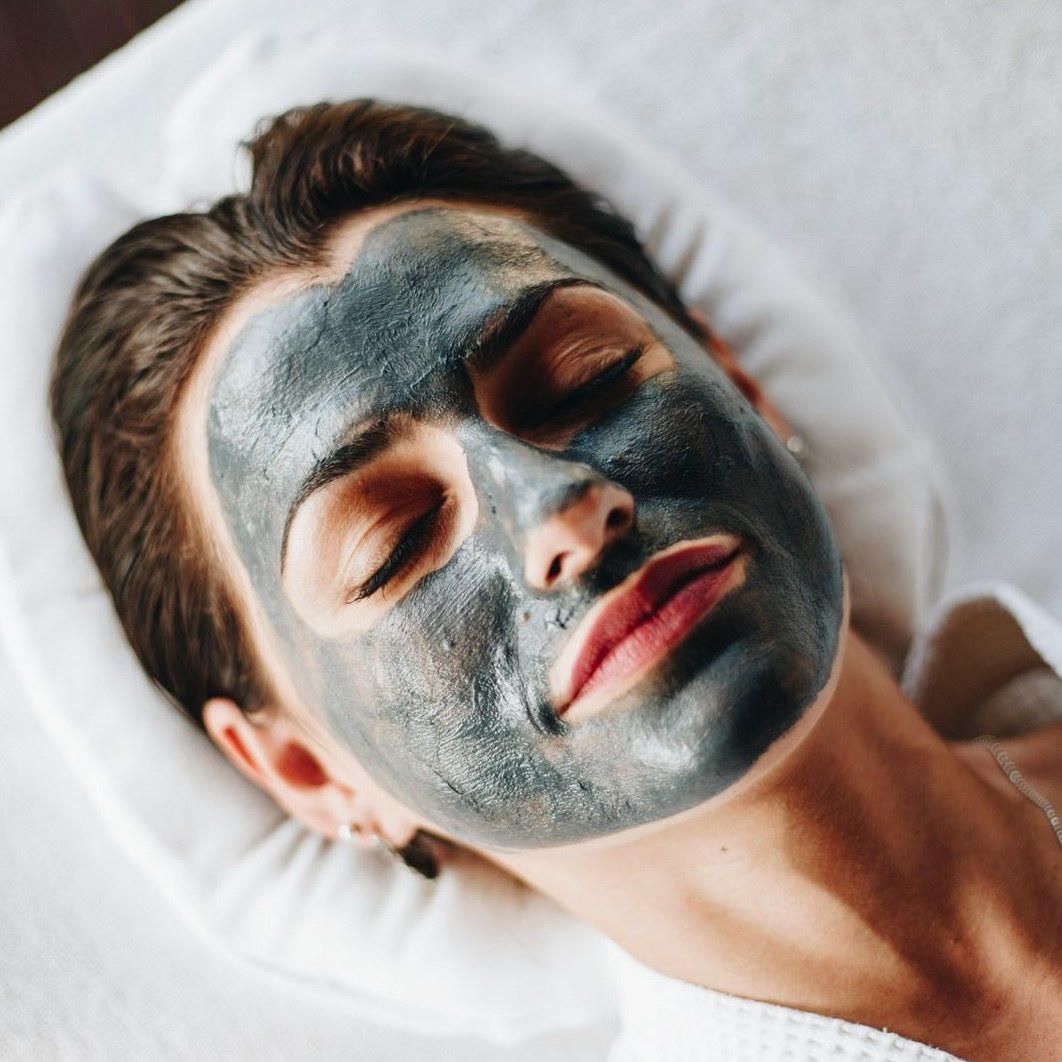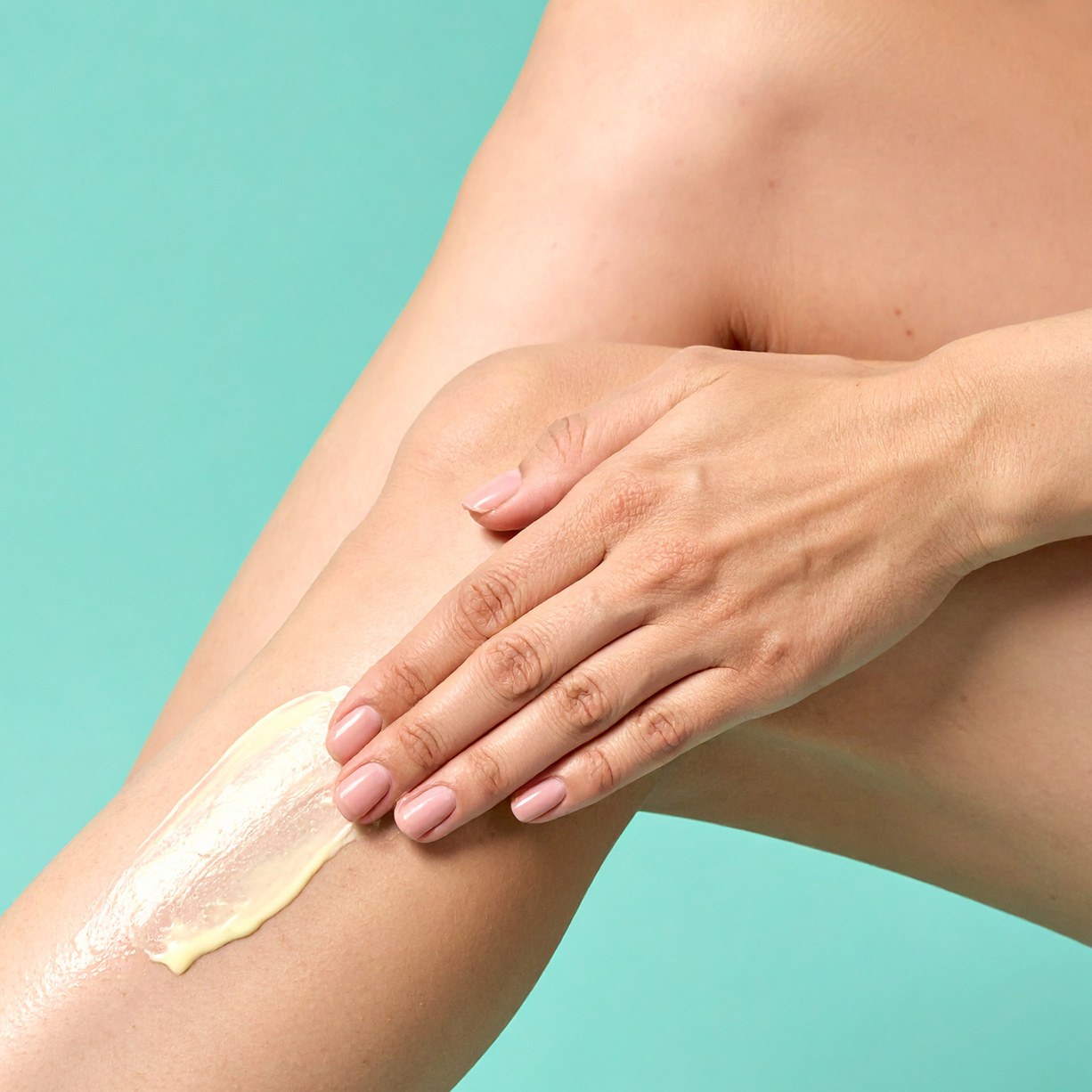

Cleansing facial milk is intended mainly for those who need to leave their skin hydrated while cleansing. To cleanse your skin and get rid of excess sebum, cleansing facial milks are excellent. You will also appreciate our facial milk after removing waterproof make-up, to eliminate its residues as well as the greasiness left after using oil-based make-up removers.
Simply apply the facial milk to damp skin and then rinse thoroughly with water. This is a rinse-off product, which is not suitable to leave on the skin without rinsing.
About this recipe
This extensive post, with instructions and all the tips you need, was prepared by Ivana Jačalová. To prepare the cleansing facial milk, you need to create a basic emulsion from water and oil. As a supplement, there are surfactants — degreasing and foaming agents that help cleanse the skin and free it from excess oiliness.
Since the combination of an emulsion with surfactants is not always the most stable, we used four different preservatives to preserve this product, in order to see which would handle it best.
Main benefits
- Hydration even after cleansing
The milk is intended for those who need to leave their skin hydrated while cleansing — glycerin takes care of moisturising and softening.
- Thorough final cleansing after make-up removal
You will appreciate it after removing waterproof make-up, to eliminate its residues as well as the greasiness left after oil-based make-up removers.
- Light, gel-like milky consistency
Thanks to xanthan gum the product has a light, gel-like milky consistency, and this substance also supports the stability of the final emulsion.
- Creamy, gentle foam
Proteol Apple degreases the skin and forms a creamier, less intense foam.
- The colour you want
Mica powders are available in a wide palette of colours; if you leave them out, the product will have a white, milky colour.
Product properties
Key raw materials in the recipe
In the following lines we will introduce the individual raw materials used to make the cleansing facial milk. You will learn more about their possible substitutions and ways to tailor the product to your needs.
Olivem 1000
To create an emulsion, an emulsifier is necessary. In our case, Olivem 1000 was chosen for its ease of use and its good compatibility with a wide spectrum of substances. Do not omit the emulsifier; the phases will not combine. If you have a problem with product stability, increase the share of the emulsifier by 0.5–1%. Conversely, a smaller share of Olivem 1000 will make the product more fluid (however, reduce the share of Olivem 1000 only after you have reduced the xanthan gum content and still have not achieved the desired result).
An alternative to Olivem 1000 is Beautyderm K10.
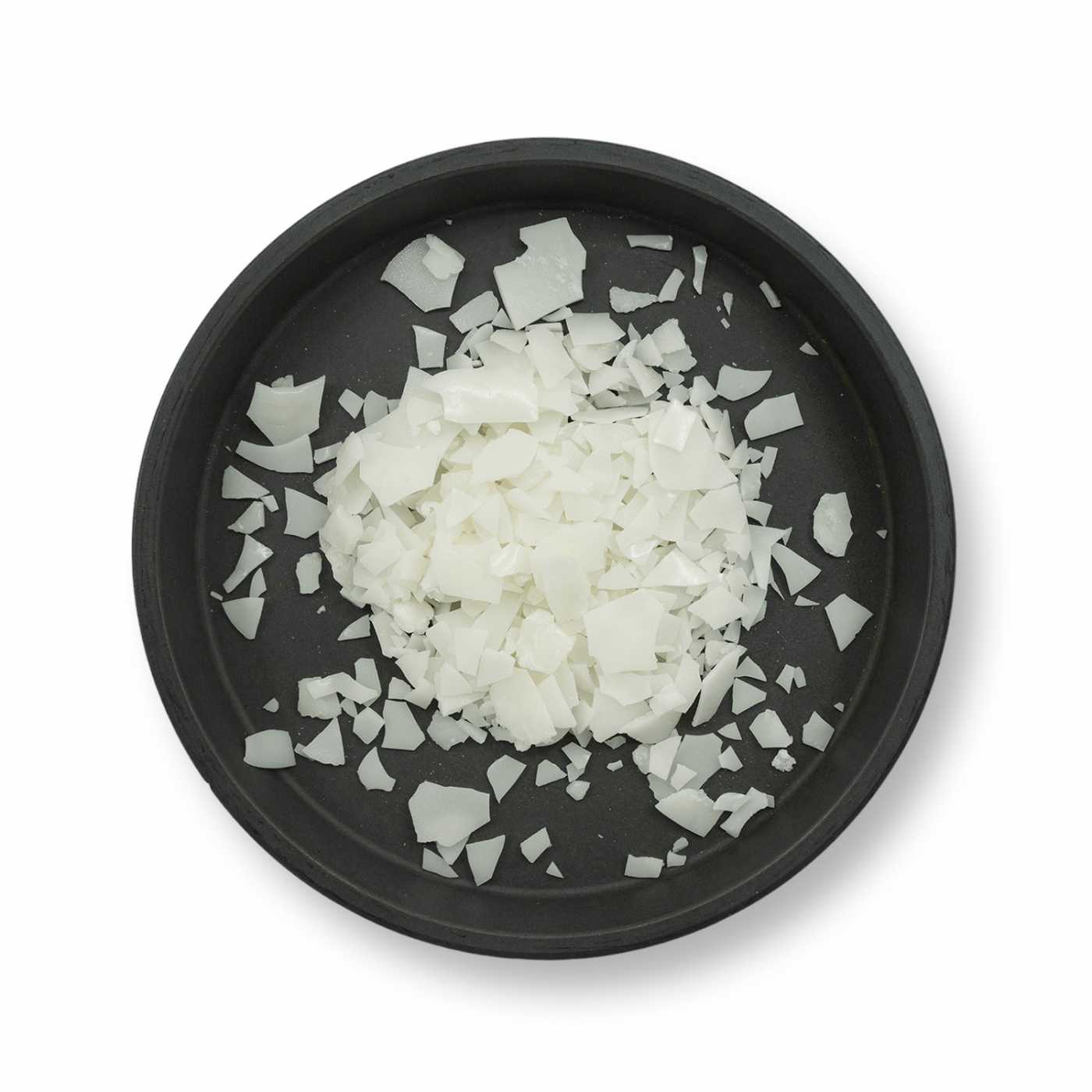
Proteol Apple and surfactants
To degrease the skin and cleanse it, it is necessary to add surfactants to the product. It is ideal to work with liquid surfactants, because this avoids their lengthy dissolution in water. A great choice is the combination of decyl glucoside, which gently degreases and forms a rich foam, with Proteol Apple, which also degreases the skin but forms a somewhat creamier, less intense foam.
It is ideal not to replace the surfactants, but if you must do so, make sure not to combine surfactants of opposite charge (cationic with anionic), as this will form a precipitate. Also observe the dosage specified for each raw material; a too high final concentration of active substances in the surfactants (surfactants are not sold as 100% solutions, but slightly diluted) can even cause skin irritation through excessive degreasing.
If you use glucosides with alkaline pH, always check the pH of the final product and adjust it to the acidic range (4.5 to 5.5).
Xanthan gum
To thicken and stabilise the final emulsion, xanthan gum is used in this product. This substance forms thick gels with water already at low concentrations. That is also why you can change the final viscosity of the product by changing its dosage. If you want a more fluid product, reduce the xanthan gum content by 0.1–0.2%. For stronger thickening you can increase its content, but only up to 1%; beyond that the mixture is too stiff for comfortable application.
Do not omit xanthan gum; without it the product will not have the desired consistency and problems with phase stability may occur. A possible alternative is guar gum, which thickens somewhat less than xanthan gum, so you will probably need to use a bit more to obtain the same viscosity. At the same time, we have not tested the stability of the cleansing facial milk with guar gum, and therefore we cannot guarantee that the emulsion will not break.
Glycerin
To moisturise and soften the skin, it is good to have glycerin in the cleansing facial milk. This substance not only hydrates the skin but also helps accelerate gel formation and shortens the time needed to disperse the xanthan gum and mica powder thoroughly.
For this reason too, it is good not to omit glycerin from the mixture. If you must do so, you can achieve similar moisturising properties by using Sodium PCA.
Almond oil
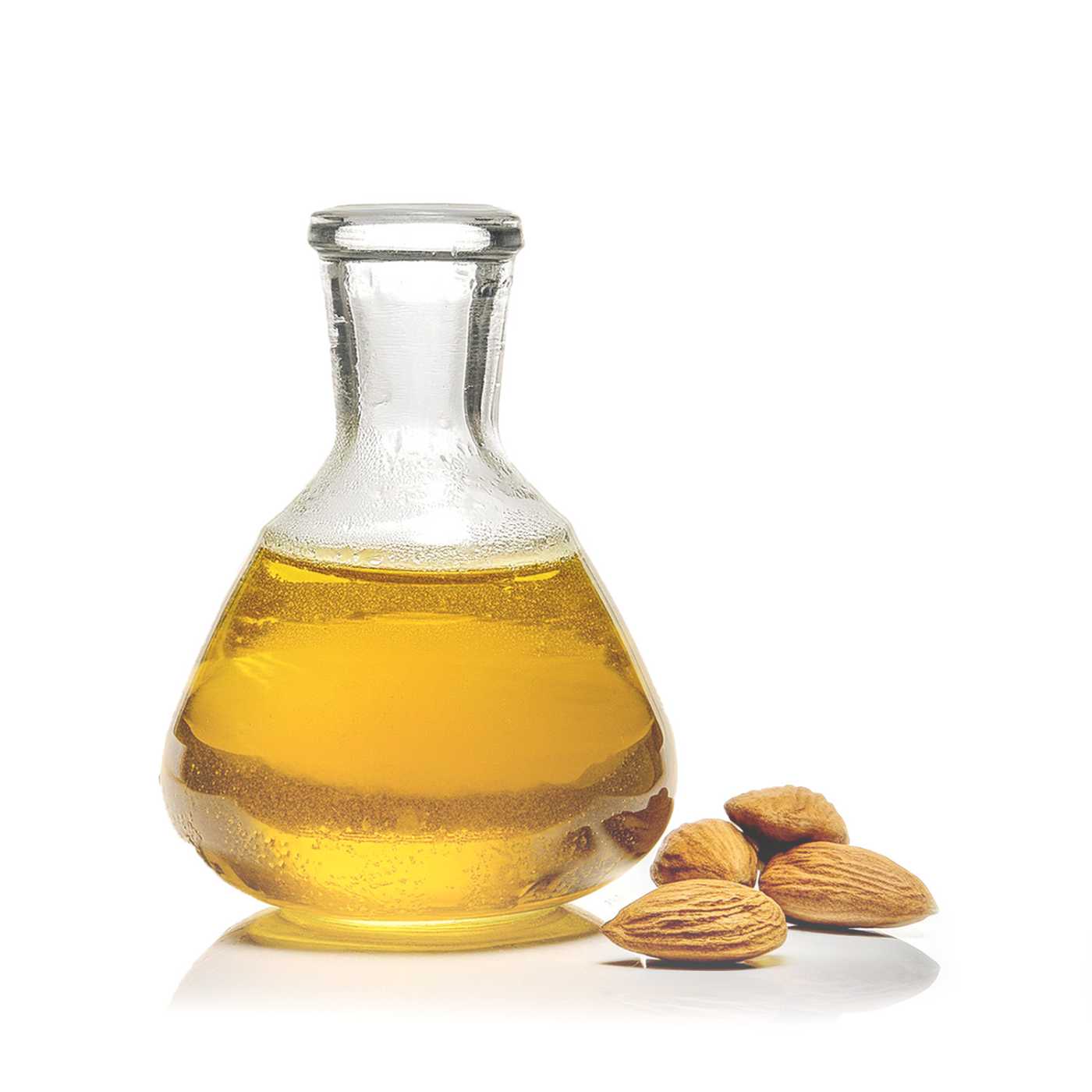
To reduce the feeling of strong degreasing of the skin after cleansing, almond oil was also added to the facial milk. This oil is affordable and is well absorbed by the skin. In addition, it has no pronounced colour or scent that would interfere with the final product. When substituting this raw material, you can choose another liquid vegetable oil or a combination of oils. By increasing the oil share you will obtain a facial milk that degreases less and treats and hydrates the skin more.
Other raw materials
Demineralised water usually forms the base of emulsions in cosmetics. Do not use ordinary tap water, even after boiling or filtering — the minerals in it may disrupt the stability of the emulsion or the action of the preservative. The water in the cleansing facial milk can be replaced with floral hydrosols, which have gone through distillation and therefore do not contain mineral substances. Thanks to hydrosols, products can also acquire a pleasant floral scent, making additional fragrancing unnecessary.
Witch hazel hydrosol is an excellent addition to cleansing facial milks. Hydrosols provide the product not only with a delicate scent, but also help to soothe the skin and reduce its redness. Witch hazel hydrosol can be replaced with another hydrosol or with demineralised water. However, bear in mind that any substitution in the formula will result in a change in pH, and thus also in the amount of lactic acid needed to adjust it.
Mica powder is the easiest way to colour the final product. Mica powders are available in a wide palette of colours, so there really is something for everyone. You can combine them with each other or add fine glitters or two-tone pigments (heavier glitters may settle to the bottom). Of course, it is also possible to omit mica powders completely; the product will then have a white, milky colour.
The essential oil bringing a fresh scent is Eucalyptus radiata. Of course, you can also choose another essential oil for the product. Before using it, however, check the dosage for rinse-off facial products, for example according to the IFRA standards stated with the product. An alternative to essential oils is fragrance oils, which offer an even wider range of scents than essential oils, since your product can then smell of many kinds of fruit as well. Again, observe the dosage. To make an unfragranced product, simply omit the addition of essential oil.
Lactic acid was chosen for pH adjustment. This is an acid sold already in solution form, so you do not have to prepare the solution yourself. An alternative is citric acid, but this must first be dissolved in water — for example, prepare a 50% citric acid solution, which you then use to adjust the pH. Instructions on how to adjust the pH correctly can be found in the working procedure and in the Tips and tricks section.
Preservative — since some preservatives tend, under certain conditions, also to disrupt the stability of the emulsion, especially when we add surfactants to a classic oil-in-water emulsion, we prepared four batches of cleansing facial milk, each differing only in the type of preservative used. Neither immediately after preparation nor during the first week did we observe any phase separation with any of the preservatives used. The increased stability is probably due to the higher content of xanthan gum, which helps not only to thicken but also to keep the components of the emulsion together. After a month the phases were still combined with all the preservatives, but with the cleansing facial milk containing Cosgard and Euxyl PE 9010 we observed a slight settling of the product (part of the airy/whipped consistency achieved by mixing with an immersion blender was lost, but this does not diminish the functionality of the product).
Formulation (100 g)
The raw material content is given in percentages by weight and the recipe is divided into phases A – E. You choose the preservative yourself (the shopping list assumes Cosgard) and the stated amount of lactic acid is only indicative — it serves to adjust the pH.
Shop the ingredients for this recipe
Untick what you already have Demineralised Water, 1 lrecipe uses 43,03 gin stock€2.79
 Floral Water, Witch Hazel, Alcohol-Free, Organic, 100 mlrecipe uses 15,00 gin stock€4.99
- Vegetable Glycerol 99,5% USP/BP, 100 mlrecipe uses 8,00 gin stock€2.69
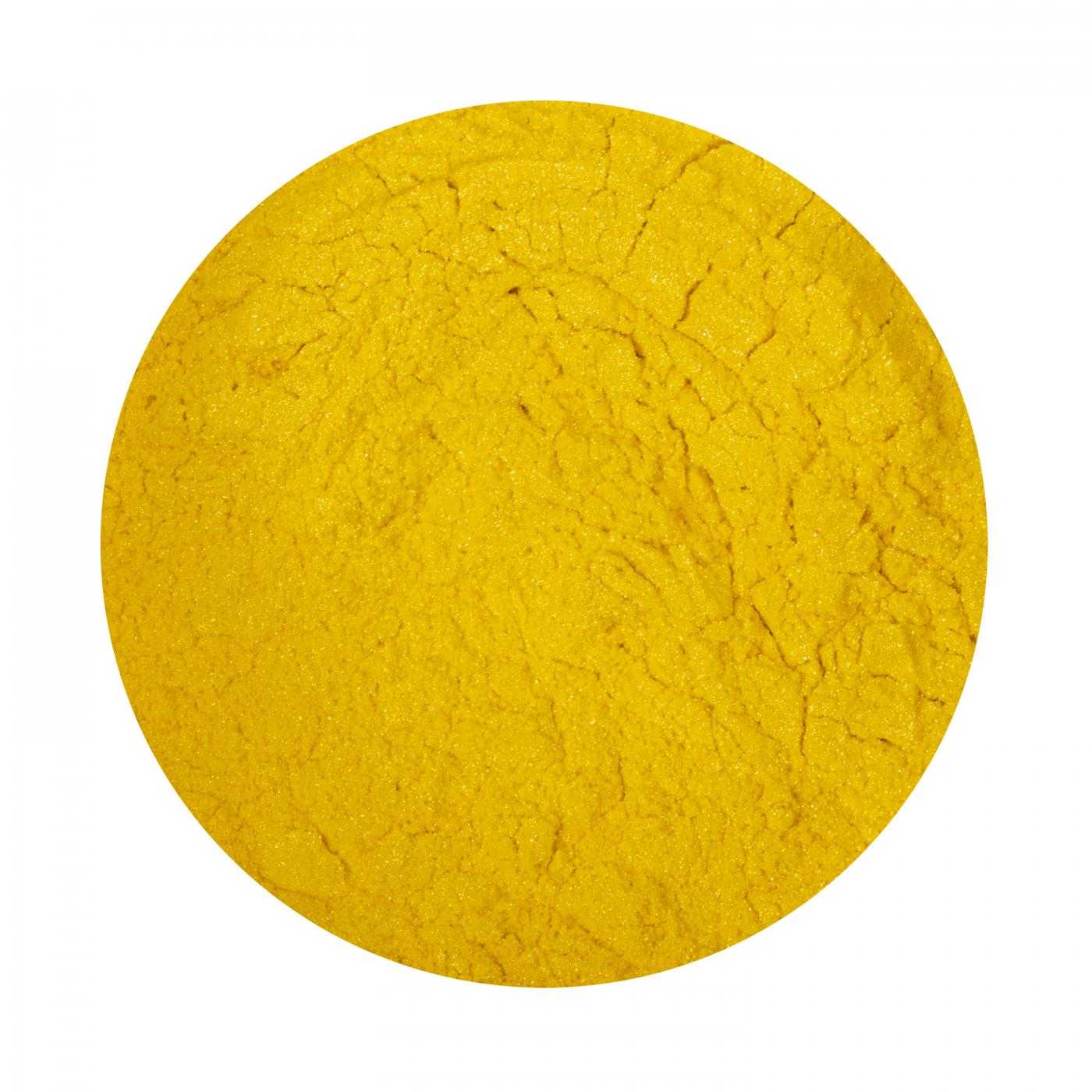 MICA Pigment Powder, Bonny Buttercup, 10 guses 0.05 gin stock€2.99
- Xanthan Gum, 50 guses 0.9 gin stock€2.99
- Olivem 1000, 50 guses 3 gin stock€7.34
- Sweet Almond Oil, Refined, 100 mlrecipe uses 8,00 gin stock€2.99
- Proteol Apple, Surfactant, 100 mlrecipe uses 10,00 gsold outWatch availability€5.76
 Eucalyptus Radiata Essential Oil, 10 mlrecipe uses 0,12 gin stock€1.98
 Cosgard, Preservative, 10 mlrecipe uses 1,00 gin stock€1.98
 Vegetable Lactic Acid 80%, 100 mlrecipe uses 0,90 gin stock€2.69
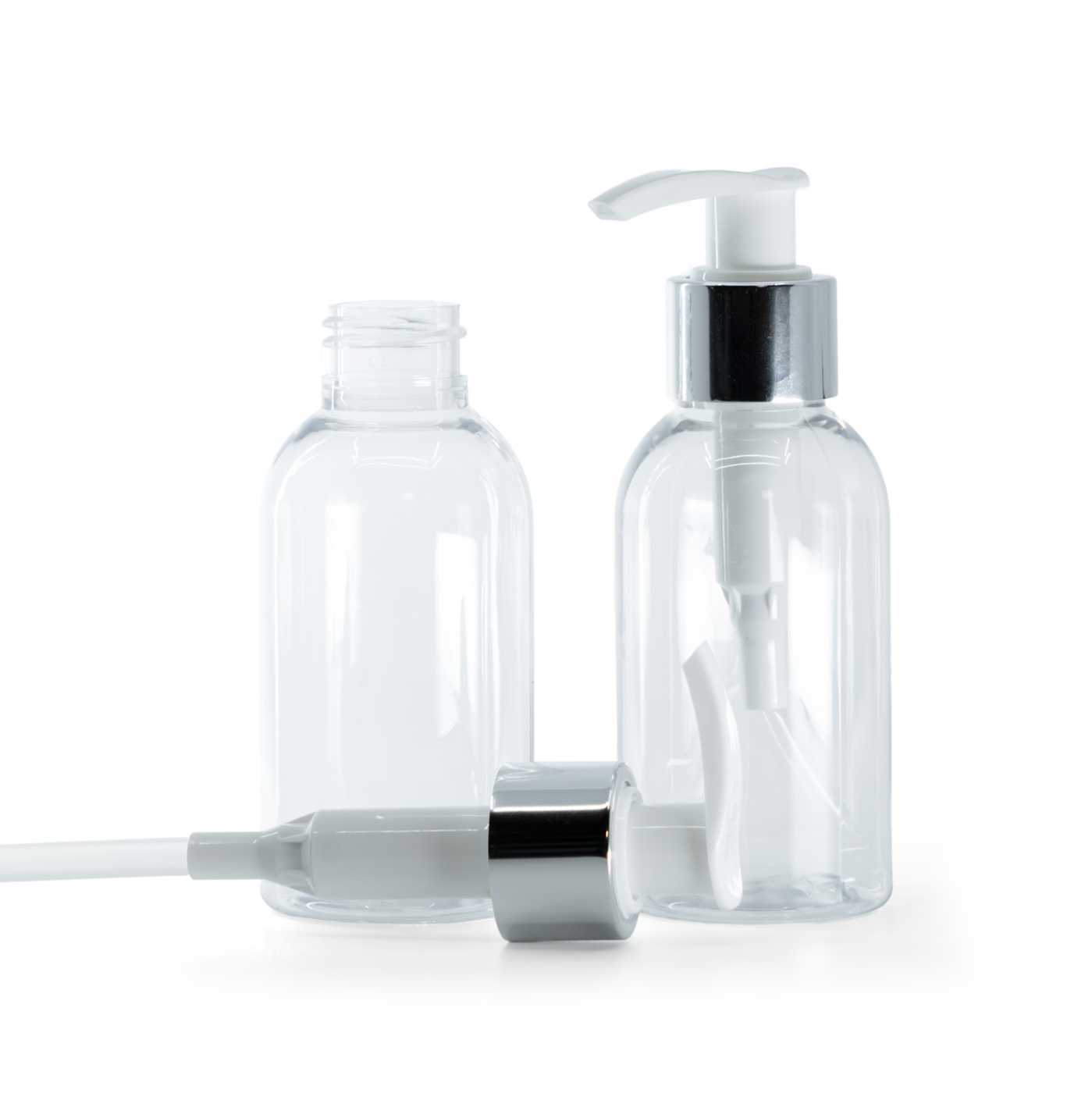 Rounded Clear Plastic Bottle, White Lotion Pump With Glossy Silver Collar, 100 mlsold outWatch availability€1.04
| Phase / raw material | Content |
|---|---|
| Phase A | |
| Demineralised water | 43.03% |
| Witch hazel hydrosol | 15.00% |
| Phase B | |
| Glycerin | 8.00% |
| Mica powder, Bonny Buttercup | 0.05% |
| Xanthan gum | 0.90% |
| Phase C | |
| Olivem 1000 | 3.00% |
| Almond oil | 8.00% |
| Phase D | |
| Proteol Apple | 10.00% |
| Essential oil eucalyptus radiata | 0.12% |
| Phase E | |
| Preservative | 1.00% |
| Lactic acid | 0.90% |
| Packaging | |
| Plastic bottle with pump | — |
Method
- Disinfection
Disinfect all the tools, containers and packaging you will be using, for example with ethanol.
- Phase B pastePhase B
Weigh the glycerin, xanthan gum and mica powder into a heat-resistant container. Mix well into a thick paste without lumps and set aside.
- Combining the water phasePhase A + B
Weigh the raw materials of phase A into another container. Stir and pour phase A into the container with phase B. Stir well (a gel will start to form) and cover with aluminium foil.
- Oil phasePhase C
Weigh the raw materials of phase C into a heat-resistant container. Cover with aluminium foil.
- Water bath70 °C
Place both containers, covered with aluminium foil, in a water bath. Heat until phase C is completely dissolved and both mixtures have approximately the same temperature (70 °C).
- Emulsification
Then, still in the water bath, pour the water phase into the container with phase C. Mix thoroughly, for example with a silicone spatula, and then blend with an immersion blender until both phases are well combined.
- Adding the surfactantsPhase Dbelow 40 °C
As soon as the temperature drops below 40 °C, add phase D (the mixture of surfactants with the essential oil dispersed in them). Mix again with an immersion blender (be careful, the mixture may foam).
- Checking and adjusting the pHpH 4.5 – 5.5
Check the pH of the mixture using indicator strips and if it is too high, adjust it by adding lactic acid drop by drop to a value in the range of 4.5 to 5.5. Note that the stated amount of lactic acid is only indicative!
- Preservative and fillingPhase E
Add the chosen preservative (except for Spectrastat G2, which must be heated to 45 °C and added to the mixture at the same temperature, see Tips and tricks), mix well and fill into the selected container.
Tips and tricks
Below we bring you several tips and tricks on how to make the production of cleansing facial milk easier. You will learn more about correct pH adjustment and much more.
When working with xanthan gum, it is good to first disperse it in glycerin, similarly to mica powder, to prevent clumping of these undispersed powder raw materials. Thanks to xanthan gum the product will have a light, gel-like milky consistency, and at the same time this substance supports the stability of the final emulsion.
When adjusting the pH, it is always necessary to proceed slowly and add lactic acid drop by drop, because the stated amount is only indicative. The amount of lactic acid depends on many factors, such as weighing and dosing accuracy, raw material quality and similar. After each addition of lactic acid, mix the mixture thoroughly and check the pH until you reach a value between 4.5–5.5. It is good to adjust the pH even when you use the preservative Euxyl PE 9010 or Spectrastat G2 (these preservatives are active even outside acidic pH), since the skin tolerates better those products whose pH is slightly acidic and close to the physiological pH of the skin.
If you choose Cosgard, Euxyl K903 or Euxyl PE 9010 for preservation, add the preservative only after the final pH adjustment, to the cooled product. These preservatives are sensitive to higher temperatures. In contrast, Spectrastat G2 must be heated to approx. 45 °C before use and only then added to the emulsion. Ideally when the product has the same temperature (45 °C). In this case the pH adjustment can be carried out even after the addition of the preservative, since this preservative is effective over a wide pH range.
The mixture is fairly viscous and may have a slightly airy/whipped consistency after mixing with an immersion blender. As packaging, it is therefore suitable to choose a jar or a pump bottle with a wider neck, to make filling the product into the packaging easier.
Warning
As mentioned, you can experiment with homemade formulas to achieve the desired properties. The final result can, however, be influenced by many factors, such as humidity, temperature, quality of raw materials or their storage.
Before you use any raw material to make a cosmetic product, familiarise yourself with its properties, the recommended dosage, storage conditions and safe handling. Each raw material may have the potential to cause an allergic reaction in sensitive individuals, so before using the product we recommend that you find out whether you are allergic to any of the raw materials or to the finished product, for example with a patch test.
If you have very sensitive or very acne-prone skin, or you have other skin and health problems, we recommend that you consult a medical professional before applying a new product to the skin, whether it is a homemade cosmetic product, a pure raw material or a commercially available product.
Frequently asked questions about the recipe
Practical questions about the cleansing facial milk — rinsing off, raw material substitutions, consistency, preservatives and pH adjustment.
Can I leave the milk on my skin without rinsing?
No. This is a rinse-off product — apply it to damp skin and then rinse thoroughly with water. It is not suitable to leave on the skin without rinsing.
What can I use instead of demineralised water or the hydrosol?
The water can be replaced with floral hydrosols, which have gone through distillation and do not contain mineral substances; witch hazel hydrosol can be replaced with another hydrosol or with demineralised water. Do not use ordinary tap water, even after boiling or filtering. Bear in mind that any substitution will also result in a change in pH, and thus in the amount of lactic acid needed.
How do I adjust the consistency of the product?
If you want a more fluid product, reduce the xanthan gum content by 0.1–0.2%; for stronger thickening you can increase it, but only up to 1%. If you have a problem with stability, increase the share of the emulsifier by 0.5–1%; a smaller share of Olivem 1000 will make the product more fluid (reduce it only after you have reduced the xanthan gum content).
When should I add the preservative?
Add Cosgard, Euxyl K903 or Euxyl PE 9010 only after the final pH adjustment, to the cooled product — they are sensitive to higher temperatures. Spectrastat G2, in contrast, must be heated to approx. 45 °C before use and added to the emulsion ideally when the product has the same temperature (45 °C); with it, the pH adjustment can also be carried out after the preservative has been added.
How do I adjust the pH correctly?
Proceed slowly and add the lactic acid drop by drop — the stated amount is only indicative. After each addition, mix the mixture thoroughly and check the pH until you reach a value between 4.5–5.5. It is good to adjust the pH even with the preservatives Euxyl PE 9010 or Spectrastat G2, since the skin tolerates better those products with a slightly acidic pH close to the physiological pH of the skin.
Can I swap the surfactants for others?
It is ideal not to replace the surfactants. If you must do so, do not combine surfactants of opposite charge (cationic with anionic), as this will form a precipitate, and observe the dosage specified for each raw material — too high a concentration of active substances can even cause skin irritation. With glucosides that have an alkaline pH, always check the pH of the final product and adjust it to the acidic range (4.5 to 5.5).
Conclusion
After removing make-up, it is necessary to cleanse the skin also of the impurities from the air that have settled on it during the day. They could clog the pores and become inflamed. So after removing your make-up, use our cleansing facial milk as well and give your skin basic care.
We thank the wonderful Ivana Jačalová for this extensive post with instructions and all the tips you need. In case of questions, contact us and write to us at [email protected].
Until we meet again with the next tutorial, have a creative day.
You will find the Olivem 1000 emulsifier, surfactants, xanthan gum, hydrosols and preservatives from this recipe in the Handymade range of raw materials.