A smoothing face serum will help you improve your skin texture and soften irregularities. We have prepared a tutorial for a serum containing Amino-Peptid Specped® — a compound that helps smooth wrinkles and minimise the signs of skin ageing. And as if that were not enough, we have two serum variants for you — so you can choose between the moisturising properties of hyaluronic acid or its alternative, Vegeluron gel.
About this recipe
We thank Ivana Jačalová for the great procedure and tutorial. We prepared the serum in two variants — with hyaluronic acid or with Vegeluron gel. The procedure differs only minimally — choose the variant that is closer to your skin.
Both variants will provide you with effective hydration in combination with the smoothing effect of Amino-Peptid Specped®, plus the addition of caffeine, which helps reduce the signs of skin fatigue. The serum is a great base for your skin under make-up — whether for a special occasion or for every day.
Main benefits
- Smoother skin
Amino-Peptid Specped® helps reduce the appearance of wrinkles and minimise the signs of skin ageing — the gentle smoothing effect shows when you use the product for at least several weeks.
- Effective hydration without a greasy feeling
Hyaluronic acid or Vegeluron gel in combination with glycerin give the skin significant hydration without leaving a greasy feeling.
- A fresher look thanks to caffeine
Caffeine helps eliminate the signs of tired skin — it revitalises the skin and gives it a fresher appearance.
- Two variants to suit your skin
You can choose between hyaluronic acid and Vegeluron gel — once absorbed, the serum with Vegeluron leaves no slight film on the skin.
- A delicate floral scent
White rose hydrosol gives the serum a delicate floral scent as well as effective plant components — if you want a product without any fragrance, replace it with demineralised water.
Product properties
Key raw materials in the recipe
Do you want to learn more about the individual raw materials in the tutorial for the smoothing face serum? Find out more about the great novelty in the field of aminopeptides, or get advice on substituting some raw materials and adapting the serum to your requirements.
Demineralised water
Demineralised water is the basis for making most cosmetic products. It is free of minerals that could disrupt the stability of the product, cause cloudiness or reduce the effectiveness of the preservative — which is also why you should not substitute it with ordinary tap water, not even after boiling.
You can, however, replace it with distilled water, or reach for floral hydrosols. Hydrosols are obtained by steam distillation and are thus free of minerals. In addition, they contain valuable plant substances that your skin will certainly appreciate. Always remember to check the pH — floral hydrosols will affect the amount of lactic acid used.
White rose hydrosol
Thanks to the hydrosol from white rose, the face serum acquires a delicate floral scent and effective components derived from this plant. Hydrosols represent an alternative to demineralised water, so do not hesitate to use them. However, if you wish to have a product without any fragrance, replace the hydrosol with demineralised water.
Amino-Peptid Specped®
The main active ingredient for smoothing and rejuvenating the skin is Amino-Peptid Specped®. This peptide helps reduce the appearance of wrinkles, as it has similar effects to botox — it temporarily blocks the release of neurotransmitters, thereby reducing the contractions of the facial muscles, so the skin above them looks smoother. Unlike botox, however, it provides only a gentle smoothing effect, and for more pronounced results the product needs to be used for at least several weeks.
Amino-Peptid Specped® can be omitted from the product, but you will lose the smoothing effects of the serum. It is also possible to play with the dosage — but do not exceed the maximum recommended dose, otherwise skin irritation may occur.
Caffeine
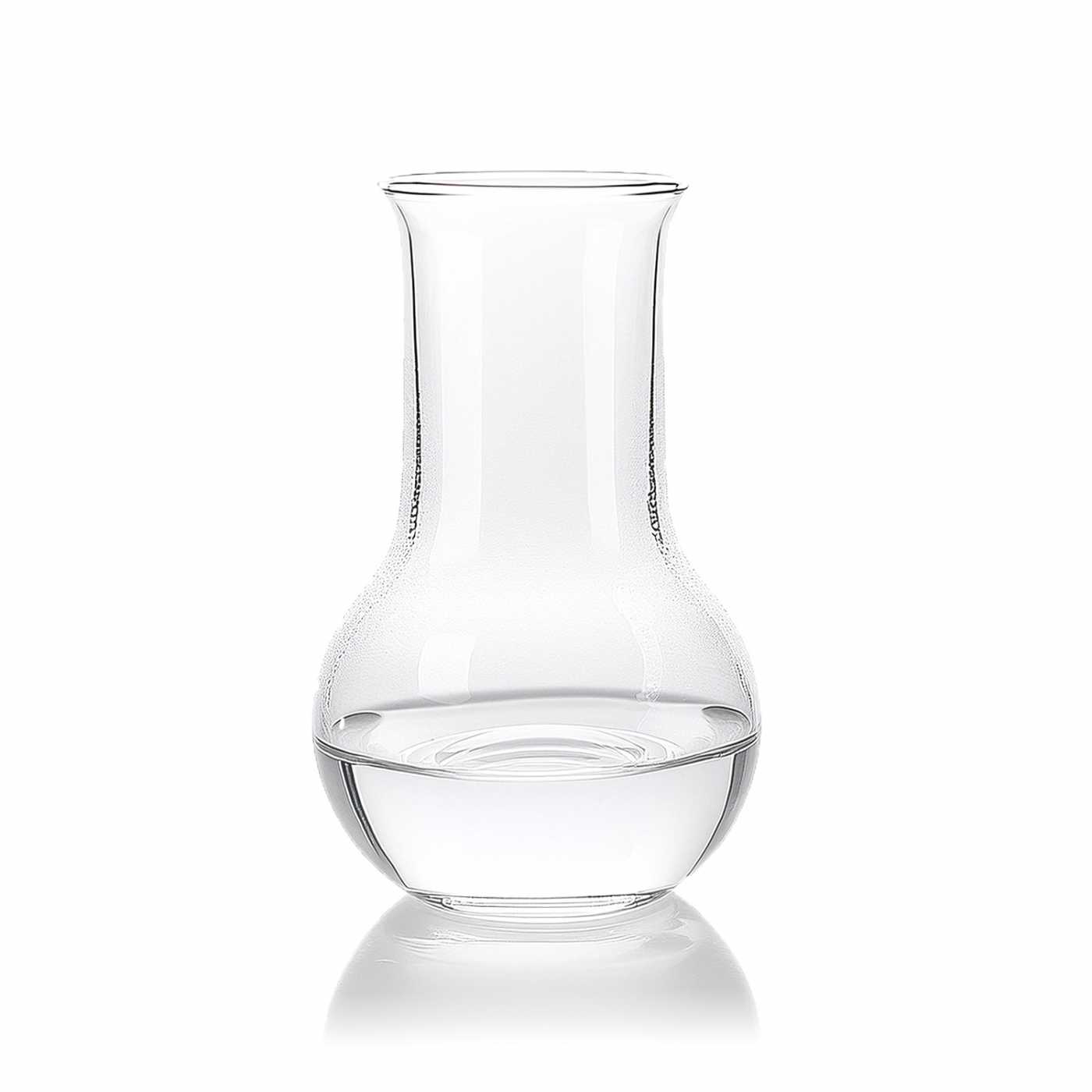
A great raw material for eliminating the signs of tired skin is caffeine. This water-soluble raw material is a typical component of facial products, especially the various creams for bags and dark circles under the eyes. Try a serum with caffeine yourself, to revitalise the skin and give it a fresher appearance. Caffeine can be omitted from the product, but you will lose its active effects.
Glycerin
For moisturising the skin, glycerin was used in the smoothing face serum. This substance helps improve water retention in the skin and, in addition, is important in products containing hyaluronic acid — glycerin helps accelerate the hydration of hyaluronic acid, which then forms a homogeneous gel without lumps more quickly.
That is also why you should not omit glycerin from the product. It is definitely worth having this raw material on hand — glycerin is a component of a large number of water-based cosmetic products, so you certainly will not regret buying it.
Hyaluronic acid MMW
The basic gel-forming and moisturising raw material in the smoothing face serum is hyaluronic acid. We chose hyaluronic acid with a medium molecular weight, as this weight excellently combines thickening effects with moisturising ones. If you want a product that is somewhat more viscous, replace the MMW hyaluronic acid with its HMW (high molecular weight) version.
Vegeluron gel
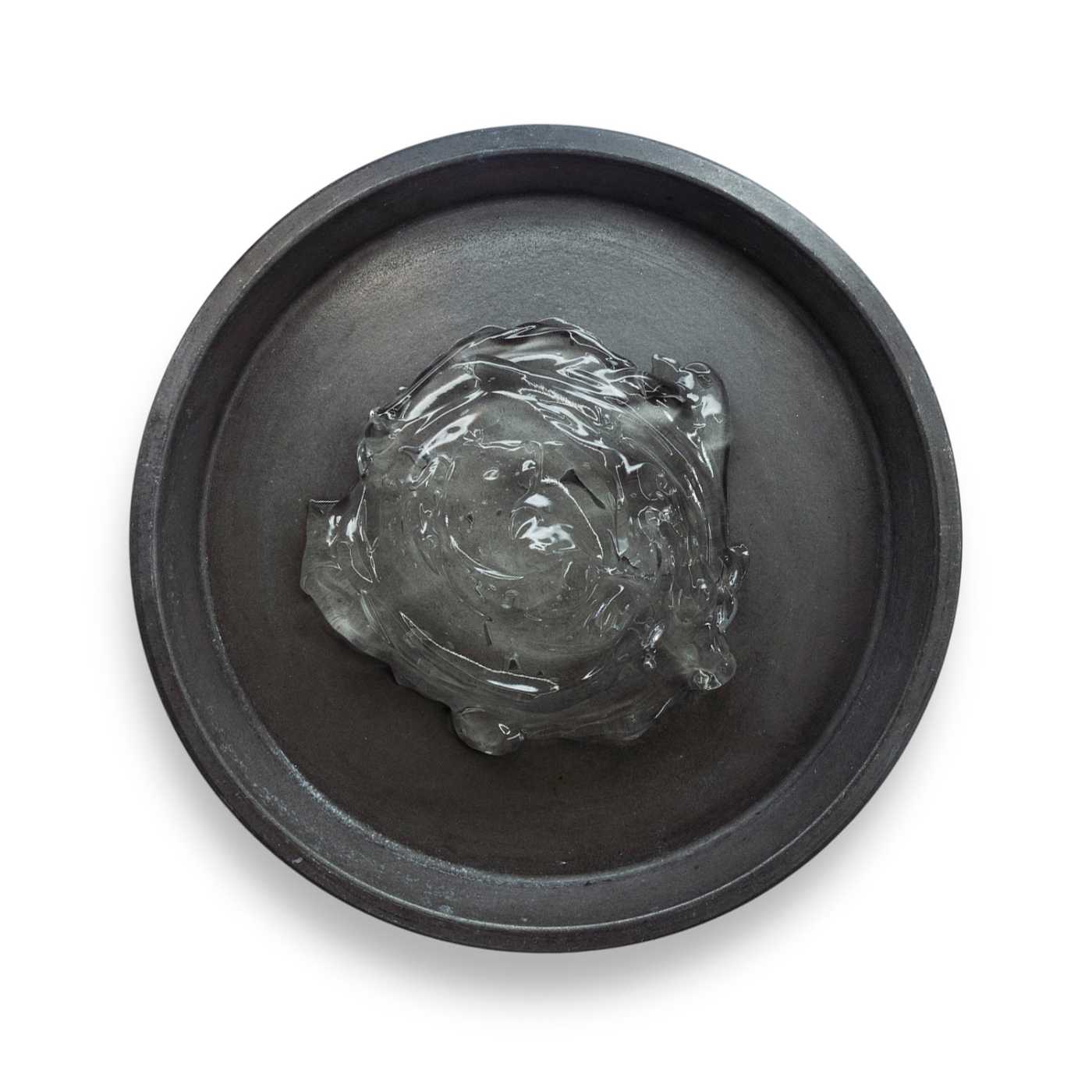
Vegeluron gel represents an alternative to hyaluronic acid. This raw material is sold already in the form of a ready-made water-based gel, so there is no need to wait for the gel to hydrate. Thanks to its excellent moisturising properties, Vegeluron gel is also called a substitute for hyaluronic acid. In addition, its viscosity does not decrease significantly even when diluted to 50 %. So if you do not like the feeling of hyaluronic acid on the skin, Vegeluron gel may be the right raw material for you.
Lactic acid
For pH adjustment, lactic acid was chosen in the smoothing face serum. This acid is commonly used in the food industry and is sold already in the form of a solution, so there is no need to worry about dissolving the substance as in the case of citric acid. Citric acid is, however, an alternative — if you do not mind first preparing a 50 % aqueous solution of it and only then using that to adjust the pH, it is a good choice to replace lactic acid.
Cosgard — preservative
To extend the shelf life of the product, the finished serum needs to be preserved. We chose the preservative Cosgard, which is active precisely at a pH below 5.5, making it an excellent addition to this serum. You can also replace it with other preservatives, but make sure that these substances are active at the final pH of the product — or adjust the pH of the product so that it corresponds to the values for the activity of the preservative. Also, do not forget to choose a broad-spectrum preservative that works against yeasts, moulds and bacteria.
Formulation (100 g)
The formulation is given in percentages by weight — with the base batch of 100 g, the percentages correspond directly to grams. Below you will find an overview of the raw materials needed to make both types of serum. Whether you decide to use hyaluronic acid or Vegeluron gel, the procedure differs only minimally. The amount of lactic acid is only approximate — add it drop by drop according to the measured pH.
Serum with hyaluronic acid
Shop the ingredients for this recipe
Untick what you already have- Amino-Peptid SpecPed® SC-AH8 0.05%, 10 mluses 0.5 gin stock€5.49
| Phase / raw material | Amount |
|---|---|
| Phase A | |
| Demineralised water | 52,15 g |
| White rose hydrosol | 40,00 g |
| Amino-Peptid Specped® SC-AH8 0.05% | 0,50 g |
| Caffeine | 0,50 g |
| Phase B | |
| Hyaluronic acid MMW | 0,80 g |
| Glycerin | 5,00 g |
| Phase C | |
| Cosgard | 1,00 g |
| Lactic acid | 0,05 g (approximate) |
| Packaging | |
| Airless bottle with aluminium cap | 1 pc |
Serum with Vegeluron gel
Shop the ingredients for this recipe
Untick what you already have- Amino-Peptid SpecPed® SC-AH8 0.05%, 10 mluses 0.5 gin stock€5.49
- Vegeluron Gel, 50 guses 50 gsold outWatch availability€24.45
| Phase / raw material | Amount |
|---|---|
| Phase A | |
| Demineralised water | 24,90 g |
| White rose hydrosol | 18,00 g |
| Glycerin | 5,00 g |
| Caffeine | 0,50 g |
| Amino-Peptid Specped® SC-AH8 0.05% | 0,50 g |
| Vegeluron gel | 50,00 g |
| Cosgard | 1,00 g |
| Phase C | |
| Lactic acid | 0,10 g (approximate) |
| Packaging | |
| Airless bottle with aluminium cap | 1 pc |
Method
- Disinfect your equipment
Disinfect all tools, containers and packaging, for example with ethanol.
- Phase B — the variant with hyaluronic acid
If you are making the serum with hyaluronic acid, weigh out the phase B raw materials into a container and mix them well until a thick paste forms.
Phase B - Phase A — the variant with hyaluronic acid
In a separate container, mix the phase A raw materials and, after thorough mixing, pour them onto the phase B raw materials.
Phase A - The variant with Vegeluron gel
If you are making the serum with Vegeluron gel, mix the phase A raw materials except for the Vegeluron gel in one container. As soon as the caffeine dissolves, you can add the Vegeluron gel — mix well until the gel is completely combined with the other raw materials.
Phase A - Checking and adjusting the pH
Regardless of which serum you are making, check the pH of the product at this point, for example with litmus paper strips. If it is too high, adjust it using lactic acid to a value in the range of 4.5 to 5.5. The stated amount of lactic acid is only approximate — add the acid drop by drop and keep checking the pH.
pH 4,5–5,5 - Preservation
After adjusting the pH, stir the preservative into the product.
Phase C
Tip: Before filling it into the packaging, leave the serum with hyaluronic acid to stand overnight in a container covered with foil — hyaluronic acid usually needs a day or two to fully hydrate and form a homogeneous gel.
Tips and tricks
Below we bring you a few tricks on how to deal more easily with making the face serum. Whether you choose the version with hyaluronic acid or with Vegeluron gel, here you will find advice on how to make the production easier and how to adjust the pH correctly.
When making the face serum with hyaluronic acid, it will take a little longer before you obtain a clear product without clusters of gel. Hyaluronic acid usually needs a day or two to fully hydrate and form a homogeneous gel. That is why it is advisable to leave the serum with hyaluronic acid to stand overnight in a container covered with foil before you fill it into the chosen packaging.
Add the Vegeluron gel to the phase A raw materials only once the caffeine and Amino-Peptid Specped® have been completely mixed in. After the gel is added, the caffeine dissolves less easily. Also make sure that Vegeluron combines well with the other raw materials, otherwise you will again not obtain a homogeneous gel.
In both cases it is necessary to adjust the pH of the product so that it is closer to the physiological pH of the skin. You do this by adding lactic acid. However, the stated amount of lactic acid is only approximate, because the actual amount depends on the accuracy of dosing, the quality of the raw materials and other factors, so always add the lactic acid drop by drop. Mix each drop thoroughly into the serum and check the pH. Bear in mind that any substitution or change in the proportion of a given raw material in the recipe will result in a change in the required amount of lactic acid.
How to use
Make yourself a smoothing face serum as a great base for your skin under make-up. If you need your skin to look as beautiful as possible under make-up for a special occasion, or if you want to feel unique every day, make this serum according to our tutorial.
Both serums give the skin significant hydration without a greasy feeling. After applying a larger amount of the serum with hyaluronic acid, a slight film may appear on the skin once the serum has been absorbed — we did not observe this when applying the serum with Vegeluron. In both cases, however, there was a more pronounced feeling of skin tightening. If this feeling is unpleasant for you, you can apply your favourite cream once the serum has been absorbed into the skin.

Warning
As mentioned, you can experiment with homemade recipes to achieve the properties you want. However, the final result can be influenced by many factors, such as humidity, temperature, the quality of the raw materials and the way they are stored.
Before you use any raw material to make a cosmetic product, familiarise yourself with its properties, the recommended dosage, the storage conditions and safe handling. Every raw material may have the potential to cause an allergic reaction in sensitive individuals, so before using the product we recommend finding out whether you are allergic to any of the raw materials or to the product as a whole, for example with a skin test.
If you have very sensitive or very acne-prone skin, or if you have other skin and health problems, we recommend that you consult a medical professional before applying a new product to the skin — whether it is a homemade cosmetic product, a pure raw material or a commercially available product.
Frequently asked questions about the recipe
Practical questions about the recipe — choosing between hyaluronic acid and Vegeluron gel, the hydration of hyaluronic acid, pH adjustment and preserving the serum.
Which variant should I choose — the one with hyaluronic acid or the one with Vegeluron gel?
Choose the variant that is closer to your skin — both provide effective hydration in combination with the smoothing effect of Amino-Peptid Specped®. After applying a larger amount of the serum with hyaluronic acid, a slight film may appear on the skin; we did not observe this with the serum with Vegeluron. Vegeluron gel is also sold already in the form of a ready-made water-based gel — there is no need to wait for the gel to hydrate.
Why is my serum with hyaluronic acid not clear?
Hyaluronic acid usually needs a day or two to fully hydrate and form a homogeneous gel without clusters. Leave the serum to stand overnight in a container covered with foil before you fill it into the chosen packaging. Do not omit glycerin from the recipe — it helps speed up the hydration of hyaluronic acid.
Can I omit Amino-Peptid Specped® or adjust its dosage?
Yes, it can be omitted from the product, but you will lose the smoothing effects of the serum. You can play with the dosage, but do not exceed the maximum recommended dose, otherwise skin irritation may occur. For more pronounced results, use the product for at least several weeks.
What can I replace demineralised water with?
With distilled water, or with floral hydrosols — thanks to steam distillation these are free of minerals and, in addition, contain valuable plant substances. Do not use ordinary tap water, not even after boiling. With hydrosols, always remember to check the pH — they will affect the amount of lactic acid used.
What pH should I adjust the serum to, and how?
Check the pH, for example with litmus paper strips, and adjust it with lactic acid to a value in the range of 4.5 to 5.5. The stated amount of acid is only approximate — add it drop by drop, mix each drop in thoroughly and keep checking the pH. An alternative to lactic acid is a 50 % aqueous solution of citric acid.
How do I preserve the serum and what can I replace Cosgard with?
Cosgard is active precisely at a pH below 5.5, which makes it an excellent addition to this serum — stir it in after adjusting the pH. You can replace it with other preservatives, but make sure they are active at the final pH of the product, and choose a broad-spectrum preservative that works against yeasts, moulds and bacteria.
Amino-Peptid Specped®, hyaluronic acid, Vegeluron gel and caffeine — you will find all the active ingredients from this recipe in the range of active ingredients at Handymade.sk.