+421 950 333 113info@handymade.storeHandymade Days: −10 % on all ready-made productsShop now

ACTIVE INGREDIENTS

Vegeluron Gel, 50 g

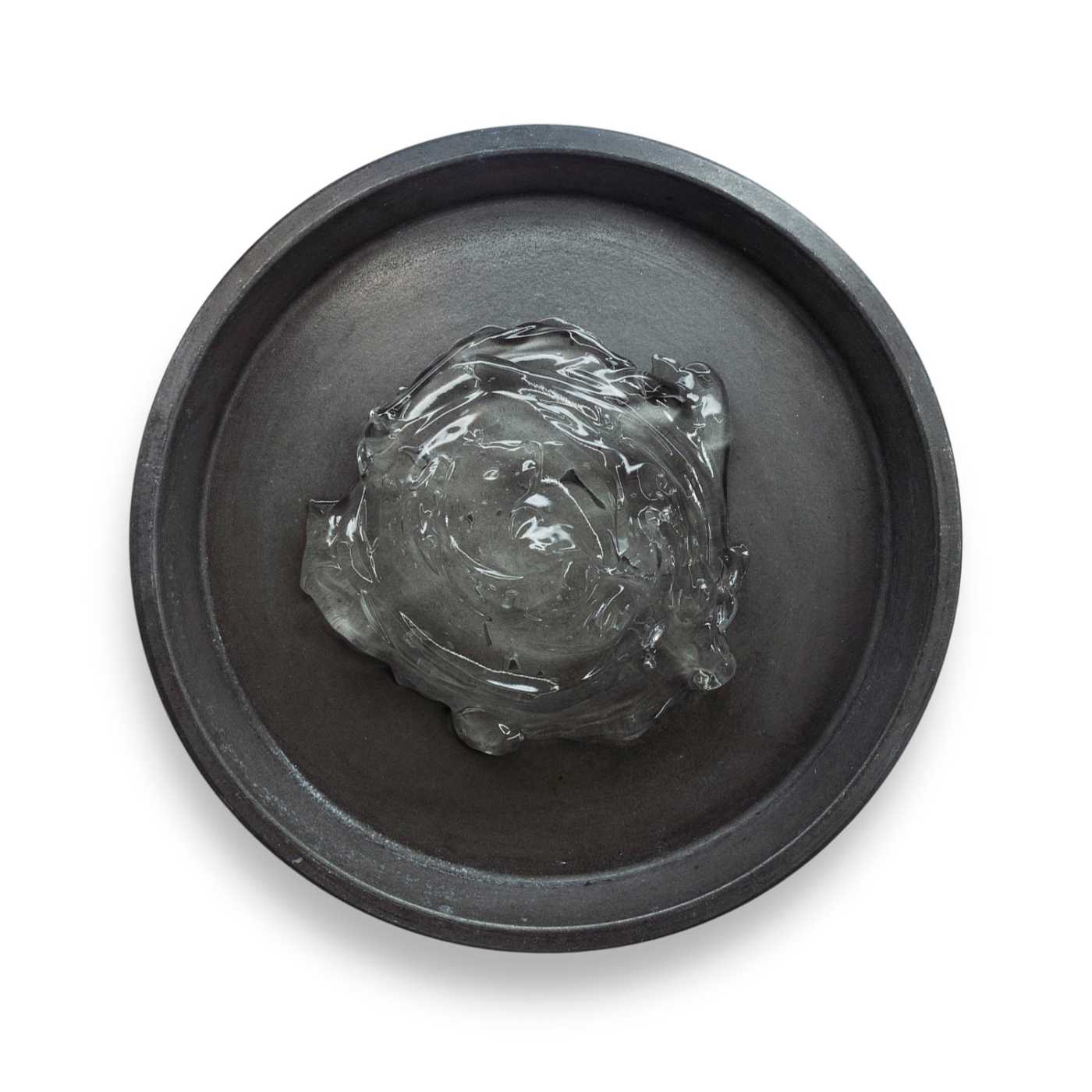
Vegeluron is an aqueous extract of snow mushroom (Tremella fuciformis) whose polysaccharides bind water and leave a moisturising film on the skin and hair. full description

AvailabilityPre-order
Product codeAD080_050
€24.45incl. VAT€489.00/kg

Lowest price in the last 30 days: €24.45

Pre-orderThis variant is currently out of stock — your order will be a pre-order and delivery may take longer.

Product description

Vegeluron is an aqueous extract of snow mushroom (Tremella fuciformis) whose polysaccharides bind water and leave a moisturising film on the skin and hair. It is supplied as a ready-made gel, so you only weigh it out and mix it into the formulation. It is used in water-based moisturising cosmetics: in leave-on and rinse-off products for the face, body, hair and scalp.


How it moisturises

The active component is the snow mushroom polysaccharide. Its long chains bind water, much like other humectants, and after application remain on the skin surface as a thin film. This film keeps water close to the skin and slows its evaporation.

It behaves in the same way on hair. The film coats the strand and helps it retain moisture, a property used in conditioners, masks and scalp products.

It suits all skin types, especially dry, sensitive and mature skin.


Vegeluron and hyaluronic acid

Both raw materials have the same role in a formulation. They are polysaccharides that bind water and form a film on the skin. Snow mushroom polysaccharide is often used as an alternative to hyaluronic acid or together with it.

The difference lies in how you work with the raw material. Standard hyaluronic acid in powder form must first be dissolved in water and left to swell. Vegeluron is a ready-made gel that you add directly.

There is also a difference in usage rate. Besides the extract, Vegeluron contains water and propanediol, so more of it is used in a product than powdered hyaluronic acid. The usage rate of hyaluronic acid cannot be applied to Vegeluron one to one.


Use in a formulation

Vegeluron is soluble in water and in glycols and does not dissolve in oil. It is added to the water phase together with other humectants, or in the cooling phase. The usage rate is 3–10%, and in formulations it most often appears at around 5%.

The polysaccharide thins when heated, and extreme heat does not benefit the raw material. It is safest to add it only to the cooled phase.

The raw material has a pH of 3–5 because it contains gluconolactone and sodium benzoate. At a higher usage rate, we recommend measuring the pH of the finished product and adjusting it as needed.

Solutions of the polysaccharide are pseudoplastic. They thin under intensive stirring and thicken again at rest. It is worth assessing the viscosity of the product only after it has rested.


Suitable for products such as

  • Moisturising serums and gels – a water base in which the polysaccharide binds water and leaves a film on the skin
  • Toners and facial waters – together with other humectants
  • O/W creams and body lotions – the polysaccharide supports emulsion stability, including during freezing and thawing
  • Conditioners, hair masks and scalp serums – a film on the hair and scalp moisturisation
  • Shampoos and shower gels – it can also be used in rinse-off products

What to keep in mind when formulating

The viscosity of the polysaccharide is reduced by salts. The more electrolytes there are in the formulation, the thinner the result. In O/W emulsions, stability also worsens as salt content increases. Strongly acidic and strongly alkaline environments affect viscosity in a similar way.

The gluconolactone and sodium benzoate contained in the raw material do not replace preservation of the finished product. A product containing water needs its own preservative system, and in formulations it is also supplemented with a chelating agent, for example Sodium Phytate.

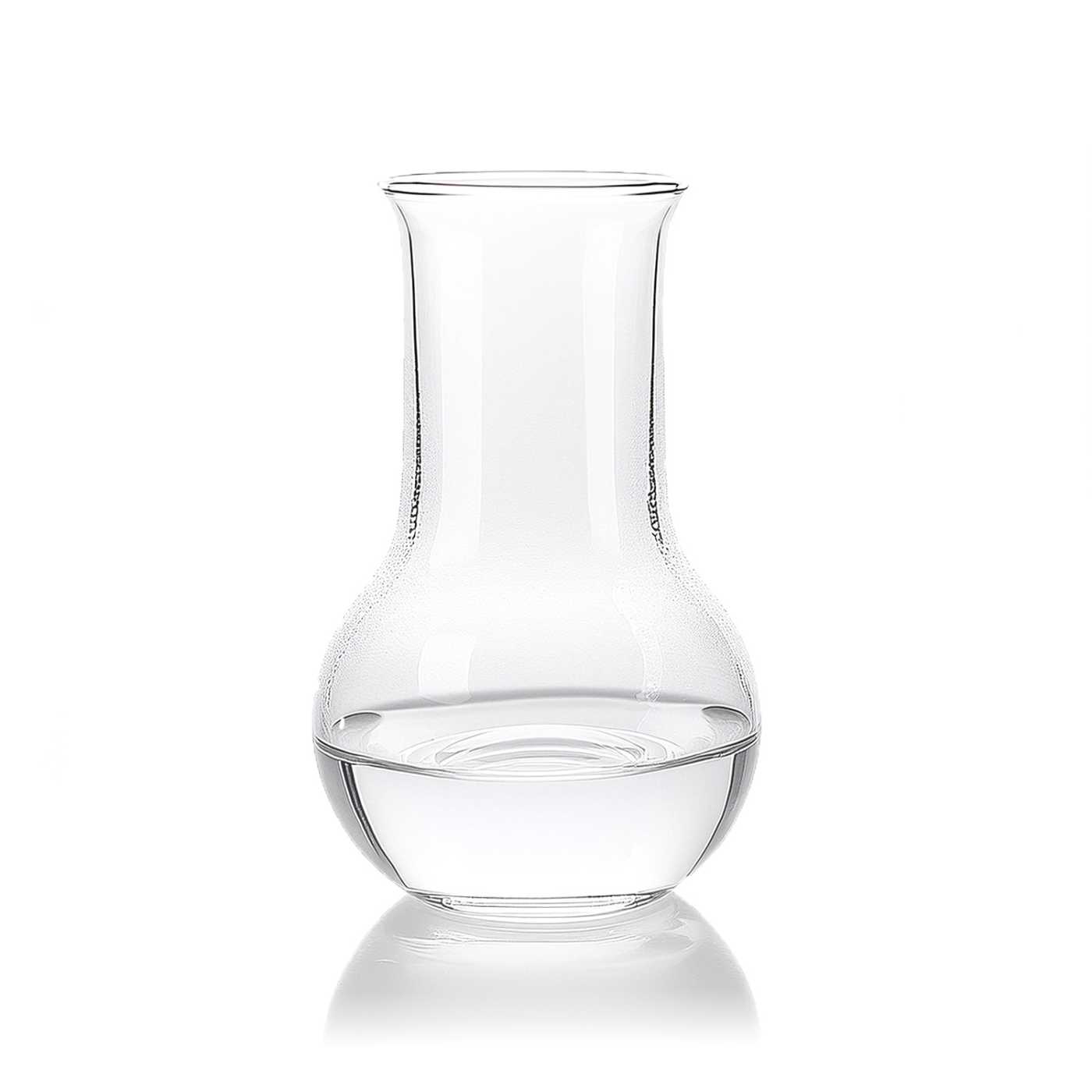
The raw material is not compatible with strong acids and oxidising agents. It is clear, colourless and has only a faint odour. When handling it, avoid contact with the eyes and skin and the formation of aerosol.


Frequently asked questions

Is Vegeluron soluble in water?
Yes, Vegeluron is soluble in water and in glycols, and does not dissolve in oil. It is added to the water phase or to the cooling phase. It can only be used in products with a water phase: in gels, toners, water-based serums, O/W emulsions, shampoos and conditioners. It is not suitable for oil serums, balms or cosmetic butters.
What is the usage rate of Vegeluron?
Vegeluron is used at 3–10% of the product weight. In water-based moisturising formulations, it is most often used at around 5%. The same usage rate applies to leave-on and rinse-off products for the face, body, hair and scalp. At a higher usage rate, we recommend checking the pH of the finished product.
Can Vegeluron be heated?
It is better not to heat Vegeluron and to add it only to the cooled phase. Snow mushroom polysaccharide thins when heated, and extreme heat does not benefit the raw material. In emulsions, it is added in the cooling phase. It also thins under intensive stirring and thickens again at rest, so it is worth assessing the viscosity of the product only after it has rested.
What is the difference between Vegeluron and hyaluronic acid?
Vegeluron is an extract of snow mushroom (Tremella fuciformis), while hyaluronic acid is a different polysaccharide with the same role in a formulation. Both substances bind water and form a moisturising film on the skin. Vegeluron is supplied as a ready-made gel that you add directly. Powdered hyaluronic acid must first be dissolved in water. In a formulation, they can be used separately or together.
Does a product with Vegeluron need to be preserved?
Yes, a product with Vegeluron needs its own preservative system. The raw material does contain gluconolactone and sodium benzoate, but these do not preserve a finished product that contains water. In formulations, it is combined with an additional preservative system and a chelating agent. The raw material is acidic, so we recommend measuring the pH of the finished product.

Parameters

INCI
Aqua, Propanediol, Tremella Fuciformis (Mushroom) Extract, Gluconolactone, Sodium Benzoate, Calcium Gluconate
CAS No.
7732-18-5, 504-63-2, 778577-37-0, 90-80-2, 532-32-1, 299-28-5
EC number
231-791-2, 207-997-3, 310-127-6, 202-016-5, 208-534-8, 206-075-8
Product colour
Colourless
Country of origin
USA
Processing method
Extraction
Free from
parabens
Application area
FaceHairScalpBody
Recommended usage rate
3 – 10 %
Application type
Leave-onRinse-off
Effects
Hydration

Product documentation

TDSTechnical Data Sheet
Physical parameters and processingPDF ↓
SDSSafety Data Sheet
Available for purchased products —
Download all (ZIP)

1 PDF file in one archive

Learn how to work with it

From our blog
REVIEWS

Verified by customers.

No reviews yet.

Only customers with a delivered order can write reviews.