A vitamin C serum is something you can conveniently prepare at home. In this article we present a simple recipe for a homemade facial serum with vitamin C — we will explore not only the individual ingredients and their benefits for the skin, but also the steps for making the serum easily, even if you are a beginner.
Vitamin C, known for its antioxidant properties and its ability to support collagen production, can provide your skin with the necessary care while also giving it a healthy glow.
About this recipe
The recipe was created by the Handymade team. Nowadays, more and more people are turning to natural and homemade solutions in skin care, and one of the most sought-after ingredients is vitamin C.
This is a water-based facial serum with stabilised vitamin C, vitamin E and hyaluronic acid. The serum gives the skin significant hydration without a greasy feeling, and it is simple enough to make even for complete beginners.
Suitable packaging: to protect vitamin C against degradation by sunlight, use opaque packaging or coloured glass packaging — the recipe uses a blue glass bottle with a dropper.
Main benefits
- Antioxidant protection
Vitamin C helps protect the skin against free radicals and damage caused by sunlight and other external factors.
- Support for collagen production
The stabilised form of vitamin C can support collagen production, which contributes to skin elasticity and wrinkle reduction.
- An even skin tone
Vitamin C helps brighten the skin, leading to a more even skin tone and a healthy glow.
- Hydration without a greasy feeling
Hyaluronic acid, glycerin and Pentylene Glycol give the skin significant hydration without a greasy feeling.
- Manageable for beginners
A simple procedure with no heating — you can make the serum conveniently at home, even if you are a beginner.
Product properties
Key raw materials in the recipe
Explore the raw materials used in the production of the vitamin C serum. Below you will find detailed information about the raw materials used and their effect on the final product.
Vitamin C, stabilised
Stabilised vitamin C is often used in cosmetic products because it is a strong antioxidant, which means that it helps protect the skin against free radicals and damage caused by sunlight and other external factors. This form of vitamin C can also support collagen production, which contributes to skin elasticity and wrinkle reduction. In addition, vitamin C helps brighten the skin, leading to a more even skin tone.
Stabilised forms of vitamin C have a longer shelf life and are more resistant to oxidation, which ensures their effectiveness for a longer period. For even higher stability, it is suitable to combine this vitamin with another antioxidant, ideally vitamin E (tocopheryl acetate), and to use opaque packaging or coloured glass packaging as protection against degradation by sunlight.
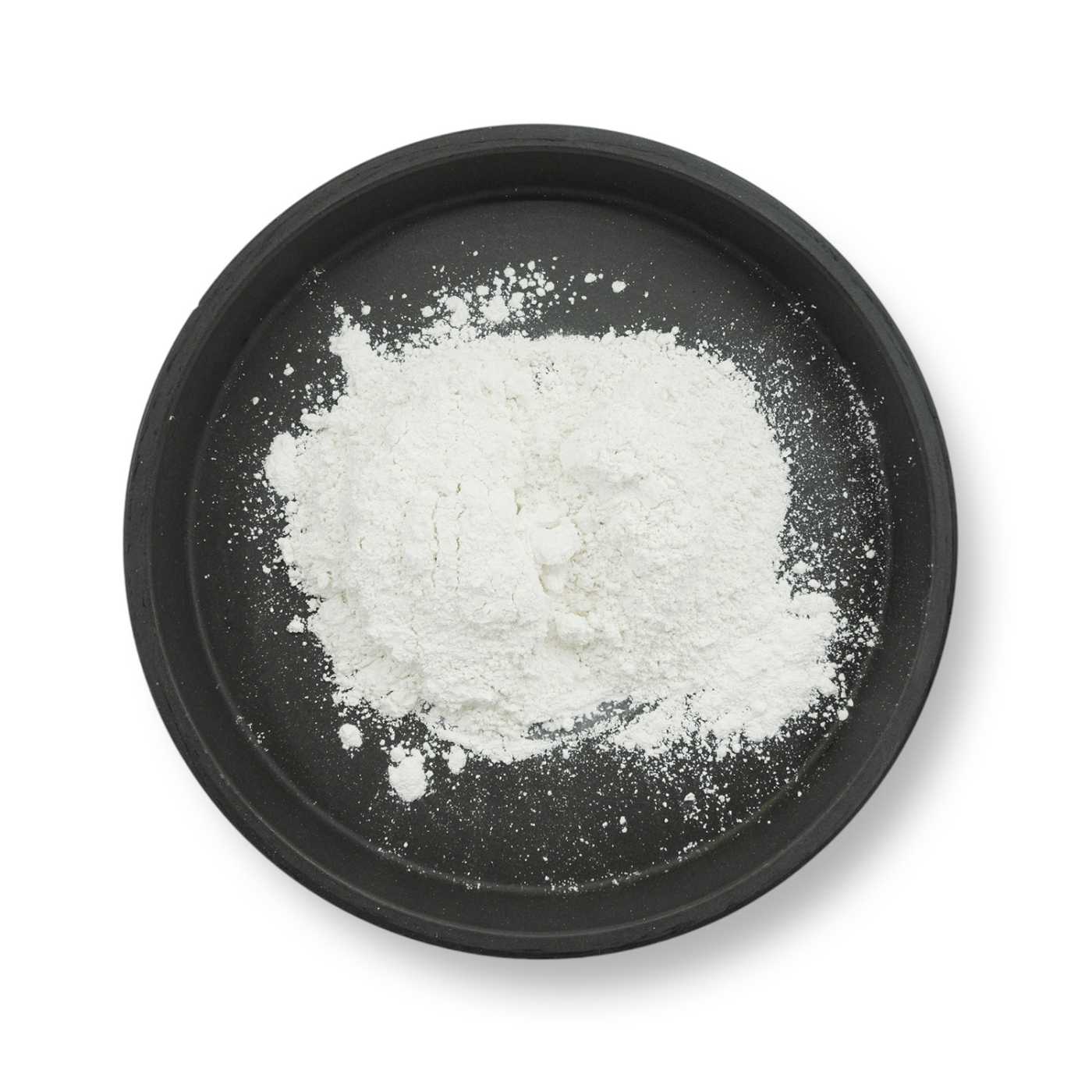
Vitamin E (tocopheryl acetate)
Tocopheryl acetate is a form of vitamin E and also another important antioxidant, protecting the skin from damage caused by free radicals. It has the ability to retain moisture in the skin, which contributes to hydration and prevents it from drying out. Tocopheryl acetate can help with the regeneration and healing of the skin, keeping it healthy and soft.
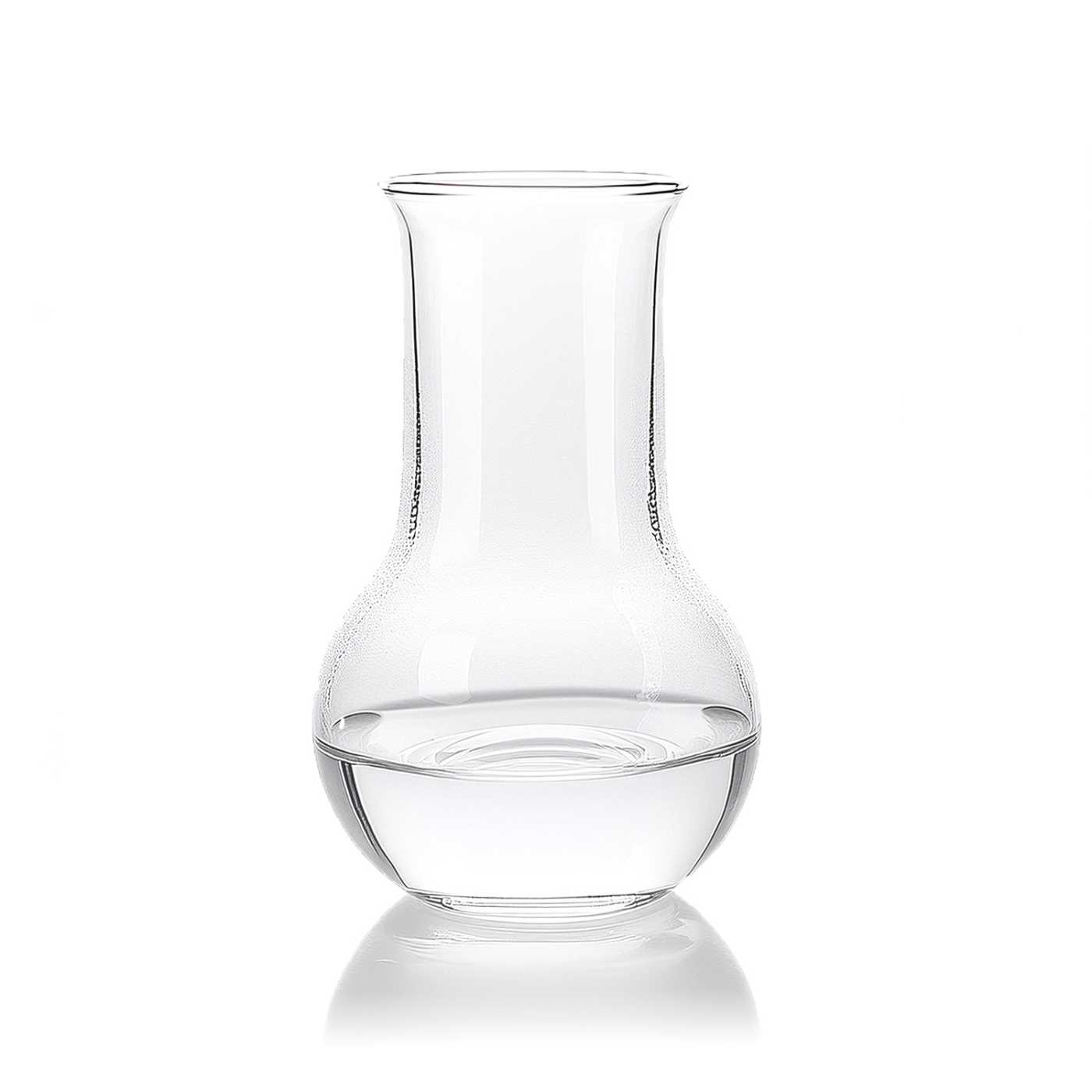
Pentylene Glycol
Pentylene Glycol is a clear liquid similar to glycerin with the ability to bind water in the skin well, which makes it an effective moisturising ingredient in cosmetic products. Pentylene Glycol has the ability to dissolve other substances, especially small amounts of oils or other substances that are insoluble in water, which allows the even mixing of various components in water-based cosmetic formulations. Without Pentylene Glycol, you will not evenly disperse stabilised vitamin C and tocopheryl acetate in the serum.
Furthermore, Pentylene Glycol also has preserving effects, which means that it can help extend the shelf life of cosmetic products by preventing the growth of microorganisms and avoiding contamination. At the same time, Pentylene Glycol is light and does not leave a greasy feeling on the skin, which makes it a popular component in many types of cosmetic products, including facial creams, serums and toners.
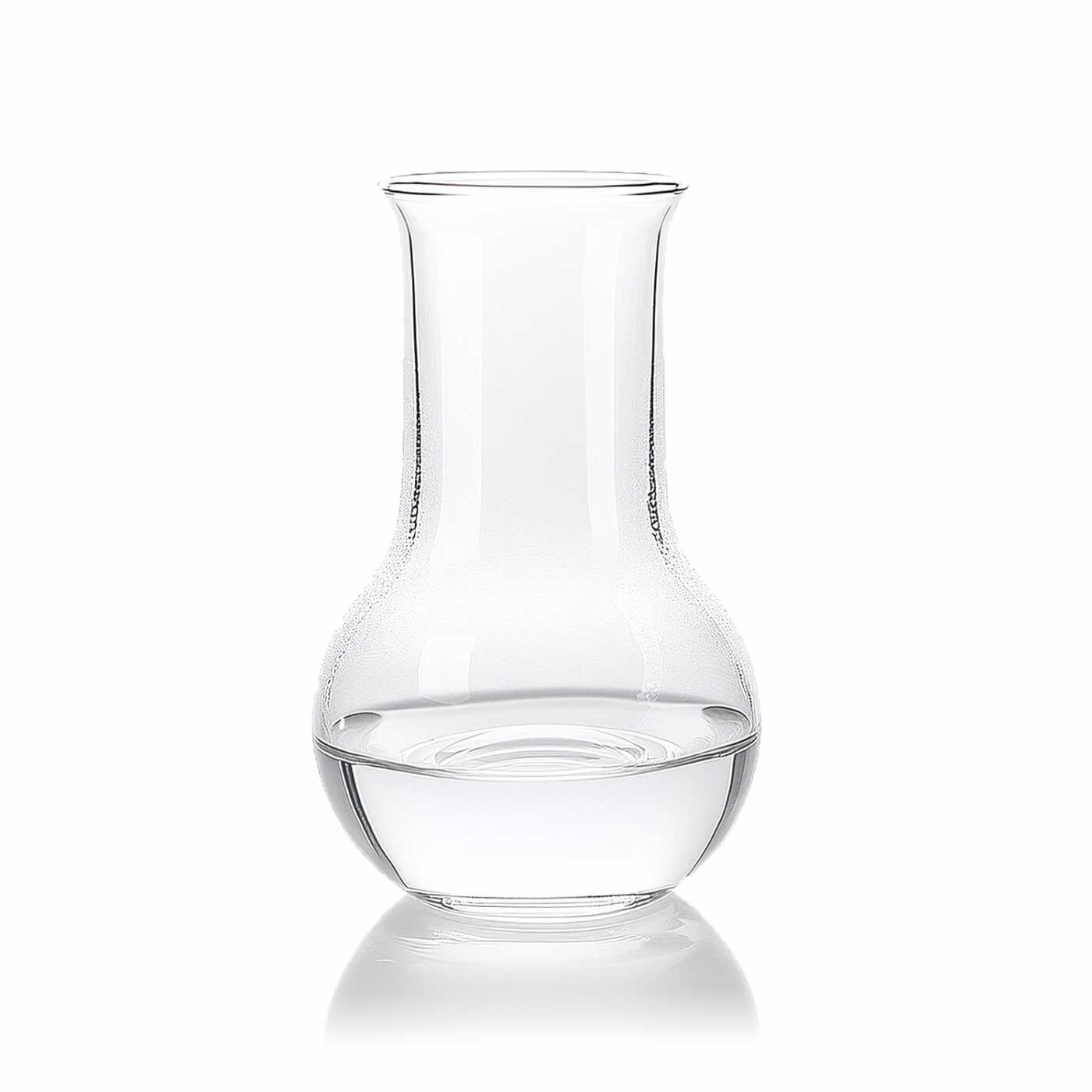
Lactic acid
Lactic acid is used to adjust the pH of the serum. An alternative can be citric acid, with whose acid:water 1:1 solution you can also easily adjust the pH (however, you will need a different amount of this solution than when using lactic acid). The most important thing, though, is to check the product pH regularly when adding the acid and to adapt it to the activity of the preservative.
Euxyl PE 9010, preservative
To extend the shelf life of the serum, it is essential to use a preservative. Euxyl PE 9010 was chosen because of its activity over a wide pH range. You can replace it with another preservative, but pay attention to its broad-spectrum activity against yeasts, moulds and bacteria and also to the pH value at which it is effective. If you choose a preservative that is effective at an acidic pH, add it only at the end, after adjusting the product pH.
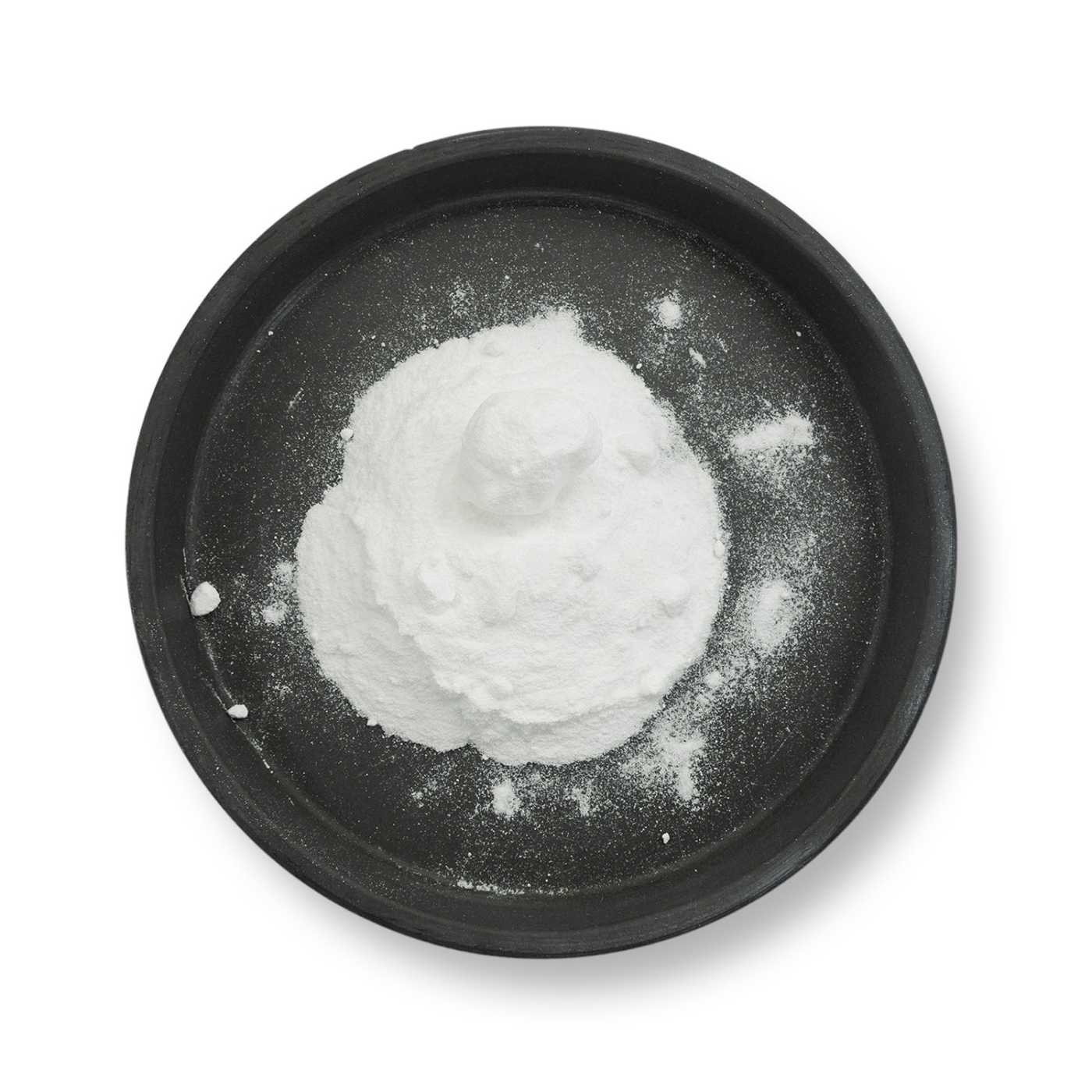
Hyaluronic acid HMW
Hyaluronic acid HMW is the basic gelling and moisturising raw material in the serum. We chose a type with high molecular weight, which has pronounced thickening effects but also hydrates. If you prefer a less viscous (more fluid) product, you can use hyaluronic acid MMW.
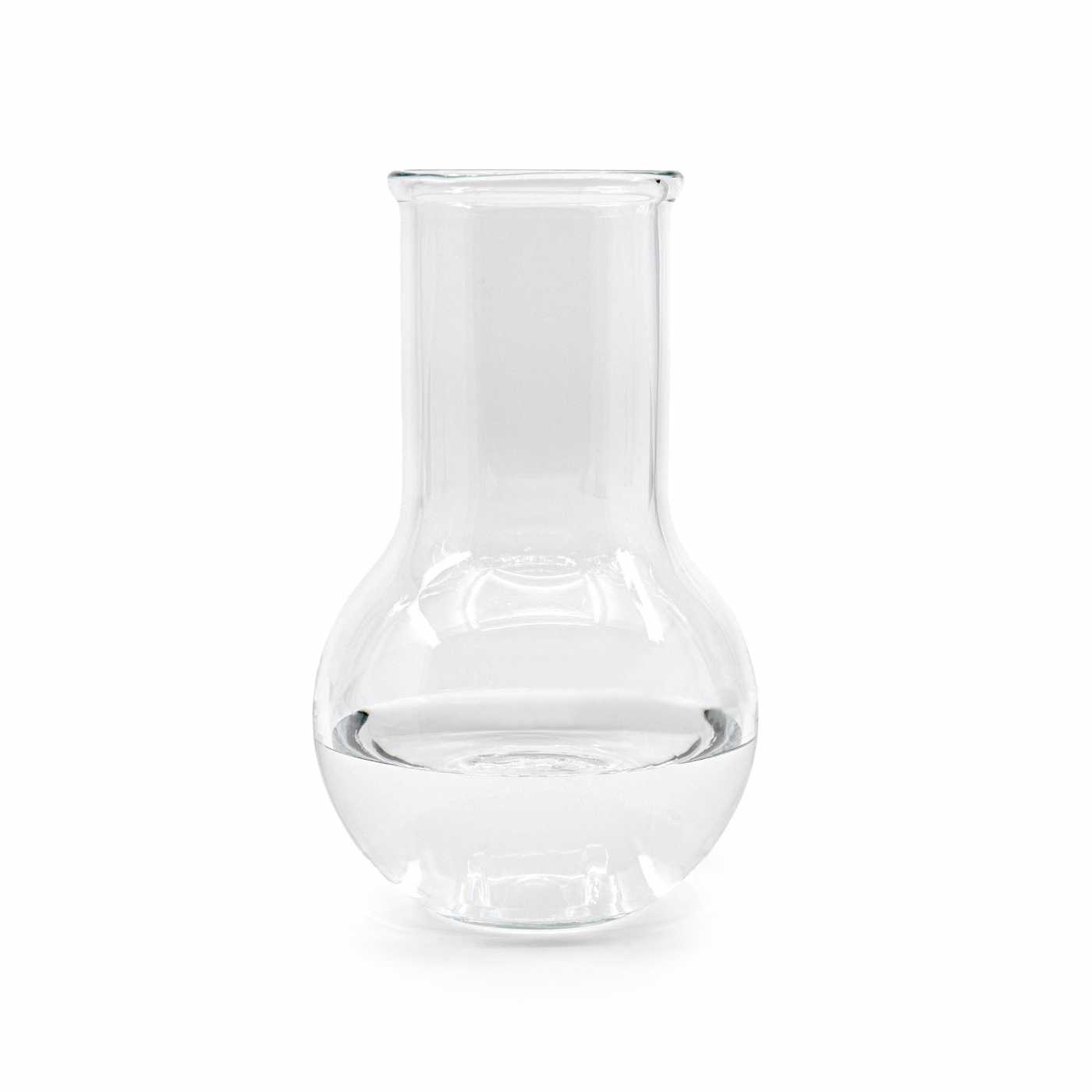
Glycerin
Glycerin is used in the serum to hydrate the skin, it improves water retention in the skin and is important in products with hyaluronic acid, because it hydrates this powdered acid well. Omitting it will mean that achieving a clear product without clumps of hyaluronic acid will take more time.
Demineralised water
Demineralised water is a basic element in the production of most cosmetic products. It is water that has been stripped of minerals to avoid possible problems with product stability, turbidity formation or reduced preservative efficacy. It is important not to confuse it with ordinary tap water or boiled water.
An alternative to demineralised water can be flower hydrolats, which are stripped of minerals through steam distillation. Flower hydrolats additionally contain beneficial plant substances that can provide additional benefits to your skin. However, when using hydrolats, always check the product pH, because hydrolats can affect the amount of lactic acid used.
Formulation (100 g)
A recipe for 100 g of vitamin C serum. The raw materials are divided into four phases (A – D) and each one is linked to a product in our range.
Shop the ingredients for this recipe
Untick what you already have Demineralised Water, 1 luses 89.05 gin stock€2.79
 Vegetable Glycerol 99,5% USP/BP, 100 mluses 5 gin stock€2.69
- Hyaluronic Acid, Vegetable, HMW, 1.5-2 MDa, 1 guses 1 gin stock€3.19
- Euxyl PE 9010, Preservative, 10 mluses 0.8 gin stock€2.49
- Pentylene glycol ECO, natural preservative, 100 mluses 3 gin stock€11.99
- Vitamin C, Stabilized, Ascorbyl Palmitate, 5 guses 0.5 gin stock€9.99
- Vitamin E, Tocopheryl Acetate, 10 mluses 0.5 gin stock€2.09
 Vegetable Lactic Acid 80%, 100 mluses 0.15 gin stock€2.69
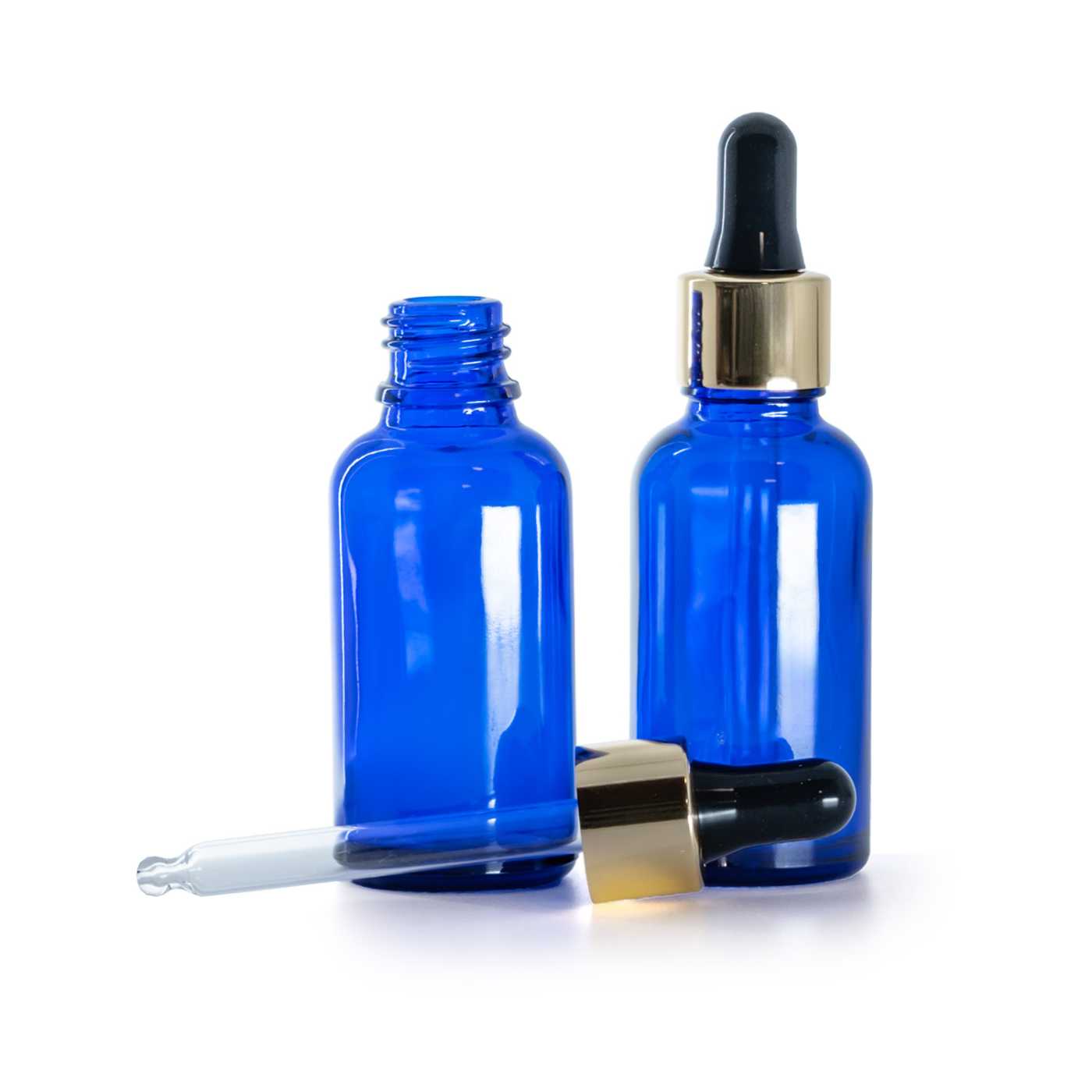 Blue Glass Bottle, Gold Black Dropper, 30 mlrecipe uses 1 ksin stock€1.04
| Phase / raw material | Content in % | Amount |
|---|---|---|
| Phase A | ||
| Demineralised water | 89.05 | 89.05 g |
| Phase B | ||
| Glycerin | 5.00 | 5.00 g |
| Hyaluronic acid HMW | 1.00 | 1.00 g |
| Euxyl PE 9010, preservative | 0.80 | 0.80 g |
| Phase C | ||
| Pentylene Glycol | 3.00 | 3.00 g |
| Vitamin C, stabilised | 0.50 | 0.50 g |
| Tocopheryl acetate | 0.50 | 0.50 g |
| Phase D | ||
| Lactic acid | 0.15 | 0.15 g |
| Packaging | ||
| Glass bottle with dropper, blue | — | 1 pc |
Production procedure
- Disinfection
Disinfect all tools, containers and packaging, for example by using ethanol, to ensure a clean environment during production.
- Weighing the water
Weigh the demineralised water and set it aside.
Phase A - Mixing phase B
Mix the raw materials of phase B and stir them thoroughly until a thick paste forms.
Phase B - Pouring in the water
Slowly pour the demineralised water into the container with the raw materials of phase B. Stir thoroughly.
Phase A + B - Adding phase C
In a separate container, mix the raw materials of phase C well, then slowly add them to the rest of the serum while stirring continuously.
Phase C - Checking and adjusting the pH
At this stage, check the product pH using litmus paper. If the pH is too high, adjust it with lactic acid to a value between 4.5 and 5.5. The amount of lactic acid is only approximate; add it gradually and check the pH regularly.
Phase DpH 4.5 – 5.5 - Standing
Let the serum stand for at least a few hours before filling it into the bottle, so that the hyaluronic acid has enough time to hydrate (this will remove clumps of non-hydrated hyaluronic acid from the serum).
at least a few hours
Tips for production
How to obtain a homemade vitamin C serum? Here you will find some tips so that your production turns out perfectly.
When making a vitamin C serum, it is crucial to adjust the product pH so that it is close to the physiological pH of the skin, by adding lactic acid. The amount of lactic acid in the recipe is only approximate, because the exact amount depends on the dosage, the quality of the raw materials and other factors. Always add lactic acid gradually, mix each drop into the serum and check the pH regularly. You need to realise that any change in the recipe can affect the required amount of lactic acid.
The vitamin C serum provides the skin with significant hydration without a greasy feeling. After applying a larger amount of serum with hyaluronic acid, a fine film may form on the skin. At the same time, there may be a strong feeling of skin tightening. If you feel that this effect is unpleasant, you can use your favourite cream after the serum has been absorbed into the skin.
Important: always dissolve vitamin C and tocopherol in Pentylene Glycol first. Stabilised vitamin C is not independently soluble in water and before adding it to a water-containing serum it must be dissolved in a solvent, which in this case is Pentylene Glycol.
Experiment sensibly — a warning
Before using any raw materials to produce a cosmetic product, familiarise yourself thoroughly with their properties, the recommended dosage, storage conditions and safe handling. Each raw material can trigger an allergic reaction in sensitive individuals, so we recommend that before using the product you check whether you are allergic to any component of the raw materials or to the final product, for example with a patch test.
In the case of very sensitive or acne-prone skin, or if you have other skin or health problems, we recommend consulting a medical professional before applying a new product to the skin, whether it is a homemade cosmetic product, a pure raw material or a commercially available product.
As mentioned, when experimenting with homemade recipes, you need to bear in mind that the final result can be influenced by many factors, such as humidity, temperature, quality of the raw materials and their storage.
Frequently asked questions about the recipe
Practical questions about the formulation — stabilised vitamin C, dissolving it, adjusting the pH and possible substitutes for the raw materials.
Why does the recipe use stabilised vitamin C?
Stabilised forms of vitamin C have a longer shelf life and are more resistant to oxidation, which ensures their effectiveness for a longer period. For even higher stability, it is suitable to combine vitamin C with another antioxidant, ideally vitamin E (tocopheryl acetate), and to use opaque packaging or coloured glass packaging as protection against degradation by sunlight.
Why is vitamin C dissolved in Pentylene Glycol?
Stabilised vitamin C is not independently soluble in water — before adding it to a water-containing serum it must be dissolved in a solvent, which in this case is Pentylene Glycol. Without Pentylene Glycol, you will not evenly disperse stabilised vitamin C and tocopheryl acetate in the serum.
What pH should I adjust the serum to?
The target value is a pH between 4.5 and 5.5, close to the physiological pH of the skin. The amount of lactic acid in the recipe is only approximate — add it gradually, mix each drop into the serum and check the pH regularly, for example with litmus paper. An alternative is a citric acid solution of acid:water 1:1 (however, you will need a different amount of this solution).
Can I replace demineralised water with another water?
Do not confuse demineralised water with ordinary tap water or boiled water — minerals can cause problems with product stability, turbidity formation or reduced preservative efficacy. An alternative is flower hydrolats, but when using them always check the product pH, because they can affect the amount of lactic acid used.
Why does my serum have clumps and how do I get rid of them?
These are non-hydrated hyaluronic acid. Let the serum stand for at least a few hours before filling it into the bottle, so that the hyaluronic acid has enough time to hydrate. Glycerin also helps, as it hydrates powdered hyaluronic acid well — omitting it will mean that achieving a clear product without clumps takes more time.
Can I use a preservative other than Euxyl PE 9010?
Yes, but pay attention to its broad-spectrum activity against yeasts, moulds and bacteria and also to the pH value at which it is effective. Euxyl PE 9010 was chosen because of its activity over a wide pH range. If you choose a preservative that is effective at an acidic pH, add it only at the end, after adjusting the product pH.
Stabilised vitamin C, tocopheryl acetate, hyaluronic acid and Pentylene Glycol — you will find all the raw materials from this recipe in the Handymade.sk range of active ingredients.