Spend over €100 for discounted shipping!

+421 950 333 113[email protected]

AMBER GLASS BOTTLES DIN28

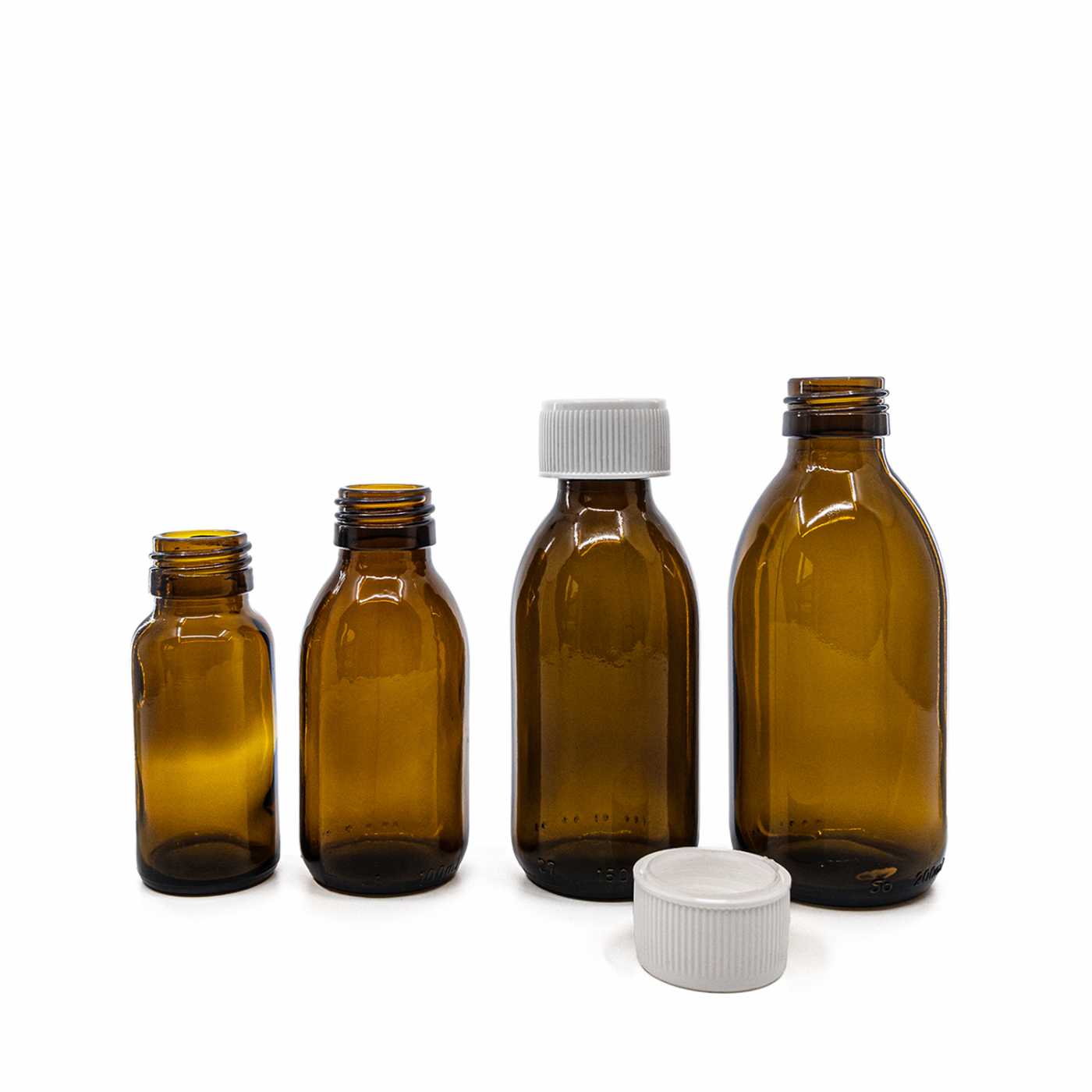
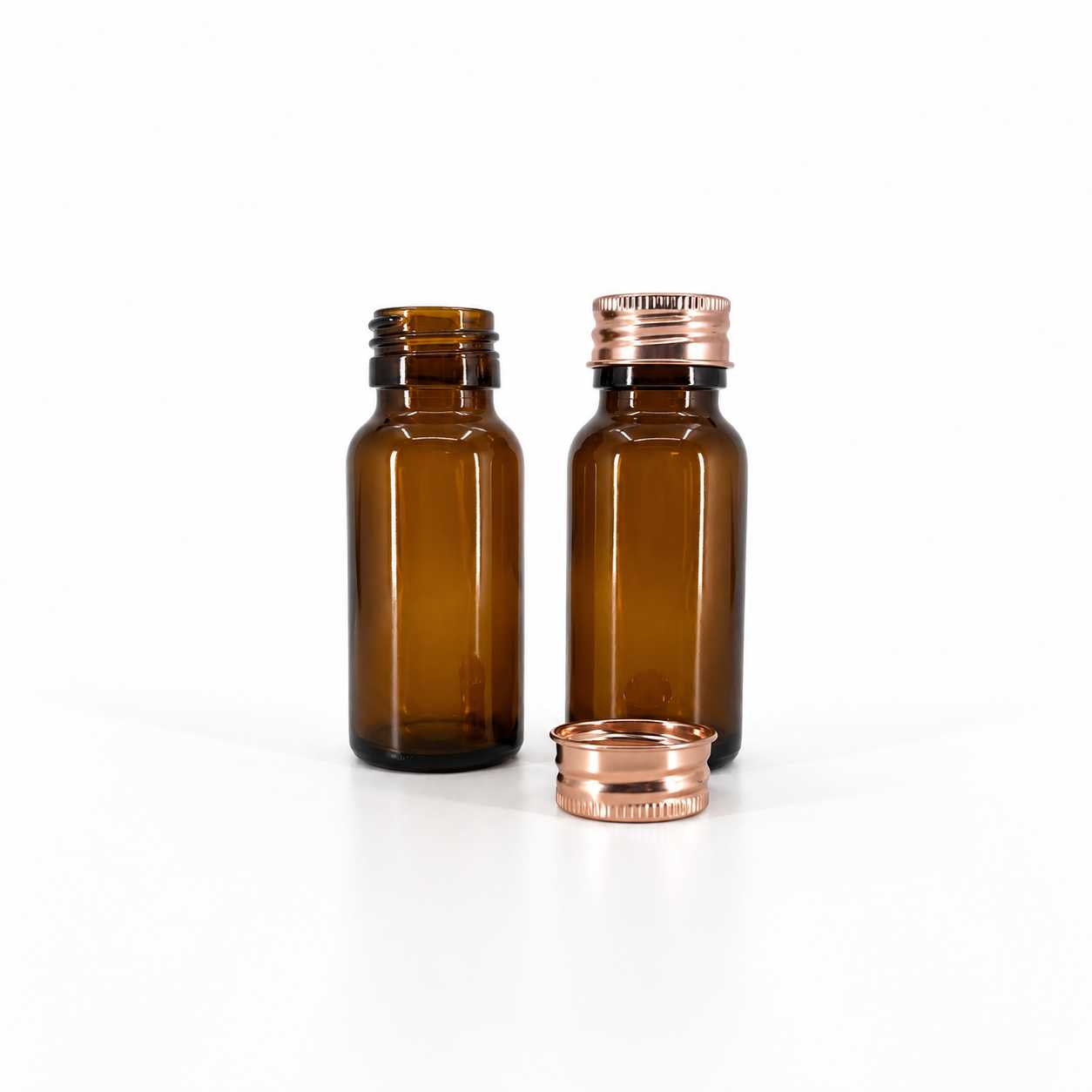
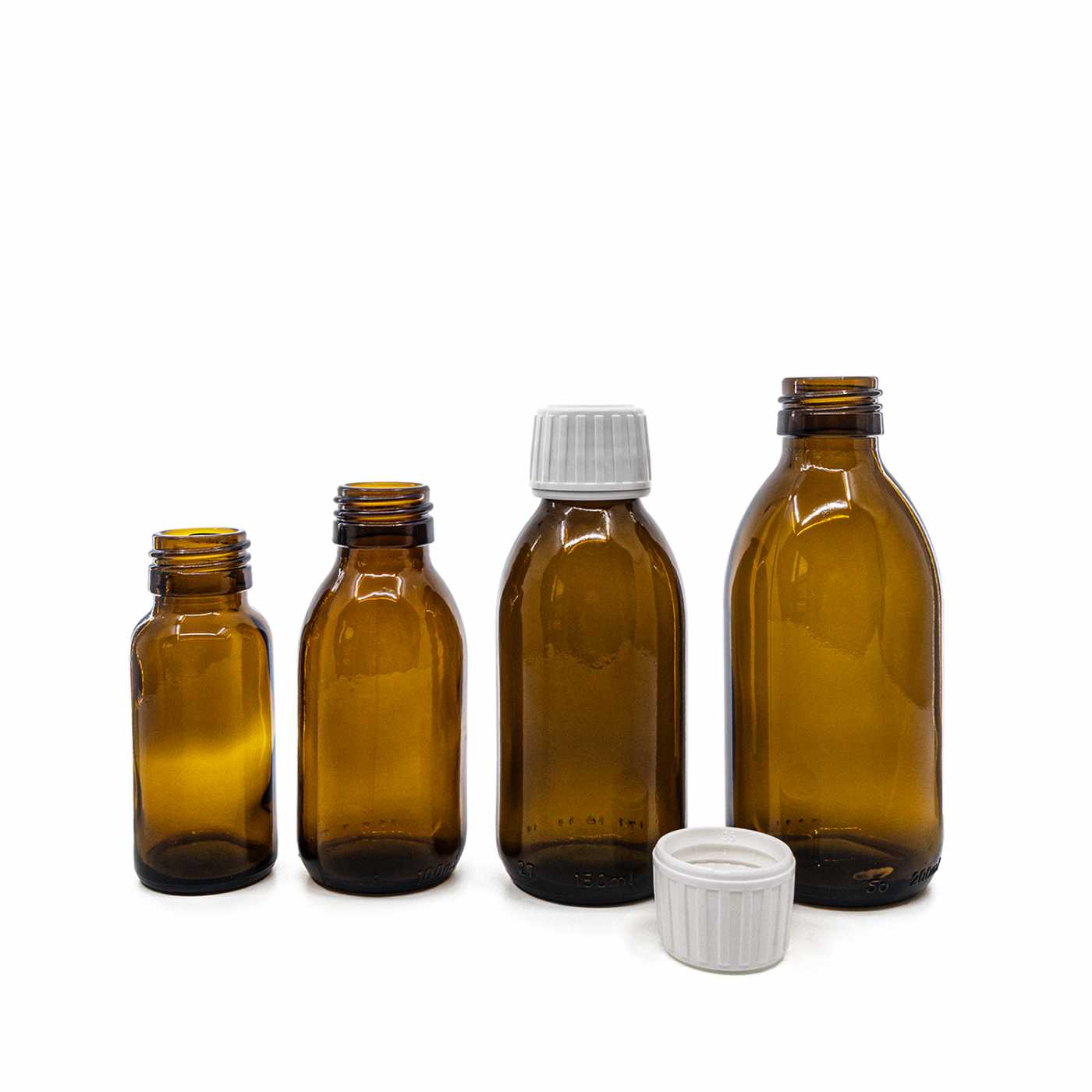
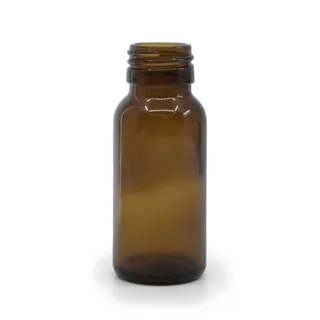
Amber Round Sirup Glass Bottle, 28 mm, White Safety Cap, 50 ml

Pack size50 ml100 ml150 ml200 ml250 ml300 ml500 ml1 l

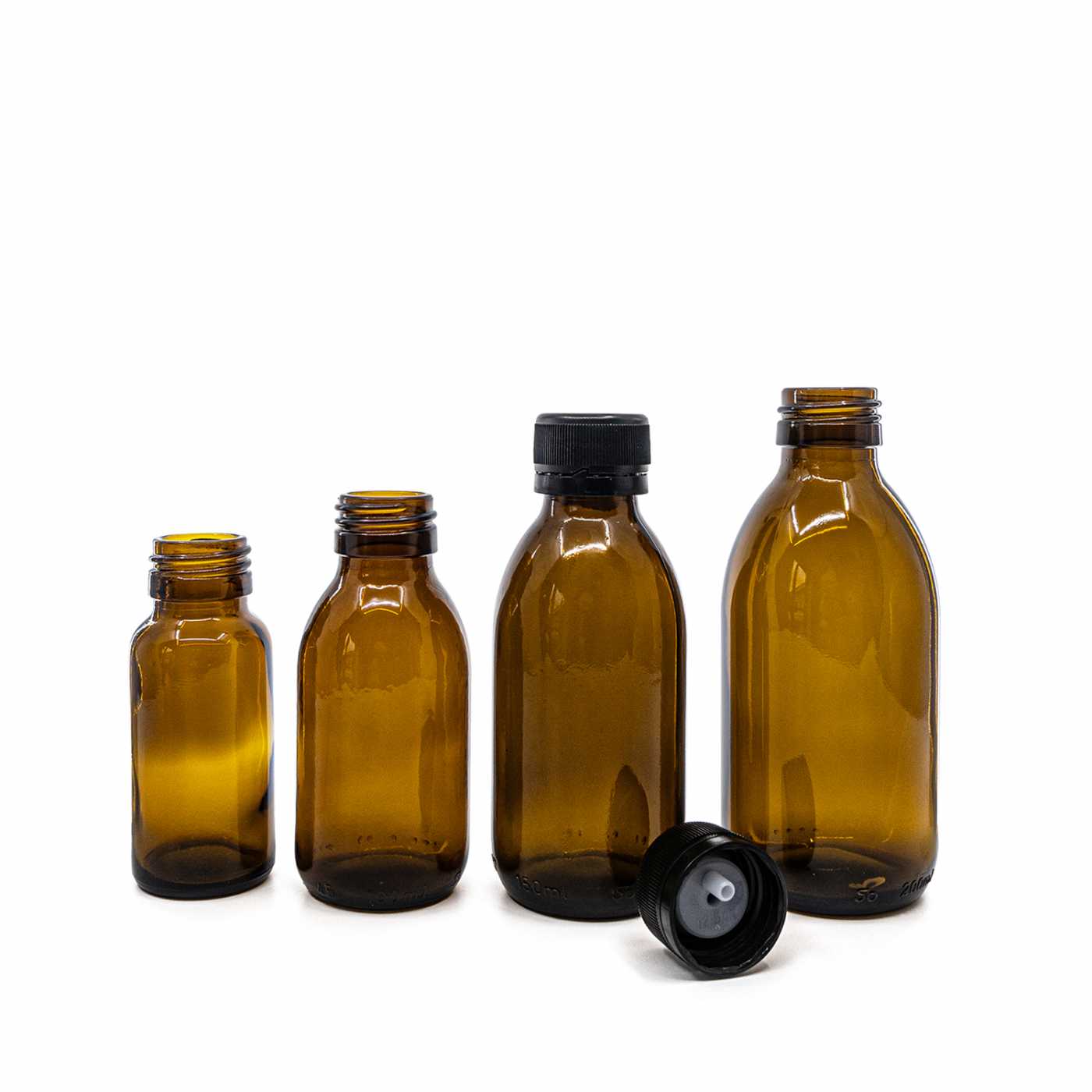
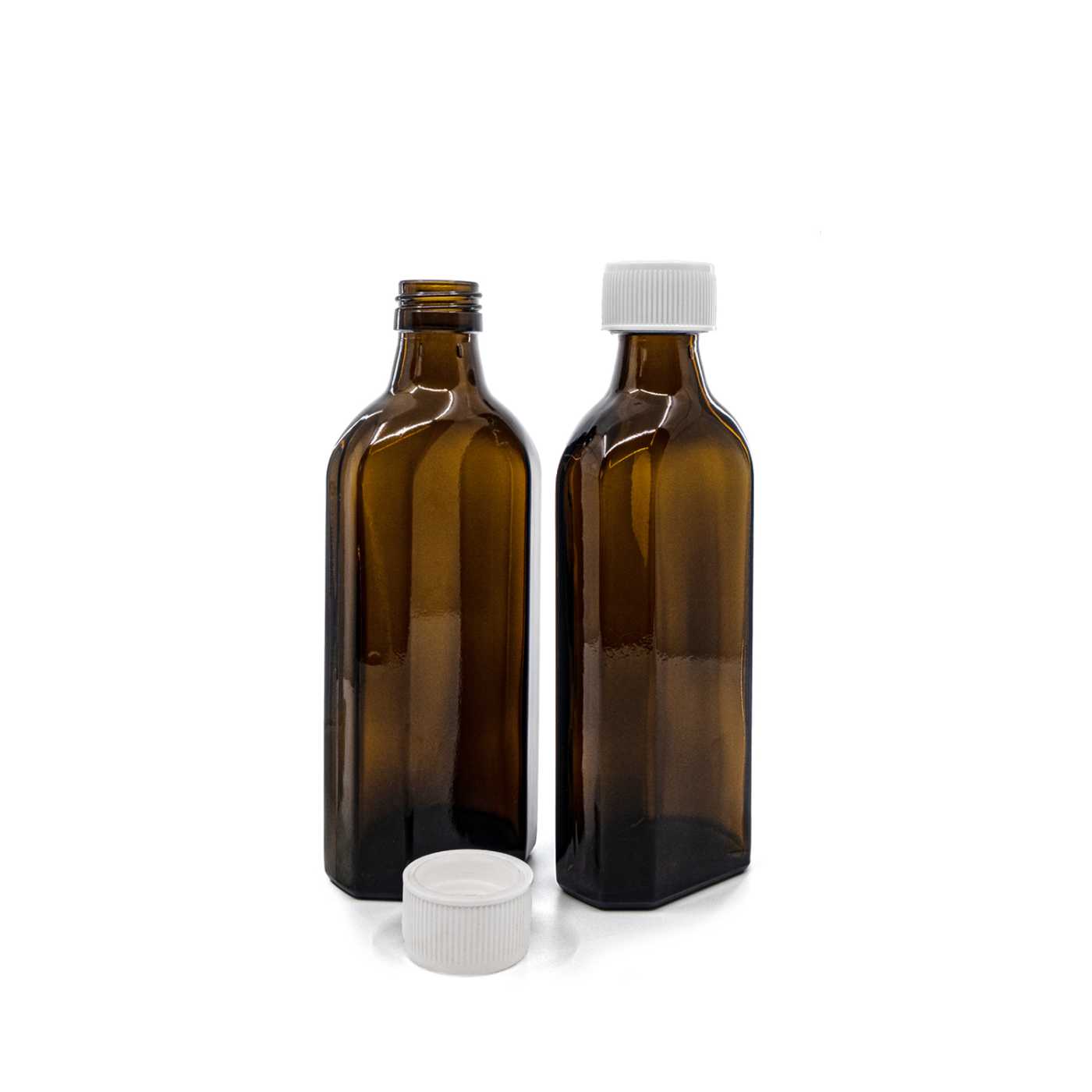
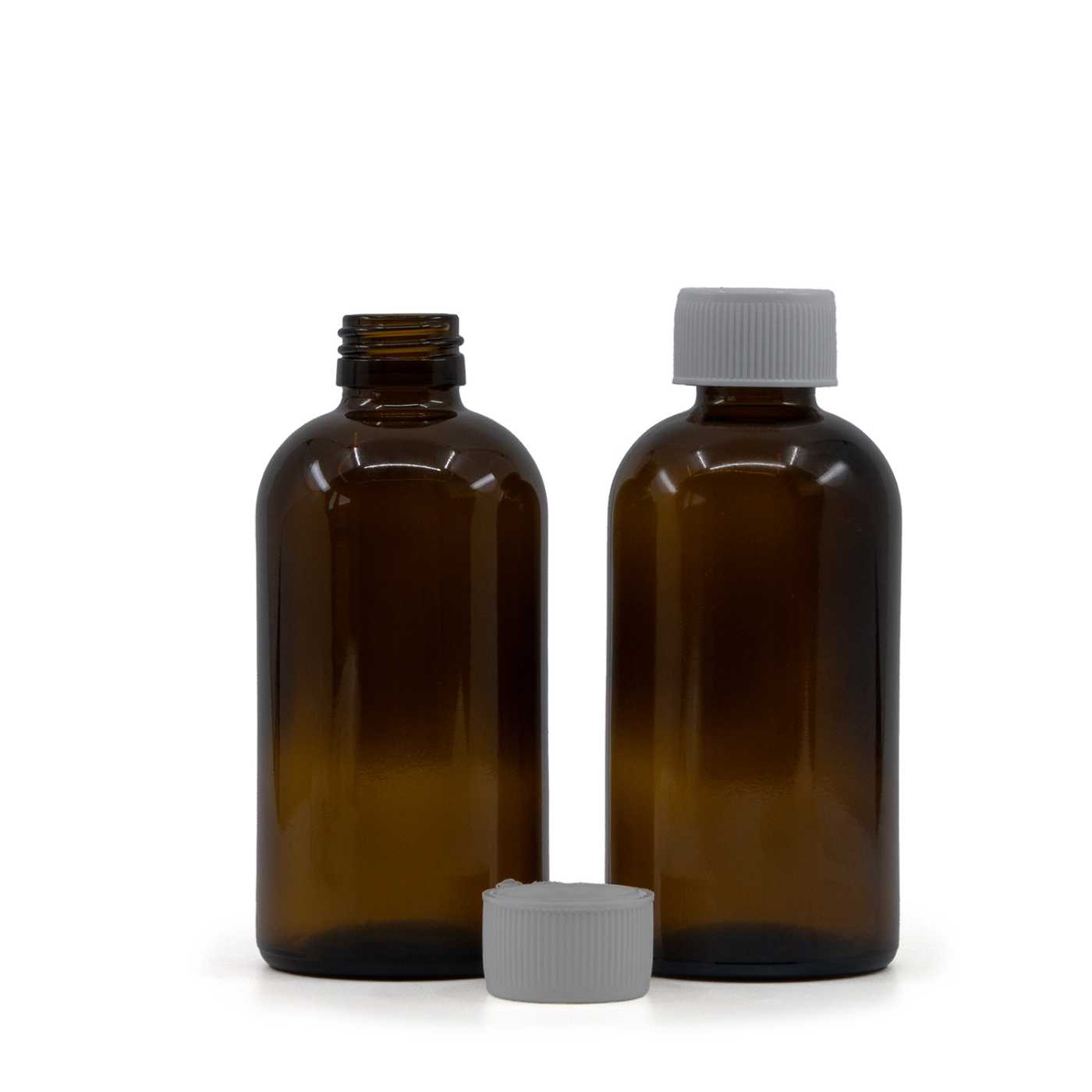
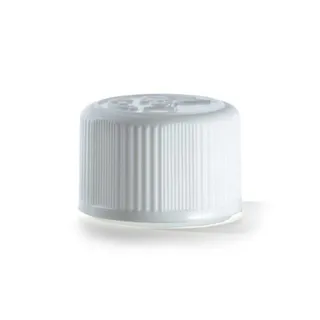
The glass bottle, apothecary vial, 28 mm, with a white child-resistant cap is a complete set with a volume of 50 ml for fills that need to be protected from light while also being secured against easy opening. full description

AvailabilityIn stock · 301 pcs
Product codeO28SH050-OVV28PB4
€0.93incl. VAT

Lowest price in the last 30 days: €0.93

Volume pricing
1–119 pcs€0.93Your price
120–1079 pcs€0.89−5 % · 1× plato
1080–5039 pcs€0.79−15 % · 9× plato
from 5040 pcs€0.70−25 % · 42× plato

Total for 1 pcs: €0.93

Quantities add up across all combinations of this bottle.

Product description

The glass bottle, apothecary vial, 28 mm, with a white child-resistant cap is a complete set with a volume of 50 ml for fills that need to be protected from light while also being secured against easy opening. Amber glass reduces light transmission, making it suitable for essential oils and their blends, oil serums, tinctures, herbal extracts and concentrates that lose stability in light. The child-resistant cap makes opening difficult for young children, which is a practical advantage for concentrated and aromatic contents.

The bottle and cap are declared as suitable for contact with cosmetics, and the complete set is also approved for direct food contact. It can therefore be used not only for cosmetic preparations, but also for home oil macerations, herbal syrups, concentrated extracts or alcoholic tinctures intended for consumption. The declaration of conformity and certificates are listed with the product.


What makes this set practical

  • Light protection – amber glass reduces the amount of light that reaches the contents, thereby slowing the oxidation of oils, fading of colorants and changes in fragrance.
  • Child-resistant opening – the cap opens by pressing down and turning simultaneously; a standard turn will not release it. It is suitable for fills that should not be in children's hands: undiluted essential oils, alcoholic tinctures, concentrates.
  • Non-reactive glass – glass does not absorb fragrances, does not react with the contents and can be thoroughly cleaned repeatedly. It is therefore also suitable for pure essential oils and alcoholic contents that could gradually damage plastic.
  • Apothecary bottle shape – the narrower cylindrical bottle with straight walls stands stable on a shelf, fits well in the hand and has room for a label.

Nominal and total volume

When filling, follow the nominal volume, which is 50 ml. This is the volume the bottle is designed for during normal filling. The total capacity to the brim is the physical volume of the glass up to the neck. The difference between them forms a reserve for the cap and for the expansion of the contents when the temperature changes. Fill the bottle to the nominal volume, not to the brim, otherwise there is a risk of the contents being forced out when closing and leaking into the thread.

For oils and alcoholic contents, always leave free space in the neck. Liquid expands slightly when heated, and dried residue in the thread later makes opening the child-resistant cap more difficult.


Suitable for fills such as

  • Essential oils and diffuser blends – light-attenuating glass and a child-resistant cap are the standard combination for concentrated aromatic substances.
  • Oil serums and body oils – the 50 ml volume corresponds to a typical face or hair oil size; the contents are dispensed by pouring or drop by drop depending on the viscosity of the fill.
  • Tinctures and alcoholic extracts – glass is resistant to alcohol and the amber colour protects plant constituents from light-induced degradation.
  • Food concentrates – home herbal syrups, herb-infused oils, extracts for drinks or cooking; the set is approved for direct food contact.
  • Samples and small batches – for testing formulations where the contents need to be securely sealed while monitoring their stability.

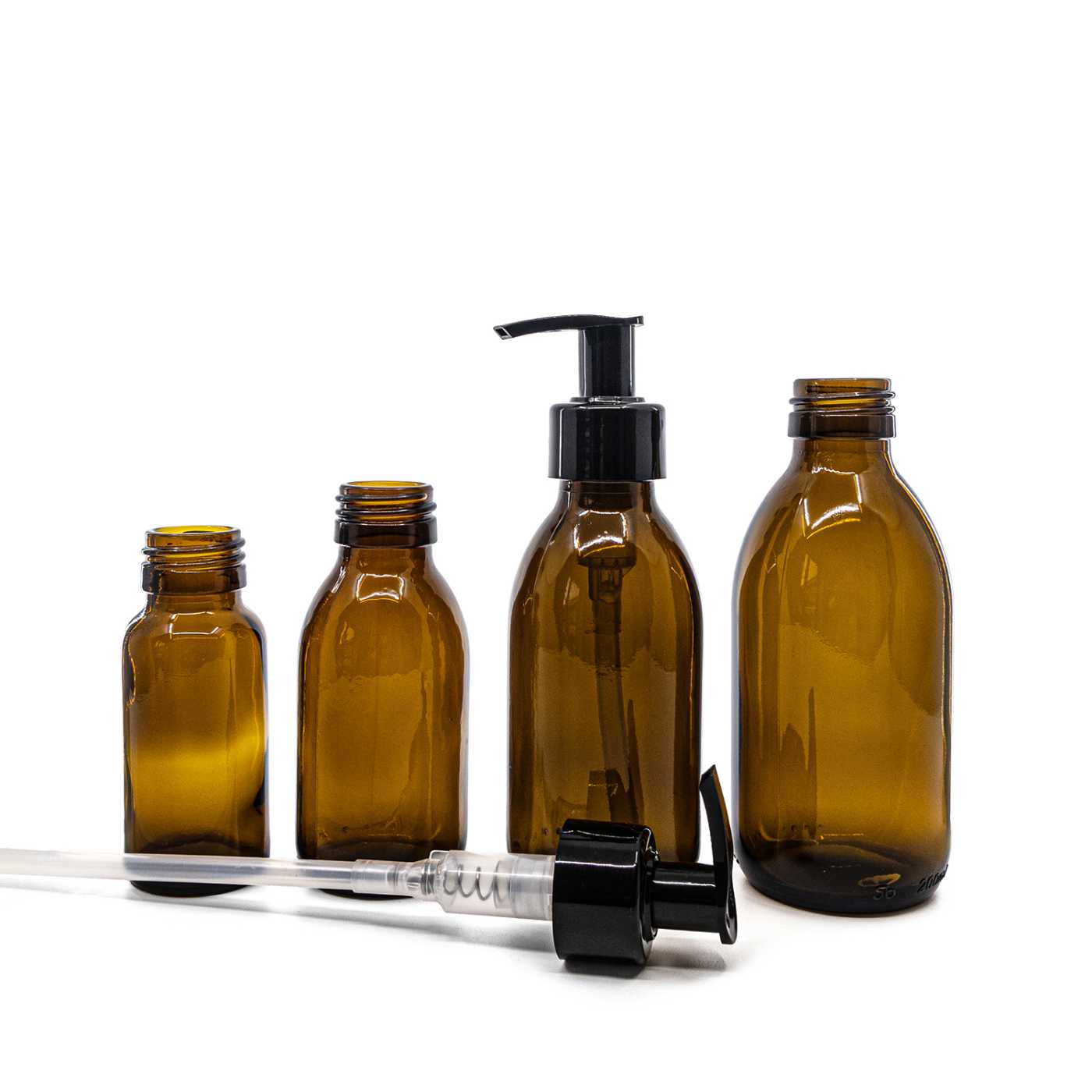
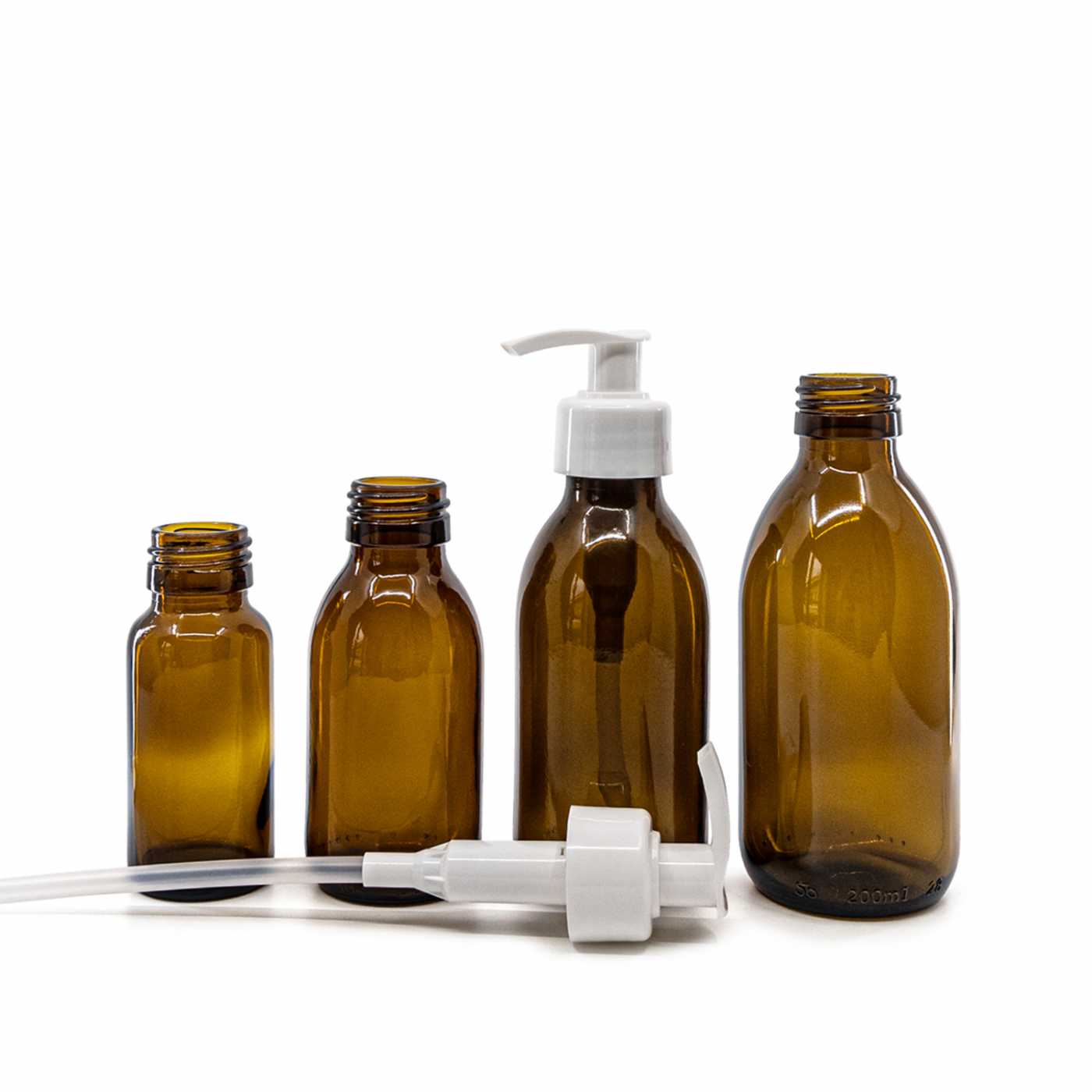
The set does not include a dropper; the contents are poured directly through the neck. For precise drop-by-drop dispensing, Handymade offers caps and ready-made combinations with the same neck type as stated in the parameters. For your own combination of bottle and cap, we recommend verifying the seal and behaviour with your specific formulation in advance.


Preparation before filling and repeated use

Before the first fill, wash the bottle, rinse it and disinfect it with isopropyl alcohol or ethanol, then let it dry completely upside down. Moisture in an oil fill promotes microbial growth and reduces stability. The cap only needs to be rinsed and dried; do not soak it in hot water for extended periods to avoid deforming the mechanism.

The glass can be used repeatedly. After emptying, wash it with warm water and washing-up liquid; for oils, a pre-wash with ethanol that dissolves the residue is helpful. The child-resistant cap may lose its resilience over time, so when reusing, check that it still locks and seals reliably. Stick labels on the flat part of the wall.

The child-resistant cap makes opening difficult for children, but it is not a reliable barrier. Store concentrated essential oils and alcoholic tinctures out of children's reach even in this container.


Good to know

Glass does not tolerate sudden temperature changes. Do not pour hot contents into a cold bottle and do not fill it directly from a cooking vessel; let the contents cool to room temperature first. With oil macerations prepared with heat, this is precisely the cause of cracking.

The cap is made of polypropylene, which is resistant to common cosmetic and food contents. With undiluted essential oils, especially citrus ones, we recommend checking after a few weeks whether the cap is changing shape or losing its seal, as pure essential oils are more demanding on plastics than diluted preparations. Store the bottle upright so the contents do not rest on the cap.

Glass belongs in glass recycling, the polypropylene cap in plastics; rinsing the container before disposal is sufficient.


Frequently asked questions

Is the 50 ml amber glass apothecary bottle suitable for essential oils?
Yes, amber glass is a suitable material for essential oils. It attenuates light, which accelerates the oxidation of essential oils, and does not react with their components. The child-resistant cap also makes opening difficult for children. For undiluted oils, we recommend regularly checking the condition of the plastic cap; the bottle itself tolerates essential oils without limitation.
How do you open the child-resistant cap on the 28 mm apothecary bottle?
The child-resistant cap is opened by pressing down and simultaneously turning counter-clockwise. With a regular turn without pressing, the cap rotates freely and will not release the bottle. It is closed by tightening until it clicks, at which point it is locked.
Can I fill this bottle with food products, for example herbal syrup or oil?
Yes, both the bottle and the child-resistant cap are approved for direct food contact, so the set is suitable for home syrups, herbal oils, extracts and alcoholic tinctures for consumption. Wash and disinfect the container before first use. Let hot contents cool before pouring to prevent the glass from cracking.
How much content fits in a 50 ml bottle?
During normal filling, 50 ml is filled into the bottle, which is its nominal volume. The physical volume of the glass to the brim is larger. The difference serves as a reserve for the cap and for the expansion of the contents when the temperature changes, so never fill the bottle to the neck.
Can the glass apothecary bottle with a child-resistant cap be used repeatedly?
Yes, the glass can be reused after washing and disinfection. The cap withstands several cycles, but its child-resistant mechanism and seal may gradually lose resilience. Before each subsequent fill, verify that it still locks after tightening and that the container does not leak when inverted.
Is this set suitable for water-based contents, for example tonics or hydrolats?
Yes, both the glass and the polypropylene cap are suitable for water-based contents. For tonics and hydrolats, however, convenient dispensing is more important than opening protection, which is why a combination with a spray pump is more often chosen for them. This set is better suited for concentrates, oils and tinctures where light protection and secure closure matter.

Parameters

Glass bottle, vial, PP28S, 50 ml

Product color
Amber
Country of origin
European Union
Nominal capacity
50
Brimful capacity
62 ml
Diameter
37,7 mm
Thread type
PP28S
Height
94,5 mm
Product material
Glass

Plastic safety cap 28/410

Product color
White
Country of origin
European Union
Diameter
35 mm
Thread type
28/410
Height
24,5 mm
Product material
PPPlastic
REVIEWS

Verified by customers.

No reviews yet.

Only customers with a delivered order can write reviews.