


PLASTIC BOTTLES
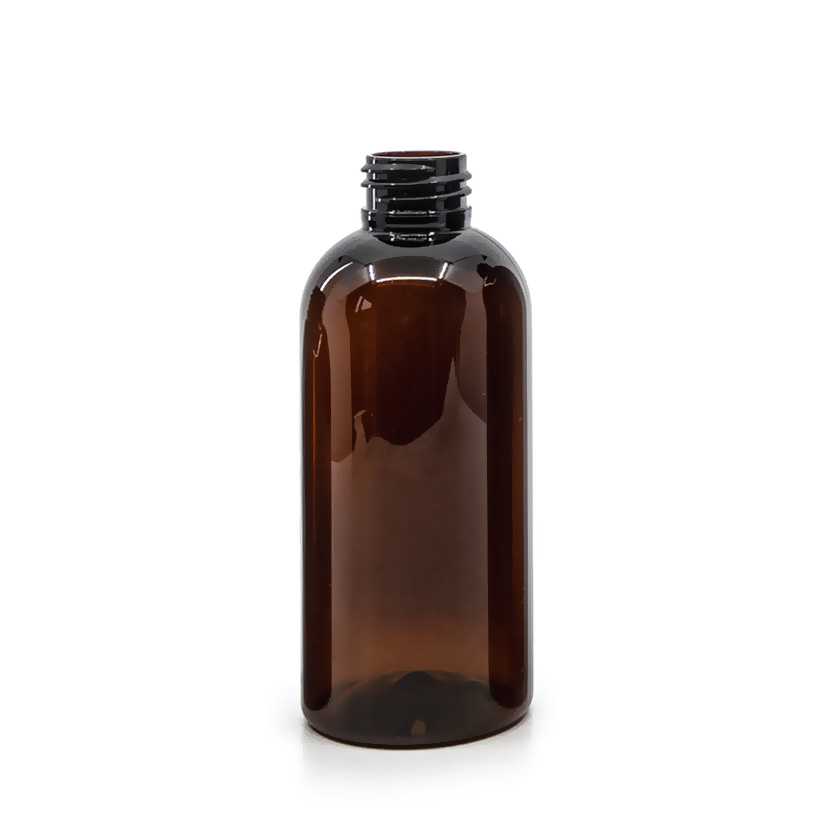
Brown plastic bottle, 24/410, 150 ml
Pack size100 ml150 ml200 ml300 ml
The brown plastic bottle 150 ml with a 24/410 neck is designed for filling cosmetic preparations that require a lightweight, shatterproof container with light protection. full description
Lowest price in the last 30 days: €0.71
Total for 1 pcs: €0.71
Product description
The brown plastic bottle 150 ml with a 24/410 neck is designed for filling cosmetic preparations that require a lightweight, shatterproof container with light protection. The brown colouring of the material reduces light transmission, protecting light-sensitive contents such as preparations with vegetable oils, vitamins or essential oils. PET is light and shatterproof, so the bottle handles manufacturing, transport and everyday use in the bathroom or on the go with ease.
The 150 ml capacity is suited to products that are dispensed repeatedly and in larger amounts: body lotions, facial and body oils, tonics, micellar waters, shampoos, shower gels and hydrosol sprays. It is a standard size for home production as well as small-batch retail.
The packaging is suitable for use with cosmetic products and meets the applicable regulatory requirements.
Why choose this bottle
- Light protection for the contents – brown PET transmits less light than clear plastic, slowing unwanted changes in oils, botanical extracts and fragrance components.
- Lightweight and shatterproof – considerably lighter than glass, it will not break if dropped and is suitable for products that customers carry with them or use in the shower.
- Standard 24/410 neck – one of the most common thread sizes for cosmetic packaging. Any closure with the same neck type fits, so there is a wide range of options to choose from.
- Practical volume – 150 ml lasts several weeks of regular use of a body preparation, while the container remains compact.
Nominal and total volume
You will encounter two volume figures for a bottle. The nominal volume is the volume the container is designed for under normal filling conditions. The total brimful volume is the physical volume of the bottle up to the neck and is slightly larger. The difference between them provides headspace for the closure, the dip tube of a pump or spray, and for expansion of the contents with temperature changes. The bottle is filled to the nominal volume, not to the brim. Filling to the brim would cause the contents to overflow during closure and would prevent a pump or spray from being fitted correctly.
Closure selection
Closures with a 24/410 neck and ready-made bottle-and-closure combinations are available in the Handymade range. With a custom combination, we recommend verifying compatibility and dispensing performance with the specific formulation. Thicker emulsions may not dispense evenly through a pump, and thin tonics are better dispensed with a spray than an open cap.
With a spray or pump, allow for a dip tube that reaches the bottom of the bottle. The tube sometimes needs to be trimmed to the height of the bottle so it does not kink and dispensing continues until the contents are fully used.
Useful information when working with a PET bottle
Preparation before first filling. The bottle is supplied clean, but not sterile. Before filling, we recommend rinsing it, disinfecting with isopropyl alcohol or ethanol, and allowing it to dry completely neck-down. Residual water in the container could dilute the preservation system and shorten the product's shelf life.
Filling at room temperature. PET is not intended for filling with hot contents. Allow emulsions, balms and waxes to cool before filling; otherwise the bottle may deform or the neck may change shape and no longer seal.
Essential oils and solvents. PET performs well with aqueous solutions, hydrosols, emulsions and vegetable oils. For preparations with a high proportion of essential oils, fragrance compositions, alcohol or other solvents, we recommend testing the behaviour of the container with a small amount first. Concentrated fragrance components may cause the plastic to cloud or soften over time. Do not expose the bottle to aggressive chemicals.
Labelling. The cylindrical shape with a flat wall allows a label to be applied around the full circumference. Label dimensions for design purposes are listed in the product specifications. For shower products, use labels and adhesives that are water-resistant.
Reuse. After thorough washing and disinfection, the bottle can be refilled. When switching to a different type of preparation, we recommend replacing it if the previous contents have left a scent or an oily film that cannot be removed.
Recycling. PET is one of the most readily recyclable plastics. Place the empty, rinsed bottle without its closure in the plastic waste collection.
The brown colouring protects the contents from a portion of the light, but does not replace cool, dark storage. Preparations with unstable ingredients, such as vitamin C or retinol, should be stored away from direct sunlight even in this bottle.
Frequently asked questions
Parameters
- Product color
- Amber
- Country of origin
- European Union
- Nominal capacity
- 150
- Brimful capacity
- 170 ml ml
- Diameter
- 49 mm mm
- Thread type
- 24/410
- Height
- 118 mm mm
Product documentation
- PDSProduct Data Sheet
- PDF ↓
Verified by customers.
No reviews yet.
Only customers with a delivered order can write reviews.