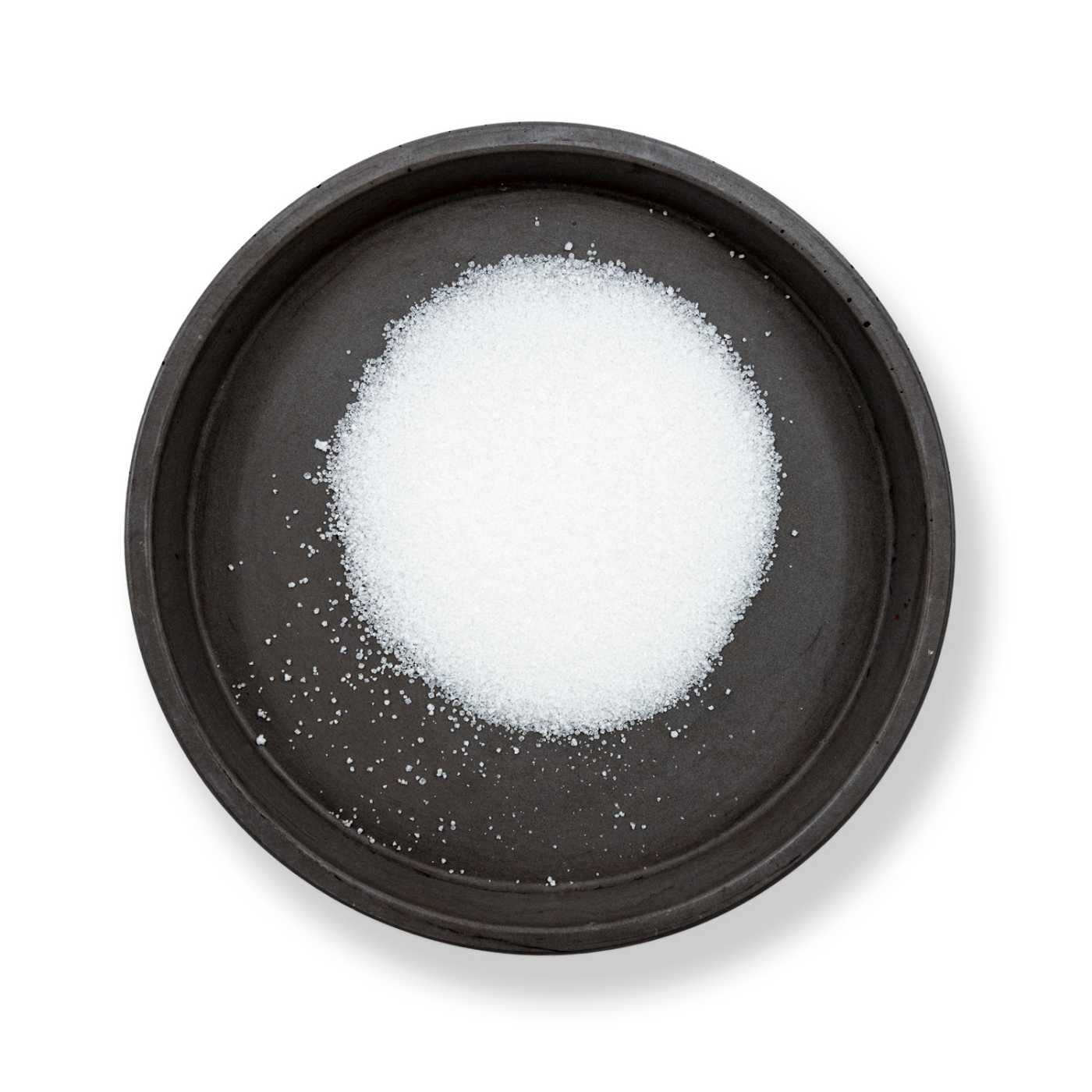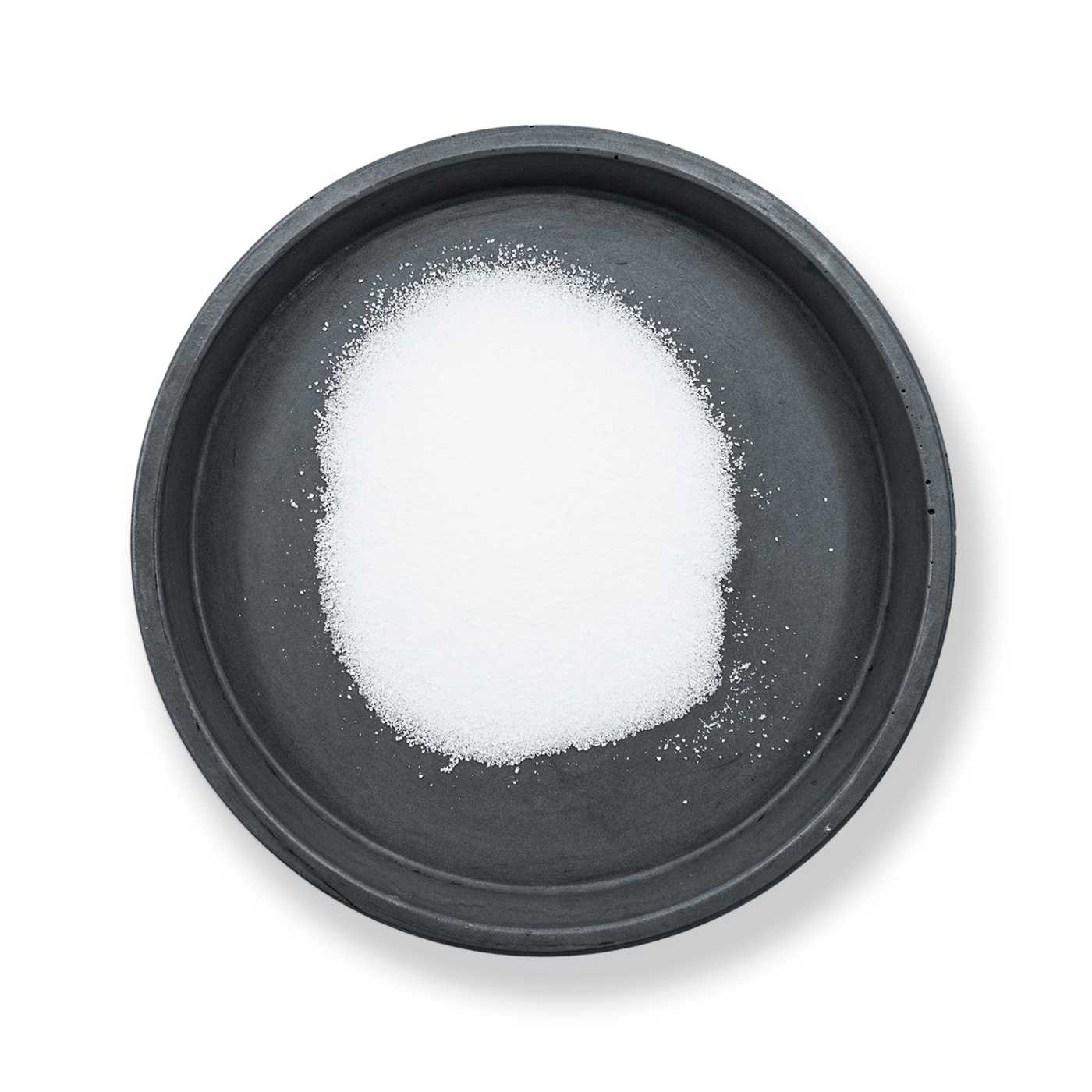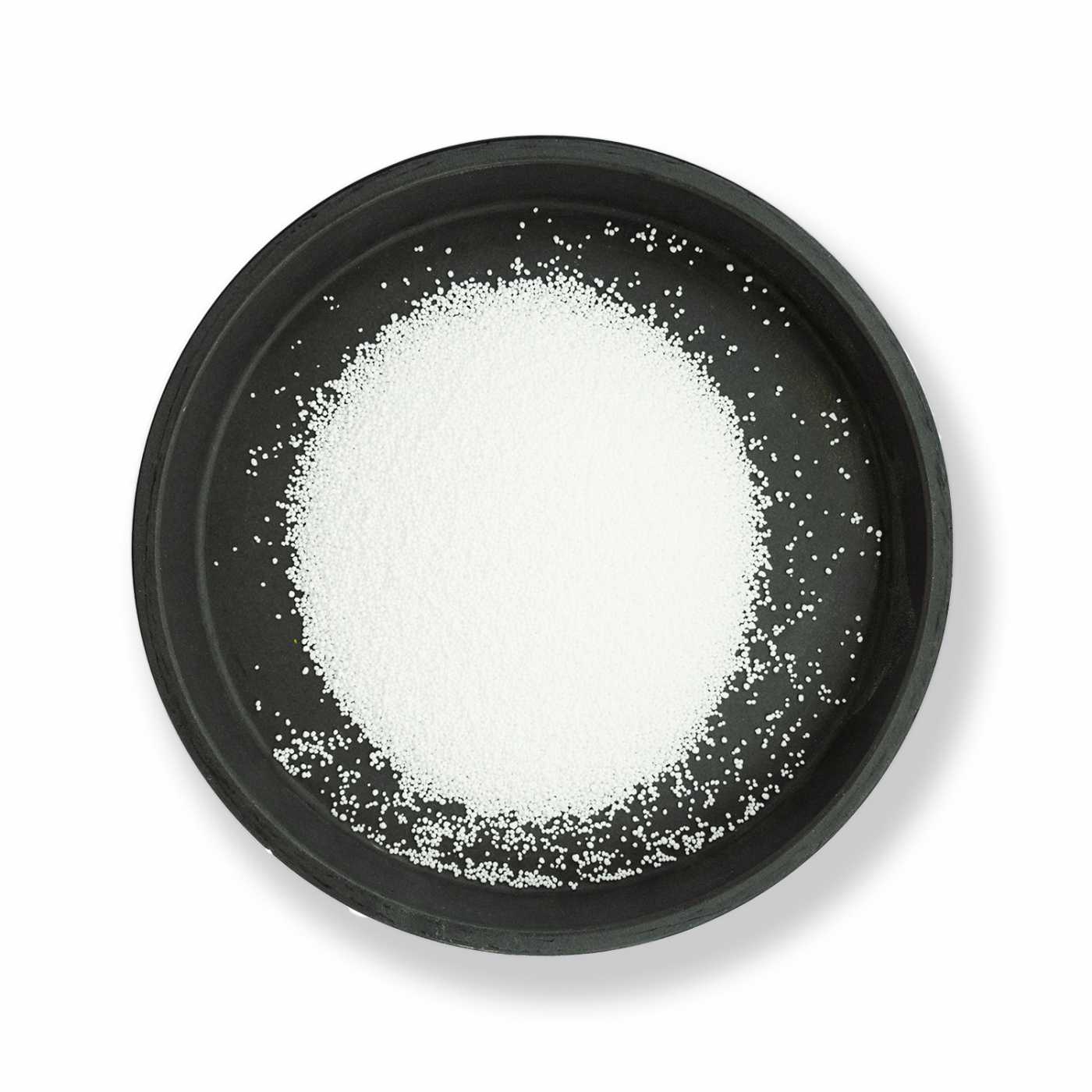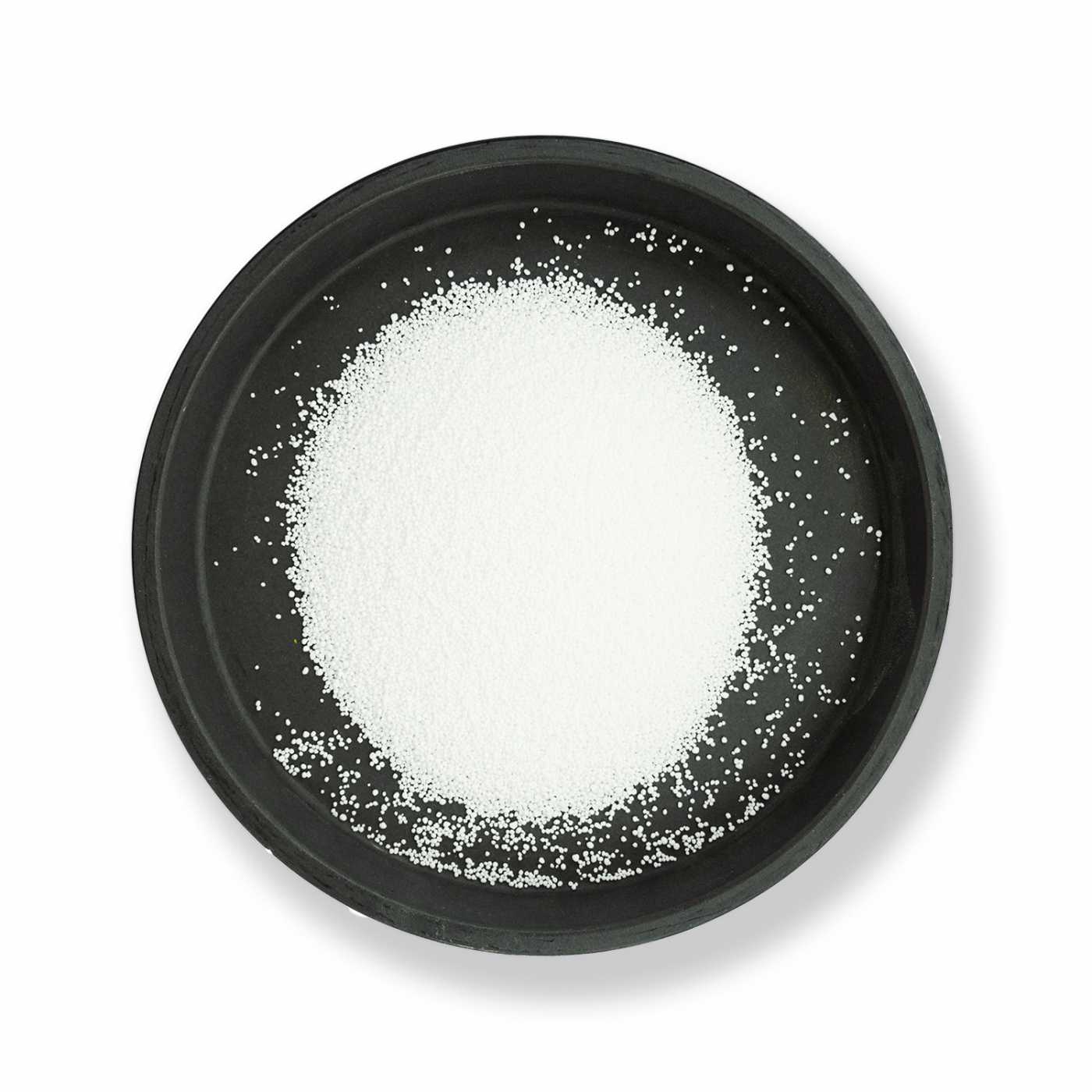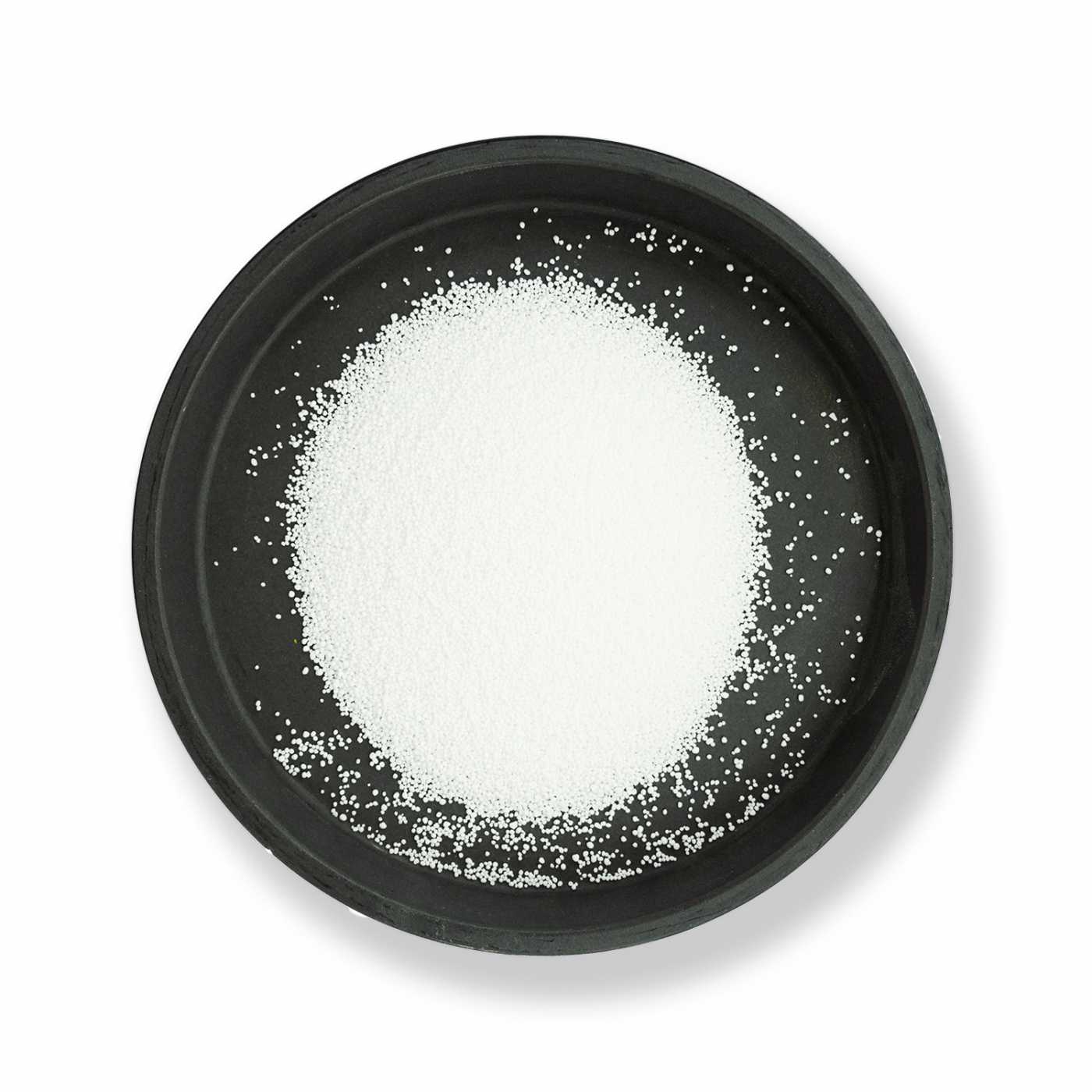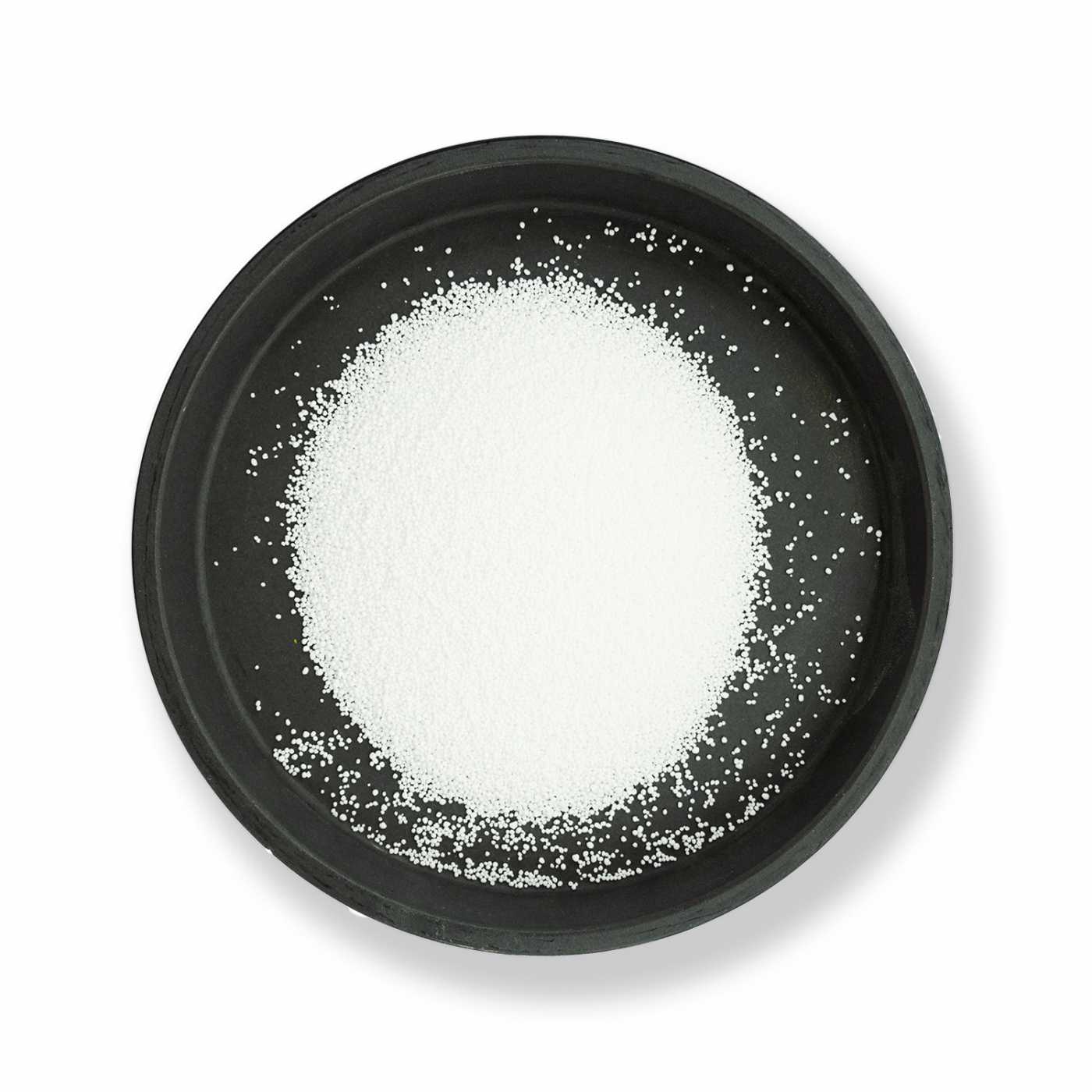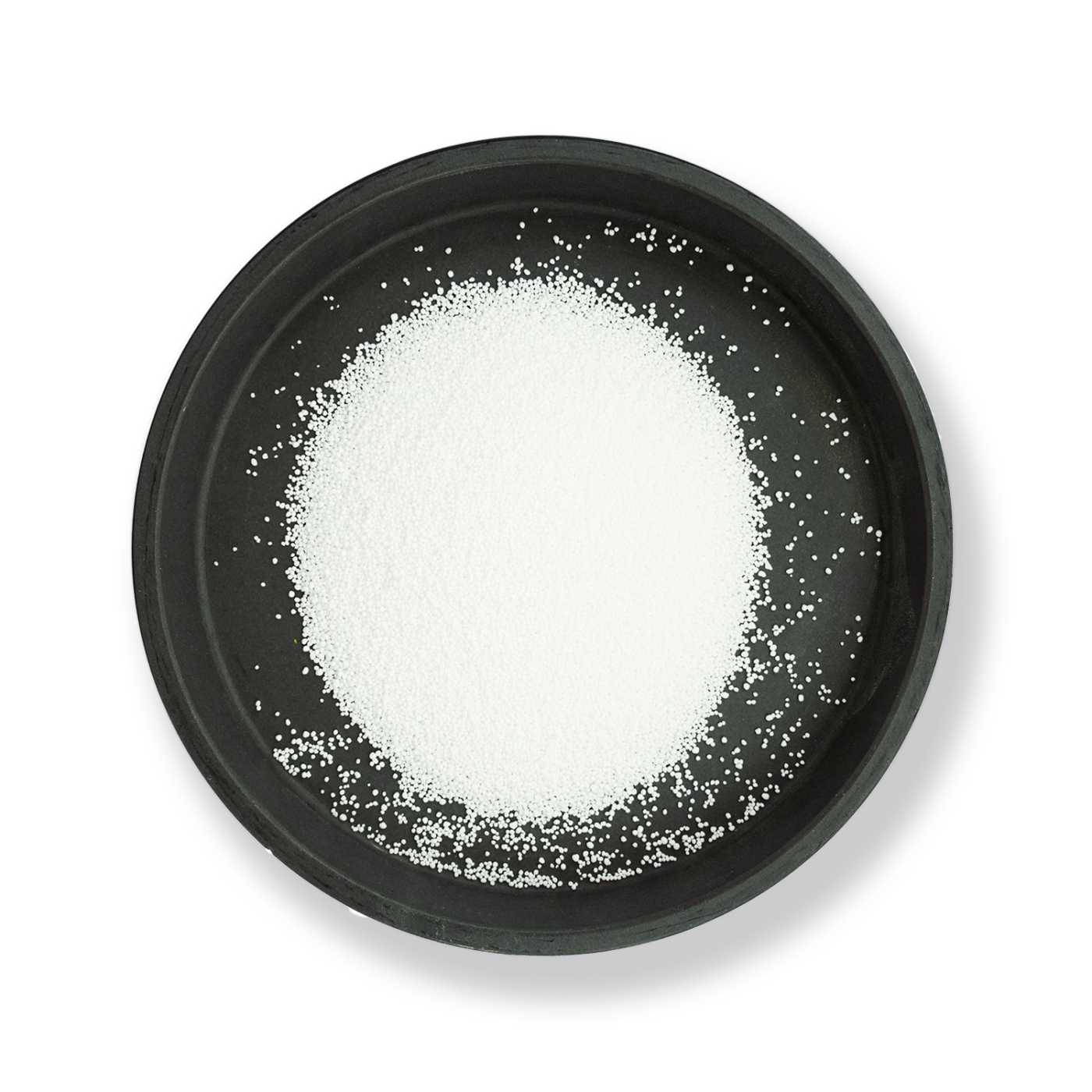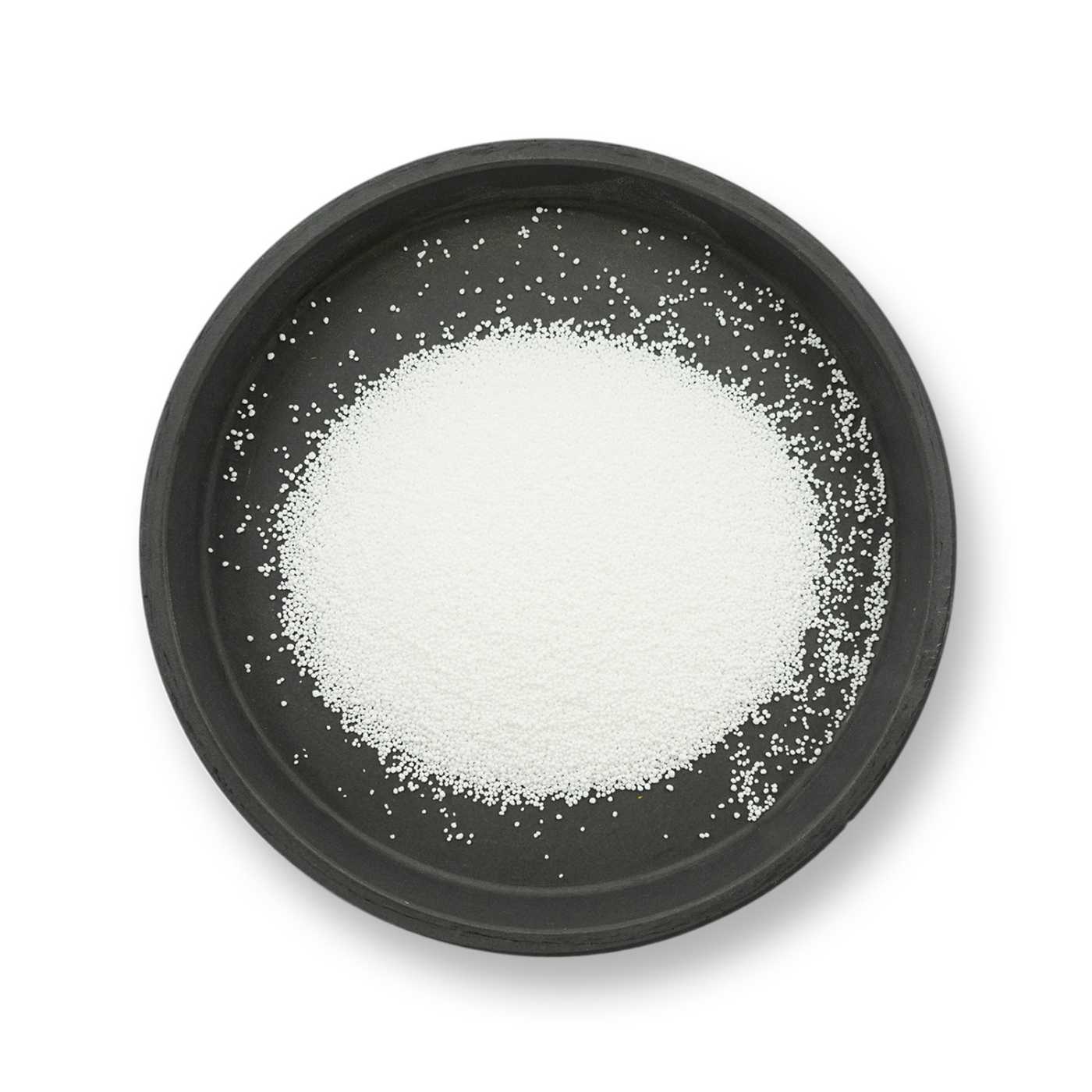
Sodium Citrate 1 kg
Pre-order€9.99(€9.99/kg)

17 products in this category
12 in stock now
4.9 out of 5 · 663 ratings
Documentation for every product
Showing 17 of 17 products
The chelating agents category covers raw materials that bind the metal ions (mainly Fe and Cu) present in water and in raw materials. In doing so they reduce the risk of oxidation, discolouration and cloudiness and at the same time support the performance of preservatives in emulsions, gels, toners and cleaning preparations.
The range includes a plant-based phosphate chelator for naturally positioned recipes and a next-generation chelator based on an amino acid derivative. Both are water-soluble and easy to integrate into the water phase at the usual dosages used in cosmetics.
Completing the range are the simple chelators sodium citrate and sodium gluconate – affordable options for natural recipes as well as for cleaning preparations.
Below you will find a brief overview with recommendations on the types of formulation in which these chelators bring the greatest benefit.
A natural chelating agent based on the sodium salt of phytic acid. It improves colour and oxidative stability and strengthens the effect of the preservation, particularly in aqueous and emulsion systems; it also suits a “more natural” positioning of recipes. A natural chelator for clarity and stability, with good biodegradability. More information can be found in the product Dermofeel PA-3.
A next-generation chelator based on MGDA (an amino acid derivative). It effectively binds hardness and metal ions, increases the clarity and stability of emulsions, gels and cleaning preparations, and also suits shampoos and shower products. A modern, effective chelator for a wide pH range and various types of formulation. Details are given in the product Trilon M Max EcoBalanced.
A chelator binds the metal ions (mainly iron and copper) from water and raw materials, which reduces the risk of oxidation, discolouration and cloudiness while also improving the performance of the preservation. In practice it contributes to longer stability, a better-looking product and more reliable microbial protection of emulsions, gels and toners.
Most often into the water phase right at the start of the process – the chelators on offer are water-soluble, so they are easy to integrate. In emulsions the chelator then acts on the ions present during processing; in finished products it can also be added during the cooling phase. It is used at the usual low dosages given in the technical data sheet of the raw material.
Sodium Phytate (Dermofeel PA-3) is a natural phosphate chelator with good biodegradability – suitable for natural positioning and for supporting preservation in aqueous systems. MGDA (Trilon M Max EcoBalanced) is a versatile next-generation chelator, effective across a wide pH range and in surfactant products such as shampoos and shower gels. Choose according to the aim of your recipe.