Plantasens Emulsifier HP 30, 50 g
Pre-order€6.79(€135.80/kg)

CHELATING AGENTS
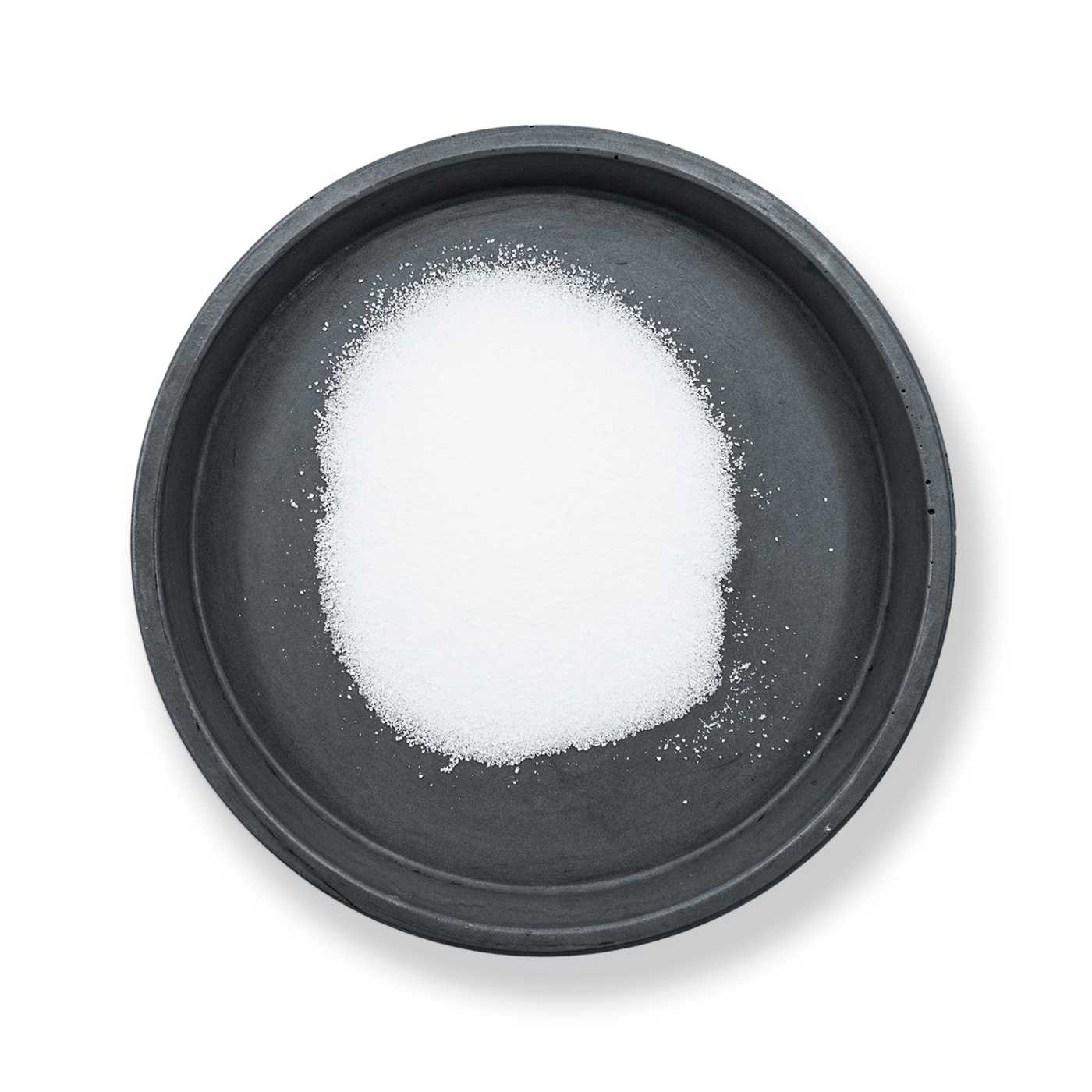
Sodium Phytate is a chelating agent of plant origin that binds metal ions in aqueous formulations and protects the product from their undesirable effects. full description
Lowest price in the last 30 days: €4.39
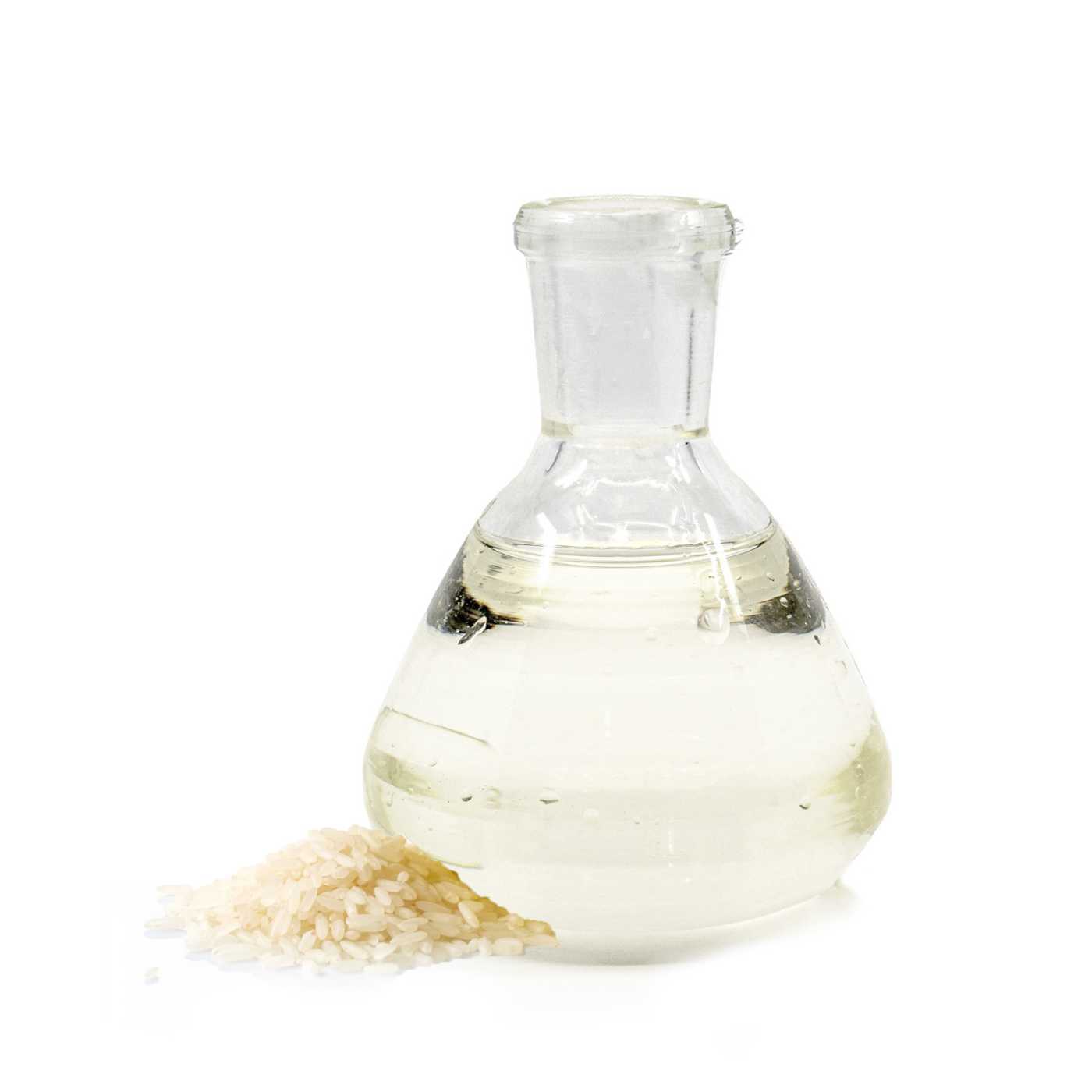
Sodium Phytate is a chelating agent of plant origin that binds metal ions in aqueous formulations and protects the product from their undesirable effects. It is derived from rice (Oryza sativa L.) and added in small quantities to support the efficacy of the preservation system and slow down the oxidation of oils in the finished product. Customers will barely notice this ingredient on the label, yet it does a great deal for the stability of creams, serums, and shampoos.
For manufacturers looking for an alternative to synthetic chelators such as EDTA, Sodium Phytate offers a plant-derived option with easy biodegradability according to OECD 301.
Water, plant extracts, and many other raw materials contain traces of metal ions. Amounts that appear harmless at first glance can cause problems in the finished product. Preservatives lose part of their efficacy in their presence, and oils oxidise more quickly.
Sodium Phytate captures these ions in a stable complex in which they no longer react with the rest of the formulation. The preservation system can then work as intended, and sensitive ingredients remain unchanged for longer.
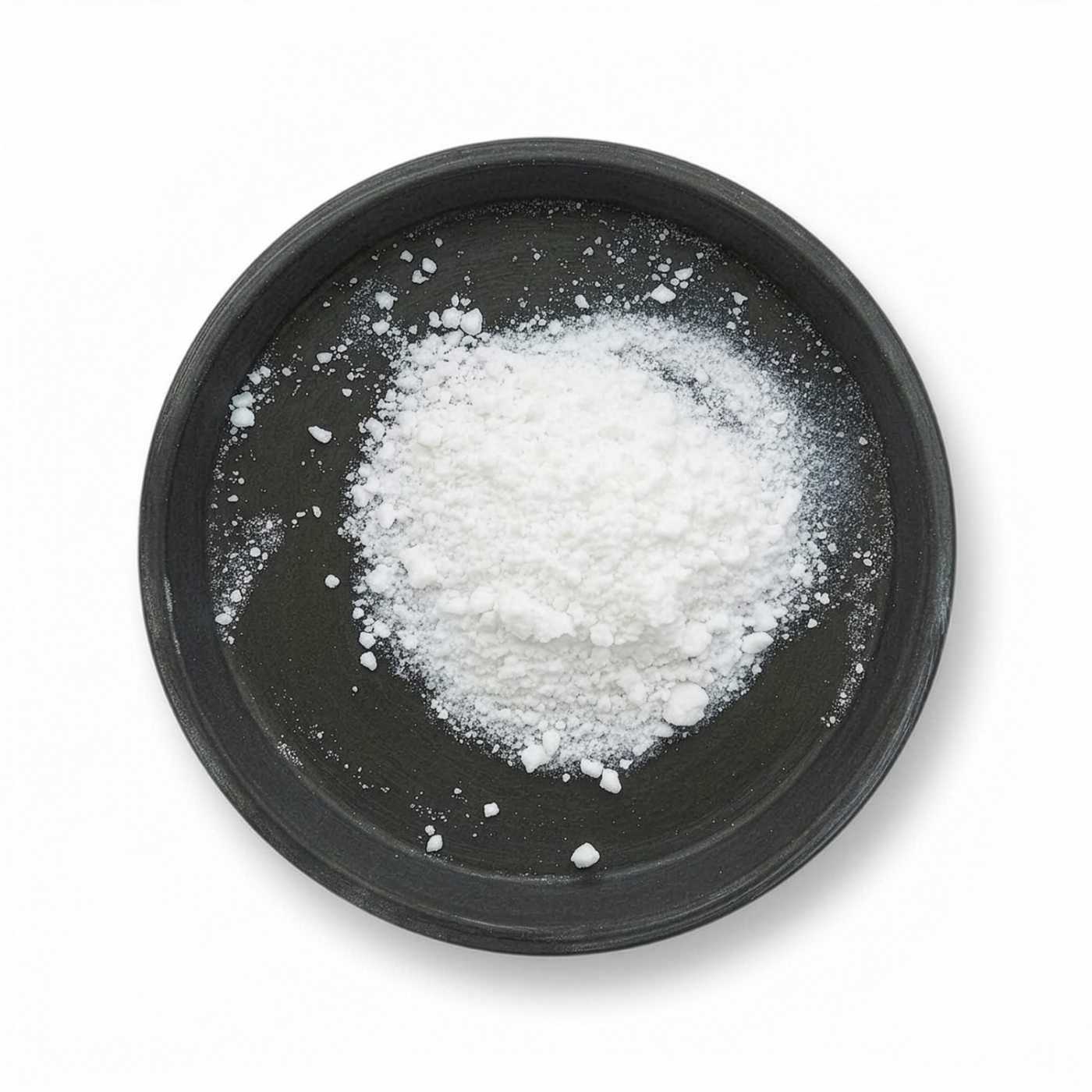
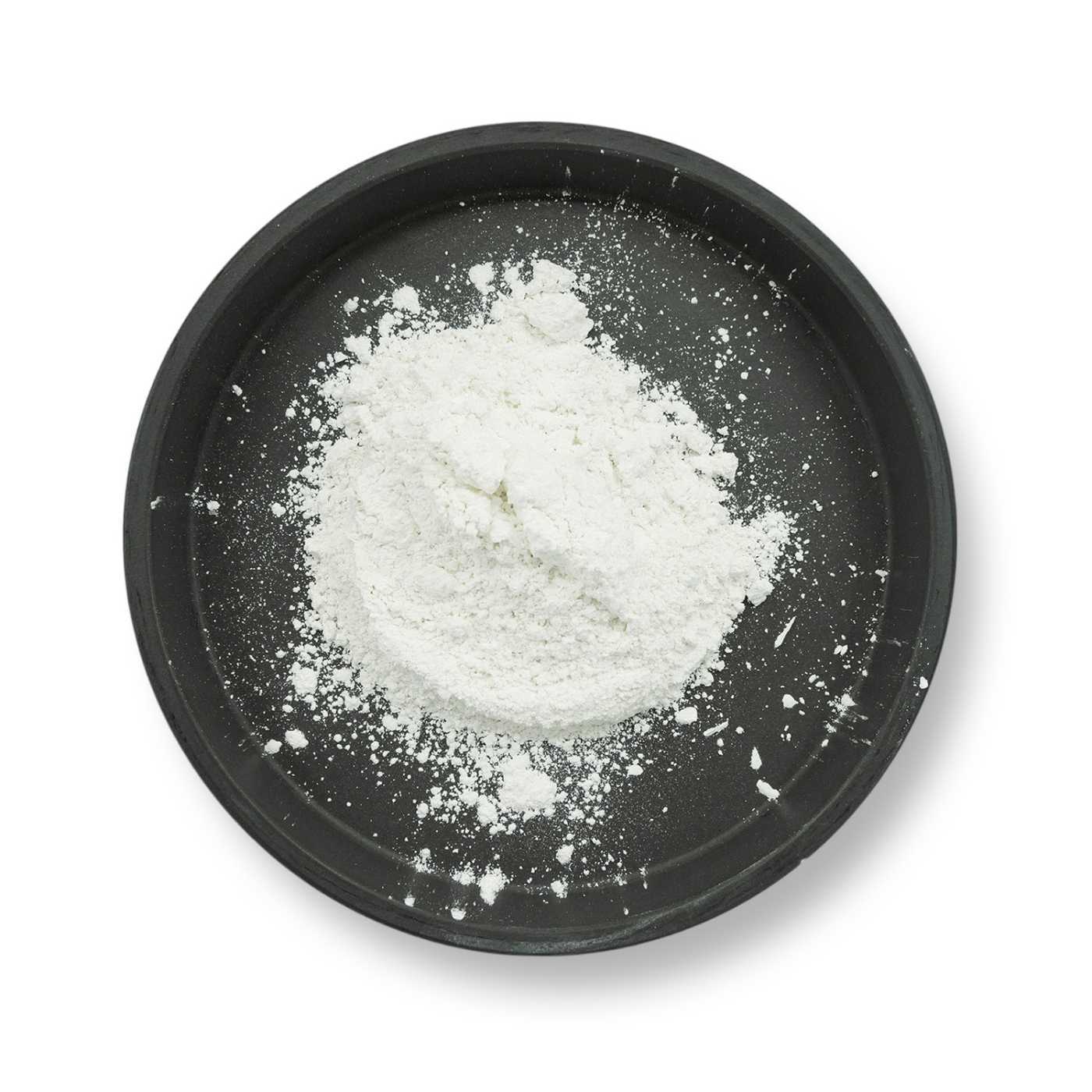
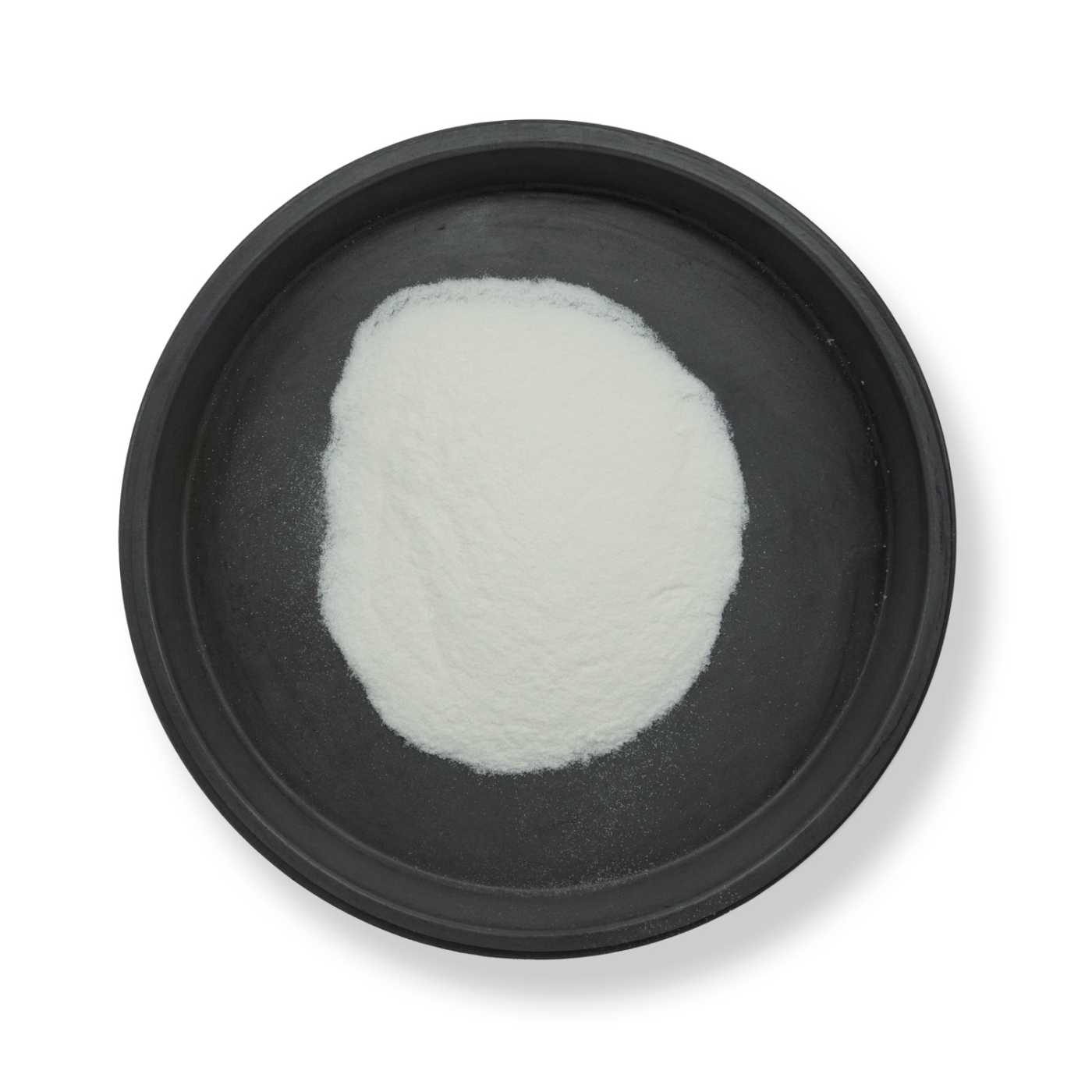
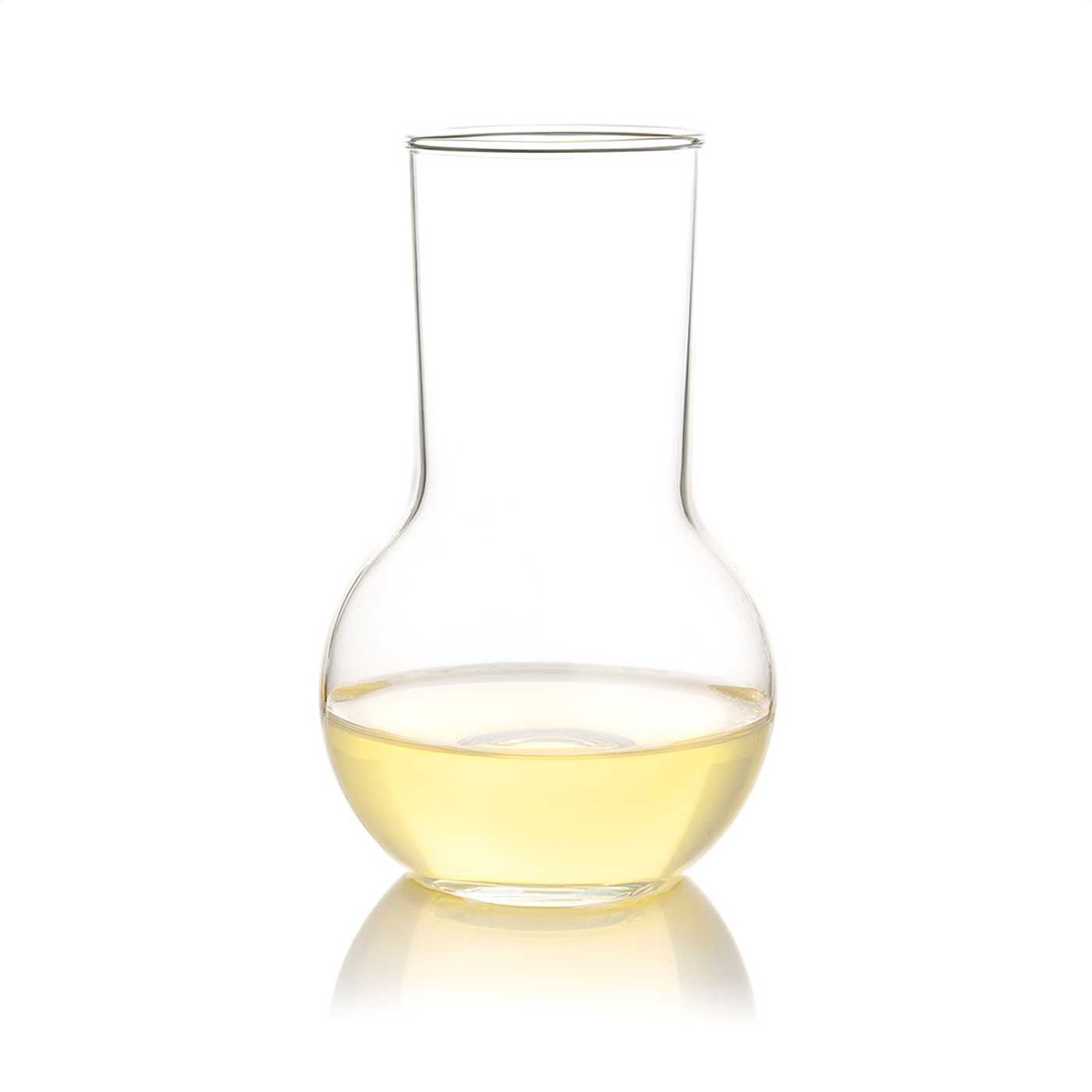
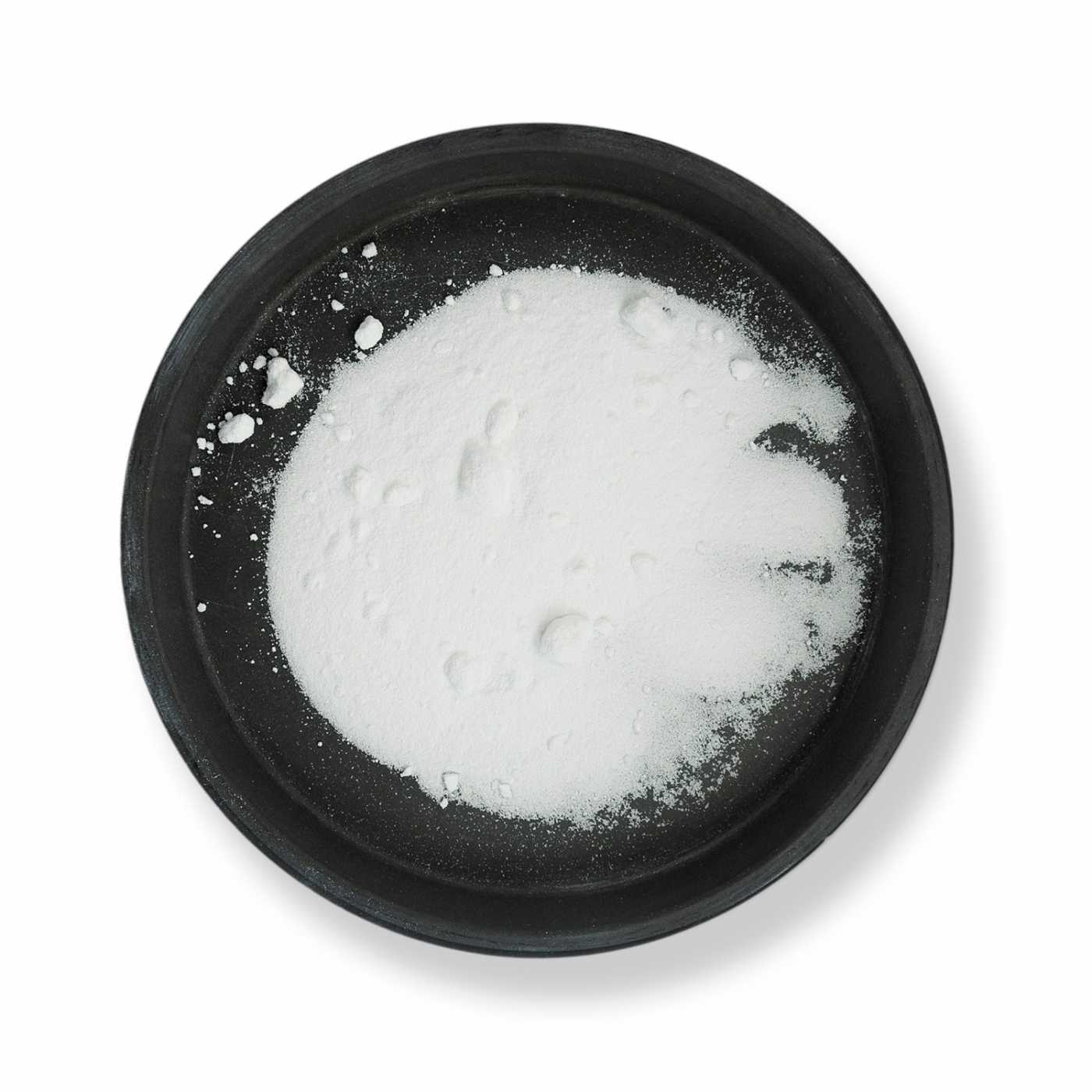
Sodium Phytate belongs to the aqueous phase. Dissolve the white powder in the initial water at the very start, before adding extracts, surfactants, and preservatives, so that it captures metals before they have a chance to bind to other ingredients. The recommended dosage is 0.1 – 0.2 % of the total weight of the formulation, i.e. 0.1 – 0.2 g per 100 g of cream or shampoo.
The processing temperature should remain below 80 °C, which is not a limitation in standard hot-process emulsification. Cold-process work is equally possible; the powder dissolves in water at room temperature with continuous stirring.
The raw material itself has an alkaline character; the pH of its solution ranges approximately between 10 and 12. After dissolving, therefore, check the pH of the aqueous phase and adjust it if necessary to the value required by the formulation.
Compatibility has been verified with anionic and non-ionic surfactants and in both neutral and acidic environments. With cationic conditioning ingredients or in formulations above pH 9, we recommend verifying behaviour in a test batch.
Add the chelator as one of the first ingredients in the aqueous phase. If it is dissolved only in the finished emulsion, some of the metals are already bound elsewhere and the protective effect is not fully utilised.
Sodium Phytate is not suitable for anhydrous products, i.e. pure oils, butters, and balms. It will not dissolve in them and has nothing to bind to.
Sodium Phytate does not replace a preservative. It does not kill microorganisms on its own; it only helps the preservation system to work more effectively. In aqueous and emulsion formulations, it is therefore always combined with a full-value preservative.
The raw material is classified under the CLP Regulation as irritant and corrosive. Details on safe handling can be found in the safety data sheet.
The powder and its concentrated solution irritate and corrode the skin. When weighing and dissolving, wear gloves and protective goggles, avoid raising dust, and wash your hands after use.
Keep to the recommended dosage range. A higher dose shifts the pH of the formulation towards alkaline values and unnecessarily burdens it. Verify the effect with a stability test of the finished product.

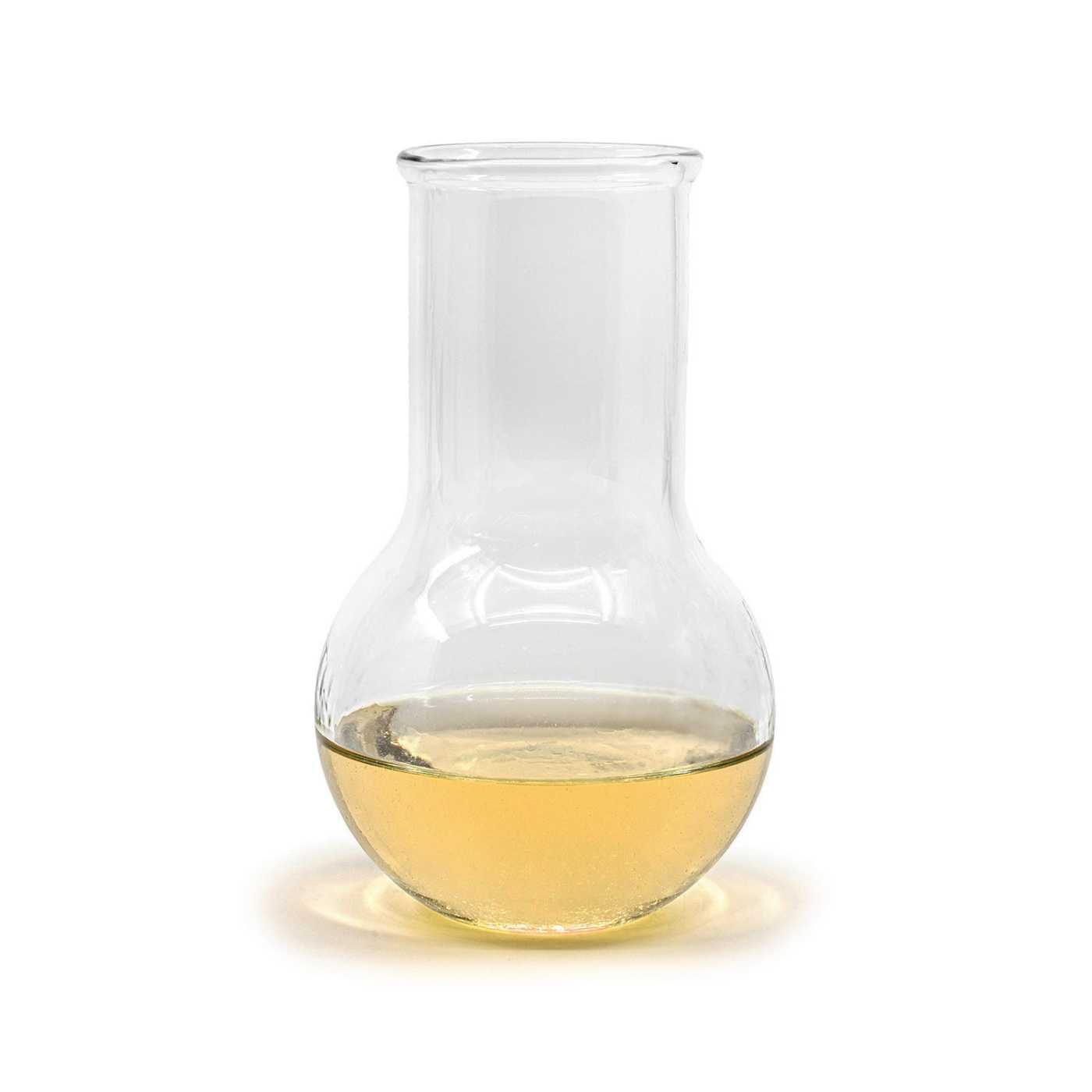
Dissolves easily.
Translated automatically